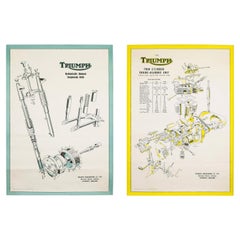
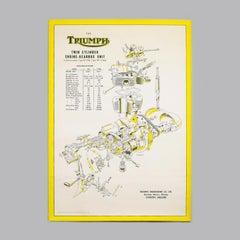
Industrial floor lamps, bar stools, desks and other industrial-style furnishings have experienced a resurgence in popularity with the rise of interest in minimalist design.
It's a look that celebrates the past even as it suggests vigor, productivity and brawn. The newly chic industrial style of decor repurposes the simple, sturdy furniture of an earlier world of commerce — brushed-metal storage cabinets and display shelves, task lamps and pendant lights with enameled shades, work tables with worn wooden tops and cast-iron bases — and couples them with aesthetic touches emblematic of energy and optimism, from bright upholstery fabrics to flowers.
The rise in prominence of the industrial style has come hand-in-hand with the residential repurposing of former manufacturing and warehouse districts throughout the United States, Canada and Europe. In many loft apartments created in shuttered factories, the architectural envelope has been left intact.
Industrial-style interiors feature elements like raw brick walls, exposed steel beams and oak floors whose history is written in every pit and gouge. Iron and glass transom windows give definition and interest to small kitchen areas anchored by kitchen islands made of marble, steel and brass, while taxidermy or vintage neon signs serve as wall art in living rooms dotted with leather club chairs. Patina is the keynote to a decor in sync with such surroundings.
On 1stDibs you will find industrial furniture designs that wear their age beautifully — and were built to last.
Add a welcome personal touch to your space and tie your distinctive interior scheme together by introducing antique and vintage posters to any and every room of your home.
In the late 19th century, following the advent of text-heavy posters printed from woodblocks for use in taverns and shop windows, hand-drawn poster art had become commonplace in regions such as France, England and the United States. Well-known illustrators were commissioned to produce decorative posters to advertise political campaigns, theatrical events, books, household goods and other items. Early poster artists used a printmaking technique called lithography, which sees drawings or paintings created on a stone (or metal) surface with an oil-based substance, such as a greasy crayon or tusche (an oily wash). The image is eventually affixed to the surface by means of a chemical reaction, and ink adheres to certain sections of the surface while non–image areas are made to repel the ink.
If you wanted a color lithograph in the early days, the number of stones prepared had to match the number of colors you commissioned for the poster. French painter Jules Chéret, widely known as the father of the modern poster, designed some of history's most popular lithographic posters that featured color. Today, Chéret’s art is highly collectible, along with original works by Czech painter and decorative artist Alphonse Mucha, whose posters advertising theatrical productions helped define Art Nouveau.
Over time, poster artists transitioned to more advanced techniques. Using silkscreens, woodblocks and photolithography, painters and illustrators printed larger quantities at a faster rate.
If you’ve finally tracked down that vintage movie poster, mid-century modern promotional travel poster or other work and you’re looking to find out if it is valuable, distinguishing between an original poster and a reproduction can be complicated. A professional appraiser can work with you on factors such as rarity, assessing the physical condition of your poster and authenticating your piece. For now, take care of your new acquisition because conserving posters is essential in helping them retain their value. A practical conservation method is to have the work mounted on archival, acid-free paper and thin artist’s canvas, then enclosing it in a sturdy frame. (And here is a primer on how to hang wall art, be it arranged gallery-style or otherwise.)
On 1stDibs, find all kinds of posters for your home today.