Barbara Hepworth Art

British, 1903-1975

Barbara Hepworth was born in 1903 in Wakefield, West Riding of Yorkshire. Hepworth attended the Leeds School of Art from 1920. There, she met fellow sculptor Henry Moore, who she maintained a friendly rivalry with throughout her career. 

From Leeds, Hepworth went on to attend the Royal College of Art (RCA) in London, where she studied from 1921–24. Following her studies in London, Hepworth traveled to Italy. She began this journey in Florence, where she was the runner-up for the Prix-de-Rome, losing only to sculptor John Skeaping, whom she began a relationship with. The pair traveled to Siena and Rome and were married in 1925 in Florence.

During her time in Italy, Hepworth studied under sculptor Giovanni Ardini and learned how to carve marble. Upon her return to London, Hepworth and Skeaping began to publicly exhibit from their flat until their divorce in 1929. Hepworth’s early work reflects her interest in European art movements, particularly Italian Abstraction. 

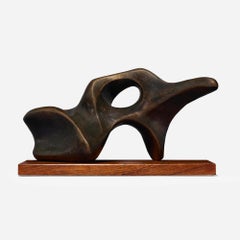
In 1931, Hepworth began to sculpt her characteristic pierced figures, and Henry Moore followed suit. The pair led the path to modernist sculpture. Hepworth later became involved with the Parisian art movement, Abstraction-Création. 

In 1933, Hepworth and Ben Nicholson co-founded with Paul Nash, Herbert Read and architect Wells Coates the Unit One art movement, with the agenda to unite Surrealist practice with abstraction in contemporary British art. Hepworth moved to St. Ives, Cornwall with her second husband Nicholson and their children at the outbreak of the Second World War in 1939. Hepworth lived and worked in Trewyn Studios. 

Many other British artists likewise found refuge and space in Cornwall to continue working during the war, and in its aftermath, Hepworth founded the Penwith Society of Arts in 1949. 

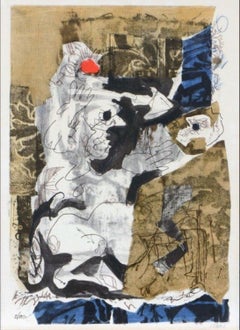
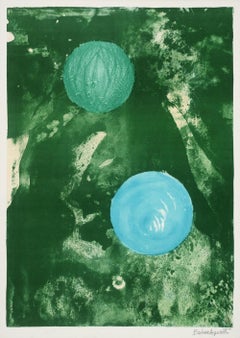
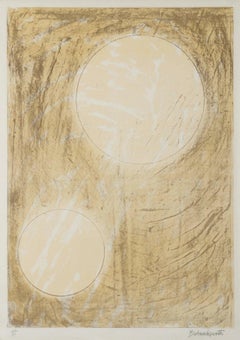
In 1950, Hepworth exhibited in the British Pavilion at the Venice Biennale. Two of her public commissions were exhibited at the Festival of Britain in 1951, and in 1953 she traveled to Greece, a trip which inspired her celebrated six-piece sculpture collection carved from Guarea wood between 1954–56. In 1955, Hepworth began to exhibit in the USA, beginning with the Martha Jackson Gallery. Preferring the European art market, she exhibited solo at Galerie Chalette, France in 1957, and her lithographs were hung in Marlborough Fine Art in 1970. 

The Barbara Hepworth Museum in St Ives and the Hepworth Wakefield in West Yorkshire permanently exhibit her work in honor of her contributions to both places that the artist at times called home. Her collectors include the Tate, the Dallas Museum of Art, the Art Institute of Chicago, the Museum of New Zealand Te Papa Tongrewa and the Lynden Sculpture Garden.

Hepworth was awarded the Grand Prix at the 1959 Sao Paulo Art Biennal, the Freedom of St Ives in 1968, a CBE in 1958, and a DBE in 1965. In 2015, the Tate Britain held the first big solo exhibition of Hepworth’s work since her death, bringing together more than 70 of her works.

Find Barbara Hepworth art for sale on 1stDibs.

(Biography provided by Shapero Modern)

to
1
5
1
Overall Width
to
Overall Height
to
7
1
4
1
1
1
4
2
4
2
1
1
1
1
1
1
1
1
5
1
1
1
7
11,587
2,878
2,492
1,587
3
5
1
Artist: Barbara Hepworth
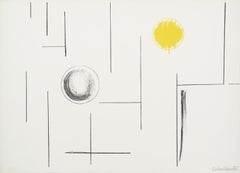
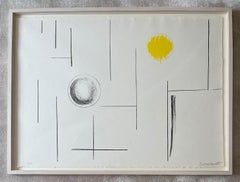
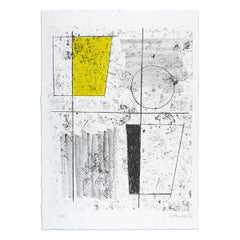
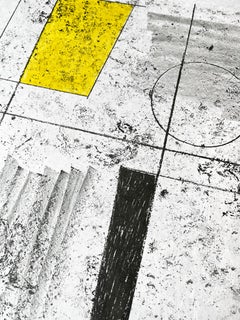
Sea Forms (1969) (signed)

Sea Forms (1969) (signed)

By Barbara Hepworth

Located in Woodbury, CT

A original Lithograph in black and yellow with embossing on wove paper. Signed and numbered in pencil by the artist. Edition 30/60. Sheet size 58 x 82cm. Published with the blindstam...

Category

1960s Barbara Hepworth Art

Materials

Lithograph

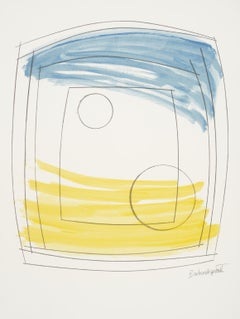
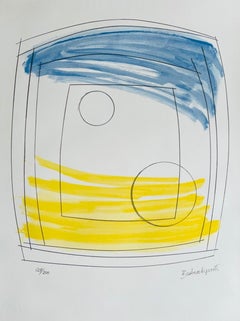
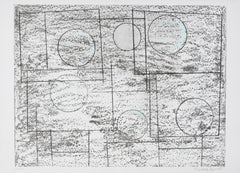
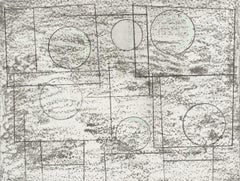
Square and circles (1969) (signed)

Square and circles (1969) (signed)

By Barbara Hepworth

Located in Woodbury, CT

A original Lithograph printed in colours, on wove. Signed and numbered by the artist. Printed by Curwen Prints, London, with their blindstamp, with margins in 1969. Edition 24/30. Sh...

Category

1960s Barbara Hepworth Art

Materials

Lithograph

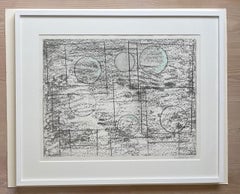
Moonplay (1972) (signed)

Moonplay (1972) (signed)

By Barbara Hepworth

Located in Woodbury, CT

Signed lithograph in colours, 1972, on wove paper, signed in pencil, numbered 129/200, published by Cercle Graphique Européen, with their blindstamp, in good condition, framed 76 x ...

Category

1970s Barbara Hepworth Art

Materials

Lithograph

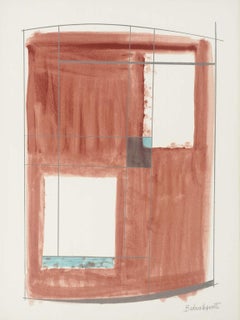
Rangatira 2 (1969)
Rangatira 2 (1969)

Rangatira 2 (1969)

By Barbara Hepworth

Located in Woodbury, CT

Screenprint in colours, 1970, from Opposing Forms, signed in pencil, numbered 13 out of 60, published by Marlborough Fine Art, London, on TH Saunders wove paper. 78 x 57 cm.

Category

1960s Barbara Hepworth Art

Materials

Screen

Barbara Hepworth, Three Forms Assembling - Signed Print, 1968, Abstract Art

Barbara Hepworth, Three Forms Assembling - Signed Print, 1968, Abstract Art

By Barbara Hepworth

Located in Hamburg, DE

Barbara Hepworth (British, 1903-1975) Three Forms Assembling, 1968 Medium: Lithograph on Japan paper Dimensions: 69.5 x 50 cm Edition of 35 (XXXV): Hand-signed and numbered Portfolio...

Category

20th Century Abstract Barbara Hepworth Art

Materials

Lithograph

Related Items
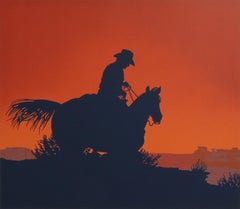
"Waco" Serigraph by Billy Schenck, 1981

"Waco" Serigraph by Billy Schenck, 1981

By Billy Schenck

Located in Los Angeles, CA

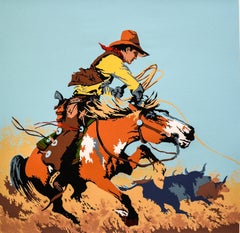
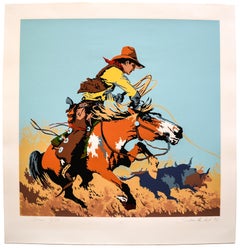
Bill Schenck Waco Serigraph 7/58 1981 Hand signed, date and numbered by Schenck in pencil. 25.75 inches H. x 25 inches W. 'Waco' is classic early example...

Category

Late 20th Century Pop Art Barbara Hepworth Art

Materials

Screen

No title

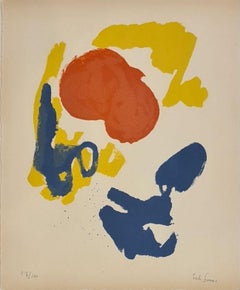
Greta SauerNo title, 1953

$409

H 15.75 in W 12.6 in

No title

Located in Paris, FR

Lithograph, 1953 Handsigned by the artist in pencil and numbered 27/100 Printer : Jean Pons (Paris) LCD5358

Category

1950s Abstract Barbara Hepworth Art

Materials

Lithograph

No title

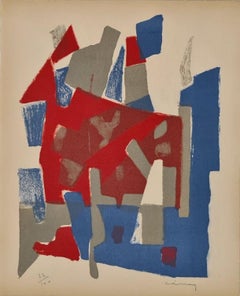
Georges CarreyNo title, 1953

$409

H 15.75 in W 12.6 in

No title

Located in Paris, FR

Lithograph, 1953 Handsigned by the artist in pencil and numbered 27/100 Printer : Jean Pons (Paris) LCD5352

Category

1950s Abstract Barbara Hepworth Art

Materials

Lithograph

No title

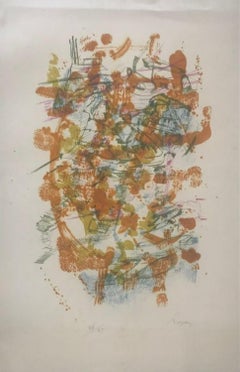
Camille BryenNo title, 1960ca

$350

H 27.17 in W 17.72 in

No title

By Camille Bryen

Located in Paris, FR

Lithograph Handsigned by the artist in pencil and numbered 38/50 Catalog : Loyer 136 69.00 cm. x 45.00 cm. 27.17 in. x 17.72 in. (paper) 52.00 cm. x 38.00 cm. 20.47 in. x 14.96 in....

Category

1960s Abstract Barbara Hepworth Art

Materials

Lithograph

No title

Pierre Marie BrissonNo title, 1999

$647

H 25.6 in W 18.9 in

No title

By Pierre Marie Brisson

Located in Paris, FR

Lithograph Handsigned by the artist in pencil and annoted EA VII/XV 65.00 cm. x 48.00 cm. 25.59 in. x 18.9 in. (paper) 39.00 cm. x 39.00 cm. 15.35 in. x 15.35 in. (image) Annoted "...

Category

1990s Abstract Barbara Hepworth Art

Materials

Lithograph

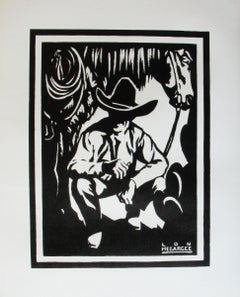
Longhorns by Lon Megargee

Longhorns by Lon Megargee

By Lon Megargee 1

Located in Phoenix, AZ

Lon Megargee 1883-1960 "Self Portrait" Wood block print Signed in plate, lower right Image size: 15.63 x 12 inches Frame size xx x xx inches Creator of S...

Category

1930s American Impressionist Barbara Hepworth Art

Materials

Screen

2 Lazy 2 P

Lon Megargee 12 Lazy 2 P, 1940

$1,800

H 20 in W 24 in

2 Lazy 2 P

By Lon Megargee 1

Located in Phoenix, AZ

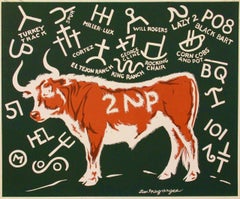
2 Lazy 2P, ca. 1939 Lon Megargee Serigraph 20 x 24 inches Signed in screen Original serigraph print by Lon Megargee 1883 - 1960 Featured in "Hot Irons" by Oren Arnold and John Hale, 1940 SHIPPING CHARGES INCLUDE SHIPPING, PACKAGING & INSURANCE Lon Megargee created this serigraph from his commission with Oren Arnold and John Hale to do their dust jacket for the book, " Hot Irons", 1940. Arnold and Hale wanted to establish a reference work, an "authority", with a entertaining history about the evolution of the brand. Megargee created a painting of a steer that was branded with the script, 2 Lazy 2 P. Surrounding the steer is a random display of famous brands of ranches in the Southwest. It was well received and must have prompted Megargee to create the likeness as a print. The brand is described in chapter thirteen, page 207-208 and says, " Ed Stram, who was Arizona state veterinarian for sixteen years, fire-branded his cattle with this peculiar crest. It isn't peculiar unless you have an equally peculiar sense of humor. At a glance it appears to be just another typically unimaginative brand, but it has been used to make many a thousand girls blush, and a few thousand bashful young men as well". COLLIER GALLERY, FINE ART ESTATE OF LON MEGARGEE Born and raised in Philadelphia, Pennsylvania, Lon Megargee, at age 13, ran away from his upper class home and went West in 1896 led by his zest for the wild and adventuresome life. There he established a reputation as a cowboy painter and illustrator with work most associated with Arizona Brewing Company ads featuring humorous aspects of cowboy life. In his youth, he worked as a free-lance cowboy, exhibition roper, poker dealer, and bronco buster in Arizona, and then went east again to study art in Philadelphia at the Pennsylvania Academy of Fine Arts, and to New York at the Art Students League and Pratt Institute. He returned to Arizona, living in Cave Creek, Salt River Canyon, Phoenix and the last years of his life near Sedona. His Phoenix home later became a popular hotel and dining place called the Hermosa Inn. Megargee was a ranch owner and also did oil canvases of the places he loved and the cowboy life he admired. By 1910, he was among the earliest resident artists, and was probably the best known artist in Arizona. His name was first associated with a landscape series of 15 large murals for the Capitol Building, newly constructed just after Arizona became a state in 1912. Another one of his paintings, Elemental, was the first painting by an artist living in Arizona to be acquired for the Municipal Collection of Phoenix. These works were chosen from entries in the State Fair, where he continued to win prizes for figure and landscape painting. From 1911 to 1953, he did numerous commission works for the Santa Fe Railroad, including a work titledNavajos Watching a Santa Fe Train. Between 1915 and 1930, he also painted in the Los Angeles area of California and had entries in the California State Fair. He died in Cottonwood, Arizona. After his death, theSaturday Evening Post had a double-page reproduction of his painting Cowboy's Dream. Creator of the iconic logo for the Stetson Hat Company, " Last Drop From his Stetson", still in use today. Fine Art Estate of Lon Megargee We offer signed in print and original signature block prints. Custom, hand carved, signature frames, with archival standards and a speciality in hand dyed mats and french matting are provided for a beautiful and timeless presentation. Megargee explored different mediums; printmaking captivated him in particular. The contrast of the black and white block print method captured perfectly his interpretation of a bold American West. The first print was produced around 1921 and culminated with the creation of “The Cowboy Builds a Loop” in 1933 with 28 images and poetry by his friend, Roy George. Megargee continued producing prints throughout the 1940s and early 50s. At age 13, Lon Megargee came to Phoenix in 1896 following the death of his father in Philadelphia. For several years he resided with relatives while working at an uncle’s dairy farm and at odd jobs. He returned to Philadelphia in 1898 – 1899 in order to attend drawing classes at the Pennsylvania Academy of the Fine Arts. Back in Phoenix in 1899, he decided at the age of 16 to try to make his living as a cowboy. Lon moved to the cow country of Wickenburg where he was hired by Tex Singleton’s Bull Ranch. He later joined the Three Bar Ranch . . . and, after a few years, was offered a job by Billy Cook...

Category

1930s American Modern Barbara Hepworth Art

Materials

Screen

Composition in blue

Composition in blue

By André Lanskoy

Located in Paris, FR

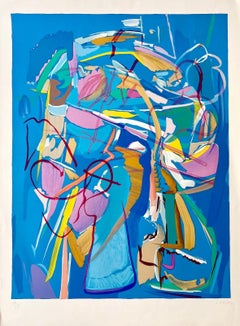
Lithograph Handsigned by the artist in encil Edition : 66/175 76.50 cm. x 56.50 cm. 30.12 in. x 22.24 in. (paper) 65.00 cm. x 50.00 cm. 25.59 in. x 19.69 in. (image) On Arches pape...

Category

1970s Abstract Barbara Hepworth Art

Materials

Lithograph

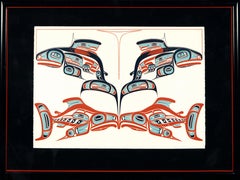
Every Year The Salmon Come Back

Every Year The Salmon Come Back

By Robert Davidson

Located in Los Angeles, CA

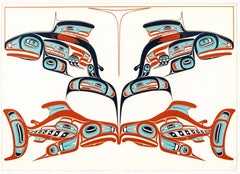
Every Year The Salmon Come Back, 1983. Serigraph, 65/99 In reference to the work, Robert Davidson says: "A narrative painting originating from personal experience of the Yakun ...

Category

Late 20th Century Barbara Hepworth Art

Materials

Screen

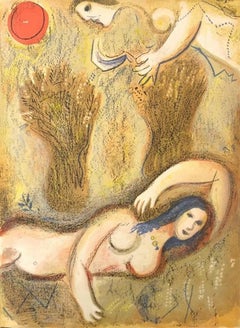
Booz se réveille et voit Ruth à ses pieds

Booz se réveille et voit Ruth à ses pieds

By Marc Chagall

Located in Paris, FR

Original lithograph by Marc Chagall from The Bible of 1960 "Booz se réveille et voit Ruth à ses pieds" Unsigned 35 x 26 cm Excellent condition

Category

1960s French School Barbara Hepworth Art

Materials

Lithograph

Down to the Valley by Bill Schenck

Down to the Valley by Bill Schenck

By Bill Schenck

Located in Phoenix, AZ

Down in the Valley 1992 Bill Schenck Serigraph 46/50 Edition of 50 Image size: 25 x 29 inches Paper size: 31 x 35 inches SHIPPING CHARGES INCLUDE SHIPPING, PACKAGING & INSURANC...

Category

1990s Contemporary Barbara Hepworth Art

Materials

Screen

Composition

Antoni ClavéComposition, circa 1970

$642

H 14.97 in W 10.63 in

Composition

By Antoni Clavé

Located in Paris, FR

Lithograph 38.00 cm. x 27.00 cm. 14.96 in. x 10.63 in. (image) Handsigned by the artist in pencil Ref : LCD1506

Category

1970s Abstract Barbara Hepworth Art

Materials

Lithograph

Previously Available Items
Sun and Marble (1970-71) (signed)

Sun and Marble (1970-71) (signed)

By Barbara Hepworth

Located in Woodbury, CT

A original Lithograph printed in colours, on wove. Signed and numbered by the artist. Printed by Curwen Prints, London, with their blindstamp, with margins in 1969. Edition 24/30. Sh...

Category

1960s Barbara Hepworth Art

Materials

Lithograph

Squares and Circles -- Print, Lithograph, Geometric Abstract by Barbara Hepworth

Squares and Circles -- Print, Lithograph, Geometric Abstract by Barbara Hepworth

By Barbara Hepworth

Located in London, GB

BARBARA HEPWORTH Squares and Circles, 1969 Lithograph in colours, on wove paper Signed, dated and numbered from the edition of 60 Printed and published by Curwen Studio, London Shee...

Category

1960s Abstract Geometric Barbara Hepworth Art

Materials

Lithograph

Squares and Circles -- Print, Lithograph, Geometric Abstract by Barbara Hepworth

Squares and Circles -- Print, Lithograph, Geometric Abstract by Barbara Hepworth

By Barbara Hepworth

Located in London, GB

BARBARA HEPWORTH Squares and Circles, 1969 Lithograph in colours, on wove paper Signed, dated and numbered from the edition of 60 Printed and published by the Curwen Studio, London ...

Category

1960s Abstract Geometric Barbara Hepworth Art

Materials

Lithograph

Winter Solstice

Barbara HepworthWinter Solstice, 1971

Sold

H 12.01 in W 10.44 in

Winter Solstice

By Barbara Hepworth

Located in London, GB

BARBARA HEPWORTH Winter Solstice, 1971 Screenprint in colours, on wove Signed and numbered from the edition of 150 in pencil Published by Lund Humphrie...

Category

1970s Abstract Barbara Hepworth Art

Materials

Lithograph

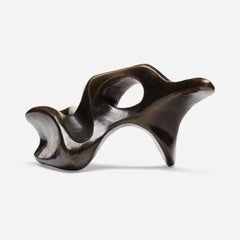
Sea Forms
Sea Forms

Sea Forms

By Barbara Hepworth

Located in Long Island City, NY

Artist: Barbara Hepworth, British (1903 - 1972) Title: Sea Forms Year: 1969 Medium: Lithograph with Embossing, signed and numbered in pencil Edition: 30 Size: 23 x 32 in. (58.42...

Category

1960s Modern Barbara Hepworth Art
Materials

Lithograph

Barbara Hepworth art for sale on 1stDibs.

Find a wide variety of authentic Barbara Hepworth art available for sale on 1stDibs. You can also browse by medium to find art by Barbara Hepworth in lithograph, screen print, bronze and more. Much of the original work by this artist or collective was created during the 20th century and is mostly associated with the abstract style. Not every interior allows for large Barbara Hepworth art, so small editions measuring 6 inches across are available. Customers who are interested in this artist might also find the work of Ben Nicholson, Sir Terry Frost, and Alan Davie. Barbara Hepworth art prices can differ depending upon medium, time period and other attributes. On 1stDibs, the price for these items starts at $9,274 and tops out at $120,000, while the average work can sell for $10,194.

Artists Similar to Barbara Hepworth

Questions About Barbara Hepworth Art
  • 1stDibs ExpertOctober 30, 2024
    Many things happened to Barbara Hepworth. She attended the Leeds School of Art from 1920. There, she met fellow sculptor Henry Moore. From Leeds, Hepworth went on to attend the Royal College of Art (RCA) in London, where she studied from 1921–24. Following her studies there, Hepworth traveled to Italy, beginning in Florence, where she was the runner-up for the Prix de Rome. She lost only to sculptor John Skeaping, with whom she began a relationship. The pair traveled to Siena and Rome and were married in 1925 in Florence. During her time in Italy, Hepworth studied under sculptor Giovanni Ardini and learned how to carve marble. Upon her return to London, Hepworth and Skeaping began to publicly exhibit their work from their flat until their divorce in 1929. Although Hepworth died in 1975, she remains an influential figure in art. In 2015, Tate Britain held the first big solo show of Hepworth’s work since her death, bringing together more than 70 works. On 1stDibs, find a wide range of Barbara Hepworth art.
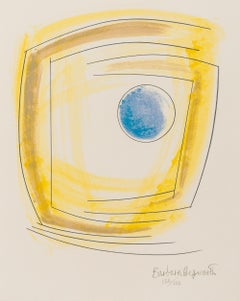
  • 1stDibs ExpertSeptember 9, 2024
    Hepworth used a variety of materials over the course of her career. Of the more than 500 sculptures that the English artist produced, many feature different varieties of natural stone, such as gray alabaster, Seravezza marble and limestone. She also used other materials like silver, Burmese wood and bronze. Find a range of Barbara Hepworth art on 1stDibs.
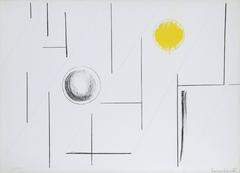
  • 1stDibs ExpertApril 5, 2022
    Barbara Hepworth made her sculptures out of a variety of materials. To create many, she used tools to carve into wood and stone. Her outdoor bronze sculptures like Single Form and Two Forms are particularly well known. On 1stDibs, shop a variety of Barbara Hepworth art.
  • 1stDibs ExpertSeptember 16, 2024
    The reason why Barbara Hepworth created Madonna and Child relates to her personal history. In 1953, her son, Paul, was killed when his Royal Air Force plane crashed in Thailand. She produced the moving sculpture as a tribute to his memory. Today, the statue is on display in a memorial to Paul at the parish church of St Ives, England. On 1stDibs, explore a range of Barbara Hepworth art.
  • 1stDibs ExpertSeptember 16, 2024
    The group of artists that included Barbara Hepworth was called Unit One. Paul Nash formed the group in 1933 in hopes of bringing together creative minds to promote a modern approach to architecture, art and design. In addition to Nash and Hepworth, the group included John Armstrong, John Bigge, Edward Burra, Wells Coates, Henry Moore, Colin Lucas, Ben Nicholson and Edward Wadsworth. Shop a variety of Barbara Hepworth art on 1stDibs.
  • 1stDibs ExpertNovember 20, 2024
    Yes, Henry Moore and Barbara Hepworth were friends. The two met at the Leeds School of Art in the UK and maintained a friendly rivalry throughout their careers. Both Hepworth and Moore were members of Unit One, a group of British artists who sought to educate the public about avant-garde art during the 1930s. Shop a selection of Henry Moore and Barbara Hepworth art on 1stDibs.
  • 1stDibs ExpertOctober 24, 2024
    Barbara Hepworth sculptures have holes in them because the sculptor was interested in how three-dimensional artworks interact with the spaces in which they are displayed. By piercing her wood, stone and metal sculptures, Hepworth allowed light to pass through her works and gave viewers the opportunity to catch glimpses of the settings that lay beyond her pieces. In addition, Hepworth stated that she liked those gazing at her work to be able to see the inside and outside of her sculptures simultaneously. On 1stDibs, find a collection of Barbara Hepworth art.
  • 1stDibs ExpertSeptember 16, 2024
    Yes, Barbara Hepworth did use clay. Although early in her career she favored wood and metal, Hepworth expanded her preferred materials in the 1950s, beginning to use not only clay but also bronze to create her sculptures. However, Hepworth famously did not use clay to produce models for her sculptures, preferring to work directly with her materials. On 1stDibs, explore a diverse assortment of Barbara Hepworth art.
  • 1stDibs ExpertAugust 15, 2024
    How much a Barbara Hepworth is depends on its condition and other factors. In 2023, the English artist’s sculpture The Family of Man: Ancestor II sold for more than $11.5 million at a Christie's auction, setting a new record for the artist. Hepworth’s early work reflected her interest in European art movements, particularly Italian abstraction. In 1931, Hepworth began to sculpt her characteristic pierced figures, which tend to be the most highly sought-after examples of her work. If you own a work by Hepworth, a certified appraiser or experienced art dealer can aid you in the valuation process. On 1stDibs, find an assortment of Barbara Hepworth art.
  • 1stDibs ExpertApril 5, 2022
    Barbara Hepworth was a British sculptor considered a leading figure in the international art scene. Her work in modernism is still held in high regard, with pieces like “Single Form” and “Two Forms” considered some of her most prestigious work. Shop a selection of Barbara Hepworth’s art on 1stDibs.
  • 1stDibs ExpertSeptember 16, 2024
    The technique that Barbara Hepworth most often used was direct carving. Pioneered by sculptor Constantin Brâncuși during the early 20th century, this process involves using tools to shape the materials and allowing shapes to emerge naturally. It differs from more traditional forms of carved sculpture, which involve the use of plaster or clay models. On 1stDibs, explore a range of Barbara Hepworth art.
  • 1stDibs ExpertOctober 30, 2024
    Barbara Hepworth made many of her sculptures at her home studio. From 1939 until her death in 1975, she resided in St Ives, Cornwall, England. Today, her former home and studio are a museum dedicated to her life and work. Explore a wide variety of Barbara Hepworth art on 1stDibs.
  • 1stDibs ExpertOctober 30, 2024
    Hepworth was so important for a few reasons. Barbara Hepworth helped to push the art of sculpture in a new direction with her pieces that featured pierced details that provided a view of the setting beyond the artwork. Her considerations of space influenced the work of many other sculptors, including her contemporary Henry Moore. As a founding member of the Unit One artist movement, Hepworth also helped disseminate avant-garde artists' ideals throughout Britain during the 1930s. Her collectors include the Tate, the Dallas Museum of Art, the Art Institute of Chicago and the Museum of New Zealand Te Papa Tongarewa. In 2015, Tate Britain held the first big solo show of Hepworth’s work since her death, bringing together more than 70 of her works. Many experts believe her enormous success helped pave the way for future generations of women in the arts. On 1stDibs, explore a diverse range of Barbara Hepworth art.
  • 1stDibs ExpertOctober 30, 2024
    Yes, Barbara Hepworth knew Henry Moore. They met while she was attending the Leeds School of Art in the 1920s. Moore and Hepworth maintained a friendly rivalry throughout their careers. Along with Paul Nash and Ben Nicholson, the two founded the Unit One art movement in 1933. The movement's purpose was to promote avant-garde art in the UK. Explore a wide variety of Barbara Hepworth art.
  • 1stDibs ExpertOctober 30, 2024
    Barbara Hepworth worked in a number of mediums. She is best known for her sculptures, which she produced out of clay, bronze, stone and wood. Hepworth also created prints, including serigraphs and lithographs. Find a collection of Barbara Hepworth art on 1stDibs.
  • 1stDibs ExpertNovember 4, 2024
    Barbara Hepworth used bronze for a few reasons. Hepworth intended for some pieces to be displayed outdoors and bronze is a weather-ready material. Because it can be melted and poured into a mold, bronze also made it possible for Hepworth to create her distinctive pierced, fluid sculptures, whereas it was more difficult to achieve the same effects with wood and stone. In addition, brass enabled Hepworth to quickly make multiple editions of the same work. On 1stDibs, find a selection of Barbara Hepworth art.