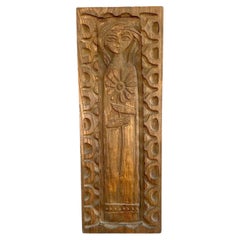
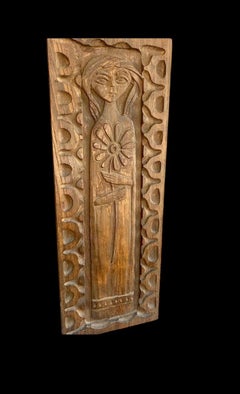
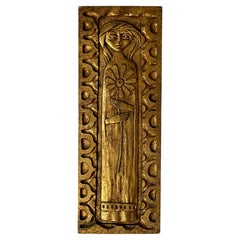
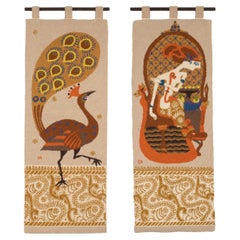
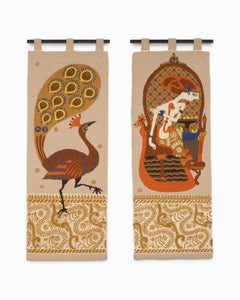
When Evelyn and Jerome Ackerman met and married in Detroit in 1948, they began a seven-decade love affair and creative partnership that would have a major impact on the aesthetic of California mid-century modernism.
At the time, Jerome was a charismatic World War II veteran, Evelyn a young assistant at Luce Lipton Interior Design Studio, where he first spied her folding fabric samples and presented her with a Milky Way bar.
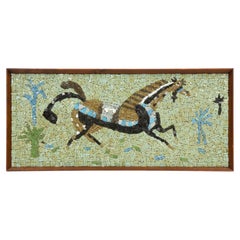
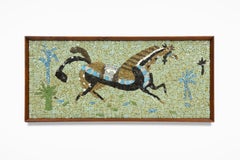
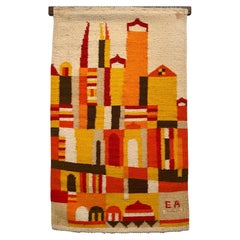
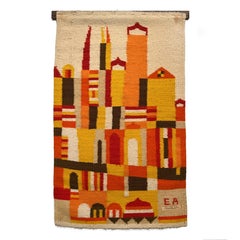
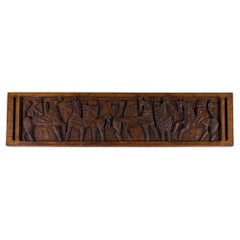
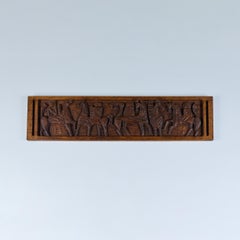
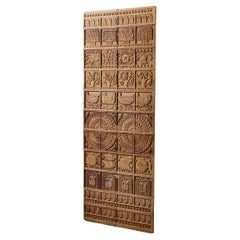
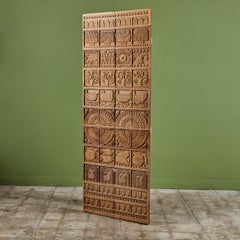
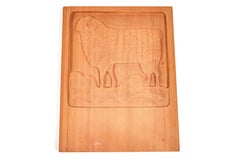
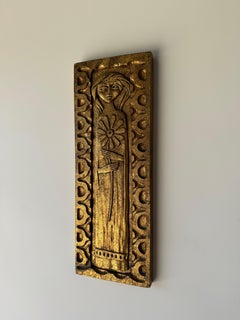
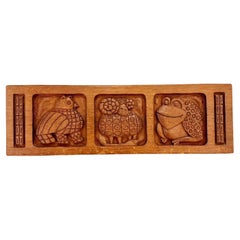
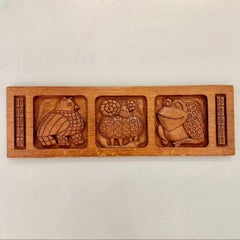
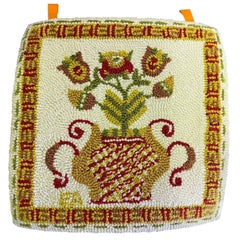
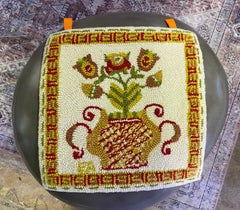
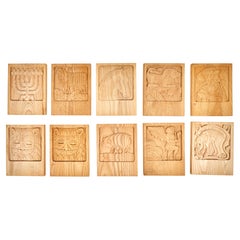
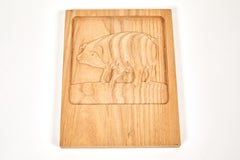
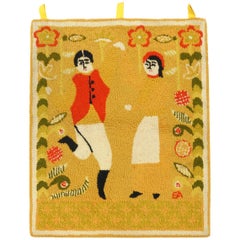
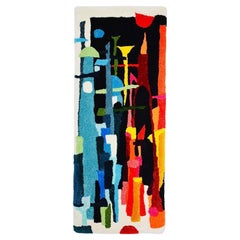
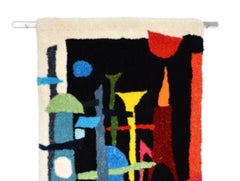
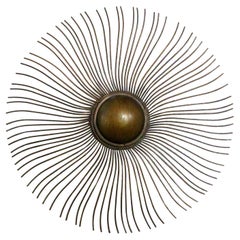
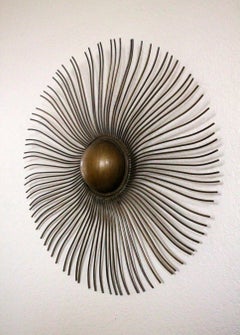
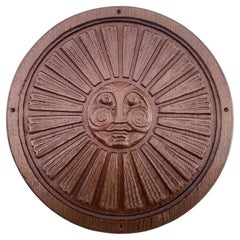
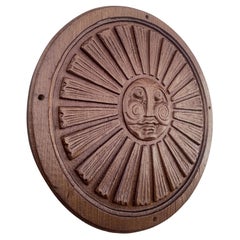
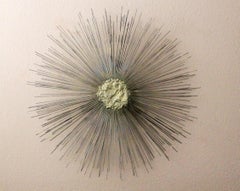
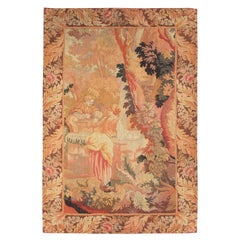
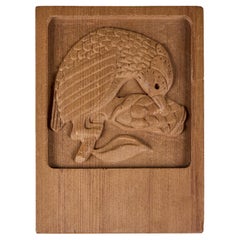
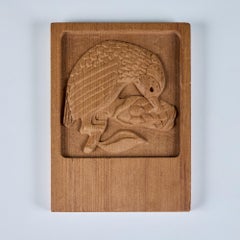
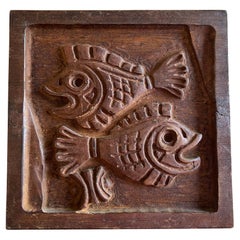
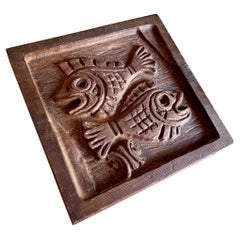
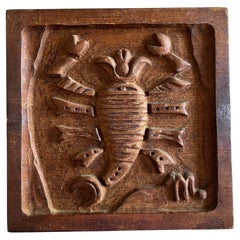
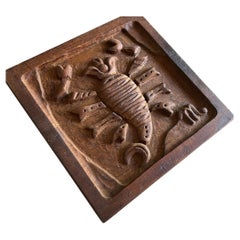
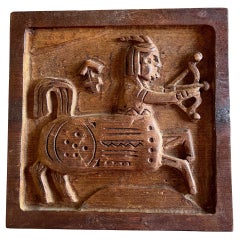
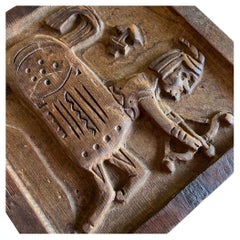
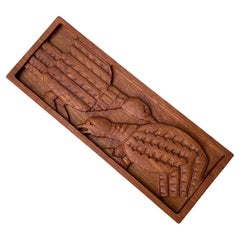
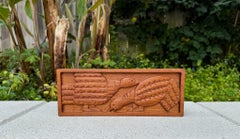
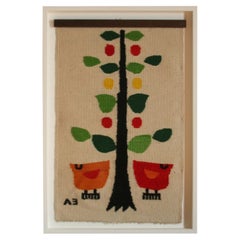
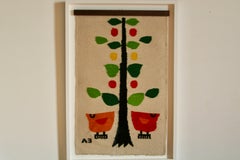
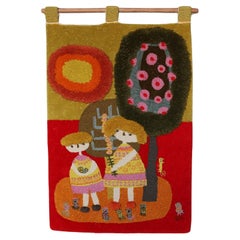
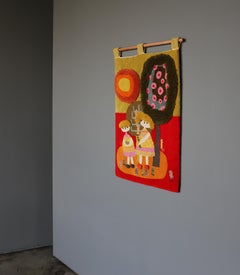
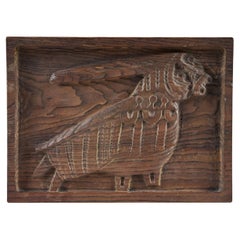
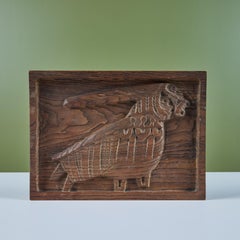
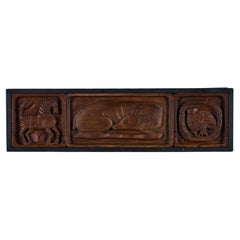
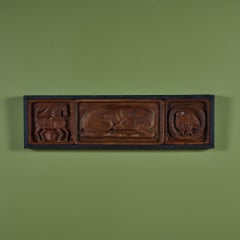
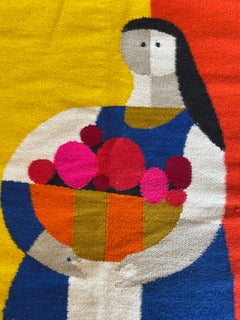
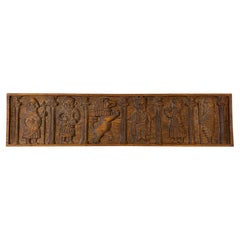
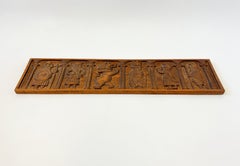
Working out of their studio in Los Angeles, where they moved in 1952 to be part of California’s burgeoning design scene, the two would produce handcrafted case pieces, tapestries and other decorative objects in a variety of media, including ceramics, textiles, carved wood, mosaics and enamel.
The multifaceted pair collaborated with firms and designers such as Victor Gruen; Skidmore, Owings & Merrill; Paul McCobb; Steve Chase; and Arthur Elrod, an incredibly influential talent whose own clients included Frank and Lucille Capra, Hoagy Carmichael, Claudette Colbert, and more.
The Ackermans’ prolific body of work is distinguished by a hand-wrought sense of warmth and texture; a mix of folk art — like figuration and colorful abstraction; depictions of flowers, animals, children and mythical figures; and a belief in the Bauhaus principles of design. These days, their oeuvre proves very much in demand, and the Ackermans, in the tradition of husband-and-wife creators like the Eameses and Les Lalanne, rank among the most influential design couples in history.
Evelyn considered her Stories from the Bible, comprised of 40 individual cloisonné squares, each depicting a different tale from the Old Testament, to be her most challenging and gratifying piece. She worked on it every day for a year and half, completing the composition — which was acquired by the Smithsonian Museum — in 1985.
Evelyn died in 2012 at age 88, while Jerome, known as Jerry, died in 2019. A testament to the renewed interest in their work, Pointed Leaf Press published Hand-in-Hand, Ceramics, Mosaics, Tapestries, and Woodcarvings by California Mid-Century Designers Evelyn and Jerome Ackerman in 2014, the first book to document the lives and careers of the couple.
Find vintage Evelyn Ackerman wall decorations and other furniture on 1stDibs.