Located in Clifton Springs, NY
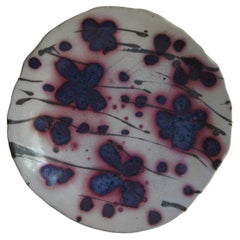
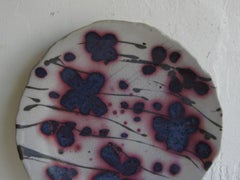
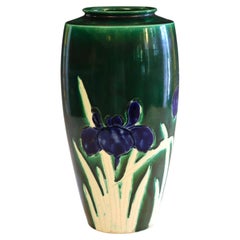
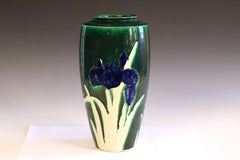
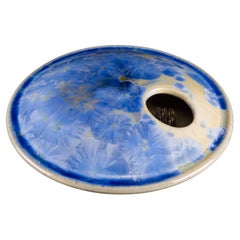
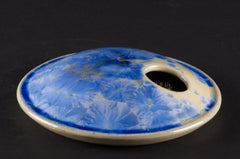
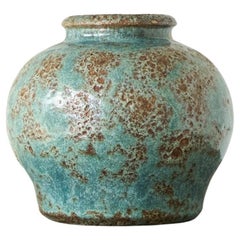
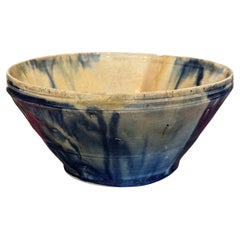
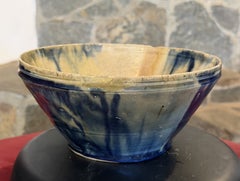
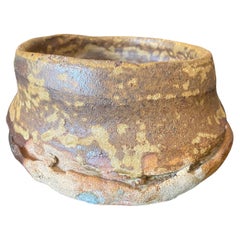
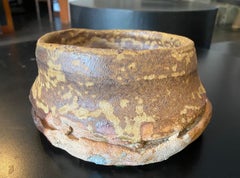
The vintage studio pottery ceramic ikebana vase is decorated with crystalline glaze in striking, bright blue and yellow palette. The vase was hand thrown on a wheel; blue color crystals on muted yellow colored base were grown in a kiln during a very long, controlled firing. Each crystalline piece is unique due to the nature of the glaze. The vase was allowed to develop an abundance of distinct, graphic crystals, creating a free-flowing abstract pattern and adding rich texture to the minimally shaped piece. The opening is placed asymmetrically on the side of the vase and is outfitted with flower frog.
The vase was made by Wizards of Clay...
Category
Early 2000s American Organic Modern Pottery Furniture
MaterialsCeramic, Pottery
![Japanese antique white-glazed sake bottle / [Satsuma ware] vase / 1700-1800s](https://a.1stdibscdn.com/japanese-antique-white-glazed-sake-bottle-satsuma-ware-vase-1700-1800s-for-sale/f_54872/f_405935221720769296727/f_40593522_1720769296991_bg_processed.jpg?width=240)
![Japanese antique white-glazed sake bottle / [Satsuma ware] vase / 1700-1800s](https://a.1stdibscdn.com/japanese-antique-white-glazed-sake-bottle-satsuma-ware-vase-1700-1800s-for-sale-picture-10/f_54872/f_405935221720769364705/DSC_6011_master.jpg?width=240)