Baroque Wall Decorations

896 Results
BAROQUE STYLE

The decadence of the Baroque style, in which ornate furnishings were layered against paneled walls, painted ceilings, stately chandeliers and, above all, gilding, expressed the power of the church and monarchy through design that celebrated excess. And its influence was omnipresent — antique Baroque furniture was created in the first design style that truly had a global impact.

Theatrical and lavish, Baroque was prevalent across Europe from the 17th to mid-18th century and spread around the world through colonialism, including in Asia, Africa and the Americas. While Baroque originated in Italy and achieved some of its most fantastic forms in the late-period Roman Baroque, it was adapted to meet the tastes and materials in each region. French Baroque furniture informed Louis XIV style and added drama to Versailles. In Spain, the Baroque movement influenced the elaborate Churrigueresque style in which architecture was dripping with ornamental details. In South German Baroque, furniture was made with bold geometric patterns.

Compared to Renaissance furniture, which was more subdued in its proportions, Baroque furniture was extravagant in all aspects, from its shape to its materials.

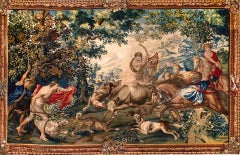
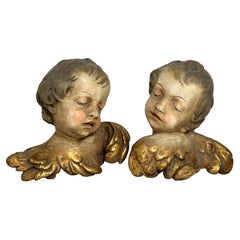
Allegorical and mythical figures were often sculpted in the wood, along with motifs like scrolling floral forms and acanthus leaves that gave the impression of tangles of dense foliage. Novel techniques and materials such as marquetry, gesso and lacquer — which were used with exotic woods and were employed by cabinetmakers such as André-Charles Boulle, Gerrit Jensen and James Moore — reflected the growth of international trade. Baroque furniture characteristics include a range of decorative elements — a single furnishing could feature everything from carved gilded wood to gilt bronze, lending chairs, mirrors, console tables and other pieces a sense of motion.

Find a collection of authentic antique Baroque tables, lighting, decorative objects and other furniture on 1stDibs.

to
139
493
387
904
4
3
Height
to
Width
to
8,260
6,956
2,209
1,600
1,193
737
595
569
325
302
288
278
199
190
175
175
155
570
194
140
7
52
31
29
12
4
9
3
7
4
3
2
352
322
247
228
101
850
191
120
89
68
911
908
908
15
7
5
3
3
Style: Baroque
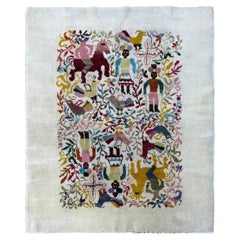
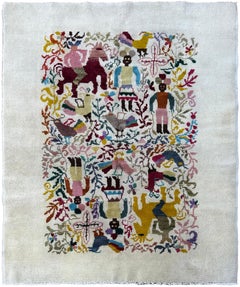
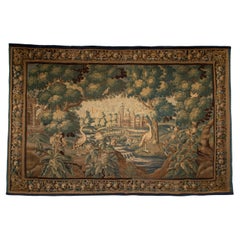
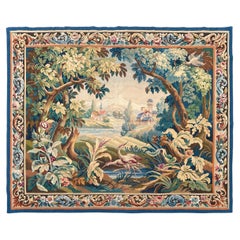
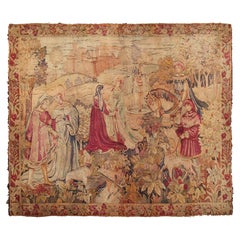
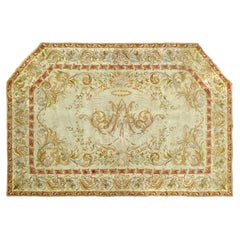
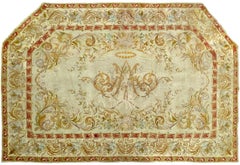
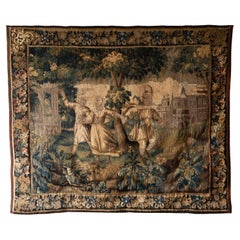
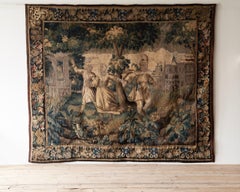
Antique French Tapestry Handmade 6x8 Wool foundation 188cmx226cm c.1920

Antique French Tapestry Handmade 6x8 Wool foundation 188cmx226cm c.1920

Located in New York, NY

A magnificent antique French tapestry depicting a scene of people among a fountain, showcasing elegant composition and rich coloration, dating to circa 1920. Beautiful colorway, and ...

Category

1920s French Vintage Baroque Wall Decorations

Materials

Wool

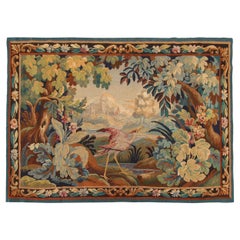
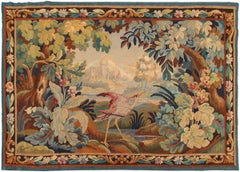
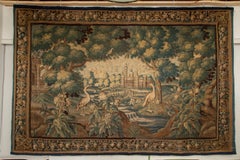
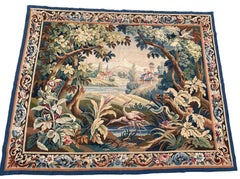
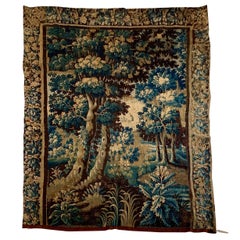
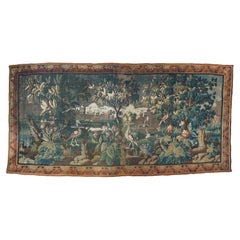
Antique French Tapestry Verdure Birds Wool & Silk 1920 6x7

Antique French Tapestry Verdure Birds Wool & Silk 1920 6x7

Located in New York, NY

A magnificent antique French tapestry depicting birds within a lush verdure setting, beautifully composed with intricate floral elements and scenic detail. This circa 1920 piece show...

Category

1920s French Vintage Baroque Wall Decorations

Materials

Wool, Silk

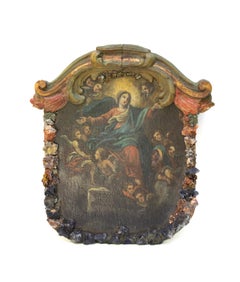
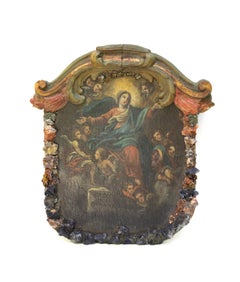
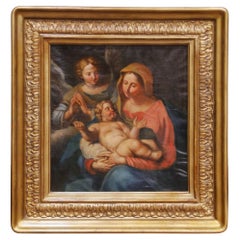
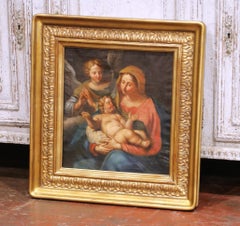
17th Century Italian 'Madonna and Angels' Painting Framed with Gems and Minerals

17th Century Italian 'Madonna and Angels' Painting Framed with Gems and Minerals

By Interi

Located in Columbia, SC

17th century Italian oil painting of Mary surrounded by cherub angels framed with a 17th century Italian pediment and fluorite, pyrite, chalcedony, jasper, and barite natural specime...

Category

17th Century Italian Antique Baroque Wall Decorations

Materials

Rock Crystal, Quartz, Pyrite

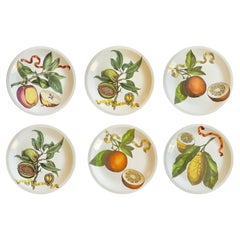
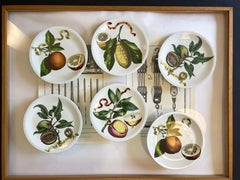
6 Fruit Plates Collection by Villeroy & Boch Septfontaines, Luxembourg, 1970s

6 Fruit Plates Collection by Villeroy & Boch Septfontaines, Luxembourg, 1970s

By Villeroy & Boch

Located in Andernach, DE

Lovely set of 6 fruit or breakfast plates by Villeroy & Boch, Septfontaines, Luxembourg around 1978. Off-white porcelain with antique style decoration of traditional fruit, here ...

Category

Mid-20th Century Luxembourgish Baroque Wall Decorations

Materials

Porcelain

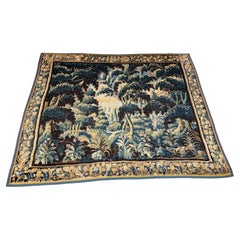
Antique French Tapestry Verdure Bird 110cmx163cm Green 4x6 C.1900

Antique French Tapestry Verdure Bird 110cmx163cm Green 4x6 C.1900

Located in New York, NY

This is an outstanding antique French tapestry in a fantastic Verdure and Bird Design- This magnificent wool piece incorporates impeccable attention to detail- This piece utilizes ex...

Category

Early 1900s French Antique Baroque Wall Decorations

Materials

Wool

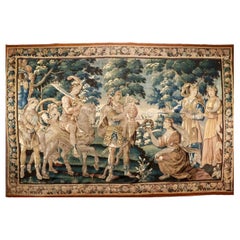
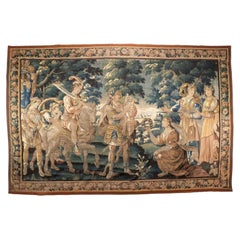
Impressive 17th Century Flemish Historical Tapestry

Impressive 17th Century Flemish Historical Tapestry

Located in Bradenton, FL

An impressive mid-17th century finely woven Flemish historical tapestry depicting a scene from the History of Alexander the Great, likely ‘Alexander Offered a Crown,’ woven in wool a...

Category

17th Century Belgian Antique Baroque Wall Decorations

Materials

Tapestry

Monumental 18th Century Aubusson Verdure Tapestry, France

Monumental 18th Century Aubusson Verdure Tapestry, France

By Aubusson Manufacture

Located in Miami, FL

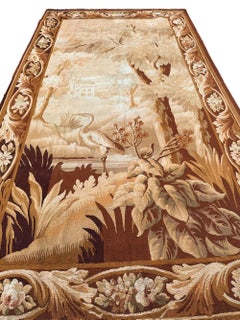
Monumental 18th Century Aubusson Verdure Tapestry From the historical residence Chateau de Nernier, situated on the French side of Lake Geneva: A magnificent French verdure tapestry, woven in wool and silk at the renowned Aubusson workshops in the early 18th century. This richly detailed piece features a lush woodland landscape with delicate architectural elements and meandering waterways inhabited by elegant wading birds. The composition is framed by an intricately woven floral border that enhances the tapestry’s pastoral...

Category

18th Century French Antique Baroque Wall Decorations

Materials

Wool, Silk

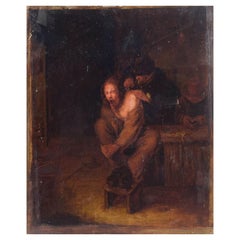
G. Jouve, École Nord, France. Oil on wooden panel. Rural operation scene. 18th C

G. Jouve, École Nord, France. Oil on wooden panel. Rural operation scene. 18th C

Located in København, Copenhagen

G. Jouve (18th century) École Nord, France Oil on wooden panel. A dramatic interior composition depicting a rustic surgical procedure taking place in a dimly lit room. A seated man,...

Category

18th Century French Antique Baroque Wall Decorations

Materials

Other

The Château de Monceaux: Vintage Chinese Aubusson Tapestry Masterpiece of Grace

The Château de Monceaux: Vintage Chinese Aubusson Tapestry Masterpiece of Grace

By Gobelins Royal Manufactory

Located in Dallas, TX

79767 Vintage Chinese Aubusson Tapestry, 06'06 x 07'10. The Château de Monceaux: A Vintage Chinese Aubusson Tapestry Masterpiece of Grace. This handwoven wool and silk vintage Chines...

Category

Late 20th Century Chinese Baroque Wall Decorations

Materials

Wool, Silk

Rare Antique French Tapestry "Entre Fenetres", circa 1880

Rare Antique French Tapestry "Entre Fenetres", circa 1880

Located in New York, NY

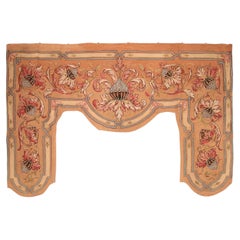
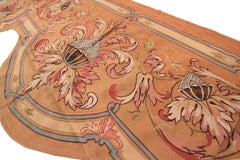
This is an Rare Antique French Wool & Silk Aubusson Tapestry 'Entre Fenetres (Over the Window)' shape. This incredible superb quality antique piece was woven in Aubusson South West o...

Category

1880s French Antique Baroque Wall Decorations

Materials

Wool

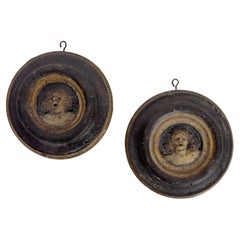
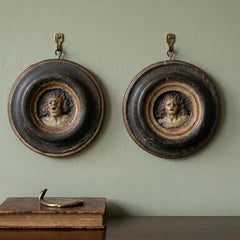
Pair of 18th century Wax "Damned Souls" Roundels

Pair of 18th century Wax "Damned Souls" Roundels

Located in Leesburg, VA

In the dimly lit private chapels and wunderkammern (cabinets of curiosities) of 18th-century Europe, art was often utilized as a visceral conduit for spiritual contemplation. This st...

Category

Early 18th Century Italian Antique Baroque Wall Decorations

Materials

Ebony

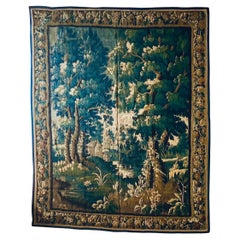
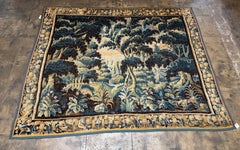
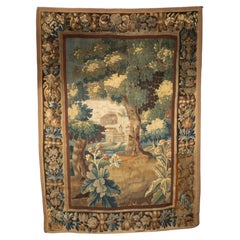
Flemish Verdure Tapestry

Flemish Verdure Tapestry

Located in Essex, MA

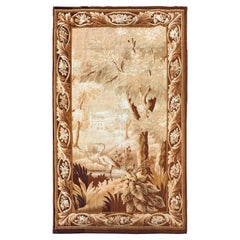
Featuring a castle in the background surrounded by a forrest of trees with grass in the foreground with flowering plants. Floral border. Can be shipped reasonably. Newly backed.

Category

Early 18th Century French Antique Baroque Wall Decorations

Materials

Wool, Cotton

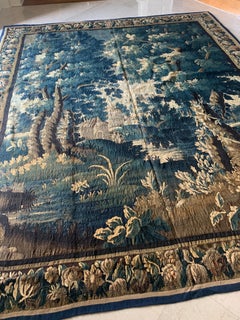
Antique Franco-Flemish verdure tapestry

Antique Franco-Flemish verdure tapestry

Located in Sleepy Hollow, NY

A finely woven antique tapestry in the Franco-Flemish verdure tradition, depicting a tranquil wooded landscape with lush foliage, flowering plants, and a distant architectural vignet...

Category

19th Century French Antique Baroque Wall Decorations

Materials

Wool, Cotton

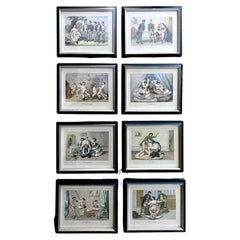
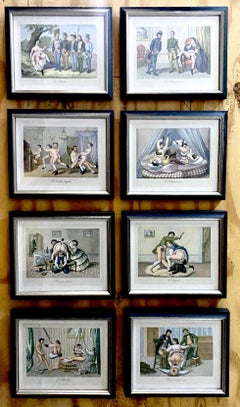
8 Baroque Style Erotic Prints of Compromised Aristocrats & Soldiers, I

8 Baroque Style Erotic Prints of Compromised Aristocrats & Soldiers, I

Located in West Palm Beach, FL

8 Baroque Style Erotic Prints of Compromised Aristocrats & Soldiers, I (I is our inventory tag) Italy, 20th Century Prints,  This suite of eight Italian Baroque-style erotic prints ...

Category

20th Century Italian Baroque Wall Decorations

Materials

Glass, Paper, Wood

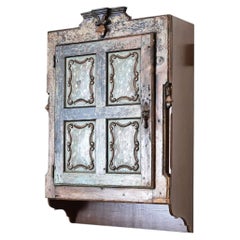
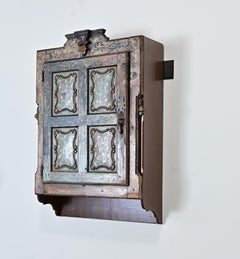
Portuguese Wall Cabinet Made with 19th Century Door

Portuguese Wall Cabinet Made with 19th Century Door

Located in Baton Rouge, LA

An extraordinary Portuguese door from the early 19th century, fitted onto a custom wall-mounted cabinet for a unique storage option across rooms and decorating styles. Below a steppe...

Category

19th Century Portuguese Antique Baroque Wall Decorations

Materials

Iron

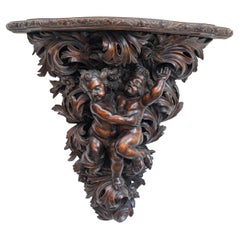
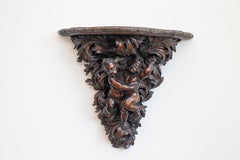
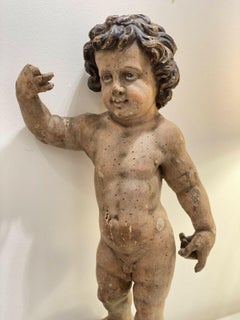
18th Century Antique Baroque Continental Putti Wall Bracket

18th Century Antique Baroque Continental Putti Wall Bracket

Located in Atlanta, GA

Exceptional 18th century carved wood wall bracket, featuring a finely sculpted putti surrounded by dramatic scrolling acanthus elements. Retaining traces of its original white gesso ...

Category

18th Century Antique Baroque Wall Decorations

Materials

Iron

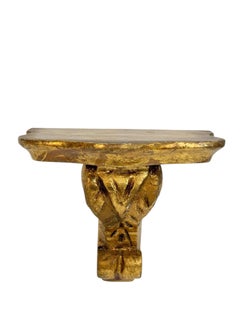
Monumental Carved Giltwood Baroque Wall Bracket

Monumental Carved Giltwood Baroque Wall Bracket

Located in West Palm Beach, FL

Monumental carved giltwood baroque wall bracket, with carved foliate scroll and putti motif. An unusually large wall bracket.  

Category

Late 19th Century Italian Antique Baroque Wall Decorations

Materials

Gesso, Giltwood

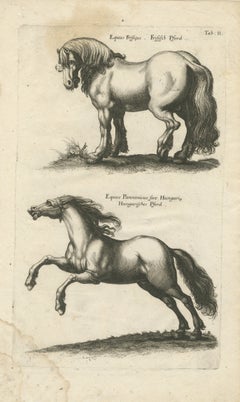
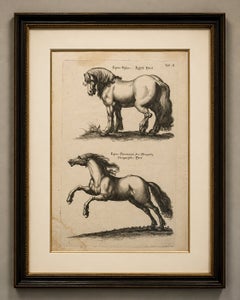
Early Frisian and Hungarian Horse Engraving by Jonstonus & Merian, 1650

Early Frisian and Hungarian Horse Engraving by Jonstonus & Merian, 1650

Located in Langweer, NL

Jonstonus Friesian and Hungarian Horses Engraving, 1650 Description: Original antique copper engraving depicting two European horse breeds: the Friesian horse (“Equus Frisicus – Frisisch Pferd”) and the Pannonian or Hungarian horse (“Equus Pannonicus sive Hungaric – Hungarisches Pferd”). The upper composition shows the powerful Friesian horse standing in profile, distinguished by its heavy build, long flowing mane and feathered legs. Below, the Hungarian horse is represented in a dramatic rearing pose, creating a particularly lively and decorative equestrian composition. The engraving was published in Joannes Jonstonus’ important Historiae naturalis de quadrupetibus, Frankfurt am Main, 1650. The work was issued by the heirs of Matthäus Merian and forms part of Jonstonus’ celebrated multi-volume natural history of animals. Joannes Jonstonus (1603–1675), also known as John Johnston or Jan Jonston, was a Polish-born physician, naturalist and scholar. His extensive natural-history publications were among the important illustrated zoological works of the 17th century, preceding the systematic classification of Linnaeus by more than a century. From the first edition of Historiae naturalis de quadrupetibus, published in Frankfurt by the Merian publishing house in 1650. Plate II, titled within the engraving: “Equus Frisicus – Frisisch Pferd” “Equus Pannonicus sive Hungaric – Hungarisches Pferd” A beautiful early representation of the Friesian horse and an appealing decorative work for an equestrian, country-house or natural-history collection. Joannes Jonstonus (1603–1675) Historiae naturalis de quadrupetibus Frankfurt am Main Published by the heirs of Matthäus Merian 1650 Original copper engraving Plate II This is an original antique print published in 1650, not a modern reproduction. Condition: Good antique condition with overall age-related toning, scattered spotting and surface marks. Noticeable old staining and discoloration to the lower left corner and margin. Minor handling creases and wear along the sheet edges. The engraved image remains strong and well defined. Please study the photographs carefully as they form part of the condition description. Period Mid-17th Century Style Baroque Natural History Equestrian Subject Friesian Horse Hungarian Horse Equestrian Horses Natural History Zoology Frisian Keywords: Joannes Jonstonus, John Johnston, Jan Jonston, Matthäus Merian, Merian, Friesian horse, Frisian horse, Friesisch Pferd, Equus Frisicus, Hungarian horse, Pannonian horse, Equus Pannonicus, horse engraving, antique horse print, equestrian engraving, equestrian art, horse wall art...

Category

Mid-17th Century German Antique Baroque Wall Decorations

Materials

Paper

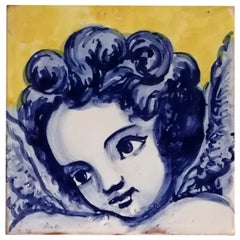
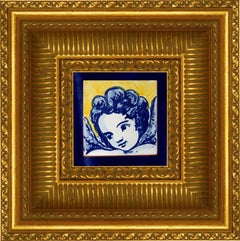
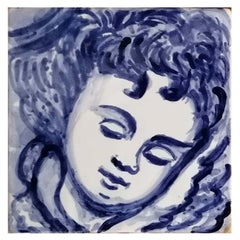
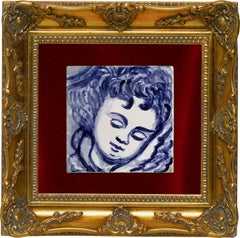
Blue Hand Painted Baroque Cherub or Angel Portuguese Ceramic Tile or Azulejo

Blue Hand Painted Baroque Cherub or Angel Portuguese Ceramic Tile or Azulejo

Located in Coimbra, PT

Gorgeous blue hand painted Baroque cherub or angel 18th century style Portuguese ceramic tile/azulejo The tile painted in cobalt blue over white in typical 18th century Portugal set ...

Category

Late 20th Century Portuguese Baroque Wall Decorations

Materials

Delft, Faience, Terracotta

Portrait of Louis George, Margrave of Baden-Baden, Oil on Canvas, Circa 1725

Portrait of Louis George, Margrave of Baden-Baden, Oil on Canvas, Circa 1725

Located in Kinderhook, NY

A circa 1725 oil on canvas portrait of Louis George Simpert, as Hereditary Prince, the future Margrave of Baden-Baden (Deutsch: Ludwig Georg Simpert, Markgraf von Baden-Baden) portrayed one-quarter length in powdered wig and wearing ceremonial armor and crimson sash newly fitted in a period molded giltwood frame with bead-and-reel inner border from the Eli Wilner collection. Canvas measures 24.5" x 19.25". A related, but later portrait of circa 1735, attributed to the same unknown painter, is held in the collection of Lichtenthal Abbey, Baden-Baden. Biography: Louis George or Ludwig Georg Simpert, Margrave of Baden-Baden, born June 7, 1702 at Ettlingen Palace was the son of Louis William, Margrave of Baden-Baden and his wife, Princess Sibylle of Saxe-Lauenburg. Hereditary Prince of Baden-Baden from birth, at the death of his father in 1707, he succeeded as Margrave of Baden-Baden at the age of four. As such, his mother was regent of Baden-Baden until he reached his majority on 22 October 1727 at the age of 25. He married Maria Anna of Schwarzenberg April 8, 1721 at Český Krumlov Castle. The couple were the parents of four children, of whom only one survived infancy. After the death of the first Maria Anna in 1755, he married the Princess Maria Anna Josepha of Bavaria on July 10, 1755; the daughter of Charles VII, Holy Roman Emperor and his Austrian wife Archduchess Maria Amalia. The second marriage remained childless. Due to his passion for hunting instead of military service, he became known as "Jägerlouis", "hunter Louis", a play on his father's nickname of Türkenlouis ("Turk Louis") due to his famous heroics against the Turkish army at the Siege of Vienna...

Category

Early 18th Century German Antique Baroque Wall Decorations

Materials

Canvas, Wood, Giltwood, Paint

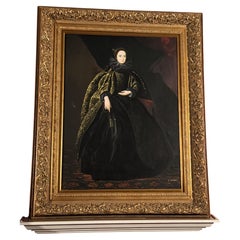
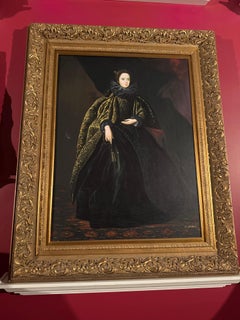
Painting inspired by 17 century museum piece artist Anthony van Dy

Painting inspired by 17 century museum piece artist Anthony van Dy

Located in Birmingham, AL

An original portrait painting inspired by a masterpiece” Signed by the artist J. Lorraine, this original portrait is inspired by Sir Anthony van Dyck's celebrated Portrait of Marches...

Category

Early 20th Century American Baroque Wall Decorations

Materials

Canvas, Wood

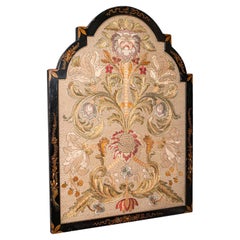
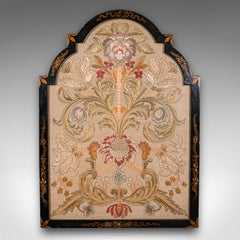
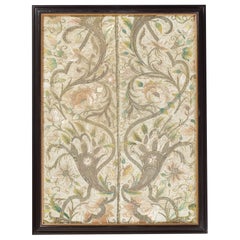
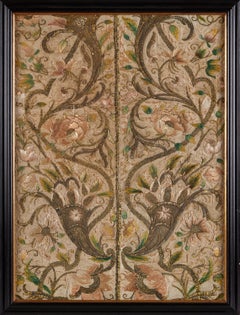
A late 17th century English Embroidered Silk and Metallic Thread Textile Panel

A late 17th century English Embroidered Silk and Metallic Thread Textile Panel

Located in Henley-on-Thames, Oxfordshire

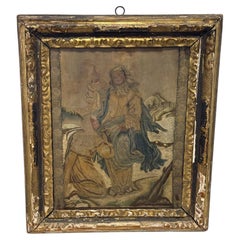
A beautifully preserved late 17th-century embroidered silk and metallic thread textile panel, likely English and dating to the late Stuart period, circa 1680–1700. The panel is work...

Category

17th Century English Antique Baroque Wall Decorations

Materials

Silk

18th Century French Oil Paintings, Religious Devotional, Signed Pair

18th Century French Oil Paintings, Religious Devotional, Signed Pair

Located in Lincoln, GB

Fine Pair of 18th Century French Religious Devotional Oils This exquisite pair of oil on canvas paintings explores the central themes of divine intercession and monastic devotion. T...

Category

18th Century French Antique Baroque Wall Decorations

Materials

Paint

5x6 Antique Tapestry Verdure Tapestry Large Handmade French Tapestry, 1890

5x6 Antique Tapestry Verdure Tapestry Large Handmade French Tapestry, 1890

Located in New York, NY

A magnificent antique French tapestry depicting a scenic river including a fountain and a large tree full of flowers, dating to circa 1920 and showcasing elegant craftsmanship and ar...

Category

1890s French Antique Baroque Wall Decorations

Materials

Wool

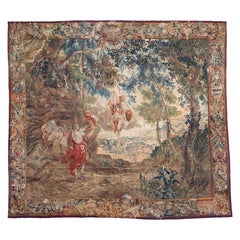
Antique Square Late 17th C. Brussels Baroque Mythological Tapestry Mars Venus

Antique Square Late 17th C. Brussels Baroque Mythological Tapestry Mars Venus

By Brussels Manufactory

Located in New York, NY

A Museum Quality piece, this is an exquisite example of a late 17th/ early 18th Century Brussels Baroque Mythological Tapestry. It is a complete piece with its original border, measu...

Category

Late 17th Century Belgian Antique Baroque Wall Decorations

Materials

Tapestry, Wool

Set of 16 Blue and White Delft Tiles with Animals and Figures, 18th Century

Set of 16 Blue and White Delft Tiles with Animals and Figures, 18th Century

Located in AMSTERDAM, NH

Germany Ansbach 18th century A set of 16 blue and white, with manganese tint, tiles with decorations of animals and figures. Very fine painting and much detail in the animals and fi...

Category

Mid-18th Century German Antique Baroque Wall Decorations

Materials

Ceramic, Faience, Majolica

RugsOnNet Antique Musical Party Garden of Love Scene Baroque Flemish Tapestry

RugsOnNet Antique Musical Party Garden of Love Scene Baroque Flemish Tapestry

Located in New York, NY

Antique Late 16th or Early 17th Century Musical Party Garden of Love Scene Vertical Flemish Tapestry 5'9"x 8'5" - 175 x 257 This tapestry is a classic Flemish "Musical Party" or Gar...

Category

1650s Belgian Antique Baroque Wall Decorations

Materials

Wool

Blue Hand Painted Baroque Cherub or Angel Portuguese Ceramic Tile or Azulejo

Blue Hand Painted Baroque Cherub or Angel Portuguese Ceramic Tile or Azulejo

Located in Coimbra, PT

Gorgeous blue hand painted Baroque cherub or angel 18th century style Portuguese ceramic tile/azulejo The tile painted in cobalt blue over white in typical 18th century Portugal set ...

Category

Late 20th Century Portuguese Baroque Wall Decorations

Materials

Delft, Faience, Terracotta

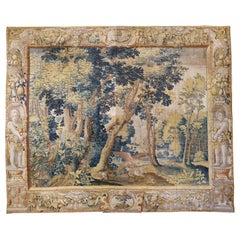
Antique 17th Century Flemish Verdure Landscape Tapestry

Antique 17th Century Flemish Verdure Landscape Tapestry

Located in New York, NY

This is a gorgeous antique square 17th century flemish Verdure landscape tapestry without figures in a beautiful and rich summer scene of a countryside with lush trees and vegetation...

Category

17th Century Belgian Antique Baroque Wall Decorations

Materials

Tapestry, Wool

Blue Hand Painted Baroque Cherub or Angel Portuguese Ceramic Tile or Azulejo

Blue Hand Painted Baroque Cherub or Angel Portuguese Ceramic Tile or Azulejo

Located in Coimbra, PT

Gorgeous blue hand painted Baroque cherub or angel 18th century style Portuguese ceramic tile or azulejo This tile painted in blue over white in typical 18th century Portugal set the...

Category

Late 20th Century Portuguese Baroque Wall Decorations

Materials

Delft, Faience, Terracotta

Blue Hand Painted Baroque Cherub or Angel Portuguese Ceramic Tile or Azulejo

Blue Hand Painted Baroque Cherub or Angel Portuguese Ceramic Tile or Azulejo

Located in Coimbra, PT

Gorgeous blue hand painted Baroque cherub or angel 18th century style Portuguese ceramic tile/azulejo The tile painted in cobalt blue over white in typical 18th century Portugal set ...

Category

Late 20th Century Portuguese Baroque Wall Decorations

Materials

Delft, Faience, Terracotta

19th Century Embossed and Painted Leather Panel in the Baroque Taste in Frame

19th Century Embossed and Painted Leather Panel in the Baroque Taste in Frame

Located in Los Angeles, CA

An exceptional 19th-century embossed and polychrome-painted leather panel—often referred to as “cuir de Cordoue” or repoussé leather—featuring a richly layered Baroque-inspired desig...

Category

19th Century Spanish Antique Baroque Wall Decorations

Materials

Leather, Wood

Early 18th century Flemish antique tapestry 10x13 Verdure Wool & Silk 297x384cm

Early 18th century Flemish antique tapestry 10x13 Verdure Wool & Silk 297x384cm

Located in New York, NY

Early 18th Century Antique Flemish Tapestry Fine Verdure Wool & Silk "This is a very fine Authentic Antique Flemish wool & silk Tapestry with an intricate verdure and bird...

Category

Early 18th Century Belgian Antique Baroque Wall Decorations

Materials

Wool, Silk

Antique French Tapestry Art Nouveau Antique Tapestry 208cm x 257cm 7'x9'  c.1920

Antique French Tapestry Art Nouveau Antique Tapestry 208cm x 257cm 7'x9' c.1920

Located in New York, NY

Beautiful antique French tapestry depicting a scenic view including magnificent art nouveau motifs, beautiful trees, and greenery. A chic, neutral antique piece to add elegance to an...

Category

Early 1900s French Antique Baroque Wall Decorations

Materials

Wool

Antique 17th Century Square Flemish Verdure Landscape Tapestry 6.3 x 6.9 ft

Antique 17th Century Square Flemish Verdure Landscape Tapestry 6.3 x 6.9 ft

Located in New York, NY

This is a gorgeous antique square 17th Century flemish Verdure landscape tapestry with two slight figures in a beautiful and rich summer scene of a countryside with lush trees and ve...

Category

17th Century Belgian Antique Baroque Wall Decorations

Materials

Tapestry, Wool

Antique French Tapestry Exotic Flowers Animals Rare Black Verdure 3x6 92 x 168cm

Antique French Tapestry Exotic Flowers Animals Rare Black Verdure 3x6 92 x 168cm

Located in New York, NY

A magnificent antique French tapestry depicting an exotic verdure scene with animals and floral elements set against a rare dark background. This circa 1920 piece features intricate ...

Category

1920s French Vintage Baroque Wall Decorations

Materials

Wool

Rare 17th Century View of St. Augustine Florida, Hand-Colored, 1671

Rare 17th Century View of St. Augustine Florida, Hand-Colored, 1671

Located in Langweer, NL

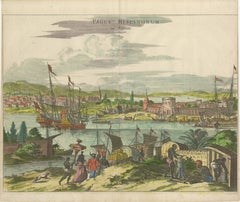
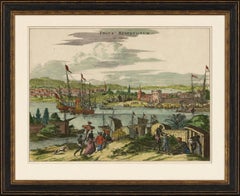
Rare 17th Century View of St. Augustine Florida, Hand-Colored, 1671 Original hand-colored copper engraving depicting St. Augustine, Florida, published in Amsterdam in 1671. This imp...

Category

Mid-17th Century Dutch Antique Baroque Wall Decorations

Materials

Paper

Antique Late 17th Century Antique Franco-Flemish Verdure Landscape Tapestry

Antique Late 17th Century Antique Franco-Flemish Verdure Landscape Tapestry

Located in New York, NY

This late 17th century Franco-Flemish verdure tapestry, signed RAET, worked in fresh colors, depicting animals in a wooded river landscape with a bird of prey attacking a rabbit in t...

Category

Late 17th Century Belgian Antique Baroque Wall Decorations

Materials

Tapestry, Wool

Old Master Continental School 17th Century Saint Jerome Oil Painting

Old Master Continental School 17th Century Saint Jerome Oil Painting

Located in Sleepy Hollow, NY

A anonymous 17th-century Continental School oil on canvas depicting Saint Jerome in penitence. The saint is portrayed kneeling in prayer before a crucifix, dressed in the traditional...

Category

17th Century Italian Antique Baroque Wall Decorations

Materials

Canvas, Paint

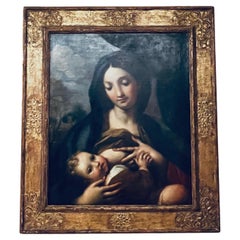
Antique 17th Century Madonna with Child, Rome Carlo Maratta Oil on Canvas

Antique 17th Century Madonna with Child, Rome Carlo Maratta Oil on Canvas

By Carlo Maratta

Located in Doha, QA

C. Maratta went to Rome in 1636 and became an apprentice in the Studio of Andrea Sacchi. Pope Alexander VII commissioned many paintings from him. Maratta’s paintings of the later 165...

Category

17th Century Italian Antique Baroque Wall Decorations

Materials

Canvas

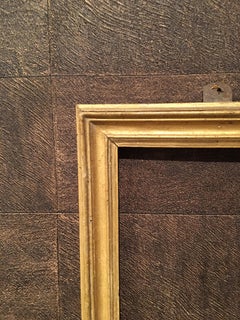
Period Rectangular Giltwood Italian Salvator Rosa Style Frame

Period Rectangular Giltwood Italian Salvator Rosa Style Frame

Located in Roma, IT

Salvator Rosa last 17th century giltwood frame. Internal measurements cm 24 x 32.5 Pure example of Italian Salvator Rosa gild wood frame of 17th century. "Salvator Rosa" is the famo...

Category

Late 17th Century Italian Antique Baroque Wall Decorations

Materials

Wood

Late 17th C. Franco-Flemish Biblical Tapestry Reconciliation of Jacob and Esau

Late 17th C. Franco-Flemish Biblical Tapestry Reconciliation of Jacob and Esau

Located in New York, NY

This is a gorgeous antique Late 17th Century Franco-Flemish Biblical Tapestry depicting the Reconciliation of Jacob and Esau. The tapestry illustrates the Old Testament story of Jaco...

Category

Late 17th Century Belgian Antique Baroque Wall Decorations

Materials

Tapestry, Wool, Silk

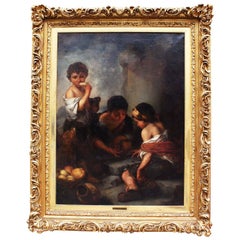
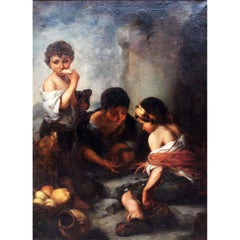
Large Oil on Canvas "Beggar Boys Playing Dice" After Bartolomé Esteban Murrillo

Large Oil on Canvas "Beggar Boys Playing Dice" After Bartolomé Esteban Murrillo

By Bartolomé Esteban Murillo

Located in Los Angeles, CA

A fine and large 19th century oil on canvas after Bartolomé Esteban Murrillo's (Spanish, 1617-1682) Masterpiece "Beggar Boys Playing Dice" (The original work by Murillo was painted in 1675). The impressive artwork depicts two young boys playing dice while another eats a piece of fruit as his dog watches on., within an ornate gildwood and gesso frame bearing a label from the faming company Bigelow & Jordan. The original work by Murillo is currently at the Alte Pinakothek Museum in Munich, Germany. The present work is signed: L. Rüber. Circa: Munich, Late 19th Century. Bartolomé Esteban Murillo (born late December 1617, baptized January 1, 1618 – April 3, 1682) was a Spanish Baroque painter. Although he is best known for his religious works, Murillo also produced a considerable number of paintings of contemporary women and children. These lively, realist portraits of flower girls, street urchins, and beggars constitute an extensive and appealing record of the everyday life of his times. Murillo was born to Gaspar Esteban and María Pérez Murillo. He may have been born in Seville or in Pilas, a smaller Andalusian town. It is clear that he was baptized in Seville in 1618, the youngest son in a family of fourteen. His father was a barber and surgeon. His parents died when Murillo was still very young, and the artist was largely brought up by his aunt and uncle. Murillo began his art studies under Juan del Castillo in Seville. There he became familiar with Flemish painting and the "Treatise on Sacred Images" of Molanus (Ian van der Meulen or Molano). The great commercial importance of Seville at the time ensured that he was subject to influences from other regions. His first works were influenced by Zurbarán, Jusepe de Ribera and Alonzo Cano, and he shared their strongly realist approach. As his painting developed, his more important works evolved towards the polished style that suited the bourgeois and aristocratic tastes of the time, demonstrated especially in his Roman Catholic religious works. In 1642, at the age of 26, he moved to Madrid, where he most likely became familiar with the work of Velázquez, and would have seen the work of Venetian and Flemish masters in the royal collections; the rich colors and softly modeled forms of his subsequent work suggest these influences. In 1645 he returned to Seville and married Beatriz Cabrera y Villalobos, with whom he eventually had eleven children. In that year, he painted eleven canvases for the convent of St. Francisco el Grande in Seville. These works depicting the miracles of Franciscan saints vary between the Zurbaránesque tenebrism of the Ecstasy of St Francis and a softly luminous style (as in Death of St Clare...

Category

Late 19th Century German Antique Baroque Wall Decorations

Materials

Gesso, Canvas, Wood
Portuguese 18th Century Painted and Gilt Wall Console

Portuguese 18th Century Painted and Gilt Wall Console

Located in Baton Rouge, LA

A magnificent 18th century Portuguese wall console, also called a bracket, originally part of the architectural program of a cathedral altar. The shelf is painted in a muted palette ...

Category

18th Century Portuguese Antique Baroque Wall Decorations

Materials

Wood, Giltwood, Paint

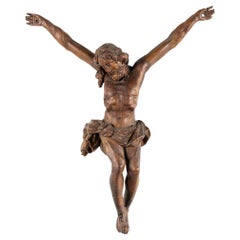
A Rustic Wooden 17th century Baroque Flemish Corpus of Christ

A Rustic Wooden 17th century Baroque Flemish Corpus of Christ

Located in Leesburg, VA

Anonymous Belgium; ca. 1650-1700 Wood (walnut?) Approximate size: 22.75 (h) x 18.5 (w) x 10 (d) in. The scale of this sculpture indicates its original setting was either in the cen...

Category

Late 17th Century Belgian Antique Baroque Wall Decorations

Materials

Walnut

18th Century Italian Baroque Tapestry with Cherub Design

18th Century Italian Baroque Tapestry with Cherub Design

Located in Lincoln, GB

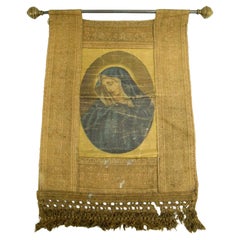
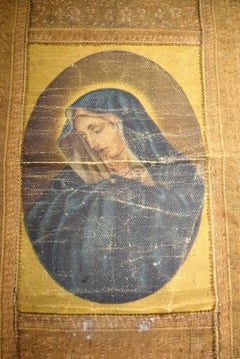
A Monumental Italian Devotional Painted Tapestry, 18th Century An imposing and rare 18th-century Italian painted tapestry, standing at an impressive 217 cm in height. This large-scal...

Category

18th Century Italian Antique Baroque Wall Decorations

Materials

Tapestry

Holy Family with Angel, Baroque Oil on Copper Painting, 18th Century, Religious

Holy Family with Angel, Baroque Oil on Copper Painting, 18th Century, Religious

Located in Lisbon, PT

This 18th-century Baroque painting presents a tender depiction of The Holy Family with an Angel. Rendered in oil on copper panel, a common technique of that period for its durability...

Category

18th Century Italian Antique Baroque Wall Decorations

Materials

Copper

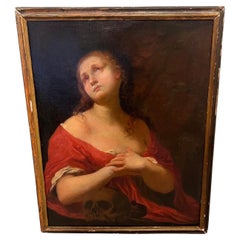
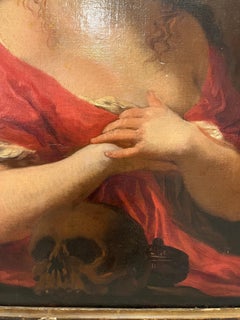
1600s Guercino Follower Italian Religious Painting

1600s Guercino Follower Italian Religious Painting

By Giovanni Francesco Barbieri (Il Guercino)

Located in Roma, IT

1600s Guercino Follower Italian Religious Painting Beautiful oil painting on canvas depicting the Penitent Magdalene. This important painting is unique in that it shows Magdalene wit...

Category

17th Century Italian Antique Baroque Wall Decorations

Materials

Canvas

Tapestry French Rustic Style Aubusson Baroque Louis XV, France

Tapestry French Rustic Style Aubusson Baroque Louis XV, France

Located in Saarbruecken, DE

Tapestry French Rustic style Aubusson Baroque Louis XV, France. Mid-20th century, machine woven.         

Category

1960s French Vintage Baroque Wall Decorations

Materials

Tapestry

1920 Antique French Tapestry Wool & Silk Village Scene Framed 3x4 102cm x 122cm

1920 Antique French Tapestry Wool & Silk Village Scene Framed 3x4 102cm x 122cm

Located in New York, NY

A magnificent antique French wool and silk tapestry depicting a charming village scene set within lush verdure, beautifully framed and rich in artistic detail. This circa 1920 piece ...

Category

1920s French Vintage Baroque Wall Decorations

Materials

Wool, Silk

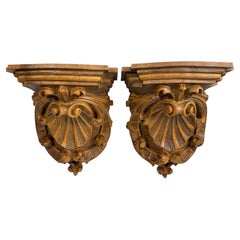
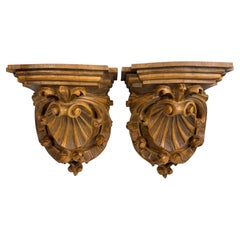
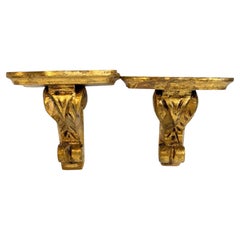
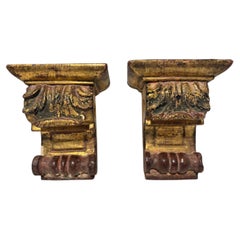
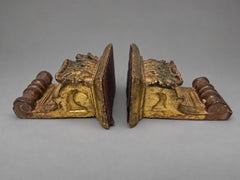
pair of Italian 19th century Baroque st. Giltwood wall brackets

pair of Italian 19th century Baroque st. Giltwood wall brackets

Located in West Palm Beach, FL

An elegant and richly carved pair of Italian 19th century Baroque st. Giltwood wall brackets. This stunning pair are designed with three handsome scrolled and tapering acanthus leave...

Category

19th Century Italian Antique Baroque Wall Decorations

Materials

Giltwood

Antique Late 17th Century Square Flemish Verdure Landscape Tapestry

Antique Late 17th Century Square Flemish Verdure Landscape Tapestry

Located in New York, NY

This is a gorgeous antique late 17th century Flemish verdure landscape tapestry depicting a beautiful and rich summer scene of a countryside with lush trees and vegetation, with two ...

Category

17th Century Belgian Antique Baroque Wall Decorations

Materials

Tapestry, Wool

18th Century Augsburg Joseph Sold into Slavery Reverse Glass Painting Germany

18th Century Augsburg Joseph Sold into Slavery Reverse Glass Painting Germany

Located in Epfach, DE

This is a vivid and finely executed reverse glass painting depicting the biblical scene of Joseph being sold by his brothers to passing merchants (Genesis 37). This subject was frequ...

Category

18th Century German Antique Baroque Wall Decorations

Materials

Blown Glass

After Raffaello Sanzio 1483-1520 Raphael La Madonna della Seggiola Oil on Canvas

After Raffaello Sanzio 1483-1520 Raphael La Madonna della Seggiola Oil on Canvas

By Raphael (Raffaello Sanzio da Urbino)

Located in Los Angeles, CA

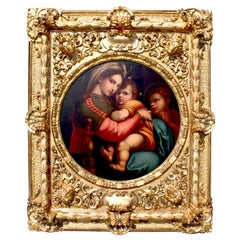
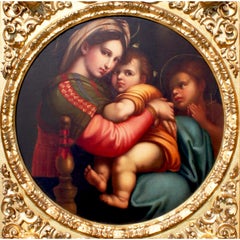
A fine Italian 19th century oil painting on canvas "La Madonna della Seggiola" after Raphael (Raffaello Sanzio da Urbino 1483-1520) The circular canvas depicting a seated Madonna holding an infant Jesus Christ next to a child Saint John the Baptist, all within a massive carved gilt wood and gesso frame (all high quality gilt is original) which is identical to the frame on Raphael's original artwork. This painting is a 19th Century copy of Raphael's Madonna della Seggiola painted in 1514 and currently exhibited and part of the permanent collection at the Palazzo Pitti, Galleria Palatina, Florence, Italy. The bodies of the Virgin, Christ, and the boy Baptist fill the whole picture. The tender, natural looking embrace of the Mother and Child, and the harmonious grouping of the figures in the round, have made this one of Raphael's most popular Madonnas. The isolated chair leg is reminiscent of papal furniture, which has led to the assumption that Leo X himself commissioned the painting, circa 1890-1900. Subject: Religious painting Measures: Canvas height: 29 1/4 inches (74.3 cm) Canvas width: 29 1/4 inches (74.3 cm) Painting diameter: 28 1/4 inches (71.8 cm) Frame height: 57 7/8 inches (147 cm) Frame width: 45 1/2 inches (115.6 cm) Frame depth: 5 1/8 inches (13 cm).   Raffaello Sanzio da Urbino (Italian, March 28 or April 6, 1483 - April 6, 1520), known as Raphael, was an Italian painter and architect of the High Renaissance. His work is admired for its clarity of form, ease of composition, and visual achievement of the Neoplatonic ideal of human grandeur. Together with Michelangelo and Leonardo da Vinci, he forms the traditional trinity of great masters of that period. Raphael was enormously productive, running an unusually large workshop and, despite his death at 37, leaving a large body of work. Many of his works are found in the Vatican Palace, where the frescoed Raphael Rooms were the central, and the largest, work of his career. The best known work is The School of Athens in the Vatican Stanza della Segnatura. After his early years in Rome much of his work was executed by his workshop from his drawings, with considerable loss of quality. He was extremely influential in his lifetime, though outside Rome his work was mostly known from his collaborative printmaking. After his death, the influence of his great rival Michelangelo was more widespread until the 18th and 19th centuries, when Raphael's more serene and harmonious qualities were again regarded as the highest models. His career falls naturally into three phases and three styles, first described by Giorgio Vasari: his early years in Umbria, then a period of about four years (1504–1508) absorbing the artistic traditions of Florence, followed by his last hectic and triumphant twelve years in Rome, working for two Popes and their close associates. Raphael was born in the small but artistically significant central Italian city of Urbino in the Marche region, where his father Giovanni Santi was court painter to the Duke. The reputation of the court had been established by Federico III da Montefeltro, a highly successful condottiere who had been created Duke of Urbino by the Pope - Urbino formed part of the Papal States - and who died the year before Raphael was born. The emphasis of Federico's court was rather more literary than artistic, but Giovanni Santi was a poet of sorts as well as a painter, and had written a rhymed chronicle of the life of Federico, and both wrote the texts and produced the decor for masque-like court entertainments. His poem to Federico shows him as keen to show awareness of the most advanced North Italian painters, and Early Netherlandish artists as well. In the very small court of Urbino he was probably more integrated into the central circle of the ruling family than most court painters. Federico was succeeded by his son Guidobaldo da Montefeltro, who married Elisabetta Gonzaga, daughter of the ruler of Mantua, the most brilliant of the smaller Italian courts for both music and the visual arts. Under them, the court continued as a centre for literary culture. Growing up in the circle of this small court gave Raphael the excellent manners and social skills stressed by Vasari. Court life in Urbino at just after this period was to become set as the model of the virtues of the Italian humanist court through Baldassare Castiglione's depiction of it in his classic work The Book of the Courtier, published in 1528. Castiglione moved to Urbino in 1504, when Raphael was no longer based there but frequently visited, and they became good friends. He became close to other regular visitors to the court: Pietro Bibbiena and Pietro Bembo, both later cardinals, were already becoming well known as writers, and would be in Rome during Raphael's period there. Raphael mixed easily in the highest circles throughout his life, one of the factors that tended to give a misleading impression of effortlessness to his career. He did not receive a full humanistic education however; it is unclear how easily he read Latin. Early Life and Works His mother Màgia died in 1491 when Raphael was eight, followed on August 1, 1494 by his father, who had already remarried. Raphael was thus orphaned at eleven; his formal guardian became his only paternal uncle Bartolomeo, a priest, who subsequently engaged in litigation with his stepmother. He probably continued to live with his stepmother when not staying as an apprentice with a master. He had already shown talent, according to Vasari, who says that Raphael had been "a great help to his father". A self-portrait drawing from his teenage years shows his precocity. His father's workshop continued and, probably together with his stepmother, Raphael evidently played a part in managing it from a very early age. In Urbino, he came into contact with the works of Paolo Uccello, previously the court painter (d. 1475), and Luca Signorelli, who until 1498 was based in nearby Città di Castello. According to Vasari, his father placed him in the workshop of the Umbrian master Pietro Perugino as an apprentice "despite the tears of his mother". The evidence of an apprenticeship comes only from Vasari and another source, and has been disputed—eight was very early for an apprenticeship to begin. An alternative theory is that he received at least some training from Timoteo Viti, who acted as court painter in Urbino from 1495.Most modern historians agree that Raphael at least worked as an assistant to Perugino from around 1500; the influence of Perugino on Raphael's early work is very clear: "probably no other pupil of genius has ever absorbed so much of his master's teaching as Raphael did", according to Wölfflin. Vasari wrote that it was impossible to distinguish between their hands at this period, but many modern art historians claim to do better and detect his hand in specific areas of works by Perugino or his workshop. Apart from stylistic closeness, their techniques are very similar as well, for example having paint applied thickly, using an oil varnish medium, in shadows and darker garments, but very thinly on flesh areas. An excess of resin in the varnish often causes cracking of areas of paint in the works of both masters. The Perugino workshop was active in both Perugia and Florence, perhaps maintaining two permanent branches. Raphael is described as a "master", that is to say fully trained, in December 1500. His first documented work was the Baronci altarpiece for the church of Saint Nicholas of Tolentino in Città di Castello, a town halfway between Perugia and Urbino. Evangelista da Pian di Meleto, who had worked for his father, was also named in the commission. It was commissioned in 1500 and finished in 1501; now only some cut sections and a preparatory drawing remain. In the following years he painted works for other churches there, including the Mond Crucifixion (about 1503) and the Brera Wedding of the Virgin (1504), and for Perugia, such as the Oddi Altarpiece. He very probably also visited Florence in this period. These are large works, some in fresco, where Raphael confidently marshals his compositions in the somewhat static style of Perugino. He also painted many small and exquisite cabinet paintings in these years, probably mostly for the connoisseurs in the Urbino court, like the Three Graces and St. Michael, and he began to paint Madonnas and portraits. In 1502 he went to Siena at the invitation of another pupil of Perugino, Pinturicchio, "being a friend of Raphael and knowing him to be a draughtsman of the highest quality" to help with the cartoons, and very likely the designs, for a fresco series in the Piccolomini Library in Siena Cathedral. He was evidently already much in demand even at this early stage in his career. Influence of Florence Raphael led a "nomadic" life, working in various centres in Northern Italy, but spent a good deal of time in Florence, perhaps from about 1504. Although there is traditional reference to a "Florentine period...

Category

19th Century Italian Antique Baroque Wall Decorations

Materials

Gesso, Canvas, Wood
17th C. Italian Old Master Painting Madonna, Child, St. Anne, John the Baptist

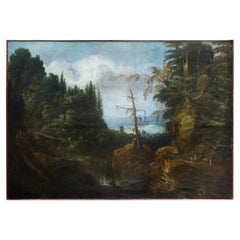
17th C. Italian Old Master Painting Madonna, Child, St. Anne, John the Baptist

Located in Vero Beach, FL

17th century Italian old master painting Madonna and Child with St. Anne and St. John the Baptist. Important Tuscan School Old Master painting in oil on a hand shaved wood panel. ...
Category

Late 17th Century Italian Antique Baroque Wall Decorations

Materials

Wood, Paint

Pair of Vintage Lion Wall Plaques

Pair of Vintage Lion Wall Plaques

Located in Hastings, GB

A wonderfully cast pair of vintage heraldic lions, beautifully detailed and of great size and scale. These were cast in Japan of aluminium, and each has an incredible bronzed gilt finish. Hanging hook to rear of each lion. Wear commensurate to the age of item. Priced as a pair. Pair of Vintage Lion Wall Plaques...

Category

Late 20th Century Japanese Baroque Wall Decorations

Materials

Aluminum

Baroque wall decorations for sale on 1stDibs.

Find a broad range of unique Baroque wall decorations for sale on 1stDibs. Many of these items were first offered in the 21st Century and Contemporary, but contemporary artisans have continued to produce works inspired by this style. If you’re looking to add vintage wall decorations created in this style to your space, the works available on 1stDibs include wall decorations, more furniture and collectibles, decorative objects and other home furnishings, frequently crafted with fabric, wood and other materials. If you’re shopping for used Baroque wall decorations made in a specific country, there are Europe, Italy, and France pieces for sale on 1stDibs. While there are many designers and brands associated with original wall decorations, popular names associated with this style include Europa Antiques, Rembrandt van Rijn, Basilius Besler, and Flemish. It’s true that these talented designers have at times inspired knockoffs, but our experienced specialists have partnered with only top vetted sellers to offer authentic pieces that come with a buyer protection guarantee. Prices for wall decorations differ depending upon multiple factors, including designer, materials, construction methods, condition and provenance. On 1stDibs, the price for these items starts at $30 and tops out at $495,000 while the average work can sell for $4,328.