Ceramic Figurative Sculptures

1,602 Results
to
188
1,085
222
113
58
129
Overall Width
to
Overall Height
to
22
44
367
1,173
4
2
10
17
10
49
113
18
37
16
13
715
236
109
34
29
26
18
16
3
3
1
561
379
325
249
213
209
194
169
116
109
75
72
71
70
70
64
62
61
43
43
5,976
4,444
1,607
1,126
1,060
56
43
39
37
29
8
47
810
561
Medium: Ceramic
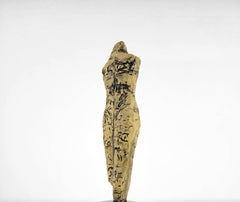
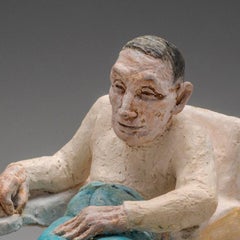
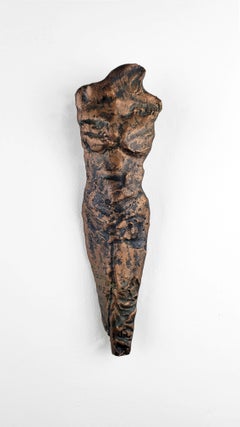
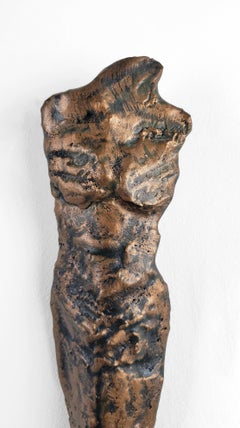
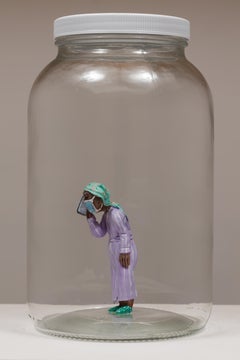
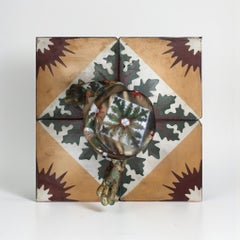
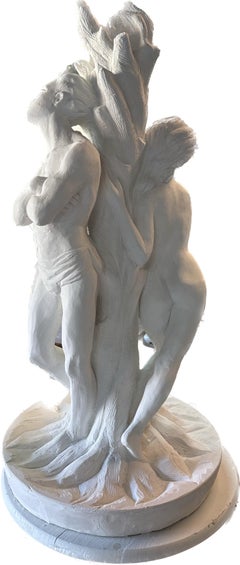
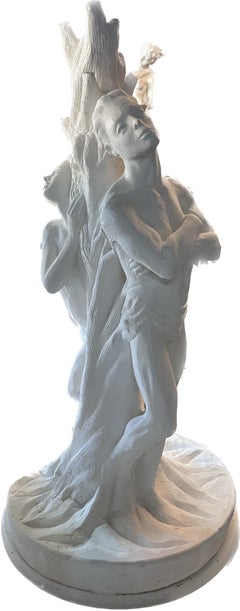
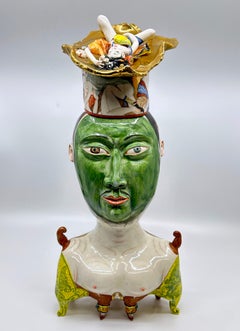
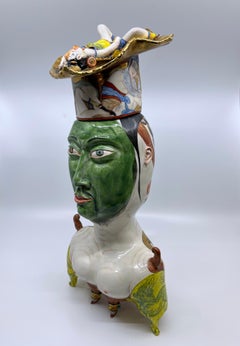
"Woman in Blue" by ArmanH, 2025; 22" x 8" x 6" Figurative Bronze, Clay Sculpture

"Woman in Blue" by ArmanH, 2025; 22" x 8" x 6" Figurative Bronze, Clay Sculpture

By Arman Hambardzumyan

Located in Oklahoma City, OK

This 22.44" x 7.87" x 5.91" figurative sculpture by Armenia-based artist ArmanH was created using materials such as bronze, glass and ceramic. The artist has placed a fragile piece o...

Category

2010s Contemporary Ceramic Figurative Sculptures

Materials

Bronze

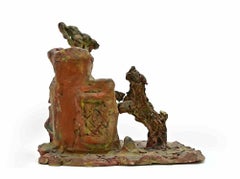
Drifter

Drifter

By Rachel Denny

Located in Bozeman, MT

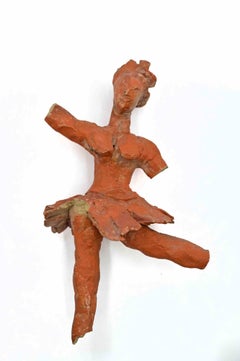
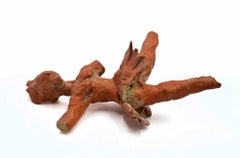
'We surround ourselves with elements from nature in the form of manicured lawns, sculpted trees, and our domesticated companions. We bend the natural world to our tastes and create a...

Category

2010s Contemporary Ceramic Figurative Sculptures

Materials

Metal

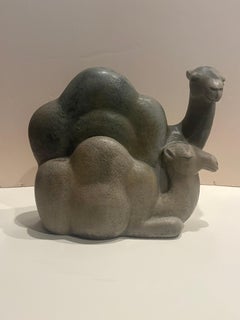
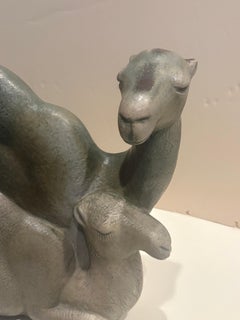
"Large Dromedary"
"Large Dromedary"

"Large Dromedary"

Located in Warren, NJ

Lisa Larson "Large Dromedary" ceramic sculpture . In good condition no cracks or chips measures 17x15x7

Category

20th Century Ceramic Figurative Sculptures

Materials

Ceramic

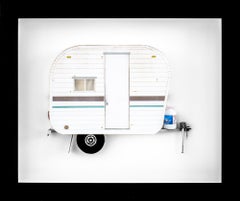
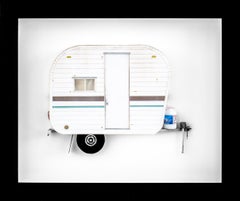
"MY WILLY", Miniature, camping trailer van, paper sculpture

"MY WILLY", Miniature, camping trailer van, paper sculpture

By Drew Leshko

Located in Philadelphia, PA

This miniature paper sculpture titled "MY WILLY" is an original artwork by Drew Leshko made of paper, acrylic, inkjet prints, basswood, wire, PVC plastic, pastel, and clay. Through s...

Category

2010s Contemporary Ceramic Figurative Sculptures

Materials

Wire

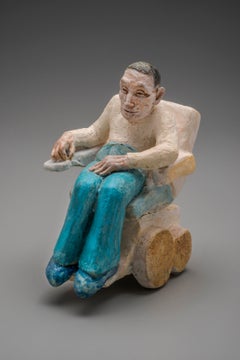
Mr. Blu
Mr. Blu

Mr. Blu

By Carol A. Cook

Located in Dallas, TX

After receiving her BFA from the Otis Art Institute in Los Angeles, Carol Cook earned a Master of Occupational Therapy degree from Texas Woman’s University in Denton. In 2000, Cook e...

Category

2010s Contemporary Ceramic Figurative Sculptures

Materials

Acrylic, Clay, Glaze

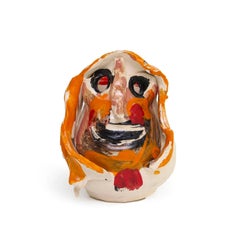
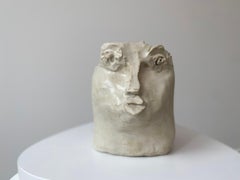
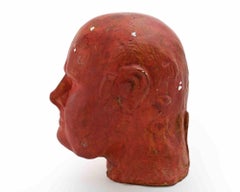
Untitled Sculpture by Ruby Neri

Untitled Sculpture by Ruby Neri

By Ruby Neri

Located in Morton Grove, IL

Untitled Head Vase (INV# NP5975) Ruby Neri clay, glaze and luster 6.75 × 5.5 × 5.5” 2018 signed by Ruby Neri and Tony Marsh *this artwork was done in collaborash with Tony Marsh at C...

Category

2010s Contemporary Ceramic Figurative Sculptures

Materials

Ceramic

In Light of Her Series Sculptures, Porcelain, Hand-Painted, 16.5 in

In Light of Her Series Sculptures, Porcelain, Hand-Painted, 16.5 in

By Alex Hodge 1

Located in Miami Beach, FL

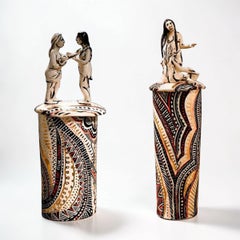
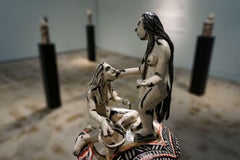
The three series that make up her thesis show all center around the woman as an art historical trope who becomes a contemporary archetype of tenderness and tenacity with her own narrative. The tradition of the woman as muse or object is questioned and turned upside down as she gives her women the position of subject, i.e., the position of power. The jars, which uphold pairs of women, are the ultimate overturn of male dominance as she removes and replaces all male characters from famous artworks with women. The couples care for one another and are so consumed in their connection that the viewer is ignored. They do not exist for the viewer’s fantasy because their desires are already fulfilled. Through these three bodies of work, she creates archival objects which combine to build a narrative of women’s power, based on the Love Ethic, as discussed by bell hooks in her book, All About Love. Furthermore, notions of power are investigated in tandem with Mary Follett’s writings on power, which delineate Western conception as power-over, and the feminist ideal as power-with. Alex Hodge...

Category

2010s Ceramic Figurative Sculptures

Materials

Gold

Lichtenstein's OHH. .ALRIGHT - Pop Art Ode to Roy Lichtenstein Ceramic Sculpture

Lichtenstein's OHH. .ALRIGHT - Pop Art Ode to Roy Lichtenstein Ceramic Sculpture

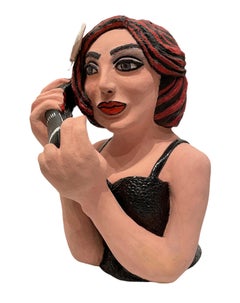
By Sandy Kaplan

Located in Chicago, IL

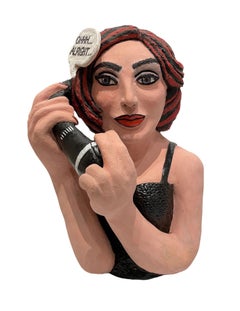
Roy Lichtenstein's works were often inspired by comic characters. They were angsty women, often appearing to be in distress. In this particular work, a beautiful, fraught woman with a furrowed brow grasps a telephone in both hands as she says "Ohh ... Alright ..." Lichtenstein lets us imagine the back story - and what might happen next. Kaplan's sculpture is a direct reference to this Lictenstein's iconic pop art painting of 1964. Sandy Kaplan Lichtenstein's OHHH...ALRIGHT ceramic 16h x 12w x 13d in 40.64h x 30.48w x 33.02d cm SAK012 Sandy Kaplan b. 1943, St. Louis, MO 2021 Maturity and Its Muse, Art Saint Louis 2020 Storytellers Exhibit, Art Saint Louis 2019 SOFA Chicago, Gallery Victor Armendariz, Navy Pier, Chicago, IL Honors Exhibit, Art Saint Louis Anthony Bourdain - Parts Unknown: Ceramic Centric, Foundry Arts Ctr, St. Charles, MO Current Profiles, Craft Alliance Center, St. Louis, MO 2018 SOFA Chicago, Gallery Victor Armendariz, Navy Pier, Chicago, IL Maturity and Its Muse, Art Saint Louis Works from the Studios, Craft Alliance, St. Louis, MO Drawn From Life: Artful Aging, Washington University, St. Louis, MO 2017 3-D, Gallery Victor Armendariz, Chicago, IL SOFA Chicago, Gallery Victor Armendariz, Navy Pier, Chicago, IL 2016 Works from the Studio, Craft Alliance, St. Louis, MO A Moveable Feast Exhibit, Oak Park Art League, Oak Park, IL Maturity and Its Muse, Art Saint Louis 2015 Writers Round Table, Craft Alliance Gallery, St. Louis, MO 2014 Save the Last Dance for Me, Art Saint Louis XXX...

Category

2010s Contemporary Ceramic Figurative Sculptures

Materials

Ceramic

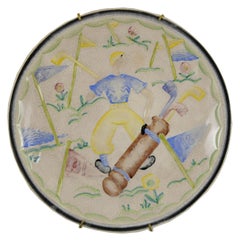
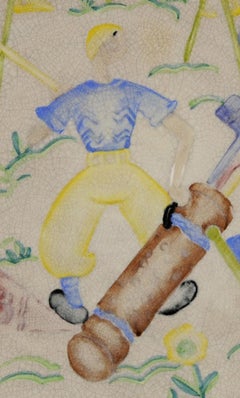
Golf (Wall Plaque)
Golf (Wall Plaque)

Golf (Wall Plaque)

By Viktor Schreckengost

Located in Fairlawn, OH

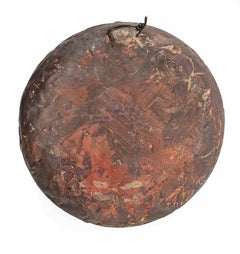
Golf (Wall Plaque) Polychromed ceramic, c. 1930-1 Signed with the artist's initials: VS recto Very rare, only a few produced prior to the closure of Cowan Pottery Format: Round ceramic plate, 11 1/4 inches Designed by the artist while working for Cowan Pottery in 1930. One of Cowan's clients, an interior designer, requested plates decorated with different outdoor activities. Others in the series included "Swimming," "Tennis," "Polo," and "The Hunt." According to Henry Adams, the number of examples created was very limited due to the closing of Cowan Pottery in 1931. Very rare Condition: Good, with the usual craquelure of the glazes used. Note: Industrial design democratizes high style, and Mr. Schreckengost was widely considered among the most democratic industrial designers. He made, quite literally, the stuff of life — things found routinely in homes, backyards and garages in this country and around the world. He designed bicycles for Sears and everyday china for American Limoges...

Category

1930s Art Deco Ceramic Figurative Sculptures

Materials

Ceramic

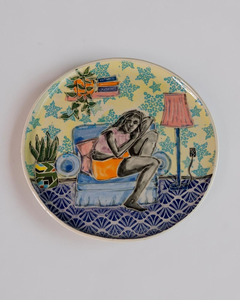
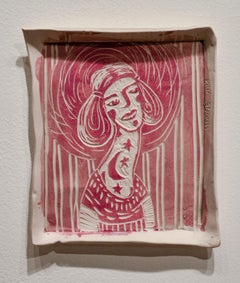
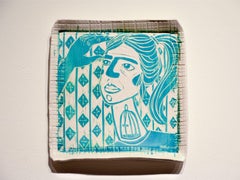
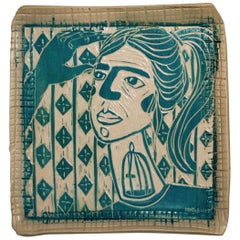
Dreaming in Technicolor, Hand built plate with sgraffito and collaged transfer

Dreaming in Technicolor, Hand built plate with sgraffito and collaged transfer

By Alex Hodge 1

Located in Miami Beach, FL

In this new series of wall plaques, titled "Behind Closed Doors," the artist reimagines original images from a book titled In Praise of the Backside. The book's collection features w...

Category

2010s Other Art Style Ceramic Figurative Sculptures

Materials

Porcelain, Dye Transfer

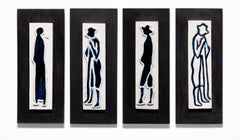
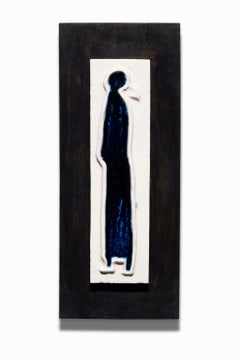
Umberto Del Negro "Prove (Evidence)" Pottery Plaque Series

Umberto Del Negro "Prove (Evidence)" Pottery Plaque Series

By Umberto Del Negro

Located in Detroit, MI

These four ceramic plaques on wood are an exquisite set piece from the Italian artist Umberto Del Negro. Its title "Prove" is Italian for "Evidence". One interpretation is that it re...

Category

Late 20th Century Ceramic Figurative Sculptures

Materials

Ceramic, Wood

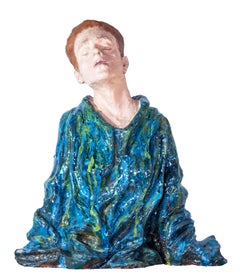
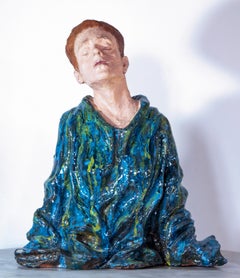
Low-Fired Glazed Ceramic Head with Oil-Paint Detail. Woman in Blue Cloak

Low-Fired Glazed Ceramic Head with Oil-Paint Detail. Woman in Blue Cloak

By Óscar Aldonza Torres

Located in FISTERRA, ES

Low-fired glazed ceramic head sculpture features a radiant blue cloak and oil-painted facial details, exploring the tension between exposed identity and hidden emotional depths. Woma...

Category

2010s Contemporary Ceramic Figurative Sculptures

Materials

Ceramic, Oil, Glaze

American Contemporary Mixed Media Sculpture Linda Stein, Knight in Formation 532

American Contemporary Mixed Media Sculpture Linda Stein, Knight in Formation 532

Located in New York, NY

This sculpture from Linda Stein’s Knights of Protection series functions both as a defender in battle and a symbol of pacifism. Knight in Formation 532 was exhibited in 2006 at Lo...

Category

Early 2000s Contemporary Ceramic Figurative Sculptures

Materials

Ceramic, Wood, Paint

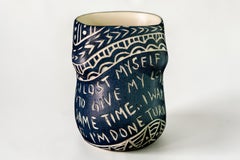
I Lost Myself..., Porcelain Cup Sculpture with Sgraffito Detailing

I Lost Myself..., Porcelain Cup Sculpture with Sgraffito Detailing

By Alex Hodge 1

Located in Miami Beach, FL

This cup is one of 48 that make up the installation, “Fragments of Our Love Story.” These cups feature feminine forms which recall the Venus of Willendorf and other historical fertil...

Category

2010s Modern Ceramic Figurative Sculptures

Materials

Ceramic, Clay, Porcelain, Paint

Roby Dwi Antono - Bias II

Roby Dwi Antono - Bias II

By Roby Dwi Antono

Located in Central, HK

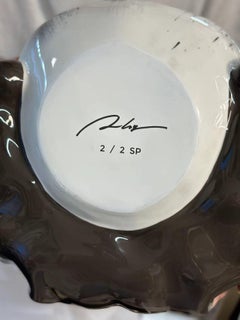
Roby Dwi Antono BIAS II, 2022 Ceramic 9 1/2 × 11 1/2 × 10 1/4 in 24.1 × 29.2 × 26 cm Edition of 75 with 2SP. This piece is 2/2 SP Signed on certificate of authenticity and printed s...

Category

2010s Ceramic Figurative Sculptures

Materials

Ceramic

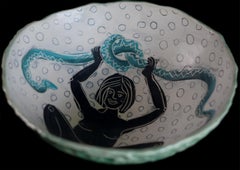
Eve in Prapadasana, Hand built Porcelain Bowl

Eve in Prapadasana, Hand built Porcelain Bowl

By Alex Hodge 1

Located in Miami Beach, FL

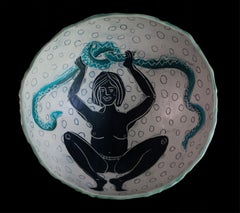
Her poetic porcelain plates examine and reimagine the history of art in a way that values women, not only in body, but in wholeness, power, and love. Focusing on the narrative qualit...

Category

2010s Other Art Style Ceramic Figurative Sculptures

Materials

Porcelain

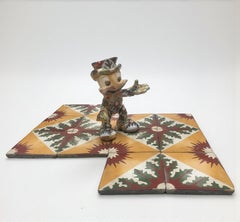
Memoria Entre Líneas Pieza #2 Ceramic Sculpture

Memoria Entre Líneas Pieza #2 Ceramic Sculpture

By Iván Castiblanco

Located in Miami Beach, FL

The artist is inspired by the relationships between the past and the present, creating works that function as archaeological finds. His pieces, which include floors and toys, reconst...

Category

2010s Contemporary Ceramic Figurative Sculptures

Materials

Ceramic, Mixed Media

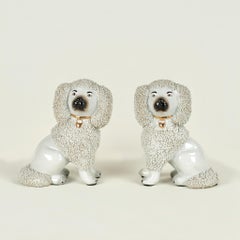
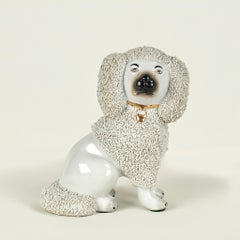
Pair of Antique English Staffordshire Poodle Figures

Pair of Antique English Staffordshire Poodle Figures

Located in Palm Beach, FL

Amusing true pair of 19th century English Staffordshire porcelain poodle figures hand decorated and featuring a confetti coat.

Category

19th Century Victorian Ceramic Figurative Sculptures

Materials

Porcelain

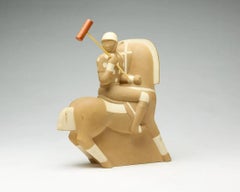
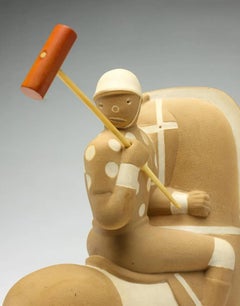
Early 20th Century Ceramic Sculpture of a Polo Player and Horse

Early 20th Century Ceramic Sculpture of a Polo Player and Horse

By Waylande Gregory

Located in Beachwood, OH

Waylande Gregory (American, 1905-1971) Polo Player, c. 1930s Ceramic Inscribed signature on bottom 11 x 8.5 inches Waylande Gregory was considered a major American sculptor during the 1930's, although he worked in ceramics, rather than in the more traditional bronze or marble. Exhibiting his ceramic works at such significant American venues for sculpture as the Whitney Museum of American Art in New York City and at the venerable Pennsylvania Academy of the Fine Arts in Philadelphia, he also showed his ceramic sculptures at leading New York City galleries. Gregory was the first modern ceramist to create large scale ceramic sculptures, some measuring more than 70 inches in height. Similar to the technique developed by the ancient Etruscans, he fired his monumental ceramic sculptures only once. Gregory was born in 1905 in Baxter Springs, Kansas and was something of a prodigy. Growing up on a ranch near a Cherokee reservation, Gregory first became interested in ceramics as a child during a native American burial that he had witnessed. He was also musically inclined. In fact, his mother had been a concert pianist and had given her son lessons. At eleven, he was enrolled as a student at the Kansas State Teacher's College, where he studied carpentry and crafts, including ceramics. Gregory's early development as a sculptor was shaped by the encouragement and instruction of Lorado Taft, who was considered both a major American sculptor as well as a leading American sculpture instructor. In fact, Taft's earlier students included such significant sculptors as Bessie Potter Vonnoh and Janet Scudder. But, Taft and his students had primarily worked in bronze or stone, not in clay; and, Gregory's earliest sculptural works were also not in ceramics. In 1924, Gregory moved to Chicago where he caught the attention of Taft. Gregory was invited by Taft to study with him privately for 18 months and to live and work with him at his famed "Midway Studios." The elegant studio was a complex of 13 rooms that overlooked a courtyard. Taft may have been responsible for getting the young man interested in creating large scale sculpture. However, by the 1920's, Taft's brand of academic sculpture was no longer considered progressive. Instead, Gregory was attracted to the latest trends appearing in the United States and Europe. In 1928 he visited Europe with Taft and other students. "Kid Gregory," as he was called, was soon hired by Guy Cowan, the founder of the Cowan Pottery in Cleveland, Ohio, to become the company's only full time employee. From 1928 to 1932, Gregory served as the chief designer and sculptor at the Cowan Pottery. Just as Gregory learned about the process of creating sculpture from Taft, he literally learned about ceramics from Cowan. Cowan was one of the first graduates of Alfred, the New York School of Clayworking and Ceramics. Alfred had one of the first programs in production pottery. Cowan may have known about pottery production, but he had limited sculptural skills, as he was lacking training in sculpture. The focus of the Cowan Pottery would be on limited edition, table top or mantle sculptures. Two of the most successful of these were Gregory's "Nautch Dancer," (fig. 1) and his "Burlesque Dancer," (fig. 2). He based both sculptures on the dancing of Gilda Gray, a Ziegfield Follies girl. Gilda Gray was of Polish origin and came to the United States as a child. By 1922, she would become one of the most popular stars in the Follies. After losing her assets in the stock market crash of 1929, she accepted other bookings outside of New York, including Cleveland, which was where Gregory first saw her onstage. She allowed Gregory to make sketches of her performances from the wings of the theatre. She explained to Gregory, "I'm too restless to pose." Gray became noted for her nautch dance, an East Indian folk dance. A nautch is a tight, fitted dress that would curl at the bottom and act like a hoop. This sculpture does not focus on Gray's face at all, but is more of a portrait of her nautch dance. It is very curvilinear, really made of a series of arches that connect in a most feminine way. Gregory created his "Burlesque Dancer" at about the same time as "Nautch Dancer." As with the "Nautch Dancer," he focused on the movements of the body rather than on a facial portrait of Gray. Although Gregory never revealed the identity of his model for "Burlesque Dancer," a clue to her identity is revealed in the sculpture's earlier title, "Shimmy Dance." The dancer who was credited for creating the shimmy dance was also Gilda Gray. According to dance legend, Gray introduced the shimmy when she sang the "Star Spangled Banner" and forgot some of the lyrics, so, in her embarrassment, started shaking her shoulders and hips but she did not move her legs. Such movement seems to relate to the "Burlesque Dancer" sculpture, where repeated triangular forms extend from the upper torso and hips. This rapid movement suggests the influence of Italian Futurism, as well as the planar motion of Alexander Archipenko, a sculptor whom Gregory much admired. The Cowan Pottery was a victim of the great depression, and in 1932, Gregory changed careers as a sculptor in the ceramics industry to that of an instructor at the Cranbrook Academy in Bloomfield Hills, Michigan. Cranbrook was perhaps the most prestigious place to study modern design in America. Its faculty included the architect Eliel Saarinen and sculptor Carl Milles. Although Gregory was only at Cranbrook for one and one half years, he created some of his finest works there, including his "Kansas Madonna" (fig. 3). But, after arriving at Cranbrook, the Gregory's had to face emerging financial pressures. Although Gregory and his wife were provided with complimentary lodgings, all other income had to stem from the sale of artworks and tuition from students that he, himself, had to solicit. Gregory had many people assisting him with production methods at the Cowan Pottery, but now worked largely by himself. And although he still used molds, especially in creating porcelain works, many of his major new sculptures would be unique and sculpted by hand, as is true of "Kansas Madonna." The scale of Gregory's works were getting notably larger at Cranbrook than at Cowan. Gregory left the surface of "Kansas Madonna" totally unglazed. Although some might object to using a religious title to depict a horse nursing its colt, it was considered one of Gregory's most successful works. In fact, it had a whole color page illustration in an article about ceramic sculpture titled, "The Art with the Inferiority Complex," Fortune Magazine, December, 1937. The article notes the sculpture was romantic and expressive and the sculpture was priced at $1,500.00; the most expensive sculpture in the article. Gregory was from Kansas, and "Kansas Madonna" should be considered a major sculptural document of Regionalism. Gregory and his wife Yolande moved to New Jersey in the summer of 1933. And the artist began construction on his new home in the Watchung Mountains of Bound Brook (Warren today) in 1938. His enormous, custom kiln was probably constructed at the start of 1938. Gregory's new sculptures were the largest ceramic sculptures in western art, in modern times. To create these works of ceramic virtuosity, the artist developed a "honeycomb" technique, in which an infrastructure of compartments was covered by a ceramic "skin." Science and atomic energy were a theme in Gregory's most significant work, the "Fountain of the Atom" (fig. 4), at the 1939 New York's World Fair. This major work included twelve monumental ceramic figures at the fairground entrance from the newly constructed railway entrance, giving the work great visibility and prominence. The framework of the fountain itself was of steel and glass bricks. It consisted of a bluish green pool which was sixty five feet in diameter. Above it were two concentric circular tiers, or terraces, as Gregory called them; the first wider than the second. On the first terrace were eight "Electrons," comprised of four male and four female terra cotta figures, each approximately 48 inches high. These relate to the valance shell of the atom. Above them on a narrower terrace, were the much larger and heavier terra cotta figures depicting the four elements, each averaging about 78 inches in height and weighing about a ton and a half. Of the four, "Water" and "Air" were male, while "Earth" and "Fire" were female. This terrace represents the nucleus of the atom. In the center of the fountain, above the "Elements," was a central shaft comprised of sixteen glass tubes from which water tumbled down from tier to tier. At the top, a colorful flame burned constantly. The glass block tiers were lit from within, the whole creating a glowing and gurgling effect. Since the fair was temporary, the figures could be removed after its closing. But the credit for the design of the structure of the fountain belongs to collaborator Nembhard Culin, who was responsible for several other structures on the fair grounds as well. Although Gregory created a figure of "Fire" for the "Fountain of the Atom," he also executed a second, slightly smaller but more defined version which he exhibited at various locations (including Cranbrook, Baltimore Museum, etc.) in 1940-1941, during the second year of the fair (fig.5). Measuring 61 inches in height, "Fire" may be a metaphor for sexual energy, as well as atomic energy. Gregory stated, "Fire is represented by an aquiline female figure being consumed in endless arabesques of flame." Portraiture was also a significant focus of Gregory's sculpture. Gregory produced many commissioned portraits of local people as well as celebrities. He created Albert Einstein's portrait from life (fig. 6, ca. 1940) after Einstein had seen Gregory's "Fountain of the Atom." He also sculpted some of the leading figures in entertainment, including 2 sculptures of Henry Fonda, who became a personal friend. Gregory also sculpted a series of idealized female heads, both in terra cotta and in porcelain. These include "Girl with Olive" (ca. 1932) and "Cretan Girl;"(ca. 1937) both are very reductive and almost abstract works that call to mind Constantine Brancusi's "Mademoiselle Pogany" (1912, Philadelphia Museum of Art). But perhaps one of his most original female heads is "Head of a Child" (fig. 7, ca. 1933), a sensitive white glazed terra cotta portrayal with elaborately crafted braded hair, was originally created as one of a pair. Gregory also produced sculptural works for the Works Progress Administration. The WPA was a work relief project that greatly helped artists during the great depression. Founded by the Federal Government in 1935, an estimated 2500 murals were produced. Among these public works were the iconic post office murals. But, among the painted murals were also sculptural relief murals including Gregory's "R.F.D.," 1938, for the Columbus, Kansas Post Office. But, Gregory's largest WPA relief...

Category

1930s Ceramic Figurative Sculptures
Materials

Ceramic

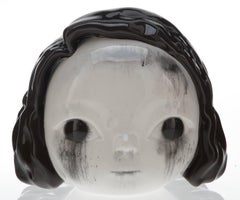
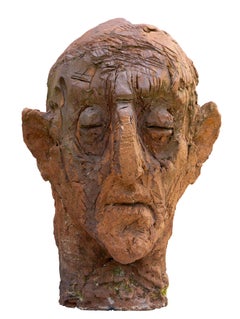
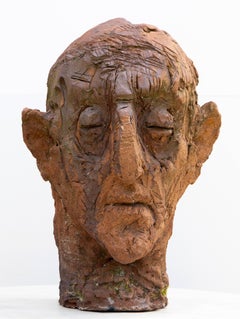
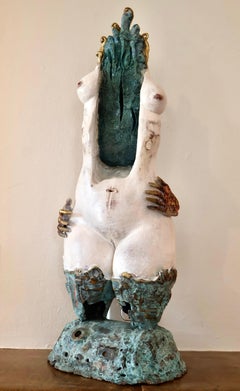
Ceramic Expressionist Head in White Stoneware with Bismuth Rakú Glaze. Testa 9

Ceramic Expressionist Head in White Stoneware with Bismuth Rakú Glaze. Testa 9

By Óscar Aldonza Torres

Located in FISTERRA, ES

Testa 9 is an expressionist ceramic head sculpture created in white stoneware with a bismuth Rakú glaze. This ceramic head belongs to the artist’s Testas series, a body of work compo...

Category

2010s Expressionist Ceramic Figurative Sculptures
Materials

Clay, Glaze

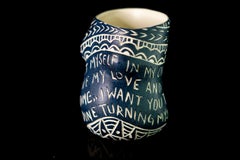
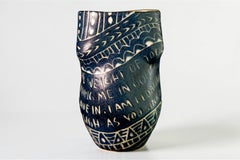
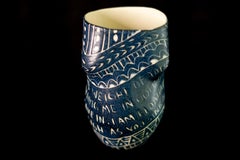
The Weight of Your Head Porcelain Cup, Sgraffito Detailing, Unique

The Weight of Your Head Porcelain Cup, Sgraffito Detailing, Unique

By Alex Hodge 1

Located in Miami Beach, FL

This cup is one of 48 that make up the installation, “Fragments of Our Love Story.” These cups feature feminine forms which recall the Venus of Willendorf and other historical fertil...

Category

2010s Modern Ceramic Figurative Sculptures
Materials

Ceramic, Clay, Porcelain, Paint, Underglaze

Candy Coated Bittersweet

Candy Coated Bittersweet

By Rain Harris

Located in Kansas City, MO

Title: Candy Coated Bittersweet Materials : Porcelain, Glaze and Decals Signed COA provided Rain Harris uses her artistry with material to create a conversation between good taste, beauty, and tawdriness. By developing a piece with unrefined materials and bringing it to the point of refinement, she is creating art that asks where good and bad taste meet. This contemporary ceramic piece features a delicate array of porcelain flowers, berries, and leaves mounted on an organically shaped wooden plinth. The light green resin reflects the image of the porcelain bouquet.

Category

Early 2000s Contemporary Ceramic Figurative Sculptures
Materials

Porcelain, Luster

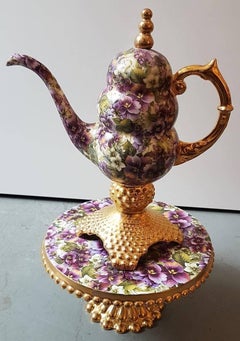
Figurative Porcelain Sculpture, Teapot, 15.5 x 7 x 5.5 in, Irina Zaytceva

Figurative Porcelain Sculpture, Teapot, 15.5 x 7 x 5.5 in, Irina Zaytceva

By Irina Zaytceva

Located in St. Louis, MO

Figurative Porcelain Sculpture, Teapot, 15.5 x 7 x 5.5 in, Irina Zaytceva Irina Zaytceva was born in Moscow in 1957. She graduated from Moscow Art Institute ( Poljgrapfichesky) with...

Category

2010s Contemporary Ceramic Figurative Sculptures
Materials

Luster, Porcelain, Glaze

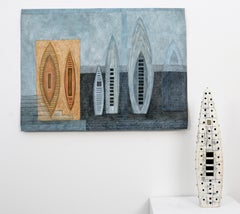
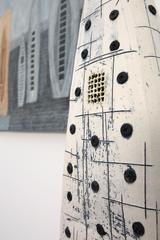
Sounding IV - narrative of journey and change, mixed media, tapestry and vessel

Sounding IV - narrative of journey and change, mixed media, tapestry and vessel

By Heather Allen Hietala

Located in Bloomfield, ON

A ceramic canoe shape perforated and marked emerges from a plinth next to a tapestry of blue and light brown that repeats the vertical canoe shape. The title of this mixed media work...

Category

2010s Contemporary Ceramic Figurative Sculptures
Materials

Clay, Textile

Ceramic figurative sculptures for sale on 1stDibs.
Find a wide variety of authentic Ceramic figurative sculptures available on 1stDibs. While artists have worked in this medium across a range of time periods, art made with this material during the 21st Century is especially popular. If you’re looking to add figurative sculptures created with this material to introduce a provocative pop of color and texture to an otherwise neutral space in your home, the works available on 1stDibs include elements of orange, purple, blue, red and other colors. There are many well-known artists whose body of work includes ceramic sculptures. Popular artists on 1stDibs associated with pieces like this include Pablo Picasso, Jeff Koons, Melanie Sherman, and Tal Nehoray. Frequently made by artists working in the Contemporary, Modern, all of these pieces for sale are unique and many will draw the attention of guests in your home. Not every interior allows for large Ceramic figurative sculptures, so small editions measuring 0.4 inches across are also available