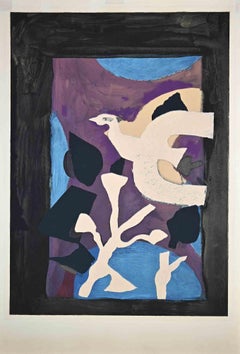
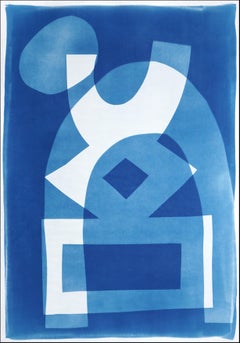
Located in Collonge Bellerive, Geneve, CH
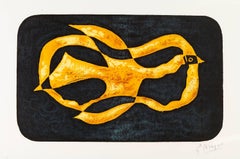
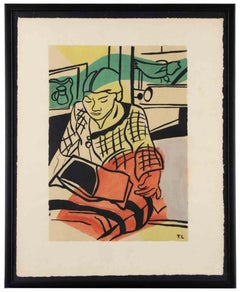
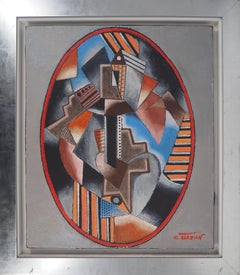
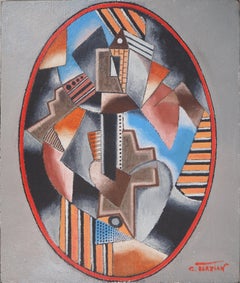
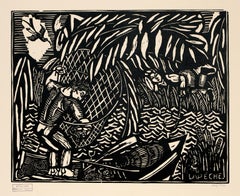
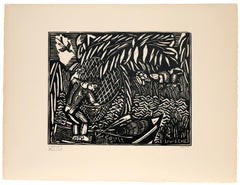
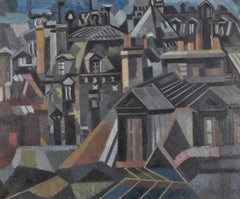
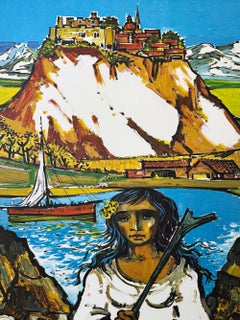
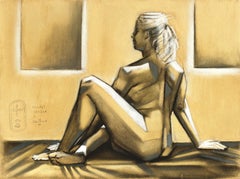
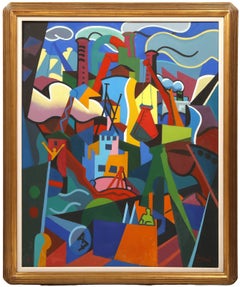
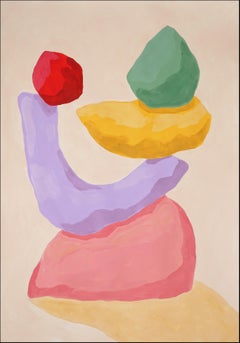
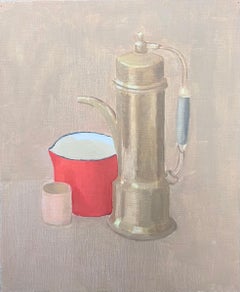
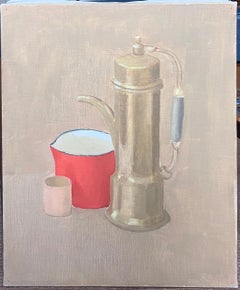
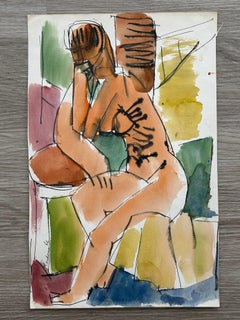
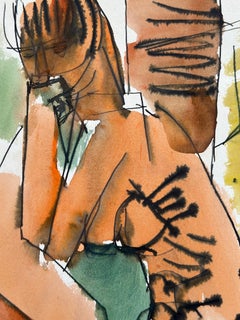
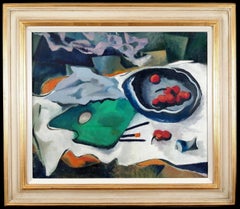
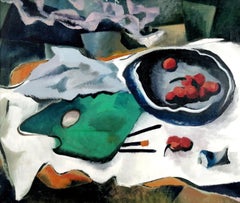
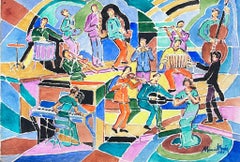
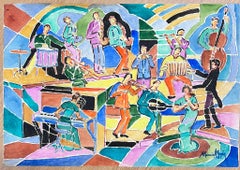
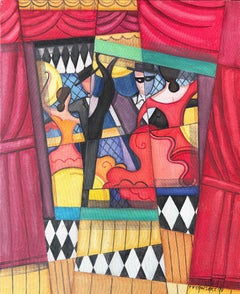
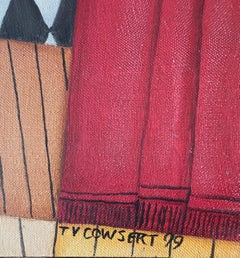
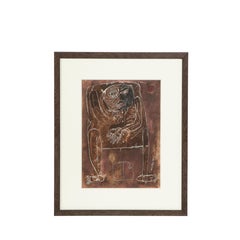
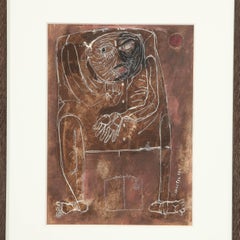
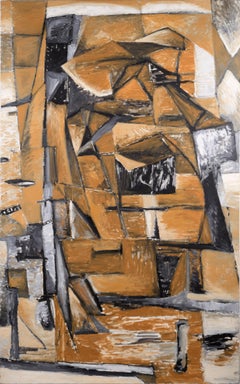
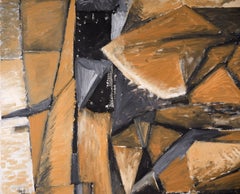
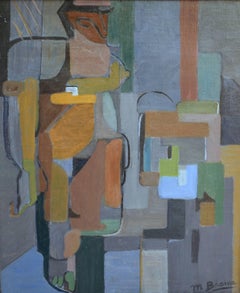
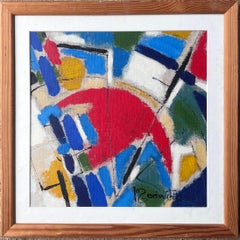
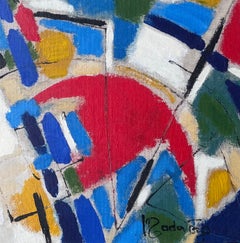
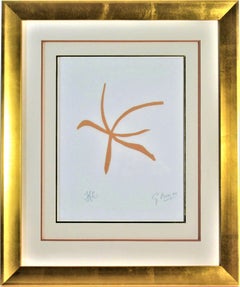
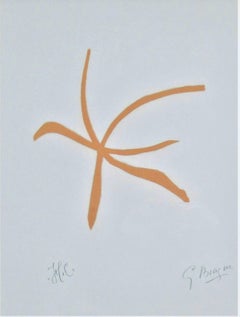
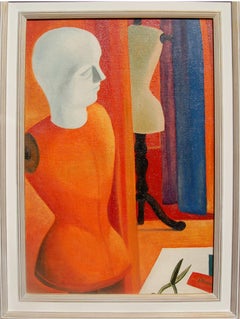
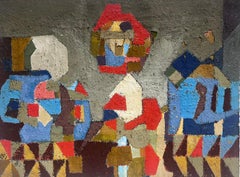
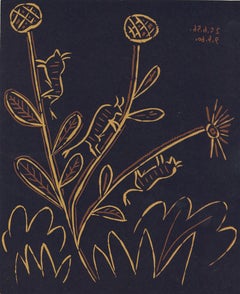
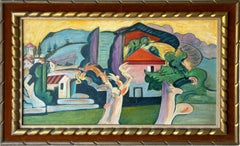
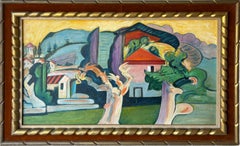
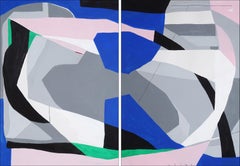
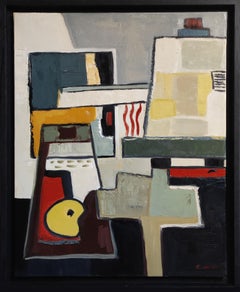
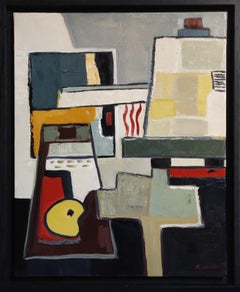
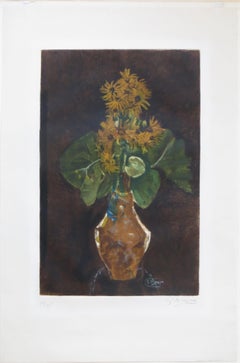
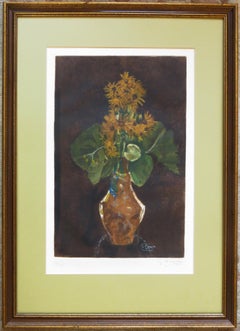
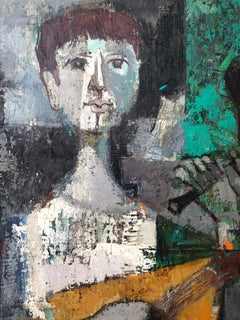
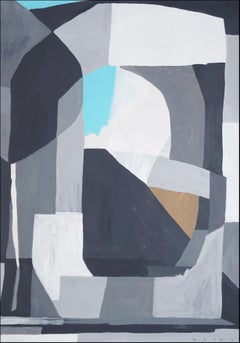
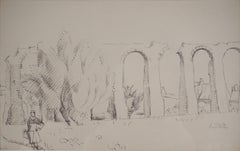
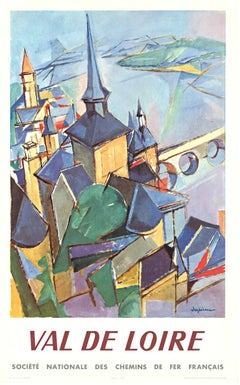
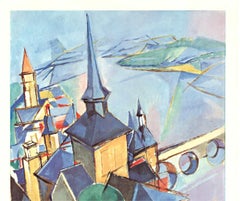
Lithograph after Georges Braque.
Signed in the plate
Edition of 150
Dimensions: 76 x 117 cm
Bibliography:
« Les Métamorphoses de Braque» of Heger de Loewenfeld and Raphaël de Cuttoli , Editions FAC, Paris, 1989.
In 1961 Georges Braque decided with his laidary friend Heger de Loewenfeld to pick up certain of his works to in order to create artworks, this beautiful litograph is one of them.
Héméra in the Mythology:
In Greek mythology Hemera was the personification of day and one of the Greek primordial deities. She is the goddess of the daytime and, according to Hesiod, the daughter of Erebus and Nyx (the goddess of night). Hemera is remarked upon in Cicero's De Natura Deorum, where it is logically determined that Dies (Hemera) must be a god, if Uranus is a god. The poet Bacchylides states that Nyx and Chronos are the parents, but Hyginus in his preface to the Fabulae mentions Chaos as the mother/father and Nyx as her sister.
She was the female counterpart of her brother and consort, Aether (Light), but neither of them figured actively in myth or cult. Hyginus lists their children as Uranus, Gaia, and Thalassa (the primordial sea goddess), while Hesiod only lists Thalassa as their child.
The father of Cubism
Three Cubist that distinguishes art historian periods were initiated and developed by Georges Braque: The Cubist Cézanne (1907-1909), Executive (1909-1912) and synthetic (1912-1922).
Post-Impressionist and fawn, Braque no longer adheres to the contingency of a decorative way or the other. Cézanne’s paintings exhibited at the Grand Palais during the retrospective of 1907 are a revelation: Cézanne sought and invented a pictorial language. In his footsteps, Braque went to the South with the reasons of the Master. He returned with Estaque landscapes and surprising Ciotat it keeps Cezanne geometric model and retains the “passages” continuity from one surface to another to create the sensation of “turning around” of the object represented. But he wants to go after the consequences of the vision of Cezanne. In his paintings Houses in L’Estaque (1908) it simplifies the volumes of houses, neglects detail by removing doors and windows: the plastic rhythm that builds the table. Large Nude , a masterpiece of the period, can be considered the first work of Cézanne cubism .
Systematizing and deepening Braque discoveries open the door analytical cubism. In 1909, his painting became more cerebral than sensual. The pattern is recreated in the two-dimensionality of the canvas, leaving aside any illusionistic perspective. In Still Life with Violin, objects are analyzed facets according to their characteristic elements, each facet referring to a particular view of the object. There are so many facets of points selected view: Table reflects the knowledge of the object and the ubiquity of the eye. Moreover, Braque is looking for the essence of the objects in the world rather than their contingency, which explains the absence of light source and use of muted colors (gray, ocher), contingent aspects of the object . But formal logic has stepped facets, erased any anecdote to the object and ultimately led to his painting a hermetic more marked on the edge of abstraction (see the series of Castle Roche-Guyon ).
Braque, anxious to keep the concrete and refusing at all costs that the logic of Cubism takes the paintings to abstract, reintroduced signs of reality in his paintings in 1912 marks the beginning of Synthetic Cubism. Historians speak of “signs of real” rather than reality because what interests Braque, this is not to put reality into a table, but to create a painting which, by its language, refers to the real. To do this, he invented two major techniques XX th century inclusions and contributions. The inclusions consist of painting objects that have no real depth, materials (wallpaper in Nature morte aux playing cards faux wood is a pictorial inclusion) or letters (calligraphic inclusion in Portuguese ), made first brush and a few months later stencil. Contributions are defined in contrast with the collage on canvas of foreign materials: glued or sand paper, sawdust, etc.. Regarding the collages, Braque used for the first time in September 1912 a piece of adhesive paper imitating faux wood Compote...
Category
1950s Cubist Art