Cubist Art

CUBIST STYLE

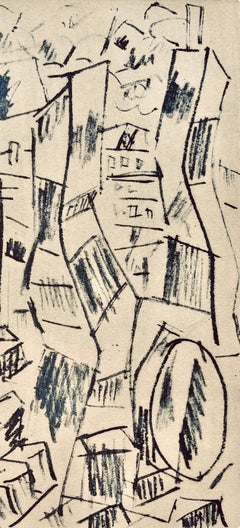
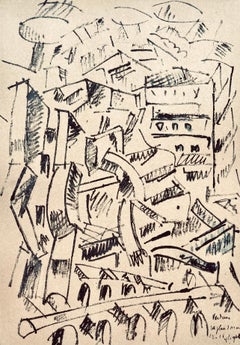
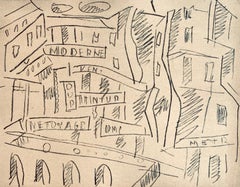
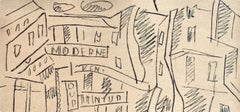
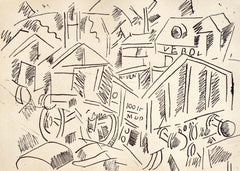
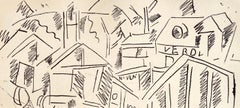
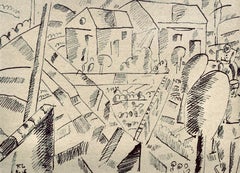
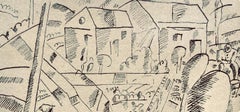
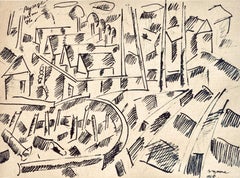
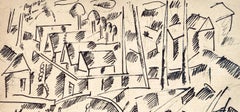
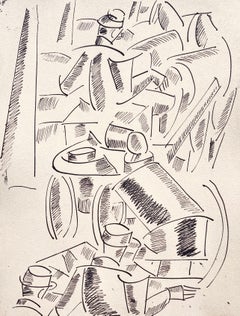
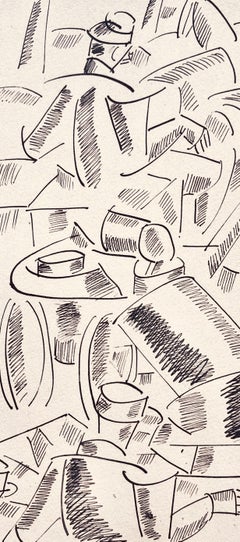
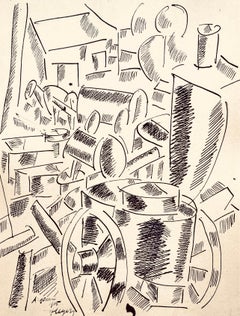
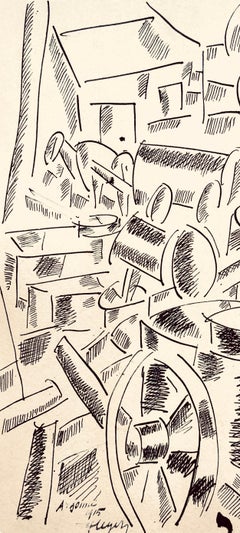
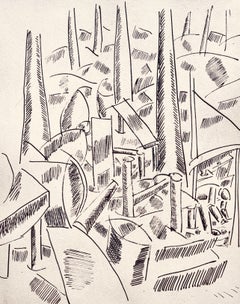
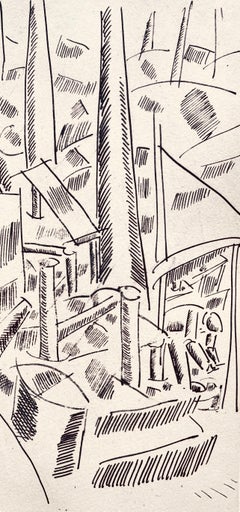
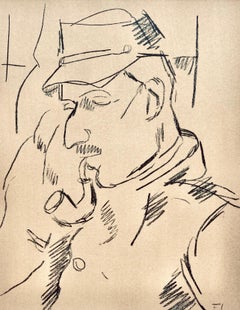
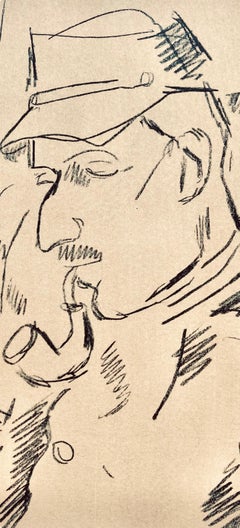
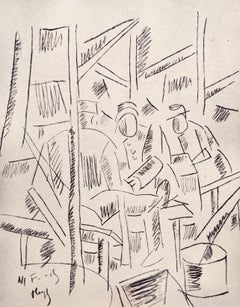
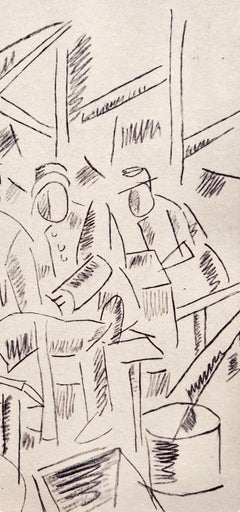
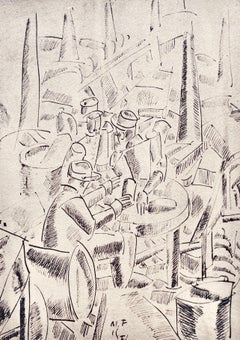
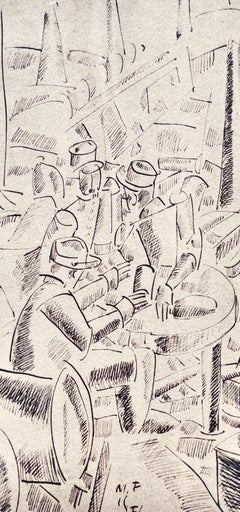
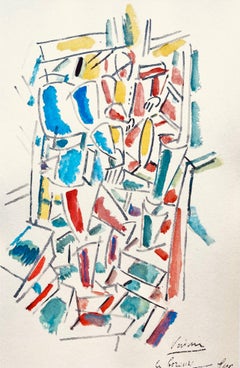
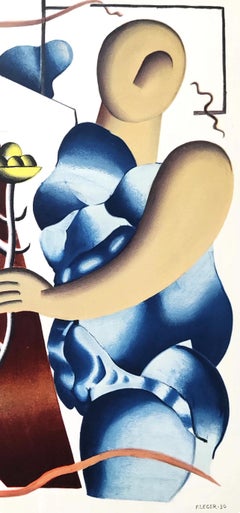
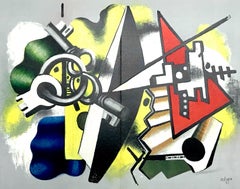
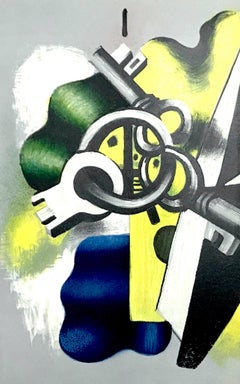
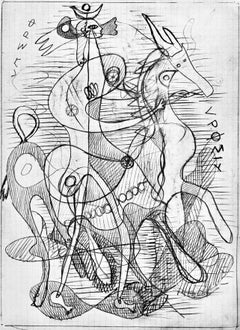
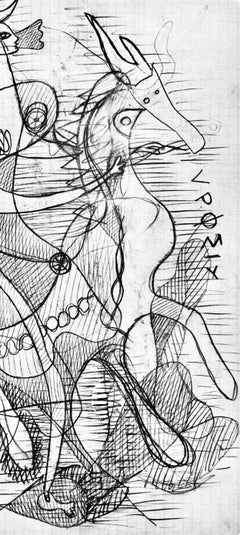
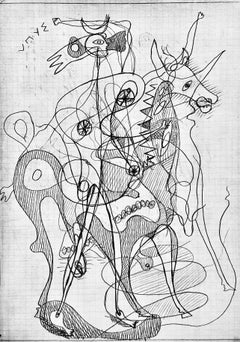
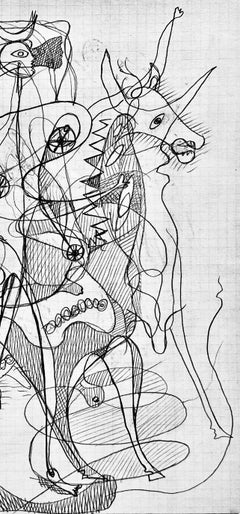
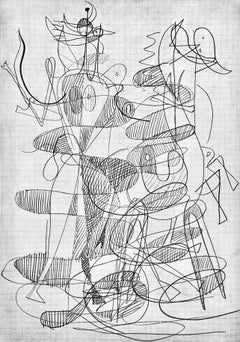
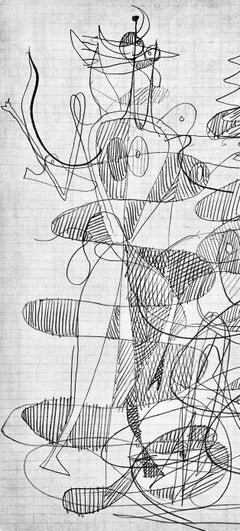
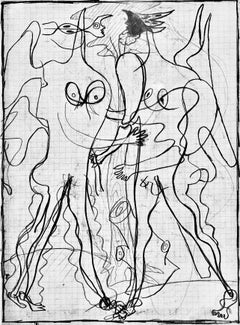
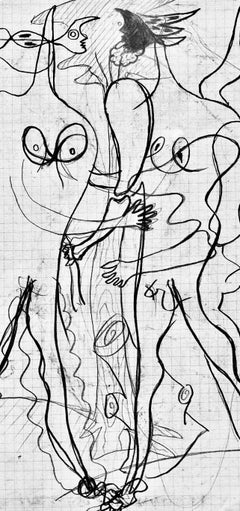
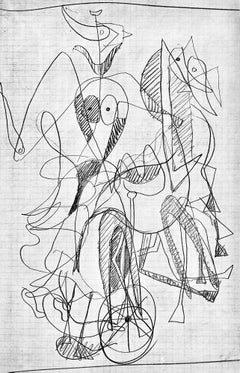
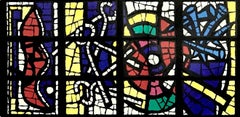
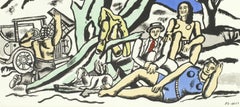
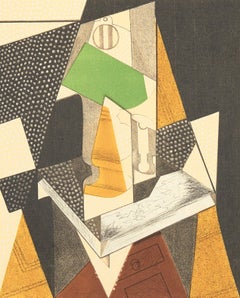
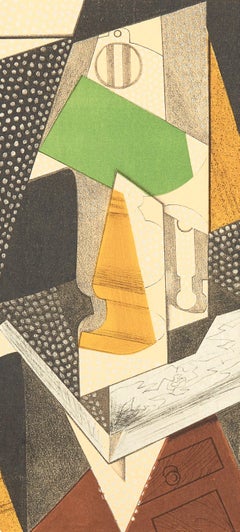
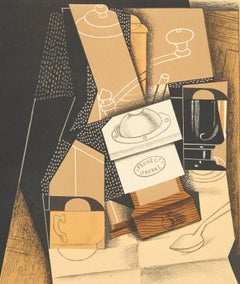
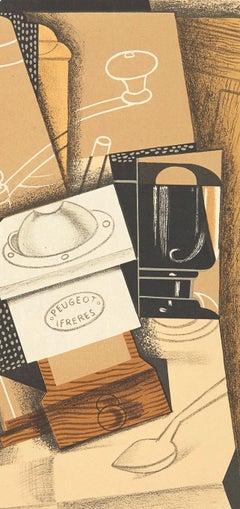
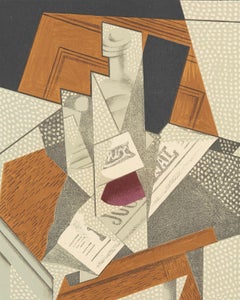
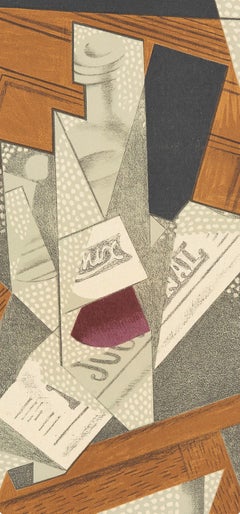
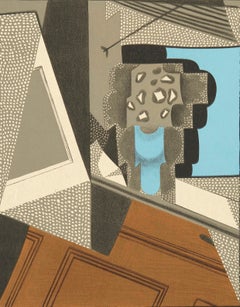
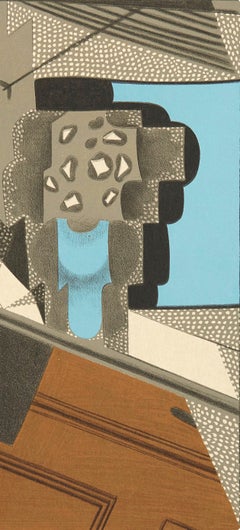
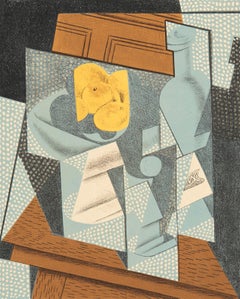
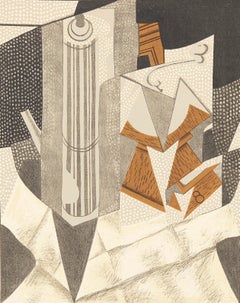
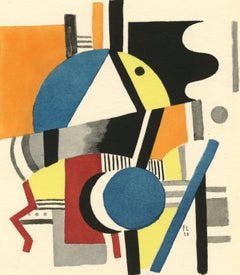
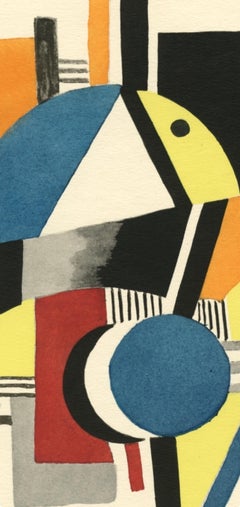
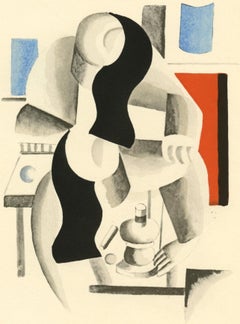
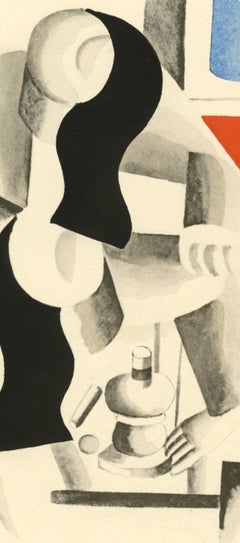
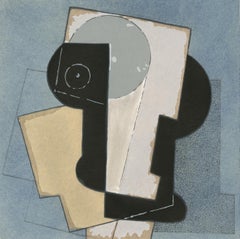
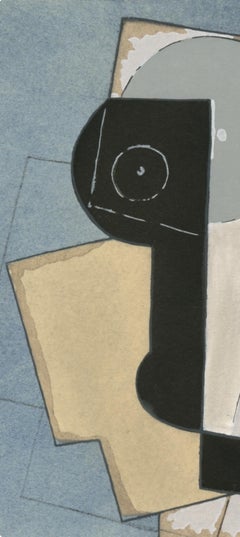
Inspired by the nontraditional ways Postimpressionists like Paul Cézanne and Georges Seurat depicted the world, Pablo Picasso and Georges Braque pioneered an even more abstract style in which reality was fragmented into flat, geometric forms. Cubism majorly influenced 20th-century Western art as it radically broke with the adherence to composition and linear perspectives that dated back to the Renaissance. Its watershed moments are considered Picasso’s 1907 Les Demoiselles d’Avignon, in which nude figures are fractured into angular shapes, and Georges Braque’s 1908 painting show, which prompted a critic to describe his visual reductions as “cubes.”

Although Cubism was a revolutionary art movement for European culture, it was informed by African masks and other tribal art. Its artists, which included Fernand Léger, Alexander Archipenko, Marcel Duchamp, Juan Gris and Jean Metzinger, experimented with compressing space and playing with the tension between solid and void forms in their work. While their subjects were often conventional, such as still lifes, nudes and landscapes, they were distorted without any illusion of realism.

Cubist art evolved through different distinct phases. In Analytic Cubism, from 1908 to 1912, figures or objects were “analyzed” into pieces that were reassembled in paintings and sculptures, as if presenting the same subject matter from many perspectives at once. The palette was usually monochromatic and muted, giving attention to the overlapping planes. Synthetic Cubism, dating from 1912 to 1914, moved to brighter colors and a further flattening of images. This unmooring from formal ideas of art would shape numerous styles that followed, from Dada to Surrealism.

Find a collection of authentic Cubist paintings, prints and multiples, sculptures and more art on 1stDibs.

to
638
756
336
469
223
171
Overall Width
to
Overall Height
to
3
1,473
504
5
39
57
116
126
259
220
125
65
43
120,188
64,358
56,895
28,866
14,503
9,675
6,742
6,149
4,206
3,185
2,560
2,368
2,148
581
1,171
635
81
715
533
406
253
234
232
143
119
63
51
51
38
28
28
28
26
26
25
25
23
931
587
509
339
335
150
93
36
32
29
488
241
1,197
747
Style: Cubist
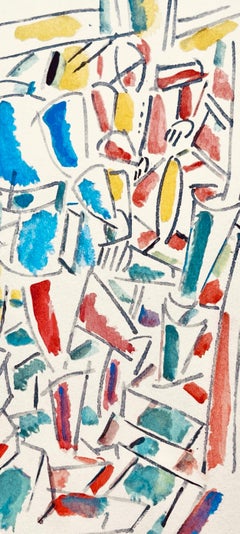
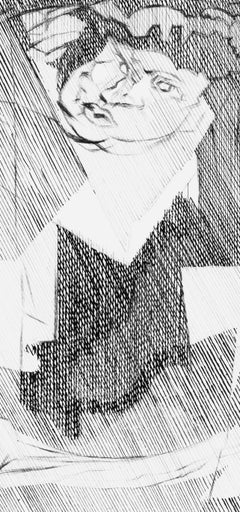
Jacques Villon, Woman’s Head, from XXe Siecle, 1952

Jacques Villon, Woman’s Head, from XXe Siecle, 1952

By Jacques Villon

Located in Southampton, NY

This exquisite etching by Jacques Villon (1875–1963), titled Tete de Femme (Woman’s Head), from the album XXe Siecle, Nouvelle serie N°3 (double), Juin 1952, originates from the 1952...

Category

1950s Cubist Art

Materials

Etching

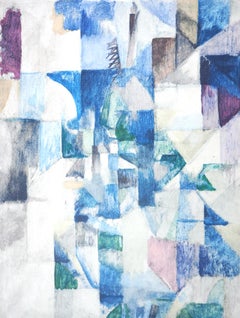
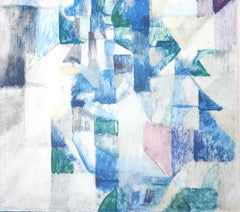
Sonia Delaunay, Untitled, from XXe Siecle, 1956

Sonia Delaunay, Untitled, from XXe Siecle, 1956

By Sonia Delaunay

Located in Southampton, NY

This exquisite lithograph and pochoir by Sonia Delaunay (1885–1979), titled Sans titre (Untitled), from the album XXe Siecle, Nouvelle serie, No. 7 (double), Juin 1956, originates fr...

Category

1950s Cubist Art

Materials

Lithograph

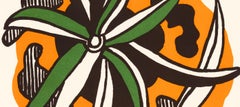
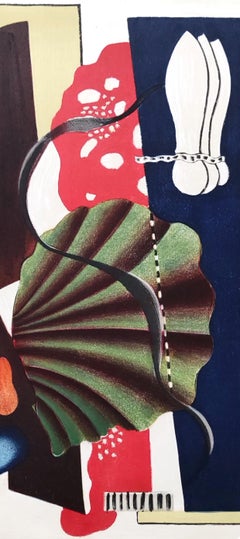
Fernand Leger, The Flower, from XXe Siecle, 1952

Fernand Leger, The Flower, from XXe Siecle, 1952

By Fernand Léger

Located in Southampton, NY

This exquisite lithograph by Fernand Leger (1881–1955), titled La Fleur (The Flower), from the album XXe Siecle, Nouvelle serie N°3 (double) Juin 1952, originates from the 1952 editi...

Category

1950s Cubist Art

Materials

Lithograph

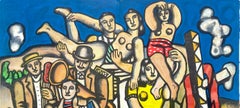
Fernand Leger, Acrobats and Musicians, from Derriere le Miroir, 1960 (after)

Fernand Leger, Acrobats and Musicians, from Derriere le Miroir, 1960 (after)

By Fernand Léger

Located in Southampton, NY

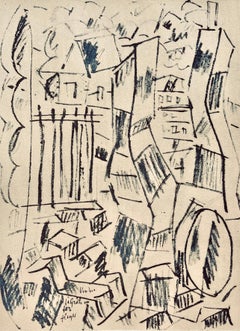
This exquisite lithograph after Fernand Leger (1881–1955), titled Acrobates et musiciens (Acrobats and Musicians), originates from the 1960 folio Derriere le Miroir, No. 119, Poetes, peintres, sculpteurs (Poets, Painters, Sculptors), published by Maeght Editeur, Paris, under the direction of Aime Maeght, and printed by Mourlot Freres, Paris. Acrobates et musiciens exemplifies Leger’s dynamic integration of human movement, geometric rhythm, and vibrant color—hallmarks of his post-Cubist visual language. The composition celebrates modern vitality and the harmony of mechanized and organic forms, capturing the artist’s enduring fascination with energy, structure, and the human figure in motion. Executed on velin paper, this lithograph measures 15 x 22 inches (38.1 x 55.9 cm), with centerfold, as issued. Signed in the plate, as issued. The edition reflects the exceptional quality and craftsmanship of the Maeght and Mourlot collaborations, translating Leger’s bold visual vocabulary into a masterful graphic work. Artwork Details: Artist: After Fernand Leger (1881–1955) Title: Acrobates et musiciens (Acrobats and Musicians), from Derriere le Miroir, No. 119, Poetes, peintres, sculpteurs (Poets, Painters, Sculptors), 1960 Medium: Lithograph on velin paper Dimensions: 15 x 22 inches (38.1 x 55.9 cm), with centerfold, as issued Inscription: Signed in the plate, as issued Date: 1960 Publisher: Maeght Editeur, Paris Printer: Mourlot Freres, Paris Catalogue raisonne reference: Leger, Fernand, and Lawrence Saphire. Fernand Leger: The Complete Graphic Work. Blue Moon Press, 1978, illustration 270 Condition: Well preserved, consistent with age and medium Provenance: From the 1960 folio Derriere le Miroir, No. 119, Poetes, peintres, sculpteurs (Poets, Painters, Sculptors), published by Maeght Editeur, Paris About the Publication: Derriere le Miroir (translated as "Behind the Mirror") was an iconic French art periodical published from 1946 to 1982 by Maeght Editeur, one of the most influential art publishers of the 20th century. Founded by Aime Maeght in Paris, the publication was conceived as a visual and literary collaboration between leading modern artists, poets, and critics. Each issue functioned as both an exhibition catalogue and a work of art in itself—featuring original lithographs printed directly from the artists' stones or plates, alongside essays, poems, and critical commentary. Over the course of 36 years, Derriere le Miroir produced more than 250 issues and showcased an extraordinary roster of artists including Henri Matisse, Marc Chagall, Joan Miro, Georges Braque, Alexander Calder, Fernand Leger, Pierre Bonnard, Alberto Giacometti, Eduardo Chillida, Ellsworth Kelly, Francis Bacon, Paul Rebeyrolle, Claude Garache, Antoni Tapies, Bram van Velde, Pierre Alechinsky, Pol Bury, Shusaku Arakawa, and Gerard Titus-Carmel. Printed in the ateliers of Mourlot, Arte, and Imprimerie Moderne du Lion, the periodical set new standards for quality in color lithography, combining fine art printing with elegant typography and poetic text. Beyond its visual brilliance, Derriere le Miroir also became a cultural chronicle of postwar European modernism. Each issue coincided with exhibitions held at Galerie Maeght, providing a collectible and widely accessible record of groundbreaking shows. Its integration of image, text, and philosophy created a dialogue between art and literature that elevated the modern art book to new aesthetic heights. Today, Derriere le Miroir remains one of the most sought-after and historically significant art publications, prized by collectors and scholars alike for its craftsmanship, influence, and its role in defining the visual language of 20th-century modernism. The Maeght Foundation in Saint-Paul-de-Vence continues to honor this legacy through exhibitions and archival preservation of the series, affirming Derriere le Miroir's enduring place in the history of modern art and fine art publishing. About the Artist: Fernand Leger (1881–1955) was a French painter, sculptor, and filmmaker whose bold, mechanized aesthetic made him one of the most influential figures of modern art. A pioneer of Cubism alongside Pablo Picasso and Georges Braque, Leger developed a distinctive style that celebrated modern life through rhythmic forms, tubular figures, and vibrant color contrasts. His compositions combined industrial precision with human warmth, reflecting both the dynamism and optimism of the 20th century. Influenced by and in dialogue with leading artists such as Henri Matisse, Alexander Calder, Marc Chagall, Alberto Giacometti, Salvador Dali, Joan Miro, Wassily Kandinsky, Marcel Duchamp, and Man Ray, Leger bridged the gap between Cubism, abstraction, and the rise of modern design. His work extended into murals, sculpture, and film, uniting fine art with architecture and everyday life. Represented in major museums worldwide—including MoMA, the Guggenheim, the Centre Pompidou, and the Tate—Leger’s art continues to captivate collectors for its clarity, structure, and vitality. The highest price ever paid for a Fernand Leger artwork is approximately $70 million USD, achieved in 2012 at Christie's New York for Contraste de formes (1913). Fernand Leger Acrobates et musiciens, Leger Derriere le Miroir, Leger Maeght Editeur Paris, Leger Mourlot...

Category

1960s Cubist Art
Materials

Lithograph

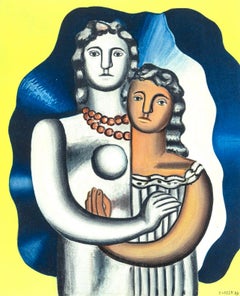
Fernand Leger, The Two Figures, from Derriere le miroir, 1955 (after)

Fernand Leger, The Two Figures, from Derriere le miroir, 1955 (after)

By Fernand Léger

Located in Southampton, NY

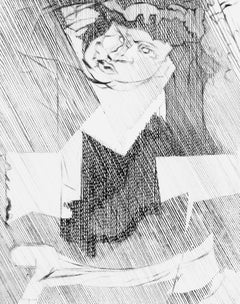
This exquisite lithograph after Fernand Leger (1881–1955), titled Le deux figures (The Two Figures), from the folio Derriere le miroir, No. 79-81, originates from the 1955 edition published by Maeght Editeur, Paris, and printed by Mourlot Freres, Paris, 1955. This composition exemplifies Leger’s rhythmic balance of color, form, and movement, translating the mechanical vitality of modern life into a harmonious, humanized geometry. Executed as a lithograph on velin paper, this work measures 15 x 11 inches. Signed in the plate and unnumbered as issued. The edition exemplifies the superb craftsmanship of Mourlot Freres, Paris. Artwork Details: Artist: After Fernand Leger (1881–1955) Title: Le deux figures (The Two Figures), from the folio Derriere le miroir, No. 79-81 Medium: Lithograph on velin paper Dimensions: 15 x 11 inches (38.1 x 27.94 cm) Inscription: Signed in the plate and unnumbered as issued Date: 1955 Publisher: Maeght Editeur, Paris Printer: Mourlot Freres, Paris Condition: Well preserved, consistent with age and medium Provenance: From the folio Derriere le miroir, No. 79-81, published by Maeght Editeur, Paris; printed by Mourlot Freres, Paris, 1955 About the Publication: Derriere le miroir (Behind the Mirror) was one of the most important art publications of the 20th century, created and published by Maeght Editeur in Paris from 1946 to 1982. Founded by the visionary art dealer and publisher Aime Maeght, the series served as both an exhibition catalogue and a work of art in its own right, uniting original lithographs by leading modern and contemporary artists with critical essays, poetry, and design of the highest quality. Printed by master lithographers such as Mourlot Freres and Arte, Derriere le miroir became synonymous with the artistic vanguard of postwar Europe. Each issue was devoted to a single artist or theme and published to accompany exhibitions at the Galerie Maeght in Paris, featuring works by Pablo Picasso, Henri Matisse, Georges Braque, Joan Miro, Marc Chagall, Alexander Calder, Fernand Leger, and Alberto Giacometti, among others. The publication reflected Maeght's belief that art should be both accessible and elevated—an ideal realized through its luxurious production values, meticulous printing, and collaboration with the greatest creative minds of its time. About the Artist: Fernand Leger (1881–1955) was a visionary French painter, sculptor, designer, and filmmaker whose groundbreaking fusion of modern industry, vivid color, and geometric form transformed the course of 20th-century art. Born in Argentan, Normandy, Leger began as an architectural draftsman before studying at the Academie Julian and the Ecole des Beaux-Arts in Paris, where he absorbed the lessons of Paul Cezanne’s structural rigor and the revolutionary ideas of Cubism. Alongside Pablo Picasso and Georges Braque, he became one of the leading innovators of the avant-garde, yet his work stood apart through its embrace of mechanical rhythm, bold contrasts, and industrial modernity—earning him the title “the painter of the machine age.” His art celebrated the beauty of technology, urban life, and the human form rendered in dynamic, interlocking cylinders and planes, evoking the pulse of the modern world. Immersed in the vibrant Parisian art scene, Leger worked in dialogue with peers and contemporaries such as Alexander Calder, Alberto Giacometti, Salvador Dali, Joan Miro, Wassily Kandinsky, Marcel Duchamp, and Man Ray, all of whom shared his commitment to innovation and the reimagining of artistic expression. Beyond painting, Leger’s creative reach extended into film, design, and monumental public art—his 1924 collaboration on Ballet Mecanique with Dudley Murphy and Man Ray remains a landmark of avant-garde cinema. His later works evolved toward greater clarity and monumentality, celebrating the unity of form, color, and humanity through large-scale murals and mosaics that bridged fine art and architecture. Leger’s synthesis of Cubism, Futurism, and abstraction paved the way for movements such as Pop Art and influenced generations of artists including Roy Lichtenstein, Ellsworth Kelly, Robert Indiana, and Alexander Calder, who admired his fusion of structure, energy, and optimism. Today, his works are prized by major museums and collectors worldwide for their bold visual power and enduring modernity. His highest auction record was achieved by La femme en rouge et vert (1914), which sold for 39,241,000 USD at Sotheby’s, New York, on May 7, 2008. After Fernand Leger Le deux figures 1955, Leger Derriere le miroir No. 79-81, Leger Mourlot...

Category

1950s Cubist Art
Materials

Lithograph

Fernand Leger, Still Life, from Derriere le miroir, 1955 (after)

Fernand Leger, Still Life, from Derriere le miroir, 1955 (after)

By Fernand Léger

Located in Southampton, NY

This exquisite lithograph after Fernand Leger (1881–1955), titled Nature morte (Still Life), from the folio Derriere le miroir, No. 79-81, originates from the 1955 edition published by Maeght Editeur, Paris, and printed by Mourlot Freres, Paris, 1955. This composition exemplifies Leger’s rhythmic balance of color, form, and movement, translating the mechanical vitality of modern life into a harmonious, humanized geometry. Executed as a lithograph on velin paper, this work measures 15 x 11 inches. Signed in the plate and unnumbered as issued. The edition exemplifies the superb craftsmanship of Mourlot Freres, Paris. Artwork Details: Artist: After Fernand Leger (1881–1955) Title: Nature morte (Still Life), from the folio Derriere le miroir, No. 79-81 Medium: Lithograph on velin paper Dimensions: 15 x 11 inches (38.1 x 27.94 cm) Inscription: Signed in the plate and unnumbered as issued Date: 1955 Publisher: Maeght Editeur, Paris Printer: Mourlot Freres, Paris Condition: Well preserved, consistent with age and medium Provenance: From the folio Derriere le miroir, No. 79-81, published by Maeght Editeur, Paris; printed by Mourlot Freres, Paris, 1955 About the Publication: Derriere le miroir (Behind the Mirror) was one of the most important art publications of the 20th century, created and published by Maeght Editeur in Paris from 1946 to 1982. Founded by the visionary art dealer and publisher Aime Maeght, the series served as both an exhibition catalogue and a work of art in its own right, uniting original lithographs by leading modern and contemporary artists with critical essays, poetry, and design of the highest quality. Printed by master lithographers such as Mourlot Freres and Arte, Derriere le miroir became synonymous with the artistic vanguard of postwar Europe. Each issue was devoted to a single artist or theme and published to accompany exhibitions at the Galerie Maeght in Paris, featuring works by Pablo Picasso, Henri Matisse, Georges Braque, Joan Miro, Marc Chagall, Alexander Calder, Fernand Leger, and Alberto Giacometti, among others. The publication reflected Maeght's belief that art should be both accessible and elevated—an ideal realized through its luxurious production values, meticulous printing, and collaboration with the greatest creative minds of its time. About the Artist: Fernand Leger (1881–1955) was a visionary French painter, sculptor, designer, and filmmaker whose groundbreaking fusion of modern industry, vivid color, and geometric form transformed the course of 20th-century art. Born in Argentan, Normandy, Leger began as an architectural draftsman before studying at the Academie Julian and the Ecole des Beaux-Arts in Paris, where he absorbed the lessons of Paul Cezanne’s structural rigor and the revolutionary ideas of Cubism. Alongside Pablo Picasso and Georges Braque, he became one of the leading innovators of the avant-garde, yet his work stood apart through its embrace of mechanical rhythm, bold contrasts, and industrial modernity—earning him the title “the painter of the machine age.” His art celebrated the beauty of technology, urban life, and the human form rendered in dynamic, interlocking cylinders and planes, evoking the pulse of the modern world. Immersed in the vibrant Parisian art scene, Leger worked in dialogue with peers and contemporaries such as Alexander Calder, Alberto Giacometti, Salvador Dali, Joan Miro, Wassily Kandinsky, Marcel Duchamp, and Man Ray, all of whom shared his commitment to innovation and the reimagining of artistic expression. Beyond painting, Leger’s creative reach extended into film, design, and monumental public art—his 1924 collaboration on Ballet Mecanique with Dudley Murphy and Man Ray remains a landmark of avant-garde cinema. His later works evolved toward greater clarity and monumentality, celebrating the unity of form, color, and humanity through large-scale murals and mosaics that bridged fine art and architecture. Leger’s synthesis of Cubism, Futurism, and abstraction paved the way for movements such as Pop Art and influenced generations of artists including Roy Lichtenstein, Ellsworth Kelly, Robert Indiana, and Alexander Calder, who admired his fusion of structure, energy, and optimism. Today, his works are prized by major museums and collectors worldwide for their bold visual power and enduring modernity. His highest auction record was achieved by La femme en rouge et vert (1914), which sold for 39,241,000 USD at Sotheby’s, New York, on May 7, 2008. After Fernand Leger Nature morte 1955, Leger Derriere le miroir No. 79-81, Leger Mourlot...

Category

1950s Cubist Art
Materials

Lithograph

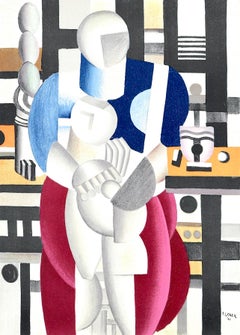
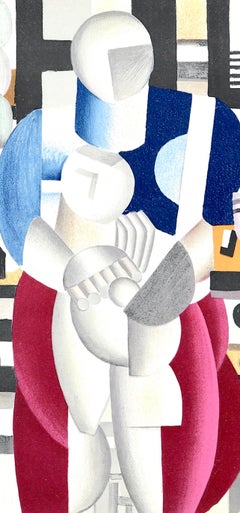
Fernand Leger, The Woman and the Child, from Derriere le miroir, 1955 (after)

Fernand Leger, The Woman and the Child, from Derriere le miroir, 1955 (after)

By Fernand Léger

Located in Southampton, NY

This exquisite lithograph after Fernand Leger (1881–1955), titled La Femme et l’Enfant (The Woman and the Child), from the folio Derriere le miroir, No. 79-81, originates from the 1955 edition published by Maeght Editeur, Paris, and printed by Mourlot Freres, Paris, 1955. This composition exemplifies Leger’s rhythmic balance of color, form, and movement, translating the mechanical vitality of modern life into a harmonious, humanized geometry. Executed as a lithograph on velin paper, this work measures 15 x 11 inches. Signed in the plate and unnumbered as issued. The edition exemplifies the superb craftsmanship of Mourlot Freres, Paris. Artwork Details: Artist: After Fernand Leger (1881–1955) Title: La Femme et l’Enfant (The Woman and the Child), from the folio Derriere le miroir, No. 79-81 Medium: Lithograph on velin paper Dimensions: 15 x 11 inches (38.1 x 27.94 cm) Inscription: Signed in the plate and unnumbered as issued Date: 1955 Publisher: Maeght Editeur, Paris Printer: Mourlot Freres, Paris Condition: Well preserved, consistent with age and medium Provenance: From the folio Derriere le miroir, No. 79-81, published by Maeght Editeur, Paris; printed by Mourlot Freres, Paris, 1955 About the Publication: Derriere le miroir (Behind the Mirror) was one of the most important art publications of the 20th century, created and published by Maeght Editeur in Paris from 1946 to 1982. Founded by the visionary art dealer and publisher Aime Maeght, the series served as both an exhibition catalogue and a work of art in its own right, uniting original lithographs by leading modern and contemporary artists with critical essays, poetry, and design of the highest quality. Printed by master lithographers such as Mourlot Freres and Arte, Derriere le miroir became synonymous with the artistic vanguard of postwar Europe. Each issue was devoted to a single artist or theme and published to accompany exhibitions at the Galerie Maeght in Paris, featuring works by Pablo Picasso, Henri Matisse, Georges Braque, Joan Miro, Marc Chagall, Alexander Calder, Fernand Leger, and Alberto Giacometti, among others. The publication reflected Maeght's belief that art should be both accessible and elevated—an ideal realized through its luxurious production values, meticulous printing, and collaboration with the greatest creative minds of its time. About the Artist: Fernand Leger (1881–1955) was a visionary French painter, sculptor, designer, and filmmaker whose groundbreaking fusion of modern industry, vivid color, and geometric form transformed the course of 20th-century art. Born in Argentan, Normandy, Leger began as an architectural draftsman before studying at the Academie Julian and the Ecole des Beaux-Arts in Paris, where he absorbed the lessons of Paul Cezanne’s structural rigor and the revolutionary ideas of Cubism. Alongside Pablo Picasso and Georges Braque, he became one of the leading innovators of the avant-garde, yet his work stood apart through its embrace of mechanical rhythm, bold contrasts, and industrial modernity—earning him the title “the painter of the machine age.” His art celebrated the beauty of technology, urban life, and the human form rendered in dynamic, interlocking cylinders and planes, evoking the pulse of the modern world. Immersed in the vibrant Parisian art scene, Leger worked in dialogue with peers and contemporaries such as Alexander Calder, Alberto Giacometti, Salvador Dali, Joan Miro, Wassily Kandinsky, Marcel Duchamp, and Man Ray, all of whom shared his commitment to innovation and the reimagining of artistic expression. Beyond painting, Leger’s creative reach extended into film, design, and monumental public art—his 1924 collaboration on Ballet Mecanique with Dudley Murphy and Man Ray remains a landmark of avant-garde cinema. His later works evolved toward greater clarity and monumentality, celebrating the unity of form, color, and humanity through large-scale murals and mosaics that bridged fine art and architecture. Leger’s synthesis of Cubism, Futurism, and abstraction paved the way for movements such as Pop Art and influenced generations of artists including Roy Lichtenstein, Ellsworth Kelly, Robert Indiana, and Alexander Calder, who admired his fusion of structure, energy, and optimism. Today, his works are prized by major museums and collectors worldwide for their bold visual power and enduring modernity. His highest auction record was achieved by La femme en rouge et vert (1914), which sold for 39,241,000 USD at Sotheby’s, New York, on May 7, 2008. After Fernand Leger La Femme et l’Enfant 1955, Leger Derriere le miroir No. 79-81, Leger Mourlot...

Category

1950s Cubist Art
Materials

Lithograph

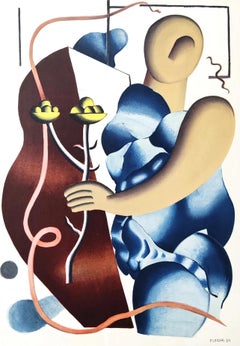
Fernand Leger, Woman Holding a Flower, from Derriere le miroir, 1955 (after)

Fernand Leger, Woman Holding a Flower, from Derriere le miroir, 1955 (after)

By Fernand Léger

Located in Southampton, NY

This exquisite lithograph after Fernand Leger (1881–1955), titled Femme tenant une fleur (Woman Holding a Flower), from the folio Derriere le miroir, No. 79-81, originates from the 1955 edition published by Maeght Editeur, Paris, and printed by Mourlot Freres, Paris, 1955. This composition exemplifies Leger’s rhythmic balance of color, form, and movement, translating the mechanical vitality of modern life into a harmonious, humanized geometry. Executed as a lithograph on velin paper, this work measures 15 x 11 inches. Signed in the plate and unnumbered as issued. The edition exemplifies the superb craftsmanship of Mourlot Freres, Paris. Artwork Details: Artist: After Fernand Leger (1881–1955) Title: Femme tenant une fleur (Woman Holding a Flower), from the folio Derriere le miroir, No. 79-81 Medium: Lithograph on velin paper Dimensions: 15 x 11 inches (38.1 x 27.94 cm) Inscription: Signed in the plate and unnumbered as issued Date: 1955 Publisher: Maeght Editeur, Paris Printer: Mourlot Freres, Paris Condition: Well preserved, consistent with age and medium Provenance: From the folio Derriere le miroir, No. 79-81, published by Maeght Editeur, Paris; printed by Mourlot Freres, Paris, 1955 About the Publication: Derriere le miroir (Behind the Mirror) was one of the most important art publications of the 20th century, created and published by Maeght Editeur in Paris from 1946 to 1982. Founded by the visionary art dealer and publisher Aime Maeght, the series served as both an exhibition catalogue and a work of art in its own right, uniting original lithographs by leading modern and contemporary artists with critical essays, poetry, and design of the highest quality. Printed by master lithographers such as Mourlot Freres and Arte, Derriere le miroir became synonymous with the artistic vanguard of postwar Europe. Each issue was devoted to a single artist or theme and published to accompany exhibitions at the Galerie Maeght in Paris, featuring works by Pablo Picasso, Henri Matisse, Georges Braque, Joan Miro, Marc Chagall, Alexander Calder, Fernand Leger, and Alberto Giacometti, among others. The publication reflected Maeght's belief that art should be both accessible and elevated—an ideal realized through its luxurious production values, meticulous printing, and collaboration with the greatest creative minds of its time. About the Artist: Fernand Leger (1881–1955) was a visionary French painter, sculptor, designer, and filmmaker whose groundbreaking fusion of modern industry, vivid color, and geometric form transformed the course of 20th-century art. Born in Argentan, Normandy, Leger began as an architectural draftsman before studying at the Academie Julian and the Ecole des Beaux-Arts in Paris, where he absorbed the lessons of Paul Cezanne’s structural rigor and the revolutionary ideas of Cubism. Alongside Pablo Picasso and Georges Braque, he became one of the leading innovators of the avant-garde, yet his work stood apart through its embrace of mechanical rhythm, bold contrasts, and industrial modernity—earning him the title “the painter of the machine age.” His art celebrated the beauty of technology, urban life, and the human form rendered in dynamic, interlocking cylinders and planes, evoking the pulse of the modern world. Immersed in the vibrant Parisian art scene, Leger worked in dialogue with peers and contemporaries such as Alexander Calder, Alberto Giacometti, Salvador Dali, Joan Miro, Wassily Kandinsky, Marcel Duchamp, and Man Ray, all of whom shared his commitment to innovation and the reimagining of artistic expression. Beyond painting, Leger’s creative reach extended into film, design, and monumental public art—his 1924 collaboration on Ballet Mecanique with Dudley Murphy and Man Ray remains a landmark of avant-garde cinema. His later works evolved toward greater clarity and monumentality, celebrating the unity of form, color, and humanity through large-scale murals and mosaics that bridged fine art and architecture. Leger’s synthesis of Cubism, Futurism, and abstraction paved the way for movements such as Pop Art and influenced generations of artists including Roy Lichtenstein, Ellsworth Kelly, Robert Indiana, and Alexander Calder, who admired his fusion of structure, energy, and optimism. Today, his works are prized by major museums and collectors worldwide for their bold visual power and enduring modernity. His highest auction record was achieved by La femme en rouge et vert (1914), which sold for 39,241,000 USD at Sotheby’s, New York, on May 7, 2008. After Fernand Leger Femme tenant une fleur 1955, Leger Derriere le miroir No. 79-81, Leger Mourlot...

Category

1950s Cubist Art
Materials

Lithograph

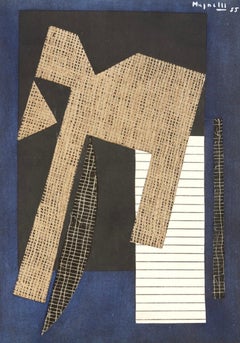
Fernand Leger, Composition with Three Keys, Derriere le miroir, 1955 (after)

Fernand Leger, Composition with Three Keys, Derriere le miroir, 1955 (after)

By Fernand Léger

Located in Southampton, NY

This exquisite lithograph after Fernand Leger (1881–1955), titled Composition aux trois cles (Composition with Three Keys), from the folio Derriere le miroir, No. 79-81, originates from the 1955 edition published by Maeght Editeur, Paris, and printed by Mourlot Freres, Paris, 1955. This composition exemplifies Leger’s rhythmic balance of color, form, and movement, translating the mechanical vitality of modern life into a harmonious, humanized geometry. Executed as a lithograph on velin paper, this work measures 15 x 22 inches, with centerfold as issued. Signed in the plate and unnumbered as issued. The edition exemplifies the superb craftsmanship of Mourlot Freres, Paris. Artwork Details: Artist: After Fernand Leger (1881–1955) Title: Composition aux trois cles (Composition with Three Keys), from the folio Derriere le miroir, No. 79-81 Medium: Lithograph on velin paper Dimensions: 15 x 22 inches (38.1 x 55.88 cm), with centerfold as issued Inscription: Signed in the plate and unnumbered as issued Date: 1955 Publisher: Maeght Editeur, Paris Printer: Mourlot Freres, Paris Condition: Well preserved, consistent with age and medium Provenance: From the folio Derriere le miroir, No. 79-81, published by Maeght Editeur, Paris; printed by Mourlot Freres, Paris, 1955 About the Publication: Derriere le miroir (Behind the Mirror) was one of the most important art publications of the 20th century, created and published by Maeght Editeur in Paris from 1946 to 1982. Founded by the visionary art dealer and publisher Aime Maeght, the series served as both an exhibition catalogue and a work of art in its own right, uniting original lithographs by leading modern and contemporary artists with critical essays, poetry, and design of the highest quality. Printed by master lithographers such as Mourlot Freres and Arte, Derriere le miroir became synonymous with the artistic vanguard of postwar Europe. Each issue was devoted to a single artist or theme and published to accompany exhibitions at the Galerie Maeght in Paris, featuring works by Pablo Picasso, Henri Matisse, Georges Braque, Joan Miro, Marc Chagall, Alexander Calder, Fernand Leger, and Alberto Giacometti, among others. The publication reflected Maeght's belief that art should be both accessible and elevated—an ideal realized through its luxurious production values, meticulous printing, and collaboration with the greatest creative minds of its time. About the Artist: Fernand Leger (1881–1955) was a visionary French painter, sculptor, designer, and filmmaker whose groundbreaking fusion of modern industry, vivid color, and geometric form transformed the course of 20th-century art. Born in Argentan, Normandy, Leger began as an architectural draftsman before studying at the Academie Julian and the Ecole des Beaux-Arts in Paris, where he absorbed the lessons of Paul Cezanne’s structural rigor and the revolutionary ideas of Cubism. Alongside Pablo Picasso and Georges Braque, he became one of the leading innovators of the avant-garde, yet his work stood apart through its embrace of mechanical rhythm, bold contrasts, and industrial modernity—earning him the title “the painter of the machine age.” His art celebrated the beauty of technology, urban life, and the human form rendered in dynamic, interlocking cylinders and planes, evoking the pulse of the modern world. Immersed in the vibrant Parisian art scene, Leger worked in dialogue with peers and contemporaries such as Alexander Calder, Alberto Giacometti, Salvador Dali, Joan Miro, Wassily Kandinsky, Marcel Duchamp, and Man Ray, all of whom shared his commitment to innovation and the reimagining of artistic expression. Beyond painting, Leger’s creative reach extended into film, design, and monumental public art—his 1924 collaboration on Ballet Mecanique with Dudley Murphy and Man Ray remains a landmark of avant-garde cinema. His later works evolved toward greater clarity and monumentality, celebrating the unity of form, color, and humanity through large-scale murals and mosaics that bridged fine art and architecture. Leger’s synthesis of Cubism, Futurism, and abstraction paved the way for movements such as Pop Art and influenced generations of artists including Roy Lichtenstein, Ellsworth Kelly, Robert Indiana, and Alexander Calder, who admired his fusion of structure, energy, and optimism. Today, his works are prized by major museums and collectors worldwide for their bold visual power and enduring modernity. His highest auction record was achieved by La femme en rouge et vert (1914), which sold for 39,241,000 USD at Sotheby’s, New York, on May 7, 2008. After Fernand Leger Composition aux trois cles 1955, Leger Derriere le miroir No. 79-81, Leger Mourlot...

Category

1950s Cubist Art
Materials

Lithograph

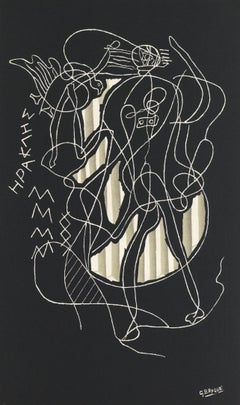
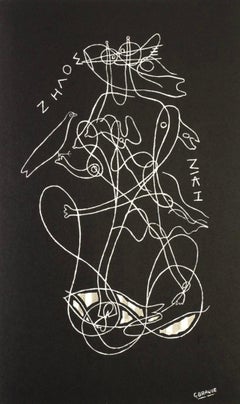
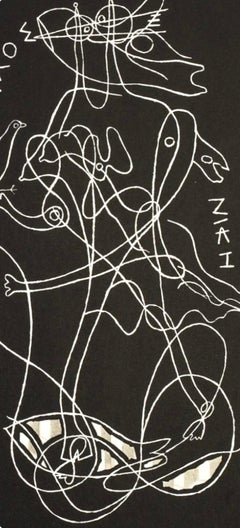
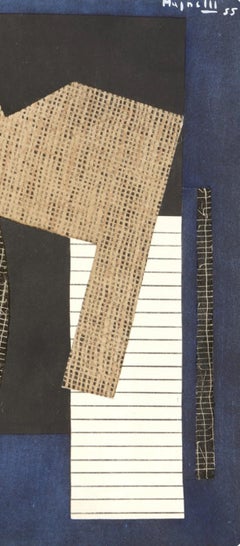
Georges Braque, Zelos, from Derriere le miroir, 1951

Georges Braque, Zelos, from Derriere le miroir, 1951

By Georges Braque

Located in Southampton, NY

This exquisite lithograph by Georges Braque (1882–1963), titled Zelos, from the folio Derriere le miroir, No. 36-37-38, originates from the 1951 edition published by Maeght Editeur, ...

Category

1950s Cubist Art
Materials

Lithograph

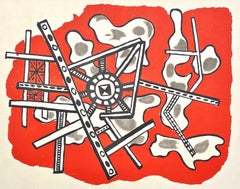
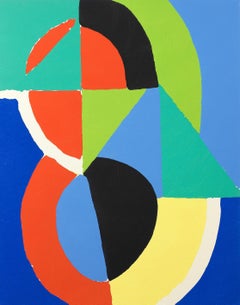
Fernand Leger, Composition on a Red Background, from Derriere le miroir, 1949

Fernand Leger, Composition on a Red Background, from Derriere le miroir, 1949

By Fernand Léger

Located in Southampton, NY

This exquisite lithograph by Fernand Leger (1881–1955), titled Composition sur fond rouge (Composition on a Red Background), from the folio Derriere le miroir, L’art abstrait, No. 21-22, originates from the 1949 edition published by Maeght Editeur, Paris, and printed by Mourlot Freres, Paris, 1949. The composition exemplifies Leger’s distinctive modernist vision, uniting color, structure, and rhythm into a celebration of harmony between abstraction and industrial dynamism. Executed as a lithograph on velin paper, this work measures 15 x 22 inches, with centerfold as issued. Unsigned and unnumbered as issued. The edition exemplifies the superb craftsmanship of Mourlot Freres, Paris. Artwork Details: Artist: Fernand Leger (1881–1955) Title: Composition sur fond rouge (Composition on a Red Background), from the folio Derriere le miroir, L’art abstrait, No. 21-22 Medium: Lithograph on velin paper Dimensions: 15 x 22 inches (38.1 x 55.9 cm), with centerfold as issued Inscription: Unsigned and unnumbered as issued Date: 1949 Publisher: Maeght Editeur, Paris Printer: Mourlot Freres, Paris Catalogue Raisonne Reference: Leger, Fernand, and Lawrence Saphire. Fernand Leger: The Complete Graphic Work. Blue Moon Press, 1978, illustration 90. Condition: Well preserved, consistent with age and medium Provenance: From the folio Derriere le miroir, L’art abstrait, No. 21-22, published by Maeght Editeur, Paris; printed by Mourlot Freres, Paris, 1949 About the Publication: Derriere le miroir (Behind the Mirror) was one of the most important art publications of the 20th century, created and published by Maeght Editeur in Paris from 1946 to 1982. Founded by the visionary art dealer and publisher Aime Maeght, the series served as both an exhibition catalogue and a work of art in its own right, uniting original lithographs by leading modern and contemporary artists with critical essays, poetry, and design of the highest quality. Printed by master lithographers such as Mourlot Freres and Arte, Derriere le miroir became synonymous with the artistic vanguard of postwar Europe. Each issue was devoted to a single artist or theme and published to accompany exhibitions at the Galerie Maeght in Paris, featuring works by Pablo Picasso, Henri Matisse, Georges Braque, Joan Miro, Marc Chagall, Alexander Calder, Fernand Leger, and Alberto Giacometti, among others. The publication reflected Maeght’s belief that art should be both accessible and elevated—an ideal realized through its luxurious production values, meticulous printing, and collaboration with the greatest creative minds of its time. About the Artist: Fernand Leger (1881–1955) was a French painter, sculptor, and filmmaker whose pioneering fusion of modern life, mechanization, and visual abstraction made him one of the most influential artists of the 20th century. Emerging from the Cubist movement, Leger developed a highly personal style distinguished by bold color contrasts, cylindrical forms, and rhythmic compositions that celebrated the beauty of industrial progress and the vitality of modern urban life. Deeply influenced by the innovations of Paul Cezanne and the structural experimentation of Pablo Picasso and Georges Braque, Leger transformed Cubism’s fragmented perspective into a dynamic, machine-age aesthetic that bridged fine art, architecture, and design. His work often depicted workers, machinery, and everyday objects as monumental symbols of harmony between humanity and technology, reflecting both his optimism for modernity and his belief in the democratization of art. During his career, Leger was part of an extraordinary artistic circle that included Henri Matisse, Marc Chagall, Alexander Calder, Alberto Giacometti, Salvador Dali, Joan Miro, Wassily Kandinsky, Marcel Duchamp, and Man Ray—visionaries who shared his commitment to pushing the boundaries of artistic form and expression. A leading figure in the international avant-garde, Leger also explored large-scale murals, public art, and film, expanding the reach of modern art beyond the gallery. His works are represented in major museum collections worldwide, including the Museum of Modern Art, the Centre Pompidou, the Tate, and the Guggenheim, where they continue to inspire admiration for their bold geometry, humanist vision, and timeless modernity. The highest price ever paid for a Fernand Leger artwork is approximately 70 million USD, achieved in 2017 at Christie’s New York for Contraste de formes (1913). Fernand Leger Composition...

Category

1940s Cubist Art
Materials

Lithograph

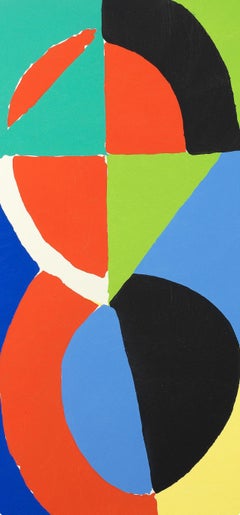
Juan Gris, The Lamp, from Au Soleil du Plafond, 1955 (after)

Juan Gris, The Lamp, from Au Soleil du Plafond, 1955 (after)

By Juan Gris

Located in Southampton, NY

This exquisite lithograph after Juan Gris (1887–1927), titled La Lampe (The Lamp), from the folio Au Soleil du Plafond (In the Sunlight of the Ceiling), originates from the 1955 edit...

Category

1950s Cubist Art
Materials

Lithograph

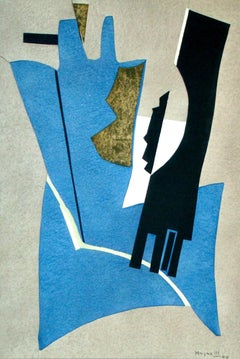
Juan Gris, Bottle, from Au Soleil du Plafond, 1955 (after)

Juan Gris, Bottle, from Au Soleil du Plafond, 1955 (after)

By Juan Gris

Located in Southampton, NY

This exquisite lithograph after Juan Gris (1887–1927), titled Bouteille (Bottle), from the folio Au Soleil du Plafond (In the Sunlight of the Ceiling), originates from the 1955 editi...

Category

1950s Cubist Art
Materials

Lithograph

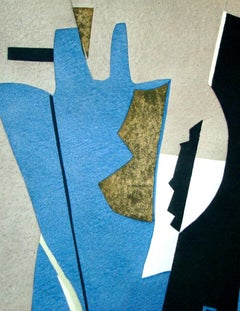
Juan Gris, Flower Pot, from Au Soleil du Plafond, 1955 (after)

Juan Gris, Flower Pot, from Au Soleil du Plafond, 1955 (after)

By Juan Gris

Located in Southampton, NY

This exquisite lithograph after Juan Gris (1887–1927), titled Pot de Fleurs (Flower Pot), from the folio Au Soleil du Plafond (In the Sunlight of the Ceiling), originates from the 19...

Category

1950s Cubist Art
Materials

Lithograph

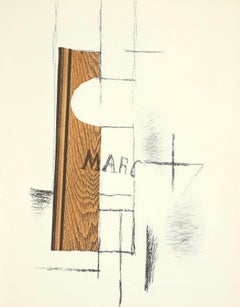
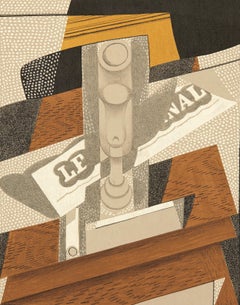
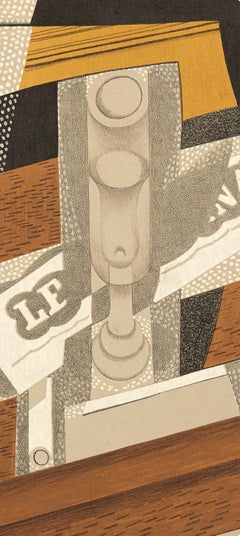
Juan Gris, The Pipe, from Au Soleil du Plafond, 1955 (after)

Juan Gris, The Pipe, from Au Soleil du Plafond, 1955 (after)

By Juan Gris

Located in Southampton, NY

This exquisite lithograph after Juan Gris (1887–1927), titled La Pipe (The Pipe), from the folio Au Soleil du Plafond (In the Sunlight of the Ceiling), originates from the 1955 editi...

Category

1950s Cubist Art
Materials

Lithograph

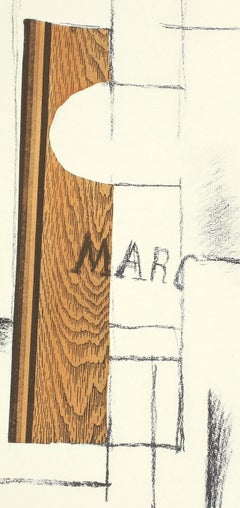
Juan Gris, The Soup Tureen, from Au Soleil du Plafond, 1955 (after)

Juan Gris, The Soup Tureen, from Au Soleil du Plafond, 1955 (after)

By Juan Gris

Located in Southampton, NY

This exquisite lithograph after Juan Gris (1887–1927), titled La Soupiere (The Soup Tureen), from the folio Au Soleil du Plafond (In the Sunlight of the Ceiling), originates from the...

Category

1950s Cubist Art
Materials

Lithograph

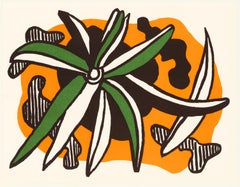
Juan Gris, Violin, from Au Soleil du Plafond, 1955 (after)

Juan Gris, Violin, from Au Soleil du Plafond, 1955 (after)

By Juan Gris

Located in Southampton, NY

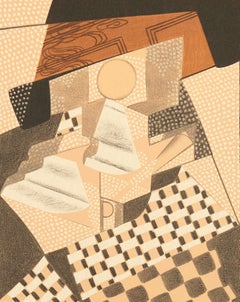
This exquisite lithograph after Juan Gris (1887–1927), titled Violin (Violin), from the folio Au Soleil du Plafond (In the Sunlight of the Ceiling), originates from the 1955 edition ...
Category

1950s Cubist Art
Materials

Lithograph

Juan Gris, Guitar, from Au Soleil du Plafond, 1955 (after)

Juan Gris, Guitar, from Au Soleil du Plafond, 1955 (after)

By Juan Gris

Located in Southampton, NY

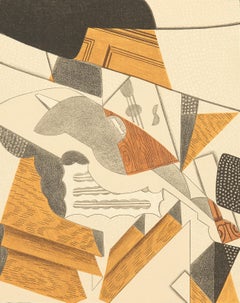
This exquisite lithograph after Juan Gris (1887–1927), titled Guitare (Guitar), from the folio Au Soleil du Plafond (In the Sunlight of the Ceiling), originates from the 1955 edition...

Category

1950s Cubist Art
Materials

Lithograph

Juan Gris, The Book, from Au Soleil du Plafond, 1955 (after)

Juan Gris, The Book, from Au Soleil du Plafond, 1955 (after)

By Juan Gris

Located in Southampton, NY

This exquisite lithograph after Juan Gris (1887–1927), titled Le Livre (The Book), from the folio Au Soleil du Plafond (In the Sunlight of the Ceiling), originates from the 1955 edit...

Category

1950s Cubist Art
Materials

Lithograph

Juan Gris, The Pipe, from Au Soleil du Plafond, 1955 (after)

Juan Gris, The Pipe, from Au Soleil du Plafond, 1955 (after)

By Juan Gris

Located in Southampton, NY

This exquisite lithograph after Juan Gris (1887–1927), titled La Pipe (The Pipe), from the folio Au Soleil du Plafond (In the Sunlight of the Ceiling), originates from the 1955 editi...

Category

1950s Cubist Art
Materials

Lithograph

Fernand Leger, Water, from Verve, Revue Artistique, 1937

Fernand Leger, Water, from Verve, Revue Artistique, 1937

By Fernand Léger

Located in Southampton, NY

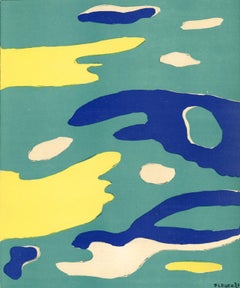
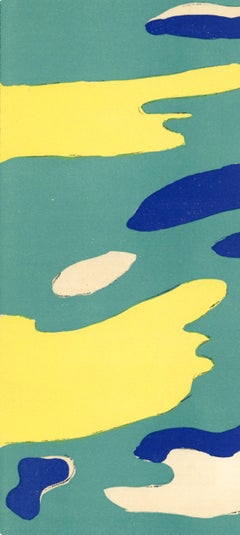
This exquisite lithograph by Fernand Leger (1881–1955), titled L’Eau (Water), from Verve, Revue Artistique et Litteraire, Vol. I, No. 1, originates from the 1937 issue published by Editions de la revue Verve, Paris, under the direction of Teriade, Editeur, Paris, and printed by Mourlot Freres, Paris, 1937. This vibrant composition embodies Leger’s fascination with the elemental forces of nature reinterpreted through the lens of modernity. L’Eau reflects his ongoing exploration of the harmony between mechanical precision and organic movement, transforming the natural motif of flowing water into an abstract symphony of curves, color, and rhythm. Through its interplay of form and line, the work reveals Leger’s mastery of balance and visual dynamism—an artistic celebration of motion and modern life. Executed as a lithograph on velin du Marais paper, this work measures 14 x 10.5 inches (35.56 x 26.67 cm). Signed in the plate and unnumbered as issued. The edition reflects the superior craftsmanship of the Mourlot Freres atelier, celebrated for its collaborations with the leading modern artists of the 20th century. Artwork Details: Artist: Fernand Leger (1881–1955) Title: L’Eau (Water), from Verve, Revue Artistique et Litteraire, Vol. I, No. 1, 1937 Medium: Lithograph on velin du Marais paper Dimensions: 14 x 10.5 inches (35.56 x 26.67 cm) Inscription: Signed in the plate and unnumbered as issued Date: 1937 Publisher: Editions de la revue Verve, Paris, under the direction of Teriade, Editeur, Paris Printer: Mourlot Freres, Paris Condition: Well preserved, consistent with age and medium Provenance: From Verve, Revue Artistique et Litteraire, Vol. I, No. 1, published by Editions de la revue Verve, Paris, 1937 About the Publication: Verve, Revue Artistique et Litteraire was one of the most influential art periodicals of the 20th century, founded in Paris in 1937 by the visionary Greek-born publisher Teriade (Stratis Eleftheriades). Designed as a meeting point of art, poetry, and philosophy, Verve united the era’s greatest modern artists—including Henri Matisse, Pablo Picasso, Marc Chagall, Georges Braque, Joan Miro, and Fernand Leger—with leading intellectuals such as Paul Eluard and Albert Camus. Printed by the master lithographers Mourlot Freres, each issue was a masterpiece of craftsmanship, presenting original lithographs alongside literary works in a richly designed format. The inaugural issue, Vol. I, No. 1, published in 1937, marked a defining moment in the history of modern art publishing—introducing the vision of Verve as a beacon of artistic collaboration and aesthetic excellence that would shape the visual culture of the 20th century. About the Artist: Fernand Leger (1881–1955) was a visionary French painter, sculptor, designer, and filmmaker whose groundbreaking fusion of modern industry, vivid color, and geometric form transformed the course of 20th-century art. Born in Argentan, Normandy, Leger began as an architectural draftsman before studying at the Academie Julian and the Ecole des Beaux-Arts in Paris, where he absorbed the lessons of Paul Cezanne’s structural rigor and the revolutionary ideas of Cubism. Alongside Pablo Picasso and Georges Braque, he became one of the leading innovators of the avant-garde, yet his work stood apart through its embrace of mechanical rhythm, bold contrasts, and industrial modernity—earning him the title “the painter of the machine age.” His art celebrated the beauty of technology, urban life, and the human form rendered in dynamic, interlocking cylinders and planes, evoking the pulse of the modern world. Immersed in the vibrant Parisian art scene, Leger worked in dialogue with peers and contemporaries such as Alexander Calder, Alberto Giacometti, Salvador Dali, Joan Miro, Wassily Kandinsky, Marcel Duchamp, and Man Ray, all of whom shared his commitment to innovation and the reimagining of artistic expression. Beyond painting, Leger’s creative reach extended into film, design, and monumental public art—his 1924 collaboration on Ballet Mecanique with Dudley Murphy and Man Ray remains a landmark of avant-garde cinema. His later works evolved toward greater clarity and monumentality, celebrating the unity of form, color, and humanity through large-scale murals and mosaics that bridged fine art and architecture. Leger’s synthesis of Cubism, Futurism, and abstraction paved the way for movements such as Pop Art and influenced generations of artists including Roy Lichtenstein, Ellsworth Kelly, Robert Indiana, and Alexander Calder, who admired his fusion of structure, energy, and optimism. Today, his works are prized by major museums and collectors worldwide for their bold visual power and enduring modernity. His highest auction record was achieved by La femme en rouge et vert (1914), which sold for $39,241,000 at Sotheby’s, New York, on May 7, 2008. Fernand Leger L’Eau, Leger Verve, Leger Mourlot...

Category

1930s Cubist Art
Materials

Lithograph

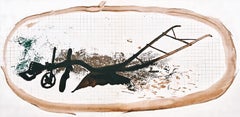
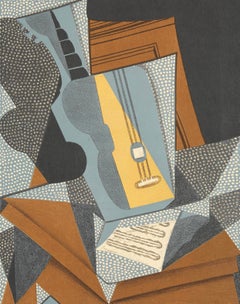
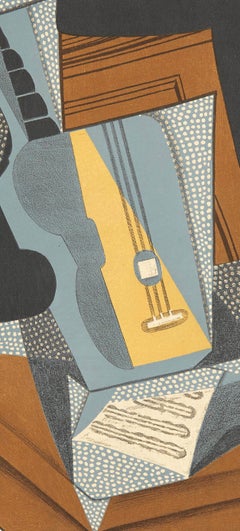
Georges Braque, Movement in the Oval, 1929 (after)

Georges Braque, Movement in the Oval, 1929 (after)

By Georges Braque

Located in Southampton, NY

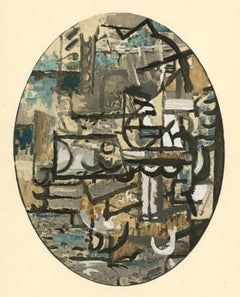
This exquisite lithograph and pochoir after Georges Braque (1882–1963), titled Le Mouvement dans l’Ovale (Movement in the Oval), from the album L'Art Cubiste, Theories et Realisation...

Category

1920s Cubist Art
Materials

Lithograph, Stencil

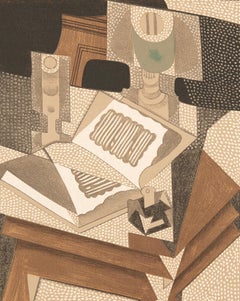
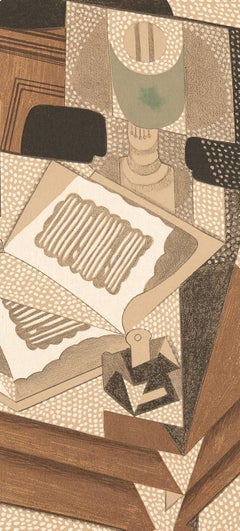
Juan Gris, Still Life, 1929 (after)

Juan Gris, Still Life, 1929 (after)

By Juan Gris

Located in Southampton, NY

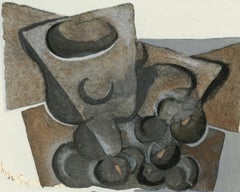
This exquisite lithograph and pochoir after Juan Gris (1887–1927), titled Nature morte (Still Life), from the album L'Art Cubiste, Theories et Realisations, Etude Critique (Cubist Ar...

Category

1920s Cubist Art
Materials

Lithograph, Stencil

Fernand Leger, Mechanical Elements, 1929 (after)

Fernand Leger, Mechanical Elements, 1929 (after)

By Fernand Léger

Located in Southampton, NY

This exquisite lithograph and pochoir after Fernand Leger (1881–1955), titled Elements mecaniques (Mechanical Elements), from the album L'Art Cubiste, Theories et Realisations, Etude...

Category

1920s Cubist Art
Materials

Lithograph, Stencil

Fernand Leger, Woman with a Vase, 1929 (after)

Fernand Leger, Woman with a Vase, 1929 (after)

By Fernand Léger

Located in Southampton, NY

This exquisite lithograph and pochoir after Fernand Leger (1881–1955), titled La Femme au Vase (Woman with a Vase), from the album L'Art Cubiste, Theories et Realisations, Etude Crit...

Category

1920s Cubist Art
Materials

Lithograph, Stencil

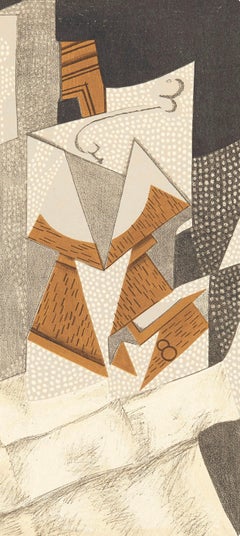
Henri Laurens, Still Life, 1929 (after)

Henri Laurens, Still Life, 1929 (after)

By Henri Laurens

Located in Southampton, NY

This exquisite lithograph and pochoir after Henri Laurens (1885–1954), titled Nature morte (Still Life), from the album L'Art Cubiste, Theories et Realisations, Etude Critique (Cubis...

Category

1920s Cubist Art
Materials

Lithograph, Stencil

Cubist art for sale on 1stDibs.
Find a wide variety of authentic Cubist art available for sale on 1stDibs. Works in this style were very popular during the 21st Century and Contemporary, but contemporary artists have continued to produce works inspired by this movement. If you’re looking to add art created in this style to introduce contrast in an otherwise neutral space in your home, the works available on 1stDibs include elements of blue, orange, purple, yellow and other colors. Many Pop art paintings were created by popular artists on 1stDibs, including Pablo Picasso, (after) Pablo Picasso, Borja Guijarro, and Corne Akkers. Frequently made by artists working with Paint, and Lithograph and other materials, all of these pieces for sale are unique and have attracted attention over the years. Not every interior allows for large Cubist art, so small editions measuring 1.5 inches across are also available. Prices for art made by famous or emerging artists can differ depending on medium, time period and other attributes. On 1stDibs, the price for these items starts at $1 and tops out at $265,000, while the average work sells for $2,400.