Expressionist Art

EXPRESSIONIST STYLE

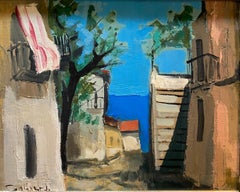
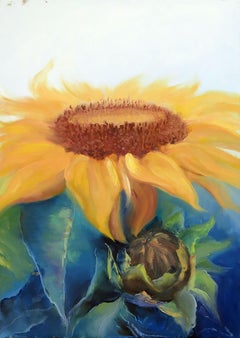
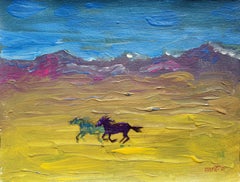
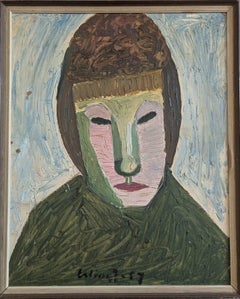
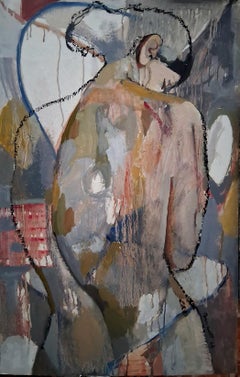
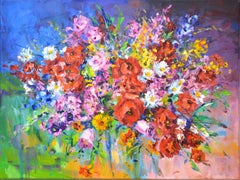
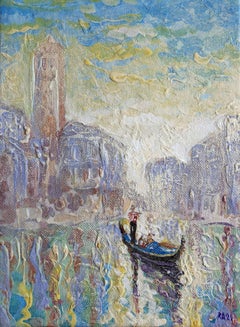
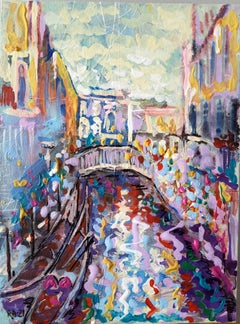
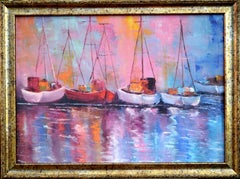
While “expressionist” is used to describe any art that avoids naturalism and instead employs a bold use of flattened forms and intense brushwork, Expressionist art formally describes early-20th-century work from Europe that drew on Symbolism and confronted issues such as urbanization and capitalism. Expressionist artists experimented in paintings and prints with skewed perspectives, abstraction and unconventional, bright colors to portray how isolating and anxious the world felt rather than how it appeared. 

Between 1905 and 1920, Austrian and German artists, in particular, were inspired by Postimpressionists such as Paul Gauguin and Vincent van Gogh in their efforts to strive for a new authenticity in their work. In its geometric patterns and decorative details, Expressionist art was also marked by eclectic sources like German and Russian folk art as well as tribal art from Africa and Oceania, which the movement’s practitioners witnessed at museums and world’s fairs.

Groups of artists came together to share and promote the themes now associated with Expressionism, such as Die Brücke (The Bridge) in Dresden, which included Erich Heckel, Ernst Ludwig Kirchner and Karl Schmidt-Rottluff and investigated alienation and the dissolution of society in vivid color. In Munich, Der Blaue Reiter (The Blue Rider), a group led by Wassily Kandinsky and Franz Marc, instilled Expressionism with a search for spiritual truths. In his iconic painting The Scream, prolific Norwegian painter Edvard Munch conveyed emotional turmoil through his depiction of environmental elements, such as the threatening sky.

Expressionism shifted around the outbreak of World War I, with artists using more elements of the grotesque in reaction to the escalation of unrest and violence. Printmaking was especially popular, as it allowed artists to widely disseminate works that grappled with social and political issues amid this time of upheaval. Although the art movement ended with the rise of Nazi Germany, where Expressionist creators were labeled “degenerate,” the radical ideas of these artists would influence Neo-Expressionism that emerged in the late 1970s with painters like Jean-Michel Basquiat and Francesco Clemente.

​​Find a collection of authentic Expressionist paintings, sculptures, prints and more art on 1stDibs.

to
1,411
1,928
1,058
1,026
837
926
Overall Width
to
Overall Height
to
1
46
2,692
3,043
98
136
362
108
78
171
397
275
238
183
1
116,340
63,466
57,456
27,816
14,582
9,426
6,663
4,332
3,117
2,510
2,353
2,124
608
3,118
1,930
632
2,528
1,571
1,552
978
723
434
405
382
370
322
289
269
268
231
198
156
138
116
111
97
3,596
2,143
1,867
1,803
1,338
303
85
73
47
46
1,178
395
2,911
2,084
Style: Expressionist
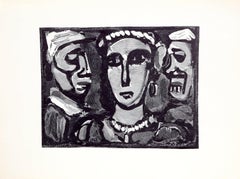
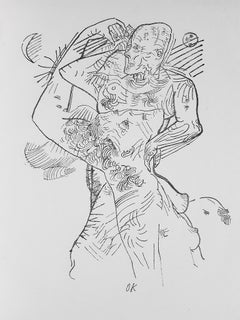
Trois Femmes Lithograph Print, Expressionist Style, Mid-20th Century

Trois Femmes Lithograph Print, Expressionist Style, Mid-20th Century

Located in Belgrade, MT

Walter Becker was born in 1893 in Essen, Ruhr, Germany. Considered an important graphic artist of the "lost generation", Becker is well known for his depictions of figures and portraits in a style that combined elements of German Expressionism, Dada, and French modernism. He worked in a variety of print media, including color lincut, lithography, woodcut and etching. After a short military service, Becker studied under the German Sculptor Karl Albiker at the Dresden Academy of Fine Arts. He moved to southern France where he lived and worked from 1924-1935, and was in contact with George Braque, Thomas...

Category

Mid-20th Century Expressionist Art

Materials

Lithograph

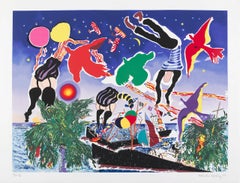
Marc Chagall, Proteus, from Homer, The Odyssey, 1989 (after)

Marc Chagall, Proteus, from Homer, The Odyssey, 1989 (after)

By Marc Chagall

Located in Southampton, NY

This exquisite lithograph after Marc Chagall (1887–1985), titled Proteus (Proteus), from Homer, Die Odyssee (The Odyssey), originates from the 1989 German-language folio published by Daco-Verlag Gunter Blase, Stuttgart, and printed by Lichtdruck AG, Zurich, Dielsdorf, September 1989. This authorized edition, issued under the direction of Vava Chagall, depicts the ancient sea god Proteus, the elusive shape-shifter whom Menelaus must seize to learn his fate. In Proteus, Chagall transforms the mythic metamorphosis into a fluid composition of swirling forms and spectral color, expressing transformation, mystery, and divine revelation through his uniquely lyrical visual language. Executed on 250 g/m² Butten Papierwerke Miliani AG, Fabriano paper, this lithograph measures 14.88 x 11.69 inches. Unsigned and unnumbered, as issued. The edition exemplifies the exceptional quality and precision of Lichtdruck AG’s craftsmanship, reproducing the depth and richness of Chagall’s original lithographs with remarkable fidelity. Artwork Details: Artist: After Marc Chagall (1887–1985) Title: Proteus (Proteus), from Homer, Die Odyssee (The Odyssey), 1989 Medium: Lithograph on 250 g/m² Butten Papierwerke Miliani AG, Fabriano paper Dimensions: 14.88 x 11.69 inches Inscription: Unsigned and unnumbered, as issued Date: 1989 Publisher: Daco-Verlag Gunter Blase, Stuttgart Printer: Lichtdruck AG, Zurich, Dielsdorf Condition: Well preserved, consistent with age and medium Provenance: From the folio Homer, Die Odyssee (The Odyssey), Daco-Verlag Gunter Blase, Stuttgart, 1989 Notes: Excerpted from the folio (translated from German), Imprint—The French edition, L'Odyssée, with the original lithographs by Marc Chagall was published in 1974/75 in a CCL-example edition by Fernand Mourlot, Paris. In 1989, with the authorization of Mrs. Vava Chagall, the German-language edition of the Odyssey in two volumes was published by Daco-Verlag Gunter Blase, Stuttgart. Volume I contains the songs I - XII with XX color plates, including IV on double pages and XIX gray printed reproductions in the text. Volume II contains the songs XIII - XXIV with XXIII color plates, including II on double pages and XX gray printed reproductions in the text. For the German text, the prose translation by Wolfgang Schadewaldt was chosen with the permission of Rowohlt Taschenbuch Verlag, Reinbek near Hamburg. Set design in the Berthold Garamond Antiqua by F+M Bauer...

Category

1980s Expressionist Art

Materials

Lithograph

Mirando al Cielo 8 - Renaissance Landscape Swallows Murmuration Landscape

Mirando al Cielo 8 - Renaissance Landscape Swallows Murmuration Landscape

By Rosa Basurto

Located in Brighton, GB

Mirando al Cielo 8 is a beautiful 30cm x 30cm Digital Print on 50cm x 50cm Cotton Paper. This is a Limited Edition of 9 + 2 Artist Proofs in this size. Rosa Basurto is a self-taught...

Category

21st Century and Contemporary Expressionist Art

Materials

Color, Digital, Photographic Paper, C Print

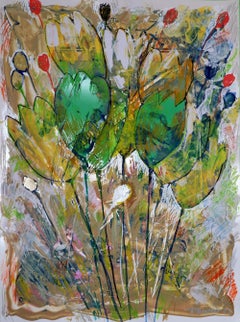
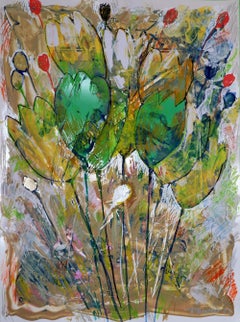
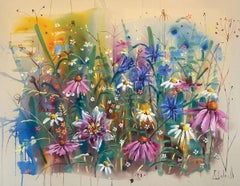
Fantasy with Flowers 34

Fantasy with Flowers 34

Located in Zofingen, AG

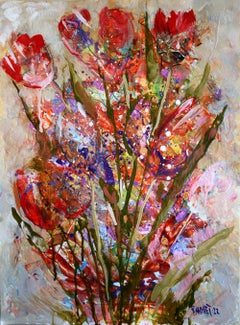
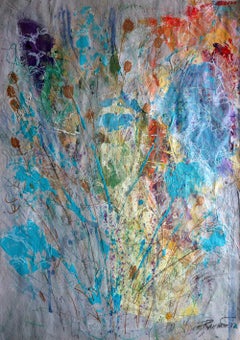
"Fantasy with Flowers" (series of 200+ pictures)   paper 59x42cm  On the paper acrylic, oil pastel, felt-tip pen, ink, gold leaf, pencils, silver,mixed media. Flowers are a smile of ...

Category

2010s Expressionist Art

Materials

Oil Pastel, Acrylic, Archival Paper

Moonlight 60X50 oil
Moonlight 60X50 oil

Moonlight 60X50 oil

Located in Zofingen, AG

In crafting this piece, I channeled the serene yet profound energy of the nocturnal seascape. The interplay of moonlight sheathing the waves carries a tranquil aura, while the ethere...

Category

2010s Expressionist Art

Materials

Canvas, Oil

Maximilien Luce La Cueilleuse de Fruits

Maximilien Luce La Cueilleuse de Fruits

By Maximilien Luce

Located in Dallas, TX

Maximilien Luce (French, 1858-1941) La Cueilleuse de Fruits oil on newsprint laid down to board signed Luce (lower right) Sight: 13 1/2 x 6 1/2 in. (34.3 x 16.5cm) Frame: 17.5 x 10 I...

Category

1880s Expressionist Art

Materials

Oil, Newsprint

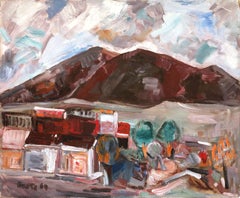
"Mexican Landscape Scene of Mother with Children" Expressionistic Style Painting

"Mexican Landscape Scene of Mother with Children" Expressionistic Style Painting

By Michael Baxte

Located in New York, NY

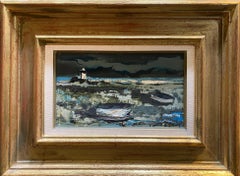
A strong modernist oil painting depicted in 1962 by Russian painter Michael Baxte. Mostly known for his abstracted figures on canvas or street scenes, this piece is a wonderful representation of his portraits in countryside landscapes with expressive use of color, shape, and form. Later in his career, Baxte explores Expressionism, infusing both European and North American stylistic trends. Art measures 21.25 x 25.5 inches Michael Posner Baxte was born in 1890 in the small town of Staroselje Belarus, Russia. For the first half of the 19th century, it was a center of the Chabad movement of Hasidic Jews, but this group was gone by the middle of the 19th century. By the time the Baxte family immigrated to the United States at the beginning of the 20th century, the Jewish population numbered only on the hundreds. The native language of the Baxte family was Yiddish. It is likely that the death of Michael Baxte’s father triggered the family’s immigration. Three older brothers arrived in New York between 1903 and 1905. Michael and his mother, Rebecca, arrived in 1907. By 1910 Michael, his mother, and brother, Joseph, were living in New Orleans and may have spent some time on a Louisiana plantation. Around 1912, Michael Baxte returned to Europe to study the violin. In 1914 he, his mother, and Joseph moved to New York City. Meanwhile, in Algeria, a talented young woman painter, Violette Mege, was making history. For the first time, a woman won the prestigious Beaux Art competition in Algeria. At first, the awards committee denied her the prize but, with French government intervention, Mege eventually prevailed. She won again 3 years later and, in 1916, used the scholarship to visit the United States of America. When Violette came to New York, she met Baxte, who was, by then, an accomplished violinist, teacher, and composer. Baxte’s compositions were performed at the Tokyo Imperial Theater, and in 1922 he was listed in the American Jewish Yearbook as one of the prominent members of the American Jewish community. As a music teacher, he encouraged individual expression. Baxte stated, “No pupil should ever be forced into the imitation of the teacher. Art is a personal experience, and the teacher’s truest aim must be to awaken this light of personality through the patient's light of science.” By 1920 Michael Baxte and Violette Mege were living together in Manhattan. Although they claimed to be living as husband and wife, it seems that their marriage did not become official until 1928. On their “unofficial” honeymoon around 1917, in Algiers, Baxte confided to her his ambition to paint. There and later in New Mexico where the wonderful steeped sunlight approximates the coloring of Algiers, she taught him his heart’s desire. He never had any other teacher. She never had any other pupil. For ten years she devoted all her time, energy, and ambition to teaching, encouraging, inspiring him. Then in 1928, their mutual strivings were rewarded, as his works were being chosen as one of the two winners in the Dudensing National Competition for American Painters. Out of 150 artists from across the country participated in the Dudensing, and Michael Posner Baxte and, Robert Fawcett...

Category

1960s Expressionist Art
Materials

Oil, Masonite

Heaven Touches Kawela: 2, Oil Painting

Heaven Touches Kawela: 2, Oil Painting

Located in San Francisco, CA

Artist Comments
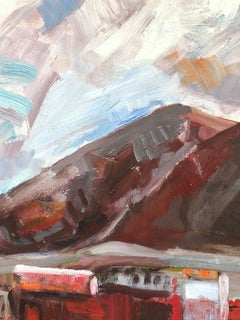
In this abstract landscape, mountains rise from the sea beneath a restless sky. Colors shift between calm and chaos, echoing both serenity and storm. Bold brush...

Category

21st Century and Contemporary Expressionist Art

Materials

Oil

Masculine Elegance (Beauty Within Us)

Masculine Elegance (Beauty Within Us)

Located in Ibadan, Oyo

The Beauty Within Us" is a compelling narrative series of paintings that celebrates the unique and diverse beauty of Black hair, serving as a powerful symbol of identity, heritage, a...

Category

21st Century and Contemporary Expressionist Art

Materials

Canvas, Acrylic

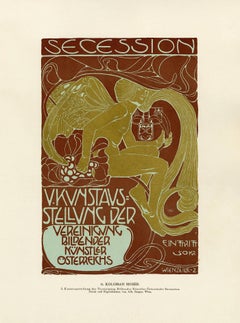
Poster for the 12th Exhibition of the Vienna Secession by Alfred Roller

Poster for the 12th Exhibition of the Vienna Secession by Alfred Roller

Located in Palm Beach, FL

Note: Due to the size, weight, and value of this piece, we require shipping through 1stDibs, for its cost effectiveness, full insurance coverage, and reliable handling. While standar...

Category

Early 1900s Expressionist Art

Materials

Lithograph

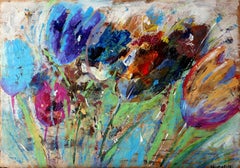
Coral Tulips Triptych

Coral Tulips Triptych

Located in Zofingen, AG

In this triptych, I poured my soul into each brushstroke, capturing the delicate, vibrant energy of coral tulips amid a dark backdrop. The contrast breathes life and passion into eve...

Category

2010s Expressionist Art

Materials

Canvas, Oil, Cardboard

Victim (When The Sky Seems So Blue)

Victim (When The Sky Seems So Blue)

Located in Ibadan, Oyo

Shipping Procedure Ships in a well-protected tube from Nigeria This work is unique, not a print or other type of copy. Accompanied by a Certificate of Authenticity (Issued by the Gal...

Category

21st Century and Contemporary Expressionist Art

Materials

Canvas, Acrylic

Inner Peace - 21st Century, Contemporary, Figurative, Portrait, Women, Africa

Inner Peace - 21st Century, Contemporary, Figurative, Portrait, Women, Africa

Located in Ibadan, Oyo

Shipping Procedure Ships in a well-protected tube from Nigeria This work is unique, not a print or other type of copy. Accompanied by a Certificate of Authenticity (Issued by the Gal...

Category

21st Century and Contemporary Expressionist Art

Materials

Canvas, Acrylic

In Between -21st Century, Contemporary, Portrait Painting, Oil, Women Art

In Between -21st Century, Contemporary, Portrait Painting, Oil, Women Art

Located in Ibadan, Oyo

Shipping Procedure FREE Shipping Worldwide Ships in a well-protected tube from Nigeria This work is unique, not a print or other type of copy. Accompanied by a Certificate of Authent...

Category

21st Century and Contemporary Expressionist Art

Materials

Canvas, Oil

Against All Odds, I Stand

Against All Odds, I Stand

Located in Ibadan, Oyo

Gbelekale Azeez's "Against All Odds, I Stand" is a striking artwork that features a woman standing tall and proud in the face of adversity. The piece is a celebration of resilience, ...

Category

21st Century and Contemporary Expressionist Art

Materials

Canvas, Acrylic

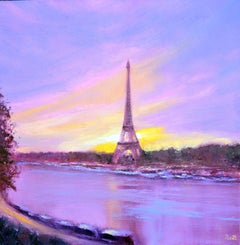
Seine and Eiffel tower - Impresión litográfica

Seine and Eiffel tower - Impresión litográfica

Located in Sant Celoni, ES

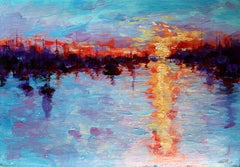
Firmado a plancha en la parte inferior Se presenta enmarcada (el marco presenta algunas faltas y se enviará sin cristal para evitar posibles roturas) Medidas de la litografía: 46 c...

Category

1960s Expressionist Art
Materials

Lithograph

Black Ink on white paper, Contemporary Abstract Expressionist Painting

Black Ink on white paper, Contemporary Abstract Expressionist Painting

Located in Carballo, ES

Black And White Minimal Painting is an original artwork realized by TUSET in 2020. We can frame it in natural wood on request. The title of this works is "From the Apollonian picto...

Category

21st Century and Contemporary Expressionist Art

Materials

Ink, Handmade Paper

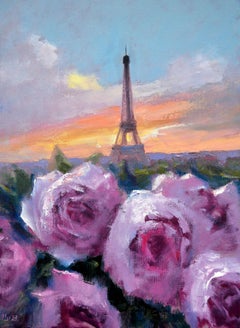
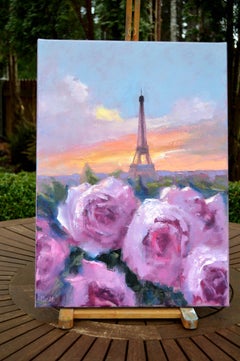
Romance in Paris 55X40 oil on canvas

Romance in Paris 55X40 oil on canvas

Located in Zofingen, AG

In this oil painting, I've captured the essence of love and beauty inspired by the enchanting city of Paris. The vivid, soft brushstrokes of the blooming roses in the foreground are ...

Category

2010s Expressionist Art
Materials

Canvas, Oil

AGONY
AGONY

Robert PhilippiAGONY, c. 1920

$600Sale Price|20% Off

AGONY

Located in Santa Monica, CA

ROBERT PHILIPPI (Austrian 1877-1959) KNEELING NUDE. c. 1923 (Chrastek, Widder 2019, p. 162, N° 461) (in Rifkind Collection, LACMA: From a portfolio of 1...

Category

1920s Expressionist Art
Materials

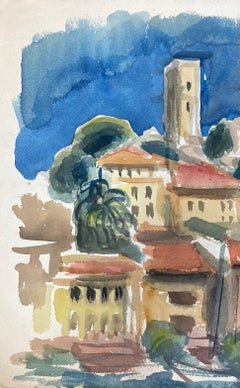
Woodcut

Untitled Couple Mid Century Jewish Expressionist OIl Painting

Untitled Couple Mid Century Jewish Expressionist OIl Painting

By Belle Golinko

Located in Surfside, FL

Abstracted painting of a man and a woman, the paint has been applied to textured plastic. An abstracted painting of a couple applying paint to the textured plastic surface. Genre Expressionist Fauvist Subject People Medium Acrylic Plastic Surface Board Country United States Dimensions 24" x 11 1/2" She exhibited her painting at the famous Jewish art show held at the Dallas Museum Contemporary Fine Arts Exhibition of the American Jewish Tercentenary in 1955 alogside artists Aarons, George, Benn, Ben, Berkman, Aaron, Bloom, Hyman Bohrod, Aaron Gottlieb, Adolph, Gropper, William, Gross, Chaim Gurr, Lena amongst others. Born in 1899, Belle Golinko is a listed Jewish mid...

Category

1950s Expressionist Art
Materials

Plastic, Oil

Ripples
Ripples

Ripples

Located in Ibadan, Oyo

"Ripples" by Obiora Anamaleze is a mesmerizing and thought-provoking artwork that beckons viewers to delve into a world of profound symbolism and cont...

Category

21st Century and Contemporary Expressionist Art
Materials

Canvas, Oil

BALL
BALL

BALL

Located in Zofingen, AG

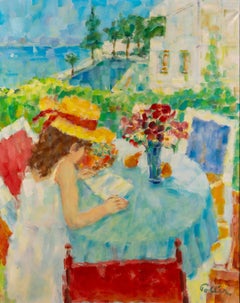
In this vibrant fusion of acrylics and oils, I've captured the playful innocence of youth through bold, impressionistic strokes. Blending naive charm with pop art flavors, it's a whi...

Category

2010s Expressionist Art
Materials

Canvas, Oil, Acrylic

Love and Bond 2 - 21st Century, Contemporary, Figurative Portrait, Whites, Black

Love and Bond 2 - 21st Century, Contemporary, Figurative Portrait, Whites, Black

Located in Ibadan, Oyo

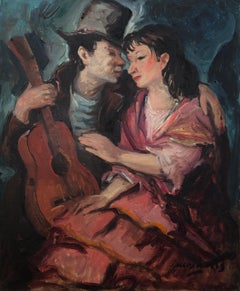
There is a common thread that binds us all, and that is our shared humanity. Everyone has a general desire in their heart - to be seen, heard and understood. Each of us has dreams, f...

Category

21st Century and Contemporary Expressionist Art
Materials

Canvas, Oil, Acrylic

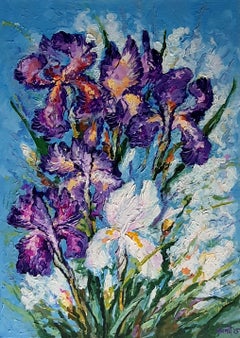
Irises on Gold
Irises on Gold

Irises on Gold

Located in Zofingen, AG

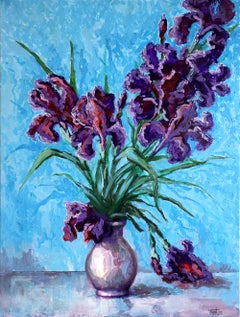
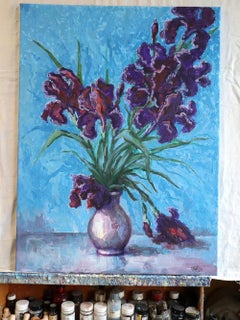
In this painting, I merged the vibrancy of irises with a radiant gold background, capturing a blend of Impressionism and Realism. Using acrylics and oils, I wanted to evoke a sense o...

Category

2010s Expressionist Art
Materials

Canvas, Oil, Acrylic

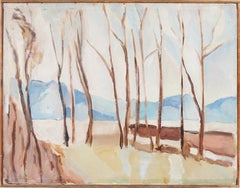
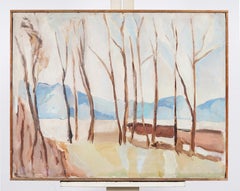
Antique American Minimalist Tree Lined Winter Landscape Oil Painting

Antique American Minimalist Tree Lined Winter Landscape Oil Painting

Located in Buffalo, NY

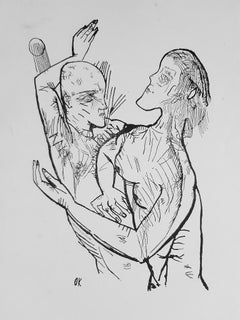
Antique American landscape painting. Oil on canvas. Signed on verso. Measuring: 24 by 31 inches overall and 22 by 30 1/2 artwork alone. Framed in a wooden molding. Great condition, ...

Category

20th Century Expressionist Art
Materials

Canvas, Oil

Bird in the forest
Bird in the forest

Bird in the forest

Located in Zofingen, AG

In this painting, I've captured the serene vibrancy of a yellow bird perched delicately amidst a hazy forest. The oil strokes blend realism with impressionism, creating a soft yet pr...

Category

2010s Expressionist Art
Materials

Canvas, Oil, Cardboard

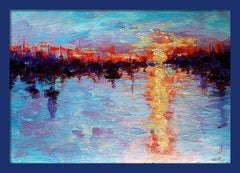
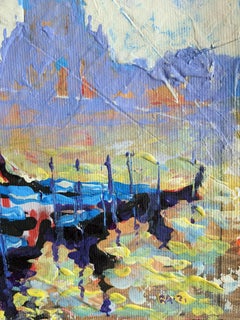
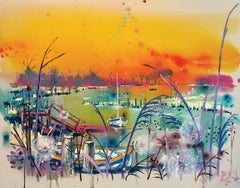
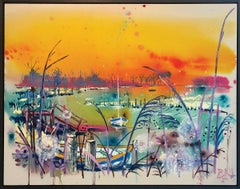
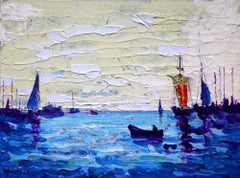
Boats at sunset
Boats at sunset

Rachael DalzellBoats at sunset, 2024

$5,987Sale Price|20% Off

Boats at sunset

By Rachael Dalzell

Located in Coltishall, GB

Boats at sunset. Inspired by Rachaels life in Norfolk where she she enjoys dog walks along the North Norfolk coast and working in her studio close to the Norfolk Broads. Surrounded b...

Category

21st Century and Contemporary Expressionist Art

Materials

Canvas, Wood, Acrylic

Better Tomorrow - 21st Century, Contemporary, Figurative Portrait, Children Art

Better Tomorrow - 21st Century, Contemporary, Figurative Portrait, Children Art

Located in Ibadan, Oyo

Shipping Procedure Ships in a well-protected tube from Nigeria This work is unique, not a print or other type of copy. Accompanied by a Certificate of Authenticity (Issued by the Gal...

Category

21st Century and Contemporary Expressionist Art
Materials

Canvas, Acrylic

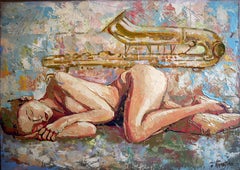
Saxophone
Saxophone

Saxophone

Located in Zofingen, AG

In this painting, I sought to blend the wild expressiveness of expressionism with the textural detail of impressionism, infused with a dash of pop art's boldness. The juxtaposition o...

Category

2010s Expressionist Art
Materials

Canvas, Acrylic

Nocturnal, Original Painting

Nocturnal, Original Painting

By Autumn Rose

Located in San Francisco, CA

Artist Comments
Artist Autumn Rose paints delicate pastel flowers and foliage in striking contrast to a dark background. The artwork emulates luscious plants kissed by soft m...

Category

21st Century and Contemporary Expressionist Art
Materials

Acrylic

Muddled 2
Muddled 2

Damola Ayegbayo Muddled 2, 2023

$1,320Sale Price|83% Off

Muddled 2

Located in Ibadan, Oyo

Shipping Procedure FREE Shipping Worldwide Ships in a well-protected tube from Nigeria This work is unique, not a print or other type of copy. Accompanied by a Certificate of Authent...

Category

21st Century and Contemporary Expressionist Art
Materials

Canvas, Acrylic

Marc Chagall, The Bed, from Tales of Boccaccio, 1950

Marc Chagall, The Bed, from Tales of Boccaccio, 1950

By Marc Chagall

Located in Southampton, NY

This exquisite lithograph by Marc Chagall (1887–1985), titled Le Lit (The Bed), from Contes de Boccace, peintures du manuscrit des ducs de Bourgogne, Bibliotheque de l'Arsenal (Ms. n...

Category

1950s Expressionist Art
Materials

Lithograph

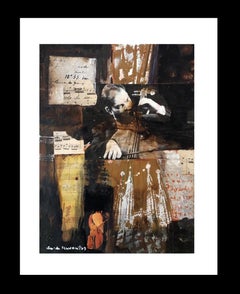
Copons    original acrylic

Copons original acrylic

By Joan Copons

Located in CORAL GABLES - MIAMI, FL

Original work of the Spanish artist Joan COPONS. -Barcelona-jardin. original acrylic painting

Category

1990s Expressionist Art
Materials

Canvas, Oil

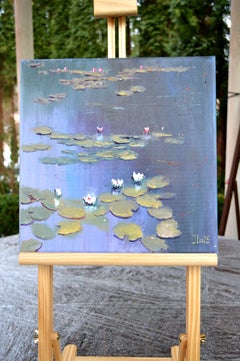
Blooming pond 50X50 oil on canvas

Blooming pond 50X50 oil on canvas

Located in Zofingen, AG

In this vibrant oil painting, I've poured my zest for nature and renewal. Brushstrokes blossom across the canvas, capturing the essence of a serene pond, where time seems suspended. ...

Category

2010s Expressionist Art
Materials

Canvas, Oil

Colourful Abstract, Artisan Style, Expressionist Original Oil Painting

Colourful Abstract, Artisan Style, Expressionist Original Oil Painting

By Akos Biro

Located in Cirencester, Gloucestershire

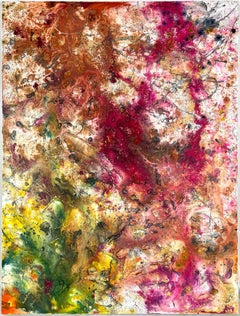
AKOS BIRO (HUNGARIAN 1911-2002) Oil painting on canvas, framed Framed size: 26.5 x 33 inches Beautifully colourful, original oil painting by the very popular and highly regarded Hun...

Category

Late 20th Century Expressionist Art
Materials

Oil

The voyage
The voyage

The voyage

By Renate Dollinger

Located in San Francisco, CA

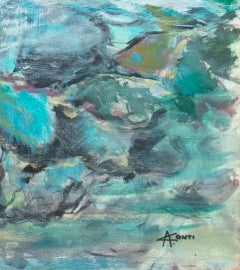
Artist: Renate Dollinger (German/American, born 1924) Title: The Voyage Year: Circa 1970 Medium: Gouache and watercolor Paper: Watercolor Image size: 15.5 x 21.5 inches Signature: ...

Category

1970s Expressionist Art
Materials

Watercolor

Bird on the willow for the Annunciation

Bird on the willow for the Annunciation

Located in Zofingen, AG

With vibrant oil strokes, I captured the delicate grace of a bird perched on a blooming willow branch, blending realism with expressive emotion. This painting radiates a serene yet h...
Category

2010s Expressionist Art
Materials

Canvas, Oil, Cardboard

Sakura in the city park

Sakura in the city park

Located in Zofingen, AG

"As the artist behind this canvas, I've infused life into the scenery, with vivid oil strokes blending impressionism and expressionism. It captures the transient beauty of blooms aga...

Category

2010s Expressionist Art

Materials

Canvas, Oil

Happy hotel, Amboise

Happy hotel, Amboise

By Eliane Diverly

Located in Genève, GE

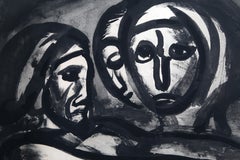
Work on paper This captivating work reveals an interior scene rich in detail and texture. At the heart of the composition, a figure draped in flowing fabrics stands by a blazing fire...

Category

Mid-20th Century Expressionist Art
Materials

Watercolor

Orange Blossom

Orange Blossom

Located in Ibadan, Oyo

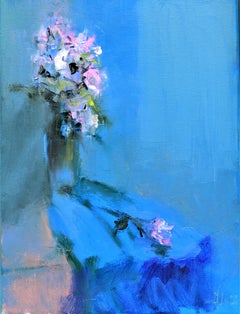
"Orange Blossom" is a breathtaking composition that immediately captivates the viewer. The focal point of the artwork is the woman's portrait, skillfully crafted with luminous golden hair cascading around her. The intricate details and delicate brushstrokes accentuate the woman's features, capturing the essence of her persona and imbuing the artwork with a sense of intimacy. The choice of golden hair adds an enchanting element to the portrait. It serves as a symbolic representation of radiance, vitality, and the timeless beauty associated with femininity. The flowing locks of hair seem to dance and shimmer, creating an ethereal aura that captivates the viewer's imagination. "Orange Blossom" carries symbolic meaning that goes beyond its aesthetic appeal. The woman's portrait represents the embodiment of femininity, embracing both strength and vulnerability. Her confident gaze and serene expression reflect an inner beauty that transcends physical appearance, inviting viewers to reflect upon the depth and complexity of femininity. The golden hair symbolizes not only the external beauty associated with femininity but also the inherent power and resilience that lies within women. The artwork captures the essence of growth, abundance, and transformation—much like the blossoming of orange flowers. It serves as a reminder that femininity is multifaceted, encompassing grace, wisdom, and the ability to adapt and flourish in any circumstance. "Orange Blossom" leaves a lasting impact on viewers, evoking a sense of awe and admiration. The artwork's portrayal of the woman with golden hair invites contemplation and introspection, encouraging viewers to appreciate and celebrate the unique qualities and strengths that women bring to the world. Theophilus's meticulous technique and attention to detail create a visually stunning experience. The radiant golden hair seems to illuminate the canvas, drawing the viewer into a world of beauty and enchantment. The artwork inspires a deeper appreciation for femininity and serves as a reminder of the profound impact women have on society, culture, and the arts. "Orange Blossom" by Adewuyi Theophilus...

Category

21st Century and Contemporary Expressionist Art
Materials

Canvas, Oil

Kathe Kollwitz, Call of Death, from Ten Lithographs, 1941 (after)

Kathe Kollwitz, Call of Death, from Ten Lithographs, 1941 (after)

By Käthe Kollwitz

Located in Southampton, NY

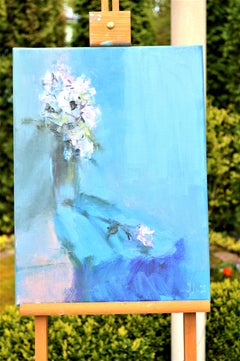
This exquisite lithograph after Kathe Kollwitz (1867–1945), titled Ruf des Todes (Call of Death), from the folio Kathe Kollwitz, Ten Lithographs, originates from the 1941 edition published by Henry C. Kleemann, New York, and Curt Valentin, New York; printed by Duenewald Printing Corporation, New York. The composition reflects Kollwitz’s profound engagement with themes of mortality, grief, and human suffering, rendered with stark emotional intensity and a powerful graphic economy that underscores her enduring social message. Executed as a lithograph on velin paper, this work measures 19 x 16 inches (48.26 x 40.64 cm), overall; 15 x 13 inches (38.10 x 33.02 cm), image. Unsigned and unnumbered as issued. Artwork Details: Artist: After Kathe Kollwitz (1867–1945) Title: Ruf des Todes (Call of Death), from Kathe Kollwitz, Ten Lithographs Medium: Lithograph on velin paper Dimensions: 19 x 16 inches (48.26 x 40.64 cm), overall; 15 x 13 inches (38.10 x 33.02 cm), image Inscription: Unsigned and unnumbered as issued Date: 1941 Publisher: Henry C. Kleemann, New York, and Curt Valentin, New York Printer: Duenewald Printing Corporation, New York Condition: Well preserved, consistent with age and medium Provenance: From the folio Kathe Kollwitz, Ten Lithographs, 1941 About the Publication: Kathe Kollwitz, Ten Lithographs, published in New York in 1941 by Henry C. Kleemann in collaboration with Curt Valentin, represents an important early American presentation of Kollwitz’s graphic work at a time when her reputation was expanding internationally. Issued during the turbulence of the Second World War and following the suppression of her work in Germany under the Nazi regime, the folio played a crucial role in introducing her imagery to a broader audience outside Europe. The publication gathers a selection of her most powerful lithographic compositions, emphasizing her mastery of tonal contrast, expressive line, and psychological depth. Produced with careful attention to print quality by Duenewald Printing Corporation, the edition reflects the continued transmission of European modernist printmaking traditions into the American context, serving both as a document of artistic excellence and as a vehicle for the preservation and dissemination of Kollwitz’s humanistic vision. About the Artist: Kathe Kollwitz (1867–1945) was a German draughtsman, printmaker, and sculptor whose profoundly moving imagery, exceptional technical mastery, and unwavering social conscience established her as one of the most important and influential artists of the twentieth century, widely recognized as a master of modern printmaking and one of the most powerful visual chroniclers of human suffering, war, and social injustice. Born in Konigsberg, East Prussia, into a progressive and intellectually engaged family, Kollwitz was encouraged from an early age to pursue art and developed a deep awareness of social inequality that would shape her entire career, studying in Berlin and Munich at a time when women were largely excluded from formal academies while mastering drawing and graphic techniques with extraordinary discipline. Her breakthrough came with the monumental graphic cycle A Weavers’ Revolt (1893–1897), followed by The Peasants’ War (1901–1908), works that combined complex narrative structure with extraordinary technical command in etching, aquatint, and lithography, establishing her reputation as one of Europe’s leading graphic artists. Throughout her career, Kollwitz remained committed to portraying the lives of workers, mothers, and victims of poverty and conflict with unflinching honesty, creating compositions defined by bold, sculptural line, dense shadow, and unparalleled psychological depth that conveyed grief, resilience, and dignity. Working during a period transformed by the radical innovations of Pablo Picasso, Alexander Calder, Alberto Giacometti, Salvador Dali, Joan Miro, Wassily Kandinsky, Marcel Duchamp, and Man Ray, Kollwitz maintained a resolutely figurative and human-centered approach, aligning more closely with German Expressionism and artists such as Ernst Barlach, Max Liebermann, and Edvard Munch, whose emotional intensity and symbolic treatment of the human figure profoundly shaped her artistic language. Her later work, particularly the woodcut cycle War (1922–1923), stands among the most powerful anti-war statements in the history of art, reflecting both personal tragedy, including the death of her son in World War I, and a universal condemnation of violence and loss. In addition to her prints, Kollwitz created deeply moving sculptures that extended her exploration of grief and maternal protection into three dimensions, reinforcing her status as a multidisciplinary artist of exceptional range. She achieved significant recognition during her lifetime, becoming the first woman elected to the Prussian Academy of Arts, though her work was later condemned by the Nazi regime as degenerate, leading to her forced resignation and the removal of her works from public collections, yet her reputation expanded internationally after World War II and she is now regarded as a central figure in modern art. Her influence has been profound and far-reaching, shaping later artists including Francis Bacon, Anselm Kiefer, Leon Golub, Kiki Smith, and numerous contemporary figurative and socially engaged artists who continue to explore themes of trauma, memory, and human vulnerability. Today her works are held in major museum collections worldwide, including the Kathe Kollwitz Museum in Berlin, the Museum of Modern Art in New York, the British Museum in London, and the Art Institute of Chicago, and remain highly sought after by collectors for their emotional intensity and historical significance. The highest auction record for a work by Kathe Kollwitz is held by her sculpture Mutter mit totem Sohn (Mother with Dead Son), which achieved approximately 1.2 million EUR at auction, confirming her enduring importance. Kathe Kollwitz Ruf des Todes 1941 lithograph German Expressionism social realism print.

Category

1940s Expressionist Art
Materials

Lithograph

Kathe Kollwitz, Fraternization, from Ten Lithographs, 1941 (after)

Kathe Kollwitz, Fraternization, from Ten Lithographs, 1941 (after)

By Käthe Kollwitz

Located in Southampton, NY

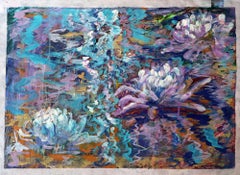
This exquisite lithograph after Kathe Kollwitz (1867–1945), titled Verbruderung (Fraternization), from the folio Kathe Kollwitz, Ten Lithographs, originates from the 1941 edition published by Henry C. Kleemann, New York, and Curt Valentin, New York; printed by Duenewald Printing Corporation, New York. The composition reflects Kollwitz’s profound engagement with themes of hardship, solidarity, and human suffering, rendered with stark emotional intensity and a powerful graphic economy that underscores her enduring social message. Executed as a lithograph on velin paper, this work measures 19 x 16 inches (48.26 x 40.64 cm), overall; 11 x 9.5 inches (27.94 x 24.13 cm), image. Unsigned and unnumbered as issued. Artwork Details: Artist: After Kathe Kollwitz (1867–1945) Title: Verbruderung (Fraternization), from Kathe Kollwitz, Ten Lithographs Medium: Lithograph on velin paper Dimensions: 19 x 16 inches (48.26 x 40.64 cm), overall; 11 x 9.5 inches (27.94 x 24.13 cm), image Inscription: Unsigned and unnumbered as issued Date: 1941 Publisher: Henry C. Kleemann, New York, and Curt Valentin, New York Printer: Duenewald Printing Corporation, New York Condition: Well preserved, consistent with age and medium Provenance: From the folio Kathe Kollwitz, Ten Lithographs, 1941 About the Publication: Kathe Kollwitz, Ten Lithographs, published in New York in 1941 by Henry C. Kleemann in collaboration with Curt Valentin, represents an important early American presentation of Kollwitz’s graphic work at a time when her reputation was expanding internationally. Issued during the turbulence of the Second World War and following the suppression of her work in Germany under the Nazi regime, the folio played a crucial role in introducing her imagery to a broader audience outside Europe. The publication gathers a selection of her most powerful lithographic compositions, emphasizing her mastery of tonal contrast, expressive line, and psychological depth. Produced with careful attention to print quality by Duenewald Printing Corporation, the edition reflects the continued transmission of European modernist printmaking traditions into the American context, serving both as a document of artistic excellence and as a vehicle for the preservation and dissemination of Kollwitz’s humanistic vision. About the Artist: Kathe Kollwitz (1867–1945) was a German draughtsman, printmaker, and sculptor whose profoundly moving imagery, exceptional technical mastery, and unwavering social conscience established her as one of the most important and influential artists of the twentieth century, widely recognized as a master of modern printmaking and one of the most powerful visual chroniclers of human suffering, war, and social injustice. Born in Konigsberg, East Prussia, into a progressive and intellectually engaged family, Kollwitz was encouraged from an early age to pursue art and developed a deep awareness of social inequality that would shape her entire career, studying in Berlin and Munich at a time when women were largely excluded from formal academies while mastering drawing and graphic techniques with extraordinary discipline. Her breakthrough came with the monumental graphic cycle A Weavers’ Revolt (1893–1897), followed by The Peasants’ War (1901–1908), works that combined complex narrative structure with extraordinary technical command in etching, aquatint, and lithography, establishing her reputation as one of Europe’s leading graphic artists. Throughout her career, Kollwitz remained committed to portraying the lives of workers, mothers, and victims of poverty and conflict with unflinching honesty, creating compositions defined by bold, sculptural line, dense shadow, and unparalleled psychological depth that conveyed grief, resilience, and dignity. Working during a period transformed by the radical innovations of Pablo Picasso, Alexander Calder, Alberto Giacometti, Salvador Dali, Joan Miro, Wassily Kandinsky, Marcel Duchamp, and Man Ray, Kollwitz maintained a resolutely figurative and human-centered approach, aligning more closely with German Expressionism and artists such as Ernst Barlach, Max Liebermann, and Edvard Munch, whose emotional intensity and symbolic treatment of the human figure profoundly shaped her artistic language. Her later work, particularly the woodcut cycle War (1922–1923), stands among the most powerful anti-war statements in the history of art, reflecting both personal tragedy, including the death of her son in World War I, and a universal condemnation of violence and loss. In addition to her prints, Kollwitz created deeply moving sculptures that extended her exploration of grief and maternal protection into three dimensions, reinforcing her status as a multidisciplinary artist of exceptional range. She achieved significant recognition during her lifetime, becoming the first woman elected to the Prussian Academy of Arts, though her work was later condemned by the Nazi regime as degenerate, leading to her forced resignation and the removal of her works from public collections, yet her reputation expanded internationally after World War II and she is now regarded as a central figure in modern art. Her influence has been profound and far-reaching, shaping later artists including Francis Bacon, Anselm Kiefer, Leon Golub, Kiki Smith, and numerous contemporary figurative and socially engaged artists who continue to explore themes of trauma, memory, and human vulnerability. Today her works are held in major museum collections worldwide, including the Kathe Kollwitz Museum in Berlin, the Museum of Modern Art in New York, the British Museum in London, and the Art Institute of Chicago, and remain highly sought after by collectors for their emotional intensity and historical significance. The highest auction record for a work by Kathe Kollwitz is held by her sculpture Mutter mit totem Sohn (Mother with Dead Son), which achieved approximately 1.2 million EUR at auction, confirming her enduring importance. Kathe Kollwitz Verbruderung 1941 lithograph German Expressionism social realism print.

Category

1940s Expressionist Art
Materials

Lithograph

Kathe Kollwitz, Bread!, from Ten Lithographs, 1941 (after)

Kathe Kollwitz, Bread!, from Ten Lithographs, 1941 (after)

By Käthe Kollwitz

Located in Southampton, NY

This exquisite lithograph after Kathe Kollwitz (1867–1945), titled Brot! (Bread!), from the folio Kathe Kollwitz, Ten Lithographs, originates from the 1941 edition published by Henry C. Kleemann, New York, and Curt Valentin, New York; printed by Duenewald Printing Corporation, New York. The composition reflects Kollwitz’s profound engagement with themes of hardship, deprivation, and human suffering, rendered with stark emotional intensity and a powerful graphic economy that underscores her enduring social message. Executed as a lithograph on velin paper, this work measures 19 x 16 inches (48.26 x 40.64 cm), overall; 13.5 x 11 inches (34.29 x 27.94 cm), image. Unsigned and unnumbered as issued. Artwork Details: Artist: After Kathe Kollwitz (1867–1945) Title: Brot! (Bread!), from Kathe Kollwitz, Ten Lithographs Medium: Lithograph on velin paper Dimensions: 19 x 16 inches (48.26 x 40.64 cm), overall; 13.5 x 11 inches (34.29 x 27.94 cm), image Inscription: Unsigned and unnumbered as issued Date: 1941 Publisher: Henry C. Kleemann, New York, and Curt Valentin, New York Printer: Duenewald Printing Corporation, New York Condition: Well preserved, consistent with age and medium Provenance: From the folio Kathe Kollwitz, Ten Lithographs, 1941 About the Publication: Kathe Kollwitz, Ten Lithographs, published in New York in 1941 by Henry C. Kleemann in collaboration with Curt Valentin, represents an important early American presentation of Kollwitz’s graphic work at a time when her reputation was expanding internationally. Issued during the turbulence of the Second World War and following the suppression of her work in Germany under the Nazi regime, the folio played a crucial role in introducing her imagery to a broader audience outside Europe. The publication gathers a selection of her most powerful lithographic compositions, emphasizing her mastery of tonal contrast, expressive line, and psychological depth. Produced with careful attention to print quality by Duenewald Printing Corporation, the edition reflects the continued transmission of European modernist printmaking traditions into the American context, serving both as a document of artistic excellence and as a vehicle for the preservation and dissemination of Kollwitz’s humanistic vision. About the Artist: Kathe Kollwitz (1867–1945) was a German draughtsman, printmaker, and sculptor whose profoundly moving imagery, exceptional technical mastery, and unwavering social conscience established her as one of the most important and influential artists of the twentieth century, widely recognized as a master of modern printmaking and one of the most powerful visual chroniclers of human suffering, war, and social injustice. Born in Konigsberg, East Prussia, into a progressive and intellectually engaged family, Kollwitz was encouraged from an early age to pursue art and developed a deep awareness of social inequality that would shape her entire career, studying in Berlin and Munich at a time when women were largely excluded from formal academies while mastering drawing and graphic techniques with extraordinary discipline. Her breakthrough came with the monumental graphic cycle A Weavers’ Revolt (1893–1897), followed by The Peasants’ War (1901–1908), works that combined complex narrative structure with extraordinary technical command in etching, aquatint, and lithography, establishing her reputation as one of Europe’s leading graphic artists. Throughout her career, Kollwitz remained committed to portraying the lives of workers, mothers, and victims of poverty and conflict with unflinching honesty, creating compositions defined by bold, sculptural line, dense shadow, and unparalleled psychological depth that conveyed grief, resilience, and dignity. Working during a period transformed by the radical innovations of Pablo Picasso, Alexander Calder, Alberto Giacometti, Salvador Dali, Joan Miro, Wassily Kandinsky, Marcel Duchamp, and Man Ray, Kollwitz maintained a resolutely figurative and human-centered approach, aligning more closely with German Expressionism and artists such as Ernst Barlach, Max Liebermann, and Edvard Munch, whose emotional intensity and symbolic treatment of the human figure profoundly shaped her artistic language. Her later work, particularly the woodcut cycle War (1922–1923), stands among the most powerful anti-war statements in the history of art, reflecting both personal tragedy, including the death of her son in World War I, and a universal condemnation of violence and loss. In addition to her prints, Kollwitz created deeply moving sculptures that extended her exploration of grief and maternal protection into three dimensions, reinforcing her status as a multidisciplinary artist of exceptional range. She achieved significant recognition during her lifetime, becoming the first woman elected to the Prussian Academy of Arts, though her work was later condemned by the Nazi regime as degenerate, leading to her forced resignation and the removal of her works from public collections, yet her reputation expanded internationally after World War II and she is now regarded as a central figure in modern art. Her influence has been profound and far-reaching, shaping later artists including Francis Bacon, Anselm Kiefer, Leon Golub, Kiki Smith, and numerous contemporary figurative and socially engaged artists who continue to explore themes of trauma, memory, and human vulnerability. Today her works are held in major museum collections worldwide, including the Kathe Kollwitz Museum in Berlin, the Museum of Modern Art in New York, the British Museum in London, and the Art Institute of Chicago, and remain highly sought after by collectors for their emotional intensity and historical significance. The highest auction record for a work by Kathe Kollwitz is held by her sculpture Mutter mit totem Sohn (Mother with Dead Son), which achieved approximately 1.2 million EUR at auction, confirming her enduring importance. Kathe Kollwitz Brot 1941 lithograph German Expressionism social realism print.

Category

1940s Expressionist Art
Materials

Lithograph

Expressionist art for sale on 1stDibs.
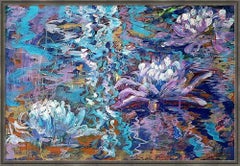
Find a wide variety of authentic Expressionist art available for sale on 1stDibs. Works in this style were very popular during the 21st Century and Contemporary, but contemporary artists have continued to produce works inspired by this movement. If you’re looking to add art created in this style to introduce contrast in an otherwise neutral space in your home, the works available on 1stDibs include elements of orange, blue, purple, green and other colors. Many Pop art paintings were created by popular artists on 1stDibs, including Iryna Kastsova, George Grosz, Stephen Basso, and Marc Chagall. Frequently made by artists working with Paint, and Oil Paint and other materials, all of these pieces for sale are unique and have attracted attention over the years. Not every interior allows for large Expressionist art, so small editions measuring 1 inches across are also available.