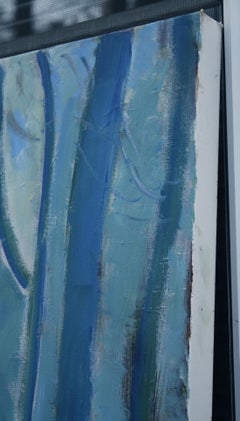
Expressionist Art

EXPRESSIONIST STYLE

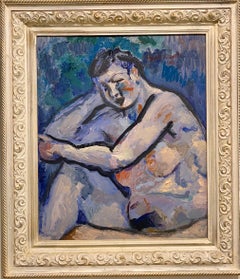
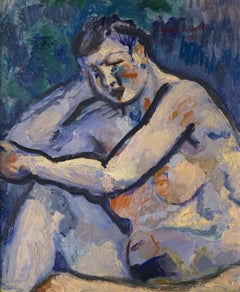
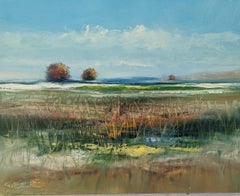
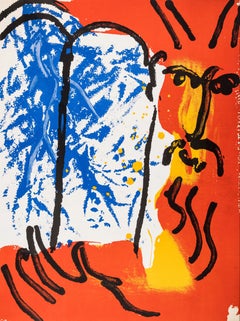
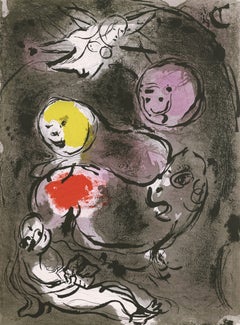
While “expressionist” is used to describe any art that avoids naturalism and instead employs a bold use of flattened forms and intense brushwork, Expressionist art formally describes early-20th-century work from Europe that drew on Symbolism and confronted issues such as urbanization and capitalism. Expressionist artists experimented in paintings and prints with skewed perspectives, abstraction and unconventional, bright colors to portray how isolating and anxious the world felt rather than how it appeared. 

Between 1905 and 1920, Austrian and German artists, in particular, were inspired by Postimpressionists such as Paul Gauguin and Vincent van Gogh in their efforts to strive for a new authenticity in their work. In its geometric patterns and decorative details, Expressionist art was also marked by eclectic sources like German and Russian folk art as well as tribal art from Africa and Oceania, which the movement’s practitioners witnessed at museums and world’s fairs.

Groups of artists came together to share and promote the themes now associated with Expressionism, such as Die Brücke (The Bridge) in Dresden, which included Erich Heckel, Ernst Ludwig Kirchner and Karl Schmidt-Rottluff and investigated alienation and the dissolution of society in vivid color. In Munich, Der Blaue Reiter (The Blue Rider), a group led by Wassily Kandinsky and Franz Marc, instilled Expressionism with a search for spiritual truths. In his iconic painting The Scream, prolific Norwegian painter Edvard Munch conveyed emotional turmoil through his depiction of environmental elements, such as the threatening sky.

Expressionism shifted around the outbreak of World War I, with artists using more elements of the grotesque in reaction to the escalation of unrest and violence. Printmaking was especially popular, as it allowed artists to widely disseminate works that grappled with social and political issues amid this time of upheaval. Although the art movement ended with the rise of Nazi Germany, where Expressionist creators were labeled “degenerate,” the radical ideas of these artists would influence Neo-Expressionism that emerged in the late 1970s with painters like Jean-Michel Basquiat and Francesco Clemente.

​​Find a collection of authentic Expressionist paintings, sculptures, prints and more art on 1stDibs.

to
1,417
1,768
1,068
1,068
830
915
Overall Width
to
Overall Height
to
1
50
2,627
2,977
100
130
324
112
67
191
329
283
263
181
1
115,134
63,531
57,570
26,911
14,735
9,368
6,500
4,172
3,055
2,500
2,386
2,244
649
2,978
1,968
604
2,544
1,587
1,544
980
716
448
429
399
358
349
301
278
258
238
193
159
144
107
102
99
3,530
2,153
1,872
1,808
1,241
210
82
74
53
46
1,184
451
2,809
2,131
Style: Expressionist
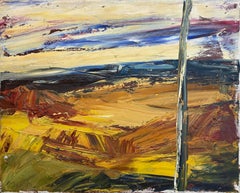
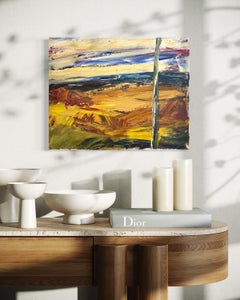
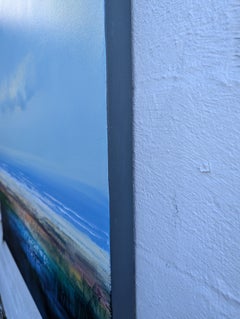
Abstract Landscape Painting entitled Rising Ground by Fauvist British Artist

Abstract Landscape Painting entitled Rising Ground by Fauvist British Artist

By Steve Capper

Located in Preston, GB

Abstract Landscape Painting entitled Rising Ground by Fauvist British Artist, Steve Capper Art measures 16 x 12 inches Frame measures 24 x 20 inches (approx.) Presented in a whi...

Category

2010s Expressionist Art

Materials

Canvas, Paint, Cotton Canvas, Mixed Media, Acrylic, Board

Golden Sails (diptych)

Golden Sails (diptych)

Located in Zofingen, AG

Golden Sails 110x160cm diptych (each side :110x80cm.) 7000 evro Linen canvas, oil, acrylic,potal,oil pastel. This artwork presents a mesmerizing landscape dominated by a striking ...

Category

1990s Expressionist Art

Materials

Canvas, Oil, Linen, Acrylic

Marc Chagall, The King, from Tales of Boccaccio, 1950

Marc Chagall, The King, from Tales of Boccaccio, 1950

By Marc Chagall

Located in Southampton, NY

This exquisite lithograph by Marc Chagall (1887–1985), titled Le Roi (The King), from Contes de Boccace, peintures du manuscrit des ducs de Bourgogne, Bibliotheque de l'Arsenal (Ms. ...

Category

1950s Expressionist Art

Materials

Lithograph

Tender love
Tender love

Tender love

Located in Zofingen, AG

In this oil painting, I poured my soul into capturing the intimate moment between these majestic beings. The language of their gentle nuzzle transcends words, speaking to the univers...

Category

2010s Expressionist Art

Materials

Canvas, Oil

Expressionist Blue Face - Original lithograph

Expressionist Blue Face - Original lithograph

By Bengt Lindström

Located in Paris, IDF

Bengt Lindström (1925-2008) Expressionist Blue Face Original Lithograph Printed signature in the plate Numbered / 400 ex On vellum 31 x 22.5 cm (c. 12 x 9 in) Excellent condition

Category

Late 20th Century Expressionist Art

Materials

Lithograph

20th Paris School Collage Cutout Artwork Wonderful Interior Design options!

20th Paris School Collage Cutout Artwork Wonderful Interior Design options!

By Bernard Herzog

Located in Cirencester, Gloucestershire

"Collage" by Bernard Herzog (French, b.1935) signed lower corner signed and stamped verso with catalogue number photo collage cut outs on paper, unframed overall paper: 25.5 x 20 in...

Category

Mid-20th Century Expressionist Art

Materials

Photographic Film, Magazine Paper

Blooming Poppies, Original Painting

Blooming Poppies, Original Painting

By Yelena Sidorova

Located in San Francisco, CA

Artist Comments
Orange poppies bloom under a mystical sky while four buds await to display their petals. Their bright colors radiate a passionate energy. Artist Yelena Sidoro...

Category

21st Century and Contemporary Expressionist Art

Materials

Mixed Media

Bunch of grapes
Bunch of grapes

Bunch of grapes

Located in Zofingen, AG

In this oil painting, I've poured my soul into capturing the lush essence of life. Each grape, rich and vibrant, symbolizes abundance and prosperity. Brushstrokes balance fine art wi...

Category

2010s Expressionist Art

Materials

Canvas, Oil

Marc Chagall, Ruth the Gleaner, from Drawings for the Bible, 1956

Marc Chagall, Ruth the Gleaner, from Drawings for the Bible, 1956

By Marc Chagall

Located in Southampton, NY

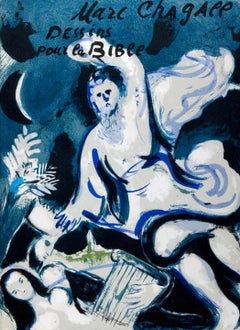
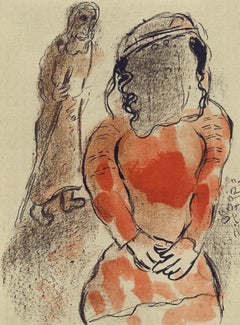
This exquisite lithograph by Marc Chagall (1887–1985), titled Ruth glaneuse (Ruth the Gleaner), from Marc Chagall, Dessins Pour La Bible (Drawings for the Bible), Verve: Revue Artistique et Litteraire, Vol. VIII, No. 33–34, originates from the September 1956 issue published by Editions de la revue Verve, Paris, under the direction of Teriade, Editeur, Paris, and printed by Mourlot Freres, Paris, 1956. This lyrical composition depicts Ruth gleaning in the fields of Boaz, a story of devotion, faith, and humble perseverance that reflects Chagall’s profound empathy for biblical humanity. Through flowing lines and radiant harmonies, he transforms the pastoral act into a vision of grace and spiritual renewal, suffused with divine light and poetic serenity. The work captures Chagall’s enduring ability to elevate everyday acts into timeless expressions of love, dignity, and divine purpose. The piece forms part of Chagall’s celebrated series of lithographs and drawings created for Dessins Pour La Bible, a monumental project uniting art, scripture, and mysticism in one of the artist’s most important achievements. Executed as a lithograph on velin du Marais paper, this work measures 14 x 10.5 inches (35.56 x 26.67 cm). Unsigned and unnumbered as issued. The edition exemplifies the superb craftsmanship of the Mourlot Freres atelier, renowned for its collaborations with the greatest modern masters of the 20th century. Artwork Details: Artist: Marc Chagall (1887–1985) Title: Ruth glaneuse (Ruth the Gleaner), from Marc Chagall, Dessins Pour La Bible (Drawings for the Bible), Verve: Revue Artistique et Litteraire, Vol. VIII, No. 33–34, September 1956 Medium: Lithograph on velin du Marais paper Dimensions: 14 x 10.5 inches (35.56 x 26.67 cm) Inscription: Unsigned and unnumbered as issued Date: 1956 Publisher: Editions de la revue Verve, Paris, under the direction of Teriade, Editeur, Paris Printer: Mourlot Freres, Paris Catalogue raisonne references: Cain, Julien, and Fernand Mourlot. Chagall Lithographe. Andre Sauret, Editeur, 1960, illustrations 117–46. Cramer, Patrick, and Meret Meyer. Marc Chagall: Catalogue Raisonne Des Livres Illustrés. P. Cramer ed., 1995, illustration 25. Condition: Well preserved, consistent with age and medium Provenance: From Marc Chagall, Dessins Pour La Bible (Drawings for the Bible), Verve: Revue Artistique et Litteraire, Vol. VIII, No. 33–34, published by Editions de la revue Verve, Paris, 1956 Notes: Excerpted from the album (translated from French), This double issue of Verve is dedicated to the full reproduction in heliogravure of the one hundred-five plates etched by Marc Chagall, between 1930 and 1955, for the illustration of the Bible. The artist composed especially for the present work, sixteen lithographs in color and twelve in black, as well as the cover and the title page. This volume was completed and printed on September 10, 1956, by the Master Printers Draeger Freres for heliogravure, and by Mourlot Freres for lithography. About the Publication: Marc Chagall, Dessins Pour La Bible (Drawings for the Bible), published as Verve Vol. VIII, No. 33–34 in September 1956, represents one of the crowning achievements of Chagall’s lifelong dialogue with the sacred. Conceived and directed by the visionary publisher Teriade and printed by the master lithographers Mourlot Freres, the issue features thirty-four color lithographs and numerous black-and-white drawings inspired by biblical figures and stories. Chagall’s works for this edition unite text and image in a luminous meditation on divine creation, moral struggle, and spiritual renewal, imbued with his signature dreamlike symbolism and radiant color. Produced in postwar Paris, this landmark publication reaffirmed the enduring union of art and faith, establishing Dessins Pour La Bible as one of the most important illustrated works of the 20th century. About the Artist: Marc Chagall (1887–1985) was a Belarus-born French painter, printmaker, and designer whose visionary imagination, radiant color, and deeply poetic symbolism made him one of the most beloved and influential artists of the 20th century. Rooted in the imagery of his Jewish heritage and the memories of his childhood in Vitebsk, Chagall’s art wove together themes of faith, love, folklore, and fantasy with a dreamlike modern sensibility. His unique style—merging elements of Cubism, Fauvism, Expressionism, and Surrealism—defied categorization, transforming ordinary scenes into lyrical meditations on memory and emotion. Influenced by Russian icon painting, medieval religious art, and the modern innovations of artists such as Pablo Picasso, Henri Matisse, and Georges Braque, Chagall developed a profoundly personal visual language filled with floating figures, vibrant animals, musicians, and lovers that symbolized the transcendent power of imagination and love. During his early years in Paris, he became an integral part of the Ecole de Paris circle, forming friendships with Amedeo Modigliani, Fernand Leger, and Sonia Delaunay, and his creative spirit resonated with that of his peers and successors—Alexander Calder, Alberto Giacometti, Salvador Dali, Joan Miro, Wassily Kandinsky, Marcel Duchamp, and Man Ray—artists who, like Chagall, sought to push the boundaries of perception, emotion, and form. Over a prolific career that spanned painting, printmaking, stained glass, ceramics, and stage design, Chagall brought an unparalleled poetic sensibility to modern art, infusing even the most abstract subjects with human warmth and spiritual depth. His works are held in the most prestigious museums around the world, including the Museum of Modern Art, the Centre Pompidou, the Tate, and the Guggenheim, where they continue to inspire generations of artists and collectors. The highest price ever paid for a Marc Chagall artwork is approximately $28.5 million USD, achieved in 2017 at Sotheby’s New York for Les Amoureux (1928). Marc Chagall Ruth...

Category

1950s Expressionist Art

Materials

Lithograph

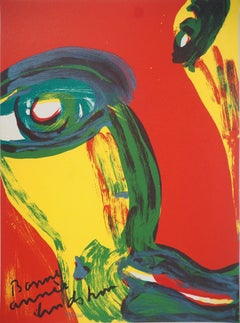
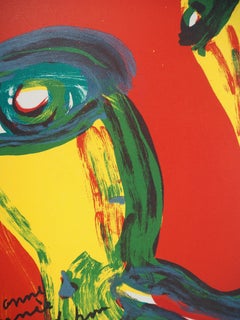
Totem Portrait in Yellow - Original lithograph

Totem Portrait in Yellow - Original lithograph

By Bengt Lindström

Located in Paris, IDF

Bengt Lindström (1925-2008) Totem Portrait in Yellow Original Lithograph Printed signature in the plate Numbered / 500 ex On vellum 31 x 22.5 cm (c. 12 x 9 in) Excellent condition

Category

Late 20th Century Expressionist Art

Materials

Lithograph

20th Paris School Collage Cutout Artwork Wonderful Interior Design options!

20th Paris School Collage Cutout Artwork Wonderful Interior Design options!

By Bernard Herzog

Located in Cirencester, Gloucestershire

"Collage" by Bernard Herzog (French, b.1935) signed and stamped verso with catalogue number photo collage cut outs on paper, unframed overall paper: 25.5 x 20 inches Highly unique ...

Category

Mid-20th Century Expressionist Art

Materials

Photographic Film, Magazine Paper

Berg See (Mountain Lake)

Berg See (Mountain Lake)

By Lovis Corinth

Located in Palm Springs, CA

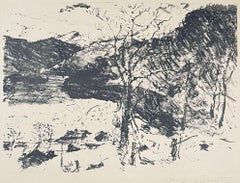
Title: Mountain Lake (Berg see) Creator: Lovis Corinth Date Created: 1922 Signatures / Inscriptions: Signed by artist Set or Series Title: Early Spring in the Mountains (Vorfrühling ...

Category

1920s Expressionist Art

Materials

Lithograph

"Bedouin Song" pochoir

"Bedouin Song" pochoir

By (after) Franz Marc

Located in Henderson, NV

Medium: pochoir (after the watercolor). Printed in 1917 and published in Munich in an edition of 110 by Franz Hanfstaengl for the rare "Stella Peregrina" portfolio. Image size: 10 in...

Category

1910s Expressionist Art

Materials

Lithograph, Stencil

Winter in Castle Valley, Original Painting

Winter in Castle Valley, Original Painting

By Crystal DiPietro

Located in San Francisco, CA

Artist Comments
A lonesome road leads to snow-dusted mesas rising dramatically from the desert floor. The cool blues contrast with the deep red washes of color, bringing the ...

Category

21st Century and Contemporary Expressionist Art

Materials

Mixed Media

Graphic collage on black

Graphic collage on black

Located in Zofingen, AG

In creating this piece, I sought to explore the balance between emotional intensity and meditative calm. By using geometric and symbolic forms in bold gouache and colored pencil, eac...

Category

2010s Expressionist Art

Materials

Mixed Media, Gouache, Cardboard, Handmade Paper, Felt Pen

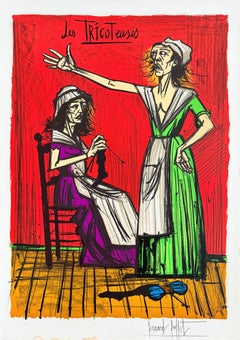
Danton
Danton

Danton

By Bernard Buffet

Located in OPOLE, PL

Bernard Buffet (1928-1999) - Danton Lithograph from 1977. The edition of 103/150. On Arches paper with watermark. Dimensions of work: 76 x 56 cm. Hand signed. The work is in Exc...

Category

1970s Expressionist Art

Materials

Lithograph

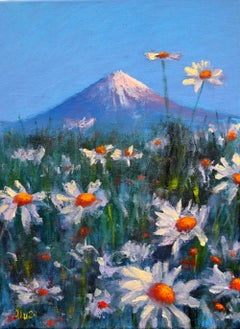
Chamomile
Chamomile

Chamomile

Located in Zofingen, AG

In crafting this oil painting, I sought to convey the serene yet fleeting beauty of nature. Through expressionistic strokes melded with impressionistic hues, I captured chamomiles da...

Category

2010s Expressionist Art

Materials

Canvas, Oil

Watermelon
Watermelon

Watermelon

Located in Zofingen, AG

In my creation, I've channeled the vibrant essence of summer into each stroke, capturing the juicy allure of watermelon slices against an evocative backdrop. With oil I've intertwine...

Category

2010s Expressionist Art

Materials

Canvas, Oil

H.O. Miethke Das Werk folio "Farm House in Buchberg" collotype print

H.O. Miethke Das Werk folio "Farm House in Buchberg" collotype print

DAS WERK GUSTAV KLIMTS, a portfolio of 50 prints, ten of which are multicolor collotypes on chine colle paper laid down on hand-made heavy cream wove paper with deckled edges; under each of the 50 prints is a gold signet intaglio printed on the cream paper each of which Klimt designed for the publication as unique and relating to its corresponding image; H.O. Miethke, Editor-Publisher; k.k. Hof-und Staatsdruckerei, Printer; printed in a limited edition of 300 numbered plus several presentation copies; Vienna, 1908-1914. The idea of collaboration in the arts is anything but new; however it has so often been viewed and assessed as somehow devaluing the intrinsic worth of art. It’s as if it was a dirty secret to be hidden away. More so even than the eroticism explored by Klimt, which divided public opinion, the artistic avant-garde began to boldly flaunt artistic collaboration beginning in the 19th century- which gained steam in the first part of the 20th century- to become a driving vehicle of contemporary artistic creation. Viewed in this context, the folios of collotype prints published by H.O. Miethke in Vienna between 1908-1914 known as Das Werk Gustav Klimts, are important art documents worthy of as much consideration for their bold stand they take on established ways of thinking about artistic collaboration as they are for their breathtakingly striking images. 1908 is indeed a watershed moment in the history of art. To coincide with the 60th anniversary of the reign of Emperor Franz Joseph I, Kunstschau opened in Vienna in May of that year. It was there that Klimt delivered the inaugural speech. Speaking about the avant-garde group’s unifying philosophy of Gesamtkunstwerk, or the synthesis of the arts, Klimt shared his belief that the ideal means to bring artists and an audience together was via “work on major art projects.” It was at Kunstschau 1908 that Klimt first exhibited his most iconic painting, The Kiss, as well as The Sunflower, Water Snakes I and II and Danae. It was at Kunstschau 1908 that Das Werk Gustav Klimts was first available for purchase. Thanks to Galerie Miethke’s organization, Kunstschau 1908 was possible. Miethke’s pioneering art...

Category

Early 1900s Expressionist Art

Materials

Paper

"Full moon"

"Full moon"

Located in Edinburgh, GB

As a child, I was afraid to look at full moon, but now I feel some kind of mystical mood and cling to it. The full moon is both mysticism and beauty! Various images, reflections, the...

Category

21st Century and Contemporary Expressionist Art

Materials

Oil, Canvas

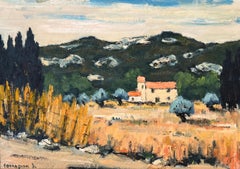
"Landscape of a Village Near Mountains" Expressionistic Oil Painting on Masonite

"Landscape of a Village Near Mountains" Expressionistic Oil Painting on Masonite

By Michael Baxte

Located in New York, NY

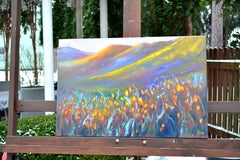
A strong modernist oil painting depicted in 1969 by Russian painter Michael Baxte. Mostly known for his abstracted figures on canvas or street scenes, this piece is a wonderful representation of his bold still life paintings, with expressive use of color, shape, and form. Later in his career, Baxte explores Expressionism, infusing both European and North American stylistic trends. This piece is from later in his career, but we can feel this underlying style throughout. Art measures 18 x 21.75 inches Michael Posner Baxte was born in 1890 in the small town of Staroselje Belarus, Russia. For the first half of the 19th century it was a center of the Chabad movement of Hasidic Jews, but this group was gone by the middle of the 19th century. By the time the Baxte family immigrated to the United States at the beginning of the 20th century, the Jewish population numbered only on the hundreds. The native language of the Baxte family was Yiddish. It is likely that the death of Michael Baxte’s father triggered the family’s immigration. Three older brothers arrived in New York between 1903 and 1905. Michael and his mother, Rebecca, arrived in 1907. By 1910 Michael, his mother, and brother, Joseph, were living in New Orleans and may have spent some time on a Louisiana plantation. Around 1912, Michael Baxte returned to Europe to study the violin. In 1914 he, his mother, and Joseph moved to New York City. Meanwhile, in Algeria, a talented young woman painter, Violette Mege, was making history. Since for the first time, a woman won the prestigious Beaux Art competition in Algeria. At first, the awards committee denied her the prize but, with French government intervention, Mege eventually prevailed. She won again 3 years later and, in 1916, used the scholarship to visit the United States of America. When Violette came to New York, she met Baxte, who was, by then, an accomplished violinist, teacher, and composer. Baxte’s compositions were performed at the Tokyo Imperial Theater, and in 1922 he was listed in the American Jewish Yearbook as one of the prominent members of the American Jewish community. As a music teacher he encouraged individual expression. Baxte stated, “No pupil should ever be forced into imitation of the teacher. Art is a personal experience, and the teacher’s truest aim must be to awaken this light of personality through the patient light of science.” By 1920 Michael Baxte and Violette Mege were living together in Manhattan. Although they claimed to be living as husband and wife, it seems that their marriage did not become official until 1928. On their “unofficial” honeymoon around 1917, in Algiers, Baxte confided to her his ambition to paint. There and later in New Mexico where the wonderful steeped sunlight approximates the coloring of Algiers, she taught him his heart’s desire. He never had any other teacher. She never had any other pupil. For ten years she devoted all her time, energy, and ambition to teaching, encouraging, inspiring him. Then in 1928, their mutual strivings were rewarded, as his works were being chosen as one of the two winners in the Dudensing National Competition for American Painters. Out of 150 artists from across the country participated in the Dudensing, and Michael Posner Baxte and, Robert Fawcett, were the winners. In his 1924 naturalization application, he indicated that he was sometimes known as “Michael Posner Baxte.” One of the witnesses to his application was Bernard Karfiol, a Jewish American artist. That’s when Michael may...

Category

1960s Expressionist Art
Materials

Oil, Masonite

"Colorful Mexican Village Scene" Expressionistic Oil Painting on Masonite

"Colorful Mexican Village Scene" Expressionistic Oil Painting on Masonite

By Michael Baxte

Located in New York, NY

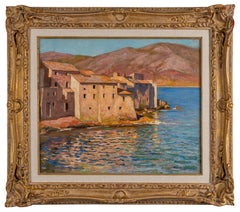
A strong modernist oil painting depicted Circa 1960 by Russian painter Michael Baxte. Mostly known for his abstracted figures on canvas or street scenes, this piece is a wonderful representation of his bold still life paintings, with expressive use of color, shape, and form. Later in his career, Baxte explores Expressionism, infusing both European and North American stylistic trends. This piece is from later in his career, but we can feel this underlying style throughout. Art measures 18 x 21.75 inches Michael Posner Baxte was born in 1890 in the small town of Staroselje Belarus, Russia. For the first half of the 19th century it was a center of the Chabad movement of Hasidic Jews, but this group was gone by the middle of the 19th century. By the time the Baxte family immigrated to the United States at the beginning of the 20th century, the Jewish population numbered only on the hundreds. The native language of the Baxte family was Yiddish. It is likely that the death of Michael Baxte’s father triggered the family’s immigration. Three older brothers arrived in New York between 1903 and 1905. Michael and his mother, Rebecca, arrived in 1907. By 1910 Michael, his mother, and brother, Joseph, were living in New Orleans and may have spent some time on a Louisiana plantation. Around 1912, Michael Baxte returned to Europe to study the violin. In 1914 he, his mother, and Joseph moved to New York City. Meanwhile, in Algeria, a talented young woman painter, Violette Mege, was making history. Since for the first time, a woman won the prestigious Beaux Art competition in Algeria. At first, the awards committee denied her the prize but, with French government intervention, Mege eventually prevailed. She won again 3 years later and, in 1916, used the scholarship to visit the United States of America. When Violette came to New York, she met Baxte, who was, by then, an accomplished violinist, teacher, and composer. Baxte’s compositions were performed at the Tokyo Imperial Theater, and in 1922 he was listed in the American Jewish Yearbook as one of the prominent members of the American Jewish community. As a music teacher he encouraged individual expression. Baxte stated, “No pupil should ever be forced into imitation of the teacher. Art is a personal experience, and the teacher’s truest aim must be to awaken this light of personality through the patient light of science.” By 1920 Michael Baxte and Violette Mege were living together in Manhattan. Although they claimed to be living as husband and wife, it seems that their marriage did not become official until 1928. On their “unofficial” honeymoon around 1917, in Algiers, Baxte confided to her his ambition to paint. There and later in New Mexico where the wonderful steeped sunlight approximates the coloring of Algiers, she taught him his heart’s desire. He never had any other teacher. She never had any other pupil. For ten years she devoted all her time, energy, and ambition to teaching, encouraging, inspiring him. Then in 1928, their mutual strivings were rewarded, as his works were being chosen as one of the two winners in the Dudensing National Competition for American Painters. Out of 150 artists from across the country participated in the Dudensing, and Michael Posner Baxte and, Robert Fawcett, were the winners. In his 1924 naturalization application, he indicated that he was sometimes known as “Michael Posner Baxte.” One of the witnesses to his application was Bernard Karfiol, a Jewish American artist. That’s when Michael may...

Category

1960s Expressionist Art
Materials

Oil, Masonite

Golden bouquet
Golden bouquet

Golden bouquet

Located in Zofingen, AG

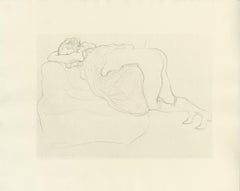
Imbued with the warmth of a sun-kissed day, my brushstrokes danced across the canvas to capture the essence of vibrancy and life. It's a symphony of fiery golds and ambers—a passiona...

Category

2010s Expressionist Art
Materials

Canvas, Oil

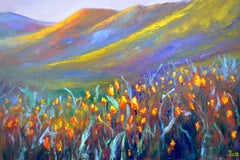
Stormy Day in the San Juans, Original Painting

Stormy Day in the San Juans, Original Painting

By Crystal DiPietro

Located in San Francisco, CA

Artist Comments
Storm clouds hang over the stunning high peaks of the San Juan Mountains in Colorado. The rugged rocks rise against the sky while a green valley stretches bel...

Category

21st Century and Contemporary Expressionist Art

Materials

Mixed Media

Music of the sea
Music of the sea

Music of the sea

Located in Zofingen, AG

In this artwork, I explore the raw, relentless energy of the sea, painted in a burst of expressionistic and impressionistic styles. The vibrant, swirling colors of the ocean and sky ...

Category

2010s Expressionist Art
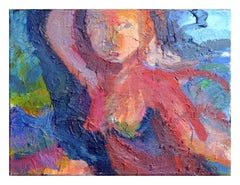
Materials

Canvas, Oil

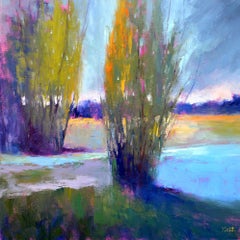
Hilltop View, Oil Painting

Hilltop View, Oil Painting

By George Peebles

Located in San Francisco, CA

Artist Comments
Orchard trees stand in the distance, their foliage adorned in autumn's seasonal colors. Tall grass fills the foreground, blending seamlessly with the field. T...

Category

21st Century and Contemporary Expressionist Art
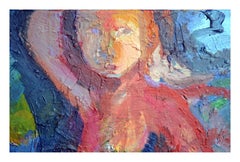
Materials

Oil

That’s Good

That’s Good

By Jackie Felix

Located in Buffalo, NY

An original expressionist oil on board by American female artist Jackie Felix.

Category

1990s Expressionist Art
Materials

Oil, Board

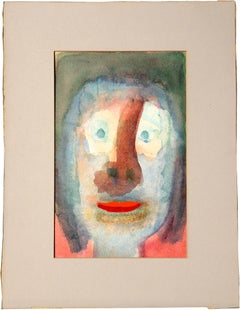
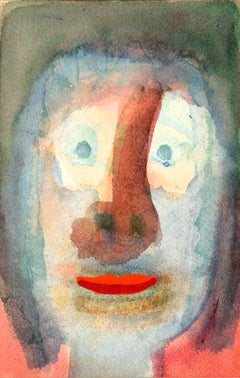
1946 Dutch Expressionist watercolour by Gabriel Van Schnell

1946 Dutch Expressionist watercolour by Gabriel Van Schnell

Located in Petworth, West Sussex

Gabriel Van Schnell (Dutch fl. 1908/1947) The Sudden Shower Signed, inscribed and dated ‘Gabriel 1946. SUDDEN SHOWER. / SUNSHINE. WIND AND RAIN’ (lower edge) 5 x 5 in. (12.7 x 12.7...

Category

Mid-20th Century Expressionist Art
Materials

Paper, Ink, Watercolor

Easter mood
Easter mood

Easter mood

Located in Zofingen, AG

In this oil painting, I poured my soul into capturing the tenderness of spring. The delicate blossoms, bathed in soft light, symbolize renewal and hope. I chose a harmonious symphony...

Category

2010s Expressionist Art
Materials

Canvas, Oil

Blue Bayou, Oil Painting

Blue Bayou, Oil Painting

By George Peebles

Located in San Francisco, CA

Artist Comments
Tall, wispy grasses sway in the foreground, leading to the blue-green water that extends towards the horizon. Gentle waves ripple across the surface, meeting ...

Category

21st Century and Contemporary Expressionist Art
Materials

Oil

H.O. Miethke Das Werk folio "Orchard in the Evening" collotype print

H.O. Miethke Das Werk folio "Orchard in the Evening" collotype print

DAS WERK GUSTAV KLIMTS, a portfolio of 50 prints, ten of which are multicolor collotypes on chine colle paper laid down on hand-made heavy cream wove paper with deckled edges; under ...

Category

Early 1900s Expressionist Art
Materials

Paper

Lonely Dude, Etching on Handmade Paper by Sandro Chia

Lonely Dude, Etching on Handmade Paper by Sandro Chia

By Sandro Chia

Located in Long Island City, NY

Artist: Sandro Chia Title: Lonely Dude from Ten Masterprints Medium: Carborundum Etching with handcoloring on handmade paper, signed and numbered in pencil Edition: 38/50 Size: 40 in...

Category

1990s Expressionist Art
Materials

Handmade Paper, Etching

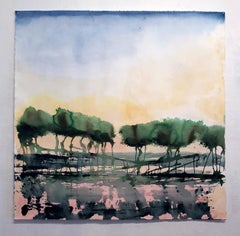
Femme en Rose Avec un Arbre

Femme en Rose Avec un Arbre

By André Brasilier

Located in San Francisco, CA

Artist: Andre Brasilier (French, born 1929) Title: Femme en Rose Avec un Arbre Year: c.1975 Medium: Color lithograph Edition: Inscribed "Bien Amicalement" (With Friendship) in pe...

Category

Late 20th Century Expressionist Art
Materials

Lithograph

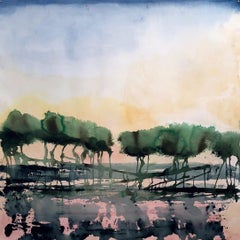
Evening lavender scent

Evening lavender scent

Located in Zofingen, AG

In my creation, I infused the canvas with the serenity of a twilight embrace. The lavender field breathes a tranquil symphony, inviting viewers to inhale the painted essence of natur...

Category

2010s Expressionist Art
Materials

Canvas, Linen, Oil

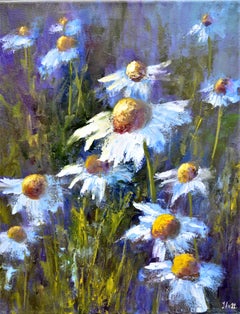
Rainbow Ridges, Original Painting

Rainbow Ridges, Original Painting

By Crystal DiPietro

Located in San Francisco, CA

Artist Comments
Colorful ridges and mountains bring layers of contrast to the scene, while light and shadows accentuate the ruggedness of the terrain. Expressive strokes capt...

Category

21st Century and Contemporary Expressionist Art
Materials

Mixed Media

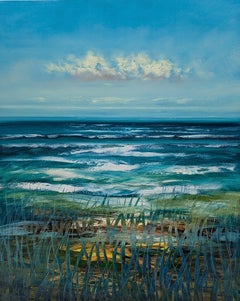
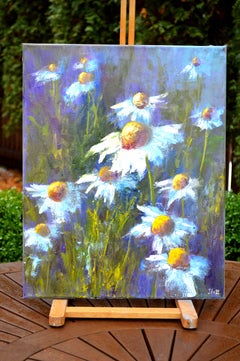
On a Clear Day, Oil Painting

On a Clear Day, Oil Painting

By George Peebles

Located in San Francisco, CA

Artist Comments
Waves gently roll towards the shore, reflecting shades of blue and green under a bright sky. Tall grasses in the foreground sway lightly, adding texture to th...

Category

21st Century and Contemporary Expressionist Art
Materials

Oil

Autumn inspiration
Autumn inspiration

Autumn inspiration

Located in Zofingen, AG

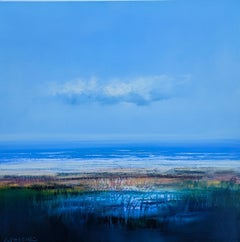
In this painting, I sought to capture the ephemeral beauty of autumn by the lakeside. Using expressionistic brush strokes and an impressionistic palette, I've emulated the fleeting, ...

Category

2010s Expressionist Art
Materials

Canvas, Oil

Expressionist art for sale on 1stDibs.
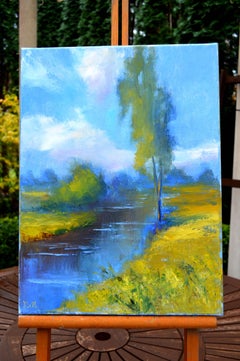
Find a wide variety of authentic Expressionist art available for sale on 1stDibs. Works in this style were very popular during the 21st Century and Contemporary, but contemporary artists have continued to produce works inspired by this movement. If you’re looking to add art created in this style to introduce contrast in an otherwise neutral space in your home, the works available on 1stDibs include elements of orange, blue, purple, green and other colors. Many Pop art paintings were created by popular artists on 1stDibs, including Iryna Kastsova, George Grosz, Stephen Basso, and Marc Chagall. Frequently made by artists working with Paint, and Oil Paint and other materials, all of these pieces for sale are unique and have attracted attention over the years. Not every interior allows for large Expressionist art, so small editions measuring 1 inches across are also available.