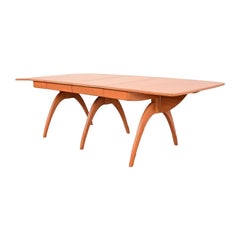
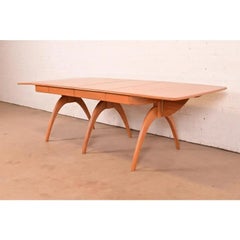
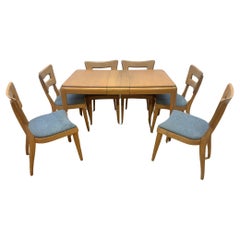
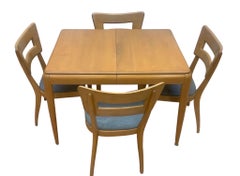
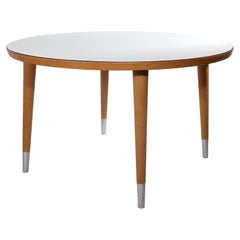
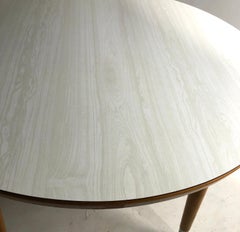
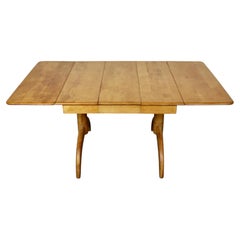
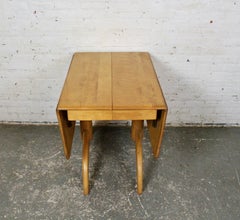
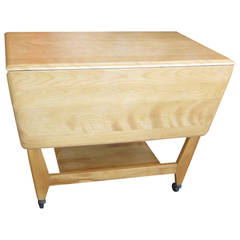
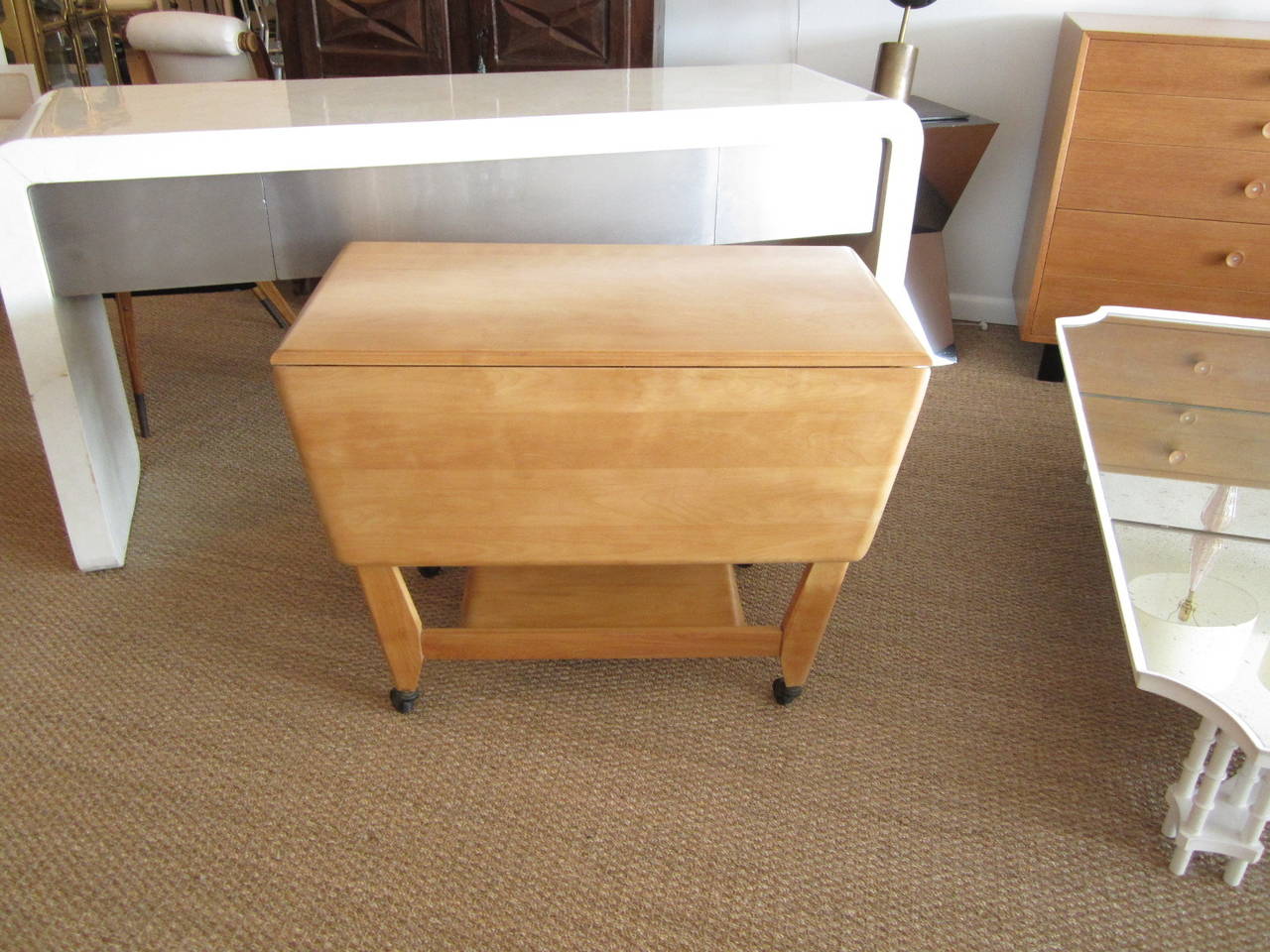
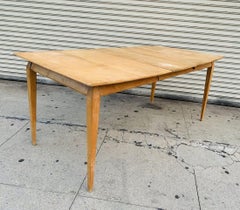
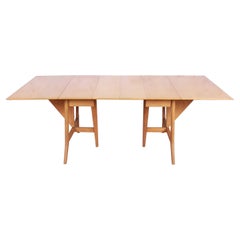
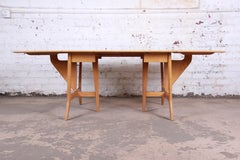
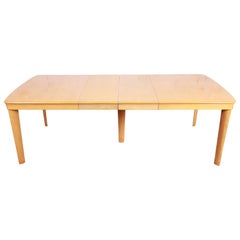
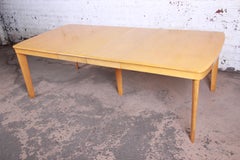
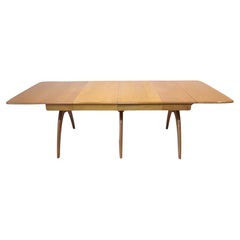
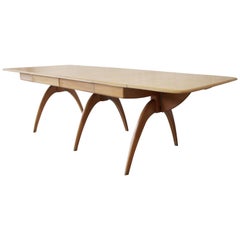
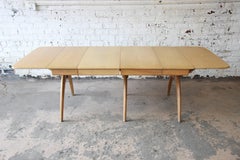
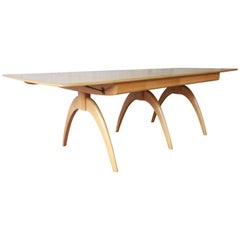
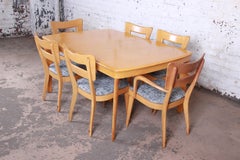
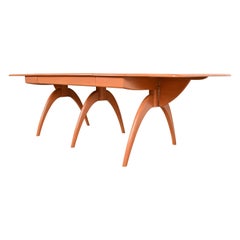
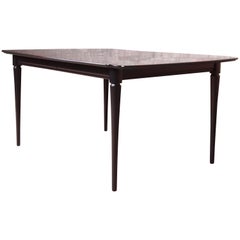
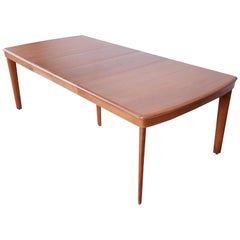
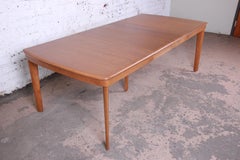
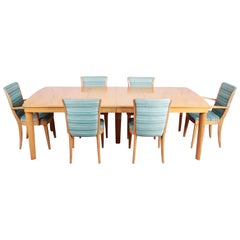
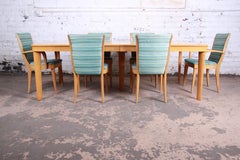
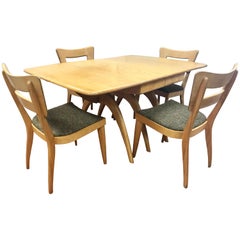
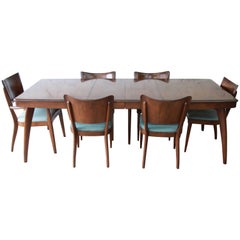
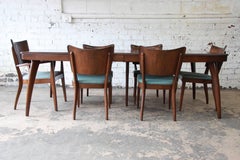
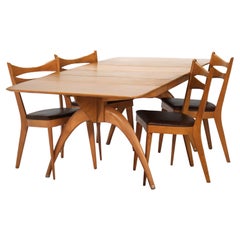
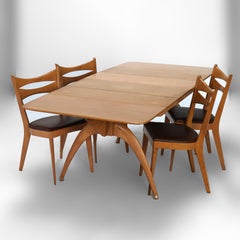
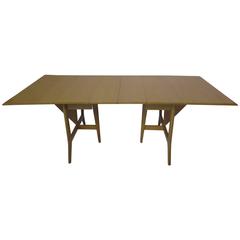
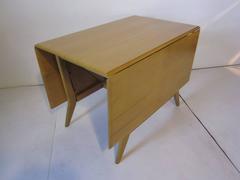
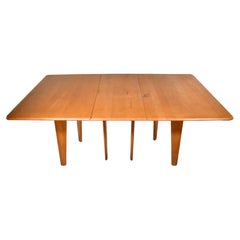
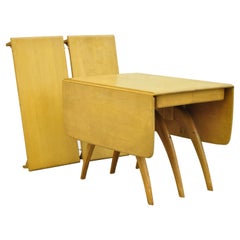
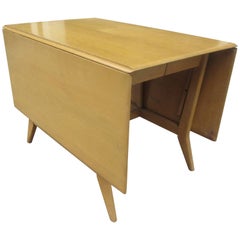
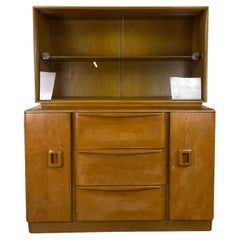
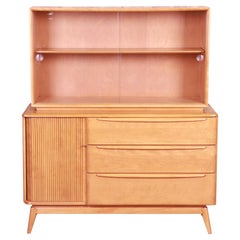
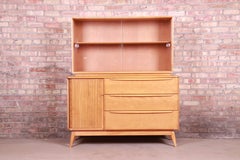
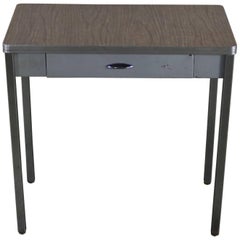
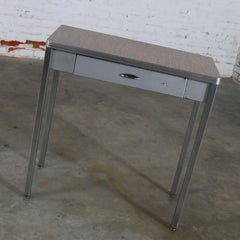
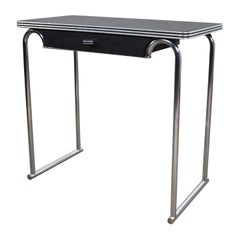
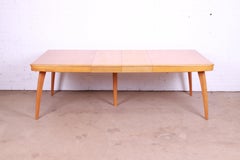
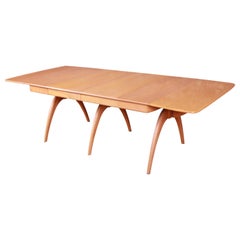
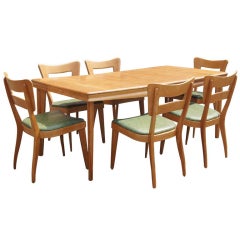
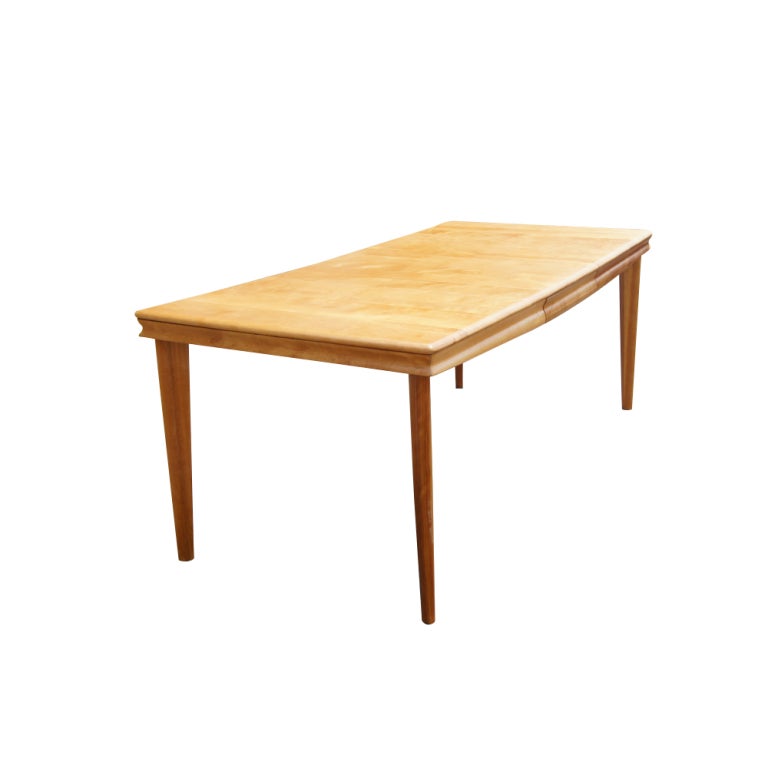
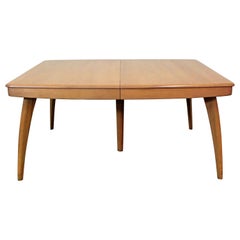
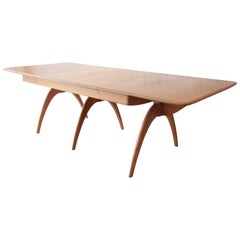
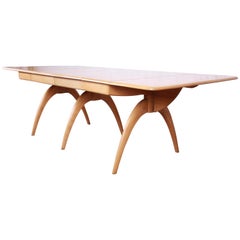
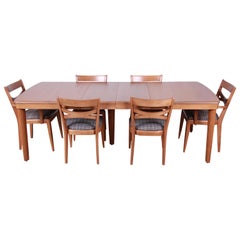
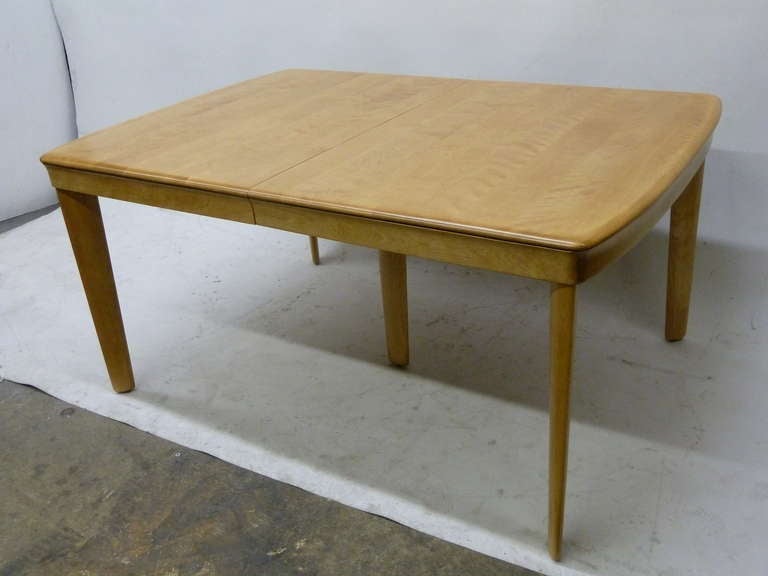
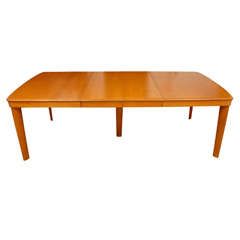
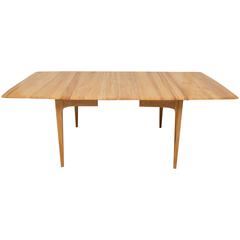
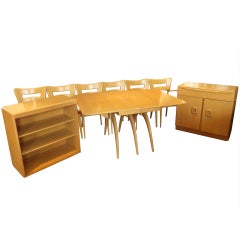
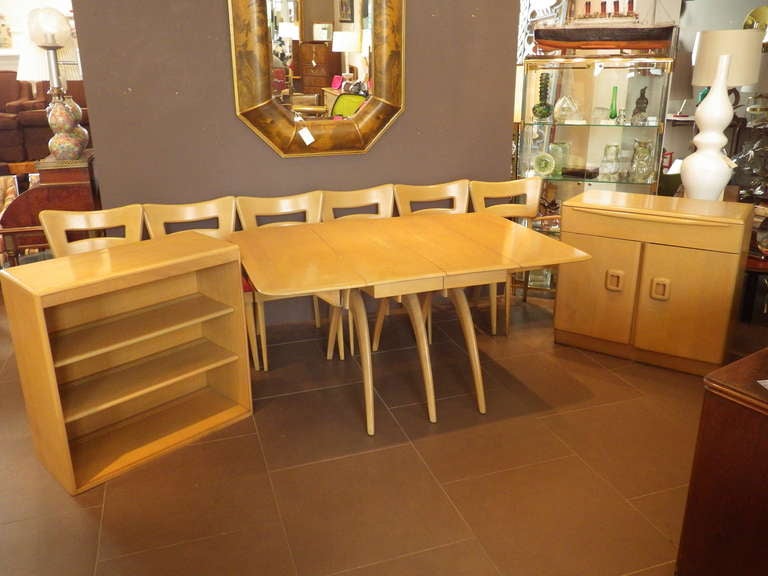
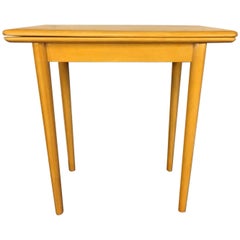
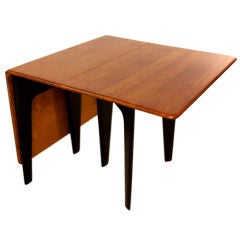
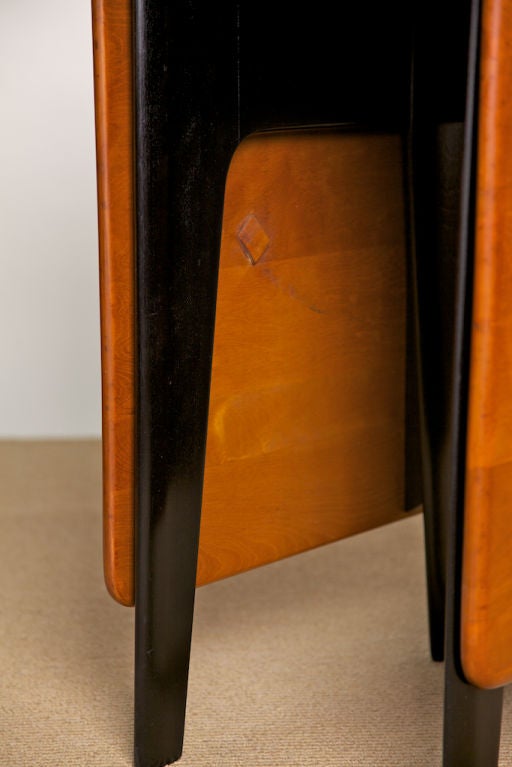
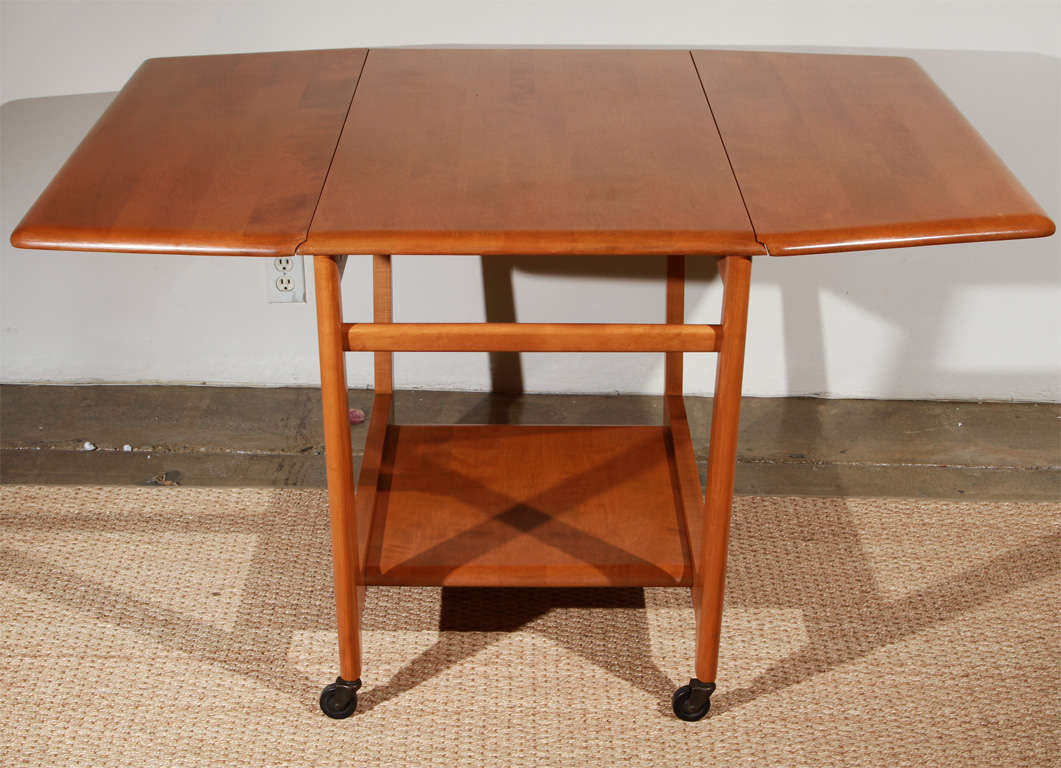
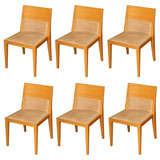
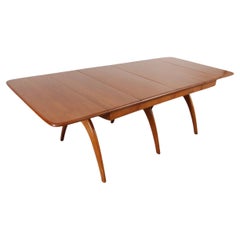
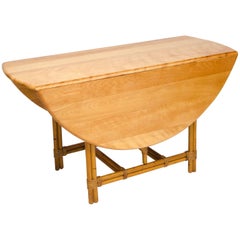
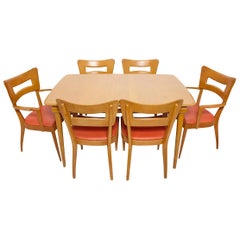
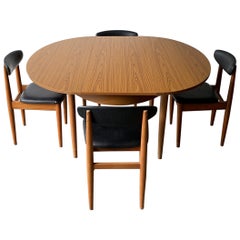
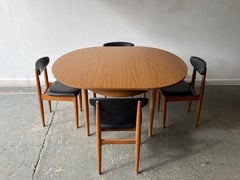
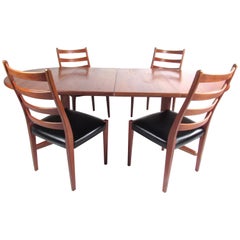
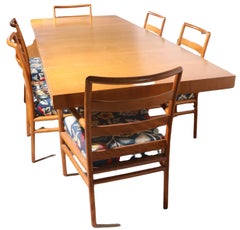
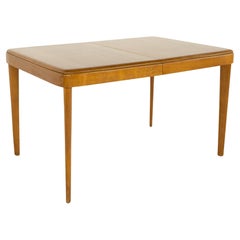
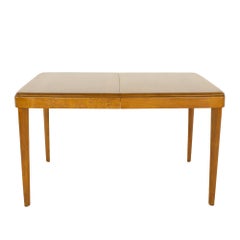
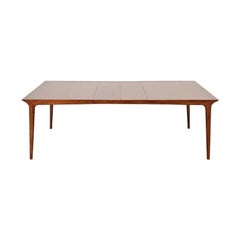
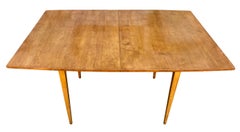
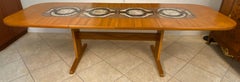
1950s Dining Table Heywood Wakefield For Sale on 1stDibs
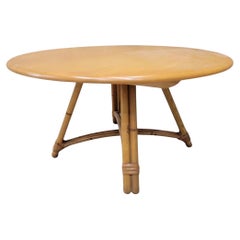
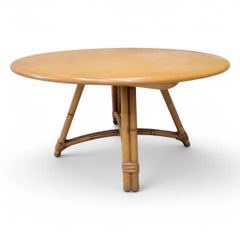
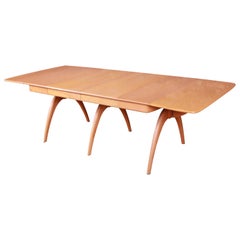
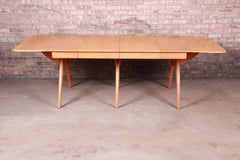
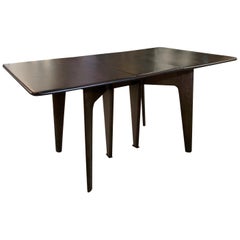
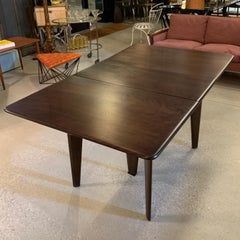
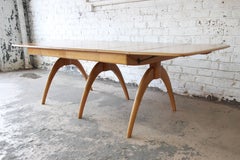
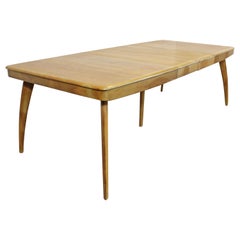
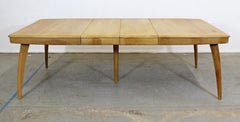
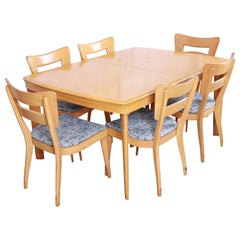
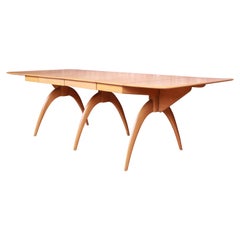
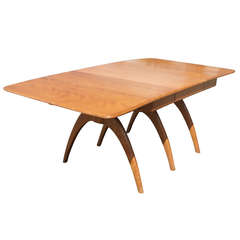
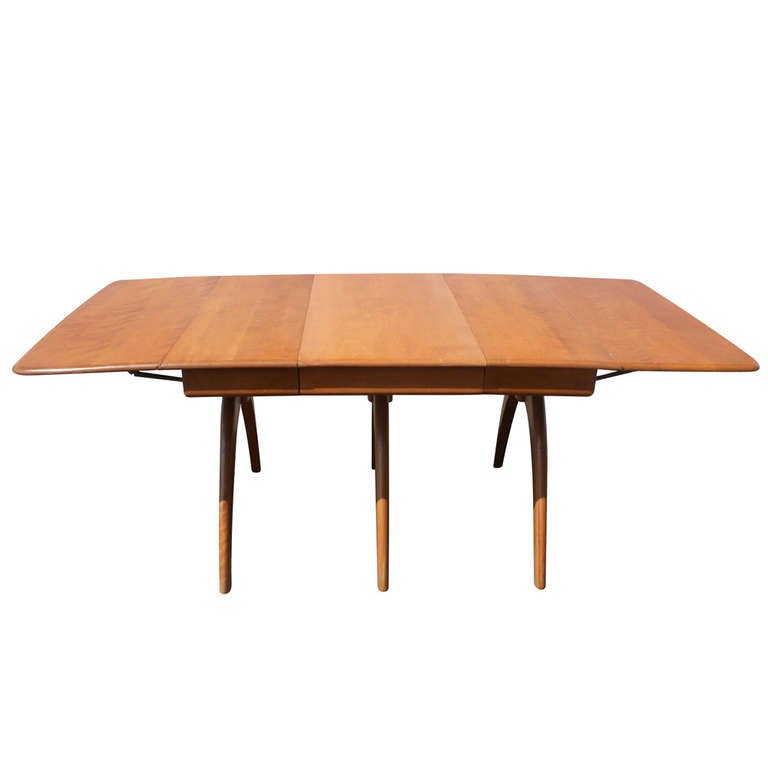
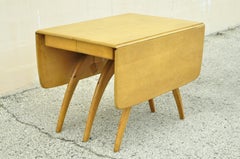
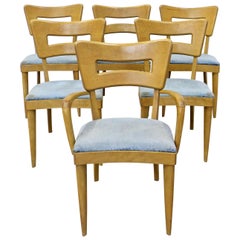
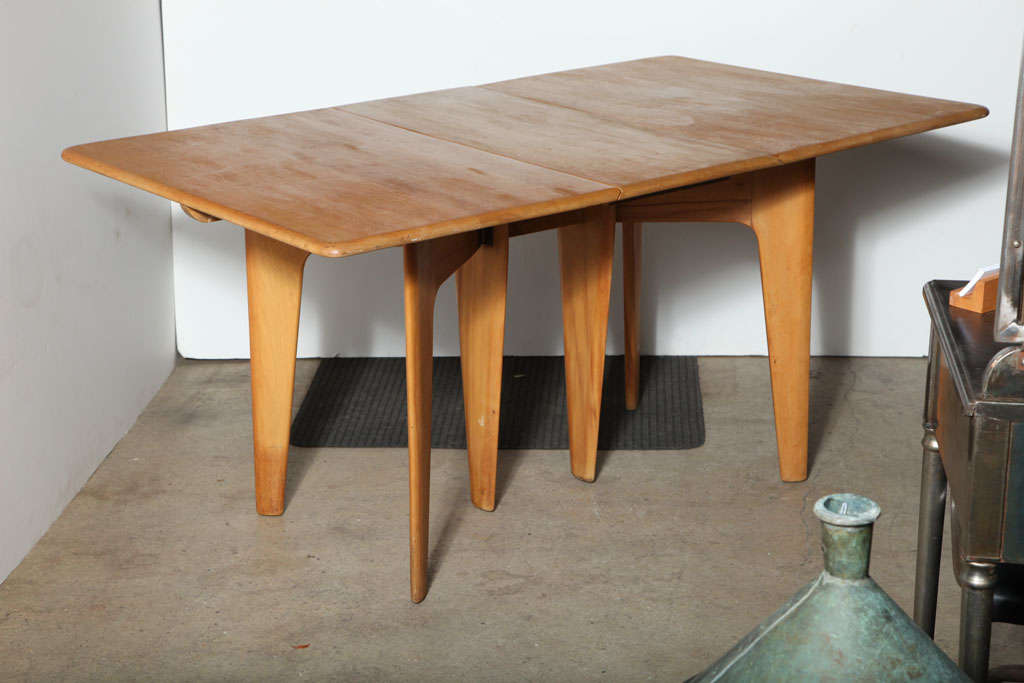
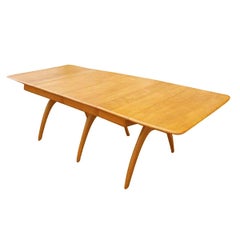
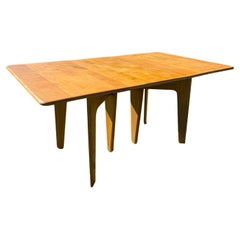
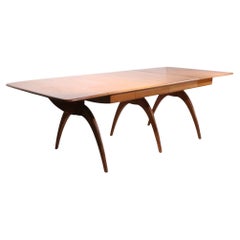
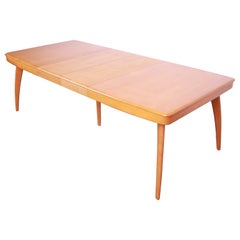
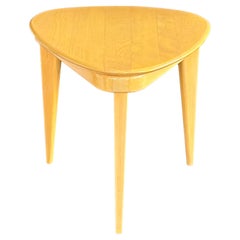
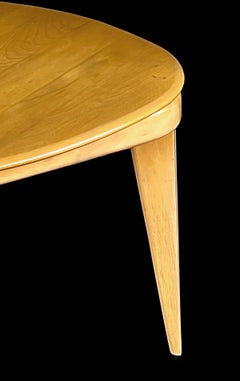
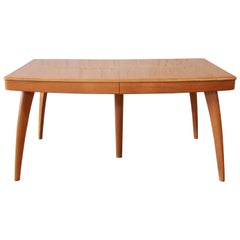
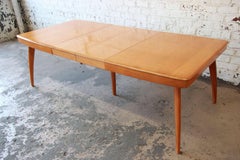
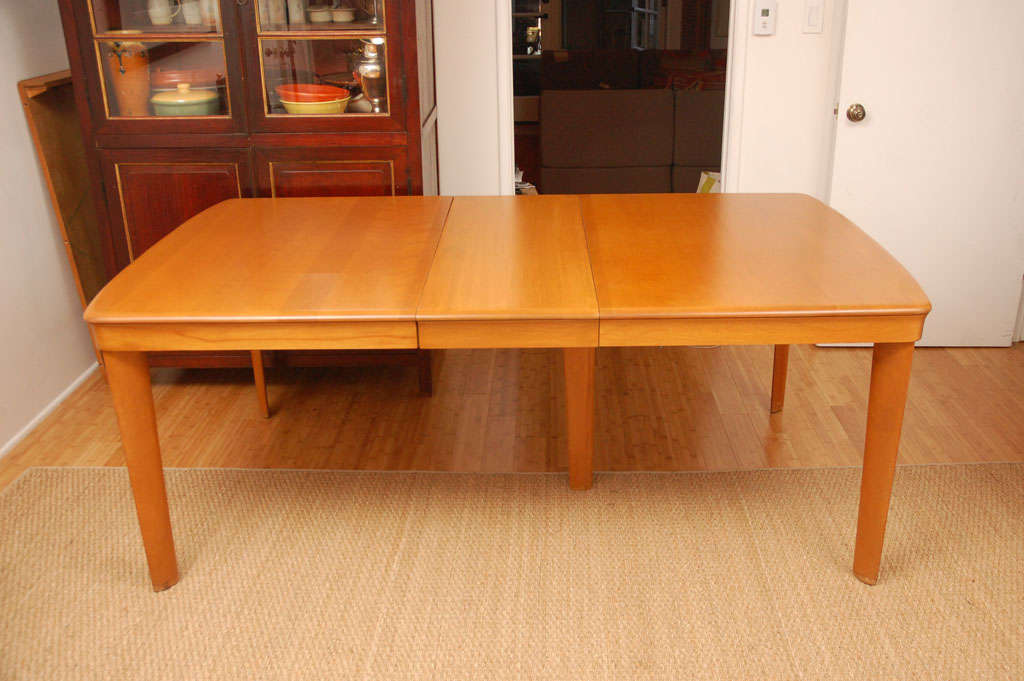
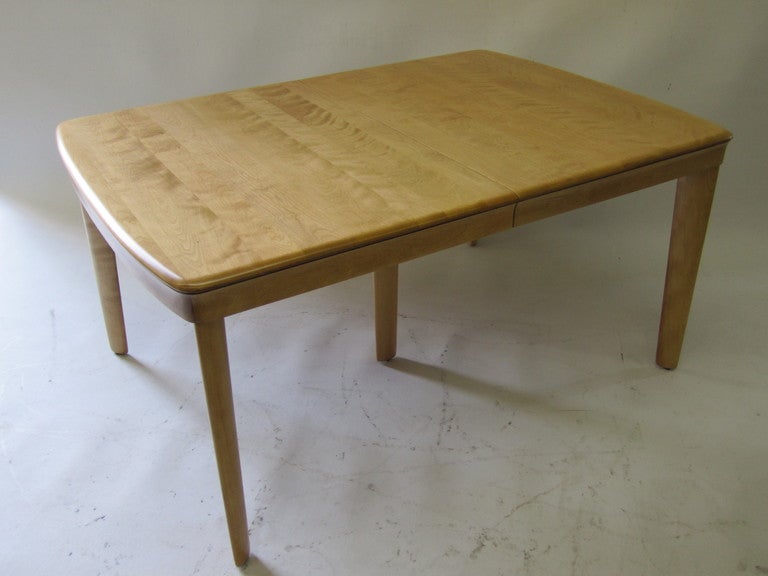
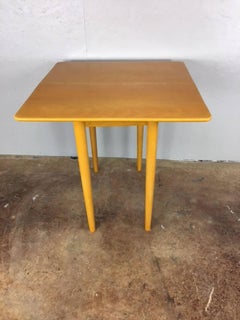
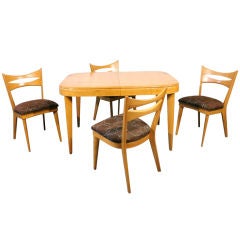
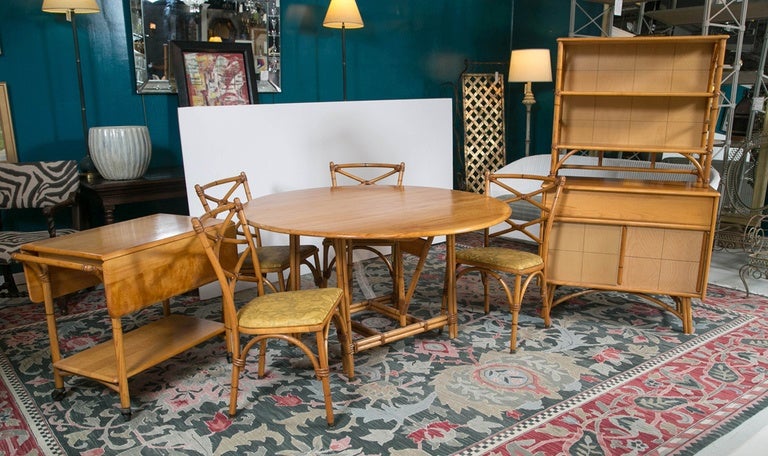
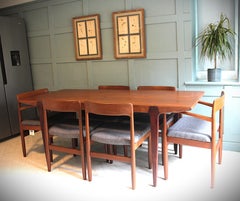
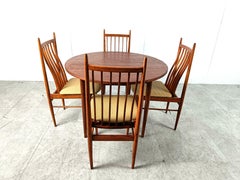
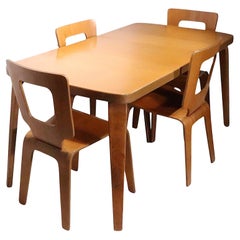
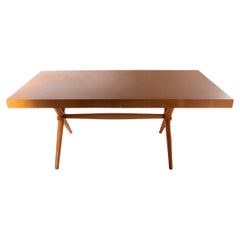
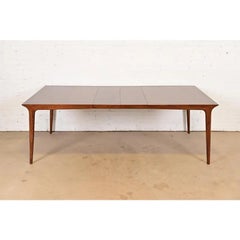
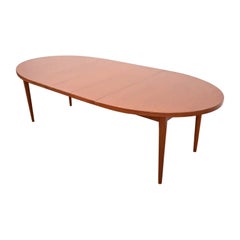
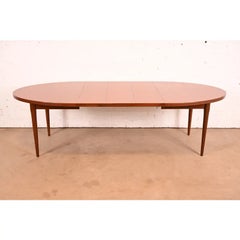
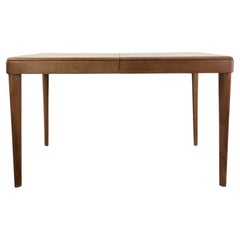
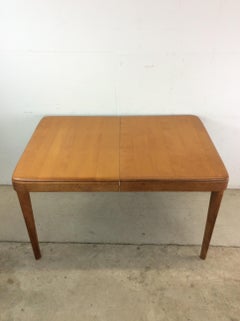
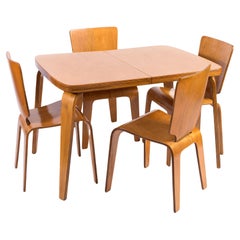
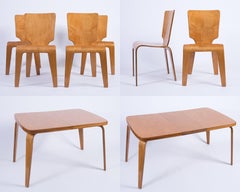
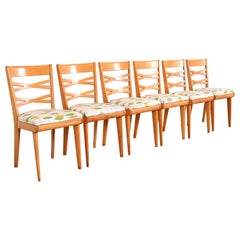
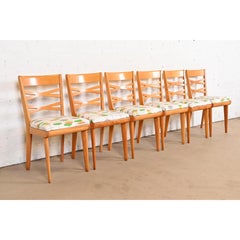
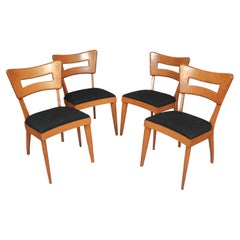
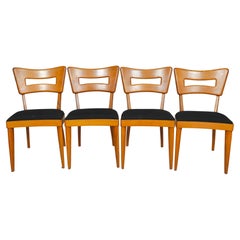
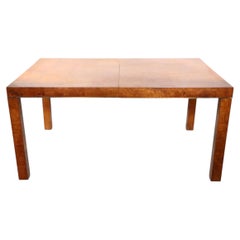
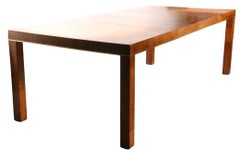
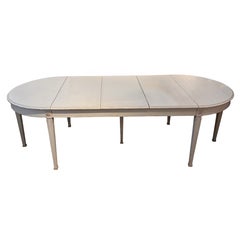
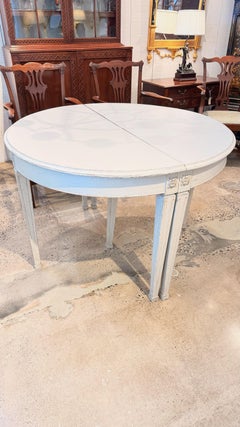
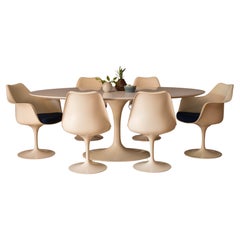
At 1stDibs, there are many versions of the ideal 1950s dining table heywood wakefield for your home. A 1950s dining table heywood wakefield — often made from
wood,
maple and
birch — can elevate any home. Your living room may not be complete without a 1950s dining table heywood wakefield — find older editions for sale from the 20th Century and newer versions made as recently as the 20th Century. A 1950s dining table heywood wakefield made by
Mid-Century Modern designers — as well as those associated with
Art Deco — is very popular. A well-made 1950s dining table heywood wakefield has long been a part of the offerings for many furniture designers and manufacturers, but those produced by
Heywood-Wakefield Co. are consistently popular.
How Much is a 1950s Dining Table Heywood Wakefield?
The average selling price for a 1950s dining table heywood wakefield at 1stDibs is $1,995, while they’re typically $595 on the low end and $12,500 for the highest priced.
Heywood-Wakefield Co. for sale on 1stDibs
Created by the 19th-century merger of two venerable Massachusetts furniture makers, Heywood-Wakefield was one of the largest and most successful companies of its kind in the United States. In its early decades, the firm thrived by crafting affordable and hugely popular wicker pieces in traditional and historical styles. In the midst of the Great Depression, however, Heywood-Wakefield reinvented itself, creating instead the first modernist furniture — chairs, tables, dressers and more — to be widely embraced in American households.
The Heywoods were five brothers from Gardner, Massachusetts, who in 1826 started a business making wooden chairs and tables in their family shed. As their company grew, they moved into the manufacture of furniture with steam-bent wood frames and cane or wicker seats, backs and sides.
In 1897, the Heywoods joined forces with a local rival, the Wakefield Rattan Company, whose founder, Cyrus Wakefield, got his start on the Boston docks buying up lots of discarded rattan, which was used as cushioning material in the holds of cargo ships, and transforming it into furnishings. The conglomerate initially did well with both early American style and woven pieces, but taste began to change at the turn of the 20th century and wicker furniture fell out of fashion.
In 1930, Heywood-Wakefield brought in designer Gilbert Rohde, a champion of the Art Deco style. Before departing in 1932 to lead Herman Miller — the prolific Michigan manufacturer that helped transform the American home and office — Rohde created well-received sleek, bentwood chairs for Heywood-Wakefield and gave its colonial pieces a touch of Art Deco flair.
Committed to the new style, Heywood-Wakefield commissioned work from an assortment of like-minded designers, including Alfons Bach, W. Joseph Carr, Leo Jiranek and Count Alexis de Sakhnoffsky, a Russian nobleman who had made his name in Europe creating elegant automotive body designs.
In 1936, the company introduced its “Streamline Modern” group of furnishings, presenting a look that would define the company’s wares for another 30 years. The buoyantly bright, blond wood — maple initially, later birch — came in finishes such as amber “wheat” and pink-tinted “champagne.” The forms of the pieces, at once light and substantial, with softly contoured edges and little adornment beyond artful drawer pulls and knobs, were featured in lines with names such as “Sculptura,” “Crescendo” and “Coronet.” It was forward-looking, optimistic and built to last — a draw for middle-class buyers in the Baby Boom years.
By the 1960s, Heywood-Wakefield began to be seen as “your parents’ furniture.” The last of the Modern line came out in 1966; the company went bankrupt in 1981. The truly sturdy pieces have weathered the intervening years well, having found a new audience for their blithe and happy sophistication.
Find vintage Heywood-Wakefield desks, vanities, tables and other furniture for sale on 1stDibs.
A Close Look at Mid-century-modern Furniture
Organically shaped, clean-lined and elegantly simple are three terms that well describe vintage mid-century modern furniture. The style, which emerged primarily in the years following World War II, is characterized by pieces that were conceived and made in an energetic, optimistic spirit by creators who believed that good design was an essential part of good living.
ORIGINS OF MID-CENTURY MODERN FURNITURE DESIGN
CHARACTERISTICS OF MID-CENTURY MODERN FURNITURE DESIGN
MID-CENTURY MODERN FURNITURE DESIGNERS TO KNOW
ICONIC MID-CENTURY MODERN FURNITURE DESIGNS
VINTAGE MID-CENTURY MODERN FURNITURE ON 1STDIBS
The mid-century modern era saw leagues of postwar American architects and designers animated by new ideas and new technology. The lean, functionalist International-style architecture of Le Corbusier and Bauhaus eminences Ludwig Mies van der Rohe and Walter Gropius had been promoted in the United States during the 1930s by Philip Johnson and others. New building techniques, such as “post-and-beam” construction, allowed the International-style schemes to be realized on a small scale in open-plan houses with long walls of glass.
Materials developed for wartime use became available for domestic goods and were incorporated into mid-century modern furniture designs. Charles and Ray Eames and Eero Saarinen, who had experimented extensively with molded plywood, eagerly embraced fiberglass for pieces such as the La Chaise and the Womb chair, respectively.
Architect, writer and designer George Nelson created with his team shades for the Bubble lamp using a new translucent polymer skin and, as design director at Herman Miller, recruited the Eameses, Alexander Girard and others for projects at the legendary Michigan furniture manufacturer.
Harry Bertoia and Isamu Noguchi devised chairs and tables built of wire mesh and wire struts. Materials were repurposed too: The Danish-born designer Jens Risom created a line of chairs using surplus parachute straps for webbed seats and backrests.
The Risom lounge chair was among the first pieces of furniture commissioned and produced by celebrated manufacturer Knoll, a chief influencer in the rise of modern design in the United States, thanks to the work of Florence Knoll, the pioneering architect and designer who made the firm a leader in its field. The seating that Knoll created for office spaces — as well as pieces designed by Florence initially for commercial clients — soon became desirable for the home.
As the demand for casual, uncluttered furnishings grew, more mid-century furniture designers caught the spirit.
Classically oriented creators such as Edward Wormley, house designer for Dunbar Inc., offered such pieces as the sinuous Listen to Me chaise; the British expatriate T.H. Robsjohn-Gibbings switched gears, creating items such as the tiered, biomorphic Mesa table. There were Young Turks such as Paul McCobb, who designed holistic groups of sleek, blond wood furniture, and Milo Baughman, who espoused a West Coast aesthetic in minimalist teak dining tables and lushly upholstered chairs and sofas with angular steel frames.
Generations turn over, and mid-century modern remains arguably the most popular style going. As the collection of vintage mid-century modern chairs, dressers, coffee tables and other furniture for the living room, dining room, bedroom and elsewhere on 1stDibs demonstrates, this period saw one of the most delightful and dramatic flowerings of creativity in design history.
Finding the Right Tables for You
The right vintage, new or antique tables can help make any space in your home stand out.
Over the years, the variety of tables available to us, as well as our specific needs for said tables, has broadened. Today, with all manner of these must-have furnishings differing in shape, material and style, any dining room table can shine just as brightly as the guests who gather around it.
Remember, when shopping for a dining table, it must fit your dining area, and you need to account for space around the table too — think outside the box, as an oval dining table may work for tighter spaces. Alternatively, if you’ve got the room, a Regency-style dining table can elevate any formal occasion at mealtime.
Innovative furniture makers and designers have also redefined what a table can be. Whether it’s an unconventional Ping-Pong table, a brass side table to display your treasured collectibles or a Louis Vuitton steamer trunk to add an air of nostalgia to your loft, your table can say a lot about you.
The visionary work of French designer Xavier Lavergne, for example, includes tables that draw on the forms of celestial bodies as often as they do aquatic creatures or fossils. Elsewhere, Italian architect Gae Aulenti, who looked to Roman architecture in crafting her stately Jumbo coffee table, created clever glass-topped mobile coffee tables that move on bicycle tires or sculpted wood wheels for Fontana Arte.
Coffee and cocktail tables can serve as a room’s centerpiece with attention-grabbing details and colors. Glass varieties will keep your hardwood flooring and dazzling area rugs on display, while a marble or stone coffee table in a modern interior can showcase your prized art books and decorative objects. A unique vintage desk or writing table can bring sophistication and even a bit of spice to your work life.
No matter your desired form or function, a quality table for your living space is a sound investment. On 1stDibs, browse a collection of vintage, new and antique bedside tables, mid-century end tables and more .