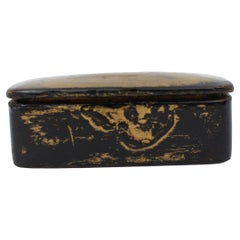
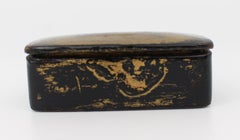
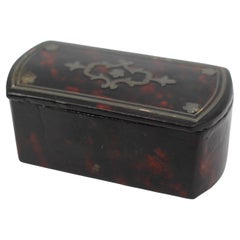
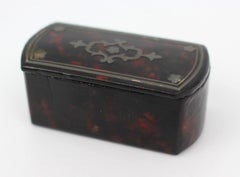
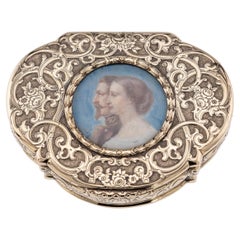
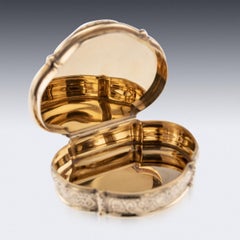
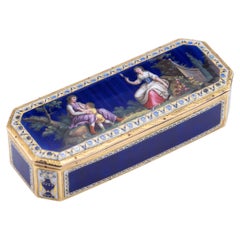
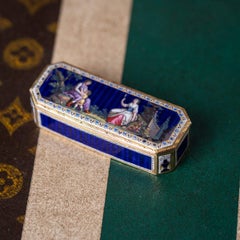
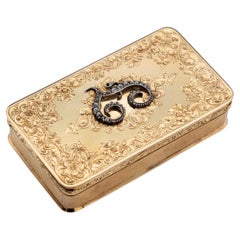
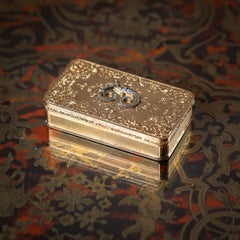
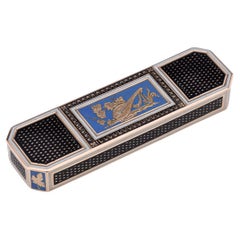
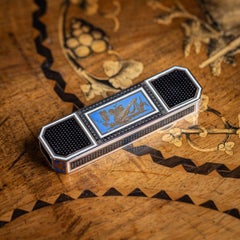
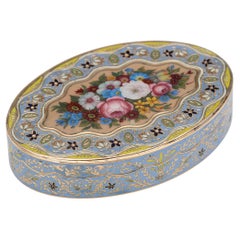
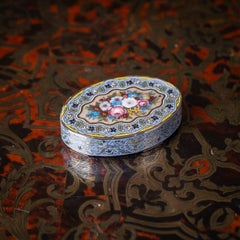
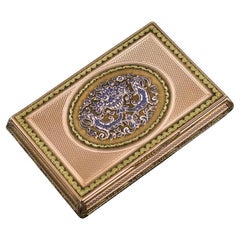
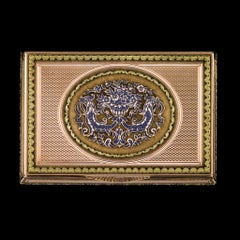
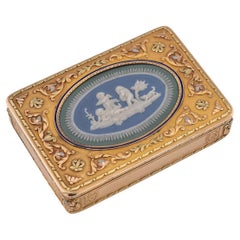
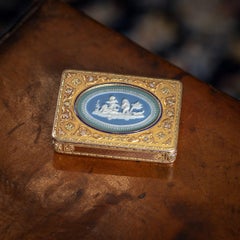
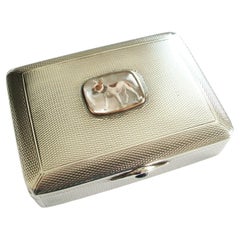
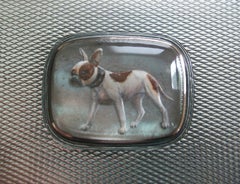
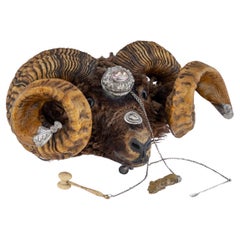
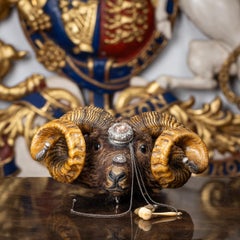
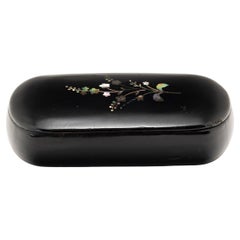
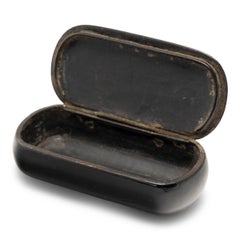
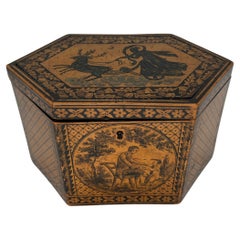
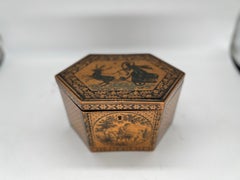
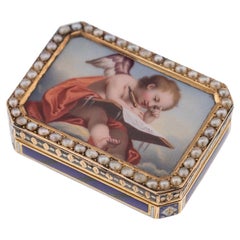
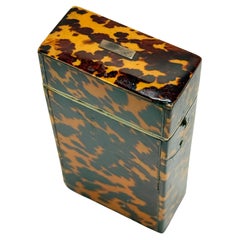
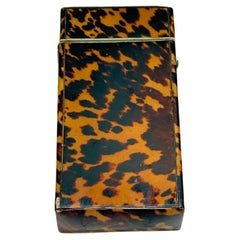
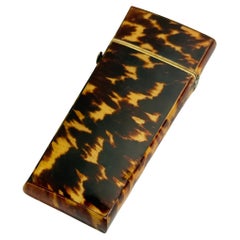
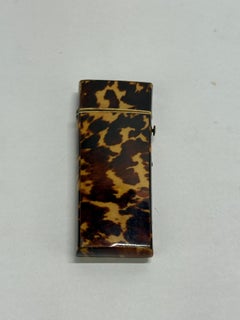
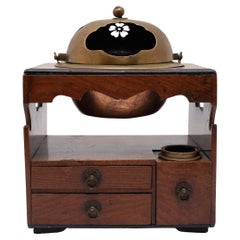
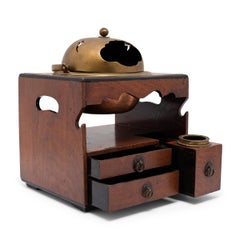
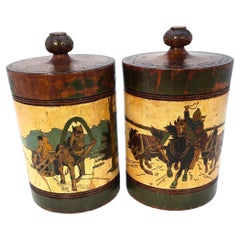
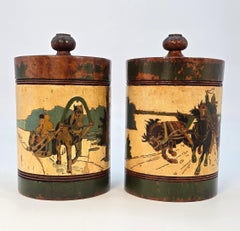
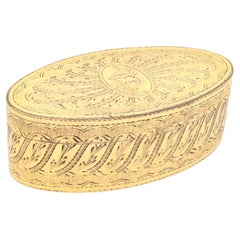
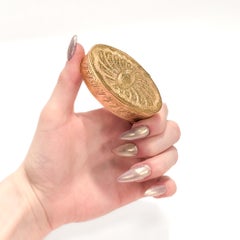
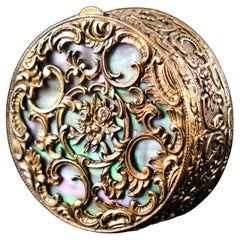
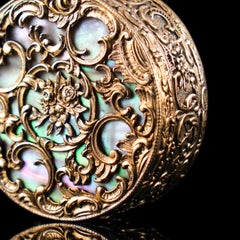
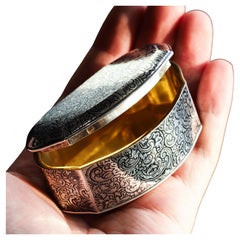
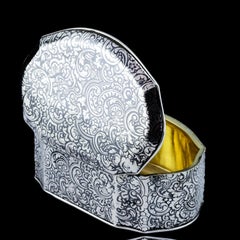
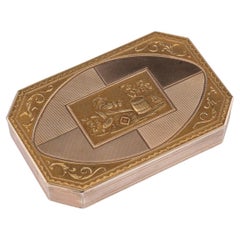
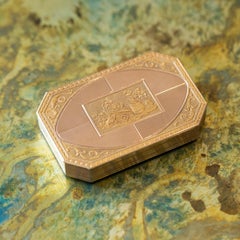
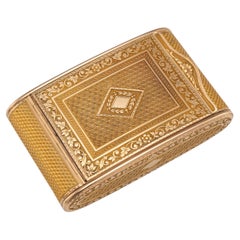
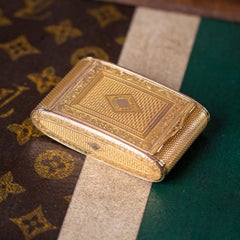
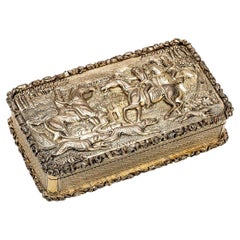
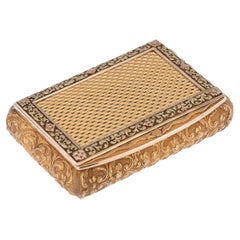
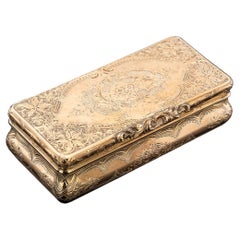
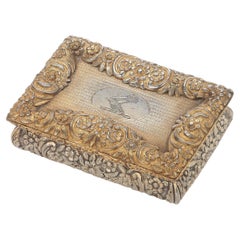
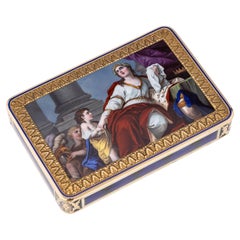
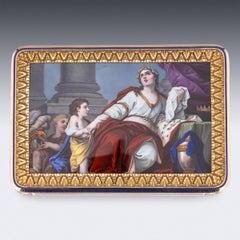
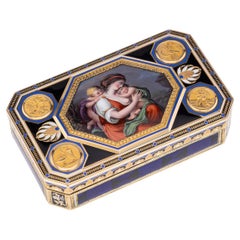
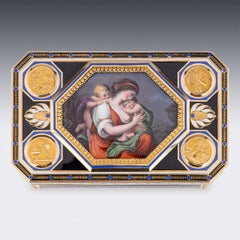
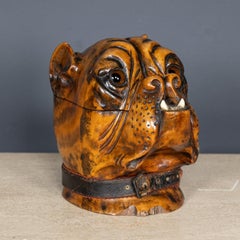
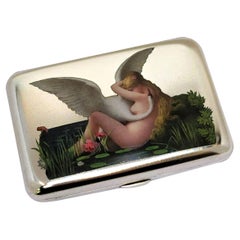
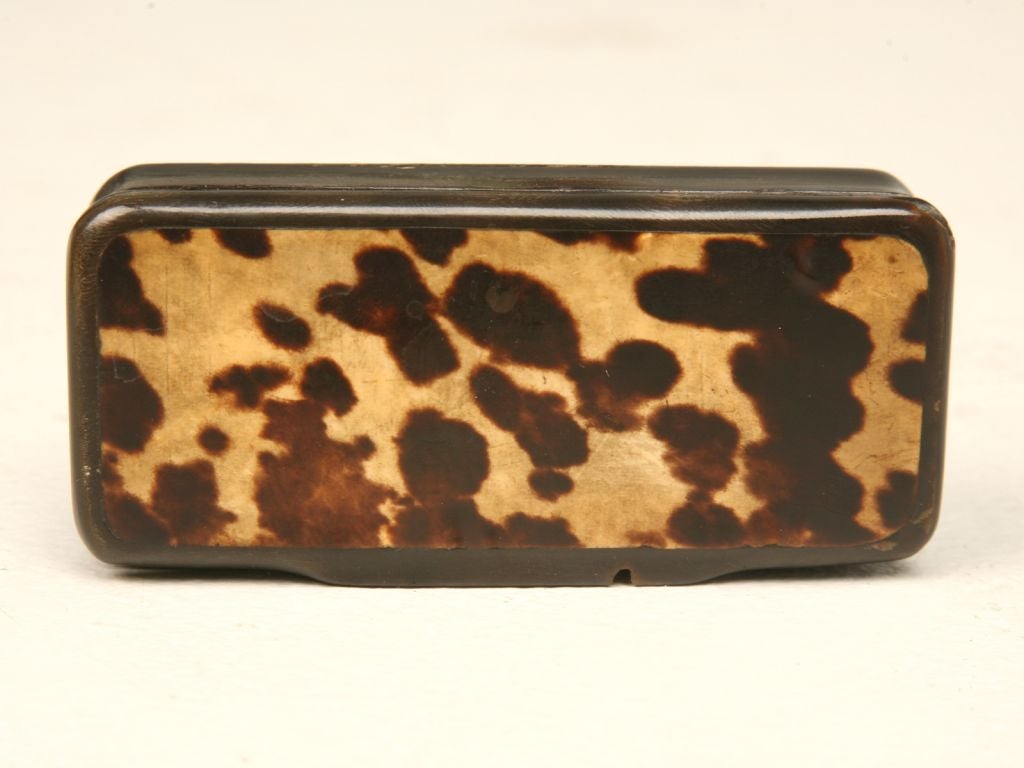
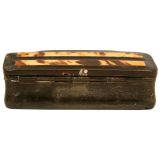
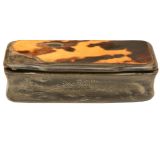
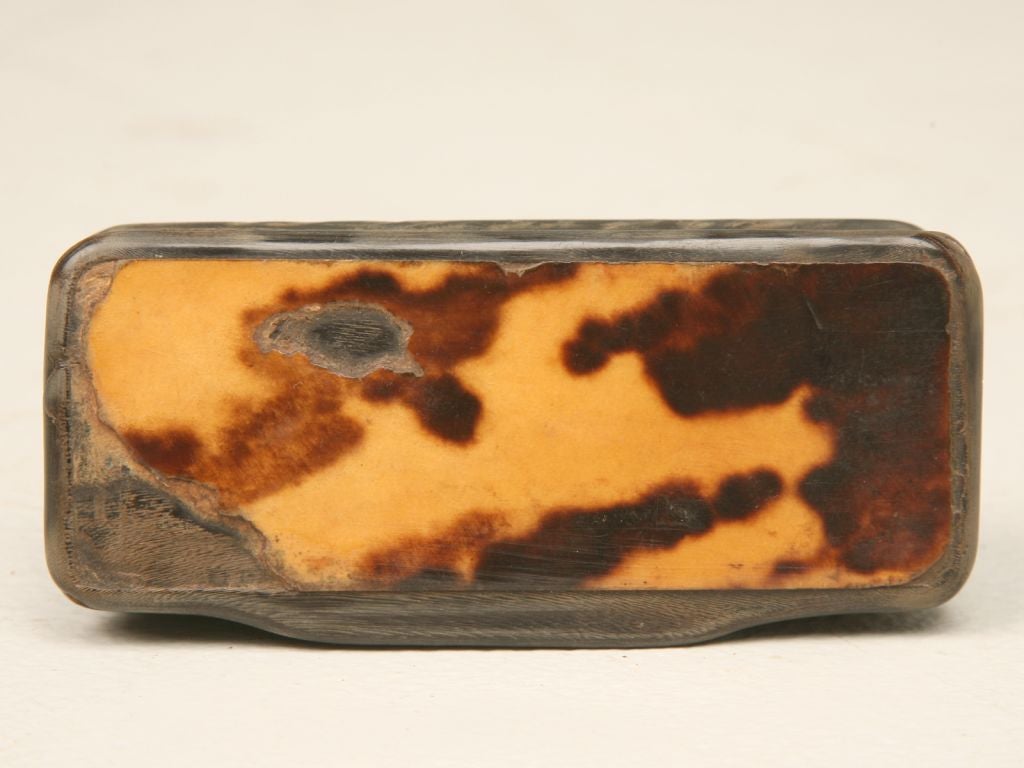
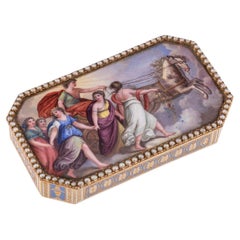
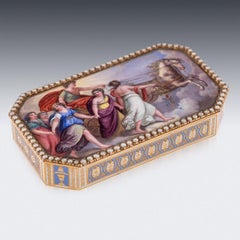
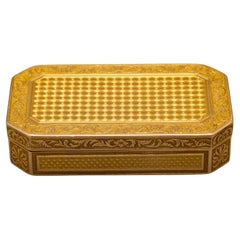
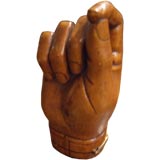
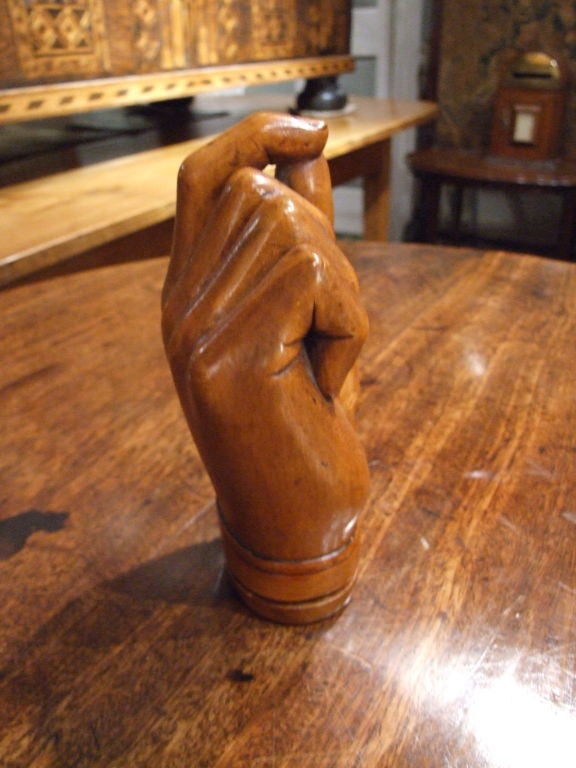
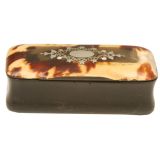
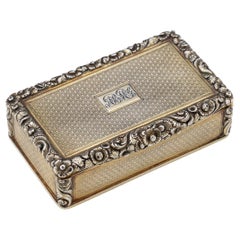
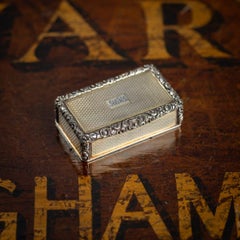
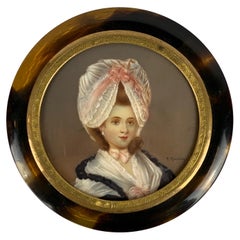
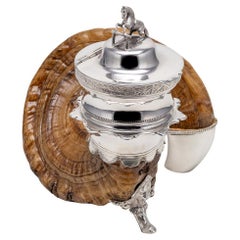
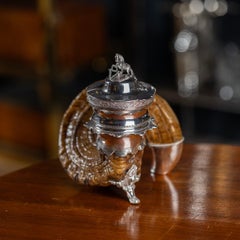
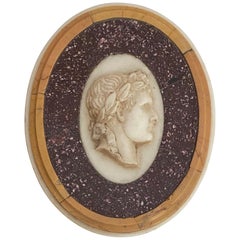
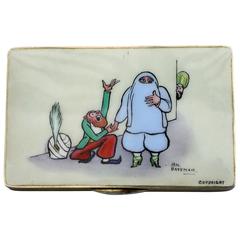
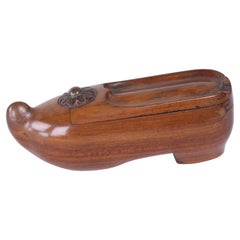
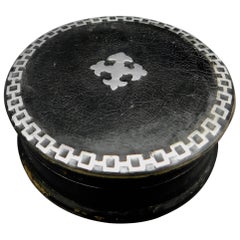
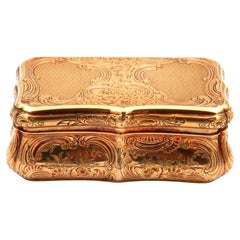
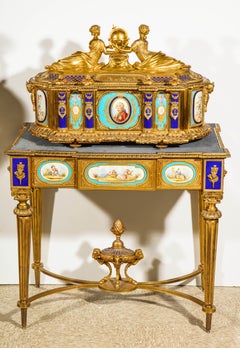
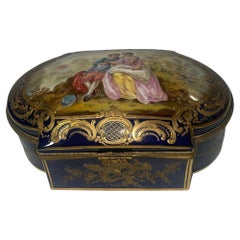
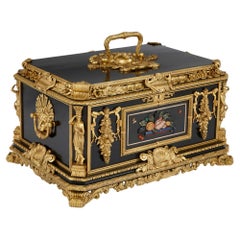
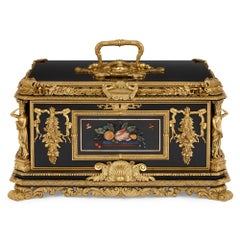
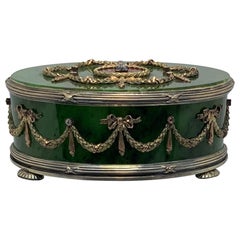
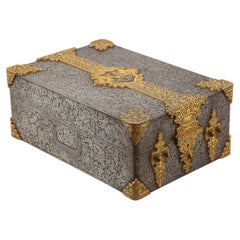
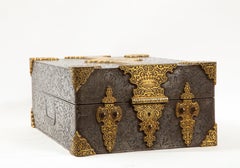
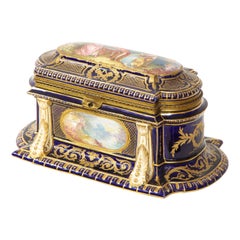
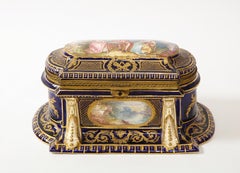
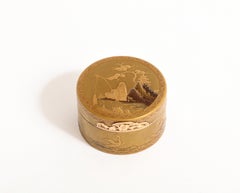
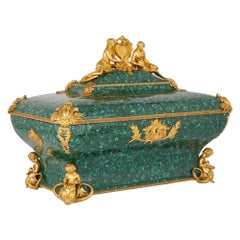
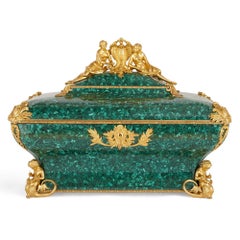
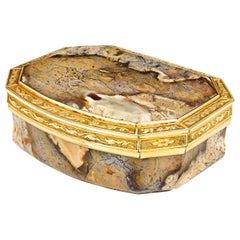
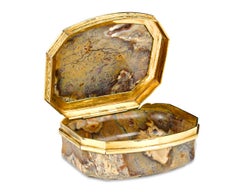
Choose from an assortment of styles, material and more with respect to the 19th c snuff box you’re looking for at 1stDibs. Each 19th c snuff box for sale was constructed with extraordinary care, often using
metal,
silver and
gold. Your living room may not be complete without a 19th c snuff box — find older editions for sale from the 18th Century and newer versions made as recently as the 20th Century. When you’re browsing for the right 19th c snuff box, those designed in
Victorian,
Georgian and
Empire styles are of considerable interest. Many designers have produced at least one well-made 19th c snuff box over the years, but those crafted by
John Linnit,
Carl Martin Weishaupt & Sohne and
J.F. Bautte & Moynier are often thought to be among the most beautiful.
From mere trinkets to useful receptacles that serve a distinct purpose, antique boxes as decorative objects have come in many forms over the years. No matter what they’re made of or where they end up in your home, decorative boxes add both style and storage to your space.
The decorative box that is likely most common is the jewelry box. These boxes were originally known as jewel caskets and were in common use in Ancient Egypt, as most Egyptians wore some sort of jewelry. A portable jewelry box, in its original intended use, was integral to keeping your jewelry safe and secure. This accessory has transformed in size, shape and appearance over the years. Initially it was common for a jewelry box to bear intricate ornamentation. Whether they’re mid-century modern works of marble and brass or feature playful Art Deco–style geometric decor, jewelry boxes boast real staying power.
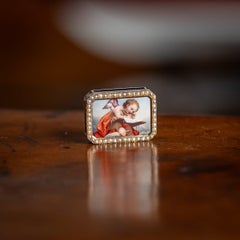
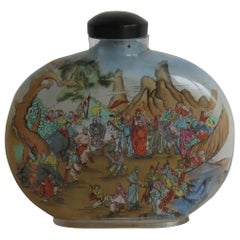
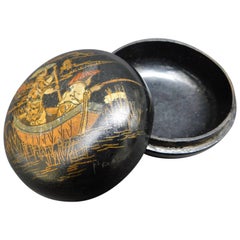
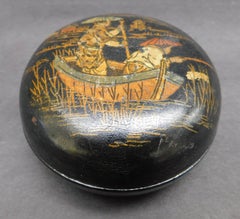
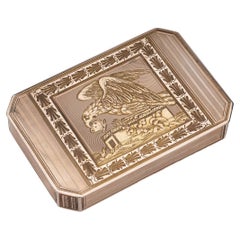
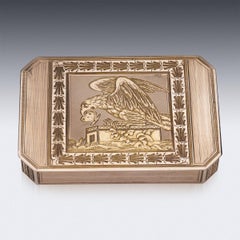
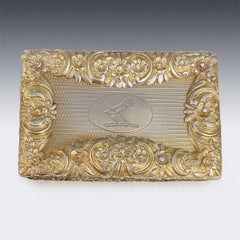
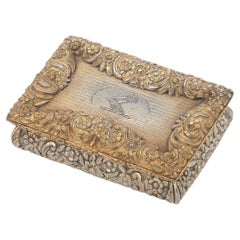
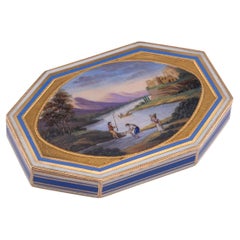
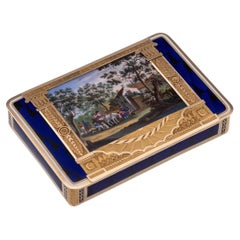
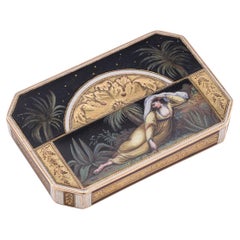
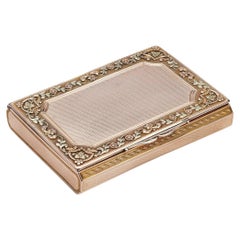
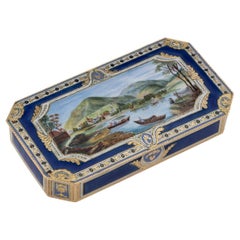
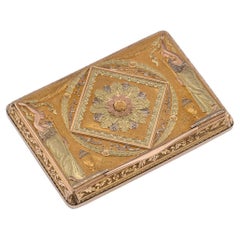
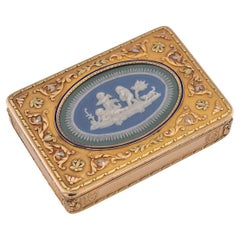
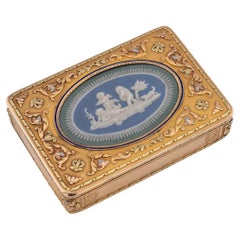
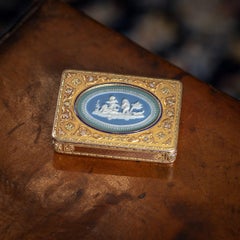
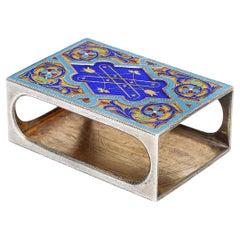
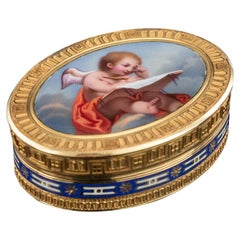
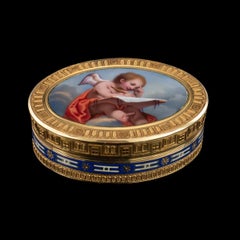
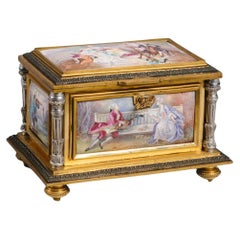
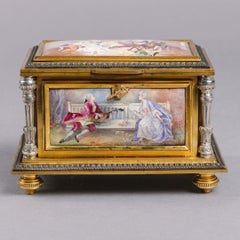
Snuff boxes began to soar in popularity during the 17th century (and were commonplace in European homes by the mid-19th century). The boxes, some hand-painted with landscape scenes, some made from gold, porcelain or stone, contained a small amount of tobacco, which users would sniff, or “snuff,” throughout the day. Some particularly ornamental snuff boxes featured enameled designs or were set with precious gems and were given as gifts or party favors, particularly at the coronation of royalty or other lavish events.
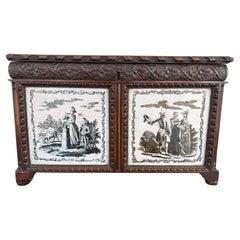
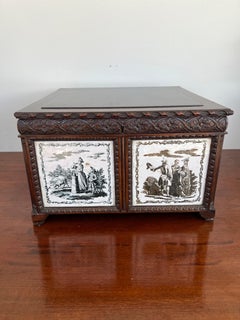
Whether you’re organizing important mail in the foyer or tucking away medications in your bathroom, antique boxes — be they metal tea caddies, sterling-silver decorative boxes or Victorian cigar boxes made of oak (even if you don’t smoke) — are a sophisticated solution to help keep the surfaces in your home clutter-free. And no matter if you’re seeking a decorative box to beautify a desktop or bestow upon a loved one, you are sure to find something you love in the collection of antique and vintage boxes on 1stDibs.