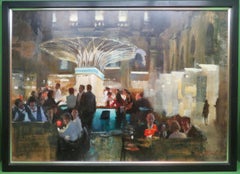
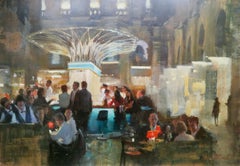
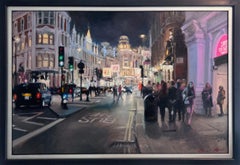
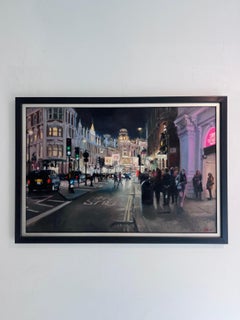
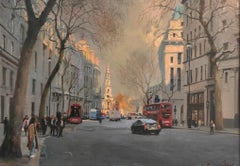
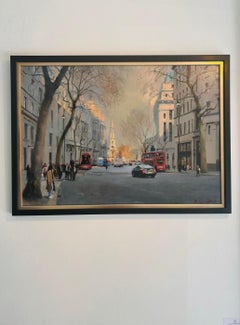
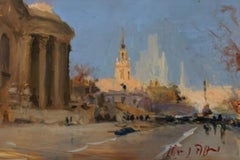
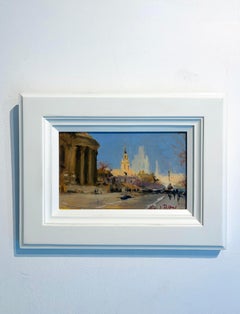
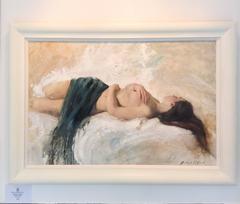
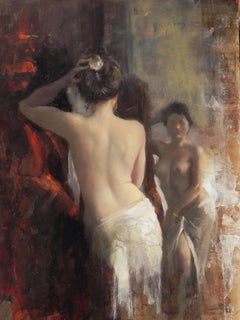
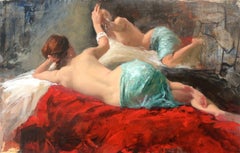
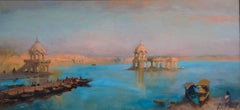
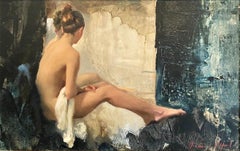
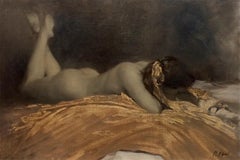
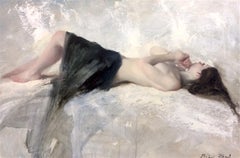
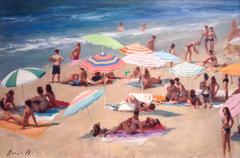
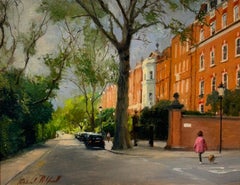
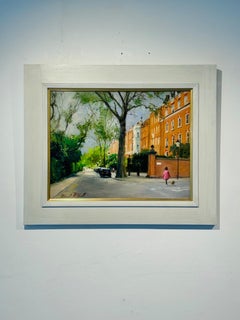
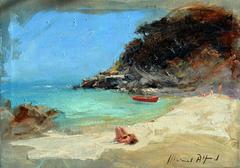
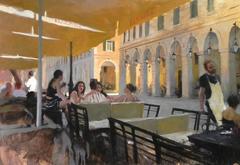
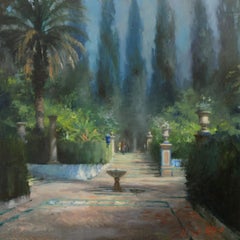
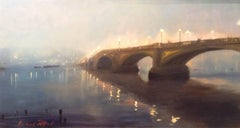
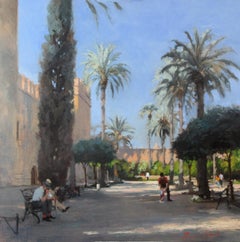
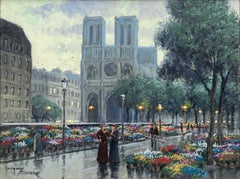
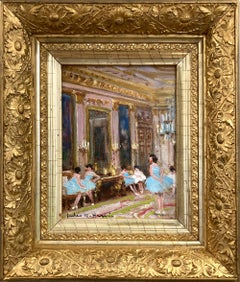
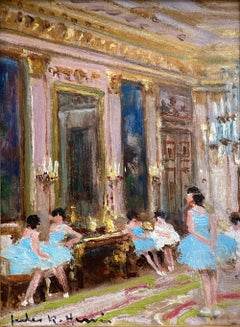
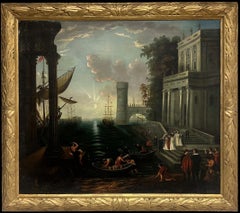
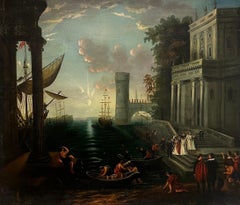
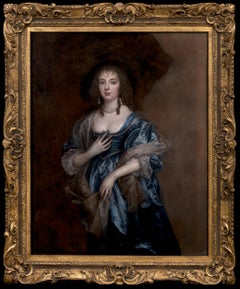
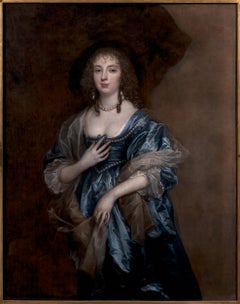
Agnes Reeve For Sale on 1stDibs
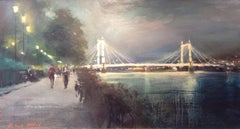
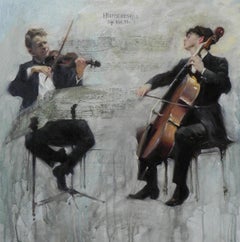
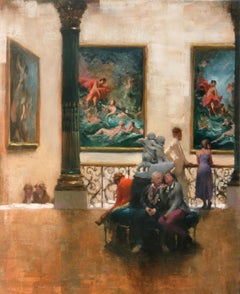
Surely you’ll find the exact agnes reeve you’re seeking on 1stDibs — we’ve got a vast assortment for sale. Creating a agnes reeve has been a part of the legacy of many artists, but those crafted by
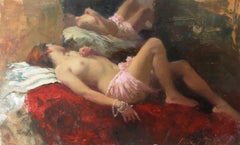
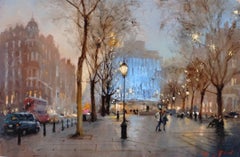
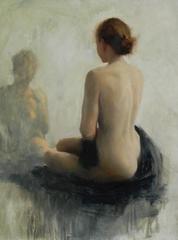
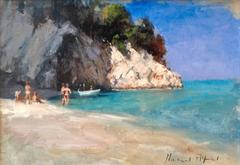
Michael Alford,
Kirsten Savage and
Tayo Heuser are consistently popular. Artworks like these of any era or style can make for thoughtful decor in any space, but a selection from our variety of those made in
oil paint,
paint and
board can add an especially memorable touch.
How Much is a Agnes Reeve?
The price for an artwork of this kind can differ depending upon size, time period and other attributes — a agnes reeve in our inventory may begin at $2,344 and can go as high as $16,080, while the average can fetch as much as $2,768.
Michael Alford for sale on 1stDibs
Artist Biography
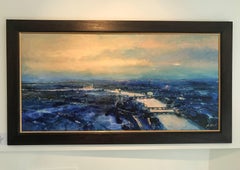
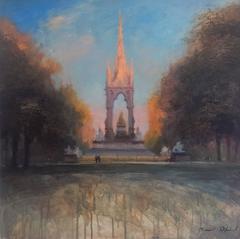
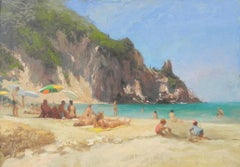
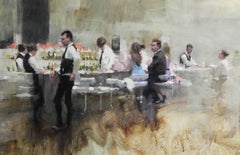
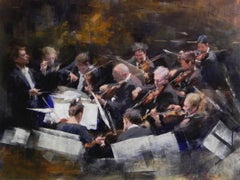
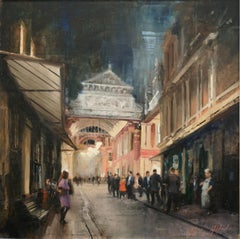
Michael Alford is an established British artist whose works have featured in prominent prizes and exhibitions throughout the UK, and who has twice been appointed war artist to the British Military. Inspired by extensive travel, he composes representations of diverse landscapes and intriguing figures whilst simultaneously fusing classical techniques with a sharp, modern sensibility. Alford's overall aesthetic captures sensitive intricacy and luminous clarity. After returning, he chose to study art at the Slade School and the Chelsea School of Art. Diverse Landscape
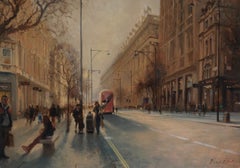
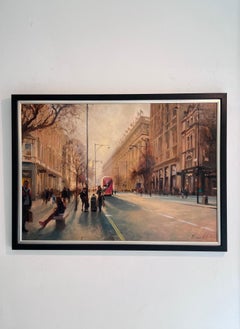
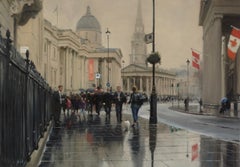
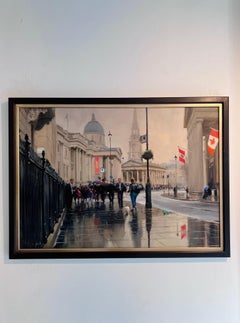
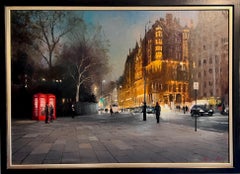
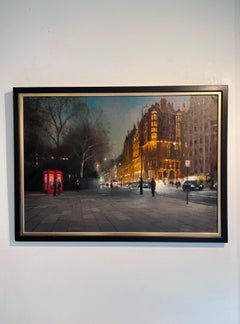
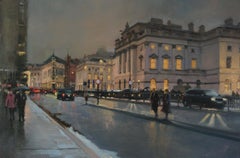
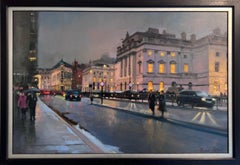
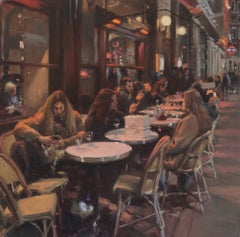
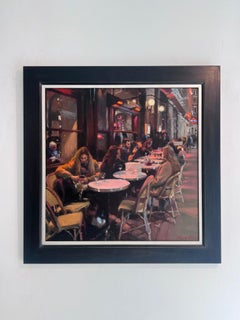
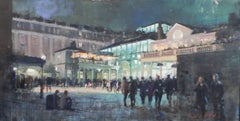
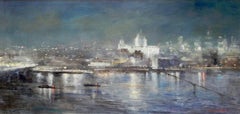
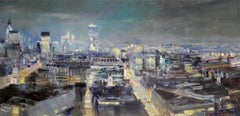
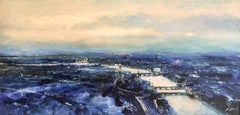
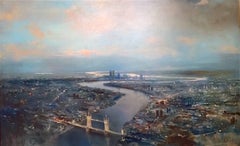
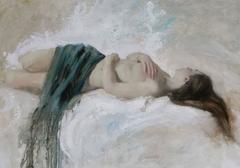
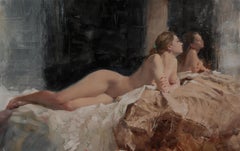
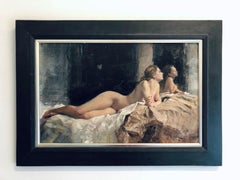
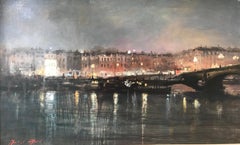
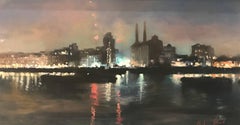
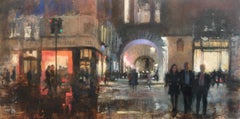
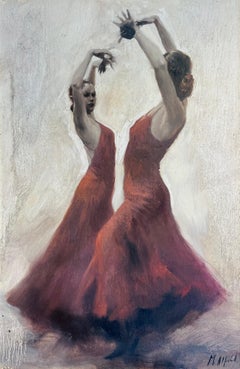
Alford's varied body of work reflects his interest in many types of painting. He is well known for powerful cityscapes of contemporary urban centres —especially London—and for landscapes that capture diverse geographies through the eyes of a passionate traveller. His paintings of figures, clothed and nude, are sought after for their combination of fine draughtsmanship, acute observation and sense of drama. Military Honours for a traveller-painter
Alford has been awarded prizes including the Green and Stone Oil Painting Prize, the Agnes Reeve Memorial Prize for best painting of London, and the Prima Luce Mural prize. Alford is a member of the Chelsea Arts Society. He has twice been appointed war artist to the British Military and was also commissioned by the military to produce artwork in Iraq in 2016.
Style and Technique
Michael is a figurative painter with an expressive classical style. He depicts scenes of contemporary life with an emphasis on urban subjects, landscapes and the human figure. His wide-ranging catalogue includes cityscapes, city scenes (captured moments in the life of the city), landscapes, beach- and seascapes, figure groups and nudes. His approach is distinguished by vigorous brushwork, skilled draftsmanship, bold handling of colour and a sensitive rendering of the interplay of shadow and light.
Artist Statement
“Painting for me is recapturing the experience of seeing, without being too literal-minded about what that experience is or means.
My work always starts with direct observation of the visible world. It can be broad and sweeping, as in landscapes or cityscapes, or very close and intimate, as in figures, nudes or interiors. I often go out looking for subjects and return to the studio with sketches or drawings. These I use as a starting point for a process that turns raw observation—impressions—into something more abstract and evocative. The process often involves cutting out visual distractions and transient effects so that the resulting image has more power. Time acts as an important filter for me and so does physical distance between the initial sketch and the painting. Both help me distil the memory and pick out the essential forms.
My overall aim is to communicate my experience of seeing, to convey—through the use of light and shadow and mood—some of the magic and mystery I feel when I look at the world.” – Michael Alford
A Close Look at Impressionist Art
Emerging in 19th-century France, Impressionist art embraced loose brushwork and plein-air painting to respond to the movement of daily life. Although the pioneers of the Impressionist movement — Claude Monet, Edgar Degas, Paul Cézanne, Berthe Morisot, Camille Pissarro, and Pierre-Auguste Renoir — are now household names, their work was a radical break with an art scene led and shaped by academic traditions for around two centuries. These academies had oversight of a curriculum that emphasized formal drawing, painting and sculpting techniques and historical themes.
The French Impressionists were influenced by a group of artists known as the Barbizon School, who painted what they witnessed in nature. The rejection of pieces by these artists and the later Impressionists from the salons culminated in a watershed 1874 exhibition in Paris that was staged outside of the juried systems. After a work of Monet’s was derided by a critic as an unfinished “impression,” the term was taken as a celebration of their shared interest in capturing fleeting moments as subject matter, whether the shifting weather on rural landscapes or the frenzy of an urban crowd. Rather than the exacting realism of the academic tradition, Impressionist paintings, sculptures, prints and drawings represented how an artist saw a world in motion.
Many Impressionist painters were inspired by the perspectives in imported Japanese prints alongside these shifts in European painting — Édouard Manet drew on ukiyo-e woodblock prints and depicted Japanese design in his Portrait of Émile Zola, for example. American artists such as Mary Cassatt and William Merritt Chase, who studied abroad, were impacted by the work of the French artists, and by the late 19th century American Impressionism had its own distinct aesthetics with painters responding to the rapid modernization of cities through quickly created works that were vivid with color and light.
Find a collection of authentic Impressionist art on 1stDibs.
Finding the Right Paintings for You
Painting is an art form that has spanned innumerable cultures, with artists using the medium to tell stories, explore and communicate ideas and express themselves. To bring abstract paintings, landscape paintings, still-life paintings and other original paintings into your home is to celebrate and share in the long tradition of this discipline.
When we look at paintings, particularly those that originated in the past, we learn about history, other cultures and countries of the world. Like every other work of art, paintings — whether they are contemporary creations or works that were made during the 19th century — can often help us clearly see and understand the world around us in a meaningful and interesting way.
Cave walls were the canvases for what were arguably the world’s first landscape paintings, which depict natural scenery through art. Portrait paintings and drawings, which, along with sculpture, were how someone’s appearance was recorded prior to the advent of photography, are at least as old as Ancient Egypt. In the Netherlands, landscapes were a major theme for painters as early as the 1500s. Later, artists in Greece, Rome and elsewhere created vast wall paintings to decorate stately homes, churches and tombs.
Today, creating a wall of art is a wonderful way to enhance your space, showcase beautiful pieces and tie an interior design together.
No matter your preference, whether you favor Post-Impressionist paintings, animal paintings, Surrealism, Pop art or another movement or specific period, arranging art on a blank wall allows you to evoke emotions in a room while also showing off your tastes and interests. A symmetrical wall arrangement may comprise a grid of four to six pieces or, for an odd number of works, a horizontal row. Asymmetrical arrangements, which may be small clusters of art or large, salon-style gallery walls, have a more collected and eclectic feel.
Download the 1stDibs app, which includes a handy “View on Wall” feature that allows you to see how a particular artwork will look on a particular wall, and read about how to arrange wall art. And if you’re searching for the perfect palette for your interior design project, what better place to turn than to the art world’s masters of color?
On 1stDibs, you’ll find an expansive collection of paintings and other fine art for your home or office. Browse abstract paintings, portrait paintings, paintings by emerging artists and more today.