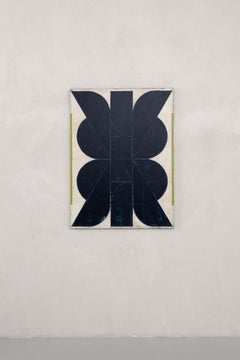
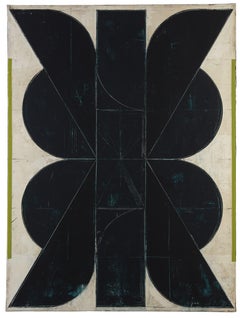
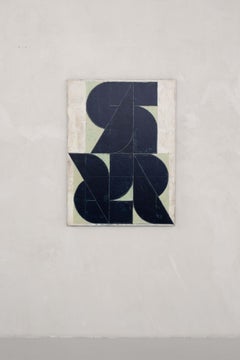
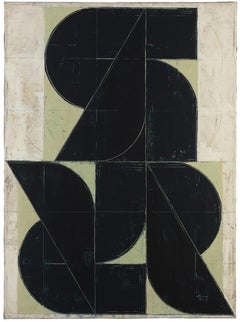
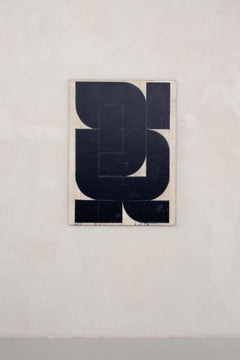
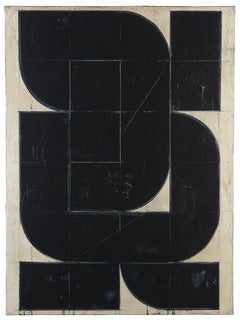
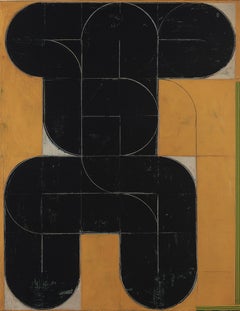
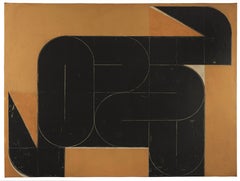
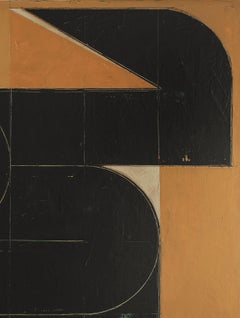
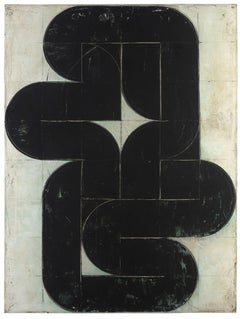
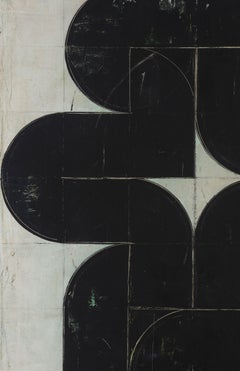
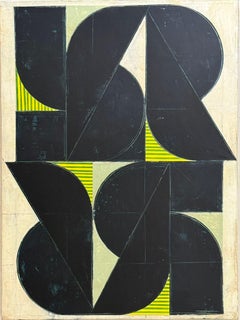
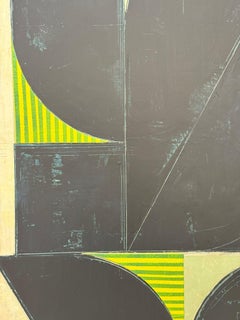
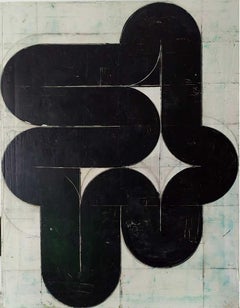
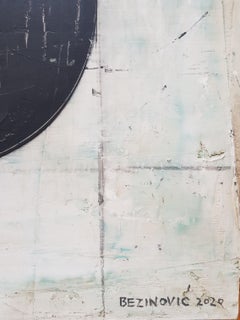
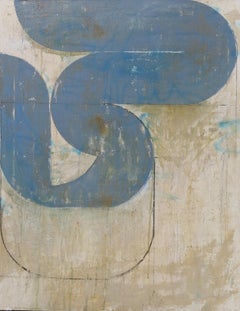
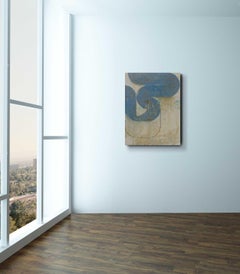
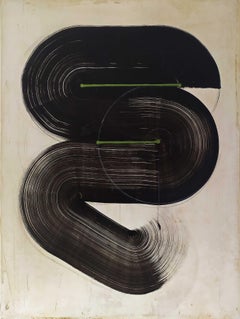
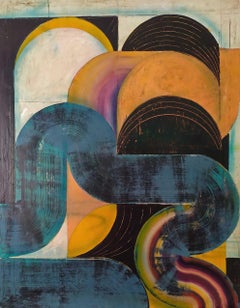
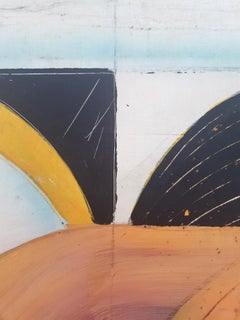
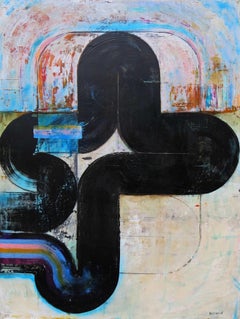
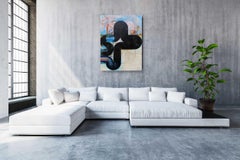
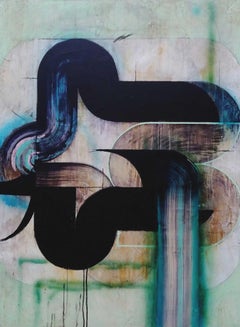
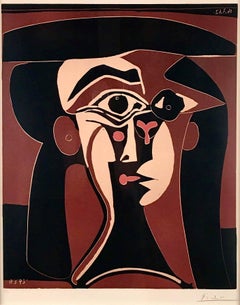
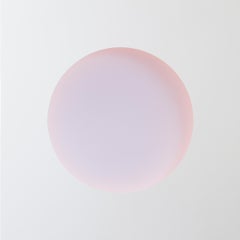
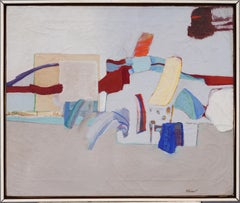
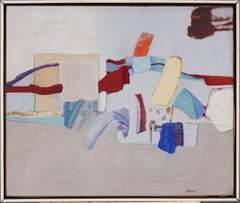
Aleksandar Bezinovic For Sale on 1stDibs
Find the exact aleksandar bezinovic you’re shopping for in the variety available on 1stDibs. Find
Minimalist versions now, or shop for
Minimalist creations for a more modern example of these cherished works. Adding a aleksandar bezinovic to a room that is mostly decorated in warm neutral tones can yield a welcome change — find a piece on 1stDibs that incorporates elements of
black,
gray,
beige,
brown and more. Frequently made by artists working in
acrylic paint,
canvas and
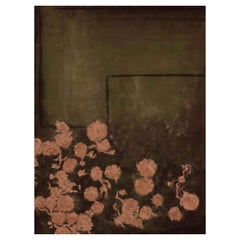
charcoal, these artworks are unique and have attracted attention over the years. A large aleksandar bezinovic can prove too dominant for some spaces — a smaller aleksandar bezinovic, measuring 31.5 high and 23.63 wide, may better suit your needs.
How Much is a Aleksandar Bezinovic?
The average selling price for a aleksandar bezinovic we offer is $4,013, while they’re typically $2,308 on the low end and $5,958 for the highest priced.
Aleksandar Bezinovic for sale on 1stDibs
Aleksandar Bezinović was born in 1975 in Split, Croatia, where he began his artistic journey at a young age. He pursued formal education at the School of Applied Arts and Design, specializing in Graphic Design, which laid the foundation for his artistic vision. In 1998, Bezinović graduated from the Academy of Fine Arts in Zagreb, where he studied in the Painting Department under the mentorship of Professor Zlatko Keser. This period of academic training helped refine his technical skills and foster his distinctive approach to contemporary art.
Following his academic achievements, Bezinović worked at the Croatian Restoration Institute in the department for wooden polychrome sculptures, where he honed his craft in the restoration and preservation of historic artworks. This experience not only deepened his respect for traditional art forms but also influenced his own creative development. Between 2007 and 2019, Bezinović expanded his practice to include scenic design, collaborating on numerous film and theater projects as a scenic artist and head painter, contributing significantly to the visual storytelling of the stage.
Bezinović has consistently exhibited his work in solo and group exhibitions both in Croatia and internationally, showcasing a wide range of artistic expressions. His practice spans multiple mediums, from traditional painting to large-scale installations, reflecting his deep engagement with the intersections of art, culture, and history. His works often explore themes of human experience, identity, and memory, inviting viewers to engage not only with the visual elements of his art but also with its conceptual depth.
Since 2013, Bezinović has been a member of the Croatian Association of Fine Artists (HZSU), a testament to his prominent position within the Croatian art community. His contribution to the contemporary Croatian art scene has been significant, and his works have earned him recognition as one of the leading figures in the field.
In addition to his achievements in Croatia, Bezinović is now represented by Escat Gallery, which is proud to bring his work to a broader international audience. His continued exploration of complex emotional and intellectual themes ensures that his work resonates with a wide range of viewers, further solidifying his place as a key player in the contemporary art world.
Bezinović currently lives and works between Zagreb and Velika Gorica, where he continues to push the boundaries of his artistic practice. His works are celebrated for their thought-provoking nature, and his representation by Escat Gallery enables him to share his innovative and impactful art on a global scale.
A Close Look at Abstract Art
Beginning in the early 20th century, abstract art became a leading style of modernism. Rather than portray the world in a way that represented reality, as had been the dominating style of Western art in the previous centuries, abstract paintings, prints and sculptures are marked by a shift to geometric forms, gestural shapes and experimentation with color to express ideas, subject matter and scenes.
Although abstract art flourished in the early 1900s, propelled by movements like Fauvism and Cubism, it was rooted in the 19th century. In the 1840s, J.M.W. Turner emphasized light and motion for atmospheric paintings in which concrete details were blurred, and Paul Cézanne challenged traditional expectations of perspective in the 1890s.
Some of the earliest abstract artists — Wassily Kandinsky and Hilma af Klint — expanded on these breakthroughs while using vivid colors and forms to channel spiritual concepts. Painter Piet Mondrian, a Dutch pioneer of the art movement, explored geometric abstraction partly owing to his belief in Theosophy, which is grounded in a search for higher spiritual truths and embraces philosophers of the Renaissance period and medieval mystics. Black Square, a daringly simple 1913 work by Russian artist Kazimir Malevich, was a watershed statement on creating art that was free “from the dead weight of the real world,” as he later wrote.
Surrealism in the 1920s, led by artists such as Salvador Dalí, Meret Oppenheim and others, saw painters creating abstract pieces in order to connect to the subconscious. When Abstract Expressionism emerged in New York during the mid-20th century, it similarly centered on the process of creation, in which Helen Frankenthaler’s expressive “soak-stain” technique, Jackson Pollock’s drips of paint, and Mark Rothko’s planes of color were a radical new type of abstraction.
Conceptual art, Pop art, Hard-Edge painting and many other movements offered fresh approaches to abstraction that continued into the 21st century, with major contemporary artists now exploring it, including Anish Kapoor, Mark Bradford, El Anatsui and Julie Mehretu.
Find original abstract paintings, sculptures, prints and other art on 1stDibs.
Finding the Right Abstract-paintings for You
Bring audacious experiments with color and textures to your living room, dining room or home office. Abstract paintings, large or small, will stand out in your space, encouraging conversation and introducing a museum-like atmosphere that’s welcoming and conducive to creating memorable gatherings.
Abstract art has origins in 19th-century Europe, but it came into its own as a significant movement during the 20th century. Early practitioners of abstraction included Wassily Kandinsky, although painters were exploring nonfigurative art prior to the influential Russian artist’s efforts, which were inspired by music and religion. Abstract painters endeavored to create works that didn’t focus on the outside world’s conventional subjects, and even when artists depicted realistic subjects, they worked in an abstract mode to do so.
In 1940s-era New York City, a group of painters working in the abstract mode created radical work that looked to European avant-garde artists as well as to the art of ancient cultures, prioritizing improvisation, immediacy and direct personal expression. While they were never formally affiliated with one another, we know them today as Abstract Expressionists.
The male contingent of the Abstract Expressionists, which includes Jackson Pollock, Willem de Kooning and Robert Motherwell, is frequently cited in discussing leading figures of this internationally influential postwar art movement. However, the women of Abstract Expressionism, such as Helen Frankenthaler, Lee Krasner, Joan Mitchell and others, were equally involved in the art world of the time. Sexism, family obligations and societal pressures contributed to a long history of their being overlooked, but the female Abstract Expressionists experimented vigorously, developed their own style and produced significant bodies of work.
Draw your guests into abstract oil paintings across different eras and countries of origin. On 1stDibs, you’ll find an expansive range of abstract paintings along with a guide on how to arrange your wonderful new wall art.
If you’re working with a small living space, a colorful, oversize work can create depth in a given room, but there isn’t any need to overwhelm your interior with a sprawling pièce de résistance. Colorful abstractions of any size can pop against a white wall in your living room, but if you’re working with a colored backdrop, you may wish to stick to colors that complement the decor that is already in the space. Alternatively, let your painting make a statement on its own, regardless of its surroundings, or group it, gallery-style, with other works.