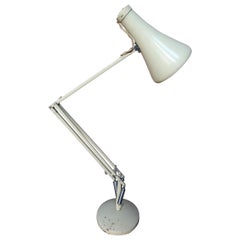
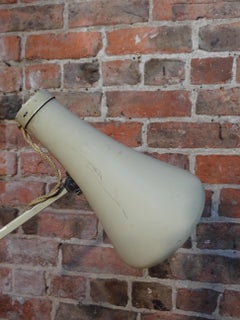
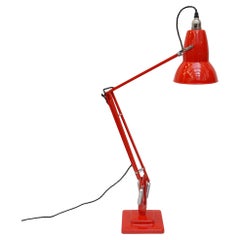
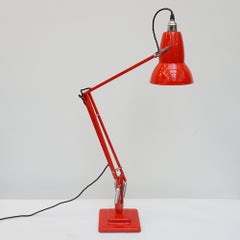
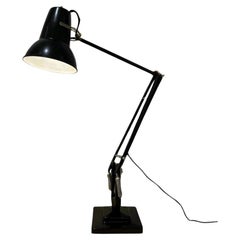
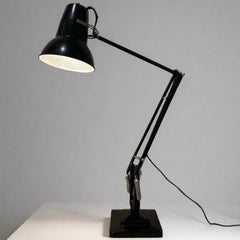
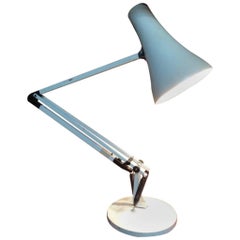
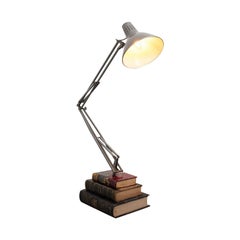
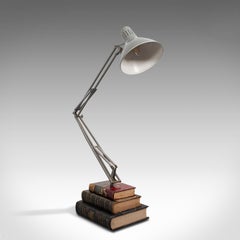
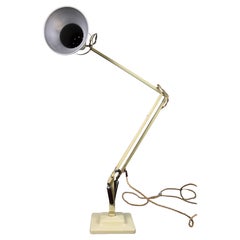
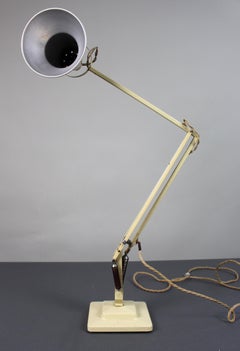
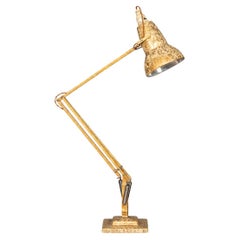
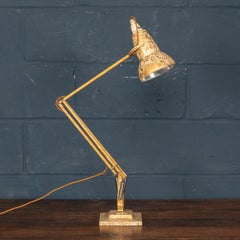
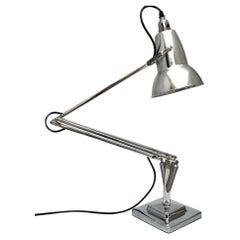
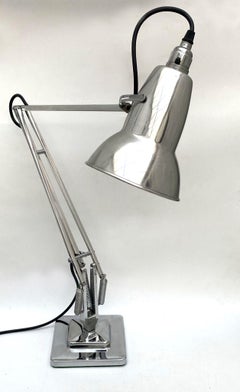
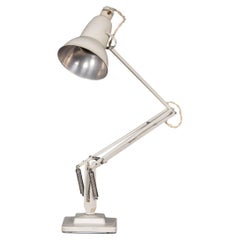
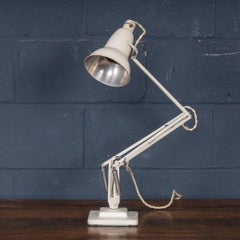
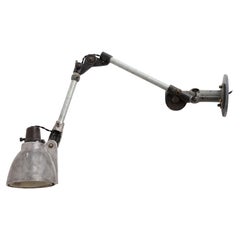
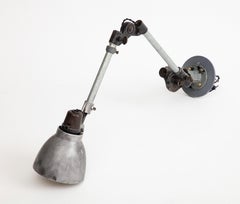
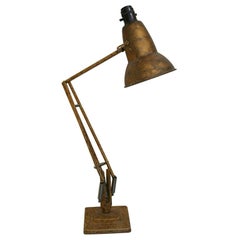
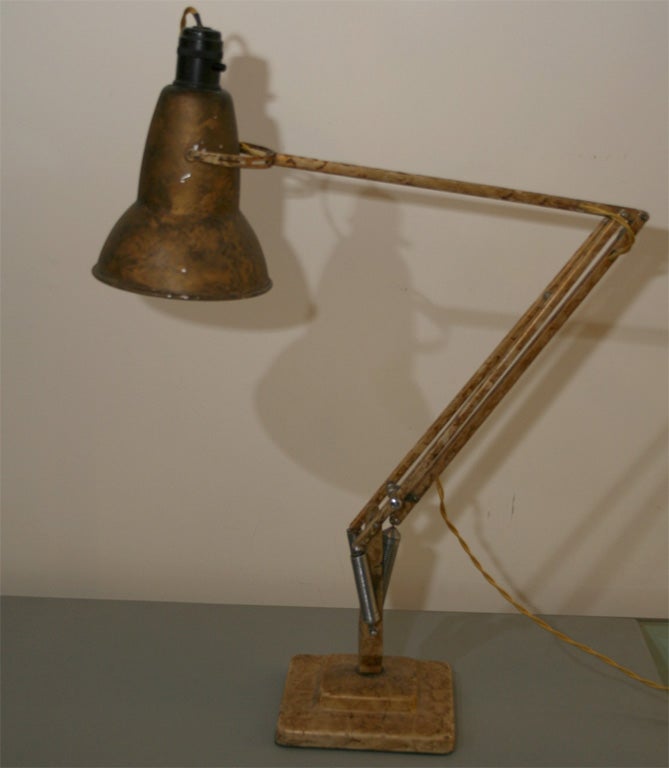
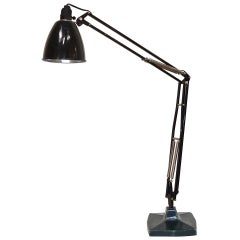
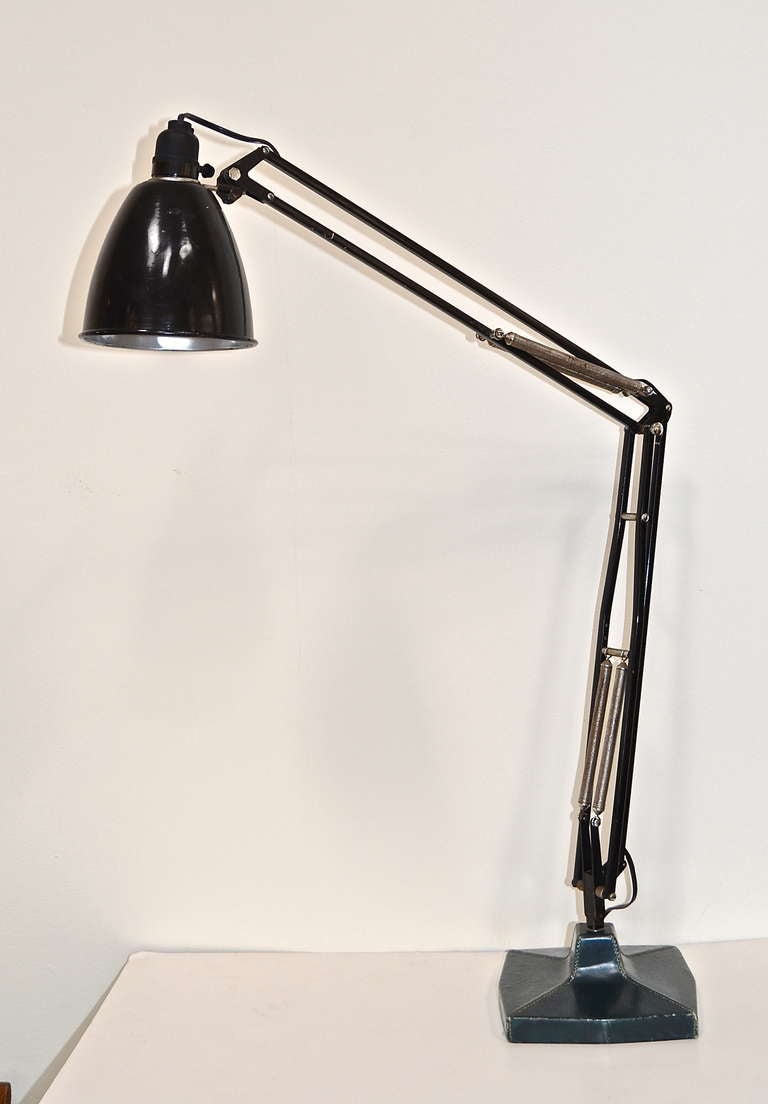
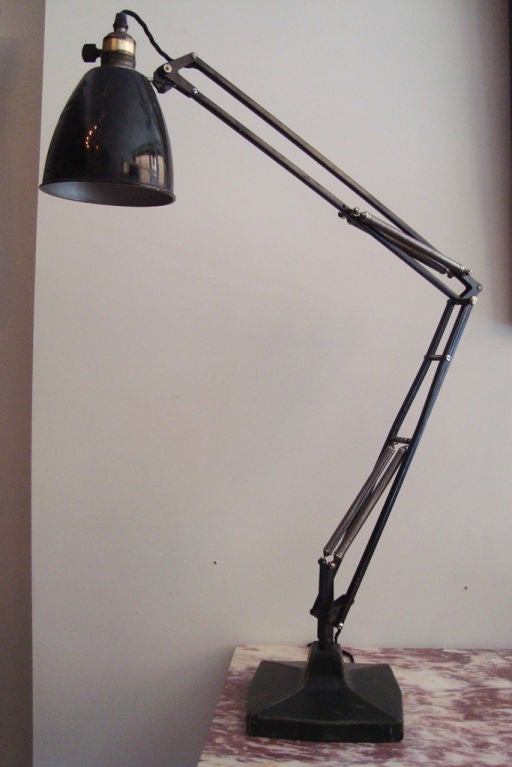
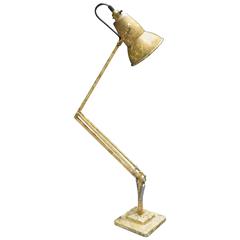
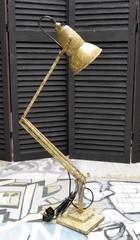
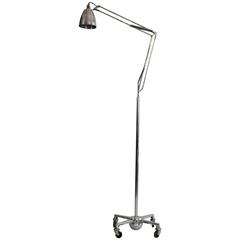
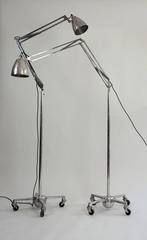
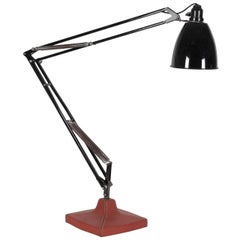
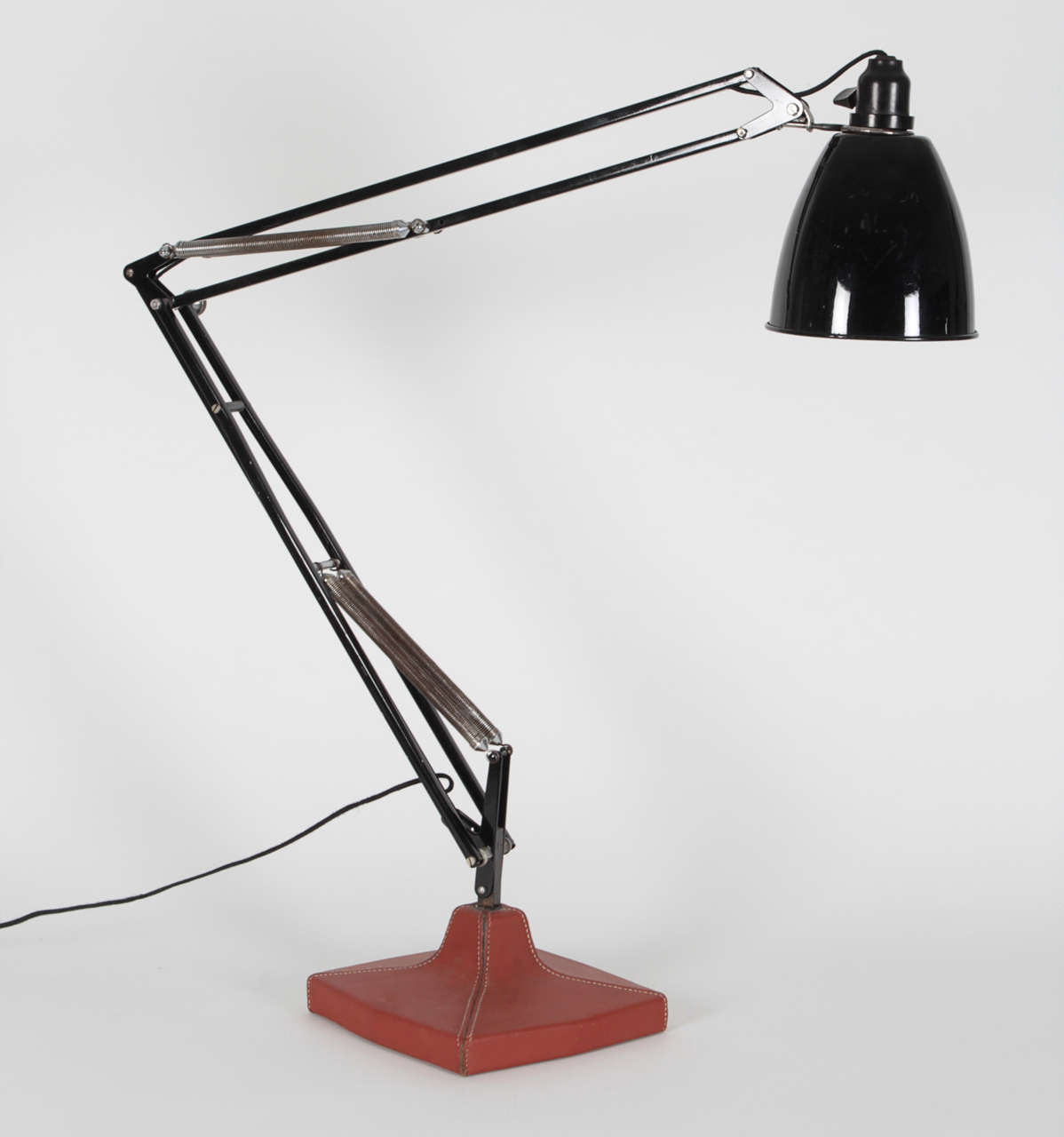
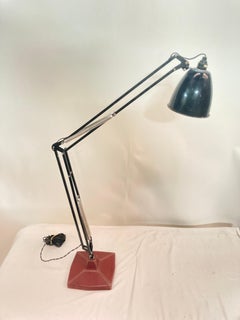
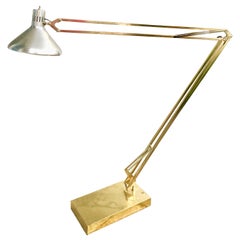
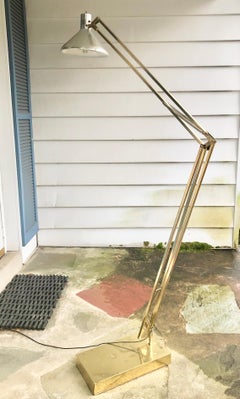
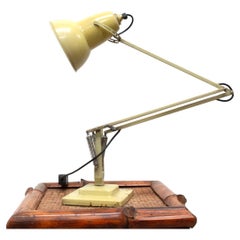
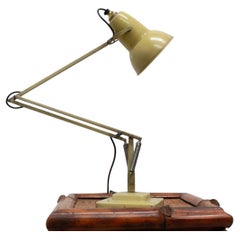
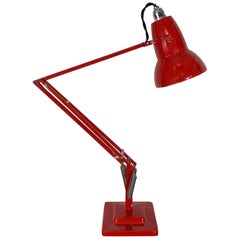
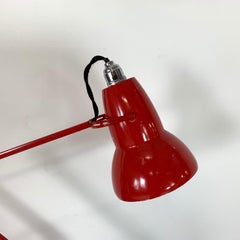
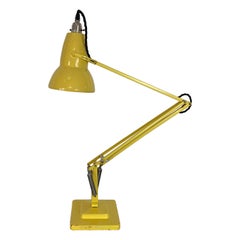
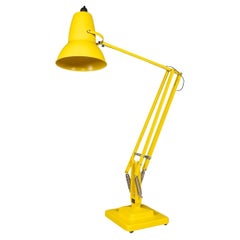
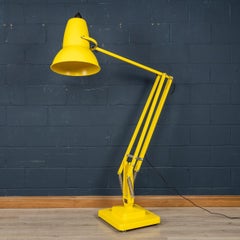
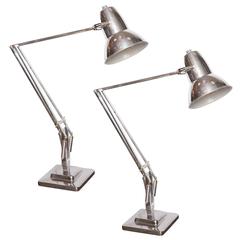
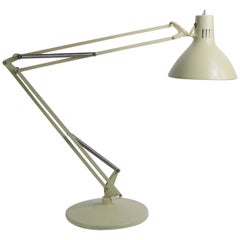
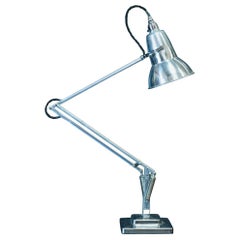
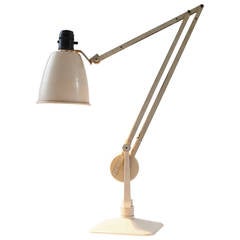
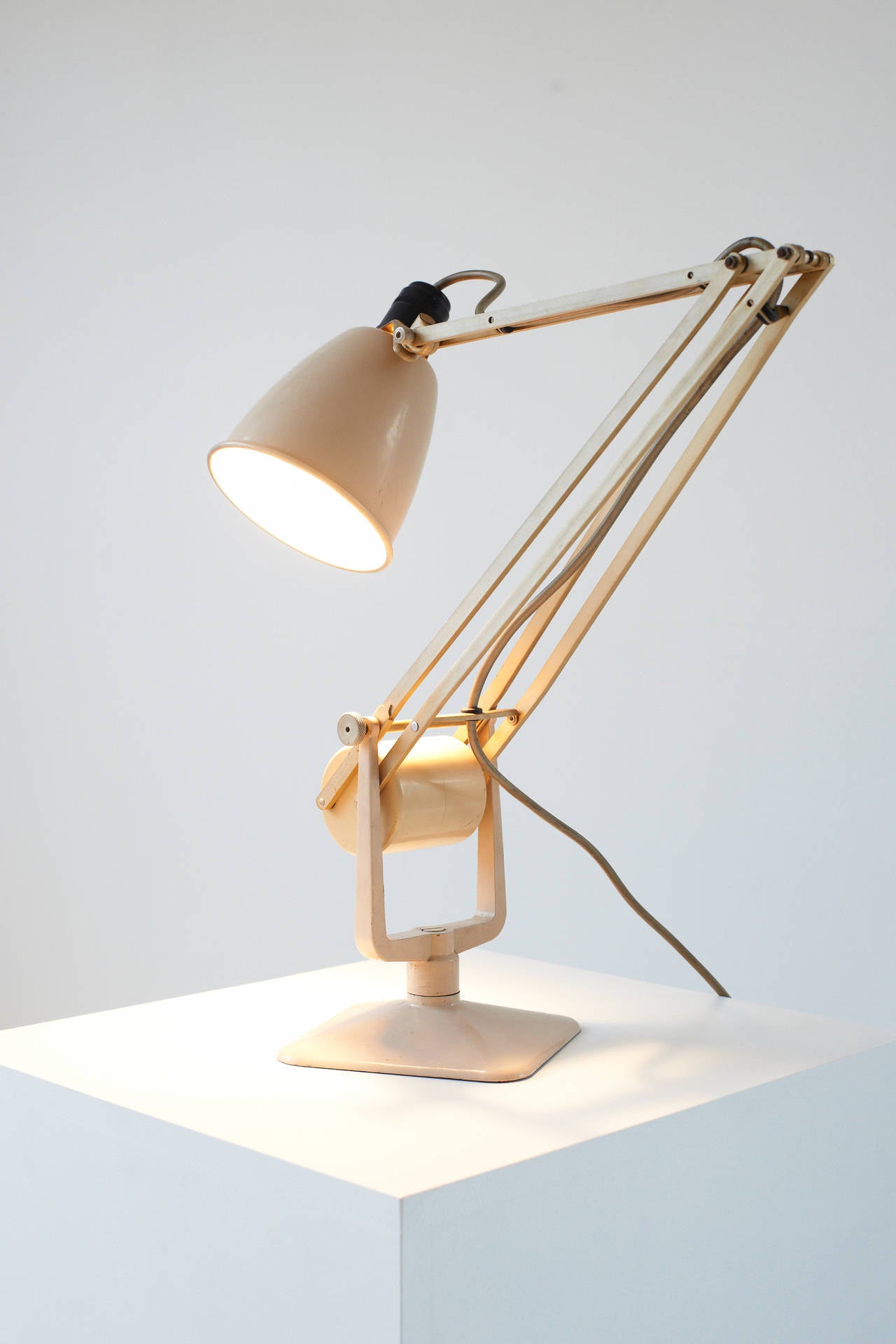
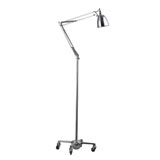
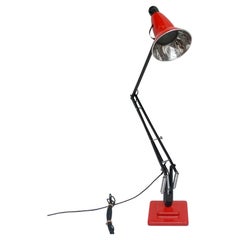
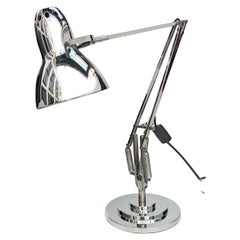
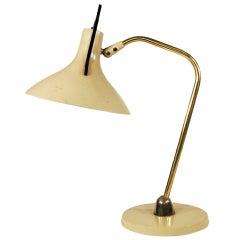
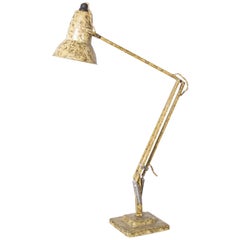
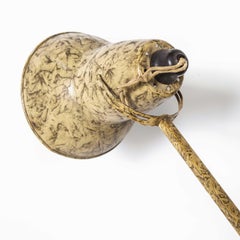
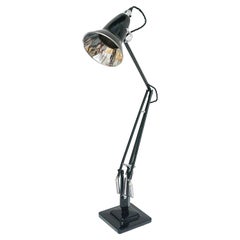
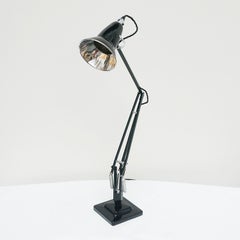
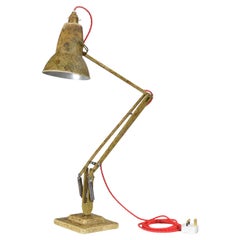
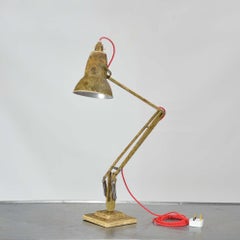
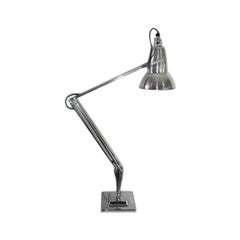
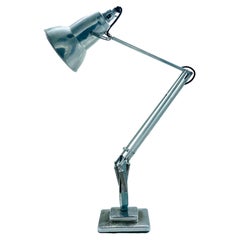
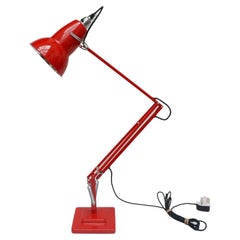
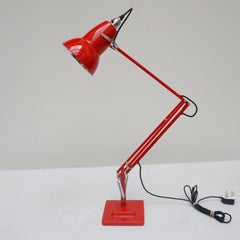
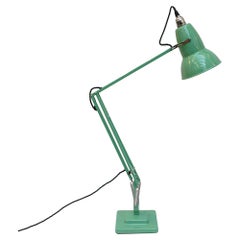
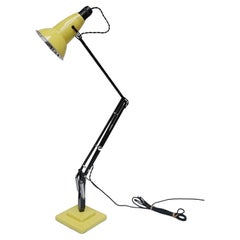
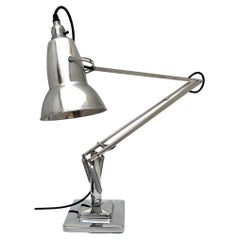
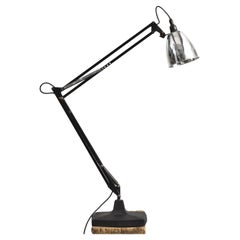
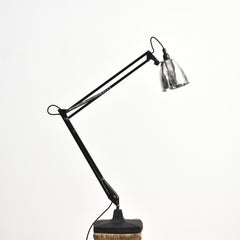
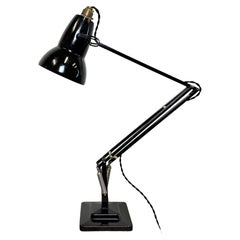
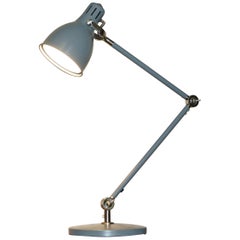
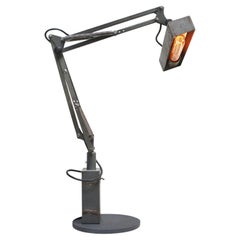
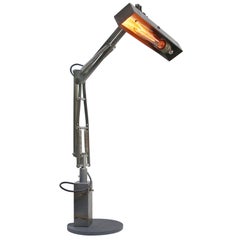
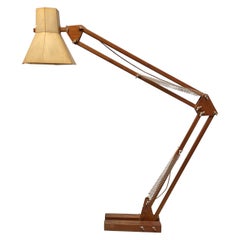
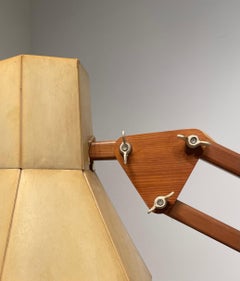
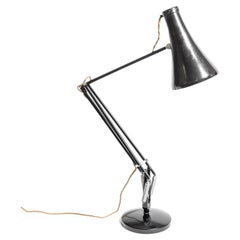
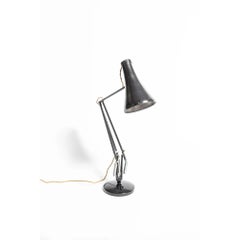
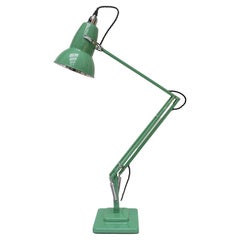
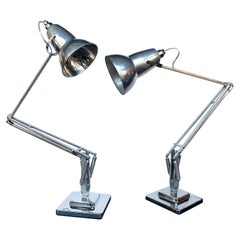
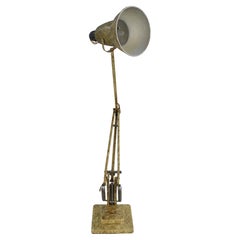
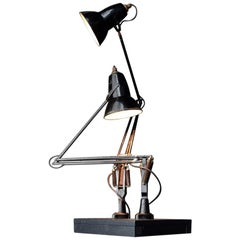
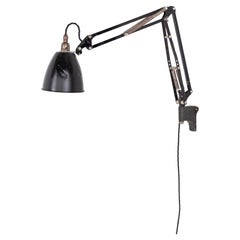
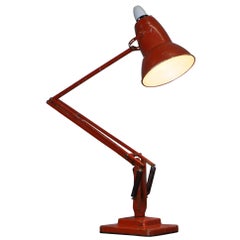
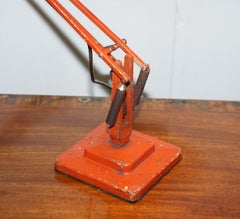
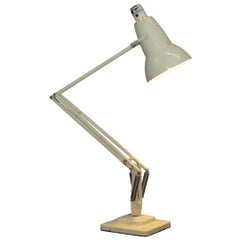
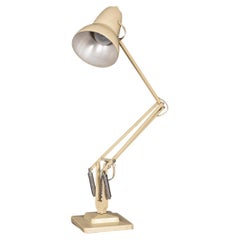
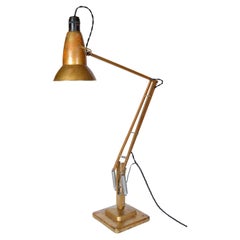
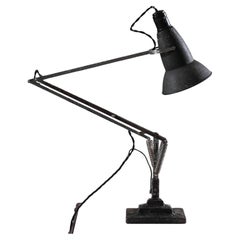
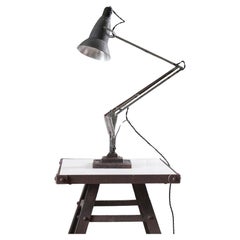
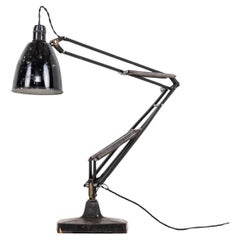
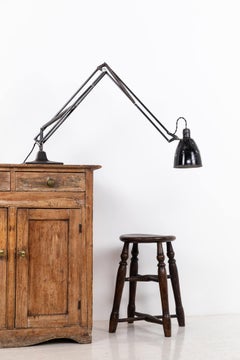
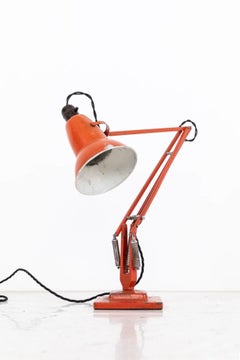
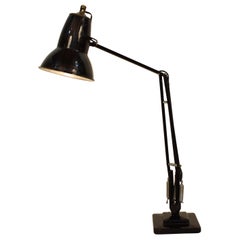
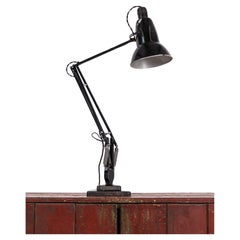
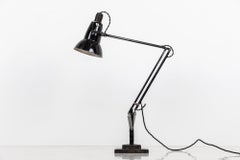
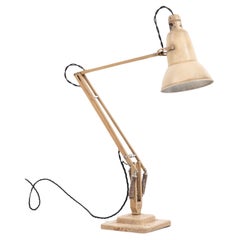
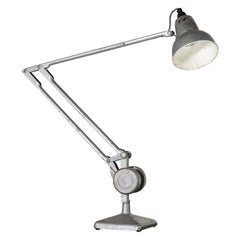
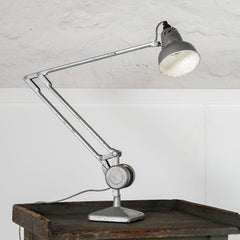
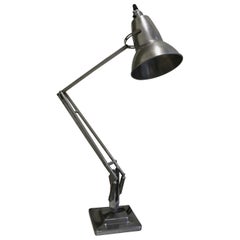
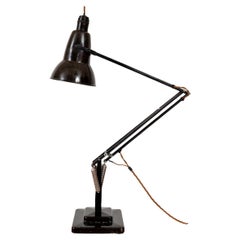
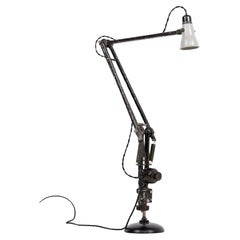
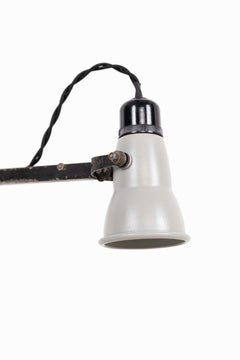
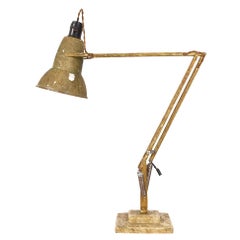
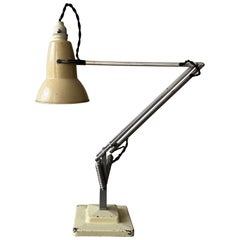
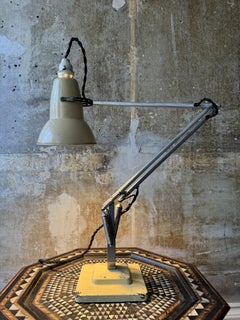
It would be impossible to list every writer, designer, photographer and filmmaker who has worked deep into the night helped by the illuminating beam of a vintage Anglepoise lamp. Since its 1934 debut, this ingenious task light has become one of the most celebrated examples of industrial design.
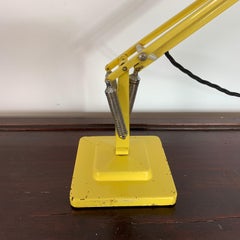
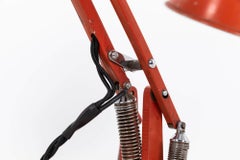
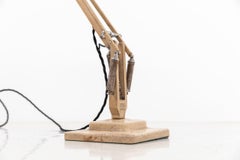
How the Anglepoise came to be is the stuff of design legend: In 1932, a vehicle-suspension engineer by the name of George Carwardine joined forces with a West Midlands springs manufacturer, Herbert Terry & Sons, to create a mechanism by which opposed springs would, as Carwardine explained, exert a “unidirectional constant force” on a pivoted lever that could counteract the force of gravity.
This invention was not destined for an auto but for a lamp Carwardine was developing. The innovation would allow the piece’s articulated arm to be moved with ease to almost any position and remain there.
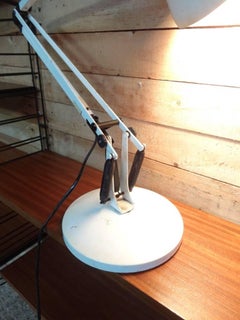
The four-spring design was considered too industrial for domestic settings, so the Carwardine-Terry team set to work creating a streamlined version, still found in offices and on bedside tables today: the three-spring Original 1227. As the product of engineering acumen rather than fashion, the Anglepoise soon became a favorite among modernist architects and designers, who interpreted it as “a machine for lighting,” just as Le Corbusier had reimagined the house as “a machine for living in.”
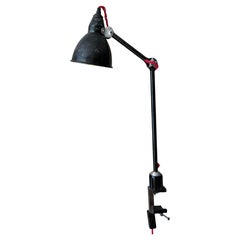
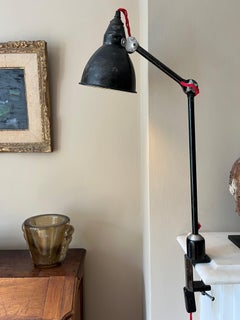
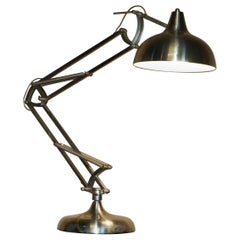
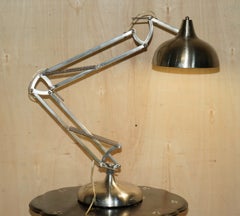
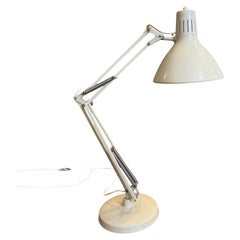
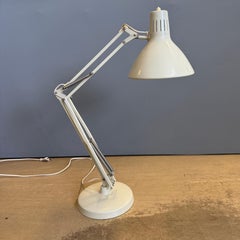
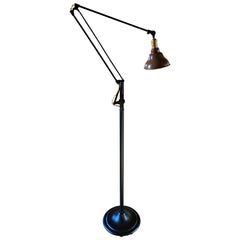
Of course, it had rivals from the first. The 1930 Bestlite — another British success story — was one of the earliest Bauhaus-influenced designs, created by Robert Dudley Best, who had studied under Walter Gropius at the Bauhaus in Dessau. German modernist Karl Trabert’s 1930s desk lamp for Schanzenbach & Co. was notable for its domed shade above a hinged arm.
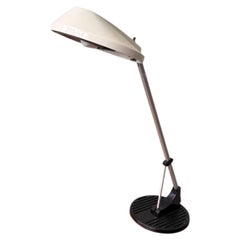
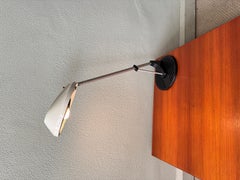
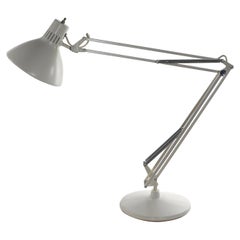
By the 1980s, the most intense competition to the Anglepoise was coming from Italy, with firms such as Artemide offering the Tolomeo desk lamp, by Michele de Lucchi and Giancarlo Fassina, and the Tizio lamp, by Richard Sapper (the Tolomeo, incidentally, featured the patented Carwardine mechanism used in the original Anglepoise, proving that even half a century later, it was an engineering feat hard to beat).
New York–based furniture dealer Otto Binx, who specializes in modern and postmodern design, is a fan. “It was industrial chic before that was even a thing, from its bonnet-like shade to the series of joints that mirror our own neck, hips, knees and ankles,” says Binx. “For me, it is a symbol of British excellence and humble perseverance.”
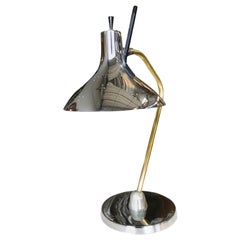
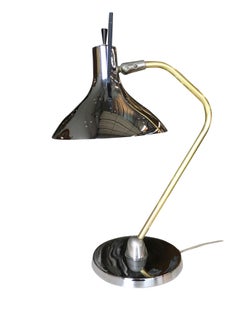
Find vintage Anglepoise desk lamps and other desk lamps and table lamps on 1stDibs.
Antique table lamps became a category of their own once electricity moved light off the wall and onto furniture. The form split quickly: task-driven designs like the Anglepoise on one side, decorative ceramic and glass on the other.
Styles to Know
Base material shapes the light as much as the shade does: ceramic and glass diffuse a softer glow, while brass and metal read more directional. Layer the look with a mid-century modern floor lamp for ambient light, or set a pair on a mid-century modern nightstand for a bedroom.
How to Choose the Right Vintage Table Lamp
Buying individually rather than as a pair allows more flexibility when mixing eras across a room. For those shopping by name rather than by shape, the history of the Anglepoise lamp is worth a read. Each piece comes from a vetted 1stDibs seller, with era, designer and condition detailed, and the 1stDibs Promise stands behind every purchase.