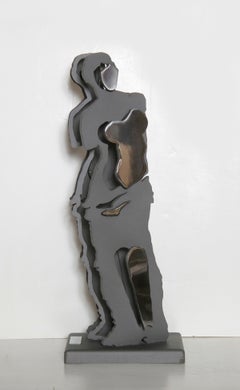
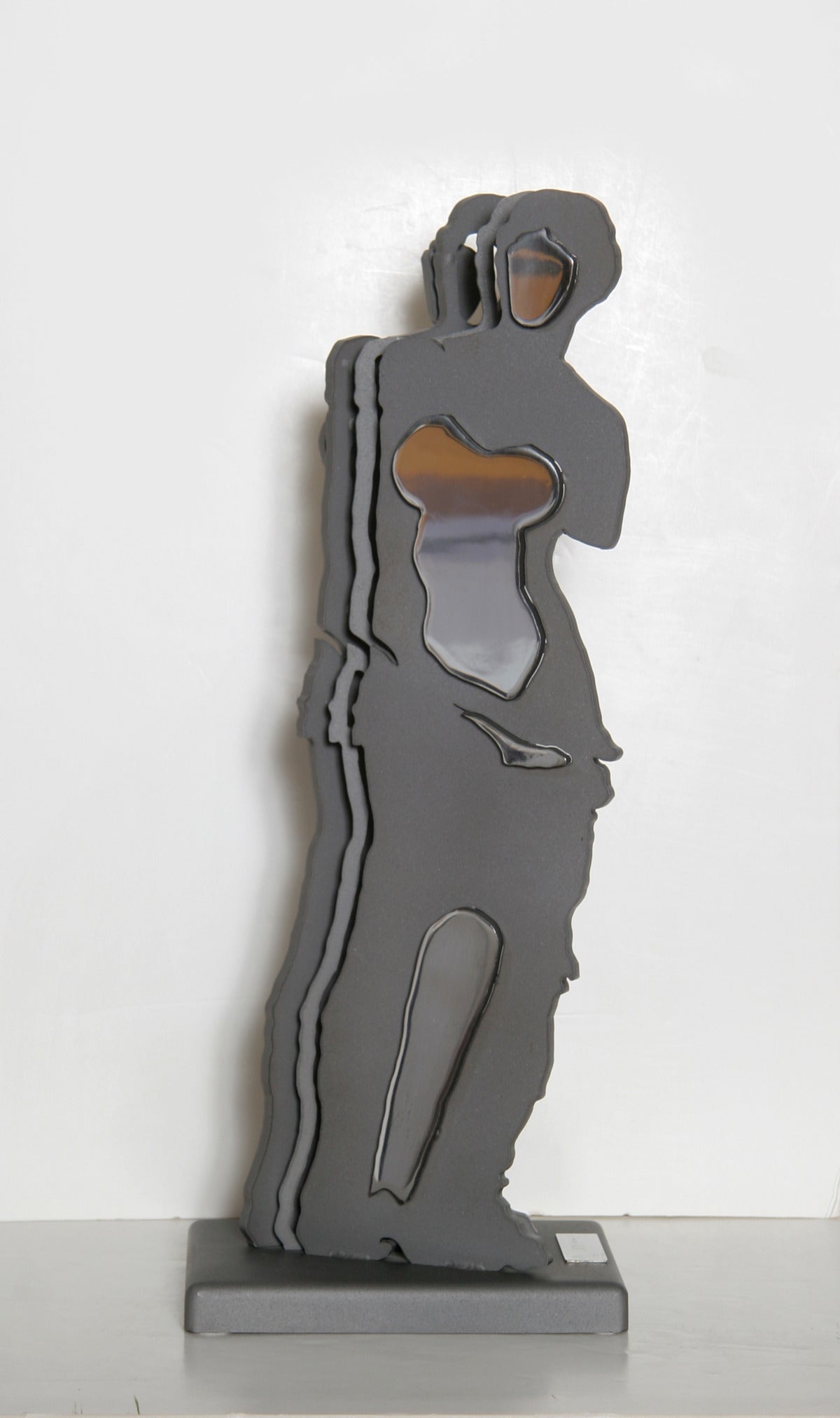
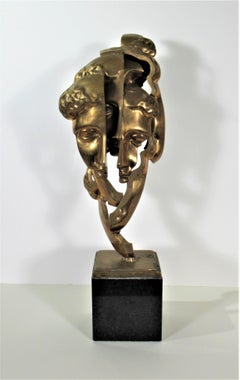
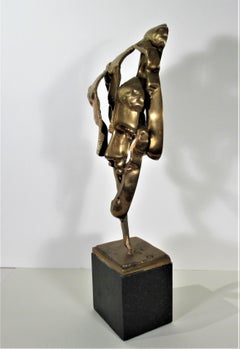
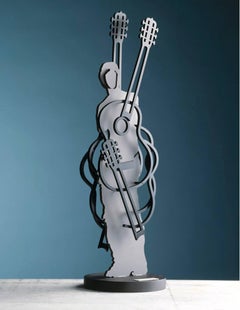
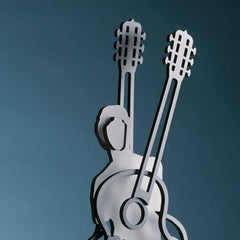
There is a broad range of arman venus for sale on 1stDibs. Finding the ideal
modern,
contemporary or
Pop Art examples of these works for your living room, whether you’re looking for small- or large-size pieces, is no easy task — start by shopping our selection today. These items have been made for many years, with versions that date back to the 20th Century alongside those produced as recently as the 21st Century. Adding a colorful piece of art to a room that is mostly decorated in warm neutral tones can yield a welcome change — see the arman venus on 1stDibs that include elements of
beige,
gray,
gold and more. Many versions of these artworks are appealing in their rich colors and composition, but
Théo Tobiasse,
Alben,
Fernandez Arman and
Yves Klein produced especially popular works that are worth a look. The range of these distinct pieces — often created in
lithograph,
etching and
metal — can elevate any room of your home. Large arman venus can be an attractive addition to some spaces, while the smaller iterations available — each spanning 3.55 inches in width — may make for a better choice for a more modest living area.
Arman venus can differ in price owing to various characteristics — the average selling price for items in our inventory is $1,500, while the lowest priced sells for $950 and the highest can go for as much as $39,178.
Arman (civil name Armand Pierre Fernandez, 1928 - 2005) was a French-US-American object artist and co-founder of Nouveau Réalisme - a style that took up ideas from Dadaism and is therefore also called Neo-Dadaism.
Real objects from everyday life are declared Ready-Mades, so that found objects and rubbish are arranged into assemblages, accumulations and collages.
He became artist friends with Yves Klein and Claude Pascal and was also artistically influenced by the work of the German Dadaist Kurt Schwitters and by his encounter with the art critic Pierre Restany, who later became the theoretician of Nouveau Réalisme.
After a trip to Europe in 1947, attended the École des Arts Décoratifs in Paris. From 1949 he changed to the École du Louvre
Figurative sculptures mix reality and imagination, with the most common muse being the human body. Animals are also inspirations for these sculptures, along with forms found in nature.
While figurative sculpture dates back over 35,000 years, the term came into popularity in the 20th century to distinguish it from abstract art. It was aligned with the Expressionist movement in that many of its artists portrayed reality but in a nonnaturalistic and emotional way. In the 1940s, Alberto Giacometti — a Swiss-born artist who was interested in African art, Cubism and Surrealism — created now-iconic representational sculptures of the human figure, and after World War II, figurative sculpture as a movement continued to flourish in Europe.
Lucian Freud and Francis Bacon were some of the leading figurative artists during this period. Artists like Jeff Koons and Maurizio Cattelan propelled the evolution of figurative sculpture into the 21st century.
Figurative sculptures can be whimsical, uncanny and beautiful. Their materials range from stone and wood to metal and delicate ceramics. Even in smaller sizes, the sculptures make bold statements. A bronze sculpture by Salvador Dalí enhances a room; a statuesque bull by Jacques Owczarek depicts strength with its broad chest while its thin legs speak of fragility. Figurative sculptures allow viewers to see what is possible when life is reimagined.
Browse 1stDibs for an extensive collection of figurative sculptures and find the next addition to your collection.