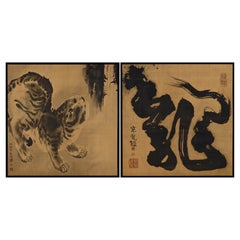
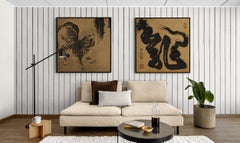
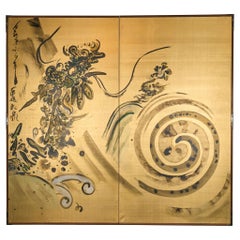
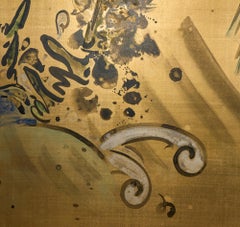
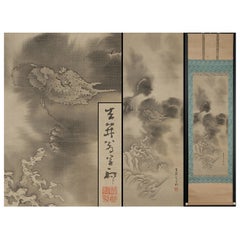
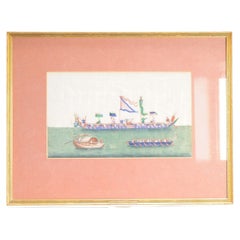
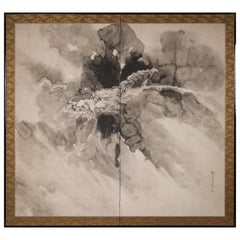
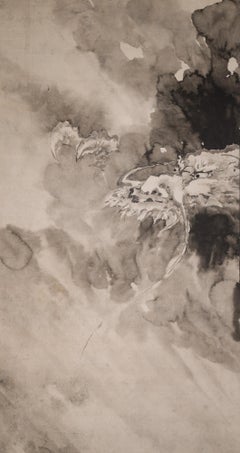
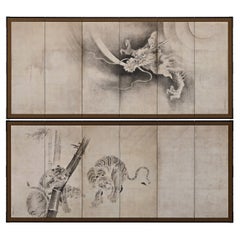
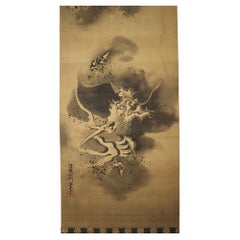
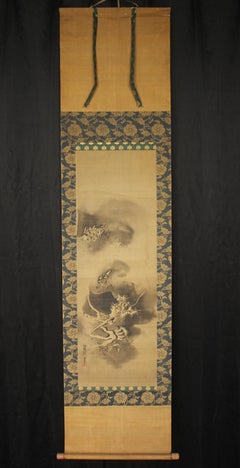
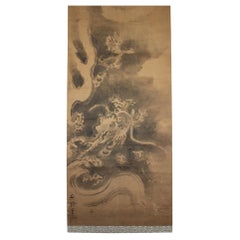
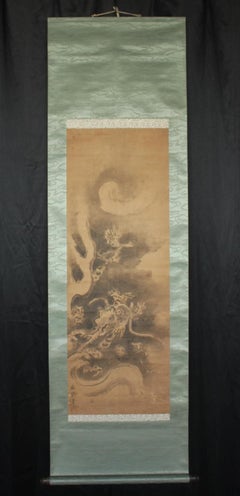
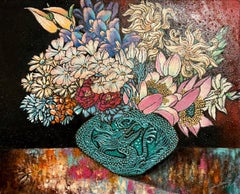
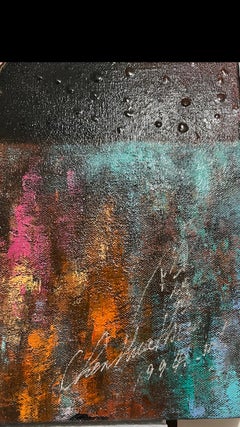
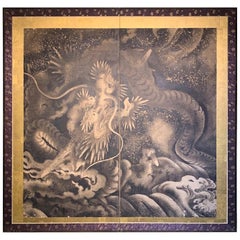
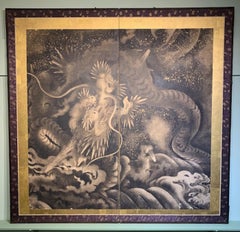
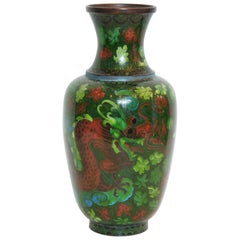
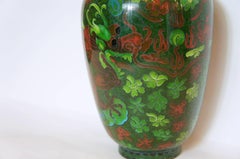
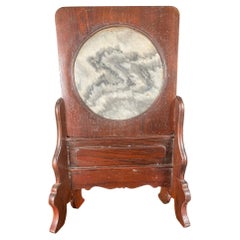
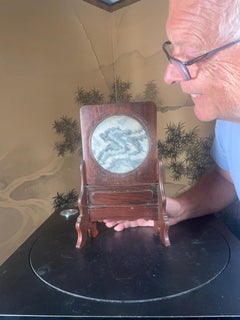
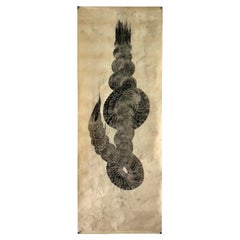
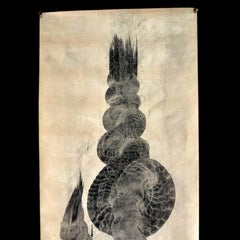
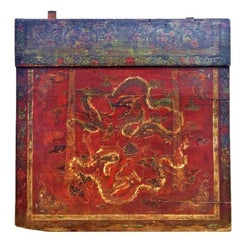
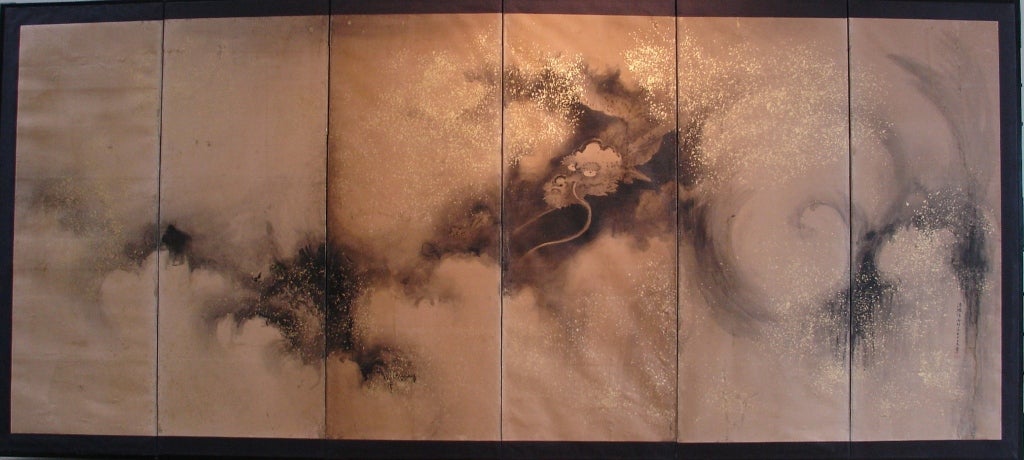
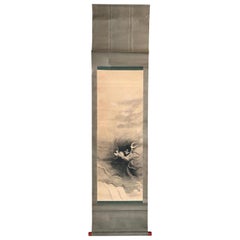
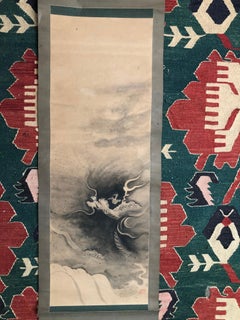
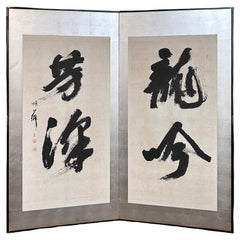
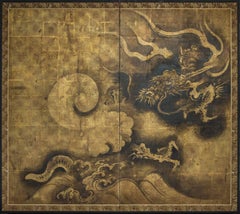
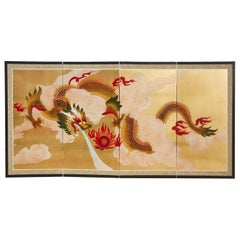
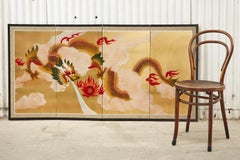
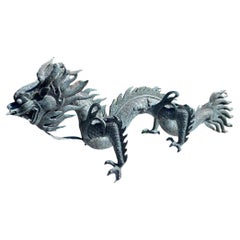
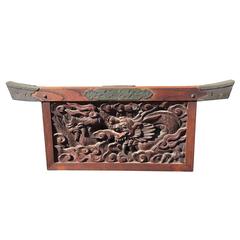
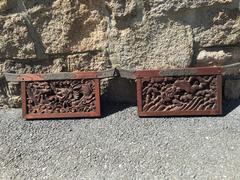
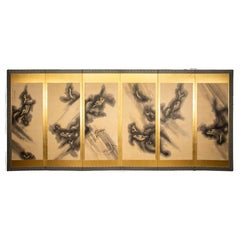
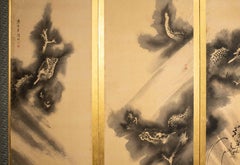
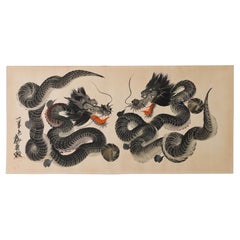
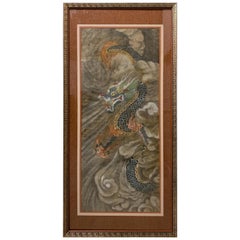
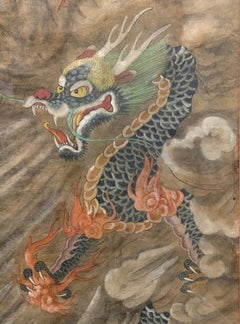
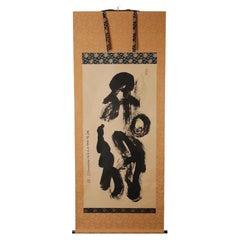
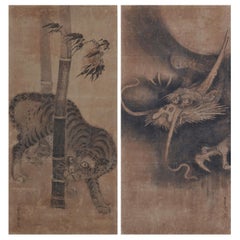
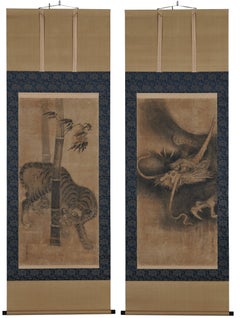
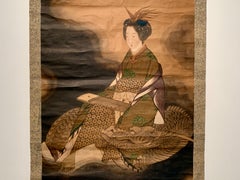
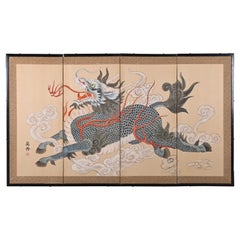
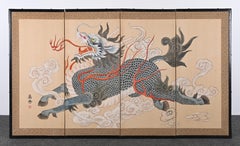
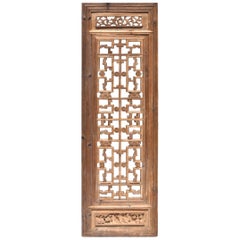
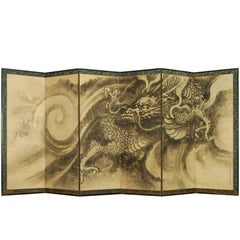
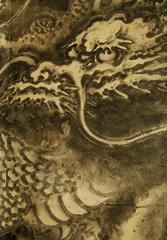
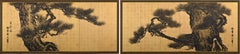
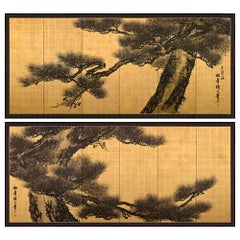
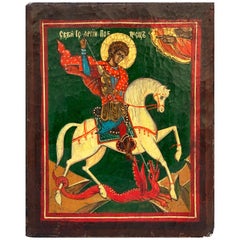
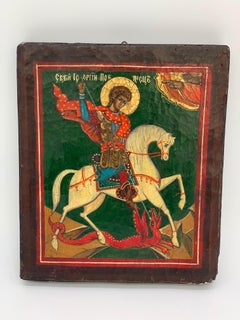
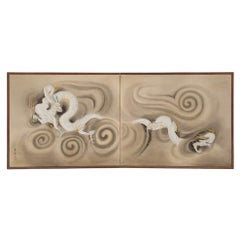
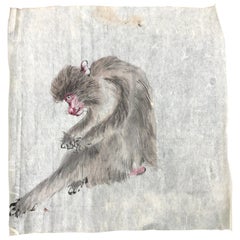
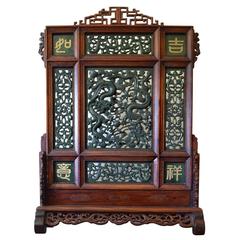
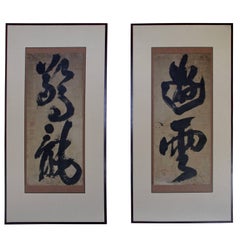
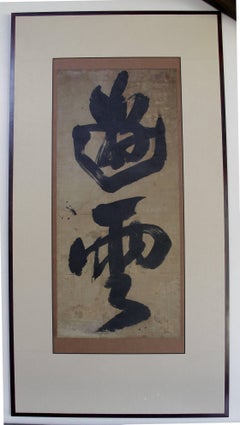
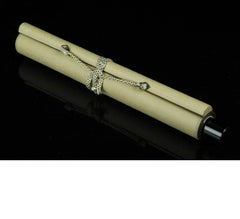
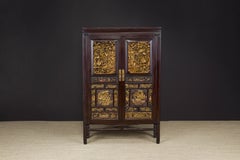
There is a range of Asian dragon paintings for sale on 1stDibs. Each of these unique Asian dragon paintings was constructed with extraordinary care, often using
paper,
wood and
fabric. Asian dragon paintings have long been popular, with older editions for sale from the 18th Century and newer versions made as recently as the 21st Century. There have been many well-made Asian dragon paintings over the years, but those made by
Ooka Shunboku are often thought to be among the most beautiful.
Prices for Asian dragon paintings can differ depending upon size, time period and other attributes — at 1stDibs, Asian dragon paintings begin at $295 and can go as high as $51,750, while the average can fetch as much as $1,850.
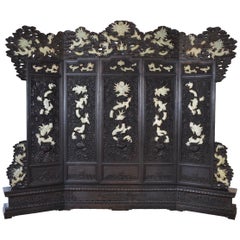
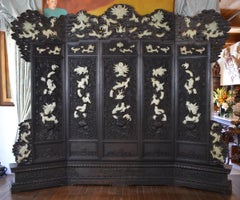
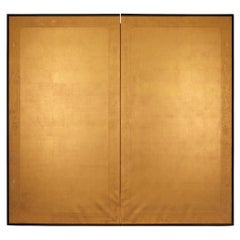
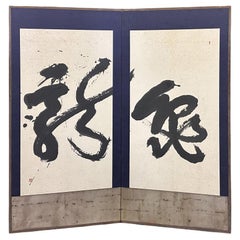
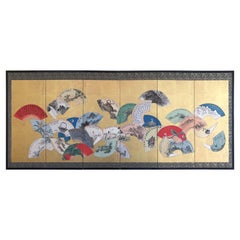
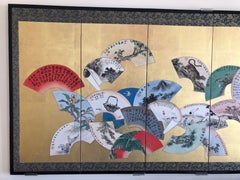
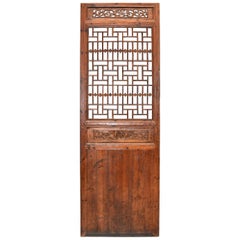
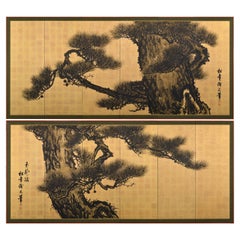
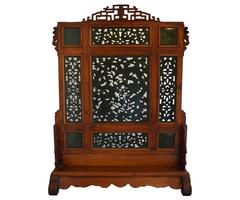
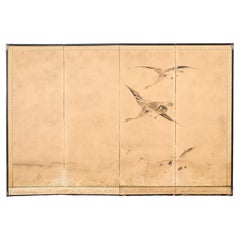
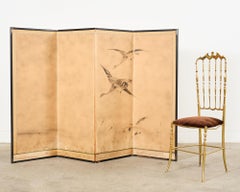
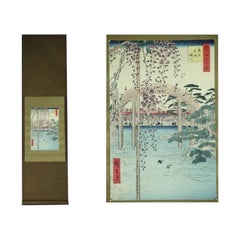
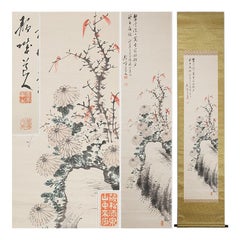
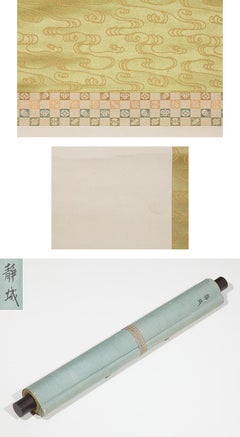
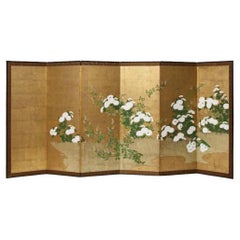
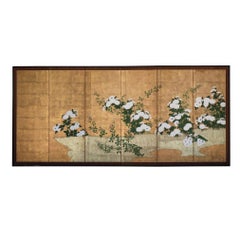
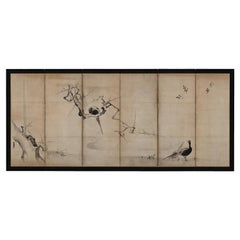
Traditional Asian paintings were often created on scrolls and folding screens. Artisans made screens that could be folded up or spread out by connecting several panels using hinges. Today, antique Asian folding screens and paintings are sophisticated decorative accents that can serve as makeshift partitions to ensure privacy.
The original folding screens were created by Chinese artists. The earliest record of screens comes from the 2nd century B.C., and surviving examples date back to the Ming dynasty. Chinese painting utilizes many of the same tools as calligraphy — these screens were crafted from wood with painted panels featuring striking art or calligraphy that told cultural stories or represented nature and life in the area.
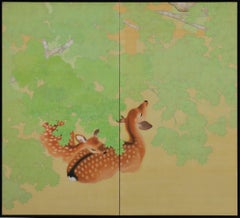
The practice was introduced to Japan, where paintings for screens were made on paper and silk, in the 8th century. These paintings frequently feature subjects such as landscapes, animals, flowers and Buddhist religious themes. Along with screens for tea ceremonies and dance backgrounds, there were screens for use in Shinto and Buddhist temples.
In the 17th century, screens began to be imported to Europe where their popularity grew. Coco Chanel famously collected Coromandel folding screens.
Traditional Asian paintings can make a tasteful addition to any wall, and screens can be used as decoration or, in the case of larger iterations, as an aesthetic way to divide a large room. Browse the selection of antique Asian paintings and screens from a variety of styles and eras on 1stDibs.