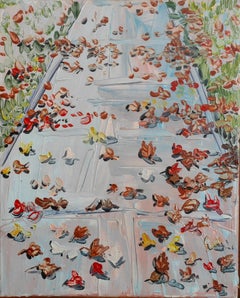
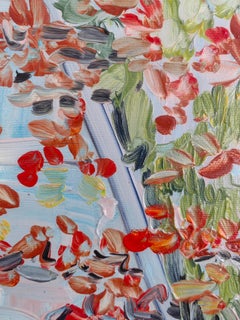
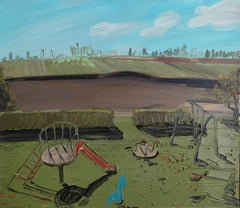
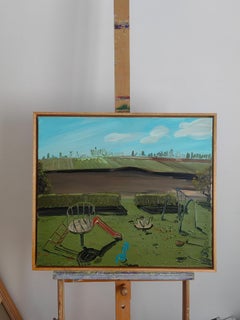
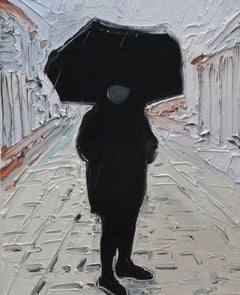
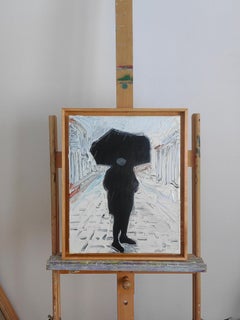
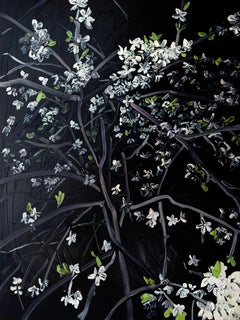
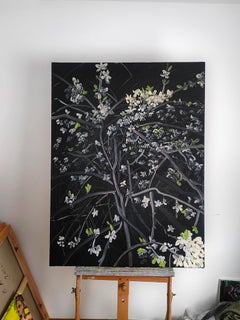
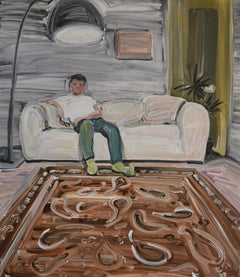
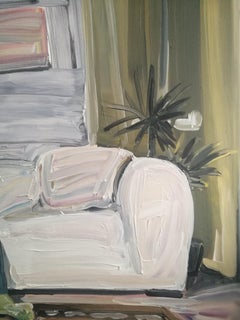
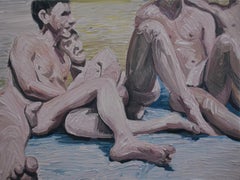
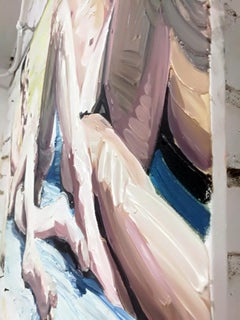
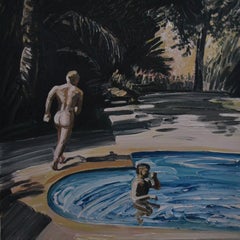
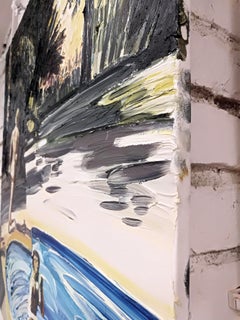
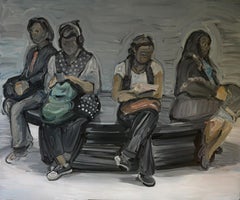
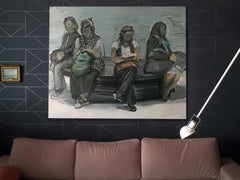
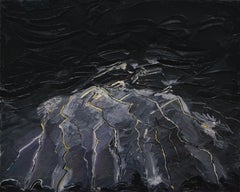
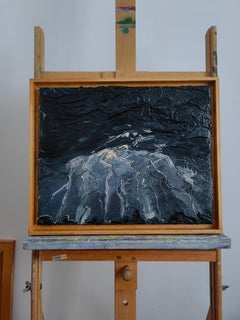
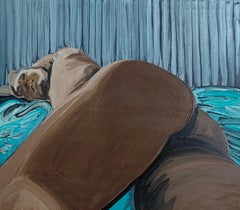
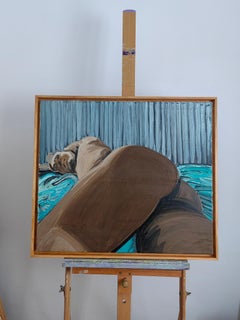
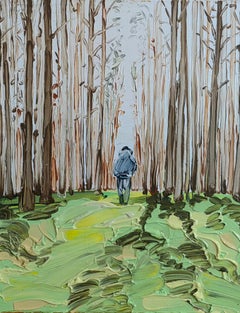
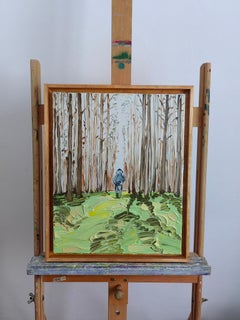
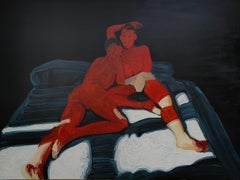
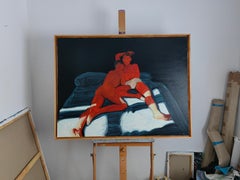
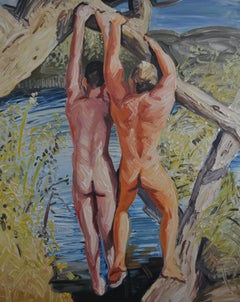
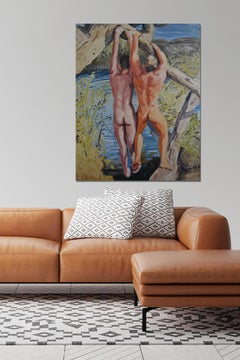
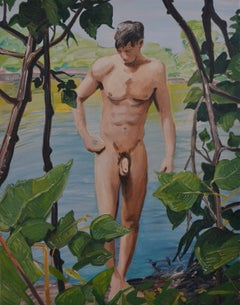
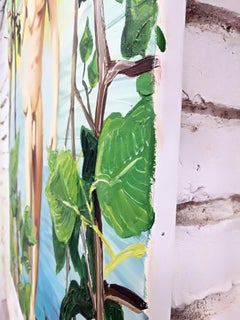
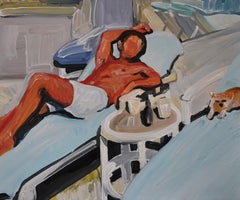
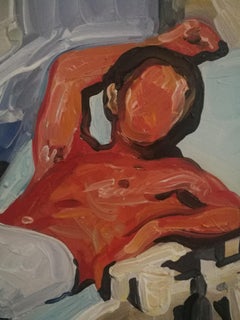
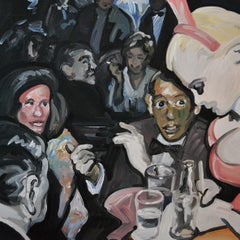
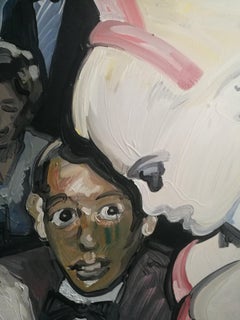
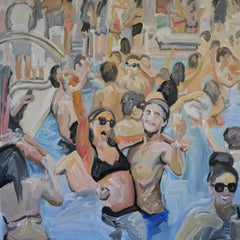
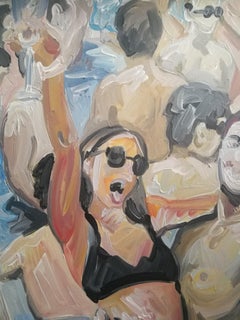
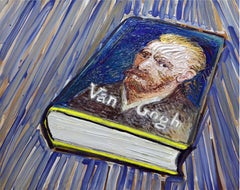
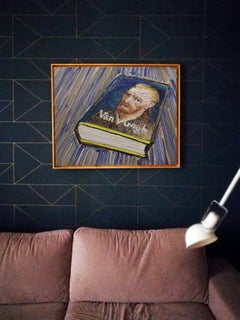
Bartosz Kolata For Sale on 1stDibs
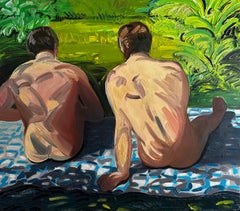
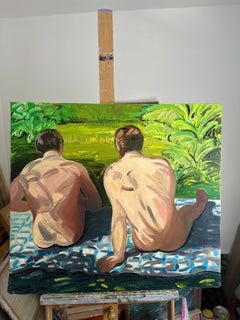
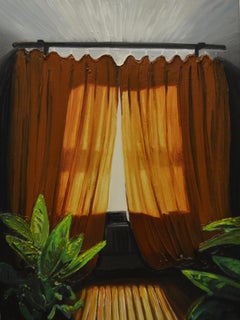
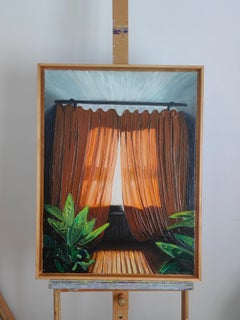
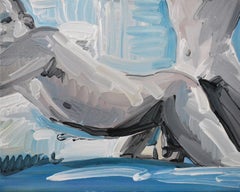
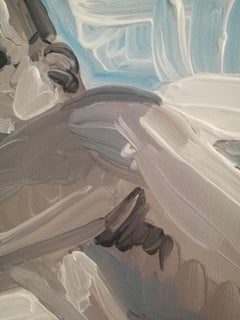
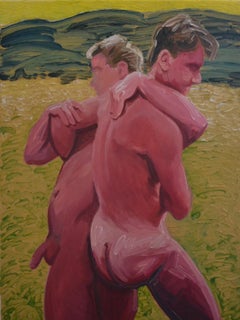
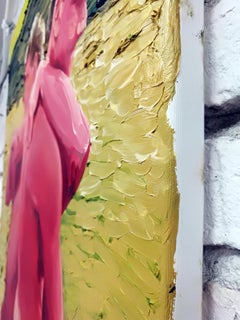
You are likely to find exactly the bartosz kolata you’re looking for on 1stDibs, as there is a broad range for sale. Adding a bartosz kolata to a room that is mostly decorated in warm neutral tones can yield a welcome change — find a piece on 1stDibs that incorporates elements of
gray,
black,
brown and more. These artworks were handmade with extraordinary care, with artists most often working in
canvas,
fabric and
oil paint. A large bartosz kolata can be an attractive addition to some spaces, while smaller examples are available — approximately spanning 19.69 high and 15.75 wide — and may be better suited to a more modest living area.
How Much is a Bartosz Kolata?
A bartosz kolata can differ in price owing to various characteristics — the average selling price for items in our inventory is $1,836, while the lowest priced sells for $1,778 and the highest can go for as much as $10,097.
Bartosz Kolata for sale on 1stDibs
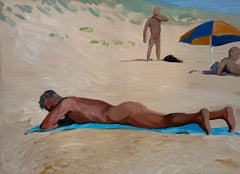
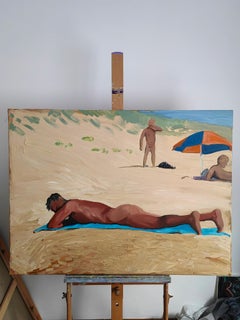
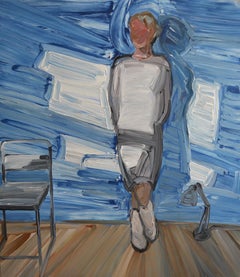
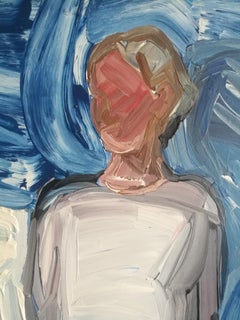
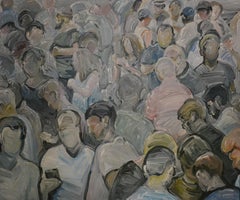
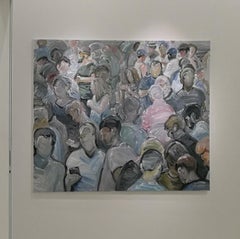
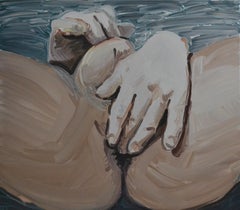
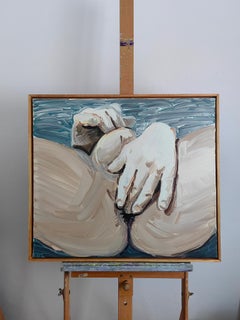
Bartosz Kolata was born in Toruń, Poland, in 1979. In 2006 he graduated in art conservation and restoration from Nicolaus Copernicus University UMK, securing a master of art degree. He has lived in Dublin since 2005. He was the finalist of the Luxembourg Art Award in 2016, and I Prize Manifest in 2012. He won the Kinsale Festival Award in 2010, The Cill Rialaig Artists Project, Ballinskelligs, Ireland, in 2007 and the first prize in the Irish Art Award in 2007 by the Digital HUB, Dublin, Ireland. His works are on exhibit in the collections of The Office of Public Works in Dublin, Joshua Cooper Ramo (New York), Declan Moylan (Dublin), Mason Hayes+Curran (Dublin), Holles St Hospital (Dublin) and private collections in Europe, USA, Colombia.
A Close Look at Contemporary Art
Used to refer to a time rather than an aesthetic, Contemporary art generally describes pieces created after 1970 or being made by living artists anywhere in the world. This immediacy means it encompasses art responding to the present moment through diverse subjects, media and themes. Contemporary painting, sculpture, photography, performance, digital art, video and more frequently includes work that is attempting to reshape current ideas about what art can be, from Felix Gonzalez-Torres’s use of candy to memorialize a lover he lost to AIDS-related complications to Jenny Holzer’s ongoing “Truisms,” a Conceptual series that sees provocative messages printed on billboards, T-shirts, benches and other public places that exist outside of formal exhibitions and the conventional “white cube” of galleries.
Contemporary art has been pushing the boundaries of creative expression for years. Its disruption of the traditional concepts of art are often aiming to engage viewers in complex questions about identity, society and culture. In the latter part of the 20th century, contemporary movements included Land art, in which artists like Robert Smithson and Michael Heizer create large-scale, site-specific sculptures, installations and other works in soil and bodies of water; Sound art, with artists such as Christian Marclay and Susan Philipsz centering art on sonic experiences; and New Media art, in which mass media and digital culture inform the work of artists such as Nam June Paik and Rafaël Rozendaal.
The first decades of the 21st century have seen the growth of Contemporary African art, the revival of figurative painting, the emergence of street art and the rise of NFTs, unique digital artworks that are powered by blockchain technology.
Major Contemporary artists practicing now include Ai Weiwei, Cecily Brown, David Hockney, Yayoi Kusama, Jeff Koons, Takashi Murakami and Kara Walker.
Find a collection of Contemporary prints, photography, paintings, sculptures and other art on 1stDibs.
Finding the Right Figurative-paintings for You
Figurative art, as opposed to abstract art, retains features from the observable world in its representational depictions of subject matter. Most commonly, figurative paintings reference and explore the human body, but they can also include landscapes, architecture, plants and animals — all portrayed with realism.
While the oldest figurative art dates back tens of thousands of years to cave wall paintings, figurative works made from observation became especially prominent in the early Renaissance. Artists like Michelangelo, Leonardo da Vinci and other Renaissance masters created naturalistic representations of their subjects.
Pablo Picasso is lauded for laying the foundation for modern figurative art in the 1920s. Although abstracted, this work held a strong connection to representing people and other subjects. Other famous figurative artists include Francis Bacon and Lucian Freud. Figurative art in the 20th century would span such diverse genres as Expressionism, Pop art and Surrealism.
Today, a number of figural artists — such as Sedrick Huckaby, Daisy Patton and Eileen Cooper — are making art that uses the human body as its subject.
Because figurative art represents subjects from the real world, natural colors are common in these paintings. A piece of figurative art can be an exciting starting point for setting a tone and creating a color palette in a room.
Browse an extensive collection of figurative paintings on 1stDibs.