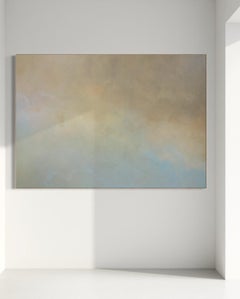
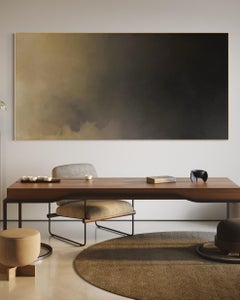
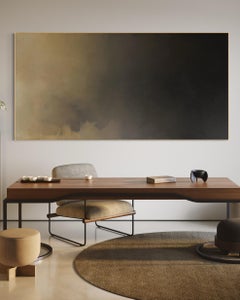
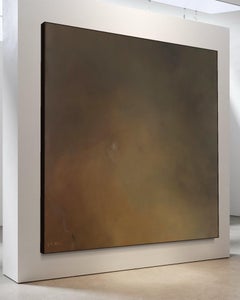
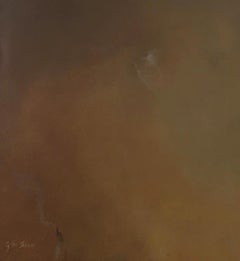
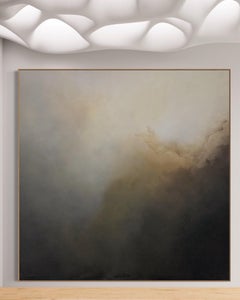
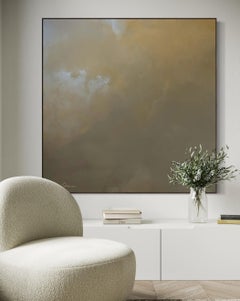
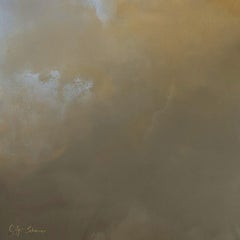
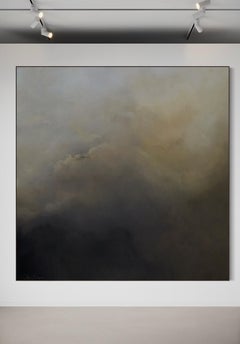
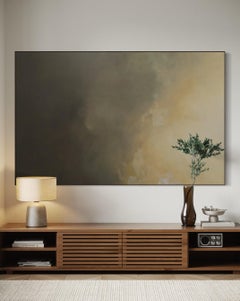
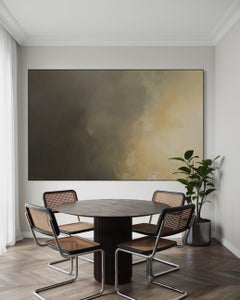
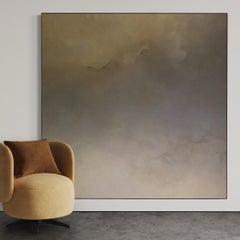
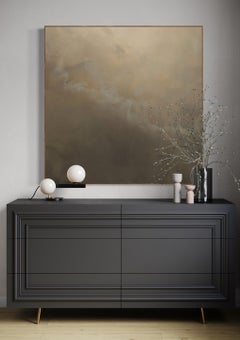
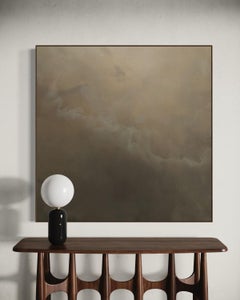
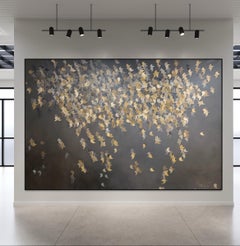
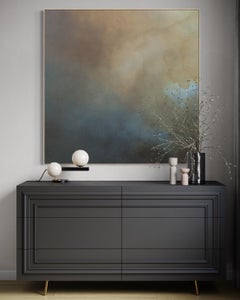
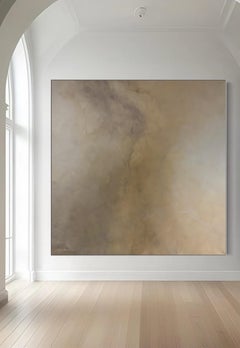
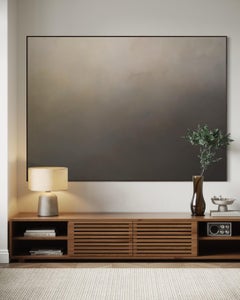
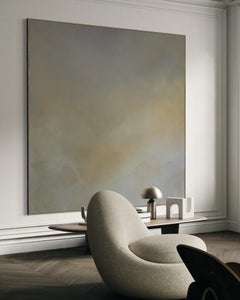
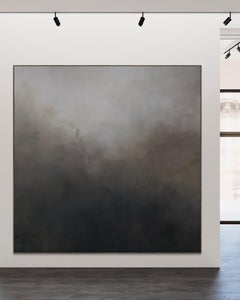
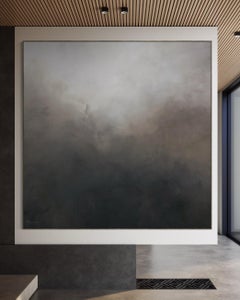
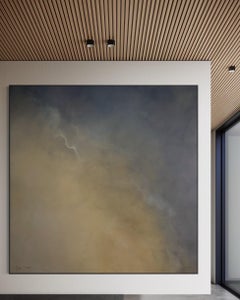
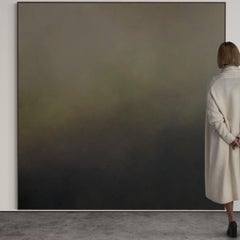
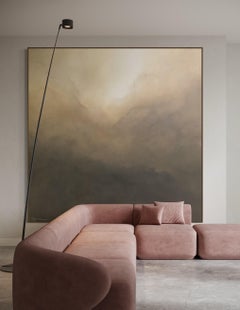
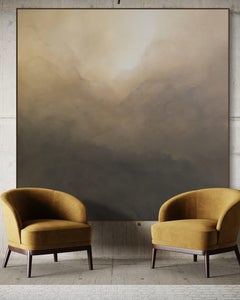
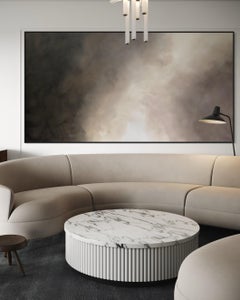
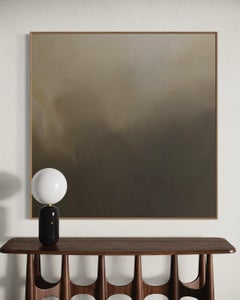
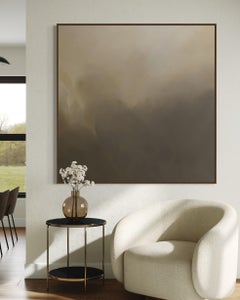
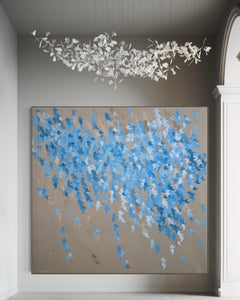
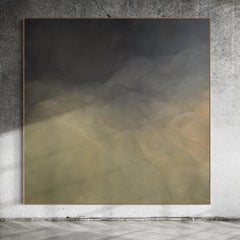
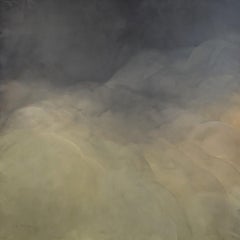
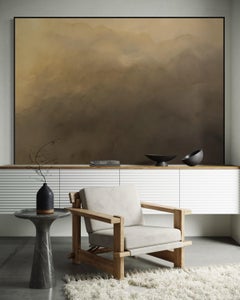
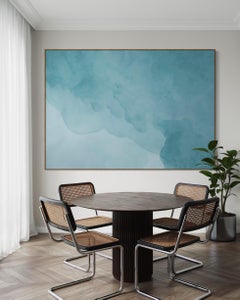
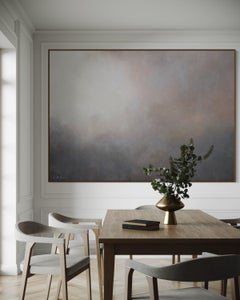
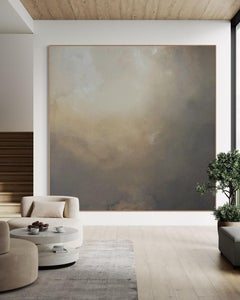
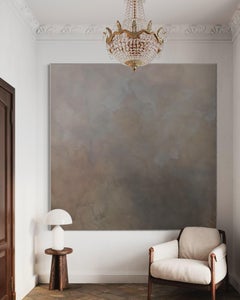
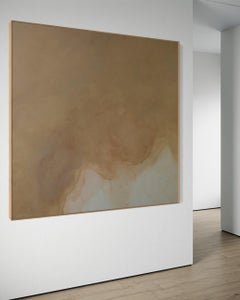
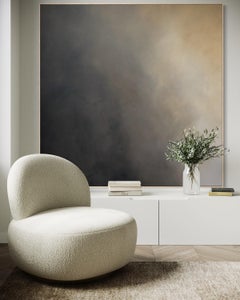
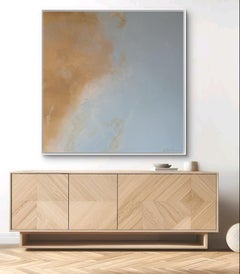
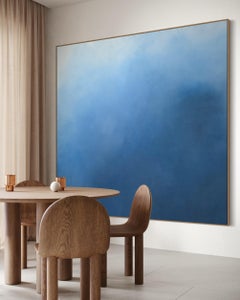
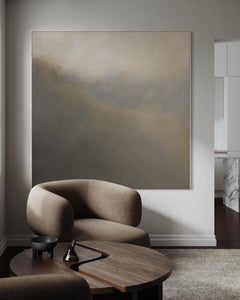
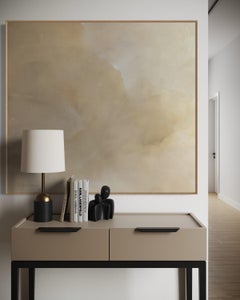
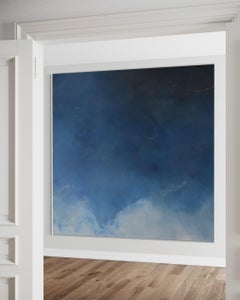
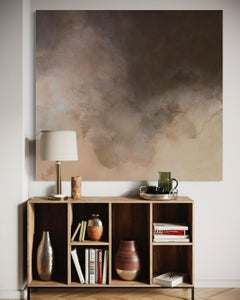
Capella Star For Sale on 1stDibs
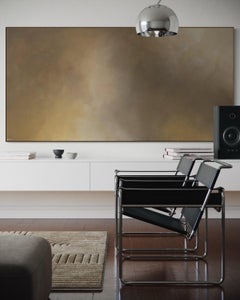
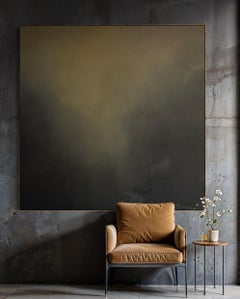
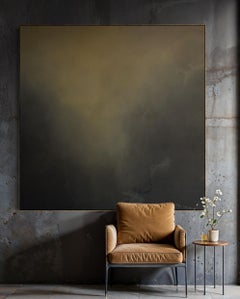
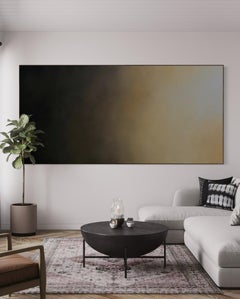
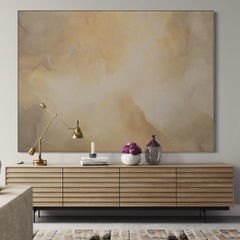
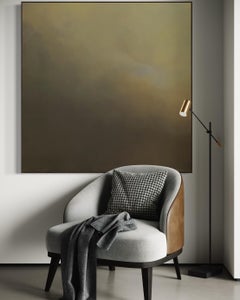
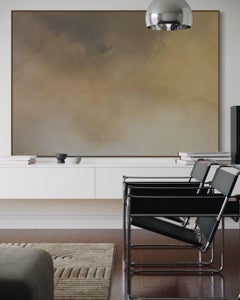
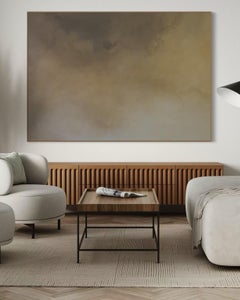
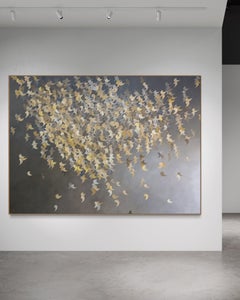
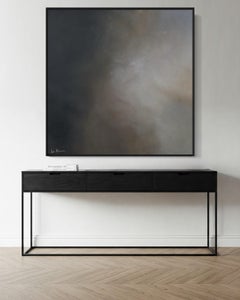
On 1stDibs, you can find the most appropriate capella star for your needs in our varied inventory. There are many
abstract and
Pop Art versions of these works for sale. If you’re looking to add a capella star to create new energy in an otherwise neutral space in your home, you can find a work on 1stDibs that features elements of
gray,
brown,
black,
beige and more. There have been many interesting capella star examples over the years, but those made by
Gabriela Azar Schreiner and
Michele Mikesell are often thought to be among the most thought-provoking. Artworks like these of any era or style can make for thoughtful decor in any space, but a selection from our variety of those made in
paint,
acrylic paint and
synthetic resin paint can add an especially memorable touch.
How Much is a Capella Star?
The price for a capella star in our collection starts at $1,490 and tops out at $22,000 with the average selling for $3,990.
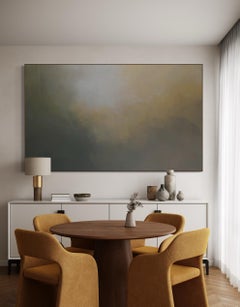
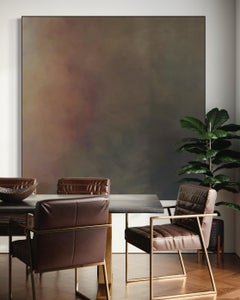
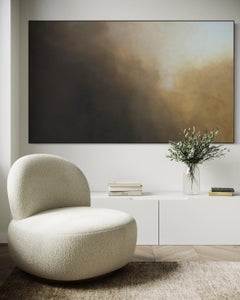
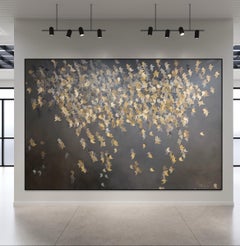
Gabriela Azar Schreiner for sale on 1stDibs
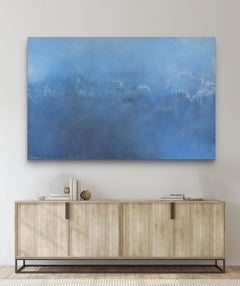
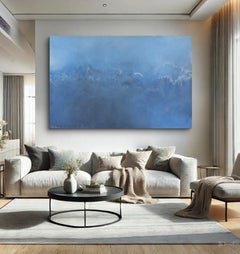
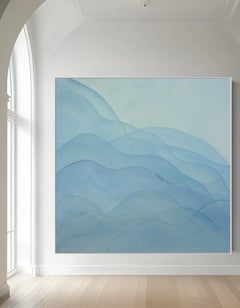
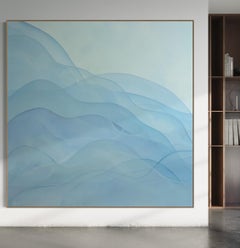
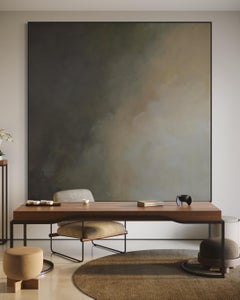
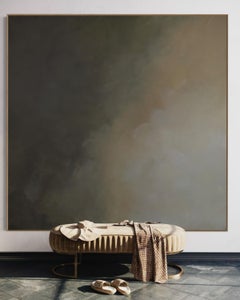
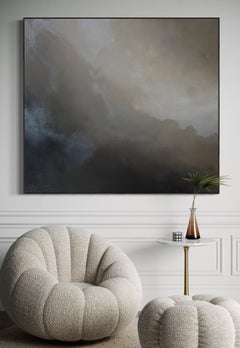
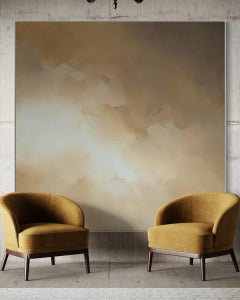
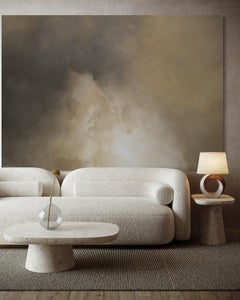
"Creating large-scale abstract paintings that evoke tranquility and presence in any space."
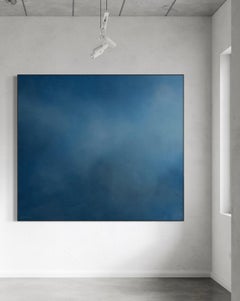
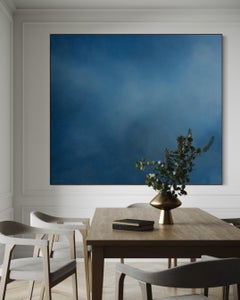
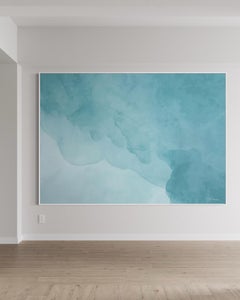
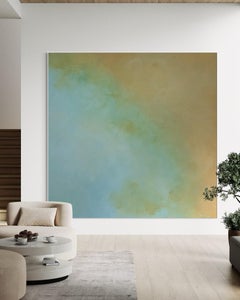
Gabriela Azar Schreiner is an Argentinian-born Australian painter based in Melbourne. Her large-scale artworks are held in private and corporate collections across Australia and internationally, bringing quiet intensity and depth to spaces.
Her compositions are instantly noticeable for their organic forms, seamless transitions, and ethereal colour palettes. Each piece evokes a sense of tranquility and presence, offering a visual experience that feels both expansive and intimate. Gabriela’s intuitive approach to painting allows moods and feelings to guide her work. Rather than focusing on fixed subjects, she lets her paintings evolve naturally, building layers of colour that develop organically, with every shift revealing the unfolding nature of her thoughts and sentiments, leading to a harmonious outcome.
Her artworks offer a visual invitation to pause and contemplate, offering a dynamic energy that resonates long after viewing.
Selling houses Australia 2024/2025
Fake- Paramount +
Dream homes 2024
The Block - House 4 - 2021
Gran design Australia Magazine
Exhibitions
2025
Force of nature
2025
Love story
2025
Whispers and Shouts
2024
Salon, Art lovers Australia
2024
Subiaco, TAHA
2024
ECHOES OF EARTH, Art lovers Australia
2024
Artist's Palette, ALA
2024
40 x 40, Bluethumb
2024
Breaking boundaries, ALA
2023
Surface, ALA Melbourne Gallery
2023
Statement Makers, Bluethumb gallery
2023
Colour Spectrum , ALA Melbourne Gallery
2023
Collector’s Edition exhibition, ALA Melbourne Gallery
2022
Bold, ALA Melbourne Gallery
2022
Collector’s Edition exhibition, ALA Melbourne Gallery
2021
Unwrapped, ALA Melbourne Gallery
A Close Look at Abstract Art
Beginning in the early 20th century, abstract art became a leading style of modernism. Rather than portray the world in a way that represented reality, as had been the dominating style of Western art in the previous centuries, abstract paintings, prints and sculptures are marked by a shift to geometric forms, gestural shapes and experimentation with color to express ideas, subject matter and scenes.
Although abstract art flourished in the early 1900s, propelled by movements like Fauvism and Cubism, it was rooted in the 19th century. In the 1840s, J.M.W. Turner emphasized light and motion for atmospheric paintings in which concrete details were blurred, and Paul Cézanne challenged traditional expectations of perspective in the 1890s.
Some of the earliest abstract artists — Wassily Kandinsky and Hilma af Klint — expanded on these breakthroughs while using vivid colors and forms to channel spiritual concepts. Painter Piet Mondrian, a Dutch pioneer of the art movement, explored geometric abstraction partly owing to his belief in Theosophy, which is grounded in a search for higher spiritual truths and embraces philosophers of the Renaissance period and medieval mystics. Black Square, a daringly simple 1913 work by Russian artist Kazimir Malevich, was a watershed statement on creating art that was free “from the dead weight of the real world,” as he later wrote.
Surrealism in the 1920s, led by artists such as Salvador Dalí, Meret Oppenheim and others, saw painters creating abstract pieces in order to connect to the subconscious. When Abstract Expressionism emerged in New York during the mid-20th century, it similarly centered on the process of creation, in which Helen Frankenthaler’s expressive “soak-stain” technique, Jackson Pollock’s drips of paint, and Mark Rothko’s planes of color were a radical new type of abstraction.
Conceptual art, Pop art, Hard-Edge painting and many other movements offered fresh approaches to abstraction that continued into the 21st century, with major contemporary artists now exploring it, including Anish Kapoor, Mark Bradford, El Anatsui and Julie Mehretu.
Find original abstract paintings, sculptures, prints and other art on 1stDibs.
Finding the Right Abstract-paintings for You
Bring audacious experiments with color and textures to your living room, dining room or home office. Abstract paintings, large or small, will stand out in your space, encouraging conversation and introducing a museum-like atmosphere that’s welcoming and conducive to creating memorable gatherings.
Abstract art has origins in 19th-century Europe, but it came into its own as a significant movement during the 20th century. Early practitioners of abstraction included Wassily Kandinsky, although painters were exploring nonfigurative art prior to the influential Russian artist’s efforts, which were inspired by music and religion. Abstract painters endeavored to create works that didn’t focus on the outside world’s conventional subjects, and even when artists depicted realistic subjects, they worked in an abstract mode to do so.
In 1940s-era New York City, a group of painters working in the abstract mode created radical work that looked to European avant-garde artists as well as to the art of ancient cultures, prioritizing improvisation, immediacy and direct personal expression. While they were never formally affiliated with one another, we know them today as Abstract Expressionists.
The male contingent of the Abstract Expressionists, which includes Jackson Pollock, Willem de Kooning and Robert Motherwell, is frequently cited in discussing leading figures of this internationally influential postwar art movement. However, the women of Abstract Expressionism, such as Helen Frankenthaler, Lee Krasner, Joan Mitchell and others, were equally involved in the art world of the time. Sexism, family obligations and societal pressures contributed to a long history of their being overlooked, but the female Abstract Expressionists experimented vigorously, developed their own style and produced significant bodies of work.
Draw your guests into abstract oil paintings across different eras and countries of origin. On 1stDibs, you’ll find an expansive range of abstract paintings along with a guide on how to arrange your wonderful new wall art.
If you’re working with a small living space, a colorful, oversize work can create depth in a given room, but there isn’t any need to overwhelm your interior with a sprawling pièce de résistance. Colorful abstractions of any size can pop against a white wall in your living room, but if you’re working with a colored backdrop, you may wish to stick to colors that complement the decor that is already in the space. Alternatively, let your painting make a statement on its own, regardless of its surroundings, or group it, gallery-style, with other works.