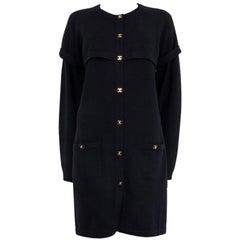
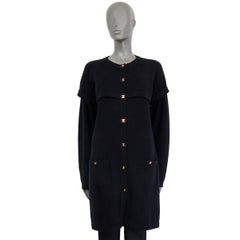
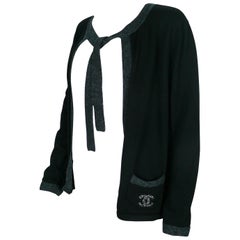
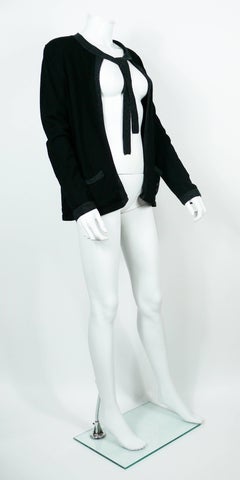
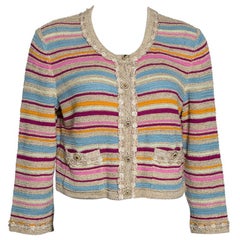
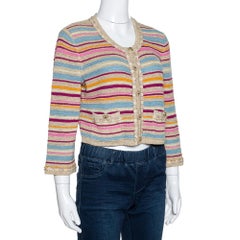
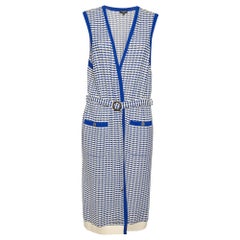
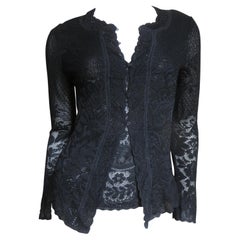
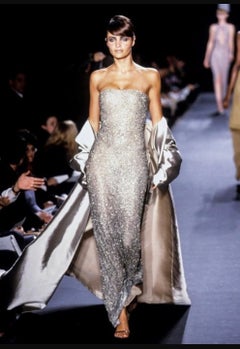
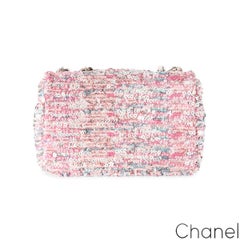
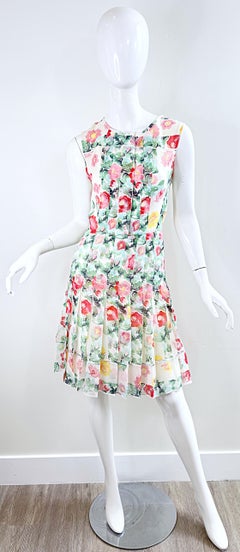
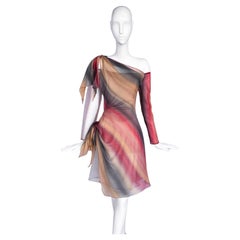
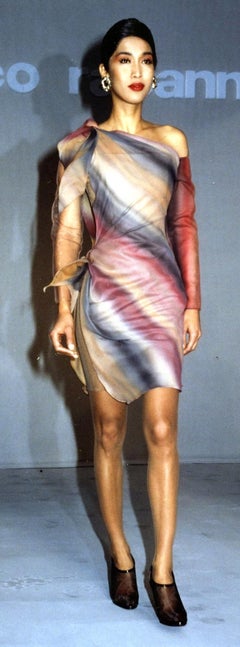
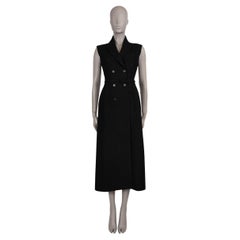
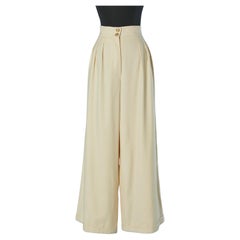
In the years following the opening of her modest millinery shop, Gabrielle "Coco" Chanel became a pivotal designer of both fashionable casual wear and Paris haute couture as well as an icon and arbiter of 20th-century style with her bob haircut and pearls. Today vintage Chanel handbags, jackets and evening dresses are among the most sought-after clothing and accessories for fashion lovers all over the world.
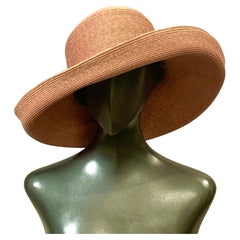
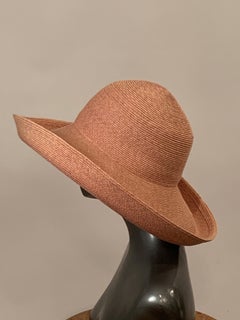
The first Chanel shop was established in 1910 in Paris on rue Cambon by the young milliner Gabrielle Chanel (1883–1971), who had picked up the nickname “Coco” while working as a club singer. The boutique drew the attention of the Parisian fashion elite who popularized her wide-brimmed Chanel Modes hats. Soon she added a sportswear store in the Normandy resort town of Deauville, where Coco set the tone for her defining sense of style — traditionally masculine garments reimagined for feminine shapes, made from simple jersey fabric.
Effortless and elegant, Chanel's designs promoted comfort and grace in women’s wear that had been dominated in the previous century by complicated layers of fabric and cumbersome corsets. She followed this success with a couture house, opened in 1915 in Biarritz.
But Chanel was not born into a life of glamour. Following the death of her mother, her father left her in an orphanage where she lived until the age of 18. It was there that she learned to sew as well as appreciate the classic pairing of black and white as worn by the nuns.
In 1926, Chanel introduced her first little black dress, reclaiming a color that had once been reserved for mourning and working-class women. That same decade, she debuted her perfume, Chanel No. 5, as well as the Chanel suit with a fitted skirt, inspired by the boxy lines of men’s clothing and employing a sporty tweed.
Chanel closed her fashion operations during World War II, then returned to the industry in 1954 to design for the functional needs of modern women.
Structure and wearability endured in all of Chanel’s clothing and accessories, like the quilted leather 2.55 handbag — a 1955 update of a 1920s-era design — with its gold-chain shoulder strap that freed up a woman’s hands. The 1957 two-tone slingback pumps had a practical heel height while offering a bold statement in the black tip of the shoes. Her collarless jacket reacted against the constricting styles of Christian Dior's New Look, replacing them with a design that was timeless, an instant classic.
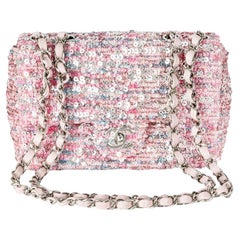
After Coco Chanel died in 1971, the brand underwent several changes in leadership, including fashion designer Karl Lagerfeld, who took over as artistic director in 1983. His collections for Chanel displayed his knack for synthesizing old and new, high and low. Lagerfeld revived Chanel ballet flats and thoroughly embraced the classic logo's interlocking CCs, which took the form of a clasp featured on so many of the rare Chanel bags that are much sought after today.
Vintage Karl Lagerfeld designs for Chanel dresses, coats and other clothing of the 1980s, '90s and 2000s riffed on its iconography, accenting a lexicon of Chanel-isms with tastes of the moment. And as the 1990s have become associated with styles adopted by today’s supermodels and influencers, vintage Chanel bags of the 1990s are among the most prized of the brand’s offerings.
Over the years, the company has continued to innovate, such as expanding into ready-to-wear fashion in 1978 and, in 2002, establishing a subsidiary company — Paraffection — dedicated to preserving the heritage skills of fashion artisan workshops. The House of Chanel still operates its flagship on rue Cambon in Paris, where it all began.
Browse vintage Chanel bags, evening dresses, shoes, jewelry and other clothing and accessories on 1stDibs.
The vintage sweaters in your dresser may have humble origins, but they can’t be beaten for year-round fashion.
In the 15th century, sweaters originated as jersey tunics and other knitted shirts designed to keep sailors and fishermen warm. Later, during the 1880s in America, these knitted or crocheted vests or pullovers — in Britain, “jumpers” — were thought to substantially help athletes shed pounds as needed. Sweaters were an ideal garment for sports and outdoor events in the late 19th century. The knit fabric permitted movement but the material also protected against the cold. It wasn’t until the 1920s, however, that sweaters were introduced to the world of high fashion, thanks to pioneering designers such as Elsa Schiaparelli, Coco Chanel and Jeanne Lanvin.
A versatile garment, sweaters go well with most looks — from a casual gathering over drinks with friends to complementing a professional ensemble for the office to a night out at the theater. Simply pair a timeless cardigan with slacks or a skirt and your nicest dress shoes for any occasion, in any season, to tie an outfit together.
Once they were considered en vogue, sweaters were no longer strictly made with natural fibers like wool. Over time, fashion designers introduced the use of softer, synthetic materials. Today, traditional sweaters, such as those made with merino wool, are just as popular as more modern creations, such as the sweater dress. Similar to sweatshirts, sweaters come in all kinds of materials, from light synthetic blends perfect for spring to heavier fabrics, like cable-knit wool, to stay cozy and warm in winter and embrace the Danish concept of hygge.
A crucial factor that goes into selecting the perfect sweater is the material. High-quality wool, such as merino wool, which is soft and breathable, will feel luxurious and keep you warm on even the chilliest of evenings. Alpaca fleece, the fibers of which are native to Peru, offers the same warmth as wool, but an alpaca sweater is going to feel even softer than a merino wool sweater, similar to cashmere. Who doesn’t want a slouchy, oversize sweater made of a mix of mohair, nylon and wool on those subzero East Coast nights?
It’s important to note that wool can be a finicky material, easy to stain or distort and stretch. Synthetic materials are not only lightweight, but a nylon or polyester sweater will also be easier to wash and care for. If you opt for wool, take care of your sweater — fabric shavers, fabric combs and the local dry cleaner are your friends.
Sweaters come in various styles like V-neck, turtleneck and crewneck, which is the most popular style. For those extra cold days, a turtleneck offers added warmth without sacrificing style. Those looking for a casual touch that still emphasizes elegance can opt for a long tunic or scoop-neck pullover.
Maybe Versace or Gucci sweaters catch your eye, or ’90s fashion is your thing and a color-blocked sweater dress or John Galliano cardigan of the era is already a closet staple for you. Perhaps you’d rather opt for a 1970s long-sleeve knit top from Yves Saint Laurent. Either way, you’ll find exactly the black, beige or red vintage sweater you’re looking for in men, women or unisex styles today on 1stDibs.