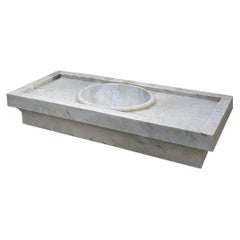
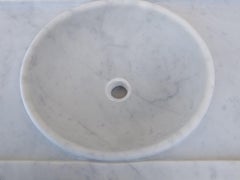
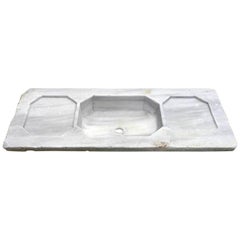
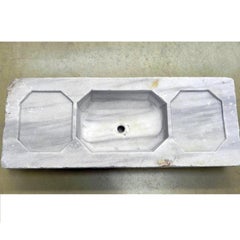
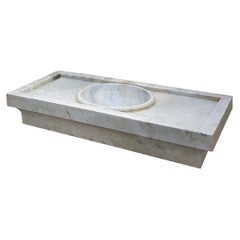
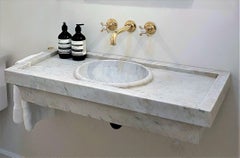
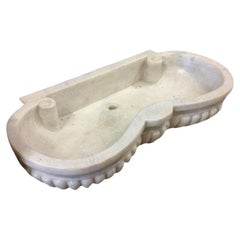
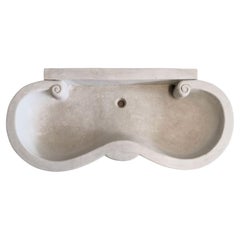
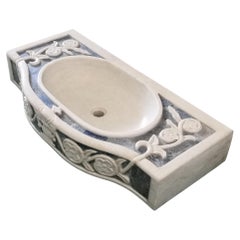
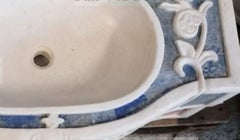
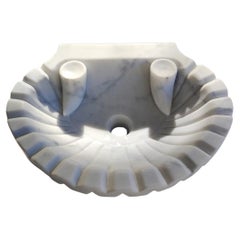
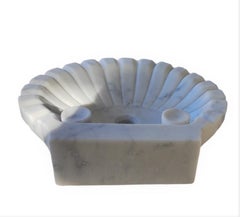
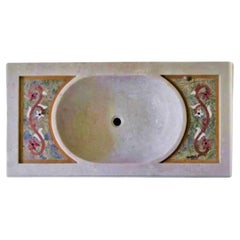
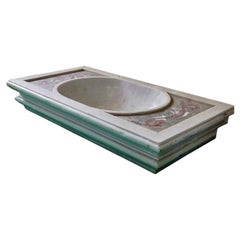
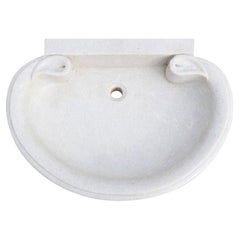
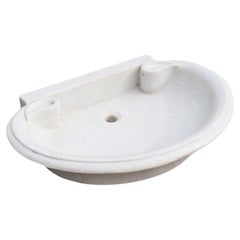
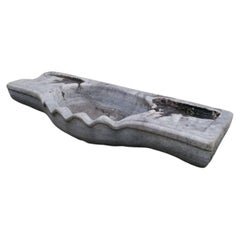
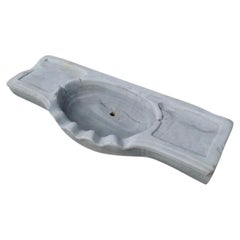
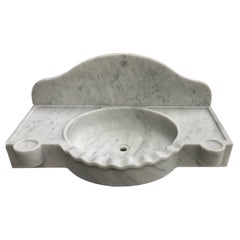
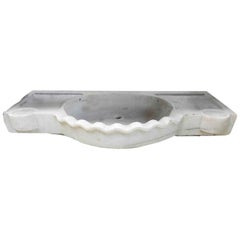
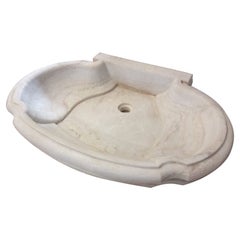
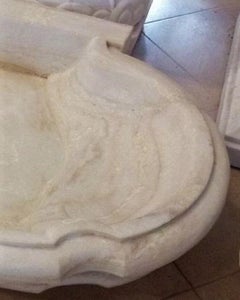
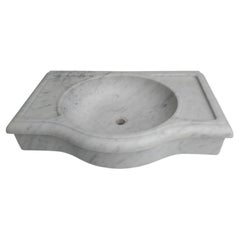
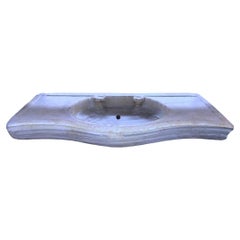
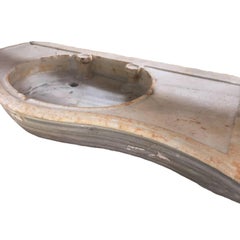
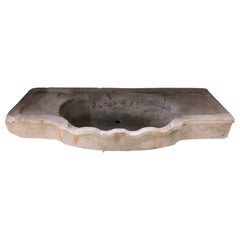
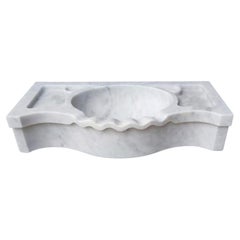
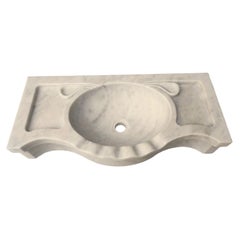
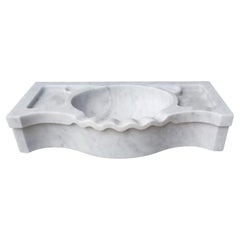
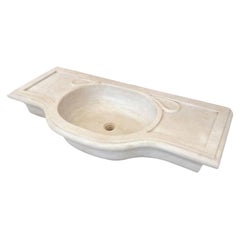
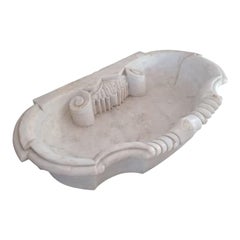
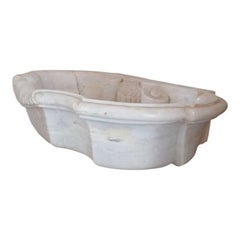
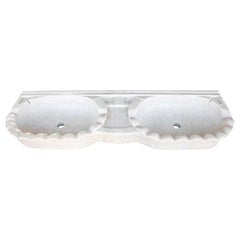
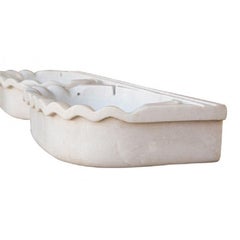
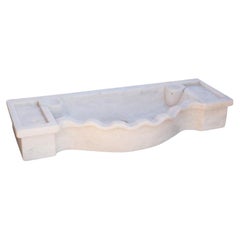
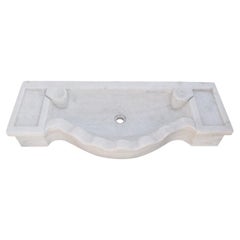
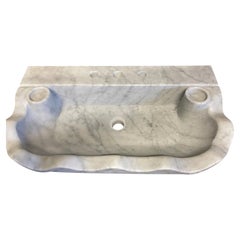
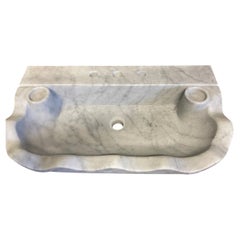
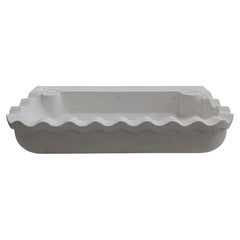
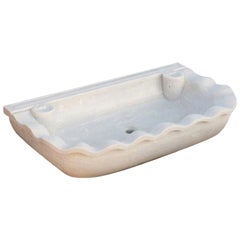
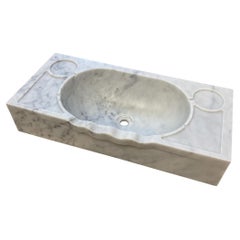
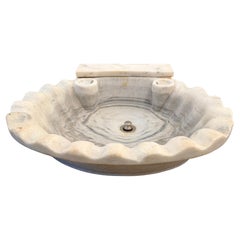
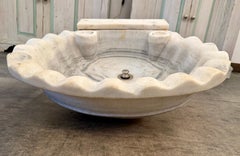
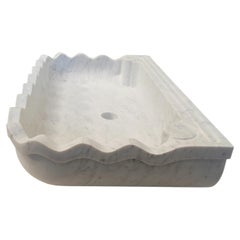
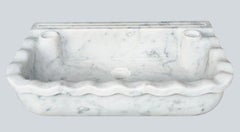
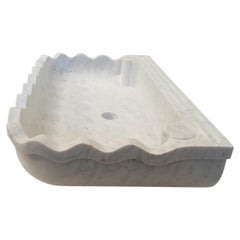
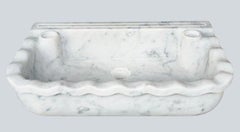
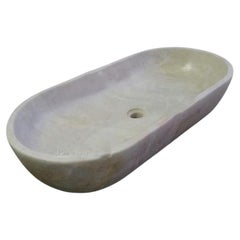
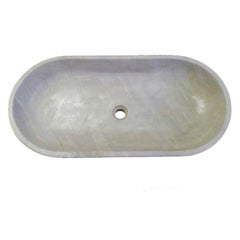
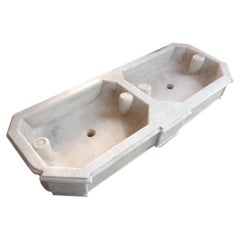
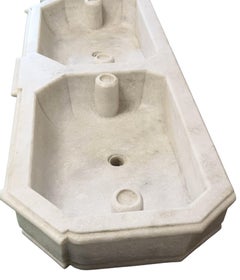
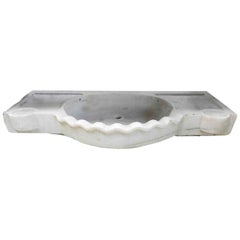
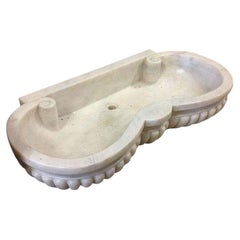
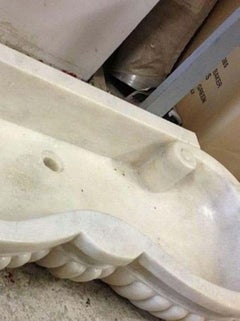
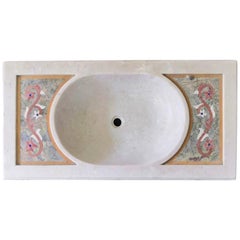
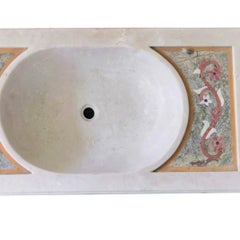
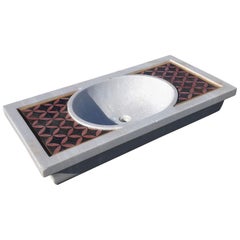
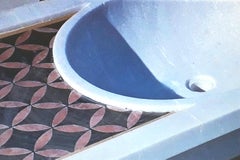
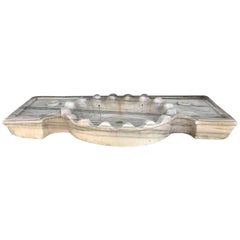
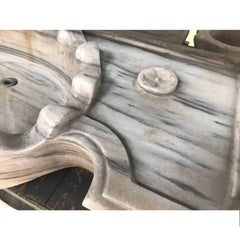
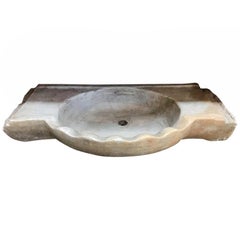
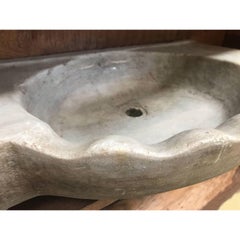
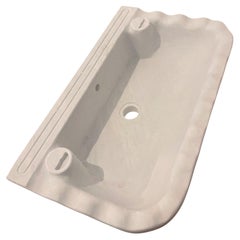
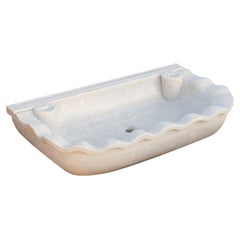
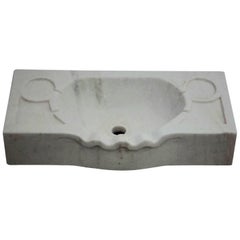
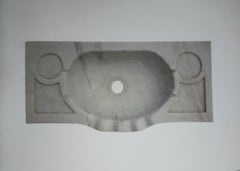
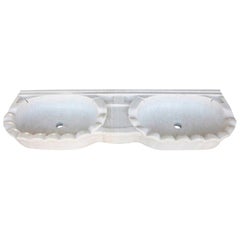
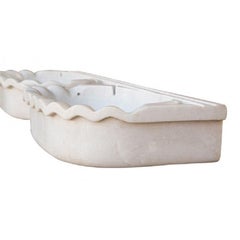
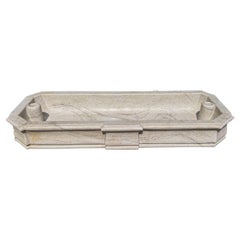
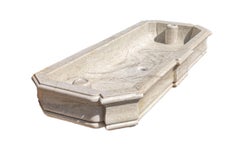
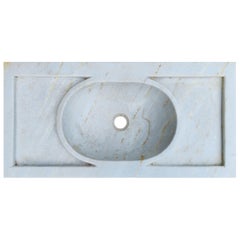
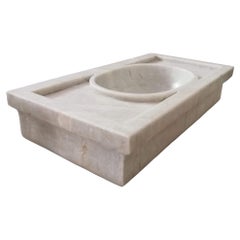
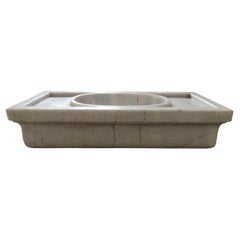
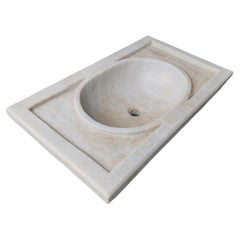
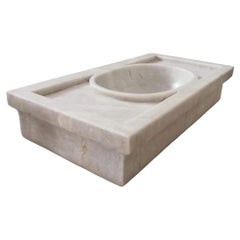
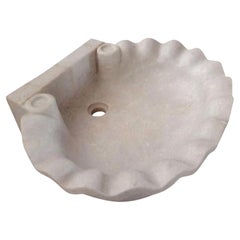
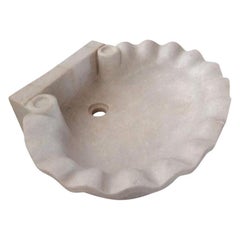
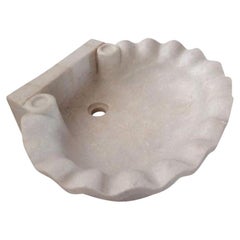
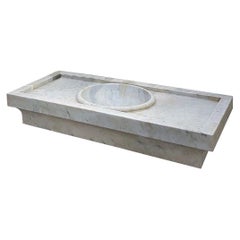
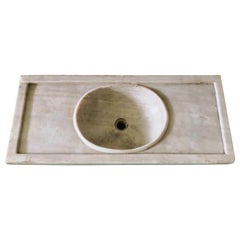
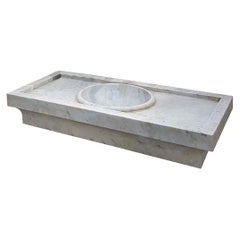
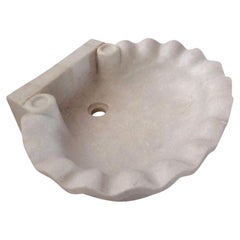
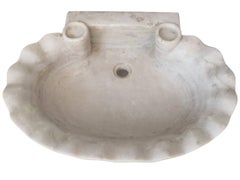
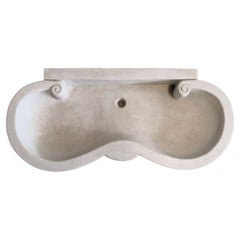
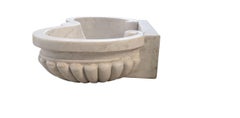
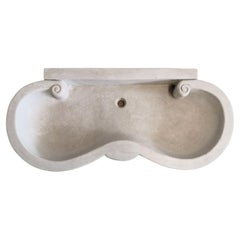
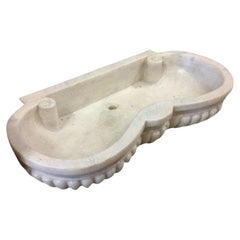
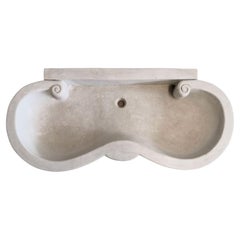
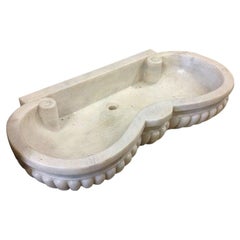
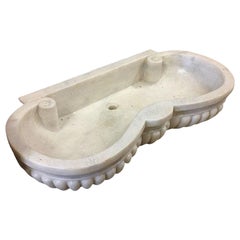
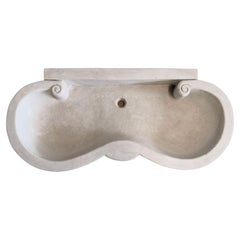
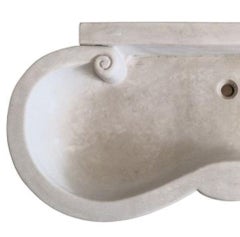
At 1stDibs, there are many versions of the ideal classical stone sink basin for your home. Frequently made of
stone,
marble and
carrara marble, every classical stone sink basin was constructed with great care. If you’re shopping for a classical stone sink basin, we have 37 options in-stock, while there are 60 modern editions to choose from as well. Whether you’re looking for an older or newer classical stone sink basin, there are earlier versions available from the 18th Century and newer variations made as recently as the 21st Century. When you’re browsing for the right classical stone sink basin, those designed in
neoclassical styles are of considerable interest.
Prices for a classical stone sink basin can differ depending upon size, time period and other attributes — at 1stDibs, they begin at $678 and can go as high as $14,900, while the average can fetch as much as $2,906.
There is rare surviving furniture from ancient Greece, yet this classical style has informed design for centuries. Interiors of houses in antiquity were minimal, with much of a room’s color coming from frescoes on the walls and mosaics on the floors. Classical Greek furniture was sparing but finely crafted and influenced by Egyptian furniture design through Mediterranean trade.
Furnishings of the period were usually made from local wood like cypress, cedar, oak and willow from ancient Greece’s plentiful forests, although some pieces were carved from marble, such as a 300–200 B.C. throne with lion legs and a curved back now at the Getty Villa. Comfort and clean lines characterized designs during the Classical era, the symmetry and thoughtful proportions reflecting the architecture of Greek temples.
Some pieces of ancient Greek furniture were simple, rectangular platforms like the klinē, a multipurpose ancestor of today’s couches or daybeds that held cushions stuffed with wool, dry grass or down. These structures were used for both sleeping and dining, which wealthy Greeks did while reclining. At night, oil lamps illuminated rooms that frequently surrounded a garden courtyard.
Most of what scholars have learned about Greek furniture design owes to its representations in art like vases and stelae. The portable diphros stool, with its backless design and four turned legs, was one of the more common types of seating in daily Greek life — it appears as such for the gods on the Parthenon frieze. Stools without backs have been found in early Roman tombs, while benches were also common Greek seating furniture created for use in theaters. In houses of the Hellenistic period, benches seemingly functioned as tables, too.
Some designs evolved through adaptations by the Romans, including the klismos chair. After prominent archaeological excavations at Pompeii and Herculaneum, the klismos chair — with its four saber legs and the elegant curves that define its back — was a source of inspiration for aesthetics in eras ranging from 18th-century neoclassicism to 20th-century Art Deco.
Find a collection of Classical Greek decorative objects, wall decorations and building and garden elements on 1stDibs.
Antique and vintage stone sinks bring a touch of nature to your home.
A stone sink can be used as a functional statement piece to complement your kitchen decor. In your bathroom, a stone sink can add a rustic flourish and will fit in nicely if the rest of your furniture is characterized by natural textures, unfinished lines and neutral colors. It can also present a nice contrast if your space is more city than country. Part of the appeal of these sinks is that no two are alike. The difference in the stone’s coloration, pitting and veining will ensure that each piece is unique.
Stone sinks are typically carved from a single solid slab, and they come in all kinds of materials, including marble, soapstone, travertine and more. It’s important to note that all types of stone sinks will stain, so you’ll want to be careful with colored liquids around your sink. Make a habit of wiping your stone sink with a soft cloth after every use to prevent mineral deposits from forming. (Your stone sink is a “no steel wool” zone.) For regular cleaning, you’ll want to use a mild dish soap instead of an abrasive cleaner to prevent scratching your sink.
Stone sinks are durable and versatile. They’re a sensible addition to your already stylish kitchen, they will pair well with the dark walnut cabinets at your bar and will be a natural fit in more ways than one for the serene oasis you’ve made of the upstairs bathroom.
Explore an extensive collection of vintage, new and antique stone sinks on 1stDibs.