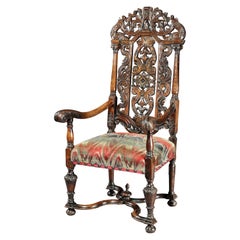
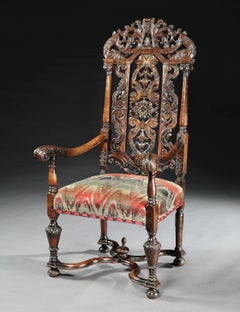
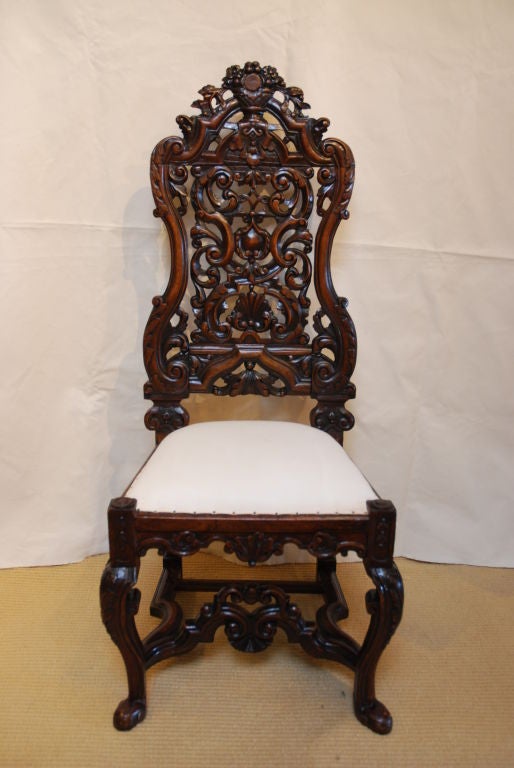
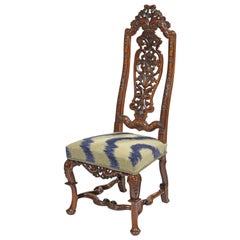
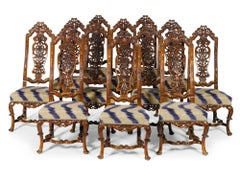
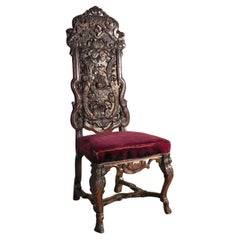
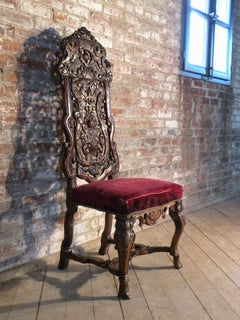
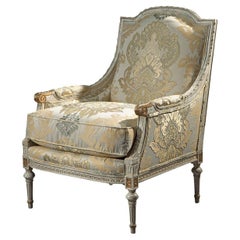
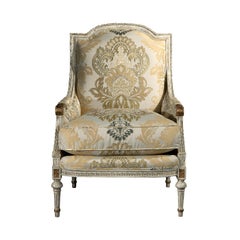
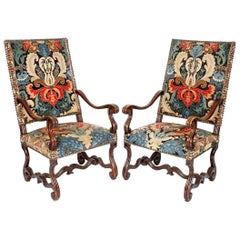
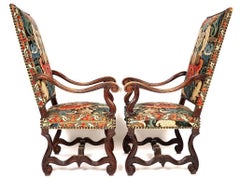
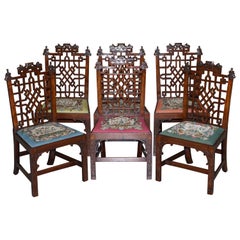
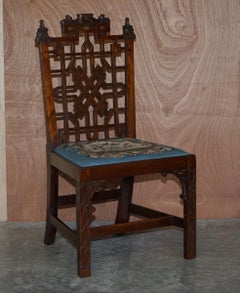
Daniel Marot Chair
Antique Late 17th Century Dutch Baroque Side Chairs
Walnut
Antique 1690s Dutch Baroque Armchairs
Walnut
Recent Sales
Antique 18th Century and Earlier British Chairs
Walnut
Antique Early 17th Century English Baroque Chairs
Walnut
Antique Early 1700s British Baroque Chairs
Walnut
Antique Late 17th Century Dutch Baroque Side Chairs
Walnut
People Also Browsed
21st Century and Contemporary Swedish Modern Pillows and Throws
Fur
21st Century and Contemporary Italian Rococo Pillows and Throws
Metallic Thread
Antique 18th Century French Rococo Sofas
Upholstery, Walnut
Early 20th Century French Art Deco Animal Sculptures
Marble, Metal
Antique 19th Century Italian Art Deco Dining Room Tables
Wood
Antique 19th Century Italian Commodes and Chests of Drawers
Antique 17th Century Spanish Baroque Console Tables
Wrought Iron
Antique 18th Century French Louis XVI Sofas
Upholstery, Wood, Down
Antique 1860s Italian Dining Room Chairs
Hardwood, Paint
21st Century and Contemporary American Club Chairs
Antique 1810s French Empire Chandeliers and Pendants
Ormolu
Antique 19th Century French Louis XV Urns
Marble, Bronze
Antique Late 18th Century English George III Sofas
Brass
Antique 19th Century French Console Tables
Marble
Antique Late 19th Century French Belle Époque Mantel Clocks
Bronze, Ormolu
Early 20th Century Chinese Side Tables
Hardwood
A Close Look at Baroque Furniture
The decadence of the Baroque style, in which ornate furnishings were layered against paneled walls, painted ceilings, stately chandeliers and, above all, gilding, expressed the power of the church and monarchy through design that celebrated excess. And its influence was omnipresent — antique Baroque furniture was created in the first design style that truly had a global impact.
Theatrical and lavish, Baroque was prevalent across Europe from the 17th to mid-18th century and spread around the world through colonialism, including in Asia, Africa and the Americas. While Baroque originated in Italy and achieved some of its most fantastic forms in the late-period Roman Baroque, it was adapted to meet the tastes and materials in each region. French Baroque furniture informed Louis XIV style and added drama to Versailles. In Spain, the Baroque movement influenced the elaborate Churrigueresque style in which architecture was dripping with ornamental details. In South German Baroque, furniture was made with bold geometric patterns.
Compared to Renaissance furniture, which was more subdued in its proportions, Baroque furniture was extravagant in all aspects, from its shape to its materials.
Allegorical and mythical figures were often sculpted in the wood, along with motifs like scrolling floral forms and acanthus leaves that gave the impression of tangles of dense foliage. Novel techniques and materials such as marquetry, gesso and lacquer — which were used with exotic woods and were employed by cabinetmakers such as André-Charles Boulle, Gerrit Jensen and James Moore — reflected the growth of international trade. Baroque furniture characteristics include a range of decorative elements — a single furnishing could feature everything from carved gilded wood to gilt bronze, lending chairs, mirrors, console tables and other pieces a sense of motion.
Find a collection of authentic antique Baroque tables, lighting, decorative objects and other furniture on 1stDibs.
Finding the Right Seating for You
With entire areas of our homes reserved for “sitting rooms,” the value of quality antique and vintage seating cannot be overstated.
Fortunately, the design of side chairs, armchairs and other lounge furniture — since what were, quite literally, the early perches of our ancestors — has evolved considerably.
Among the earliest standard seating furniture were stools. Egyptian stools, for example, designed for one person with no seat back, were x-shaped and typically folded to be tucked away. These rudimentary chairs informed the design of Greek and Roman stools, all of which were a long way from Sori Yanagi's Butterfly stool or Alvar Aalto's Stool 60. In the 18th century and earlier, seats with backs and armrests were largely reserved for high nobility.
The seating of today is more inclusive but the style and placement of chairs can still make a statement. Antique desk chairs and armchairs designed in the style of Louis XV, which eventually included painted furniture and were often made of rare woods, feature prominently curved legs as well as Chinese themes and varied ornaments. Much like the thrones of fairy tales and the regency, elegant lounges crafted in the Louis XV style convey wealth and prestige. In the kitchen, the dining chair placed at the head of the table is typically reserved for the head of the household or a revered guest.
Of course, with luxurious vintage or antique furnishings, every chair can seem like the best seat in the house. Whether your preference is stretching out on a plush sofa, such as the Serpentine, designed by Vladimir Kagan, or cozying up in a vintage wingback chair, there is likely to be a comfy classic or contemporary gem for you on 1stDibs.
With respect to the latest obsessions in design, cane seating has been cropping up everywhere, from sleek armchairs to lounge chairs, while bouclé fabric, a staple of modern furniture design, can be seen in mid-century modern, Scandinavian modern and Hollywood Regency furniture styles.
Admirers of the sophisticated craftsmanship and dark woods frequently associated with mid-century modern seating can find timeless furnishings in our expansive collection of lounge chairs, dining chairs and other items — whether they’re vintage editions or alluring official reproductions of iconic designs from the likes of Hans Wegner or from Charles and Ray Eames. Shop our inventory of Egg chairs, designed in 1958 by Arne Jacobsen, the Florence Knoll lounge chair and more.
No matter your style, the collection of unique chairs, sofas and other seating on 1stDibs is surely worthy of a standing ovation.