De Beers Earrings
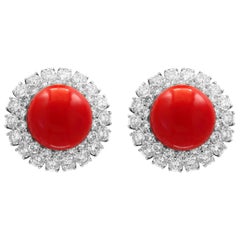
Early 20th Century Stud Earrings
Diamond, Coral, Platinum
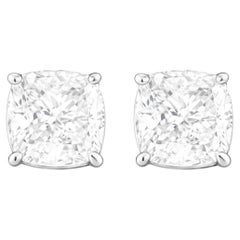
2010s British Stud Earrings
Diamond, 18k Gold, White Gold

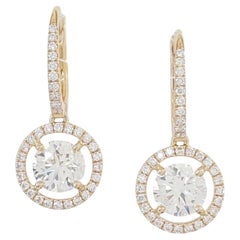
2010s British Drop Earrings
Diamond, White Diamond, 18k Gold, Rose Gold
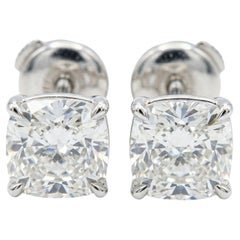
2010s Contemporary Stud Earrings
Diamond, White Diamond, Gold, 18k Gold, White Gold
Recent Sales
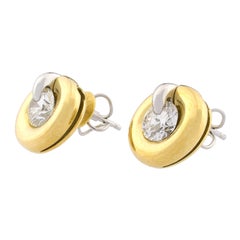
Early 2000s South African Stud Earrings
Diamond, 18k Gold, White Gold, Yellow Gold
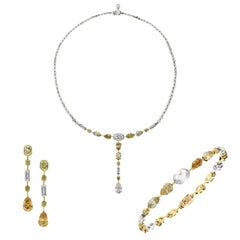
Early 2000s More Jewelry
Diamond, Yellow Diamond, Brown Diamond, 18k Gold
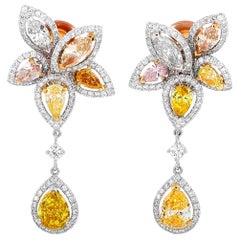
21st Century and Contemporary Drop Earrings
Diamond, Gold
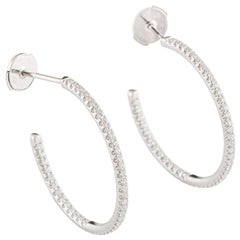
21st Century and Contemporary Hoop Earrings
Diamond, 18k Gold, White Gold
21st Century and Contemporary Drop Earrings
Diamond, 18k Gold, White Gold
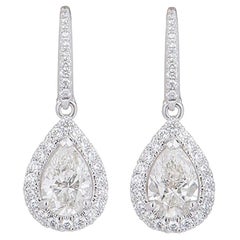
2010s Unknown Contemporary Stud Earrings
Diamond, Platinum
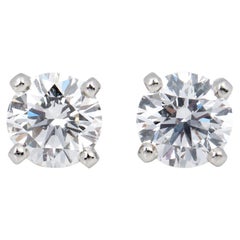
21st Century and Contemporary South African Hoop Earrings
Diamond, 18k Gold, Rose Gold
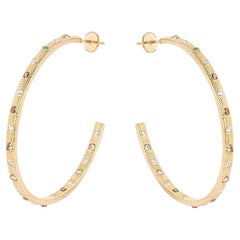
21st Century and Contemporary British Drop Earrings
Diamond, Yellow Diamond, 18k Gold, Yellow Gold
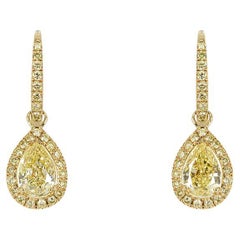
21st Century and Contemporary Stud Earrings
Diamond, Platinum
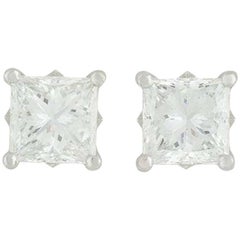
21st Century and Contemporary Drop Earrings
Diamond, 18k Gold, White Gold
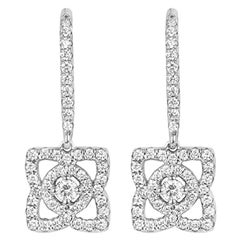
21st Century and Contemporary Lever-Back Earrings
Diamond, White Diamond, 18k Gold, White Gold
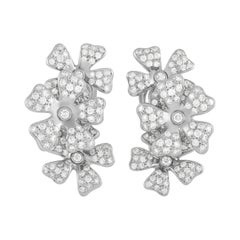
21st Century and Contemporary Choker Necklaces
Diamond, Platinum
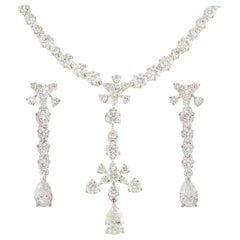
21st Century and Contemporary British Dangle Earrings
Diamond, Platinum
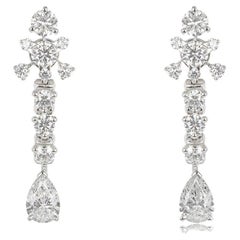
21st Century and Contemporary Dangle Earrings
Diamond, 18k Gold, White Gold
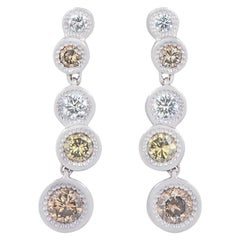
21st Century and Contemporary More Earrings
Diamond, 18k Gold, Yellow Gold
People Also Browsed
2010s American Art Deco Stud Earrings
Diamond, Yellow Gold
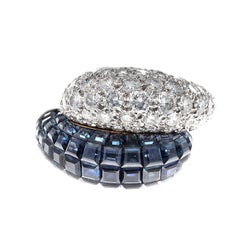
Vintage 1980s European Modern Fashion Rings
Diamond, Sapphire, Platinum
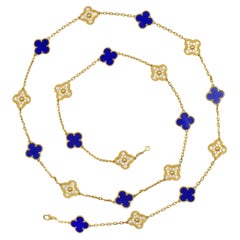
Late 20th Century French Artist Link Necklaces
Diamond, Lapis Lazuli, 18k Gold
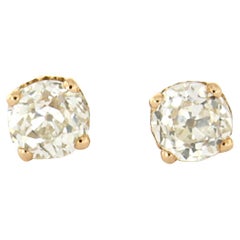
2010s Dutch Modern Stud Earrings
Diamond, 18k Gold
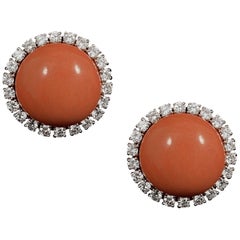
Vintage 1960s French Modern Clip-on Earrings
Coral, Diamond, Gold, 18k Gold, Yellow Gold
1990s French Engagement Rings
Diamond, Platinum
Vintage 1970s American Link Necklaces
Chrysophrase, Lapis Lazuli, 18k Gold, Yellow Gold
20th Century American Modern Clip-on Earrings
Coral, Diamond, 18k Gold, Yellow Gold
2010s American Contemporary Engagement Rings
Diamond, Emerald
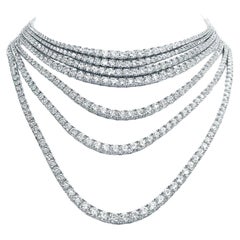
21st Century and Contemporary Multi-Strand Necklaces
Diamond, 14k Gold
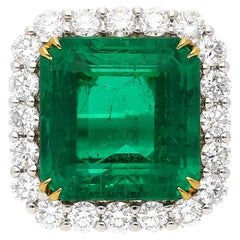
2010s Colombian Modern Cocktail Rings
Diamond, Emerald, 18k Gold, White Gold
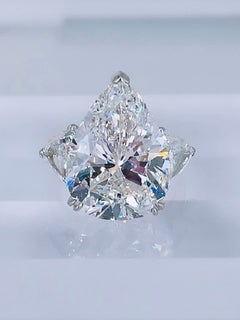
21st Century and Contemporary American Modern Engagement Rings
Diamond, 18k Gold, White Gold
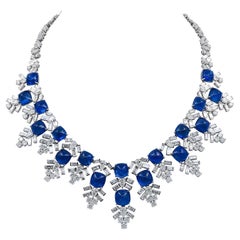
20th Century American Contemporary More Necklaces
Diamond, Sapphire, Platinum
Vintage 1930s French Art Deco Cluster Rings
Diamond, Sapphire, Platinum
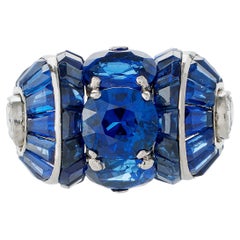
2010s Italian Modern Stud Earrings
Diamond, White Diamond, Platinum

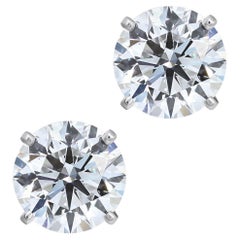
21st Century and Contemporary Stud Earrings
Diamond, Platinum
De Beers Earrings For Sale on 1stDibs
How Much are De Beers Earrings?
The Legacy of Diamond in Jewelry Design
Antique diamond rings, diamond tiaras and dazzling vintage diamond earrings are on the wish lists of every lover of fine jewelry. And diamonds and diamond jewelry are primarily associated with storybook engagements and red-carpet grand entrances — indeed, this ultra-cherished gemstone has a dramatic history on its hands.
From “A Diamond Is Forever” to “Diamonds Are a Girl’s Best Friend,” pop culture has ingrained in our minds that diamonds are the most desired, the most lasting and the most valuable gemstone. But what makes the diamond so special? Each stone — whether it’s rubies, sapphires or another stone — is unique and important in its own right. April babies might claim diamonds for themselves, but just about everyone wants this kind of sparkle in their lives!
There are several factors that set diamonds apart from other stones, and these points are important to our gem education.
Diamonds are minerals. They are made up of almost entirely of carbon (carbon comprises 99.95 percent; the remainder consists of various trace elements). Diamonds are the hardest gemstones, ranking number 10 on the Mohs Hardness Scale. Even its name, diamond, is rooted in the Greek adamas, or unconquerable. The only object that can scratch a diamond is another diamond. Diamonds are formed deep within the earth at very high temperatures (1,652–2,372 degrees Fahrenheit at depths between 90 and 120 miles beneath the earth’s surface) and are carried up by volcanic activity. Diamonds are quite rare, according to the Gemological Institute of America, and only 30 percent of all the diamonds mined in the world are gem quality.
In the 1950s, the Gemological Institute of America developed the 4Cs grading system to classify diamonds: clarity, color, cut and carat weight. Not all diamonds are created equal (there are diamonds, and then there are diamonds). The value of the diamond depends on the clarity (flawless diamonds are very rare but a diamond's value decreases if there are many blemishes or inclusions), color (the less color the higher the grade), cut (how the diamond’s facets catch the light, certain cuts of diamonds show off the stone better than others) and carat weight (the bigger, the better).
When you start shopping for a diamond engagement ring, always prioritize the cut, which plays the largest role in the diamond's beauty (taking the time to clean your diamond ring at least every six months or so plays a role in maintaining said beauty). And on 1stDibs, a range of buying guides can be found for those in the market for antique engagement rings, vintage engagement rings or Art Deco engagement rings.
Shop antique and vintage diamond rings, diamond necklaces and other extraordinary diamond jewelry on 1stDibs.
Finding the Right Earrings for You
In the United States, ear piercing didn’t really become popular until the 1950s and ‘60s, but our desire for a dazzling pair of vintage earrings has deeper roots than that. In fact, wearing earrings actually goes back thousands of years, and you can find many tangible connections between now and then in how we continue to talk about these treasured accessories.
Women wore ornamental earrings — studs and hoops at the very least — in Ancient Egypt, which is home to mines that are among the earliest sources of emeralds in the world. Emerald earrings are highly prized today, and their quality lies in their rich, saturated color. The highest-quality emeralds are green or bluish-green. Earrings worn by the affluent in early Roman civilizations were set with precious stones such as diamonds and pearls, and a clean-looking pop of pearl on the front of the lobe is as timeless as ever. Hoop earrings are imbued with symbolism and cultural significance for many, and on view in the Metropolitan Museum of Art’s Ancient Near Eastern Art Gallery is a pair of simple gold hoops from Mesopotamia dating to between 2600 and 2500 B.C.
Today, ear piercing is very popular all over the world, and, as a result, it is difficult to overstate how much everyone pines for a good pair of earrings — modernist drop earrings, glamorous Victorian hoops, geometrically complex chandelier earrings, you name it. Sure, jewelry trends and the fashion darlings of social media come and go, but earrings have a staying power that seems impenetrable: The still-strong love affair between British royals and Cartier earrings is more than a century old, glossy 1970s hoops from legacy houses such as Bulgari and Van Cleef & Arpels remain the statement makers they’ve always been and although people have been stacking earrings for many moons, the allure of an expertly mismatched stack of charms and studs still feels fresh and new.
While there is no shortage of modern earring designs to choose from, the classics, like coral earrings, Art Deco–style earrings and diamond drop earrings are still heavy hitters. On 1stDibs, find a wide range of antique, new and vintage earrings today.