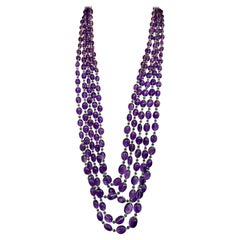
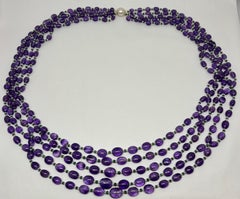
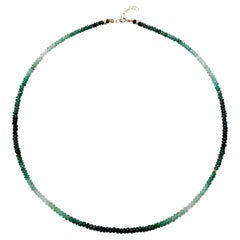
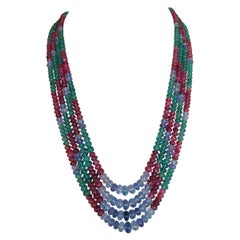
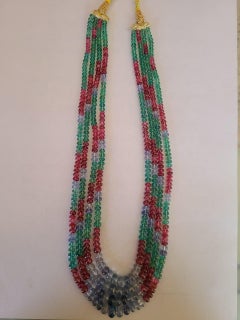
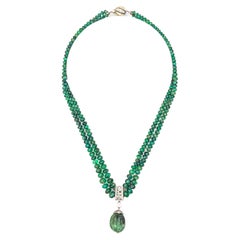
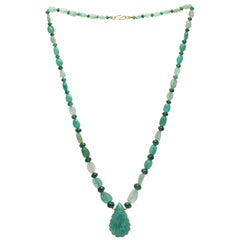
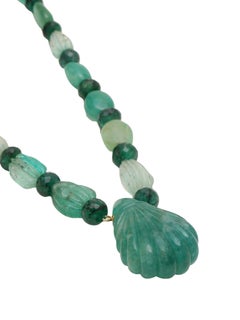
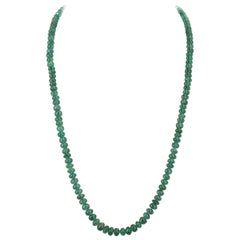
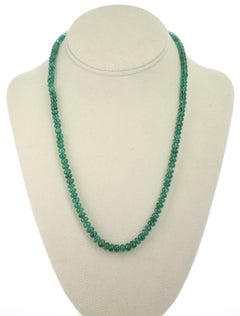
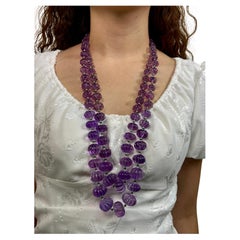
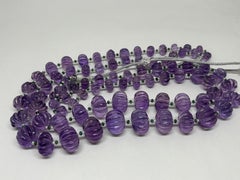
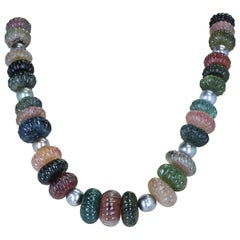
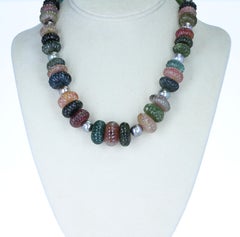
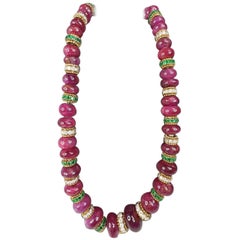
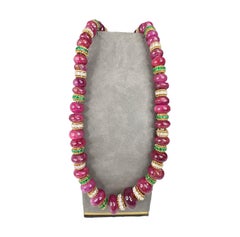
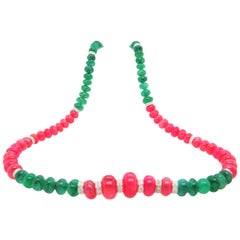
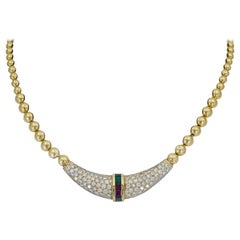
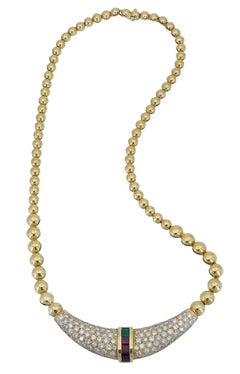
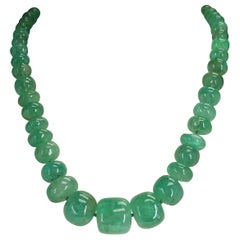
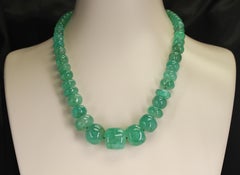
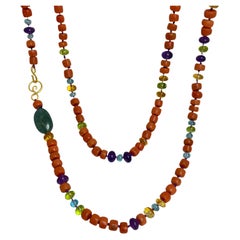
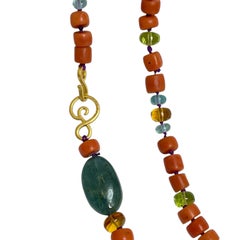
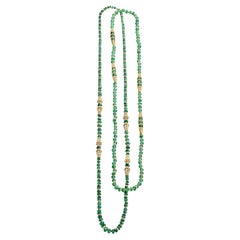
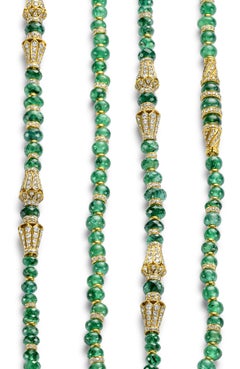
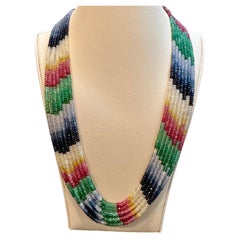
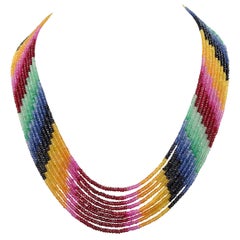
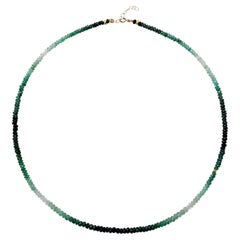
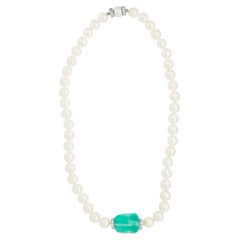
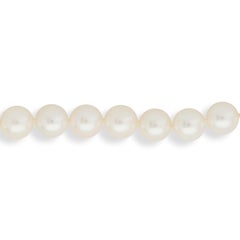
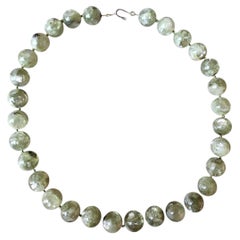
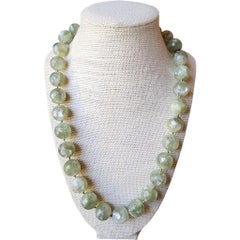
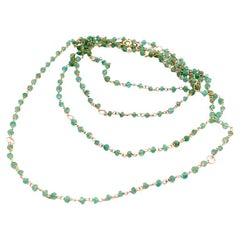
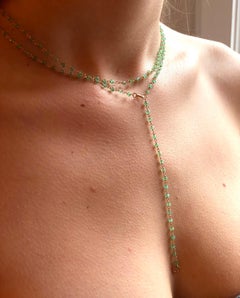
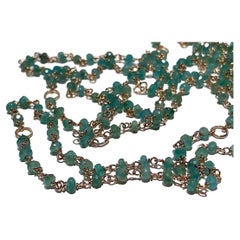
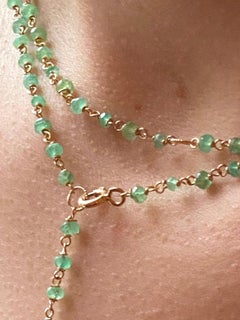
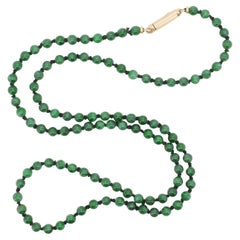
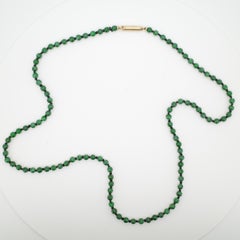
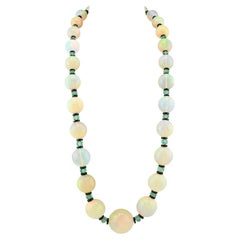
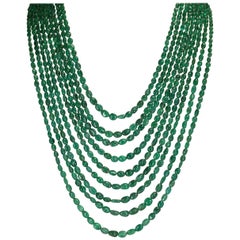
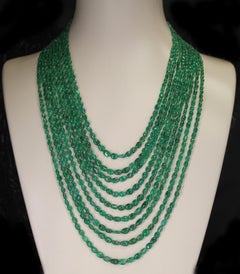
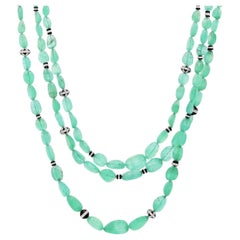
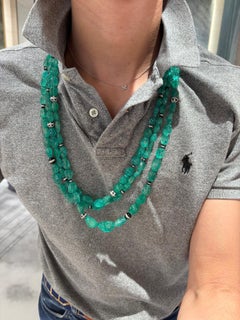
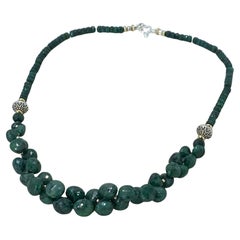
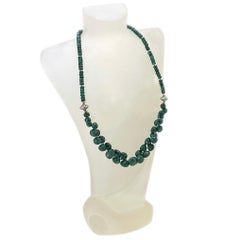
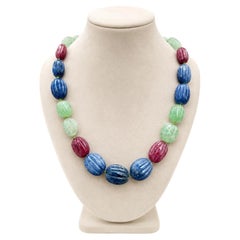
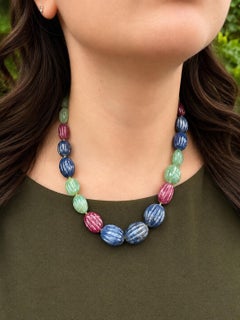
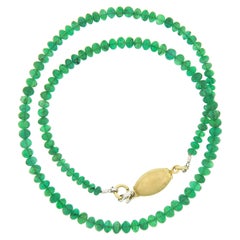
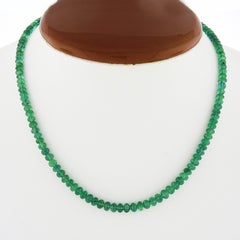
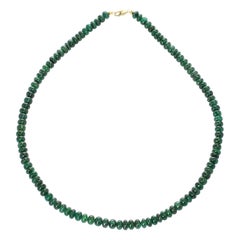
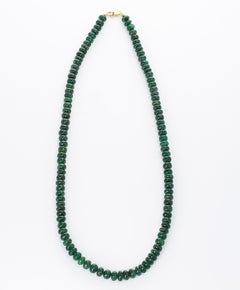
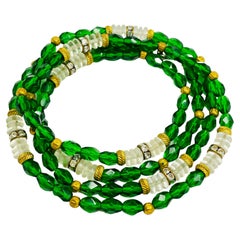
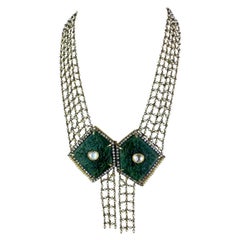
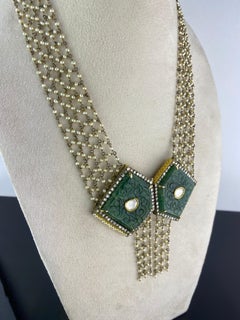
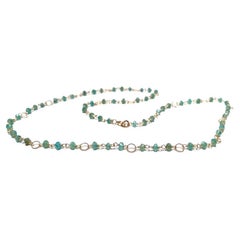
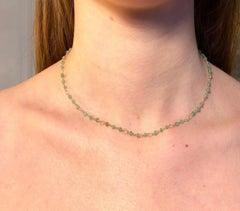
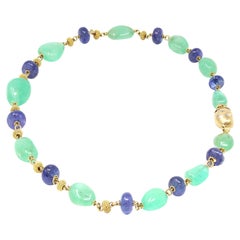
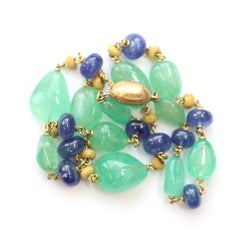
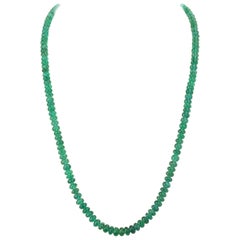
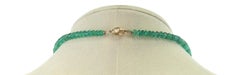
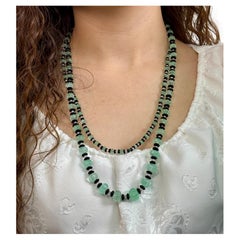
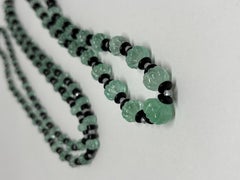
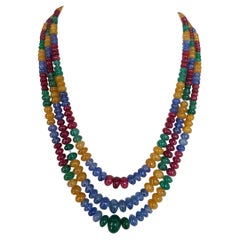
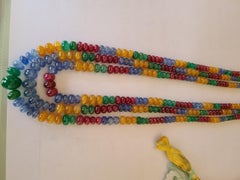
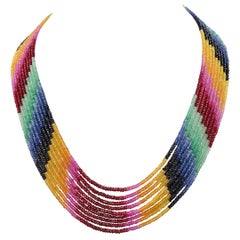
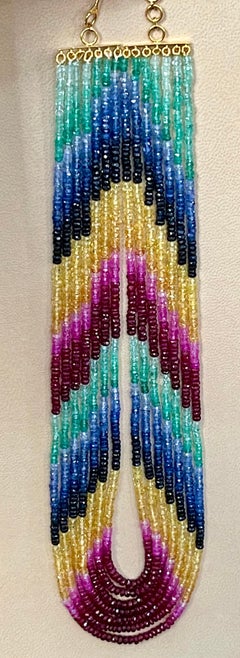
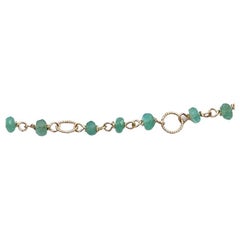
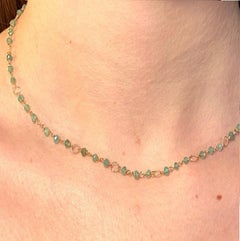
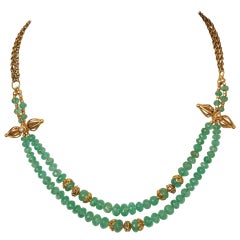
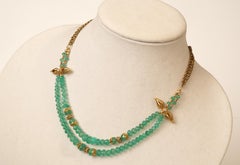
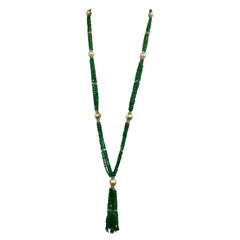
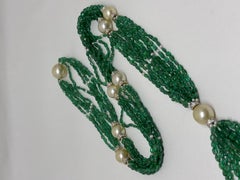
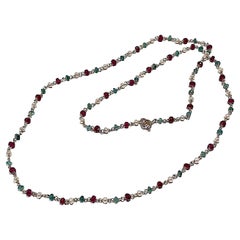
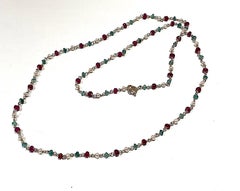
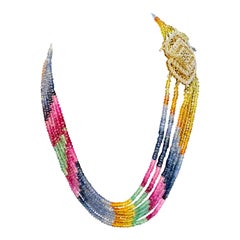
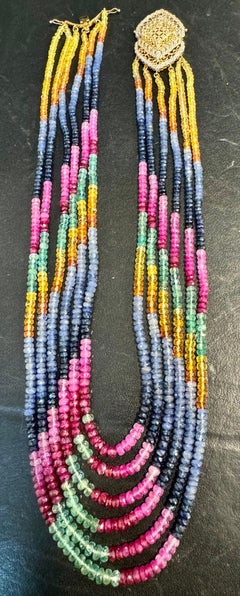
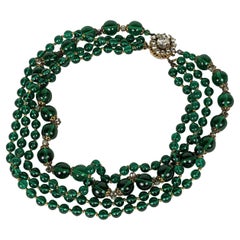
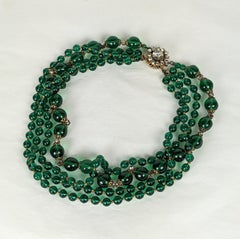
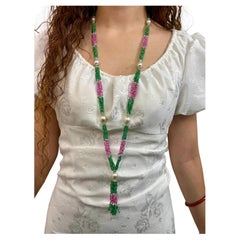
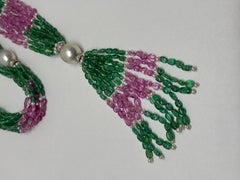
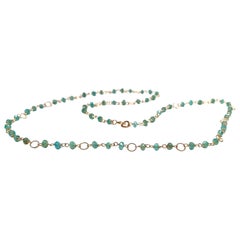
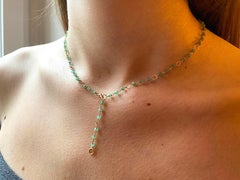
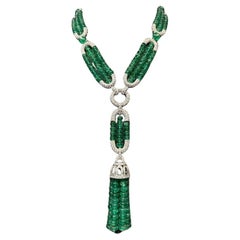
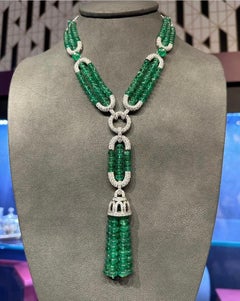
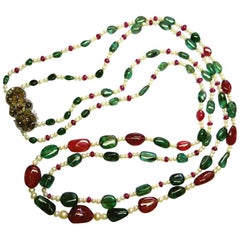
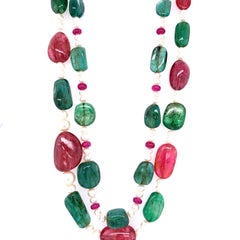
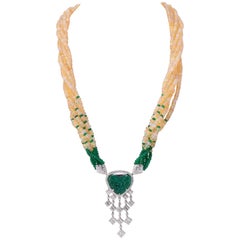
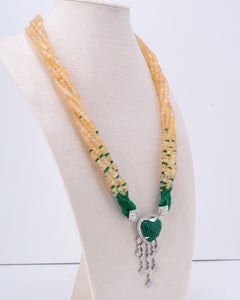
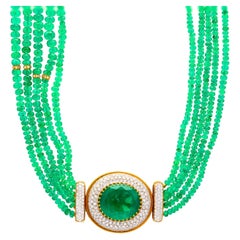
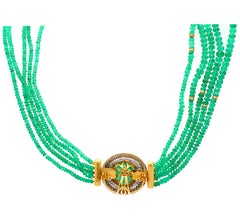
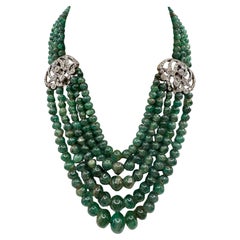
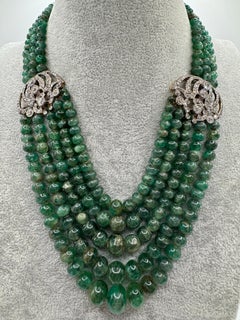
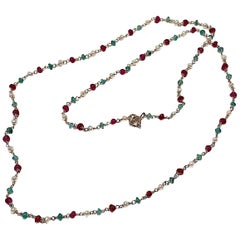
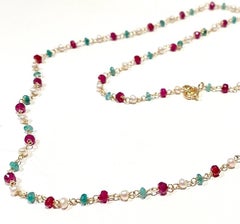
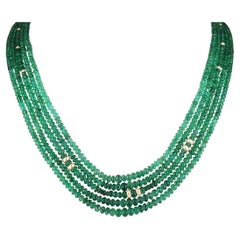
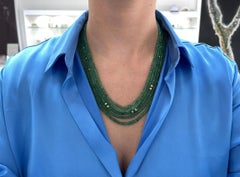
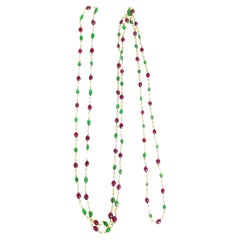
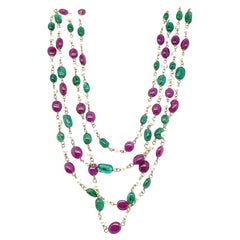
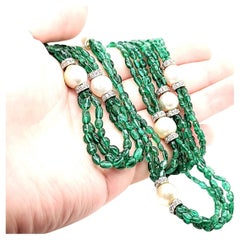
On 1stDibs, you can find the most appropriate emerald bead necklace for your needs in our varied inventory. Frequently made of
Gold,
18k Gold and
Yellow Gold, this item was constructed with great care. Find an antique version now, or shop for 217 vintage or 195 modern creation for a more contemporary example of these cherished accessories. You’re likely to find the perfect emerald bead necklace among the distinctive items we have available, which includes versions made as long ago as the 19th Century as well as those produced as recently as the 21st Century. For this particular accessory, there are many different carat weights to choose from, but
1 Carat and
1.5 Carat versions are of considerable interest. Finding an appealing emerald bead necklace — no matter the origin — is easy, but
Clarissa Bronfman,
Gemjunky/M D Designs and
Karen Sugarman Designs each produced a popular version that is worth a look. See these pages for a
bead iteration of this accessory, while there are also
round cut cut and
emerald cut cut versions available here, too. If you’re browsing our inventory for an emerald bead necklace, you’ll find that many are available today for
women, but there are still pieces to choose from for unisex and
men.
No one liked emeralds and emerald jewelry more than Elizabeth Taylor (or her alter ego, Cleopatra). Emeralds were first discovered in Egypt around 330 BC. The stone’s name originated from the ancient Greek word for green, “smaragdus.” According to the Gemological Institute of America, “Emeralds from what is now Colombia were part of the plunder when 16th-century Spanish explorers invaded the New World. The Incas had already been using emeralds in their jewelry and religious ceremonies for 500 years. The Spaniards, who treasured gold and silver far more than gems, traded emeralds for precious metals. Their trades opened the eyes of European and Asian royalty to emerald’s majesty.”
There are numerous myths attributed to the emerald’s spiritual powers, like placing an emerald under your tongue will allow you to see the future. But be careful not to swallow the birthstone for May, or that future won’t be so bright!
There are many important (read: large) emeralds in museum collections around the world. The Patricia Emerald, named after the miner’s daughter, is a 632-carat dihexagonal (or 12-sided) crystal that was discovered in Colombia in 1920 and now resides at the American Museum of Natural History in New York. The Smithsonian Museum of Natural History in Washington has in its possession the Hooker Emerald, a 75.47-carat Colombian stone. That emerald had been acquired in the 16th or 17th century by Spanish conquistadores and shipped to Europe. It later belonged to Abdul Hamid II, Sultan of the Ottoman Empire (1876–1909), who wore it on his belt buckle. Purchased at auction by Tiffany & Co. in 1911, the Hooker Emerald was set into a tiara and featured in the New York World’s Fair “House of Jewels” exhibit in 1940. Today, it is part of a brooch, also designed by the jewelry house.
On 1stDibs, find a range of antique and vintage emerald jewelry and watches that includes emerald rings, emerald necklaces and other accessories.
Whether they’re chunky, statement-making accessories or a single strand of the understated sort, antique and vintage beaded necklaces are versatile pieces of jewelry. Indeed, the unique beaded necklaces in your jewelry box likely go with everything, from casual summer tops and shorts to dazzling evening gowns.
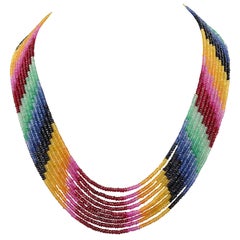
From the fish-bone and seashell jewelry of the prehistoric era to the breathtaking amulets and pendants of ancient Egypt to modern sapphire beads, people have been accessorizing with beaded necklaces for eternity.
Beaded necklaces — as well as other kinds of necklaces — were common in prehistoric times. Personal adornment was important, and jewelry was made for every part of the body. Beadwork is among the best known art forms attributed to Native Americans, and just as they had for saddlery and clothing, early populations would fashion beads for necklaces with stone tools or instruments made of wood. The making of colorful glass beads for beaded necklaces likely originated in Venice, Italy, during the 14th century, particularly given the growth of the decorative glass industry on the series of Venetian islands called Murano. During the Neolithic period, humans were buried with coral beaded necklaces from the Mediterranean, even as far north as the Alps.
Whether you’re seeking the pop of color you’ll get in a double-row jade beaded necklace from the Art Deco era — which encompasses the 1920s and ’30s and ushered in a very distinct look in jewelry design — or perhaps a simple strand of pearls for a blouse that leaves your neck bare, remember that different necklines call for different pieces of jewelry.
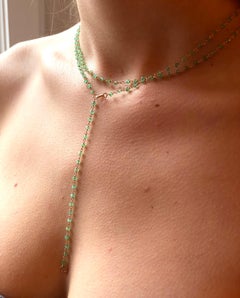
When accessorizing with a beaded necklace, a long piece with a pendant will likely pair best with your favorite vintage V-neck dress or V-neck tee, while beaded chokers and collar necklaces are a stylish fit for strapless tops. Bigger beads will hit your neckline in a different way than a more minimalist necklace might, so you’ll want to keep that in mind. Choose colors you like and pick items that will go with what is in your closet. When the occasion calls for it, don’t be afraid to stack. “More is more” for some, so pairing a delicate strand with a bolder piece might be the move for you.
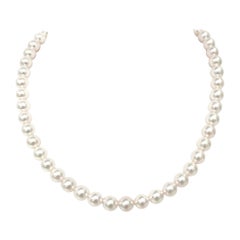
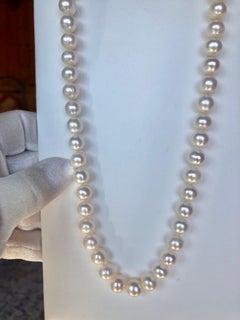
On 1stDibs, find a collection of pearl beaded necklaces, antique emerald beaded necklaces, diamond beaded necklaces and more.