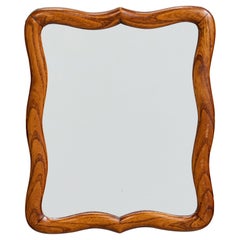
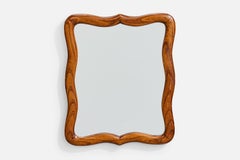
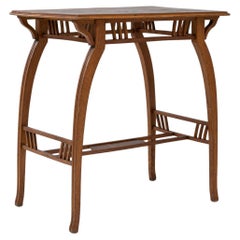
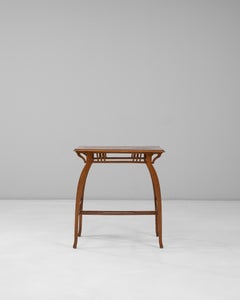
Emile Galle Mirror

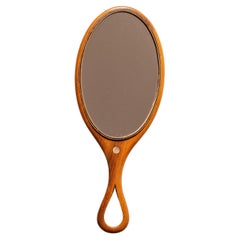
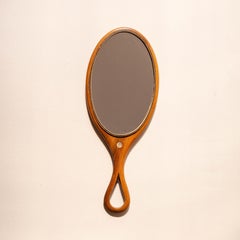
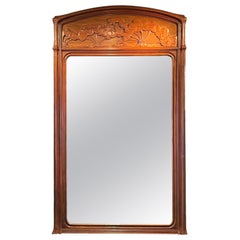
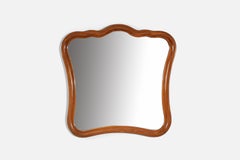
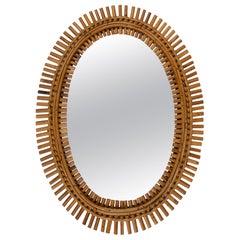
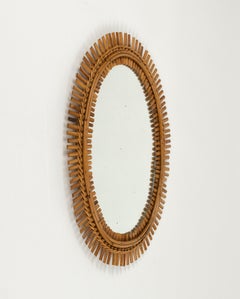
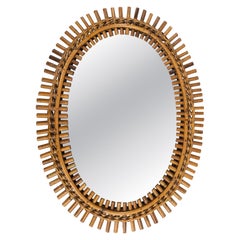
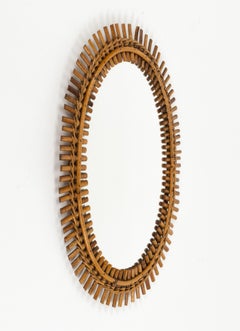
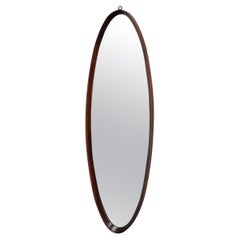
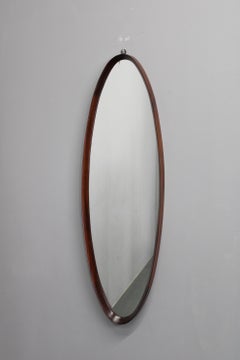
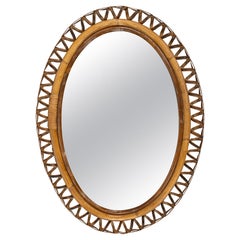
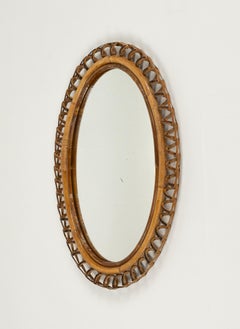
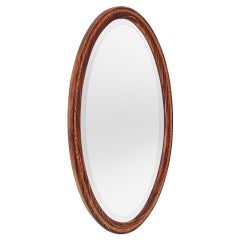
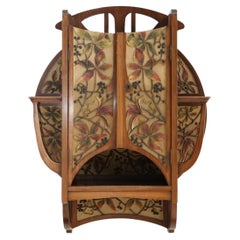
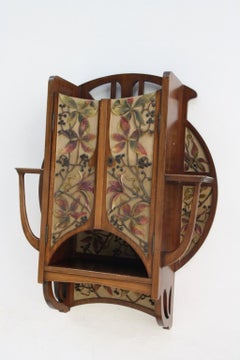
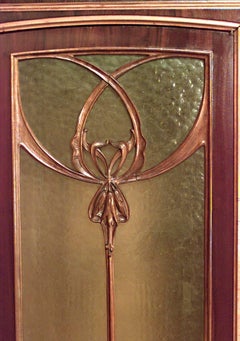
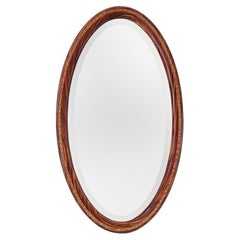
Vintage 1960s Hand Mirror in Fruitwood with Mother-of-Pearl Inlay

Vintage 1960s Hand Mirror in Fruitwood with Mother-of-Pearl Inlay

By Émile Gallé, Hector Guimard

Located in ROUEN, Normandie

Vintage 1960s Hand Mirror in Fruitwood with Mother-of-Pearl Inlay Elegant and timeless ! Hand

Category

Mid-20th Century French Mid-Century Modern Wall Mirrors

Materials

Glass, Mirror, Wood, Fruitwood, Nutwood

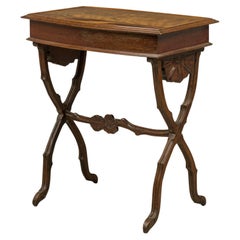
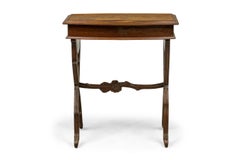
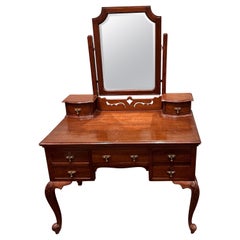
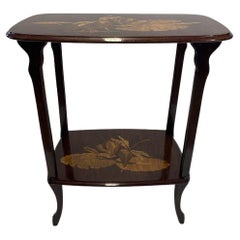
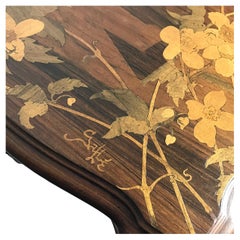
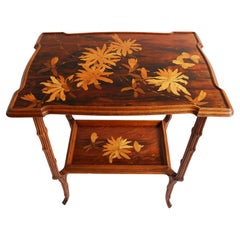
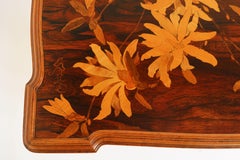
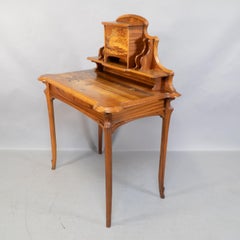
Emile Galle French Art Nouveau Lift Top Marquetry Floral Inlaid Wooden Table

Emile Galle French Art Nouveau Lift Top Marquetry Floral Inlaid Wooden Table

By Émile Gallé

Located in Queens, NY

compartments, and resting on a floral carved stretcher supporting 2 Pair of crossed legs. (EMILE GALLE) Wear

Category

20th Century French Art Nouveau Vanities

Materials

Metal, Brass

Recent Sales

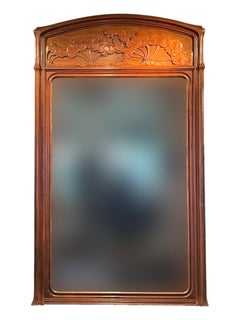
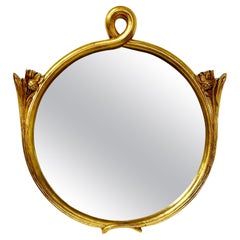
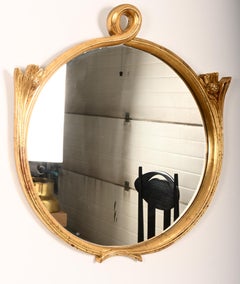
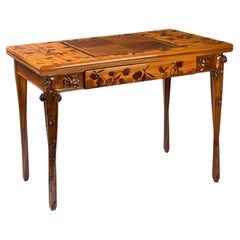
Early 20th Century French Art Nouveau Wood "Ombelle" Wall Mirror by, Emile Gallé

Early 20th Century French Art Nouveau Wood "Ombelle" Wall Mirror by, Emile Gallé

By Émile Gallé

Located in Englewood, NJ

An early 20th century French Art Nouveau carved wood"Ombelle" wall mirror by, Emile Gallé with

Category

Early 20th Century French Art Nouveau Wall Mirrors

Materials

Wood

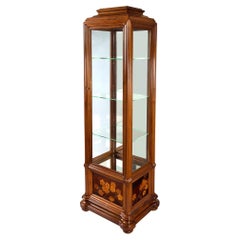
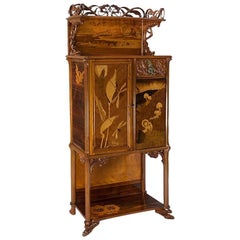
Émile Gallé "Le Cerisier" Carved Marquetry Vitrine

Émile Gallé "Le Cerisier" Carved Marquetry Vitrine

By Émile Gallé

Located in New York, NY

. Artist: Émile Gallé Country: France Circa: 1915 Dimensions: 59.25" height, 15" width, 12" depth

Category

Vintage 1910s French Art Nouveau Vitrines

Materials

Brass

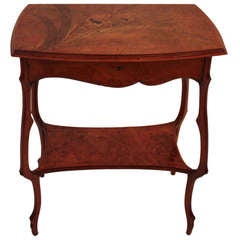
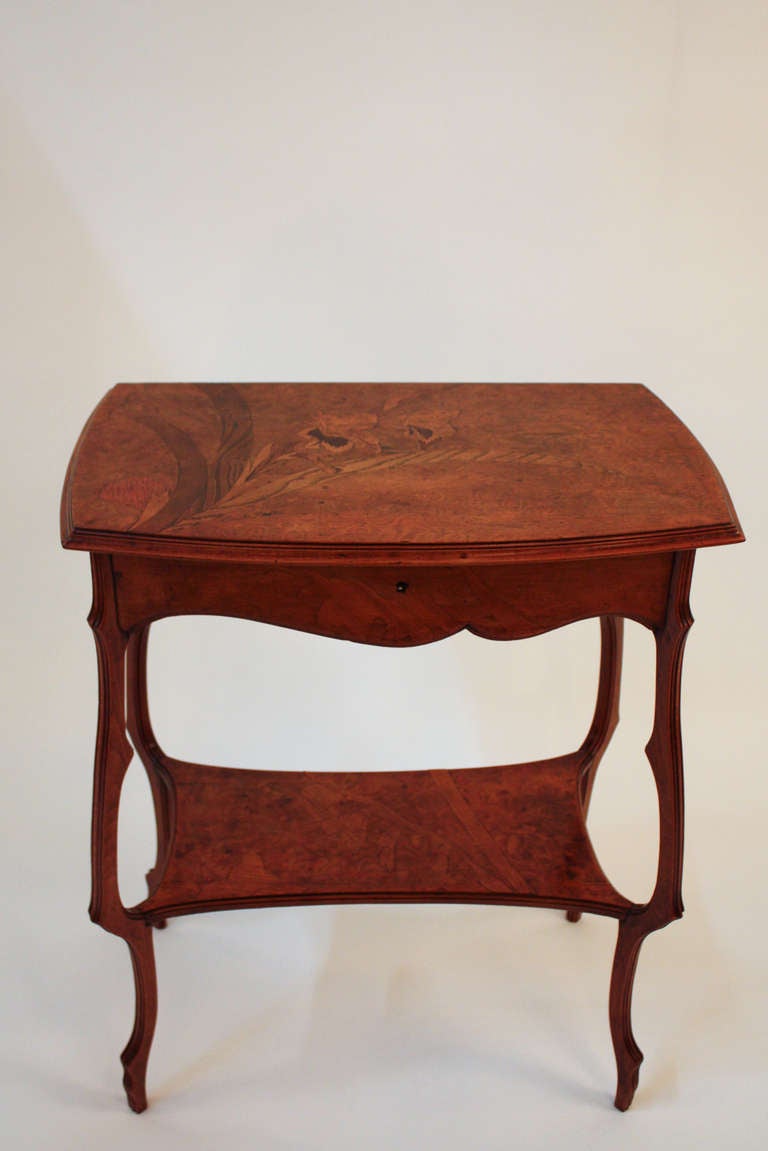
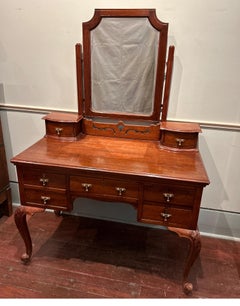
Nouveau Vanity Table by Emile Gallé

Nouveau Vanity Table by Emile Gallé

Sold

H 28.75 in W 23 in D 13.5 in

Nouveau Vanity Table by Emile Gallé

By Émile Gallé

Located in Fairfax, VA

Beautiful marquetry - inlaid vanity table By Emile Galle.

Category

Early 20th Century French Art Nouveau Tables

Materials

Wood, Mirror

People Also Browsed

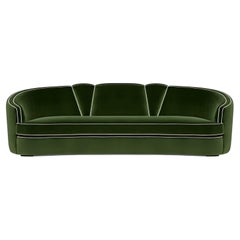
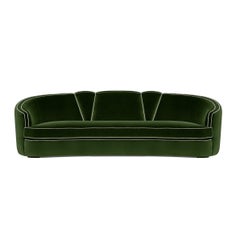
Art Deco Sofa by Munna Design Studio with Velvet Upholstery

Art Deco Sofa by Munna Design Studio with Velvet Upholstery

$15,439 / item

H 32.68 in W 110.24 in D 40.56 in

Art Deco Sofa by Munna Design Studio with Velvet Upholstery

By Munna Design Studio

Located in NEW YORK, NY

This sofa features a wonderfully elegant fan-shaped motif, with its accentuated curvy lines with decadent and lavish finish. The feminine curves are ravishingly enhanced by the diffe...

Category

21st Century and Contemporary Portuguese Modern Sofas

Materials

Velvet

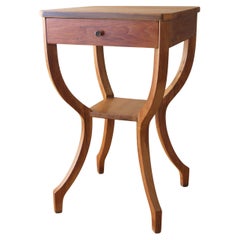
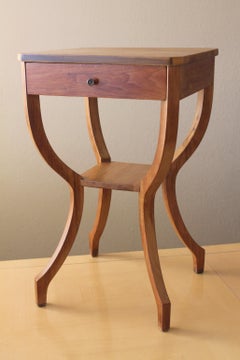
Emile Galle Marquetry Two Tiered Walnut and Fruitwood Table

Emile Galle Marquetry Two Tiered Walnut and Fruitwood Table

By Émile Gallé

Located in Dallas, TX

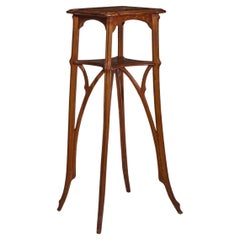
Emile Galle (1846-1904) Two-Tiered Table Circa 1900 Émile Gallé French Walnut and Fruitwood Marquetry Two-Tiered Pedestal table. This Art Nouveau classic two tiered French walnut p...

Category

Antique Early 1900s French Art Nouveau Tables

Materials

Walnut, Fruitwood

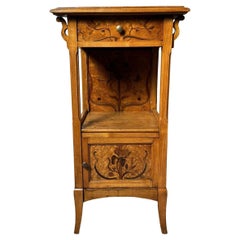
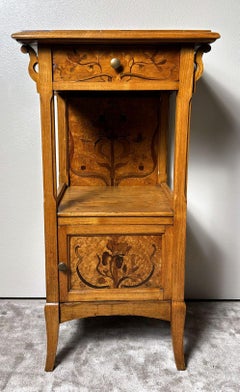
Gallé Émile French Art Nouveau Nightstand

Gallé Émile French Art Nouveau Nightstand

$3,773

H 31.89 in W 17.33 in D 13.78 in

Gallé Émile French Art Nouveau Nightstand

By Émile Gallé

Located in Prato, Tuscany

We kindly ask that you read the entire description, as we strive to provide detailed technical and historical information to guarantee the authenticity of our items. This exquisite n...

Category

Antique Late 19th Century French Art Nouveau Night Stands

Materials

Maple, Walnut

Art Nouveau Side Table by Emille Gallé

Art Nouveau Side Table by Emille Gallé

$2,295

H 30.32 in W 25.2 in D 13.78 in

Art Nouveau Side Table by Emille Gallé

By Émile Gallé

Located in Banská Štiavnica, SK

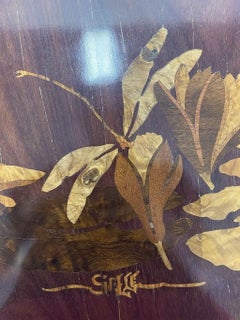
Art nouveau side table by Emille Gallé with water lily and dragonfly inlay. Professionally stained and repolished.

Category

Vintage 1920s Austrian Art Nouveau Side Tables

Materials

Wood

Louis Majorelle "Les Pins" Carved Mahogany Armchair

Louis Majorelle "Les Pins" Carved Mahogany Armchair

$22,500

H 34.5 in W 28.5 in D 27 in

Louis Majorelle "Les Pins" Carved Mahogany Armchair

By Louis Majorelle

Located in New York, NY

This hand-carved wooden armchair, named "Le Pins," embodies the Art Nouveau style of Louis Majorelle, featuring intricate carvings of pine needles and pinecones. Reflecting Majorelle...

Category

Early 20th Century French Art Nouveau Armchairs

Materials

Upholstery, Mahogany

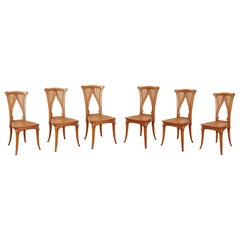
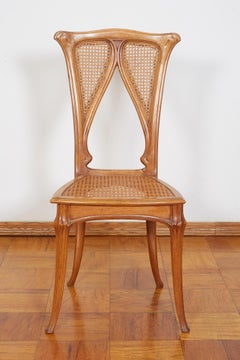
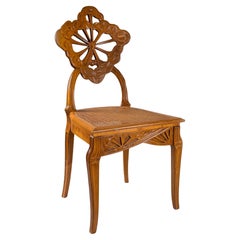
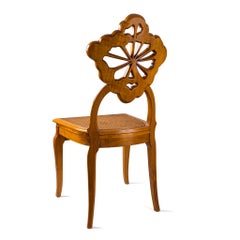
Émile Gallé "Ombelle" Side Chair

Émile Gallé "Ombelle" Side Chair

$22,500

H 37 in W 18.125 in D 18.25 in

Émile Gallé "Ombelle" Side Chair

By Émile Gallé

Located in New York, NY

Gallé first designed the Ombelle chairs to great critical acclaim at the 1900 Exposition Universelle. The chairs were inspired by the umbellifer family. The species in this family, i...

Category

Early 20th Century French Art Nouveau Chairs

Materials

Cane, Walnut

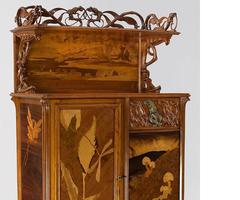
Émile Gallé "Grenouilles" Fruitwood Cabinet

Émile Gallé "Grenouilles" Fruitwood Cabinet

$75,000

H 62.5 in W 26 in D 15.25 in

Émile Gallé "Grenouilles" Fruitwood Cabinet

By Émile Gallé

Located in New York, NY

This French Art Nouveau "Grenouilles" carved fruitwood cabinet by Émile Gallé features detailed and masterful marquetry depicting dragonflies and mushrooms in a lush, leafy landscape...

Category

Antique Early 1900s French Art Nouveau Cabinets

Materials

Beech, Fruitwood

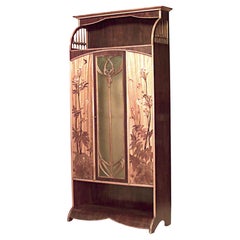
Louis Majorelle French Art Nouveau Walnut Floral Armoire

Louis Majorelle French Art Nouveau Walnut Floral Armoire

By Louis Majorelle

Located in Queens, NY

French Art Nouveau walnut and inlaid floral design 3 door armoire cabinet with shelf on bottom and top with spindle sides. (signed: LOUIS MAJORELLE).       

Category

20th Century French Art Nouveau Wardrobes and Armoires

Materials

Walnut

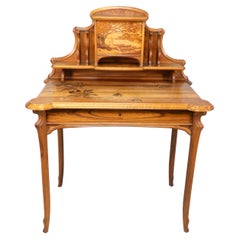
Emile Galle. An Art Nouveau Walnut writing desk with exceptional inlaid scenery

Emile Galle. An Art Nouveau Walnut writing desk with exceptional inlaid scenery

By Émile Gallé

Located in London, GB

An exhibition-quality Art Nouveau Walnut writing desk with an exceptional scene depicting moored boats on a river overlooked by a large tree on the river bank inlaid to the upper cup...

Category

Antique Early 1900s French Art Nouveau Desks

Materials

Walnut

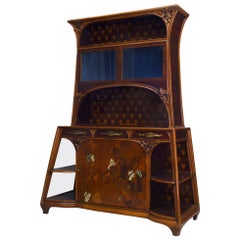
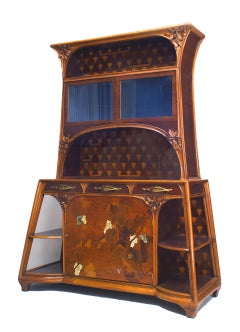
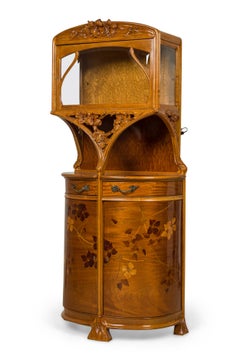
Camille Gauthier French Art Nouveau Floral Marquetry Display Cabinet / Vitrine

Camille Gauthier French Art Nouveau Floral Marquetry Display Cabinet / Vitrine

By Camille Gauthier

Located in Queens, NY

French Art Nouveau two-tier display cabinet / vitrine with a glass upper cabinet topped with an elaborately carved floral crest over an open compartment, resting on a lower demilune ...

Category

20th Century French Art Nouveau Cabinets

Materials

Metal, Bronze

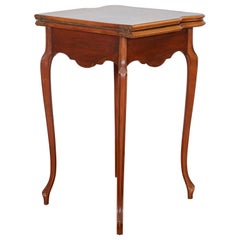
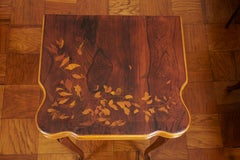
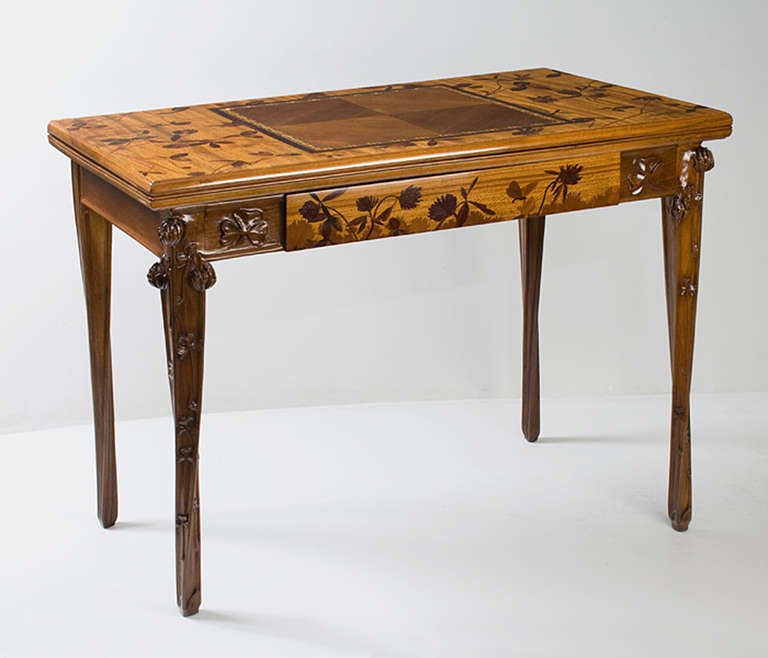
Original French Art Nouveau game table / side table by Emile Gallé 1905 chestnut

Original French Art Nouveau game table / side table by Emile Gallé 1905 chestnut

By Émile Gallé, Gallé

Located in Ijzendijke, NL

Exquisite & most rare! This marvelous games table by Emile Galle. The top is richly decorated with a masterfully inlay of various woods. Depicting multiple chestnut leaves in differe...

Category

Antique Early 1900s French Art Nouveau Game Tables

Materials

Wood, Walnut

French Art Nouveau Table by Louis Majorelle

French Art Nouveau Table by Louis Majorelle

By Louis Majorelle

Located in New York, NY

A French Art Nouveau mahogany salon table with fruitwood marquetry by Louis Majorelle. The table top is decorated with leaves and vines. The legs have carved flowers, circa 1900. ...

Category

Antique Early 1900s French Art Nouveau Side Tables

Materials

Fruitwood

Louis Majorelle "Chicorée" Walnut and Oak Dining Suite

Louis Majorelle "Chicorée" Walnut and Oak Dining Suite

By Louis Majorelle

Located in New York, NY

This Louis Majorelle extendable dining table, accompanied by a set of six matching chairs, is a solid display of French Art Nouveau style in furniture. The "Chicorée," or "Chicory," ...
Category

Early 20th Century French Art Nouveau Dining Room Sets

Materials

Upholstery, Wood, Oak, Walnut

Émile Gallé "Chardons des Sables" Chest of Drawers

Émile Gallé "Chardons des Sables" Chest of Drawers

By Émile Gallé

Located in New York, NY

This "Chardons des Sables," or "Sand Thistle," multi-wood chest of drawers, by Émile Gallé, is a moving meditation on the artist's own mortality. The blackened sand thistle flowers, ...

Category

Antique Early 1900s French Art Nouveau Commodes and Chests of Drawers

Materials

Wood

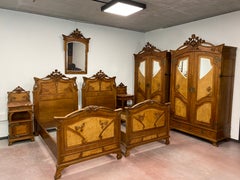
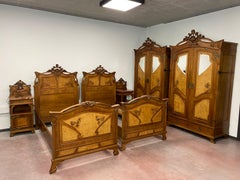
Art Nouveau Bedroom Set by Louis Majorelle

Art Nouveau Bedroom Set by Louis Majorelle

$64,740 / set

H 76.78 in W 45.67 in D 19.69 in

Art Nouveau Bedroom Set by Louis Majorelle

By Louis Majorelle

Located in Banská Štiavnica, SK

Art Nouveau bedroom set atr. to Louis Majorelle circa 1900 combination of woods and brass. Measurements: 2xbed 200x104cm 2xbedside table 47x38x116cm 2xwardrobe 122x55x230cm mirror

Category

Antique Early 1900s Austrian Jugendstil Bedroom Sets

Materials

Brass

Emile Galle Marquetry Three Tier Dragonfy and Botanical Table

Emile Galle Marquetry Three Tier Dragonfy and Botanical Table

By Émile Gallé

Located in Dallas, TX

Emile Galle (1846-1904) Three-Tiered Table Circa 1900 This three tiered, four legged French walnut table with "Libellules," or "Dragonflies," fruitwood marquetry decoration, by Émil...

Category

Antique Early 1900s French Art Nouveau Coffee and Cocktail Tables

Materials

Fruitwood, Oak

Get Updated with New Arrivals
Save "Emile Galle Mirror", and we’ll notify you when there are new listings in this category.

Emile Galle Mirror For Sale on 1stDibs

With a vast inventory of beautiful furniture at 1stDibs, we’ve got just the emile galle mirror you’re looking for. Frequently made of glass, wood and mirror, every emile galle mirror was constructed with great care. You’ve searched high and low for the perfect emile galle mirror — we have versions that date back to the 19th Century alongside those produced as recently as the 20th Century are available. Each emile galle mirror bearing Art Nouveau or Art Deco hallmarks is very popular. You’ll likely find more than one emile galle mirror that is appealing in its simplicity, but Émile Gallé and Gauthier-Poinsignon produced versions that are worth a look.
How Much is a Emile Galle Mirror?

A emile galle mirror can differ in price owing to various characteristics — the average selling price 1stDibs is $11,481, while the lowest priced sells for $2,200 and the highest can go for as much as $80,000.

Émile Gallé for sale on 1stDibs

“Art for art’s sake” was a belief strongly espoused by the celebrated French designer and glassworker Émile Gallé. Through his ethereal glass vases, other vessels and lamps, which he adorned with botanical and religious motifs, Gallé advanced the Art Nouveau ideology and led the modern renaissance of French glass.

Gallé was the son of successful faience and furniture maker Charles Gallé but studied philosophy and botany before coming to glassmaking later in life. The young Gallé’s expertise in botany, however, would inform his design style and become his signature for generations to come.

After learning the art of glassmaking, Gallé went to work at his father’s factory in Nancy. He initially created clear glass objects but later began to experiment with layering deeply colored glass.

While glassmakers on Murano had applied layers of glass and color on decorative objects before Gallé had, he was ever-venturesome in his northeastern France, taking advantage of defects that materialized during his processes and etching in natural forms like insects such as dragonflies, marine life, the sun, vines, fruits and flowers modeled from local specimens.

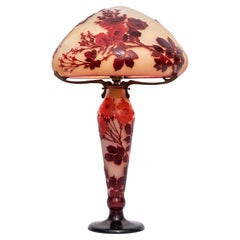
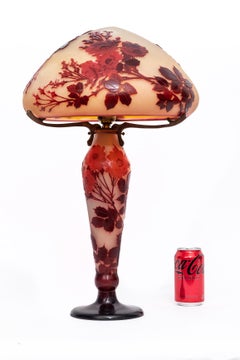
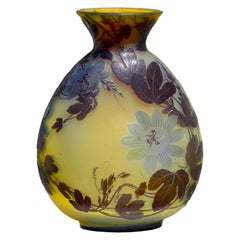
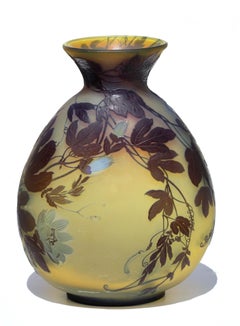
Gallé is also credited with reviving cameo glass, a glassware style that originated in Rome. He used cabochons, which were applied raised-glass decorations colored with metallic oxides and made to resemble rich jeweling. Gallé's cameo glass vases and vessels were widely popular at the Paris Exhibition of 1878, cementing his position as a talented designer and pioneer.

During the late 19th century, Gallé led breakthroughs in mass production and employed hundreds of artisans in his workshop.

Botany and nature remained great sources of inspiration for the artist's glassmaking — just as they had for other Art Nouveau designers. From approximately 1890 to 1910, the movement’s talented designers produced furniture, glass and architecture in the form of — or adorned with — gently intertwining trees, flowers and vines. But Gallé had many interests, such as Eastern art and ceramics. The Japanese collection he visited at the Victoria and Albert Museum in London (then the South Kensington Museum) during the 1870s had made an impression too.

Breaking free from the rigid Victorian traditions, Gallé infused new life and spirit into the art and design of his time through exquisitely crafted glass vessels and pioneering new glassworking techniques.

Find a collection of Émile Gallé vases and other furniture and decorative objects on 1stDibs.

A Close Look at Art-nouveau Furniture

In its sinuous lines and flamboyant curves inspired by the natural world, antique Art Nouveau furniture reflects a desire for freedom from the stuffy social and artistic strictures of the Victorian era. The Art Nouveau movement developed in the decorative arts in France and Britain in the early 1880s and quickly became a dominant aesthetic style in Western Europe and the United States.

ORIGINS OF ART NOUVEAU FURNITURE DESIGN

CHARACTERISTICS OF ART NOUVEAU FURNITURE DESIGN

  • Sinuous, organic and flowing lines
  • Forms that mimic flowers and plant life
  • Decorative inlays and ornate carvings of natural-world motifs such as insects and animals 
  • Use of hardwoods such as oak, mahogany and rosewood

ART NOUVEAU FURNITURE DESIGNERS TO KNOW

ANTIQUE ART NOUVEAU FURNITURE ON 1STDIBS

Art Nouveau — which spanned furniture, architecture, jewelry and graphic design — can be easily identified by its lush, flowing forms suggested by flowers and plants, as well as the lissome tendrils of sea life. Although Art Deco and Art Nouveau were both in the forefront of turn-of-the-20th-century design, they are very different styles — Art Deco is marked by bold, geometric shapes while Art Nouveau incorporates dreamlike, floral motifs. The latter’s signature motif is the "whiplash" curve — a deep, narrow, dynamic parabola that appears as an element in everything from chair arms to cabinetry and mirror frames.

The visual vocabulary of Art Nouveau was particularly influenced by the soft colors and abstract images of nature seen in Japanese art prints, which arrived in large numbers in the West after open trade was forced upon Japan in the 1860s. Impressionist artists were moved by the artistic tradition of Japanese woodblock printmaking, and Japonisme — a term used to describe the appetite for Japanese art and culture in Europe at the time — greatly informed Art Nouveau. 

The Art Nouveau style quickly reached a wide audience in Europe via advertising posters, book covers, illustrations and other work by such artists as Aubrey Beardsley, Henri de Toulouse-Lautrec and Alphonse Mucha. While all Art Nouveau designs share common formal elements, different countries and regions produced their own variants.

In Scotland, the architect Charles Rennie Mackintosh developed a singular, restrained look based on scale rather than ornament; a style best known from his narrow chairs with exceedingly tall backs, designed for Glasgow tea rooms. Meanwhile in France, Hector Guimard — whose iconic 1896 entry arches for the Paris Metro are still in use — and Louis Majorelle produced chairs, desks, bed frames and cabinets with sweeping lines and rich veneers. 

The Art Nouveau movement was known as Jugendstil ("Youth Style") in Germany, and in Austria the designers of the Vienna Secession group — notably Koloman Moser, Josef Hoffmann and Joseph Maria Olbrich — produced a relatively austere iteration of the Art Nouveau style, which mixed curving and geometric elements.

Art Nouveau revitalized all of the applied arts. Ceramists such as Ernest Chaplet and Edmond Lachenal created new forms covered in novel and rediscovered glazes that produced thick, foam-like finishes. Bold vases, bowls and lighting designs in acid-etched and marquetry cameo glass by Émile Gallé and the Daum Freres appeared in France, while in New York the glass workshop-cum-laboratory of Louis Comfort Tiffany — the core of what eventually became a multimedia decorative-arts manufactory called Tiffany Studios — brought out buoyant pieces in opalescent favrile glass. 

Jewelry design was revolutionized, as settings, for the first time, were emphasized as much as, or more than, gemstones. A favorite Art Nouveau jewelry motif was insects (think of Tiffany, in his famed Dragonflies glass lampshade).

Like a mayfly, Art Nouveau was short-lived. The sensuous, languorous style fell out of favor early in the 20th century, deemed perhaps too light and insubstantial for European tastes in the aftermath of World War I. But as the designs on 1stDibs demonstrate, Art Nouveau retains its power to fascinate and seduce.

There are ways to tastefully integrate a touch of Art Nouveau into even the most modern interior — browse an extraordinary collection of original antique Art Nouveau furniture on 1stDibs, which includes decorative objects, seating, tables, garden elements and more.