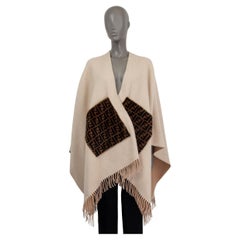
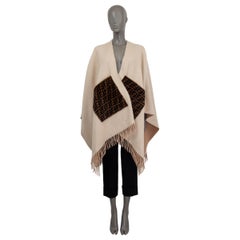
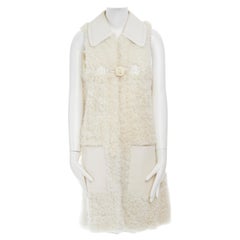
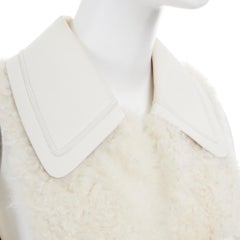
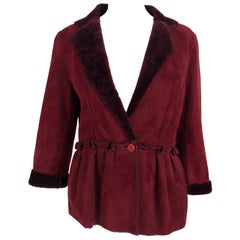
Like other major European luxury fashion houses, Fendi started small. Adele Casagrande was an Italian creative who loved fashion and sold leather and fur accessories from a tiny workshop she opened in Rome in 1918. However, after marrying Edoardo Fendi in 1925, her business model was altered dramatically. Together, the couple changed the boutique’s name to Fendi and moved into a bigger storefront, which quickly became the favorite shop of women all over Italy’s capital city for furs and leathers, such as handbags, coats and accessories.
As time moved on for Adele and Edoardo, the couple began to distribute more responsibility to their five daughters, who assumed management of the company during the 1950s. Fendi’s audience broadened and its profitability has soared over the years, owing to the brand’s fresh perspective on fashion world happenings and innovative sensibility.
The maison also has a distinctive relationship with old-world Italian craftsmanship. The Selleria bags were the work of master saddlers in Rome, and Fendi partnered with lace artisans in southern Italy as well as craftsmen in the east trained in the intrecciato (intertwined) technique (an idea that Adele introduced during the 1940s), which, in Fendi’s case, sees an interwoven leather fabric integrated in the creation of its handbags, countering leather’s traditional rigidity with a bag that is soft, versatile and fitted with an alluring slouchy curve.
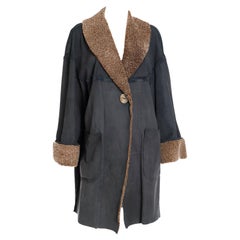
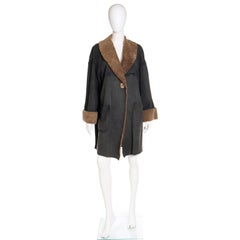
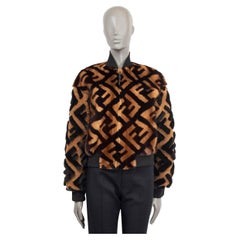
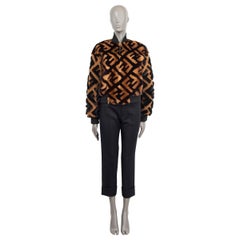
It wasn’t until 1965, however, when a young German designer named Karl Lagerfeld took the creative helm that Fendi became a world-renowned fashion house. In fact, Lagerfeld, who produced four to five collections yearly for the brand, is credited with creating Fendi’s instantly recognizable double-F logo (which stands for “Fun Furs”) in “less than five seconds.” Until Lagerfeld started designing for the brand, fur was a material mostly associated with heavy coats that few people actually wore. Lagerfeld reimagined fur in creative ways, using it as an accent on purses, cuffs on dress sleeves and collars on wool coats.
Over the ensuing years, Fendi has broken into the home-goods market with Fendi Casa and has become synonymous with luxury fashion, producing such pieces as the iconic Baguette, which was rendered ever popular on the television series Sex and the City. In fact, an entire episode during the third season was dedicated to the “original It bag,” a slim accessory tapered in a manner that recalls its namesake, designed in 1997 by Adele and Edoardo’s granddaughter Silvia Venturini Fendi, who was named creative director of accessories three years earlier.
Perhaps just as well known as its vintage Baguette handbags and creative use of fur is the brand’s devotion to its Italian roots. In 2013, Fendi donated more than 2 million euros to restore Rome’s Trevi Fountain, and when it was reopened to visitors, Fendi hosted its Autumn/Winter 2017 show on top of the landmark.
Fendi was a family-controlled brand until 1999 and is now owned by LVMH. In late 2020, British fashion designer Kim Jones was named the house’s artistic director for womens wear.
Find a wide variety of vintage Fendi handbags and purses, clothing and other accessories on 1stDibs.
No matter if you’re preparing for a fashion event or a weather event — you’re going to need a good jacket.
What would become the modern jacket as we know it began as a strictly professional item. A lot of the vintage and designer jackets (and coat styles such as the Navy-inspired peacoat) in our closets were likely popularized by soldiers who battled aggressive climes with their regulation field jackets, bombers and parkas buttoned or zipped to the chin. Indeed, keeping troopers comfortable guided the design of the military surplus garments that have often become buzzy fashion trends. But now, jackets add far more than warmth to our wardrobe, and we hunt down outer layers branded with peerless fashion labels.
Fashion’s most iconic creations, despite their age, remain modern: Biker jackets originated in the 1920s, Balenciaga’s celebrated puffers are steeped in a tradition of down coats that began in the 1930s and your vintage denim jacket has come an even longer way, from California Gold Rush to wardrobe staple. Jeans bequeathed jean jackets during the 1880s, thanks to Levi Strauss, who crafted the former as a durable garment to be worn by miners and railroad workers. Later, jeans and jean jackets became synonymous with nonconformity and rebelliousness — with fashion legends such as actor James Dean in the 1950s and model Veruschka in the 1960s and ’70s leading the indigo-toned charge.
Another fashion rebel, Coco Chanel, used the classic tweed jacket to introduce more comfort and mobility into women’s daily lives. Debuting in 1954 and based on a cardigan, the groundbreaking Chanel jacket forever changed what women wear. The garment reacted against the fitted, constricting styles of Christian Dior’s New Look, which, as Chanel saw it, was making women dress like decorative objects.
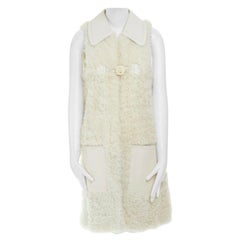
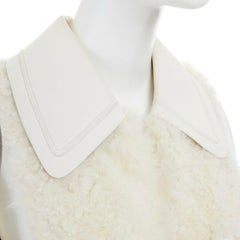
On 1stDibs, find bold collections from cutting-edge contemporary designers who’ve taken the classic silhouette of the jacket to new heights or build out your array of vintage treasures (denim or otherwise) with dazzlers from Yves Saint Laurent, Gianni Versace, Moschino and more.