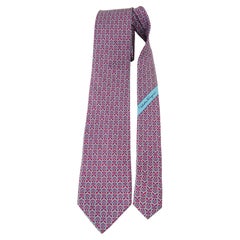
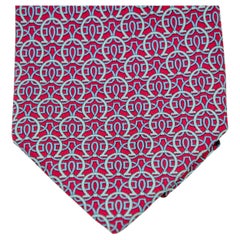
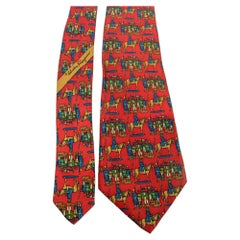
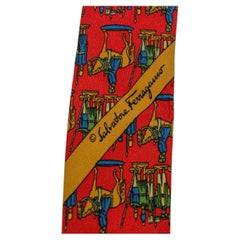
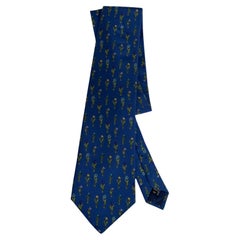
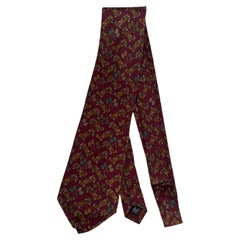
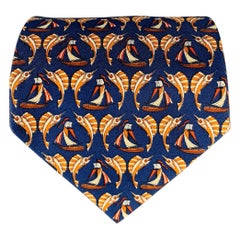
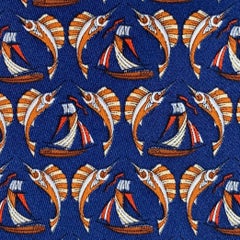
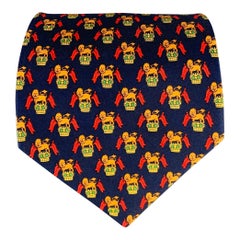
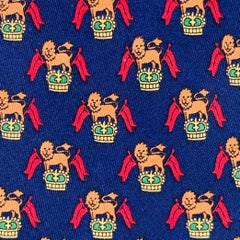
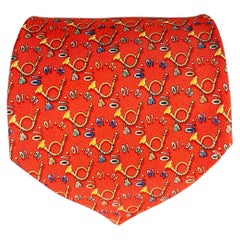
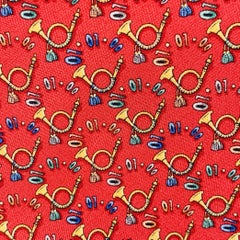
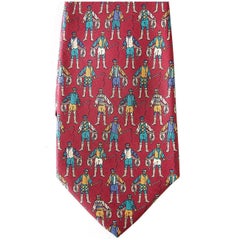
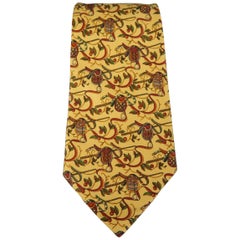
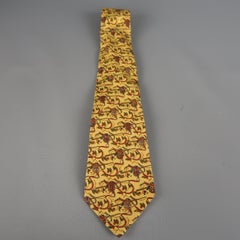
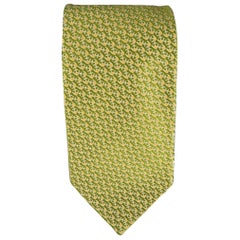
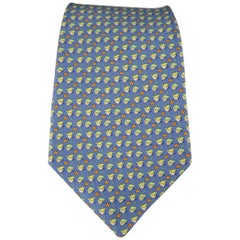
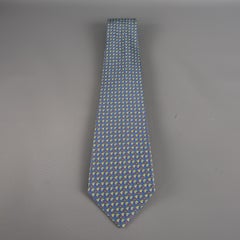
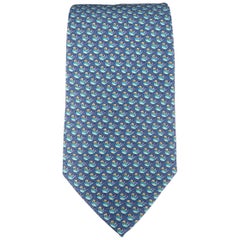
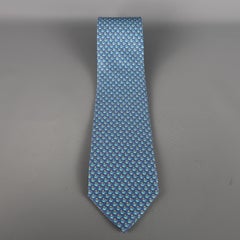
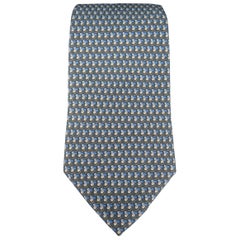
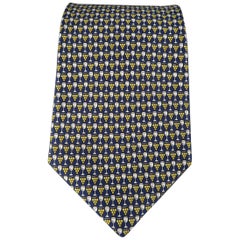
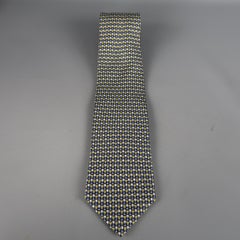
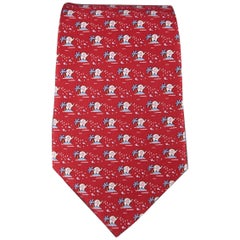
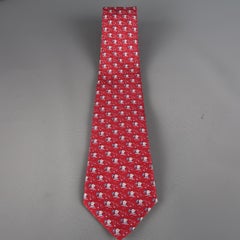
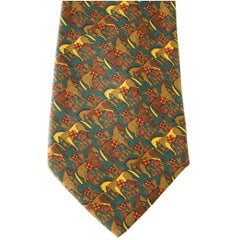
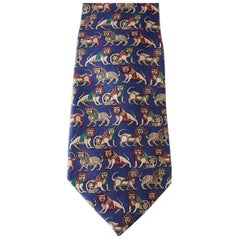
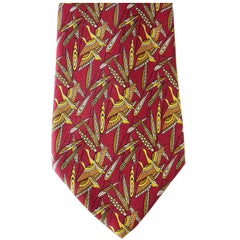
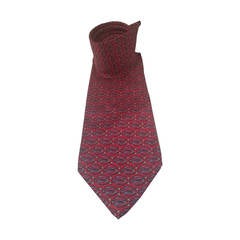
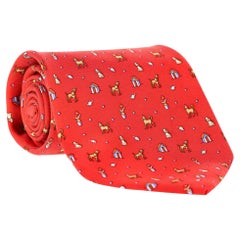
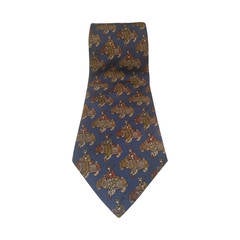
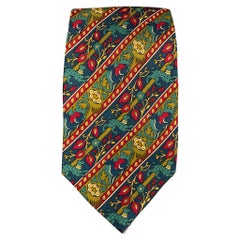
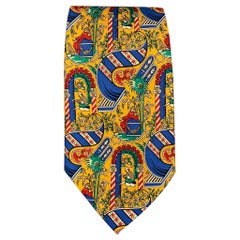
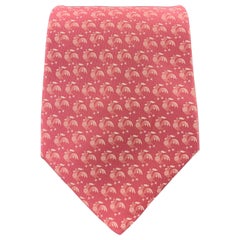
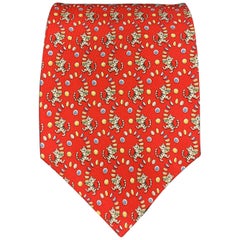
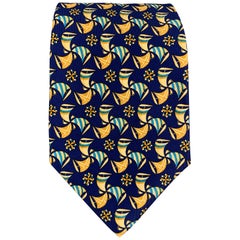
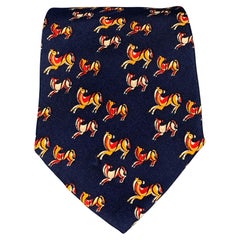
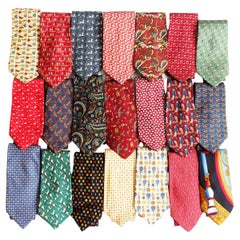
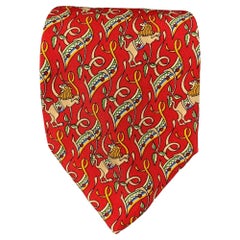
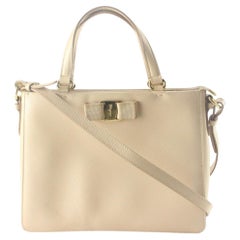
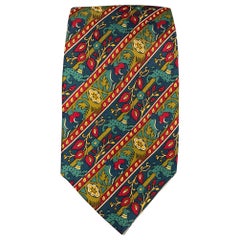
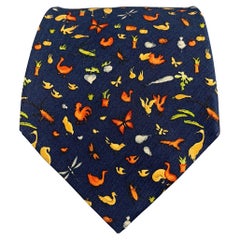
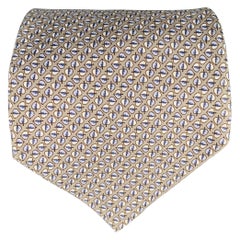
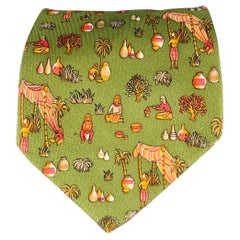
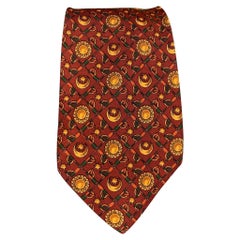
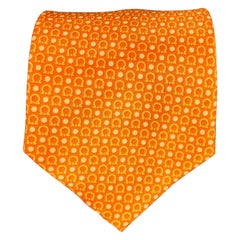
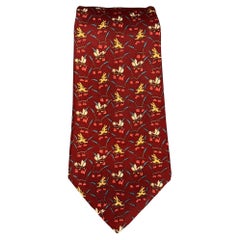
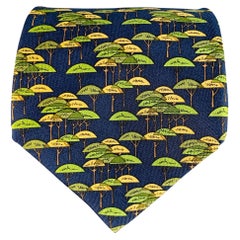
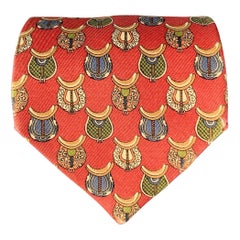
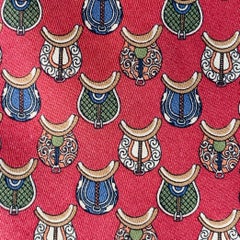
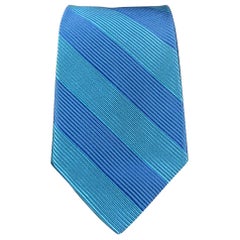
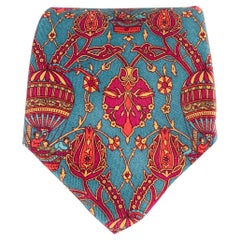
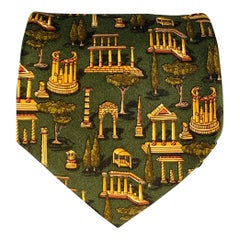
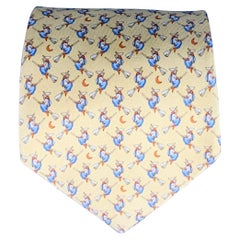
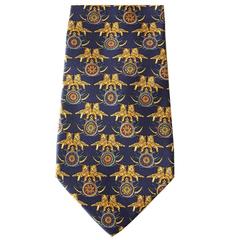
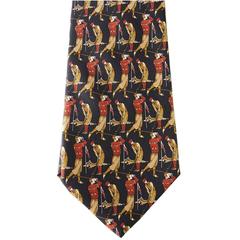
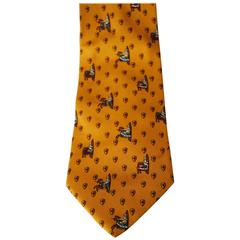
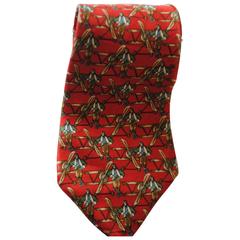
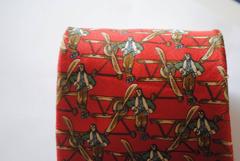
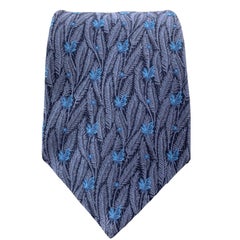
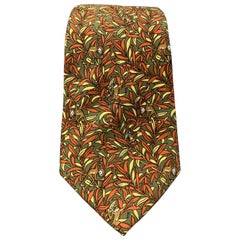
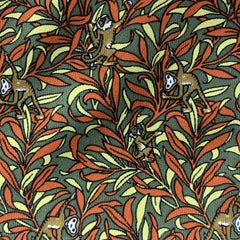
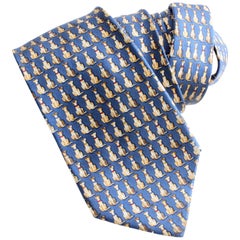
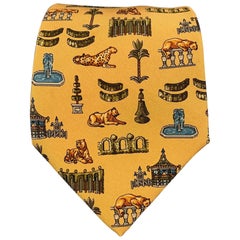
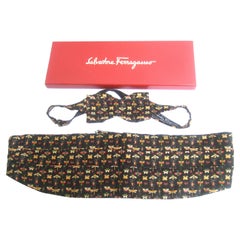
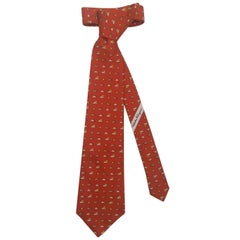
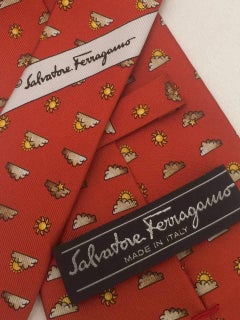
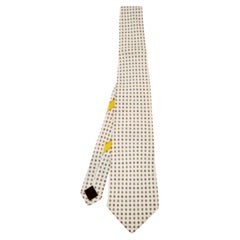
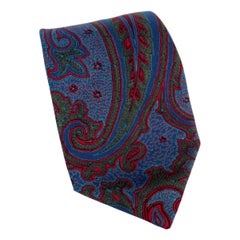
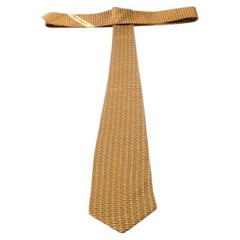
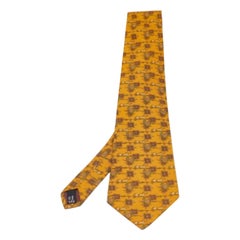
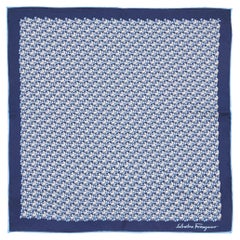
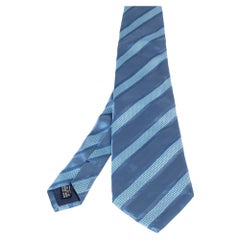
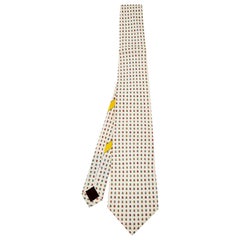
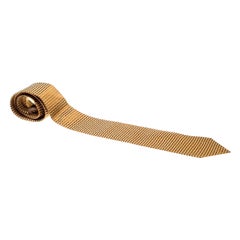
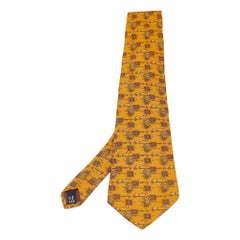
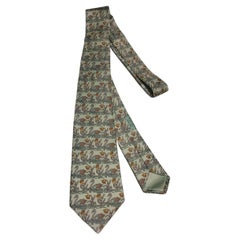
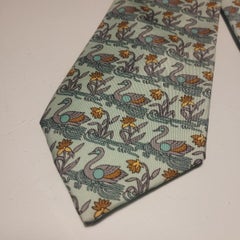
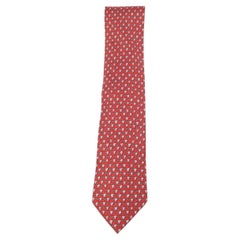
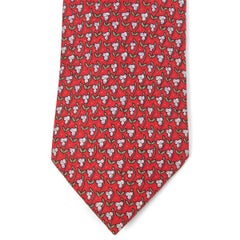
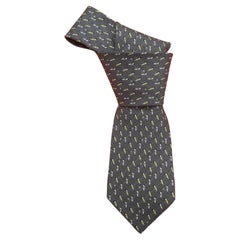
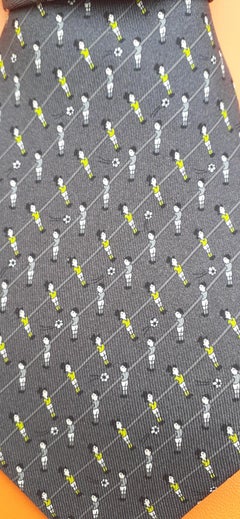
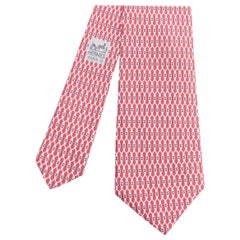
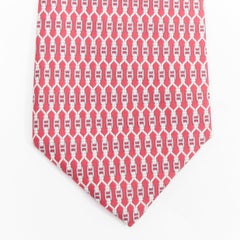
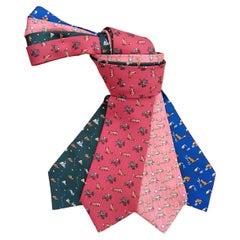
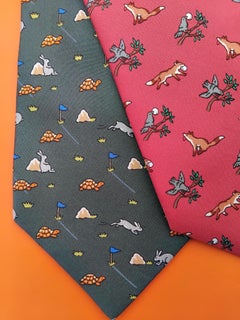
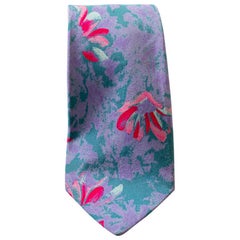
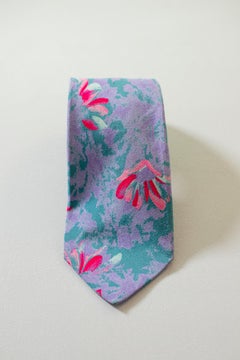
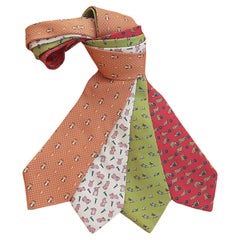
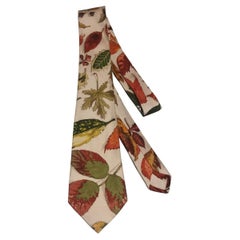
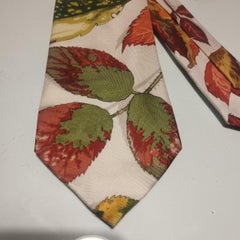
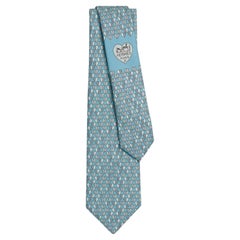
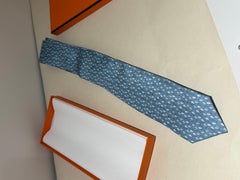
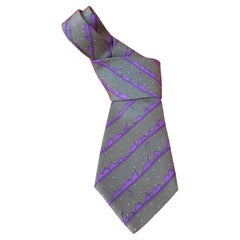
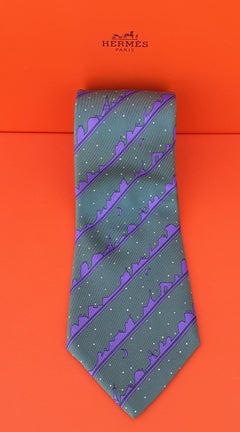
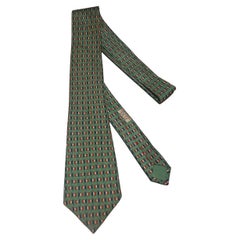
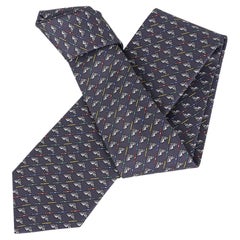
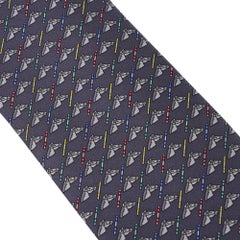
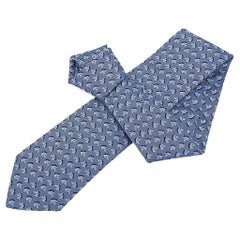
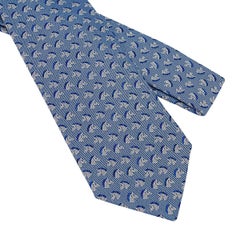
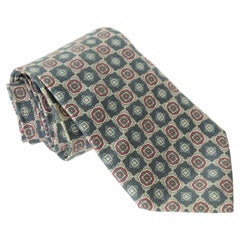
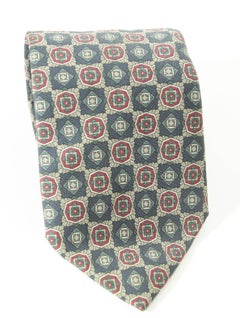
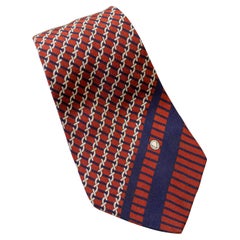
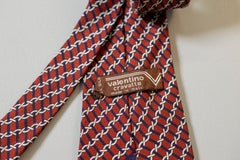
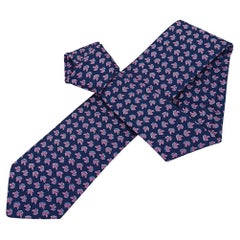
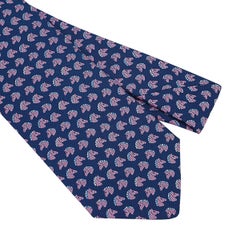
There is a broad range of ferragamo ties for sale on 1stDibs. Many people prefer
Brown ferragamo ties, but fashion is all about individuality — you can find
Black,
Red and more options on these pages. Making the right choice when shopping for these accessories may mean looking at versions that date from different eras — you can find early iterations from the 20th Century and newer versions made as recently as the 21st Century, all of which have proven very popular over the years. If you’re browsing our inventory for these accessories, you’ll find that many are available today for
men, but there are still pieces to choose from for
women and unisex.
A perfectionist who as a child crafted a pair of white shoes for his sister’s first holy communion because his parents couldn’t afford new footwear, Salvatore Ferragamo was ambitious from his earliest days. The young Italian shoemaker established in the years that followed what would one day become a fashion empire — the highly profitable multinational family-owned and -operated luxury brand today counts more than 600 stores in 96 countries around the world, and vintage Salvatore Ferragamo shoes, belts, handbags and other clothing and accessories are objects of desire for fashion lovers everywhere.
Salvatore Ferragamo sought an education in the art of shoemaking when he was eleven — he apprenticed with a local shoemaker and spent a short time in nearby Naples learning what he could at a shoe factory. He opened his first shop with a handful of workers the following year, and in 1914 — when he was still a teenager — Ferragamo emigrated to America, just as his siblings had before him, seeking new opportunities for work and to learn in the footwear trade.
After securing a job at the Plant Shoe Factory in Boston, Massachusetts, Ferragamo was uninspired by machine-made footwear. He moved across the country to Santa Barbara, California. Owing to a connection he made with a then-actor cousin, Ferragamo found work with the American Film Manufacturing Company. He made women’s shoes and provided durable cowboy boots for a film crew’s costuming department. Ferragamo’s reputation in the world of Hollywood cinema soon broadened, and he established a storefront in Mission Canyon where he made shoes by hand for the likes of actresses Gloria Swanson, Greta Garbo and Dolores del Río.
By the 1920s, film directors commissioned Ferragamo to produce shoes for a range of movies — the list of films eventually included The Ten Commandments, The Covered Wagon and The Thief of Baghdad. When he felt comfortable enough with the English language, Ferragamo also enrolled in anatomy courses at the University of Southern California in Los Angeles in order to better understand motion and the demands that we place on our footwear.
By the late 1920s, Ferragamo sought to expand production of his shoes and returned to Italy. He hired scores of apprentices to work in a factory in Florence, where Ferragamo carefully melded the principles of handcraftsmanship with all that he learned about America’s shoe factories. He filed patents — hundreds over the years — on the steel shank arch and many other unique aspects of his shoe design, and when economic and political influences during the 1930s forced Ferragamo to substitute pressed cork for steel to support the arch, the wedge heel was born. Other creative materials he integrated into his forward-looking creations were hemp, felt, nylon fishing line, fish skin and cellophane twisted with silk.
In the late 1940s, the brand’s first storefront opened in Manhattan, and today Salvatore Ferragamo is known worldwide and is synonymous with a wealth of iconic footwear such as Viva ballet flats, Vara Bow pumps, Gancini loafers and lots more. Ferragamo’s son, Ferruccio, was appointed CEO in 1984. Under his leadership, Ferruccio diversified and expanded the fashion business further, getting into sunglasses, fragrance, watches and made-to-measure men’s shoes. Ferruccio was succeeded by his brother, Leonardo Ferragamo, and British designer Maximilian Davis is now creative director of the brand.
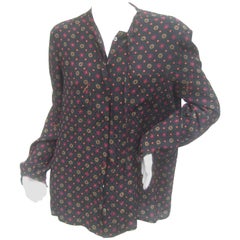
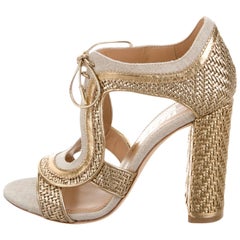
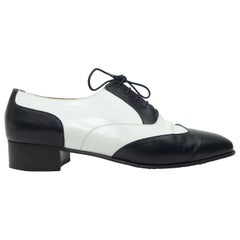
Find vintage Salvatore Ferragamo shoes, clothing and accessories on 1stDibs.
Whether accompanying a simple black dress or a straightforward pantsuit, vintage and designer accessories add personality and can transform an outfit into a fashion statement. Accessorizing is a means of expressing oneself, from colorful hats to timeless handbags.
A finely made scarf can pack a punch on its own, but accompanying a variety of other clothing, it can fuse a look or offer a flash of color. The perfect shoes can enhance an outfit, and different types of shoes can even change how you feel. Heels can provide a feeling of empowerment and confidence, while loafers and flats can offer a comfortable vibe. Sandals can be casual or elegant, able to dress up or down a range of attire.
Purses and handbags have been around in various forms since the days of hunter-gatherers using pouches to carry food, tools and other items. Bag design evolved notably during the Middle Ages. The shoulder bags and other bags ferried on today’s shoulders continue to be utilitarian while serving as status symbols. Chic design and exceptional quality contribute to beautifully constructed statement purses.
Men and women have worn hats throughout history. While they started as simply protection from the sun, they evolved into stylish accessories. Vintage hats never go out of style and add an exciting detail to an ensemble. The first boutique established by legendary fashion designer Coco Chanel drew the attention of the Parisian fashion elite who popularized her wide-brimmed Chanel Modes hats.
Sunglasses were popularized in the 1920s by Hollywood stars attempting to remain incognito in public. They endure as a fashion-forward accessory — a pair of vintage Ray-Ban sunglasses, for example, can top off a look in any season and emanate an air of sophistication.
From belts and neckties to cloche hats and berets, browse an extensive selection of vintage and designer accessories on 1stDibs to complement any wardrobe.