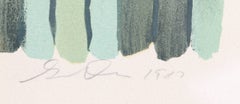
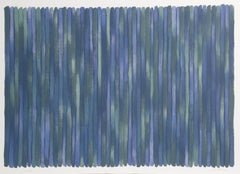
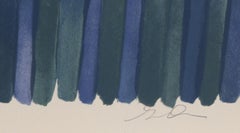
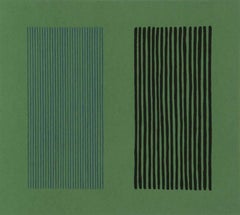
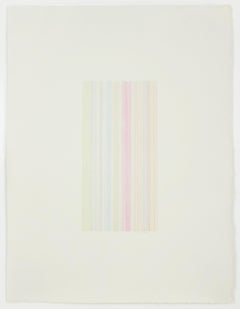
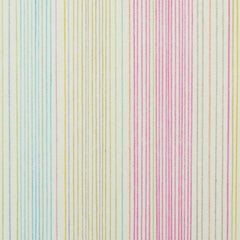
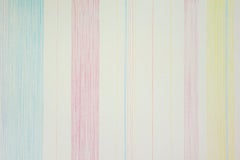
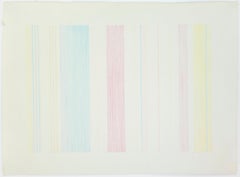
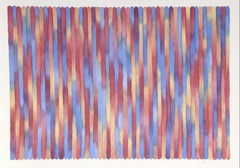
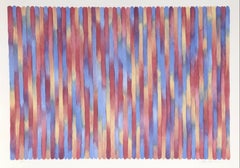
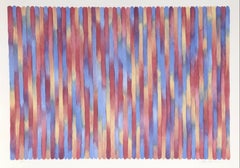
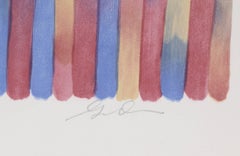
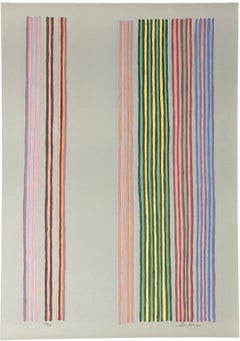
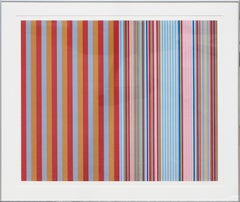
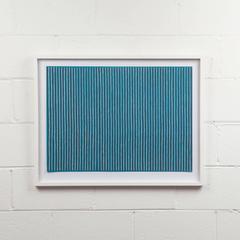
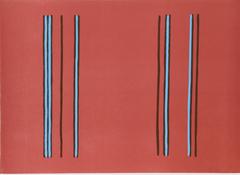
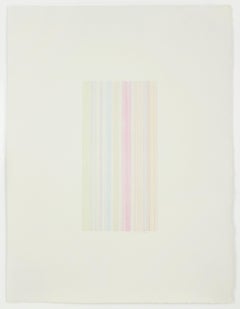
Gene Davis Lithograph For Sale on 1stDibs
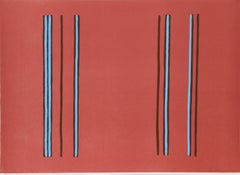
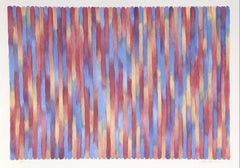
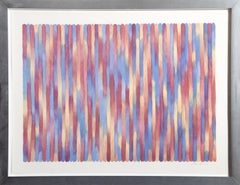
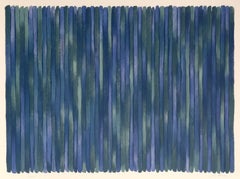
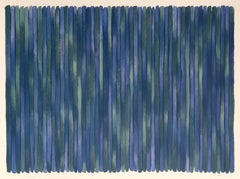
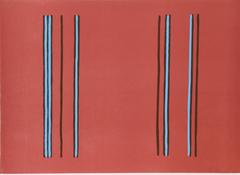
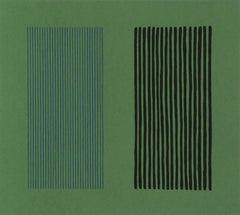
You are likely to find exactly the gene davis lithograph you’re looking for on 1stDibs, as there is a broad range for sale. Find
minimalist versions now, or shop for
minimalist creations for a more modern example of these cherished works. If you’re looking to add a gene davis lithograph to create new energy in an otherwise neutral space in your home, you can find a work on 1stDibs that features elements of
beige,
gray,
black,
pink and more. Creating a gene davis lithograph has been a part of the legacy of many artists, but those crafted by
Gene Davis,
Vance Kirkland,
Adolf Dehn and
Les Levine are consistently popular. Frequently made by artists working in
lithograph,
screen print and
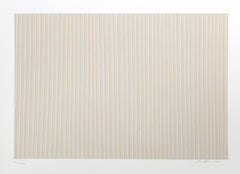
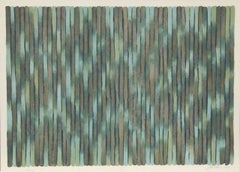
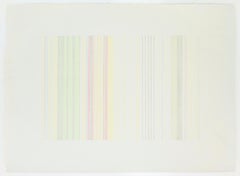
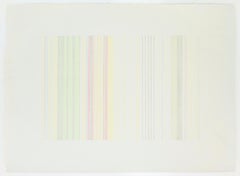
paint, these artworks are unique and have attracted attention over the years. If space is limited, you can find a small gene davis lithograph measuring 8.875 high and 13.125 wide, while our inventory also includes works up to 46.16 across to better suit those in the market for a large gene davis lithograph.
How Much is a Gene Davis Lithograph?
A gene davis lithograph can differ in price owing to various characteristics — the average selling price for items in our inventory is $1,350, while the lowest priced sells for $850 and the highest can go for as much as $19,250.
Gene Davis for sale on 1stDibs
Davis was born in Washington D.C. in 1920 and spent nearly all his life there. Before he began to paint in 1949, he worked as a sportswriter, covering the Washington Football Team and other local teams. Working as a journalist in the late 1940s, he covered the Roosevelt and Truman presidential administrations, and was often President Truman's partner for poker games. His first art studio was in his apartment on Scott Circle; later he worked out of a studio on Pennsylvania Avenue.
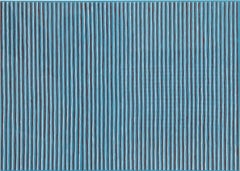
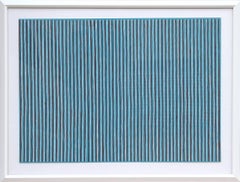
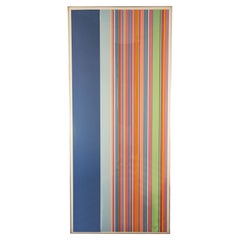
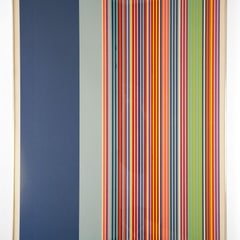
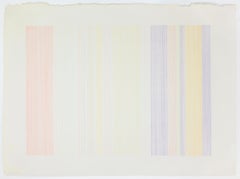
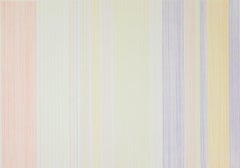
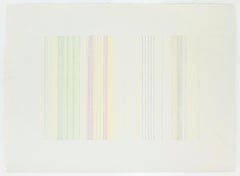
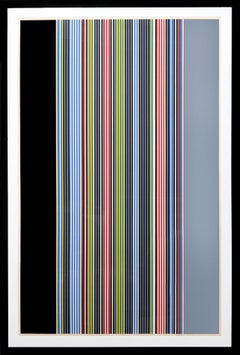
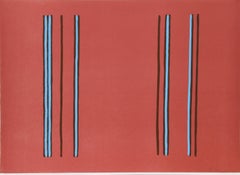
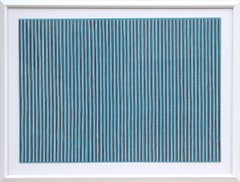
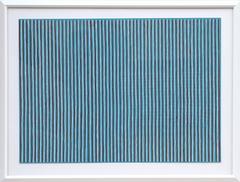
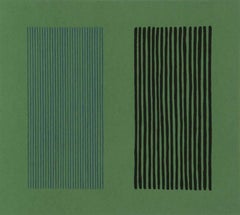
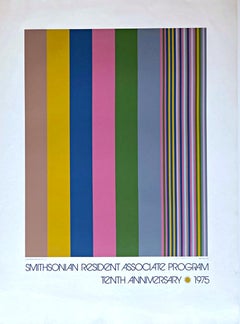
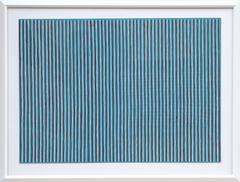
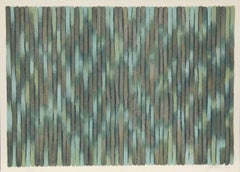
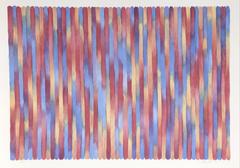
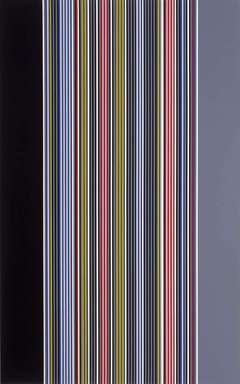
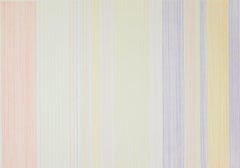
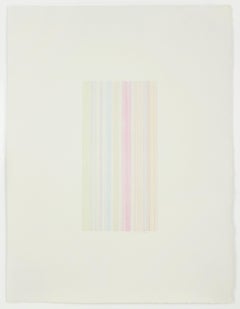
Davis's first solo exhibition of drawings was at the Dupont Theater Gallery in 1952, and his first exhibition of paintings was at Catholic University in 1953. A decade later he participated in the "Washington Color Painters" exhibit at the Washington Gallery of Modern Art in Washington, DC, which traveled to other venues around the US, and launched the recognition of the Washington Color School as a regional movement in which Davis was a central figure. The Washington painters were among the most prominent of the mid-century color field painters. Though, he worked in a variety of media and styles, including ink, oil, acrylic, video, and collage, Davis is best known by far for his acrylic paintings (mostly on canvas) of colorful vertical stripes, which he began to paint in 1958. The paintings typically repeat particular colors to create a sense of rhythm and repetition with variations. One of the best-known of his paintings, "Black Grey Beat" (1964), owned by the Smithsonian American Art Museum reinforces these musical comparisons in its title. The pairs of alternating black and grey stripes are repeated across the canvas, and recognizable even as other colors are substituted for black and grey, and returned to even as the repetition of dark and light pairs is here and there broken by sharply contrasting colors.
In 1972 Davis created Franklin's Footpath, which was at the time the world's largest artwork, by painting colorful stripes on the street in front of the Philadelphia Museum of Art, and the world's largest painting, Niagara (43,680 square feet), in a parking lot in Lewiston, NY. His "micro-paintings", at the other extreme, were as small as 3/8 of an inch square.
For a public work in a different medium altogether, he designed the color patterns of the "Solar Wall," a set of tubes filled with dyed water and backlit by fluorescent lights, at the Muscarelle Museum of Art at the College of William and Mary in Williamsburg, Virginia.
Davis began teaching in 1966 at the Corcoran School of Art, where he became a permanent member of the faculty. His works are in the collections of, among others, the Corcoran Gallery of Art, the Solomon R. Guggenheim Museum, The Phillips Collection in Washington, DC, the Walker Art Center in Minneapolis, MN, The Governor Nelson A. Rockefeller Empire State Plaza Art Collection in Albany, NY, and the Smithsonian American Art Museum.
He died on April 6, 1985 in Washington, DC.
Finding the Right Abstract-prints-works-on-paper for You
Explore a vast range of abstract prints on 1stDibs to find a piece to enhance your existing collection or transform a space.
Unlike figurative paintings and other figurative art, which focuses on realism and representational perspectives, abstract art concentrates on visual interpretation. An artist may use a single color or simple geometric forms to create a world of depth. Printmaking has a rich history of abstraction. Through materials like stone, metal, wood and wax, an image can be transferred from one surface to another.
During the 19th century, iconic artists, including Edvard Munch, Paul Cézanne, Georgiana Houghton and others, began exploring works based on shapes and colors. This was a departure from the academic conventions of European painting and would influence the rise of 20th-century abstraction and its pioneers, like Pablo Picasso and Piet Mondrian.
Some leaders of European abstraction, including Franz Kline, were influenced by the gestural shapes of East Asian calligraphy. Calligraphy interprets poetry, songs, symbols or other means of storytelling into art, from works on paper in Japan to elements of Islamic architecture.
Bold, daring and expressive, abstract art is constantly evolving and dazzling viewers. And entire genres have blossomed from it, such as Color Field painting and Minimalism.
The collection of abstract art prints on 1stDibs includes etchings, lithographs, screen-prints and other works, and you can find prints by artists such as Joan Miró, Alexander Calder and more.