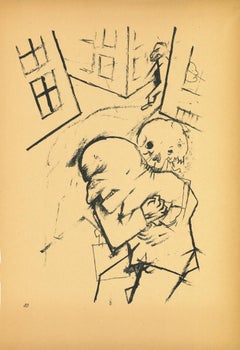
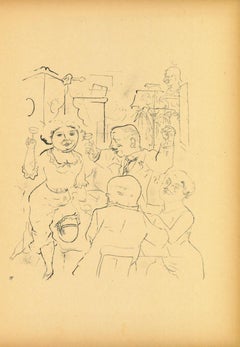
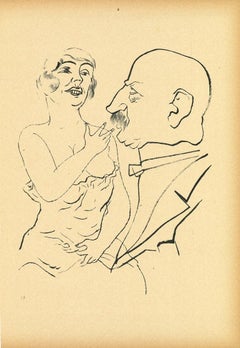
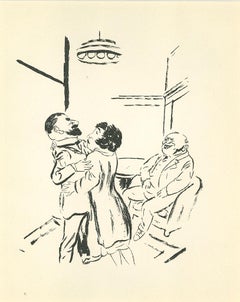
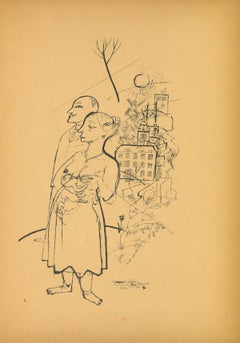
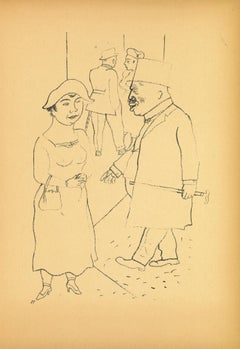
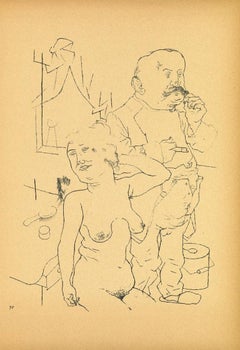
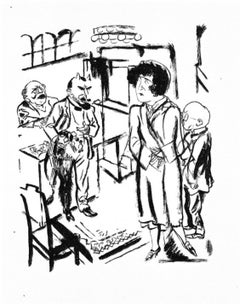
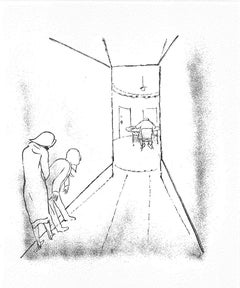
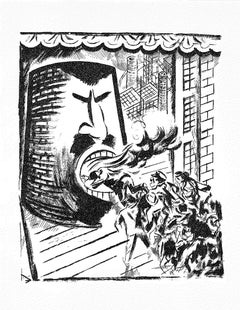
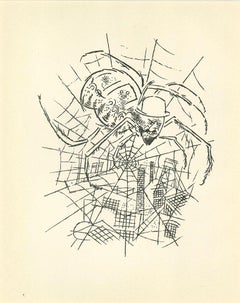
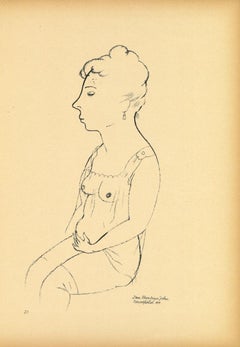
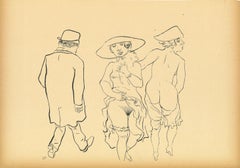
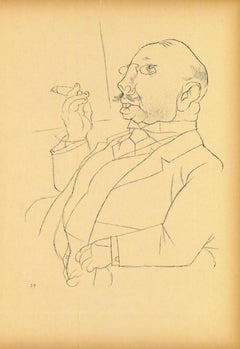
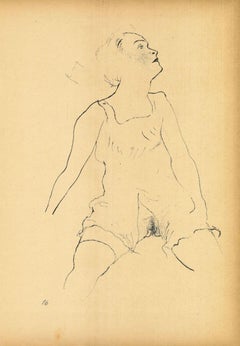
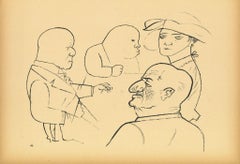
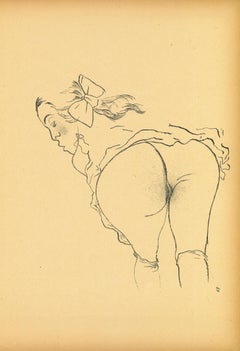
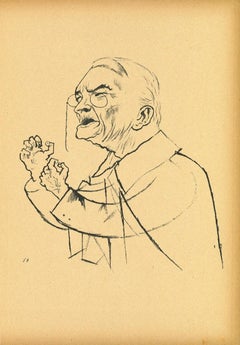
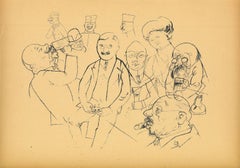
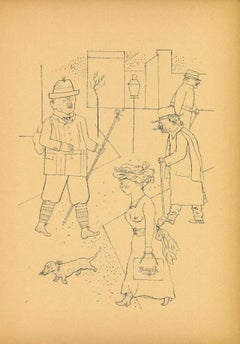
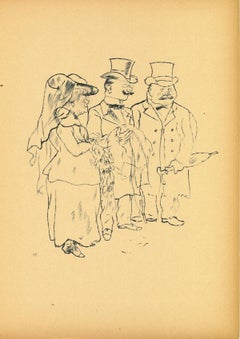
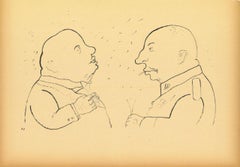
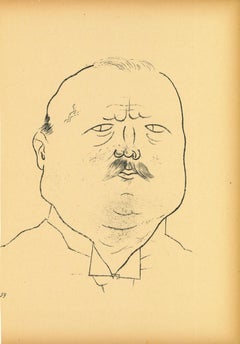
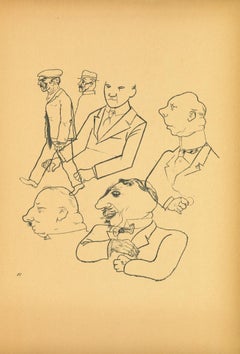
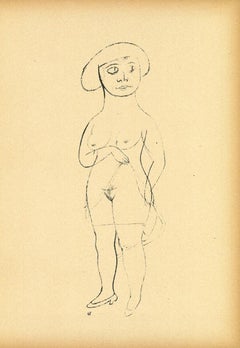
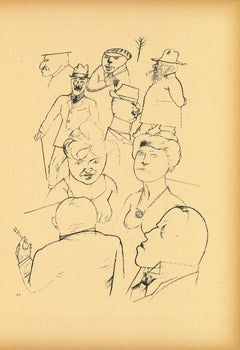
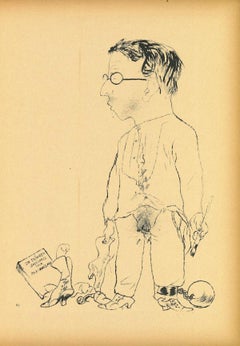
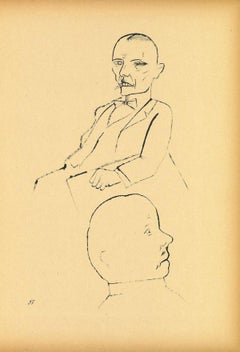
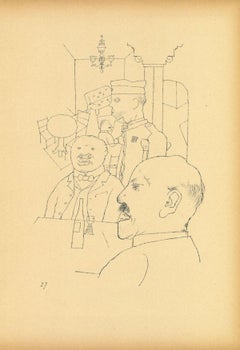
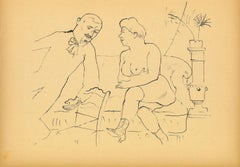
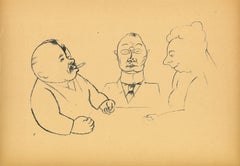
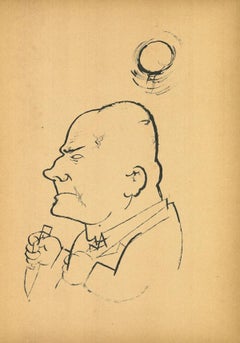
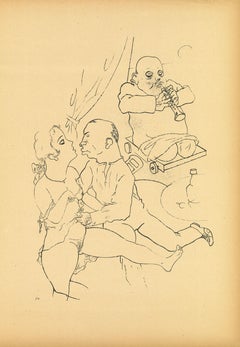
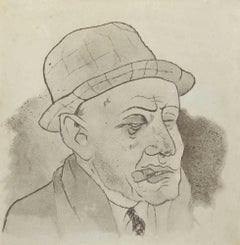
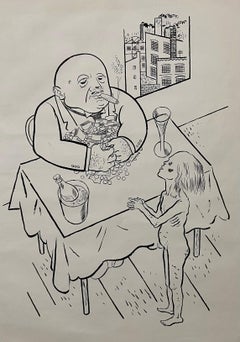
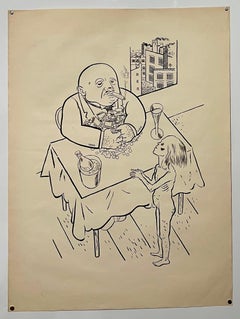
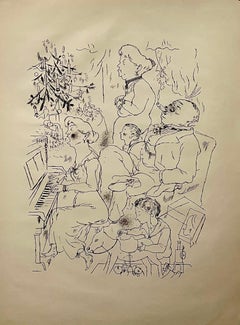
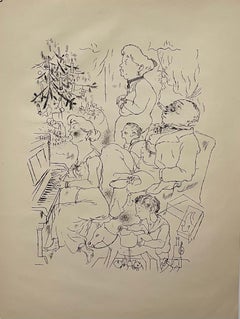
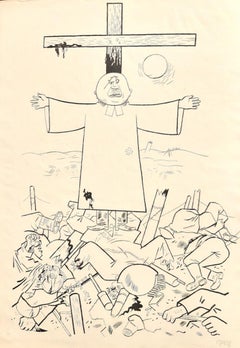
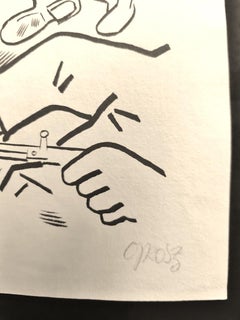
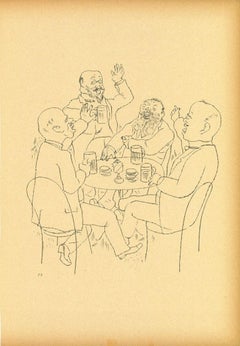
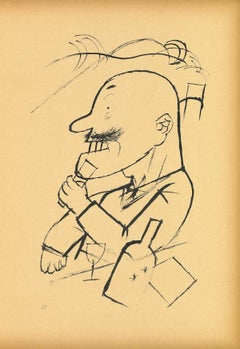
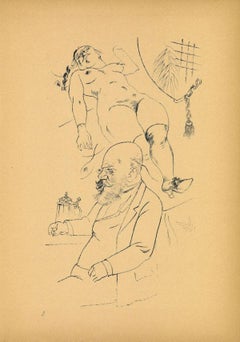
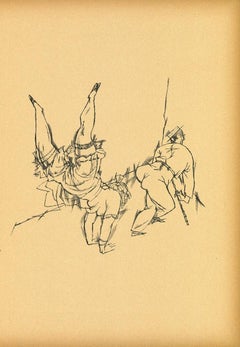
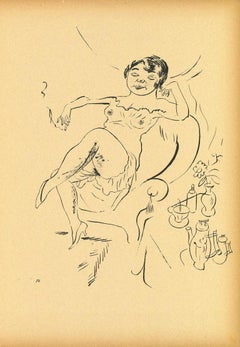
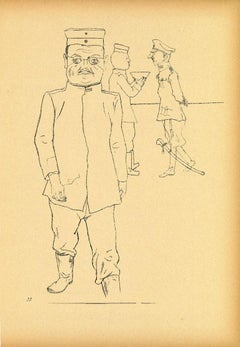
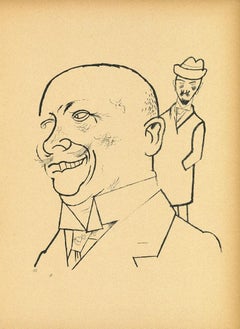
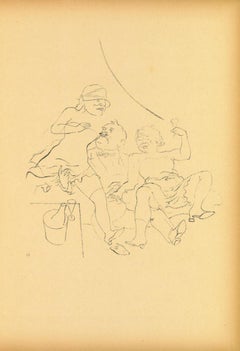
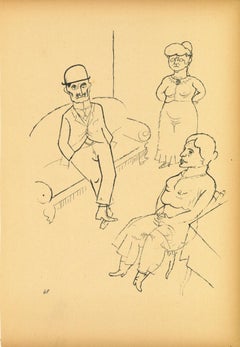
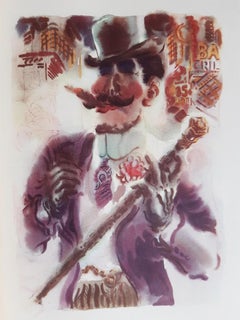
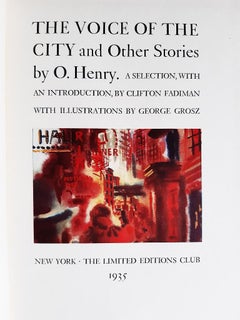
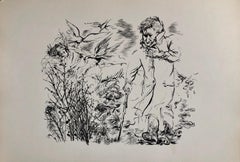
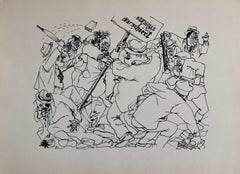
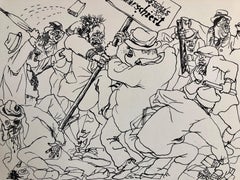
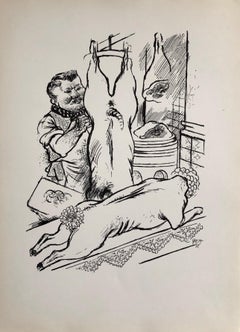
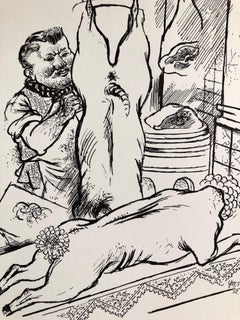
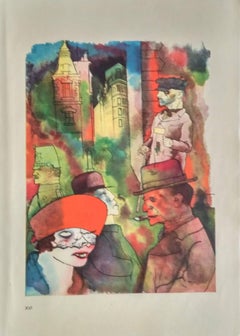
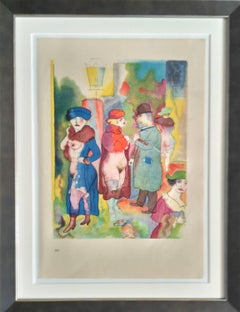
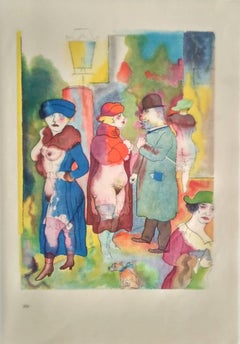
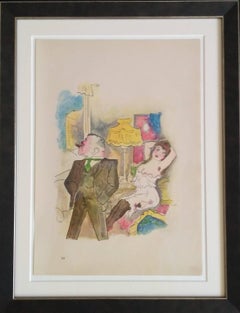
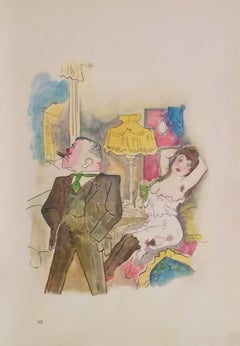
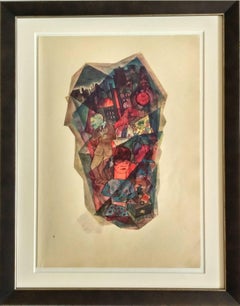
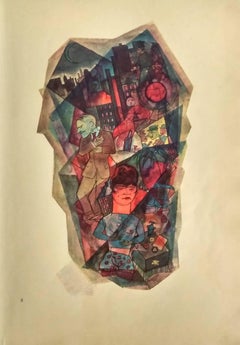
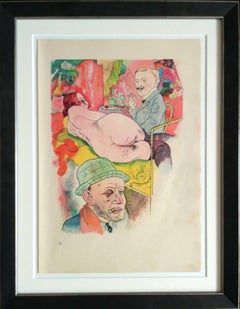
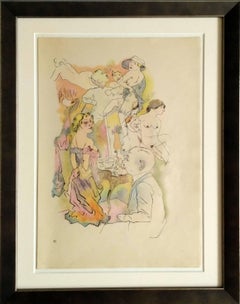
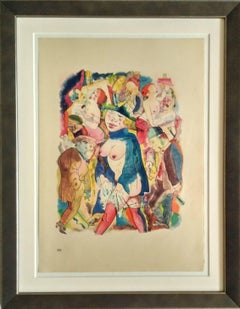
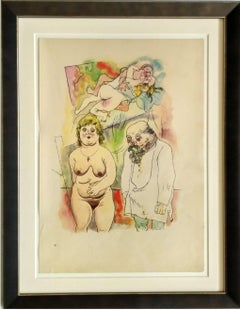
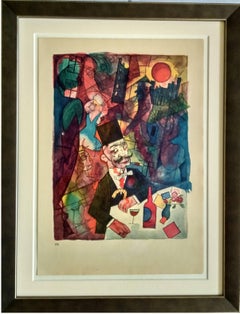
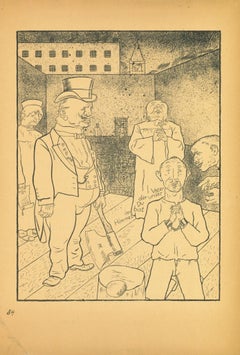
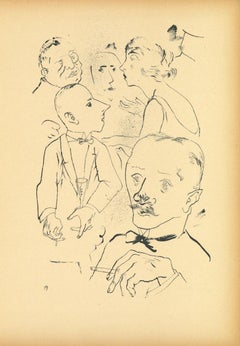
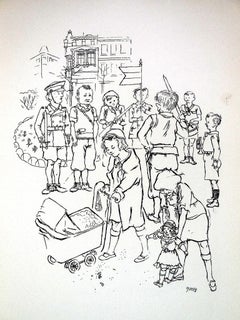
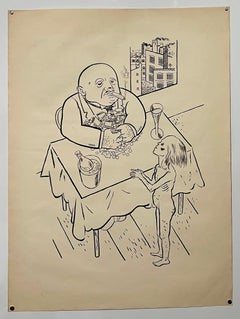
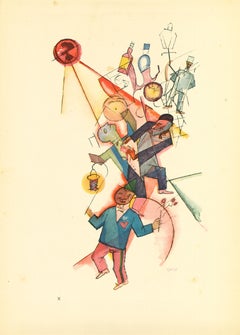
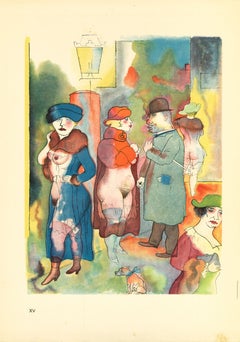
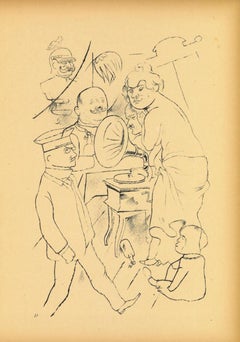
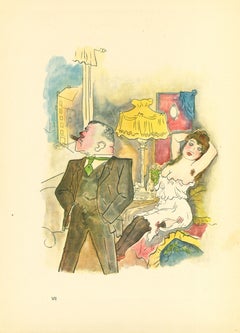
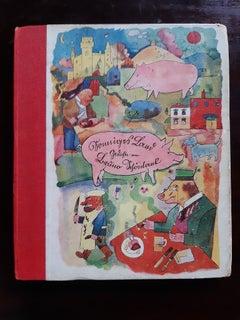
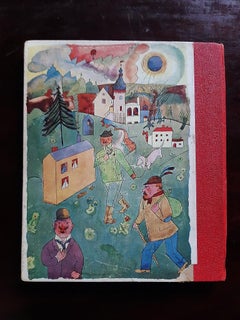
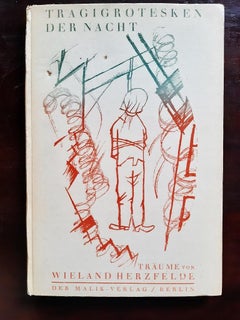
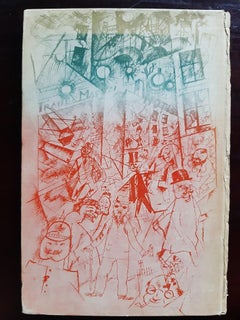
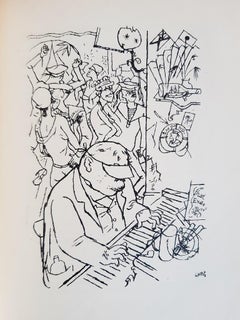
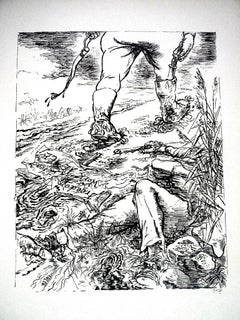
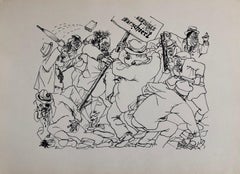
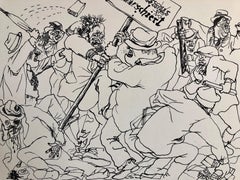
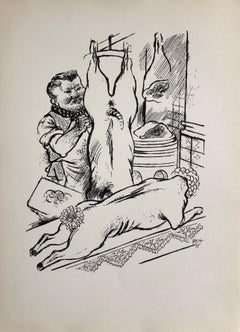
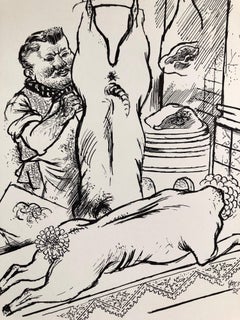
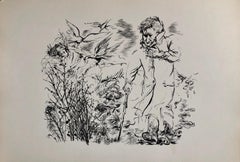
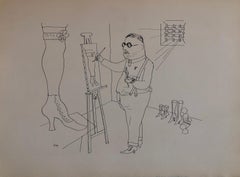
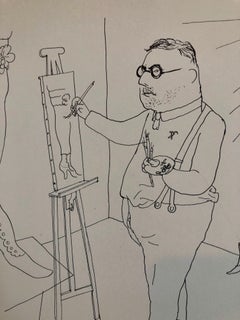
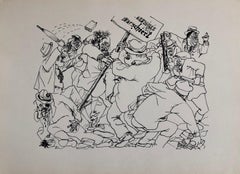
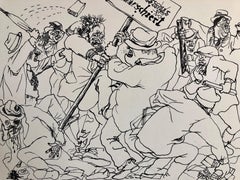
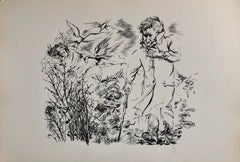
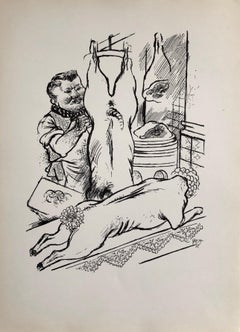
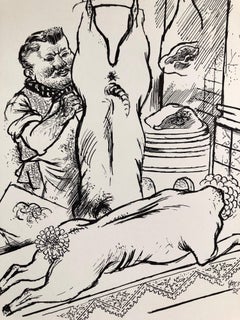
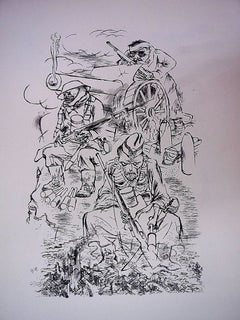
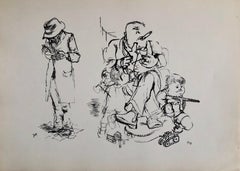
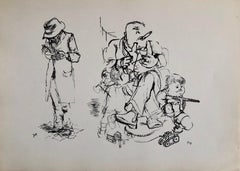
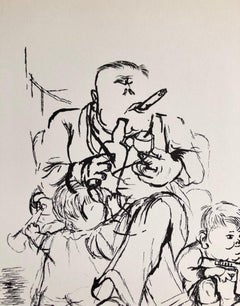
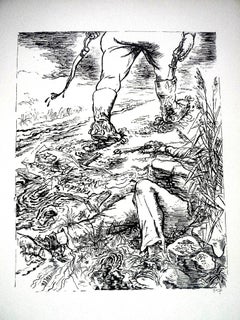
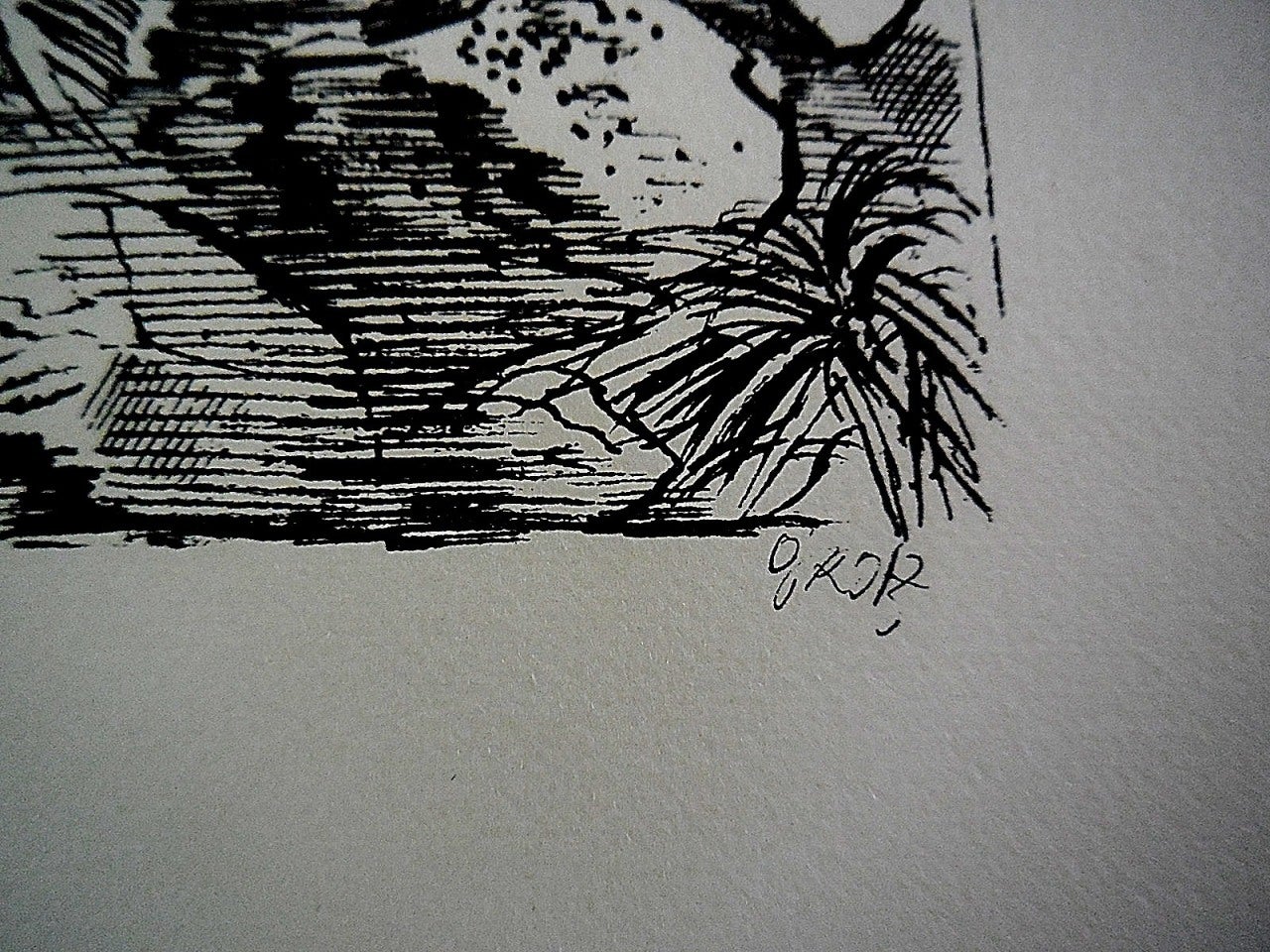
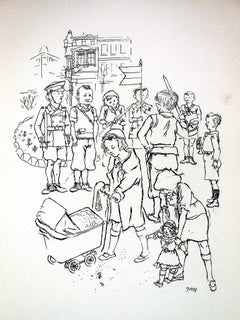
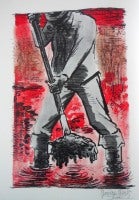
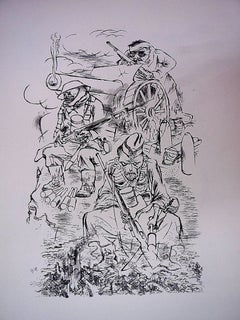
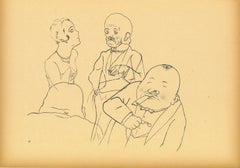
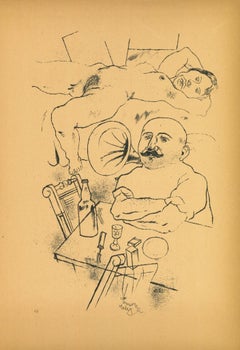
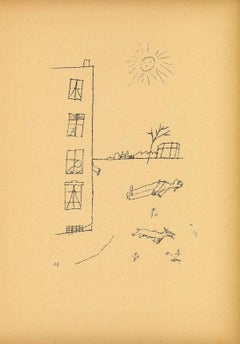
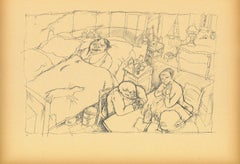
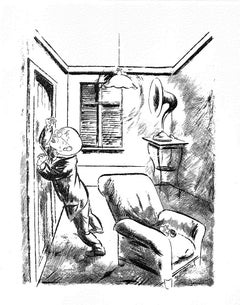
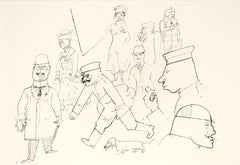
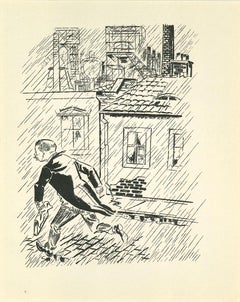
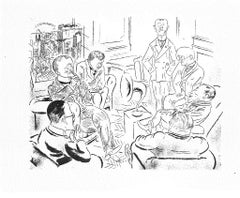
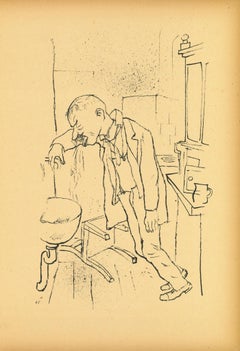
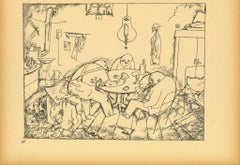
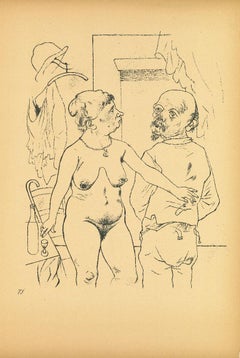
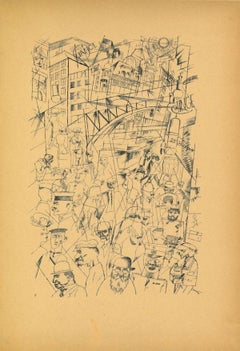
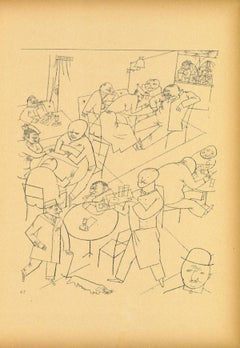
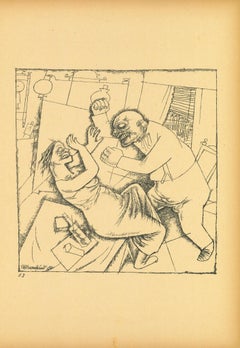
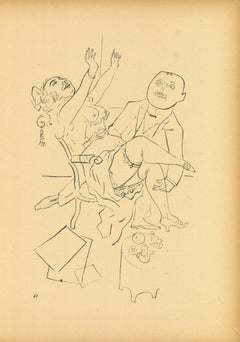
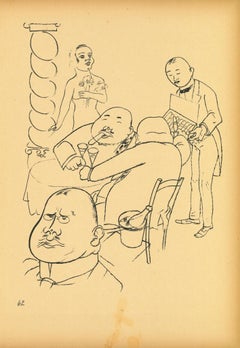
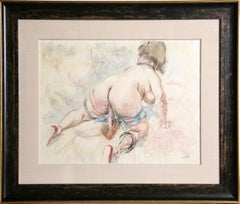
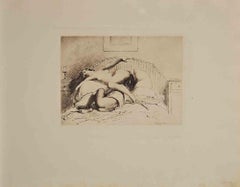
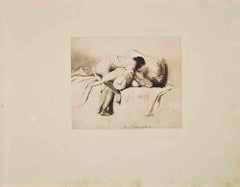
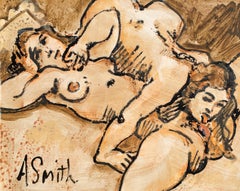
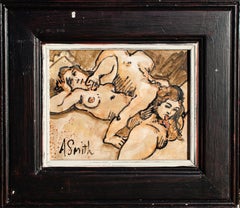
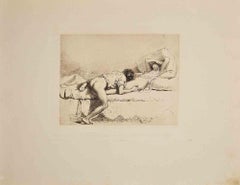
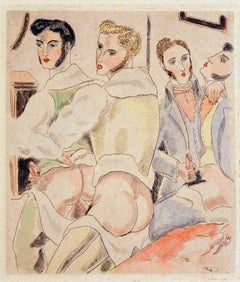
On 1stDibs, you can find the most appropriate george grosz lithograph for your needs in our varied inventory. There are many
Expressionist and
Modern versions of these works for sale. On 1stDibs, the right george grosz lithograph is waiting for you and the choices span a range of colors that includes
orange,
gray,
beige and
yellow. These artworks were handmade with extraordinary care, with artists most often working in
lithograph,
offset print and
paper. If space is limited, you can find a small george grosz lithograph measuring 7.88 high and 5.52 wide, while our inventory also includes works up to 19.69 across to better suit those in the market for a large george grosz lithograph.
A george grosz lithograph can differ in price owing to various characteristics — the average selling price for items in our inventory is $525, while the lowest priced sells for $321 and the highest can go for as much as $10,355.
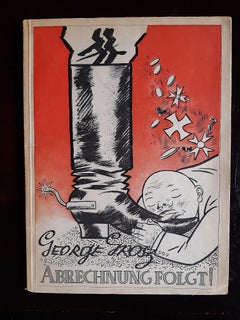
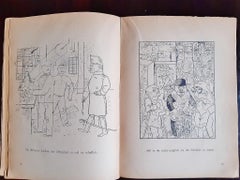
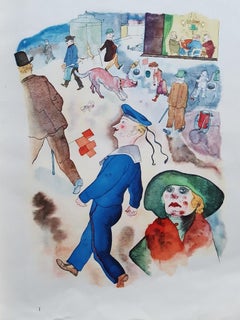
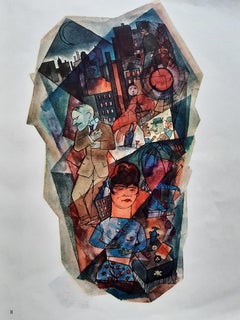
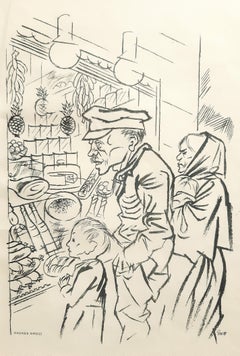
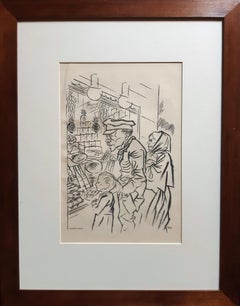
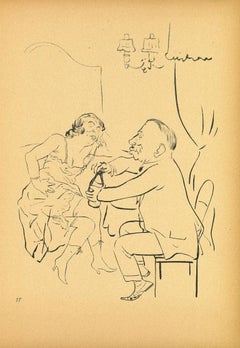
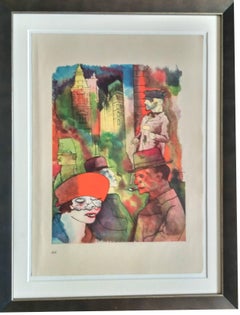
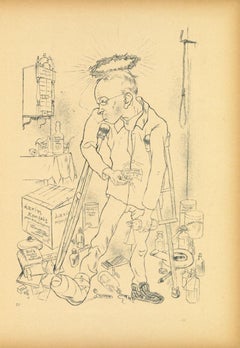
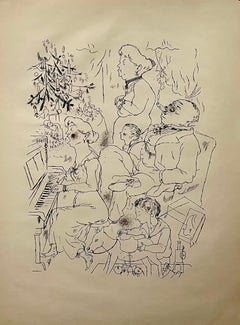
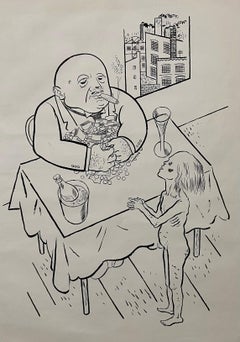
George Grosz was a German artist known especially for his caricatural drawings and paintings of Berlin life in the 1920s. He was a prominent member of the Berlin Dada and New Objectivity group during the Weimar Republic. Grosz studied drawing at the Dresden Academy (1909–11) and at the School of Arts and Crafts in Berlin (1912–14). He was in the army from 1914–15, and again for a short time in 1917, but spent the rest of the war in Berlin, where he made violently anti-war drawings, in which his main focus was attacking the social corruption of Germany (capitalists, prostitutes, the Prussian military caste, the middle class). His artworks had great impact in the Berlin Dada movement, 1917–20, and collaborated with John Heartfield and Raoul Hausmann in the invention of photomontage.
Many of Grosz’s drawings were published in albums (Gott mit uns, Ecce Homo, Der Spiesser-Spiegel, etc.), and he was subject to prosecutions for insulting the army and blasphemy. He visited the United States in 1932 to teach at the Art Students League, New York, and settled there in 1933. In the latter part of his career, he tried to establish himself as a pure painter of landscapes and still life, but also painted many compositions of an apocalyptic and deeply pessimistic kind. His role in the Berlin Dada movement affected political outlooks and artistic developments not only in Germany, but also in Russia, the Balkan nations, and parts of France.
Grosz's penetrating, darkly humorous style of drawing and his use of satire as a weapon left a deep impression on the work of his contemporaries and the artists of the next generation. Some of his works from the early 1940s, particularly during World War II, do present an allegorical and dramatic representation of Grosz's moral perspective regarding war. Additionally, some of his last pieces from 1958 were photomontages, and hearken back to his earlier Dadaist aesthetic and message, passing judgment upon consumerism and suggesting that his absorption with American culture had ended in disappointment. In 1959, Grosz sold his house and moved back to Berlin. He died shortly after his return, after a fall down the stairs.
Bring energy and an array of welcome colors and textures into your space by decorating with figurative fine-art prints and works on paper.
Figurative art stands in contrast to abstract art, which is more expressive than representational. The oldest-known work of figurative art is a figurative painting — specifically, a rock painting of an animal made over 40,000 years ago in Borneo. This remnant of a remote past has long faded, but its depiction of a cattle-like creature in elegant ocher markings endures.
Since then, figurative art has evolved significantly as it continues to represent the world, including a breadth of works on paper, including printmaking. This includes woodcuts, which are a type of relief print with perennial popularity among collectors. The artist carves into a block and applies ink to the raised surface, which is then pressed onto paper. There are also planographic prints, which use metal plates, stones or other flat surfaces as their base. The artist will often draw on the surface with grease crayon and then apply ink to those markings. Lithographs are a common version of planographic prints.
Figurative art printmaking was especially popular during the height of the Pop art movement, and this kind of work can be seen in artist Andy Warhol’s extensive use of photographic silkscreen printing. Everyday objects, logos and scenes were given a unique twist, whether in the style of a comic strip or in the use of neon colors.
Explore an impressive collection of figurative art prints for sale on 1stDibs and read about how to arrange your wall art.