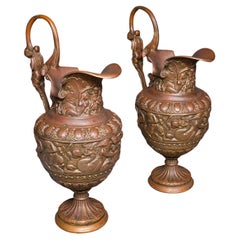
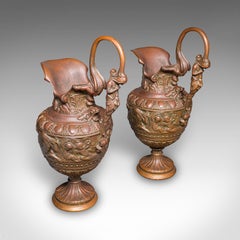
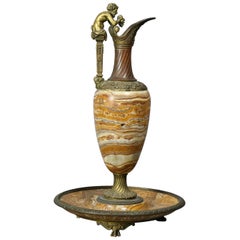
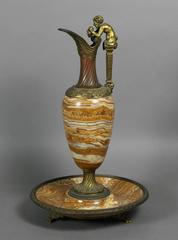
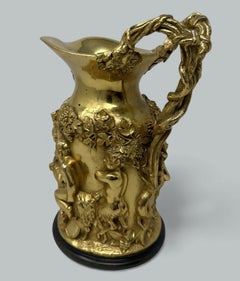
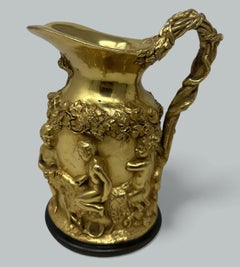
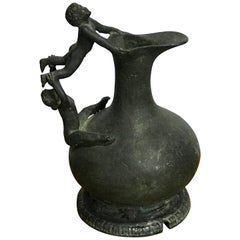
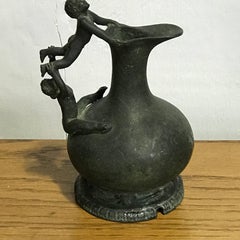
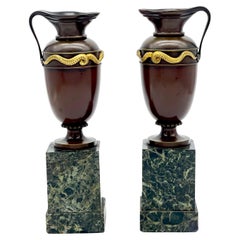
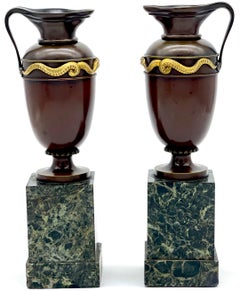
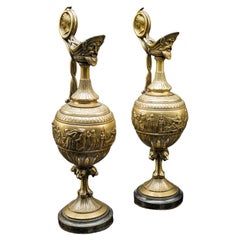
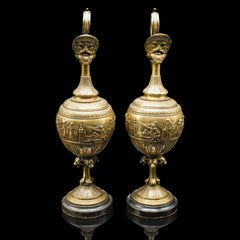
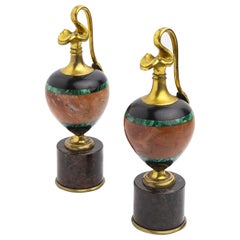
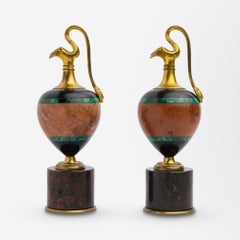
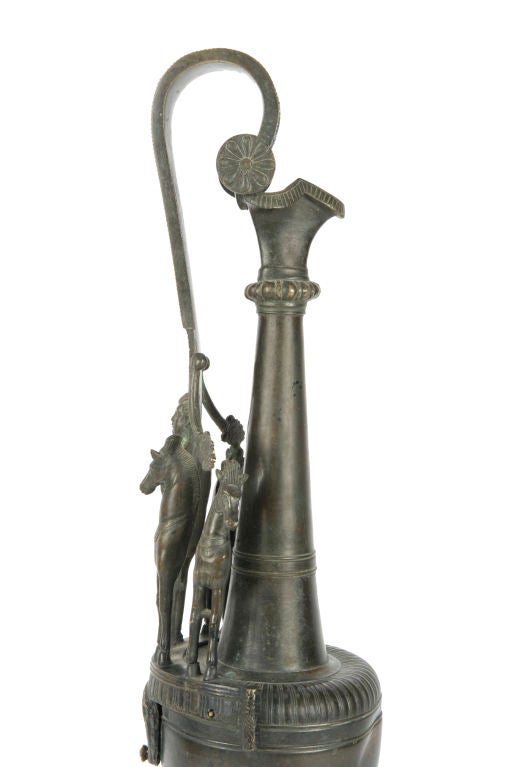
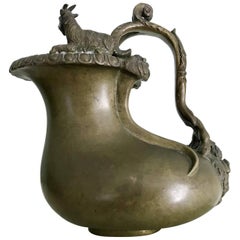
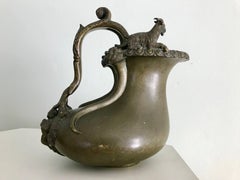
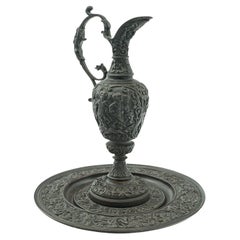
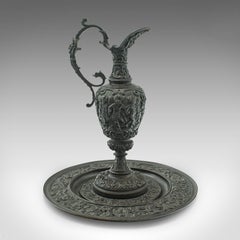
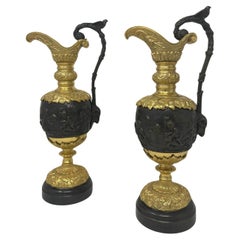
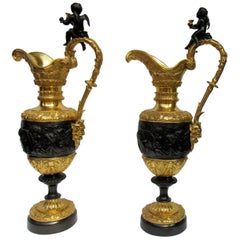
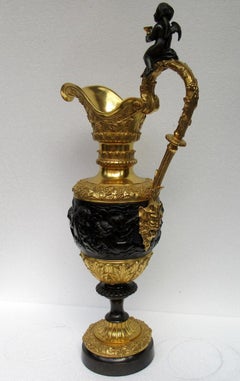
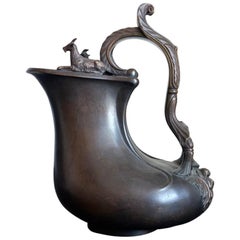
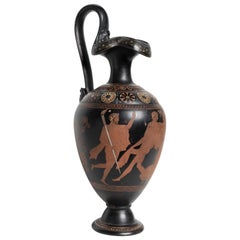
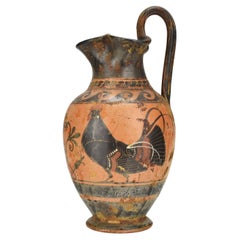
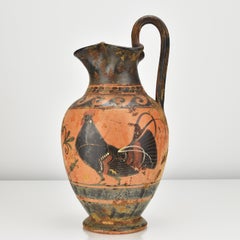
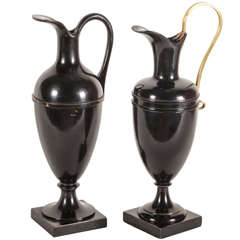
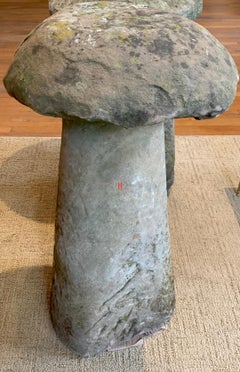
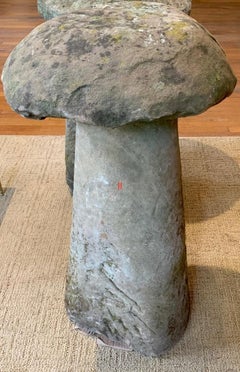
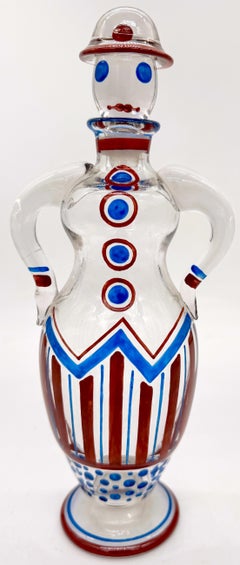
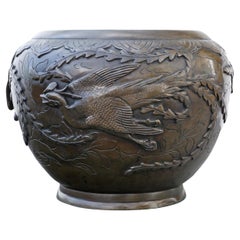
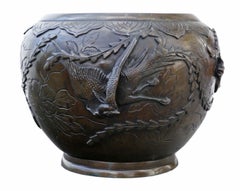
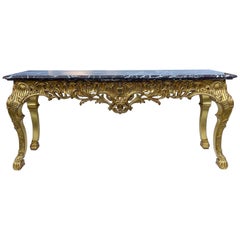
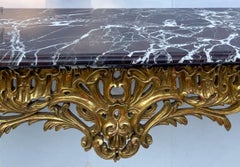
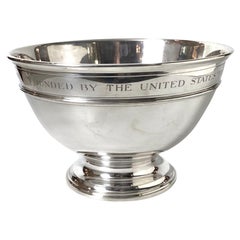
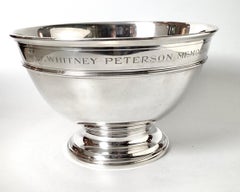
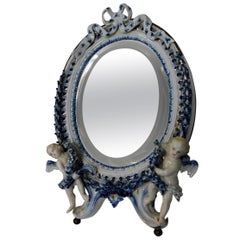
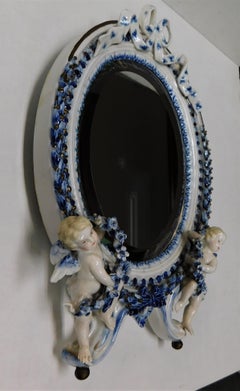
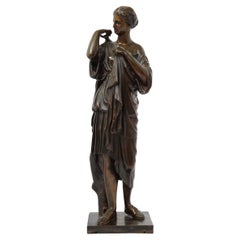
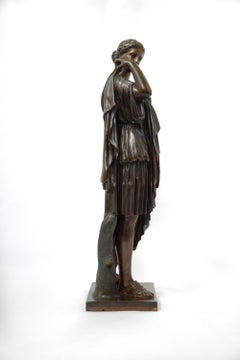
An assortment of grand tour ewers is available at 1stDibs. The range of distinct grand tour ewers — often made from
metal,
bronze and
marble — can elevate any home. Grand tour ewers are generally popular furniture pieces, but
Victorian style is often sought at 1stDibs. Many grand tour ewers are appealing in their simplicity, but
Tiffany & Co. produced popular grand tour ewers that are worth a look.
Prices for grand tour ewers can differ depending upon size, time period and other attributes — at 1stDibs, grand tour ewers begin at $556 and can go as high as $4,867, while the average can fetch as much as $1,952.
For 18th-century young British noblemen, no education was complete without a year on the Grand Tour. Although it had no official route, the Grand Tour focused on places foundational to European art, literature and architecture, including sites in France, Germany, Switzerland and, most importantly, Italy. It was an opportunity not just to witness the roots of the classics they had studied but also to take some of it home. Grand Tour furniture was among the souvenirs.
Grand Tour furniture ranged from marble architectural models replicating ancient wonders to actual antiquities often taken illicitly, leaving a legacy of looting still being unraveled today. Other items reflected the artistic richness of the Renaissance cities and other destinations. In Italy, this included scagliola tables and pedestals mimicking marble as well as tabletops and wall panels embedded with pietra dura hard stone mosaics.
Furniture was also developed to display Grand Tour purchases in the owner’s home, presenting them as a cultivated and well-traveled person. Mahogany collector’s cabinets held objects like intaglio moldings of coins and seals while others had specialized drawers that framed pietra dura panels.
Many objects were specifically produced for Grand Tour collectors. Often accompanied by retinues on journeys lasting months or years, the elite travelers, the wealthiest of whom extended their trips to Egypt and the Holy Land, required artful personal mementos befitting the experience. For example, Grand Tour micromosaics — small artworks, most not more than two inches wide — arose from the entrepreneurial impulses of artisans who had trained in the Vatican’s workshops.
Grand Tour journeys would help inform a range of decorative styles such as neoclassical, Rococo and Adam style. (Architect and designer Robert Adam toured Italy and France for five years.) The Grand Tour flourished at a time of economic prosperity and political stability, but the French Revolution in 1789 brought it to an end. Yet as the tradition faded in popularity in England, the rising wealth of the United States led to an increase in tourism across the Atlantic and a similar passion for collecting to show one’s worldliness.
Find a collection of Grand Tour decorative objects, wall decorations, lighting and other furniture on 1stDibs.
Every time you move into a house or an apartment — or endeavor to refresh the home you’ve lived in for years — life for that space begins anew. The right home accent, be it the simple placement of a decorative bowl on a shelf or a ceramic vase for fresh flowers, can transform an area from drab to spectacular. But with so many materials and items to choose from, it’s easy to get lost in the process. The key to styling with antique and vintage decorative objects is to work toward making a happy home that best reflects your personal style.
Ceramics are a versatile addition to any home. If you’ve amassed an assortment of functional pottery over the years, think of your mugs and salad bowls as decorative objects, ideal for displaying in a glass cabinet. Vintage ceramic serveware can pop along white open shelving in your dining area, while large stoneware pitchers paired with woven baskets or quilts in an open cupboard can introduce a rustic farmhouse-style element to your den.
Translucent decorative boxes or bowls made of an acrylic plastic called Lucite — a game changer in furniture that’s easy to clean and lasts long — are modern accents that are neutral enough to dress up a coffee table or desktop without cluttering it. If you’re showcasing pieces from the past, a vintage jewelry box for displaying your treasures can spark conversation: Where is the jewelry box from? Is there a story behind it?
Abstract sculptures or an antique vessel for your home library can draw attention to your book collection and add narrative charm to the most appropriate of corners. There’s more than one way to style your bookcases, and decorative objects add a provocative dynamic. “I love magnifying glasses,” says Alex Assouline, global vice president of luxury publisher Assouline, of adding one’s cherished objects to a home library. “They are both useful and decorative. Objects really elevate libraries and can also make them more personal.”
To help with personalizing your space and truly making it your own, find an extraordinary collection of decorative objects on 1stDibs.