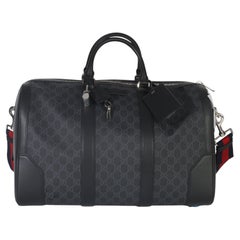
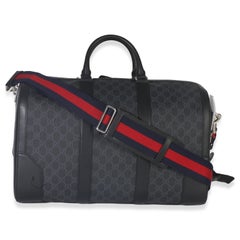
Gucci Black GG Supreme Canvas Web Duffle Bag
By Gucci
Located in New York, NY
Listing Title: Gucci Black GG Supreme Canvas Web Duffle Bag SKU: 152489 MSRP: 2950.00 USD Condition
Category
Gucci Black GG Supreme Canvas Web Duffle Bag
By Gucci
Located in New York, NY
Listing Title: Gucci Black GG Supreme Canvas Web Duffle Bag SKU: 152489 MSRP: 2950.00 USD Condition
$402Sale Price|30% Off
H 12 in W 8.5 in L 17 in
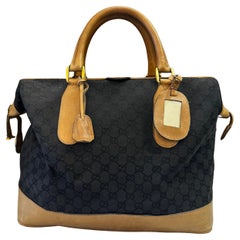
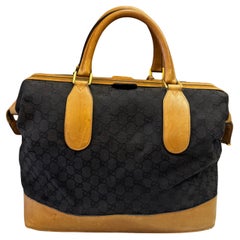
1970s Vintage GUCCI GG Monogram Jacquard Doctor Duffle Bag Unisex Black Brown
By Gucci
Located in Bangkok, TH
This vintage Gucci doctor duffle bag is crafted of black GG monogram jacquard trimmed with brown
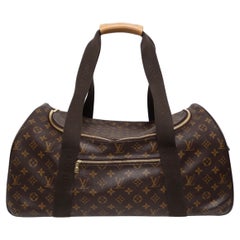
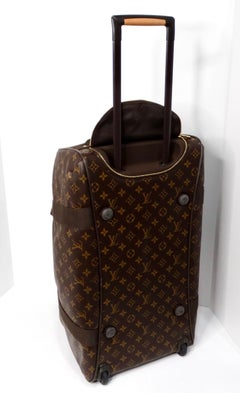
Louis Vuitton Brown Monogram Neo Eole 55 Duffle Roller Suitcase
By Louis Vuitton
Located in Scottsdale, AZ
The Louis Vuitton Brown Monogram Neo Eole 55 Duffle Roller Suitcase seamlessly combines
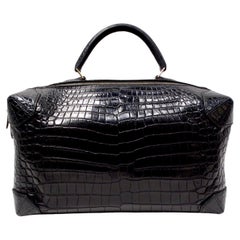
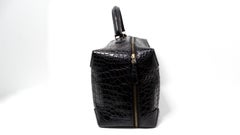
Hermes 2013 Black Mailbox Cube Q Square Porosus Leather Handbag
By Hermès
Located in Scottsdale, AZ
duffle-style handbag features a distinctive silhouette complemented by a single handle for easy carrying
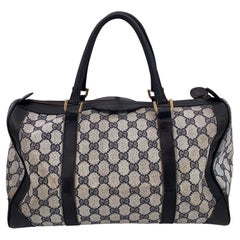
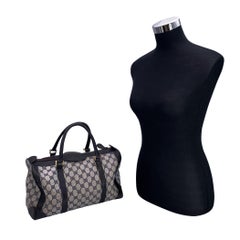
Gucci Vintage Blue Monogram Canvas Leather Duffle Boston Bag
By Gucci
Located in Rome, Rome
A true gem for vintage lovers, this Gucci Vintage Blue Monogram Canvas Leather Duffle Boston Bag is
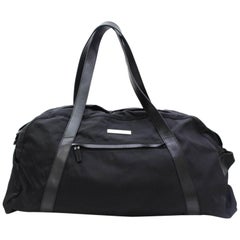
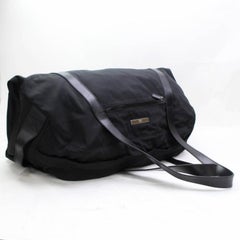
Gucci Boston Duffle 867439 Black Nylon Weekend/Travel Bag
By Gucci
Located in Forest Hills, NY
) : 28.74 inch Shoulder (cm) : 73 cm Color : Black Material :Nylon Country of Manufacture : Italy Code
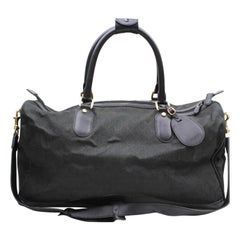
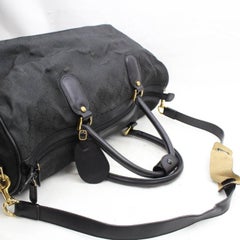
Unavailable
H 10.6 in W 8.66 in L 21.2 in
Gucci Boston Gg Monogram Duffle with Strap 869649 Black Canvas Weekend/Travel Ba
By Gucci
Located in Forest Hills, NY
) : 20.87 inch Handle (cm) : 53 cm Shoulder (inch) : 42.13 inch Shoulder (cm) : 107 cm Color : Black
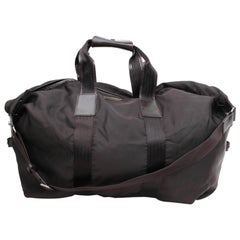
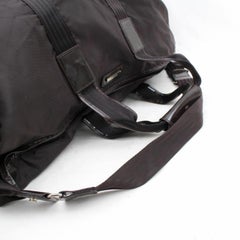
Unavailable
H 13.3 in W 10.2 in L 19.6 in
Gucci Boston Duffle with Strap 867837 Brown Nylon Weekend/Travel Bag
By Gucci
Located in Forest Hills, NY
Width (inch) : 19.6 inch(approx) Width (cm) : 50 cm(approx) Height (inch) : 13.3 inch(approx) Height (cm) : 34 cm(approx) Depth (inch) : 10.2 inch(approx) Depth (cm) : 26 cm(approx) ...
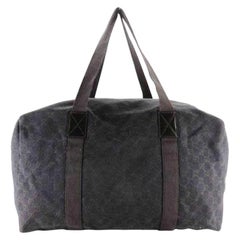
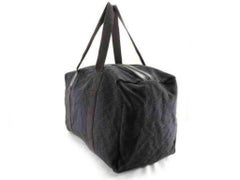
Unavailable
H 11 in W 10 in L 19.5 in
Gucci Boston Extra Large Chocolate Signature Monogram Duffle 231113 Brown Canvas
By Gucci
Located in Forest Hills, NY
Date Code/Serial Number: 105671 213317 Made In: Italy Measurements: Length: 19.5" Width: 10" Height: 11" Shoulder strap drop: 11" OVERALL GOOD CONDITION ( 7/10 or B ) Signs of Wear: ...
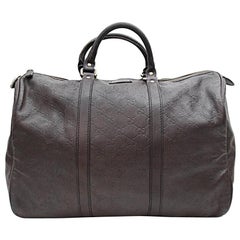
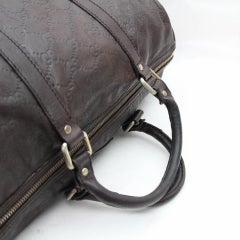
Unavailable
H 9.84 in W 7.08 in L 14.1 in
Gucci Boston Guccissima Joy Duffle 867664 Brown Leather Weekend/Travel Bag
By Gucci
Located in Forest Hills, NY
Width (inch) : 14.1 inch(approx) Width (cm) : 36 cm(approx) Height (inch) : 9.84 inch(approx) Height (cm) : 25 cm(approx) Depth (inch) : 7.08 inch(approx) Depth (cm) : 18 cm(approx) ...
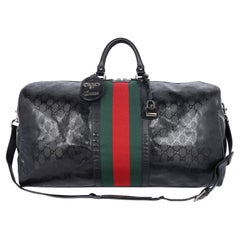
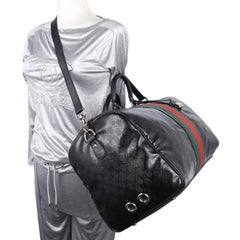
Gucci Imprime Monogram Web Carry On Duffle Bag Black
By Gucci
Located in Salt Lake Cty, UT
Authentic, pre-loved Gucci Imprime Monogram Web Carry On Duffel Bag in Black. This great duffle bag
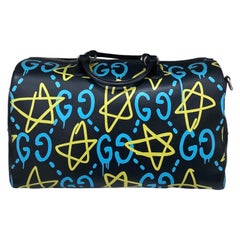
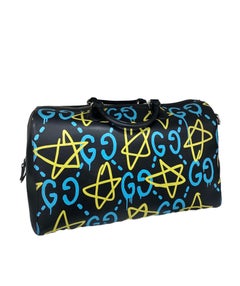
Gucci Duffle Bag Ghost Black Stars
By Gucci
Located in Torre Del Greco, IT
Gucci bag, Ghost line, made of black leather with yellow and blue decorations that specify the
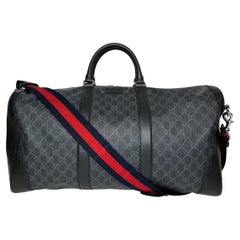
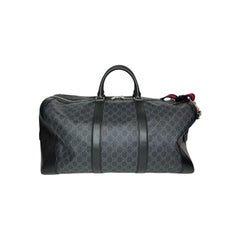
Gucci Black GG Supreme Duffle Bag
By Gucci
Located in Scottsdale, AZ
This Gucci duffle bag was made in Italy and it is finely crafted of Gucci's popular black GG
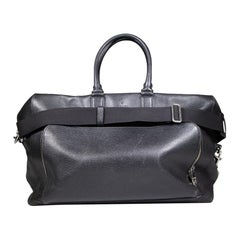

Gucci Black Leather Cosmopolis Pocket Duffle Bag
By Gucci
Located in London, GB
Gucci designer resale item. Details Model: Cosmopolis Black Leather Large duffle bag Silver tone
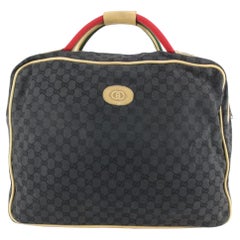

Gucci Rare Black Monogram Web Suitcase Luggage Duffle Travel 40g824s
By Gucci
Located in Dix hills, NY
Date Code/Serial Number: 010-4863-39 Made In: Italy Measurements: Length: 17" Width: 7" Height: 14" Handle Drop: 4" OVERALL GOOD CONDITION ( 7/10 or B ) Signs of Wear: Exter...
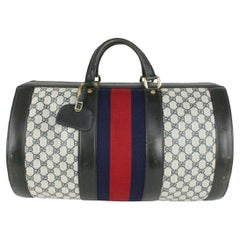
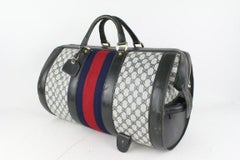
Gucci Navy Supreme Web Barrel Duffle Bag 1020g52
By Gucci
Located in Dix hills, NY
Gucci Navy Supreme Web Barrel Duffle Bag 1020g52
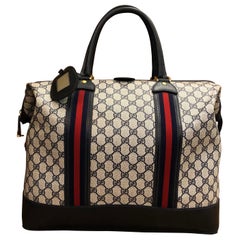
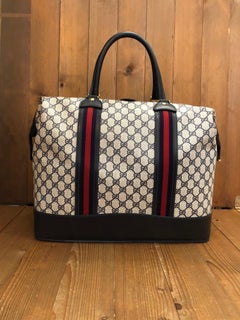
Sold
H 13 in W 9.5 in L 17 in
Vintage GUCCI Web Navy GG Monogram Canvas Doctor Duffle Bag Large Unisex
By Gucci
Located in Bangkok, TH
This rare Gucci Web doctor duffle in GG monogram coated canvas and leather from the 1970s era
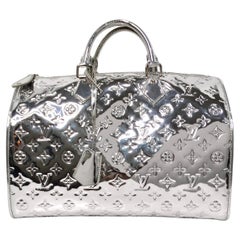
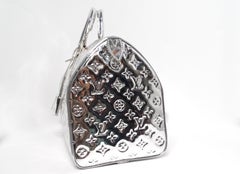
Louis Vuitton Metallic Silver Monogram Miroir Speedy Duffle Bag
By Louis Vuitton
Located in Scottsdale, AZ
such as a Chanel Little Black Dress, Balenciaga Triple S Sneakers, or a Gucci leather jacket. Other
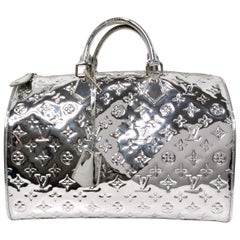
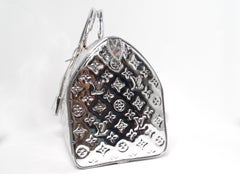
Louis Vuitton Metallic Silver Monogram Mirror Speedy Duffle Bag
By Louis Vuitton
Located in Scottsdale, AZ
such as a Chanel Little Black Dress, Balenciaga Triple S Sneakers, or a Gucci leather jacket. Other
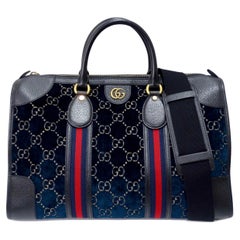
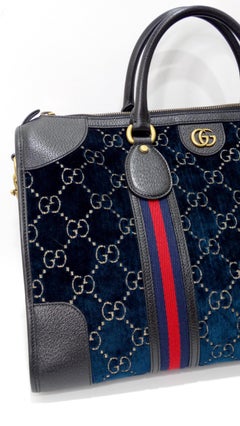
Gucci Medium GG Velvet Duffle Bag
By Gucci
Located in Scottsdale, AZ
Go places in style with Gucci! Slot this dark blue medium GG velvet duffle bag into the overhead
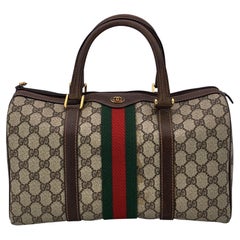
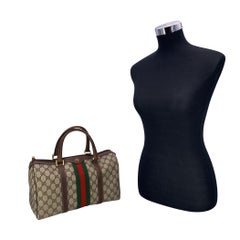
Gucci Vintage Brown Monogram Canvas Leather Ophidia Boston Bag 30
By Gucci
Located in Rome, Rome
carried by hand, maintaining its original and iconic form. Suitable for unisex wear, this vintage Gucci
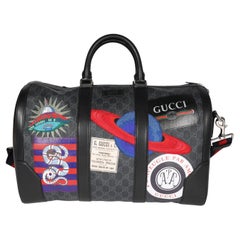

Gucci Black GG Supreme Canvas Night Courrier Carry-On-Duffle
By Gucci
Located in New York, NY
Listing Title: Gucci Black GG Supreme Canvas Night Courrier Carry-On-Duffle SKU: 122555 Condition
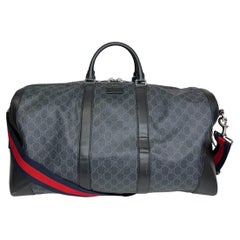
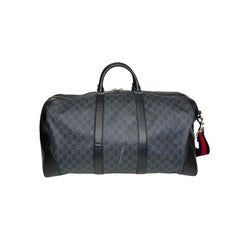
Gucci GG Supreme Carry-On Duffle Bag
By Gucci
Located in Scottsdale, AZ
This Gucci GG Supreme Carry-On Duffle Bag was made in Italy and it is finely crafted of the Gucci
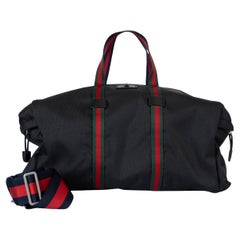
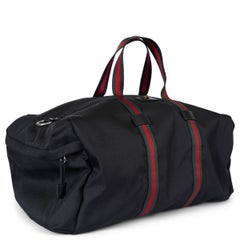
GUCCI black technical nylon ANIMALIER WEB DUFFLE Bag
By Gucci
Located in Zürich, CH
This 100% authentic Gucci Animalier carry-on duffle bag in black technical canvas combines
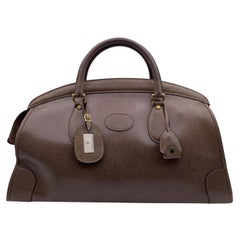

Gucci Brown Leather Weekender Travel Duffle Duffel Bag
By Gucci
Located in Rome, Rome
Gucci brown leather Travel Bag weekender bag. Double top carry handles. Upper zipper closure
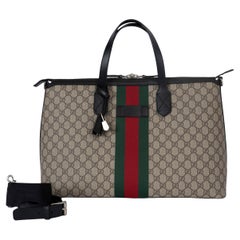

GUCCI beige ebony WEG GG SUPREME Duffle Bag
By Gucci
Located in Zürich, CH
100% authentic Gucci Web GG Supreme Duffle Bag in beige and ebony monogram canvas with black
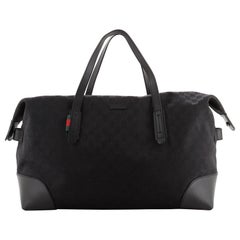

Gucci Original Carry On Duffle Bag GG Canvas
By Gucci
Located in NY, NY
: Handle Drop 5", Height 13.5", Width 18", Depth 8" Designer: Gucci Model: Original Carry On Duffle Bag GG
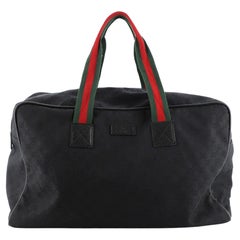

Gucci Web Carry On Duffle Bag GG Canvas Large
By Gucci
Located in NY, NY
: Handle Drop 9.5", Height 12.5", Width 20", Depth 10" Designer: Gucci Model: Web Carry On Duffle Bag GG
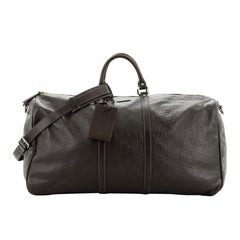

Gucci Carry On Convertible Duffle Bag Guccissima Leather Small
By Gucci
Located in NY, NY
Measurements: Handle Drop 4", Height 12", Width 19", Depth 10", Strap Drop 13-17" Designer: Gucci Model: Carry
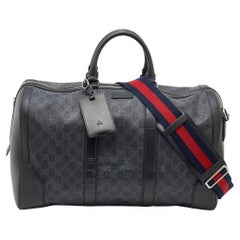

Sold
H 4.34 in W 9.85 in L 17.33 in
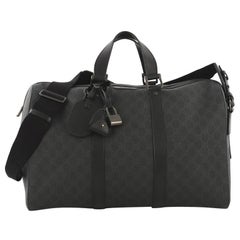
Gucci Black GG Supreme Canvas and Leather Medium Carry On Duffle Bag
By Gucci
Located in Dubai, Al Qouz 2
Creations like this Carry On duffle bag by Gucci never go out of style. This bag is crafted from GG

Gucci Carry On Convertible Duffle Bag GG Coated Canvas Small
By Gucci
Located in NY, NY
This Gucci Carry On Convertible Duffle Bag GG Coated Canvas Small, crafted from black GG coated
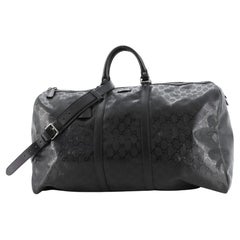

Gucci Carry On Convertible Duffle Bag GG Imprime Large
By Gucci
Located in NY, NY
" Designer: Gucci Model: Carry On Convertible Duffle Bag GG Imprime Large Exterior Material: Leather Exterior
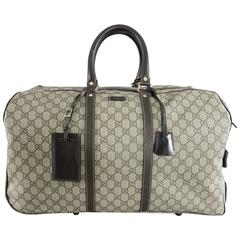
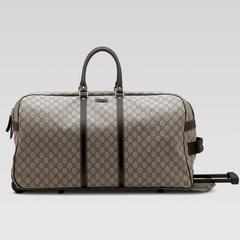
Gucci GG monogram Brown Canvas Duffle Rolling Luggage Carry on Travel Bag
By Gucci
Located in Toronto, ON
GUCCI GG monogram Brown Canvas Duffle Rolling Luggage Carry on Travel Bag. Wheels on bottom and
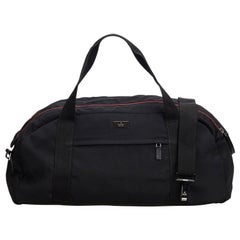

Gucci Black Nylon Fabric Duffle Bag Italy
By Gucci
Located in Orlando, FL
This duffle bag features a nylon body with leather trim, a front exterior zip pocket, flat leather
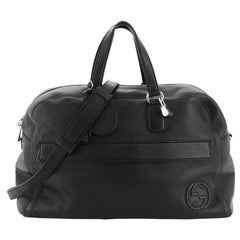

Gucci Soho Duffle Bag Leather
By Gucci
Located in NY, NY
This Gucci Soho Duffle Bag Leather Large, crafted in black leather, features dual flat leather
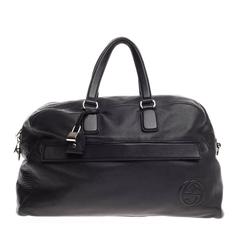

Gucci Soho Duffle Leather Large
By Gucci
Located in NY, NY
This authentic Gucci Soho Duffle Leather Large is a classic and sophisticated piece perfect for
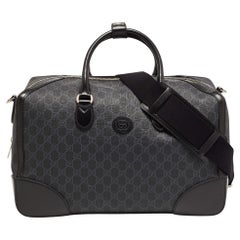

Gucci Black GG Supreme Canvas Interlocking G Duffle Bag
By Gucci
Located in Dubai, Al Qouz 2
This creation from the house of Gucci is an accessory you will turn to when you have travel plans


Gucci Classic Soft Black GG Logo Duffle Bag with Strap
By Gucci
Located in Los Angeles, CA
Gucci Soft Black on Black GG Logo Duffle Bag with strap. Condition of bag is clean with no odors
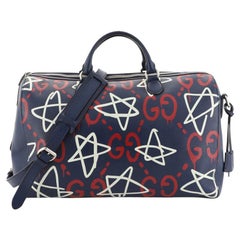
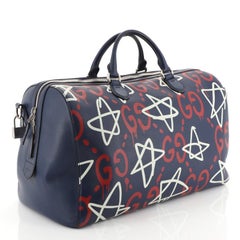
Gucci Convertible Duffle Bag GucciGhost Leather
By Gucci
Located in NY, NY
This Gucci Convertible Duffle Bag GucciGhost Leather, crafted from blue leather, features dual
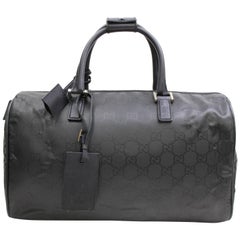

Gucci Boston Monogam Duffle 867354 Black Nylon Weekend/Travel Bag
By Gucci
Located in Forest Hills, NY
) : 17.32 inch Handle (cm) : 44 cm Color : Black Material :Nylon Country of Manufacture : Italy Code, Number
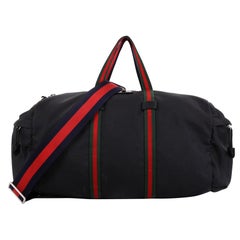

Gucci Technical Duffle Bag Techno Canvas Large
By Gucci
Located in NY, NY
This Gucci Technical Duffle Bag Techno Canvas Large, crafted in black canvas, features green and
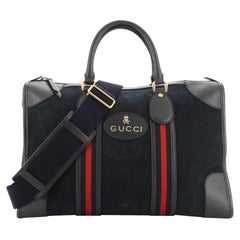

Gucci Web Convertible Duffle Bag Suede Medium
By Gucci
Located in NY, NY
This Gucci Web Convertible Duffle Bag Suede Medium, crafted from blue suede, features dual rolled
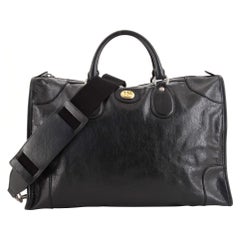

Gucci Zip Convertible Duffle Bag Leather Medium
By Gucci
Located in NY, NY
", Height 12", Width 17", Depth 7", Strap Drop 16-24" Designer: Gucci Model: Zip Convertible Duffle Bag
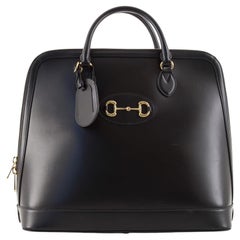

Gucci Horsebit 1955 Duffle Bag Leather Large
By Gucci
Located in NY, NY
", Height 13.5", Width 15.5", Depth 5.5" Designer: Gucci Model: Horsebit 1955 Duffle Bag Leather Large
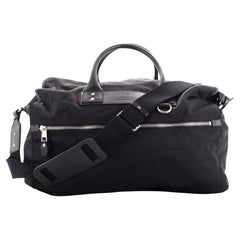

Gucci Web Loop Convertible Duffle Bag Canvas
By Gucci
Located in NY, NY
-27" Designer: Gucci Model: Web Loop Convertible Duffle Bag Canvas Exterior Material: Canvas Plain
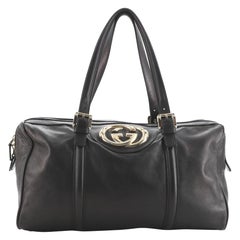

Gucci Britt Boston Duffle Bag Leather Large
By Gucci
Located in NY, NY
8-10", Height 8", Width 15", Depth 5" Designer: Gucci Model: Britt Boston Duffle Bag Leather Large
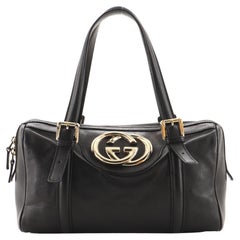
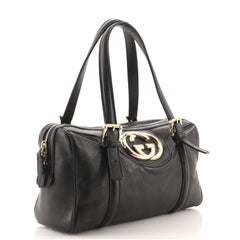
Gucci Britt Boston Duffle Bag Leather Small
By Gucci
Located in NY, NY
" Designer: Gucci Model: Britt Boston Duffle Bag Leather Small Exterior Material: Leather Exterior Color
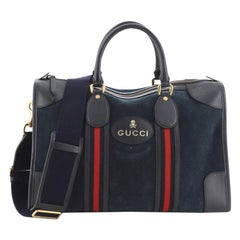

Gucci Web Convertible Duffle Bag Suede Medium
By Gucci
Located in NY, NY
Measurements: Handle Drop 5", Height 11", Width 17.5", Depth 6.5", Strap Drop 15-30" Designer: Gucci Model: Web
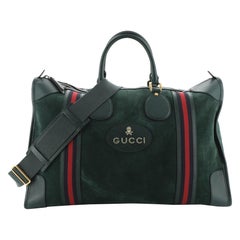
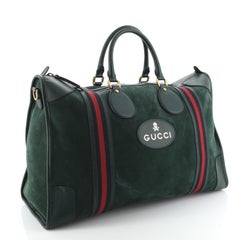
Gucci Web Convertible Duffle Bag Suede Large
By Gucci
Located in NY, NY
Drop 4", Height 15", Width 21", Depth 8", Strap Drop 19" Designer: Gucci Model: Web Convertible Duffle
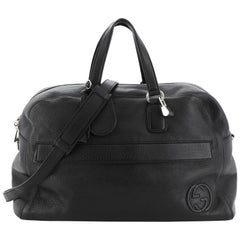

Gucci Soho Duffle Bag Leather Large
By Gucci
Located in NY, NY
This Gucci Soho Duffle Bag Leather Large, crafted in black leather, features dual flat leather
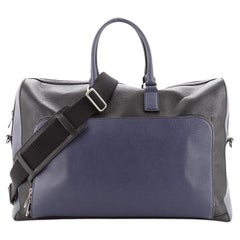

Gucci Cosmopolis Pocket Duffle Bag Leather
By Gucci
Located in NY, NY
" Designer: Gucci Model: Cosmopolis Pocket Duffle Bag Leather Exterior Material: Leather Exterior Color
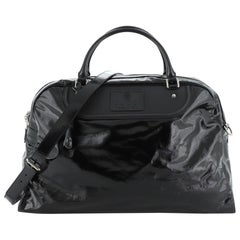

Gucci Convertible Duffle Bag Dialux Coated Canvas Large
By Gucci
Located in NY, NY
This Gucci Convertible Duffle Bag Dialux Coated Canvas Large, crafted in black coated canvas
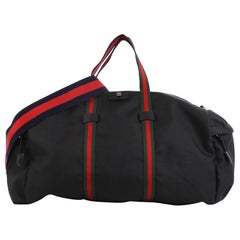

Gucci Animalier Web Duffle Bag Techno Canvas Large
By Gucci
Located in NY, NY
This Gucci Animalier Web Duffle Bag Techno Canvas Large, crafted from black techno canvas, features
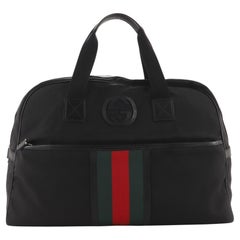

Gucci Web Dome Duffle Bag Techno Canvas Large
By Gucci
Located in NY, NY
: Handle Drop 7", Height 13", Width 20", Depth 7" Designer: Gucci Model: Web Dome Duffle Bag Techno Canvas
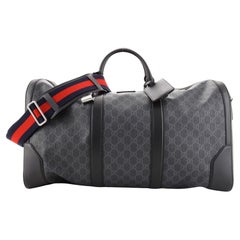

Gucci Convertible Duffle Bag GG Coated Canvas Large
By Gucci
Located in NY, NY
Duffle Bag GG Coated Canvas Large Exterior Material: Canvas (Coated) Exterior Color: Black Interior
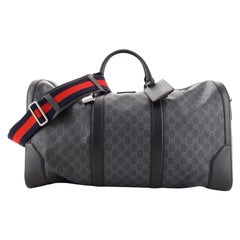

Gucci Convertible Duffle Bag GG Coated Canvas Large
By Gucci
Located in NY, NY
Duffle Bag GG Coated Canvas Large Exterior Material: Canvas (Coated) Exterior Color: Black Interior
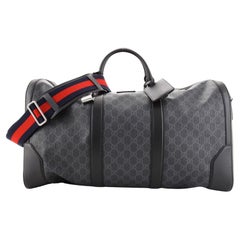

Gucci Convertible Duffle Bag GG Coated Canvas Large
By Gucci
Located in NY, NY
Duffle Bag GG Coated Canvas Large Exterior Material: Canvas (Coated) Exterior Color: Black Interior
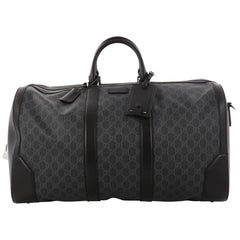

Gucci Convertible Duffle Bag GG Coated Canvas Large
By Gucci
Located in NY, NY
This authentic Gucci Convertible Duffle Bag GG Coated Canvas Large is a stylish bag made for
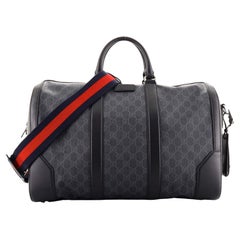

Gucci Convertible Duffle Bag GG Coated Canvas Medium
By Gucci
Located in NY, NY
Drop 14-24" Designer: Gucci Model: Convertible Duffle Bag GG Coated Canvas Medium Exterior Material
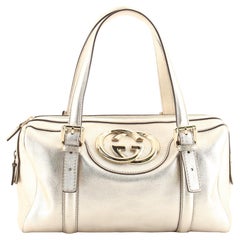

Gucci Britt Boston Duffle Bag Leather Small
By Gucci
Located in NY, NY
" Designer: Gucci Model: Britt Boston Duffle Bag Leather Small Exterior Material: Leather Exterior Color
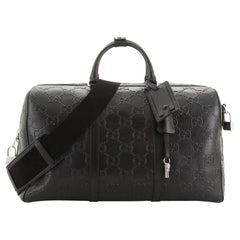

Gucci Convertible Duffle Bag GG Embossed Perforated Leather Large
By Gucci
Located in NY, NY
" Designer: Gucci Model: Convertible Duffle Bag GG Embossed Perforated Leather Large Exterior Material
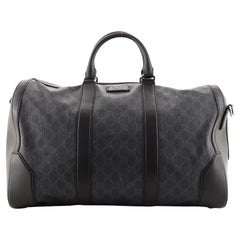

Gucci Convertible Duffle Bag GG Coated Canvas Large
By Gucci
Located in NY, NY
" Designer: Gucci Model: Convertible Duffle Bag GG Coated Canvas Large Exterior Material: Canvas (Coated
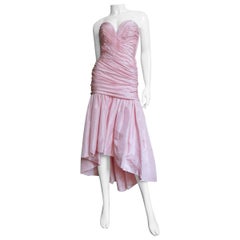
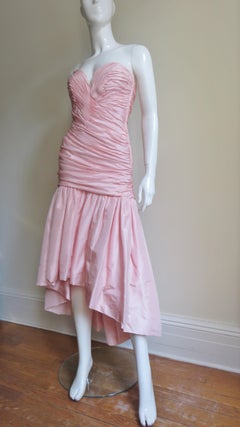
Vicky Tiel 1980s Silk Strapless High Low Bustier Dress
By Vicky Tiel
Located in Water Mill, NY
A great pink silk high low dress from Vicky Tiel. It has a drop waist horizontally ruched boned bustier bodice onto which is gathered a full skirt knee length in the front, ankle len...
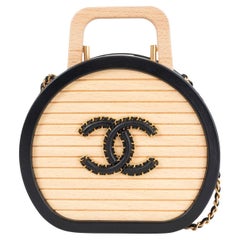
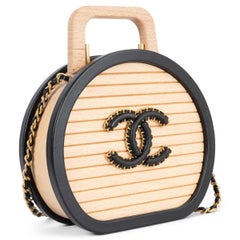
CHANEL black leather 2022 22C DUBAI BEECHWOOD VANITY Shoulder Bag
By Chanel
Located in Zürich, CH
100% authentic Chanel Small Vanity bag in beige beechwood with black leather trims and antique gold-tone hardware. Rare limited edition. Opens with a logo clasp closure and is lined ...
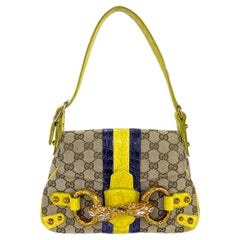
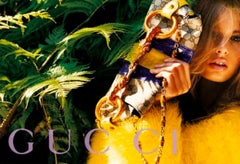
S/S 2004 Gucci by Tom Ford Yellow Alligator Serpent Horsebit Small Shoulder Bag
By Gucci, Tom Ford for Gucci
Located in West Hollywood, CA
This Gucci by Tom Ford small shoulder bag from Spring/Summer 2004 is crafted from GG canvas with genuine alligator leather accents in bold yellow and purple tones. Multiple bags and ...
$3,407
H 11.03 in W 21.66 in D 11.82 in
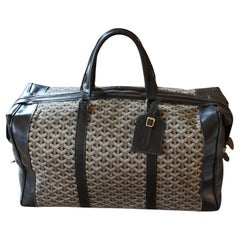
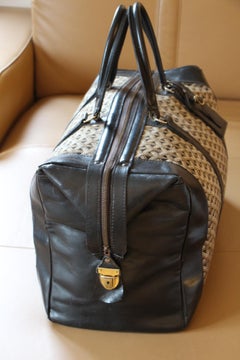
Large Goyard Boston Bag, Large Goyard Duffle Bag For Women and Men
By Goyard
Located in Saint-ouen, FR
This very nice Goyard bag features the very famous Goyard chevrons woven canvas as well as many pieces of black color leather .It has got 2 comfortable leather handles and opens on t...

$199Sale Price|20% Off
Size: 2
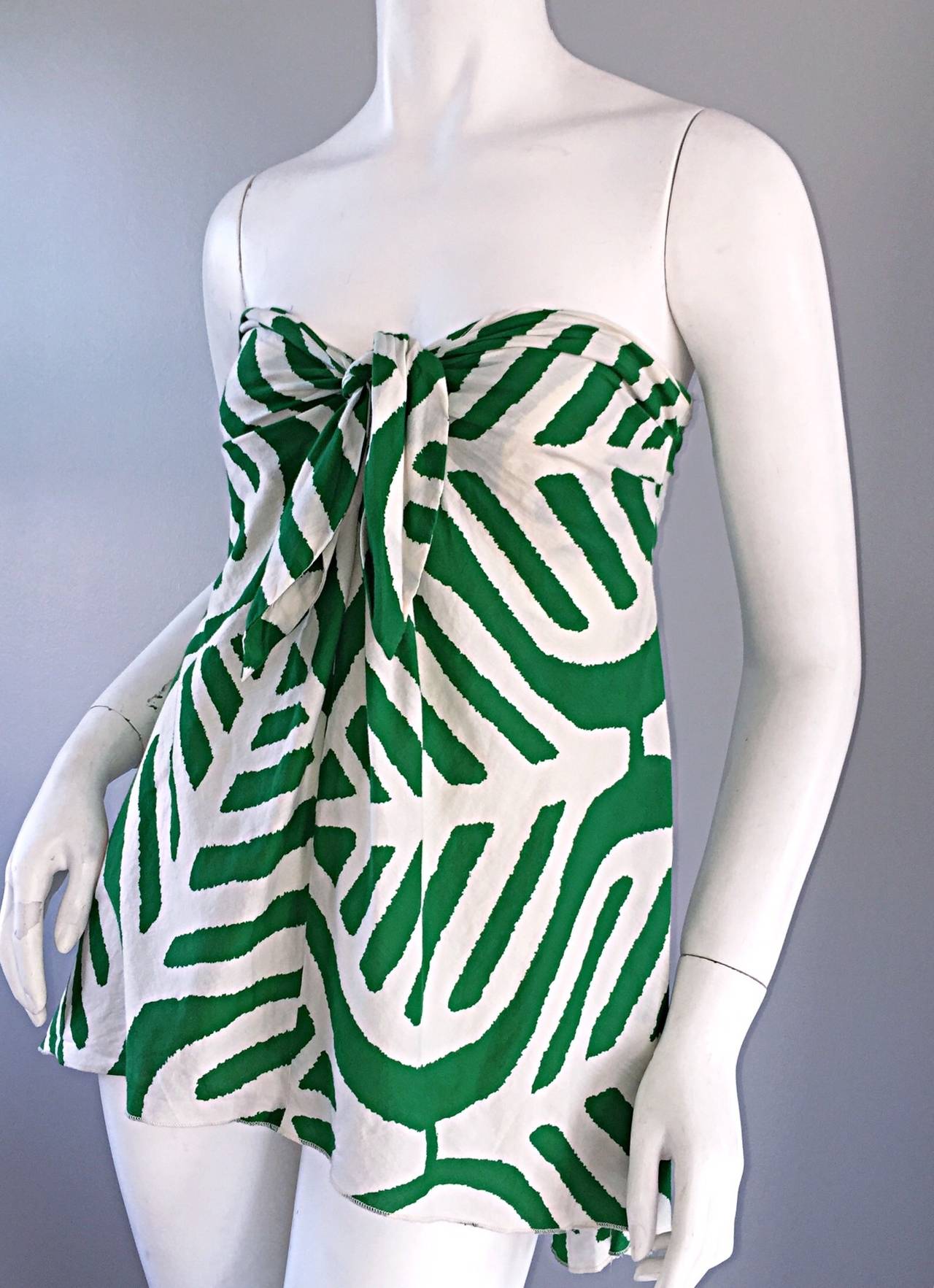
1990s Diane Von Furstenberg ' Leaf ' Print Safari Strapless Cotton Blouse
By Diane von Furstenberg
Located in San Diego, CA
Beautiful 90s Diane Von Furstenberg green and white cotton strapless top! 3-D leaf print, with a trapeze/free flowing waist. Buttons at top back. Can easily be dressed day to night. ...
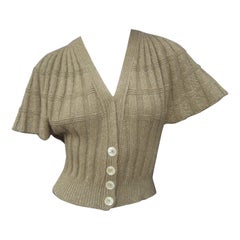
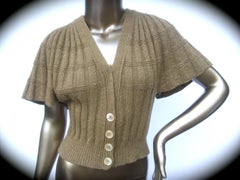
Louis Vuitton Paris Italian Knit Brown Cardigan c 21st c
By Louis Vuitton
Located in University City, MO
Louis Vuitton Paris Italian knit brown cardigan sweater Size M The chic Italian knit cardigan is designed with a muted light brown shade; accented with subtle gold metallic knit band...
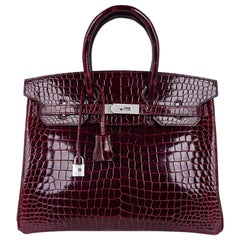
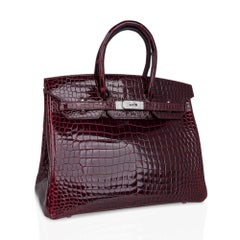
Hermes Birkin Limited Edition 35 Diamond Bordeaux Porosus Crocodile Bag
By Hermès
Located in Miami, FL
Mightychic offers an exceptional limited edition Hermes Birkin 35 Diamond Porosus Crocodile bag featured in stunning jewel-toned Bordeaux. This rare masterpiece features 18K White Go...
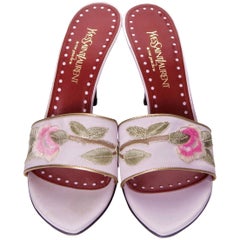

New Tom Ford for Yves Saint Laurent YSL Lotus Heels Final Collection 2004 Sz 38
By Yves Saint Laurent, Tom Ford for Yves Saint Laurent
Located in Conroe, TX
Yves Saint Laurent Heels Brand New * Tom Ford Era Lotus Slides * This was his last collection for Yves Saint Laurent. He was inspired by the Chinese Collection of 1977 His Final Coll...
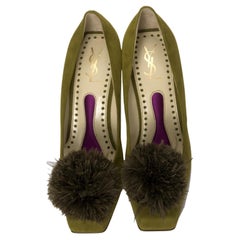
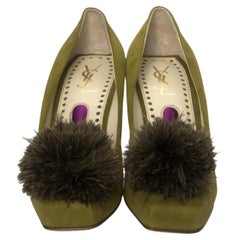
New Yves Saint Laurent YSL SS 2005 Avocado Heels Suede Pumps Sz 39
By Stefano Pilati for Yves Saint Laurent, Yves Saint Laurent
Located in Conroe, TX
Stefano Pilati for Yves Saint Laurent Debut Collection Brand New Size 39 Spring Summer 2005 * Detachable Feather Embellishment * Leather Insole * Square Toe * 3.5" Heel * With Box...
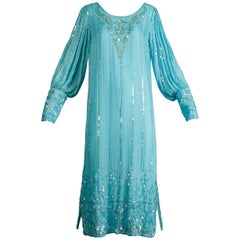
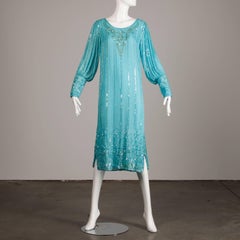
Vintage Teal Blue Silk Sequin + Beaded Art Deco/ Flapper Dress
Located in Sparks, NV
Vintage 1920s-inspired 1980s teal blue silk dress with hand done sequin and beadwork. Full blouson sleeves that zip at the cuff. Side slits. Fully lined in silk. The marked size is a...
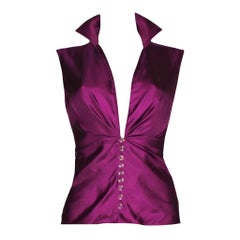
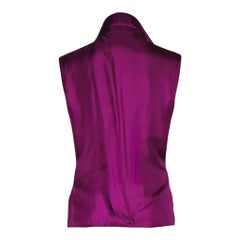
GIANNI VERSACE COUTURE S/S 2000 Purple Silk Blouse with Swarovski BUTTONS Y2K
By Gianni Versace Couture
Located in Switzerland, CH
Beautiful GIANNI VERSACE COUTURE SS 2000 silk blouse Finest purple silk Versace SS 2000 Jungle Collection Extremely versatile Sexy deep cleavage Swarovski crystal buttons Made in ...
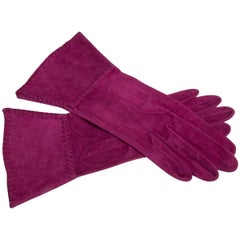
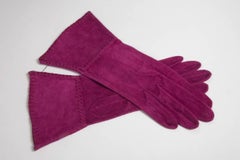
Yves Saint Laurent New Suede Gauntlet Gloves
By Yves Saint Laurent
Located in Geneva, CH
Beautiful never worn 80’s YSL fuchsia gloves trimmed in matching leather diagonal stitching. Both gloves was linked by the original sealing thread. "Yves Saint Laurent Rive Gauche" g...
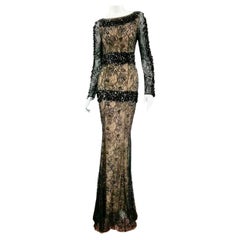
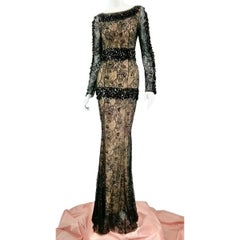
BLUMARINE long black lace dress
By Blumarine
Located in Rubiera, RE
BLUMARINE Long dress Black Lace embroidered with sequins, large faceted drops and other jas Size IT 38 Made in Italy Nude silk lining Lace: 80% rayon 20% nylon Lining: 96% silk 4% ...
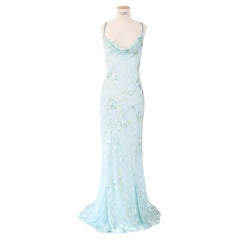
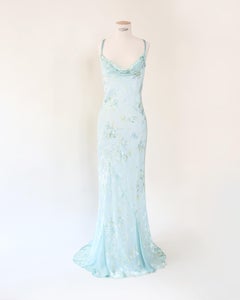
Vintage turquoise beaded silk sheer floral layered wedding slip dress gown M L
Located in Milano, Lombardia
LOVE LALI VINTAGE A breathtaking vintage gown. I would estimate this to be from around the late 90's. It has a pale blue lining which is overlayed with a sheer turquoise layer that ...
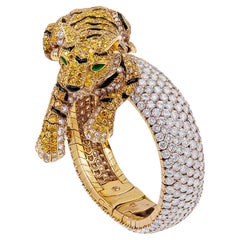
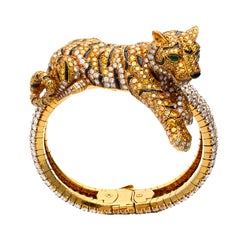
Cartier Vivid Yellow, White Diamond Panther Watch
By Cartier
Located in New York, NY
CARTIER Vivid Yellow, White Diamond Panther Watch A magnificent 18k yellow gold Panthere watch, set with vivid yellow and white diamonds, emerald eyes and onyx, signed Cartier with F...
White Diamond, Yellow Diamond, Emerald, Onyx, 18k Gold
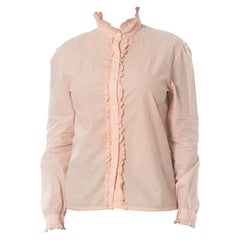
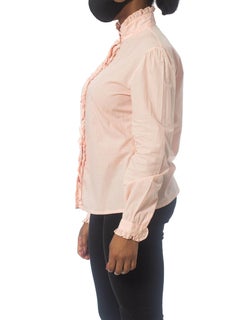
1980S RALPH LAUREN Baby Pink Victorian Cotton Shirt
By Ralph Lauren
Located in New York, NY
1980S RALPH LAUREN Baby Pink Victorian Cotton Shirt
Long before trend-bucking creative director Alessandro Michele brought his hallucinatory “Utopian Fantasy” campaign to Gucci, it was a modest Italian leather shop. Today, it’s an internationally renowned luxury house with an iconic logo, and vintage Gucci clothing, handbags and shoes are among high fashion's most covetable goods.
Guccio Gucci (1881–1953) admired the stylish suitcases he saw wealthy guests arrive with at the Savoy Hotel in London, where he worked as a bellhop. So, in 1921, after a stint at Franzi, a luggage company in his hometown of Florence, he opened a leather goods shop of his own.
At first, Gucci’s Florence business specialized in equestrian accessories. But as its reputation flourished, particularly among the English aristocracy, so too did its footprint. In 1938, he brought three of his sons — Aldo, Vasco and Rodolfo — into the business and expanded it to Rome and later Milan. In the mid-1930s, a League of Nations embargo against Italy pushed Gucci to experiment with alternatives to imported leather. Its woven hemp fabric from Naples, adorned with the brand’s signature diamond print, was a hit, especially among A-list celebrities. The material was first used on suitcases before finding enduring popularity on handbags. (No list of revered designer purses would be complete without Gucci.)
In the 1950s, Elizabeth Taylor carried one of Gucci’s bamboo-handled tote bags, another adaptation to material rationing. After Jackie Kennedy was seen sporting a slouchy Gucci tote in 1961, it was renamed for the First Lady. Then Grace Kelly, on a visit to the boutique in Milan, inspired Rodolfo Gucci to work with Italian illustrator and Gucci textile designer Vittorio Accornero on the Flora print in 1966. Taking cues from Sandro Botticelli’s Primavera, with its pattern of flora and insects, it was painted entirely by hand and featured no fewer than 37 colors.
In 1953, just 15 days after opening his first store on New York’s 5th Avenue, Guccio passed away at 72. The early 1970s saw store openings in Tokyo and Hong Kong, but by the late 1980s, Gucci was floundering. Rodolfo Gucci took charge in 1982, but family drama and lawsuits ensued. In 1993, Rodolfo’s son, Maurizio, transferred his shares in the company to Investcorp, ending the family’s involvement in Gucci. Dawn Mello, then-president of Bergdorf Goodman, joined as creative director in 1989. But it was Tom Ford, who took over as creative director in 1994, who ultimately revived the brand.
Ford’s racy ads, shot by photographers such as Mario Testino, stirred controversy. And his potent vision of sexed-up femininity — with “jewel-toned satin shirts unbuttoned to there,” as Vogue described his breakthrough 1995 runway show — was wildly successful. The new millennium brought new ownership — Pinault Printemps Redoute in 2004 — and a more toned-down vision from Frida Giannini, who became sole creative director in 2006. Alessandro Michele was named creative director in 2015, and the storied brand took a giant leap forward.
Find vintage Gucci clothing and accessories on 1stDibs.
Why not add a dose of class to your travels even if you’re flying coach? With the broad range of sophisticated designer and vintage luggage available for sale on 1stDibs, packing and unpacking doesn’t have to be such a chore.
Let’s face it: Stuffing the car trunk or loading up your luggage before takeoff and then doing the opposite when you arrive is often the worst part of any trip, but there’s nothing stopping you from reintroducing the glamour and luxury that defined the so-called Golden Age of Travel.
Romanticized in recent years on hit TV shows such as Mad Men, the Golden Age of Travel generally began during the 1940s, when the big commercial airlines of 20th-century America deployed the newest in large airplanes to carry scores of usually well-dressed travelers to foreign destinations. This era of aspirational air travel was marked by luxurious in-flight dining, copious cocktails and high spirits, promoted in part by the sleek, graphically rich airline brochures and vibrantly colored illustrated travel posters that hung in the windows of travel agencies. Those drawn to the history of this now well-documented era — or those who lived it, having caught the travel bug thanks to revered magazines such as Holiday or the photography of Slim Aarons — will find lots to love in vintage travel bags and suitcases, particularly luggage that originated in the world’s best luxury fashion houses.
With top brands like Louis Vuitton and Gucci offering their take on essential travel bags, every brisk walk through the airport can feel like a runway. After all, why would you want to hide all of the fun inside your suitcase when you could make a statement with its exterior?
Purchasing a first-class travel bag will render the idea of “living out of a suitcase” appealing. Any journey, be it to a summer hot spot or a cozy winter getaway, can be outfitted with functional and fashionable vintage and designer luggage thanks to a vast collection of 1970s, ’80s and ’90s suitcases and satchels available for sale on 1stDibs. With designs suited to your very particular personal travel style, you’ll rightfully have a hard time tucking these pieces into a closet when you return home.
Created during Alessandro Michele's tenure at the brand, this sparkling, whimsical minaudière feels just right for a night out.
When the name of a bag is as well-known as its brand, you know it's a classic.