Chinese Ceramic Headrest
Located in Vosselaar, BE
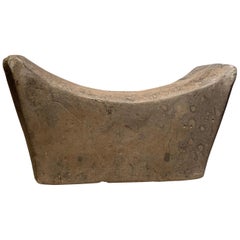
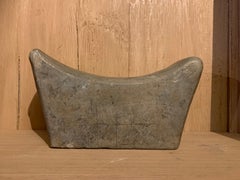
A Chinese unglazed ceramic headrest with lovely patina and naieve carvings on both sides. ONe
Category
Antique Early 19th Century Chinese Ceramics
Materials
Ceramic
Chinese Ceramic Headrest
Located in Vosselaar, BE
A Chinese unglazed ceramic headrest with lovely patina and naieve carvings on both sides. ONe
Ceramic
$345 / set
H 5.12 in W 6.11 in D 3.75 in
Antique Chinese Ceramic Headrests 'Opium Pillow', Early 20th Century, Pair
Located in Jimbaran, Bali
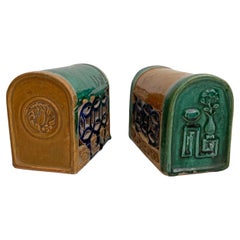
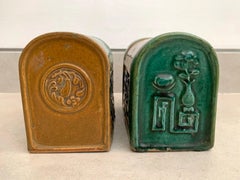
This pair of Chinese ceramic headrests feature a green, brown and blue glaze as well as floral
Ceramic
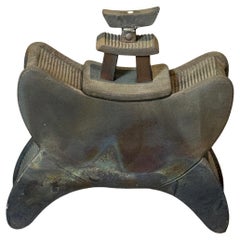
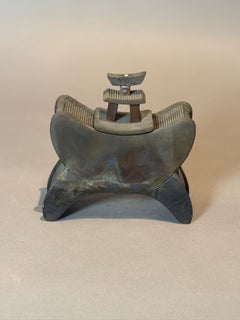
Unique Modern Asian-Inspired Ceramic Headrest Sculpture with Removable Top
Located in West Hollywood, CA
This striking modern ceramic sculpture is styled after traditional Asian headrests and ritual
Ceramic
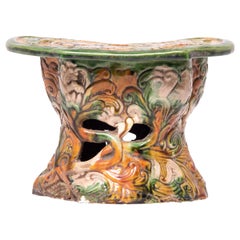
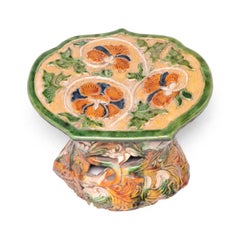
Chinese Sancai Peony Headrest, c. 1900
Located in Chicago, IL
this ceramic headrest as a pillow. Its unusual form is densely patterned with abstract trailing vines
Ceramic
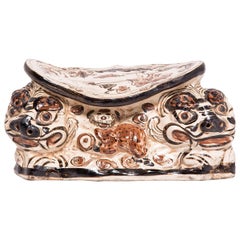
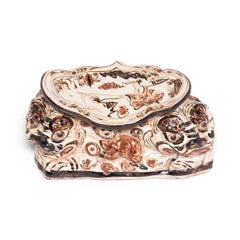
Chinese Double Guardian Headrest, circa 1900
Located in Chicago, IL
symbolic motifs. Painted in the style of Ming-dynasty cizhou ware, this ceramic headrest was painted
Porcelain
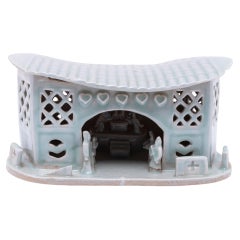
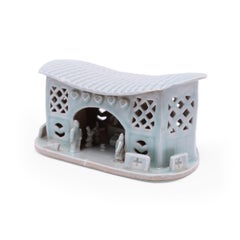
Chinese Celadon Glazed Temple Headrest, c. 1900
Located in Chicago, IL
symbolic motifs. This ceramic headrest dates to the turn of the century and is modeled in the form of a
Porcelain
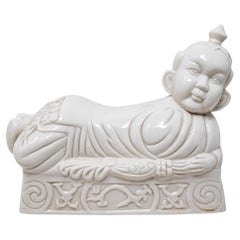
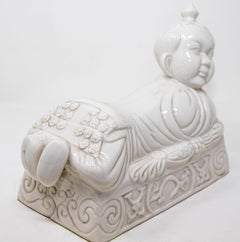
Chinese White Porcelain Pillow Ho Ho Boy Headrest c. 1950
Located in Moreno Valley, CA
Chinese White Porcelain Ho Ho Boy Headrest c. 1950. A white blanc de Chine ceramic headrest in the
Porcelain
$545
H 5.52 in W 30.32 in D 4.73 in
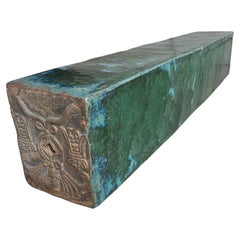
Chinese Ceramic Green Glazed 'Shiwan' Opium Pillow, Early 20th Century
Located in Jimbaran, Bali
This Shiwan ceramic pillow (headrest) of earthenware features a green & blue glaze. Pillows in this
Ceramic
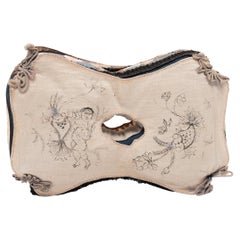
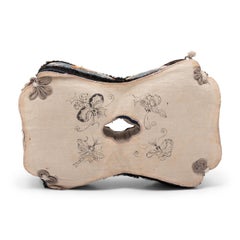
Chinese Quadrilobe Fabric Pillow with Embroidery
Located in Chicago, IL
the style of traditional ceramic or wood headrest, this pillow has an hour glass form with a
Cotton, Silk
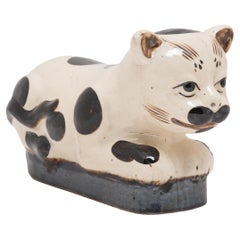
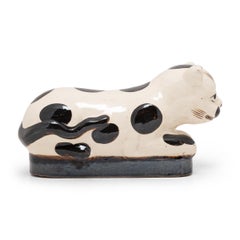
Chinese Ceramic Spotted Cat Headrest, c. 1900
Located in Chicago, IL
this ceramic headrest as a pillow. The headrest is shaped as a crouching house cat, with whiskers and
Ceramic
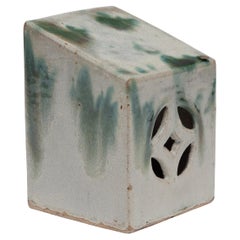
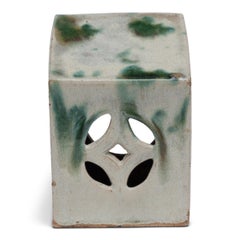
Chinese Green Drip Glaze Headrest, c. 1900
Located in Chicago, IL
accoutrements. This ceramic headrest is one such accessory, used atop a woven daybed to support the head of a
Ceramic
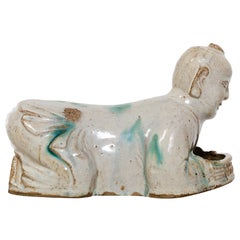
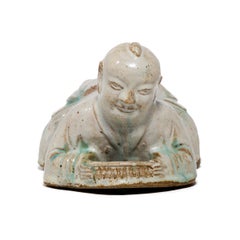
19th Century Chinese Ho Ho Boy Headrest
Located in Chicago, IL
this ceramic headrest as a pillow. This headrest is shaped in the form of a “Ho Ho” boy and would have
Ceramic
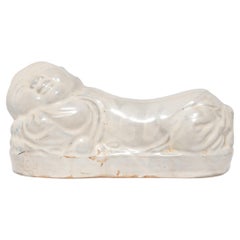
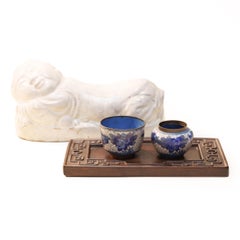
Chinese Ho Ho Boy Headrest, c. 1900
Located in Chicago, IL
this ceramic headrest as a pillow. This headrest is shaped in the form of a baby boy, a motif commonly
Ceramic
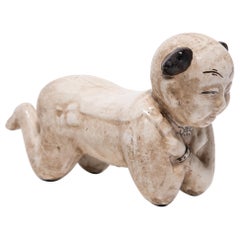
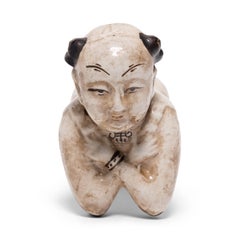
Chinese Ho Ho Boy Headrest, circa 1900
Located in Chicago, IL
this ceramic headrest as a pillow. This headrest is shaped in the form of a “Ho Ho” boy and would have
Ceramic
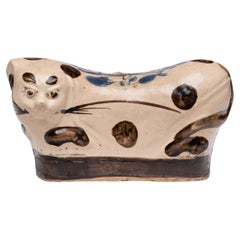
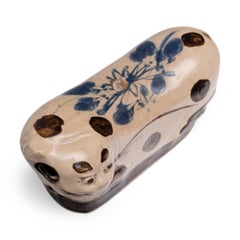
Chinese Crackle Glaze Cat Headrest, c. 1850
Located in Chicago, IL
this ceramic headrest as a pillow. The headrest is shaped as a crouching house cat, playfully painted
Earthenware
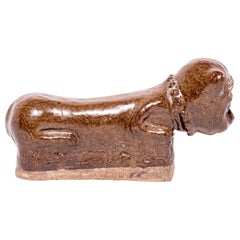
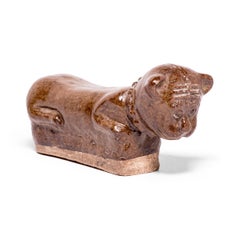
Late 19th Century Chinese Brown Glazed Cat Headrest
Located in Chicago, IL
this ceramic headrest as a pillow. The headrest is shaped as a crouching house cat wearing a studded
Ceramic
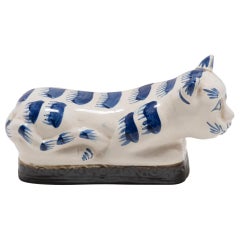
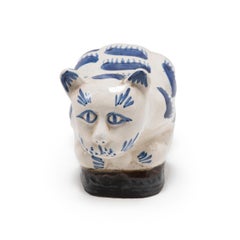
Chinese Blue and White Cat Headrest, c. 1900
Located in Chicago, IL
this ceramic headrest as a pillow. The headrest is shaped as a crouching house cat, with whiskers and
Ceramic
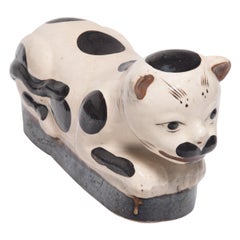
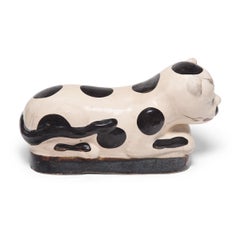
Chinese Brown and White Cat Headrest, circa 1900
Located in Chicago, IL
this ceramic headrest as a pillow. The headrest is shaped as a crouching house cat, with whiskers and
Ceramic
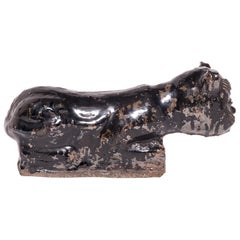
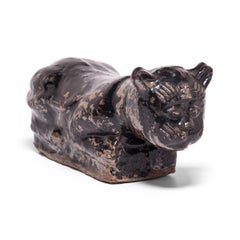
Late 19th Century, Chinese Mottled Black Cat Headrest
Located in Chicago, IL
this ceramic headrest as a pillow. The headrest is shaped as a crouching house cat, cloaked in a
Ceramic
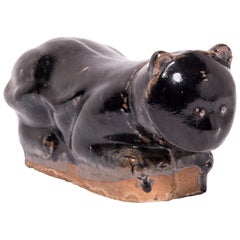
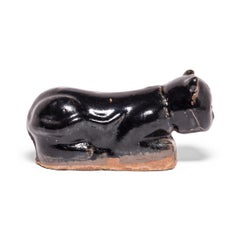
Late 19th Century Chinese Black Glazed Cat Headrest
Located in Chicago, IL
this ceramic headrest as a pillow. The headrest is shaped as a crouching house cat, cloaked in a
Ceramic
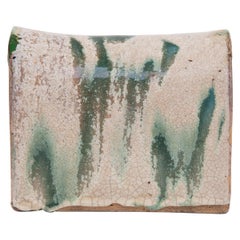

Chinese Green and White Glazed Headrest, Ming dynasty, c. 1650
Located in Chicago, IL
To keep her elaborate hairstyle intact while sleeping, a well-to-do woman once used this ceramic
Ceramic
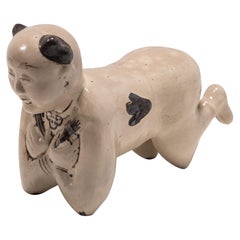
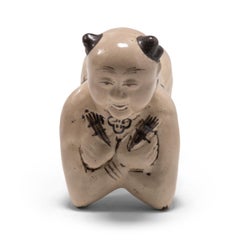
Early 20th Century Chinese Ho Ho Boy Headrest
Located in Chicago, IL
this ceramic headrest as a pillow. This headrest is shaped in the form of a “Ho Ho” boy and would have
Porcelain
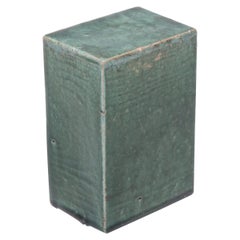

Chinese Green Glazed Ceramic Headrest
Located in Chicago, IL
In ancient China, pillows were thought to guide and influence a person’s dreams, which were important because they were believed to influence your waking life. The design, color, mat...
Ceramic
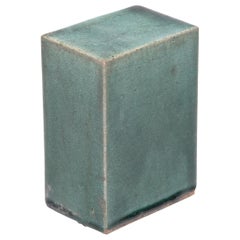

Chinese Green Glazed Ceramic Headrest, circa 1900
Located in Chicago, IL
In ancient China, pillows were thought to guide and influence a person’s dreams, which were important because they were believed to influence your waking life. The design, color, mat...
Ceramic
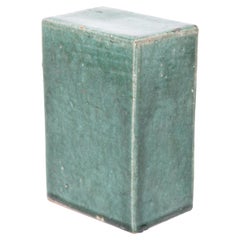

Early 20th Century Chinese Green Glazed Ceramic Headrest
Located in Chicago, IL
In ancient China, pillows were thought to guide and influence a person’s dreams, which were important because they were believed to influence your waking life. The design, color, mat...
Ceramic
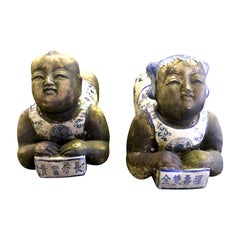

Pair of Chinese Boy and Girl Porcelain Ceramic Pillows Headrests
Located in Studio City, CA
A beautiful, playful pair. Really stood out when we found them. Very well done. We have never come across anything quite like them. These hard "pillows" were often used by high r...
Porcelain, Ceramic
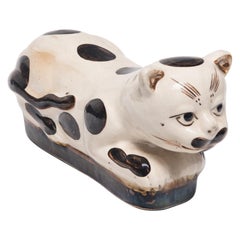

Chinese Brown and White Cat Headrest, circa 1900
Located in Chicago, IL
this ceramic headrest as a pillow. The headrest is shaped as a crouching house cat, with whiskers and
Ceramic
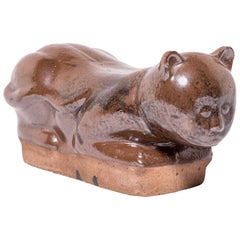

Late 19th Century Chinese Mottled Brown Cat Headrest
Located in Chicago, IL
this ceramic headrest as a pillow. The headrest is shaped as a crouching house cat, cloaked in a
Ceramic
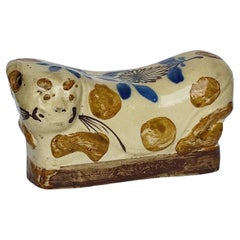
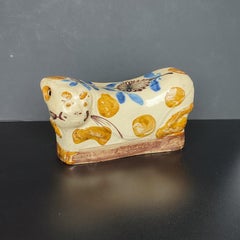
Chinese Antique Stoneware Cat Pillow, Opium Pillow, Headrest
Located in Bochum, NRW
China, antique ceramic cat pillow, beautifully glazed in brown, cream, and cobalt blue, with good
Ceramic
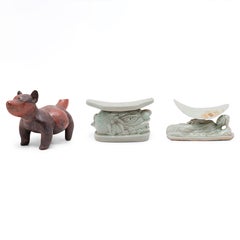
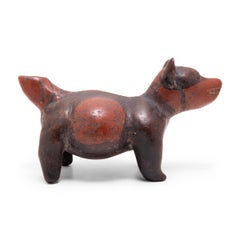
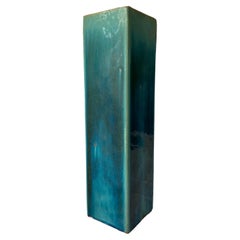
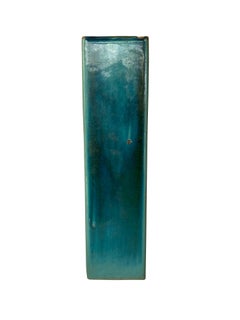
Group of Two Celadon Headrests and One Pre-Columbian Dog Effigy
Located in Chicago, IL
A group of three ceramic sculptures: 1 Pre-Columbian Colima Dog Effigy, Mexico, c. 300 AD 1
Ceramic, Porcelain
$475
H 16.54 in W 4.14 in D 4.14 in
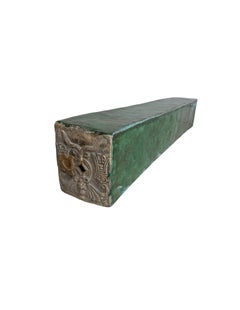
Chinese ceramic Green Glazed 'Shiwan' Opium Pillow, Early 20th Century
Located in Jimbaran, Bali
This Shiwan ceramic pillow of earthenware features a green/blue glaze, which is less common than the distinctive green-glaze of Shiwan ware. Pillows in this shape were not only used ...
Ceramic
The last imperial dynasty from 1644 to 1912 was a time of change in China, beginning with the invasion by Manchurian forces that ended the Ming dynasty and established the Shunzhi Emperor. The expansion of exportation and trade that had bolstered the arts during the Ming era continued, as Qing dynasty furniture involved the same attention to craftsmanship with expert construction techniques in hardwood pieces that were assembled with mortise and tenon joints rather than nails or glue. Together, these eras comprise a golden age of Chinese furniture design.
Ming-style furniture is simple and elegant with clean lines. Chairs of the period and other Ming furniture made an impression on Scandinavian modernist Hans Wegner and his streamlined seating, for example. Whereas Qing-style furniture is elaborate, with an increasing influence from the West leading to lavish carving inspired by the European Baroque and Rococo styles. And while many of the forms that define examples of the latter are common within classical Chinese furniture, such as curving and folding chairs as well as large screens, Qing designs are laden with ornamentation. Frequently, the carved motifs and inlaid designs in mother-of-pearl were auspicious, such as peonies for wealth or dragons for luck. Bats were symbols of happiness in the design of Qing furniture, with one of the characters in the word for bat, bianfu, being a homophone for fu, or “fortune.”
While several types of wood were used in the construction of Qing beds, tables, storage pieces and seating, today’s collectors know that the most prized were the rare rosewoods zitan and huanghuali. They were both sourced from Hainan, China’s largest island, and are marked by a rich luster that occurs naturally, without the application of lacquer or other decorative materials. Many of the most popular woods were imported from southeast Asia, adding to their value. Red sandalwood was also sought after for its durability and connection with Chinese medicine, with some chairs being made for health benefits.
Find a collection of antique Qing tea tables, stools, benches, decorative objects and more furniture on 1stDibs.
From Japanese handmade earthenware pottery, originating circa 14,500 B.C. and adorned with elaborate corded patterns known as jōmon, to natural elm case pieces and storage cabinets built in Qing dynasty–era China to mid-century Thai rice-paper charcoal rubbings, antique and vintage Asian art and furniture make for wonderful additions to all kinds of contemporary interiors.
Eastern elements elevate any home’s decor. Introduce zen sensibility to your living room, dining room and bedroom with the neutral color palettes and the natural materials such as rattan, bamboo and elm that we typically associate with traditional Asian furniture. Decorative handwoven embroideries and textiles originating from India and elsewhere on the continent, which can be draped over a bed or sofa or used as a wall hanging, can be as practical as they are functional, just as you wouldn’t seek out Japanese room-divider screens — often decorated with paintings but constructed to be lightweight and mobile — merely for privacy.
With everything from blanket chests to lighting fixtures to sculptures and carvings, it’s easy to tastefully bring serenity to your living space by looking to the treasures for which the East has long been known.
For British-born furniture designer Andrianna Shamaris, the Japanese concept of beauty in imperfection isn’t limited to her Wabi Sabi collection. She embraces it in her New York City apartment as well. In the living area, for instance, she retained the fireplace’s original black marble while swathing its frame and the rest of the room in bright white.
“We left the fireplace very clean and wabi-sabi, so that it blended into the wall,” says Shamaris, who further appointed the space with a hand-carved antique daybed whose plush pillows are upholstered in antique textiles from the Indonesian island of Sumba.
In the growing antique and vintage Asian art and furniture collection on 1stDibs, find ceramics from China, antiquities from Cambodia and a vast range of tables, seating, dining chairs and other items from Japan, India and other countries.