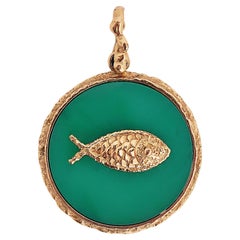
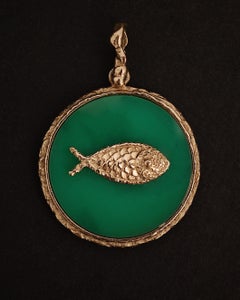
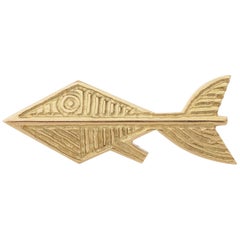
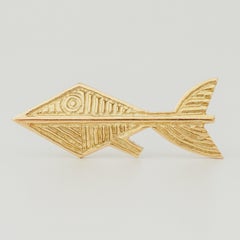
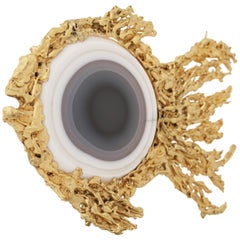
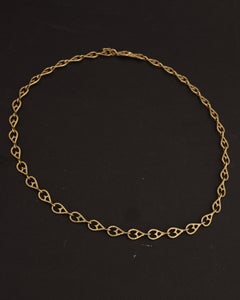
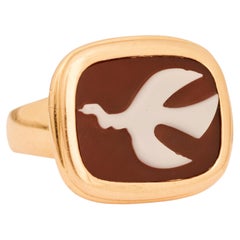
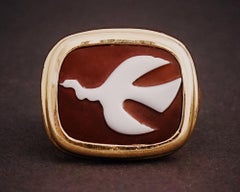
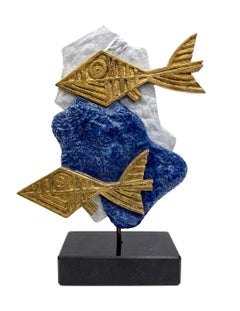
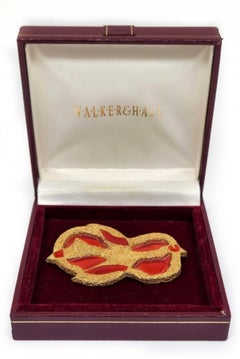
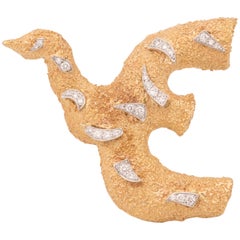
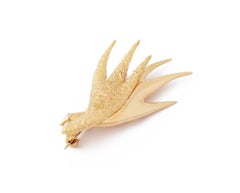
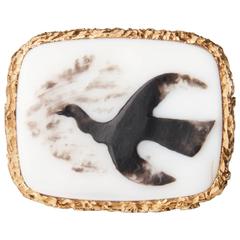
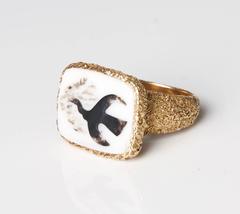
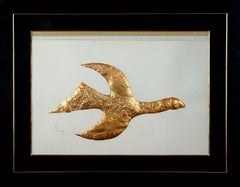
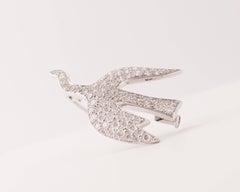
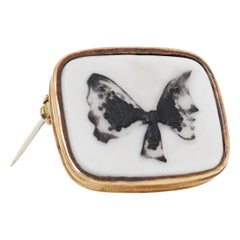
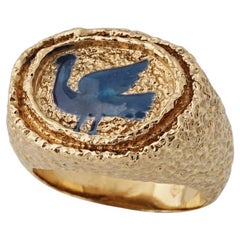
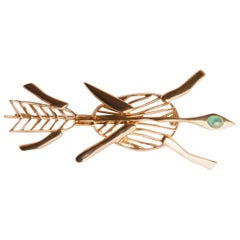
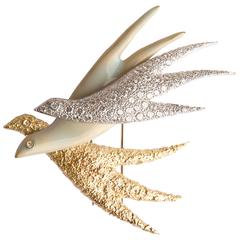
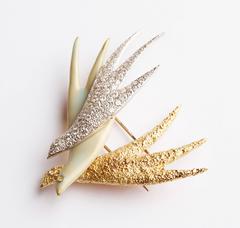
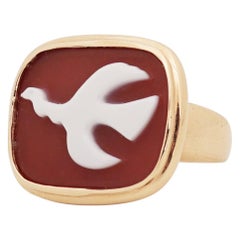
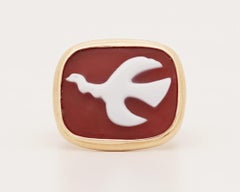
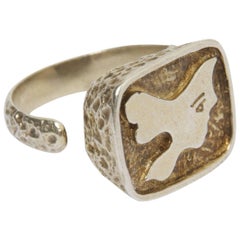
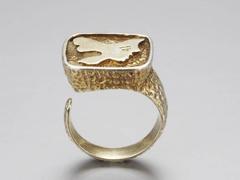
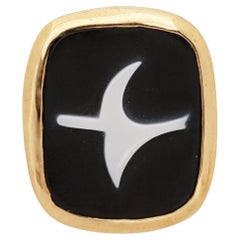
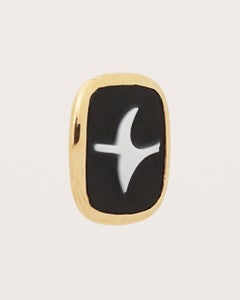
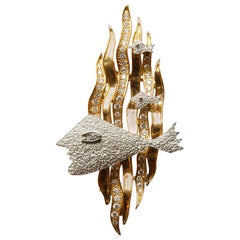
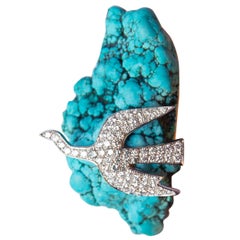
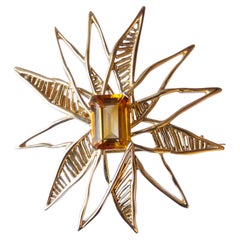
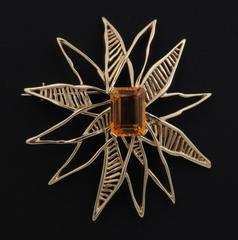
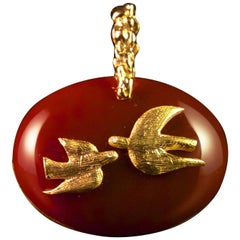
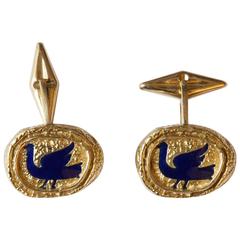
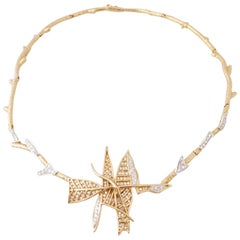
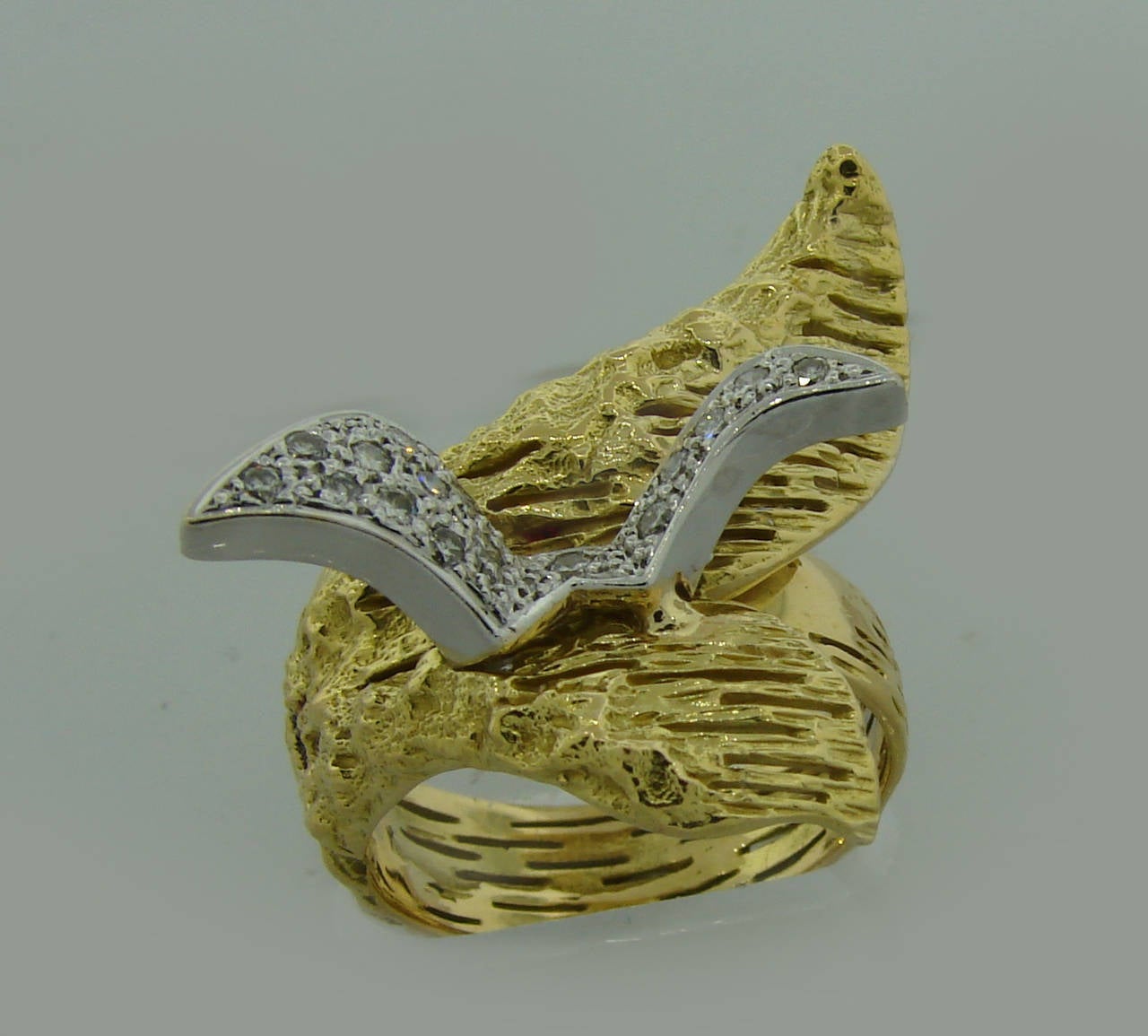
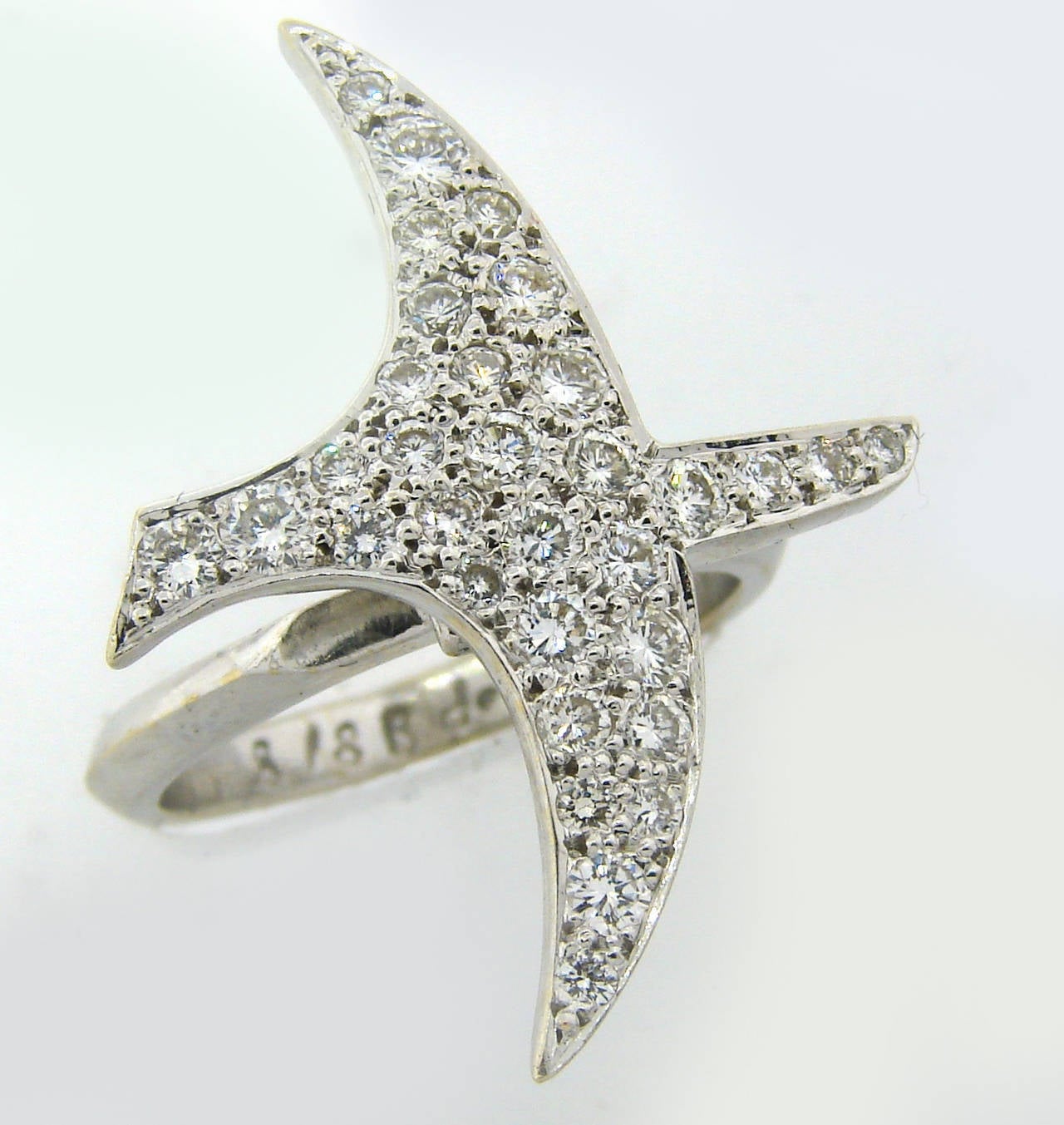
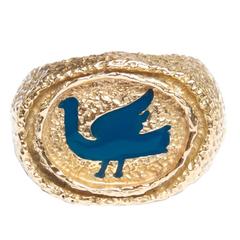
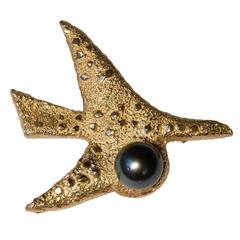
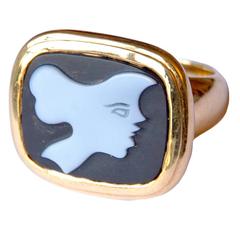
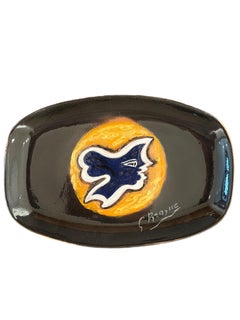
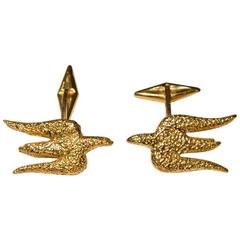
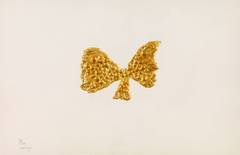
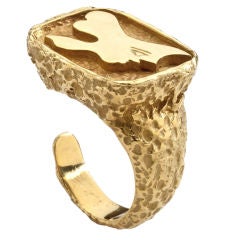
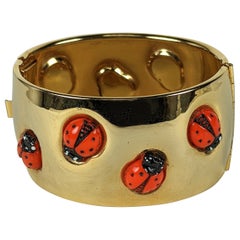
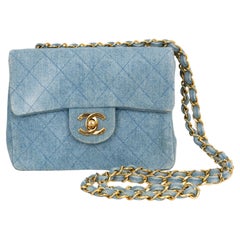
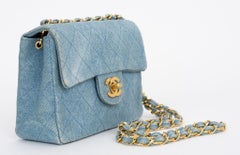
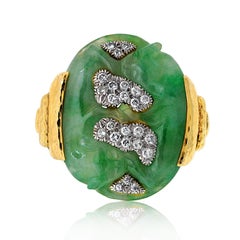
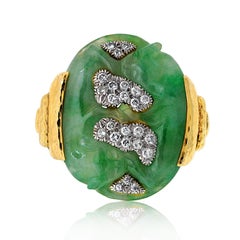
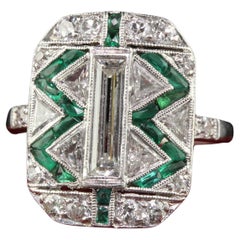
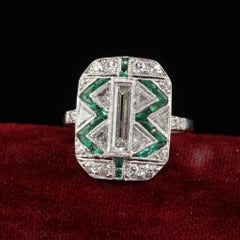
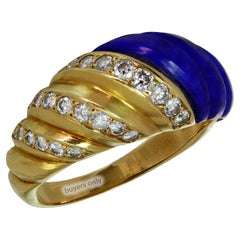
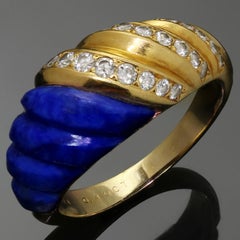
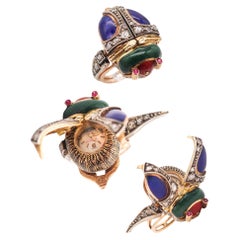
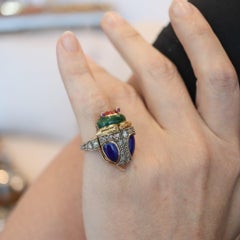
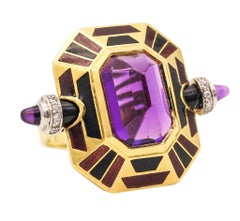
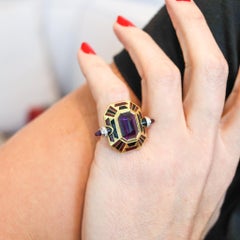
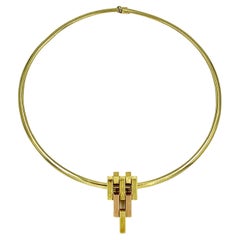
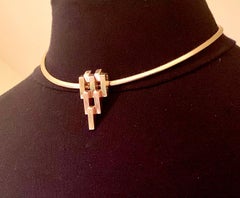
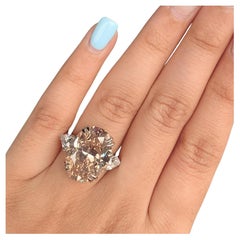
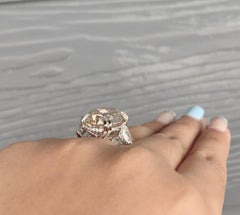
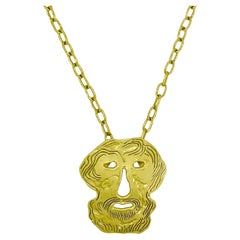
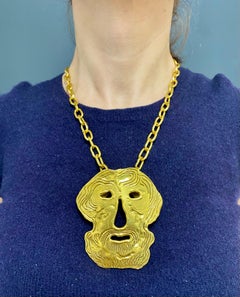
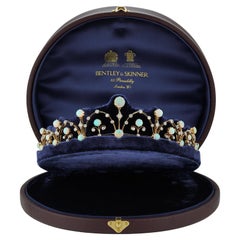
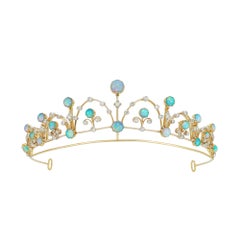
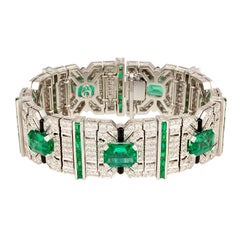
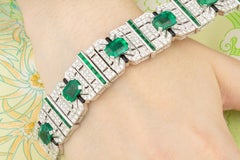
Surely you’ll find the exact heger de loewenfeld you’re seeking on 1stDibs — we’ve got a vast assortment for sale. Each design created in this style — which was crafted with great care and often made from
18k gold,
gold and
bronze — can elevate any look. If you’re looking for a heger de loewenfeld from a specific time period, our collection is diverse and broad-ranging, and you’ll find at least one that dates back to the 20th Century while another version may have been produced as recently as the 21st Century. Finding an appealing heger de loewenfeld — no matter the origin — is easy, but
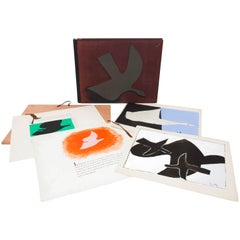
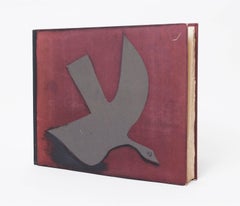
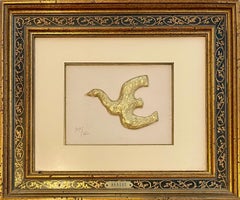
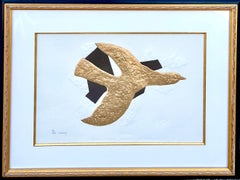
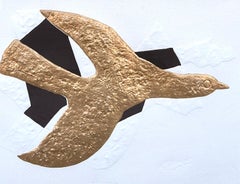
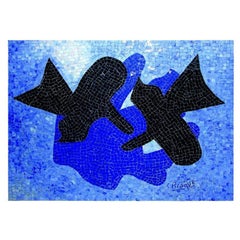
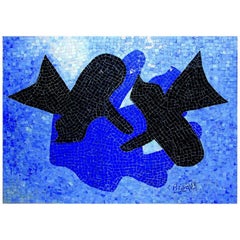
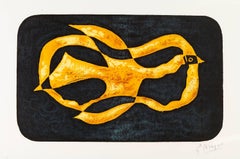
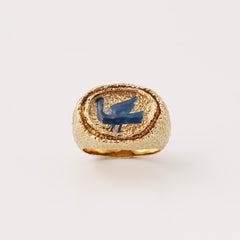
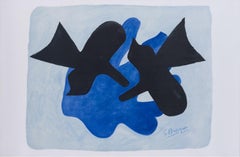
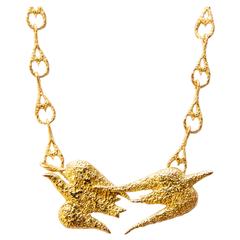
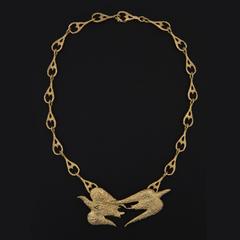
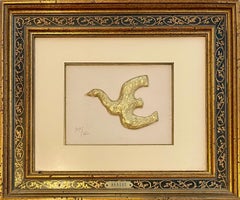
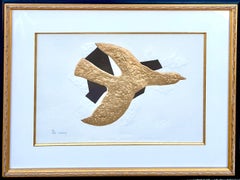
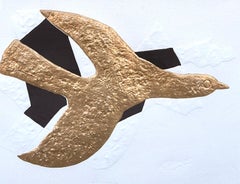
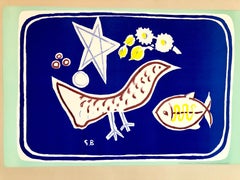
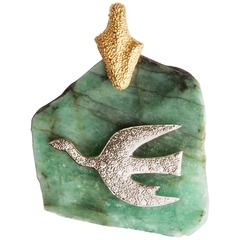
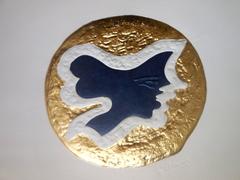
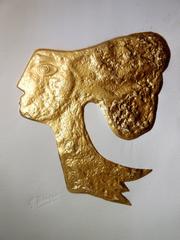
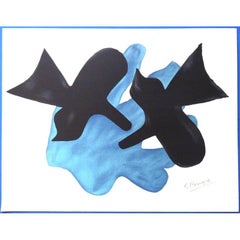
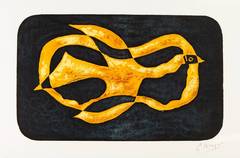
Georges Braque each produced a popular version that is worth a look. Take a look at a heger de loewenfeld featuring
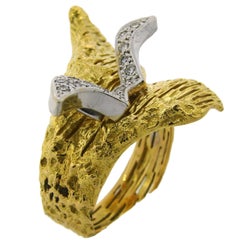
diamond from our inventory today to add the perfect touch to your look. Today, if you’re looking for a
brilliant cut version of this piece and are unable to find the perfect match, our selection also includes
mixed cut and
round cut alternatives. When shopping for a heger de loewenfeld, you’ll find that there are less available pieces for unisex or
men today than there are for
women.
Georges Braque was born in Argenteuil, France, in 1882. Braque lived much of his childhood and young adult life in Le Havre. He attended night classes at the art school from 1897–99 and then moved to Paris, where he obtained his license as a master decorator. From 1905–06, after studying at École des Beaux-Arts in Paris and having been influenced by the works of Henri Matisse, he began to paint in the way of Fauvism by using bright colors and taking advantage of the freedom of the composition. Paysage à L'Estaque (1906) was one of the prominent works of art made at this time.
The year 1907 was a significant time in Braque's development, wherein he visited the retrospective on Paul Cézanne and he came into contact with Picasso, who was very engrossed in the realization of Les Demoiselles d'Avignon at the time. At this point, Braque began nurturing a considerable interest in primitive art. After the First World War, Braque worked autonomously and developed a more personal style, which was characterized by vivid colors and textured surfaces. Braque painted still life, interior views, and ocean scenes. The Ateliers (1948–55) and Birds (1955–63) series were painted during this period. In 1948, he obtained his first award for painting at the XXIV Biennial in Venice.