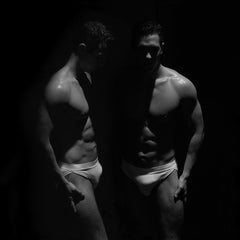
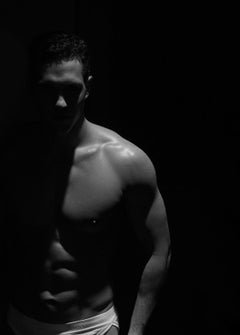
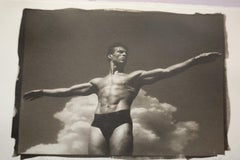
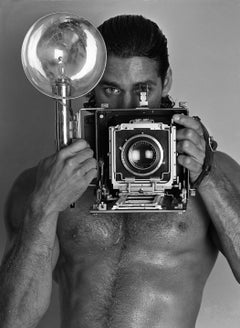
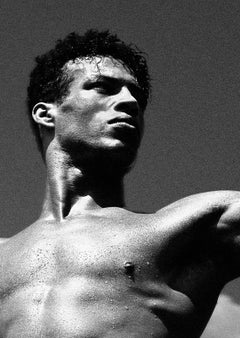
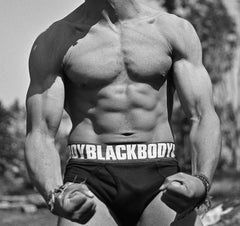
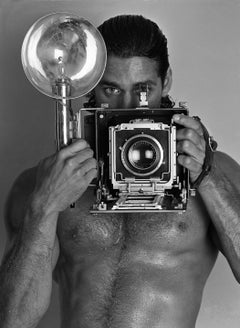
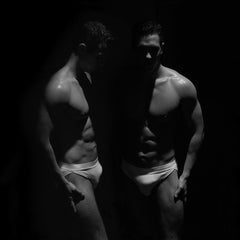
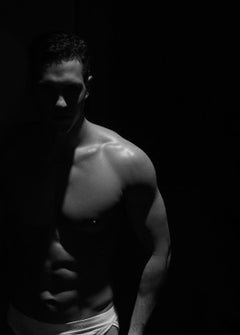
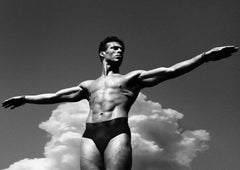
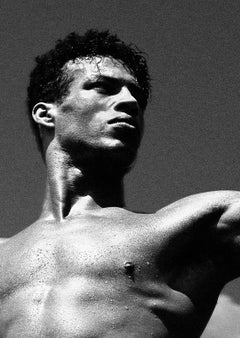
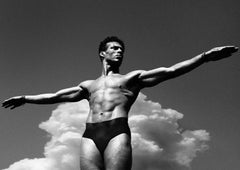
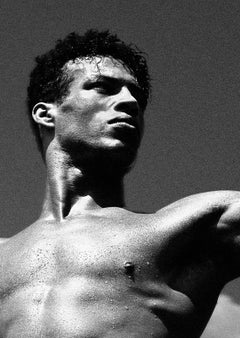
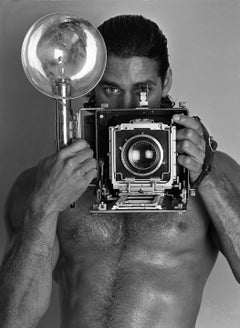
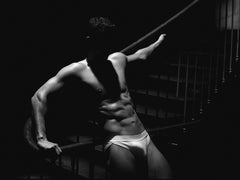
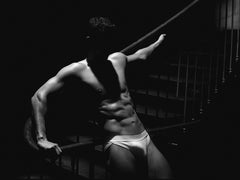
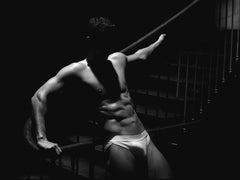
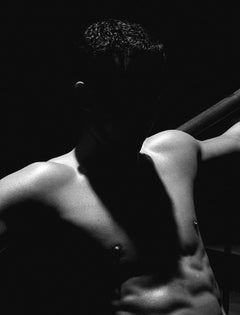
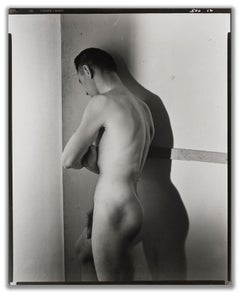
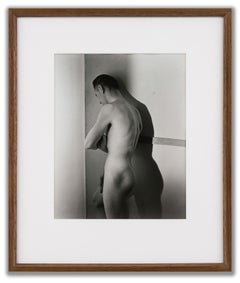
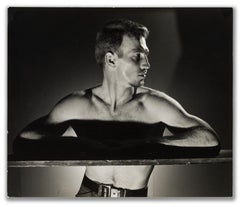
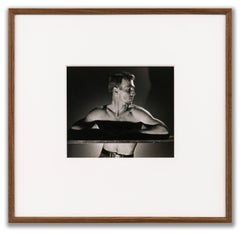
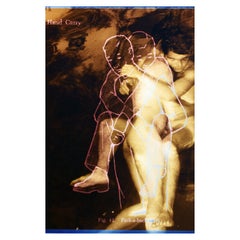
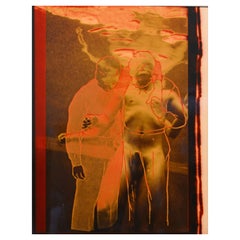
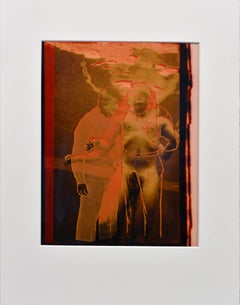
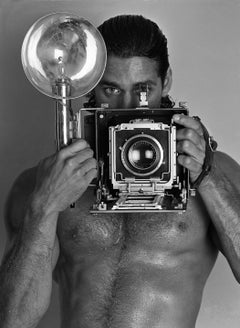
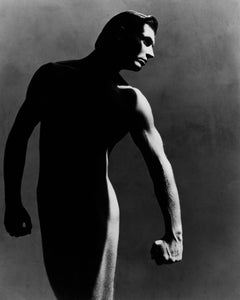
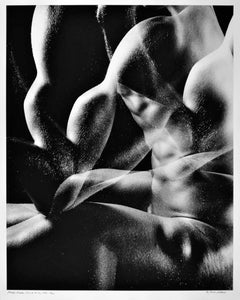
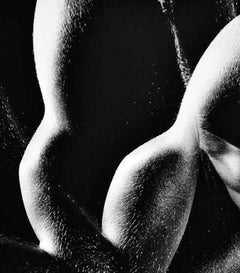
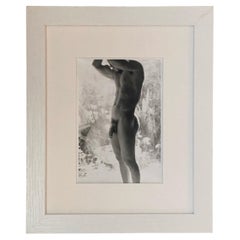
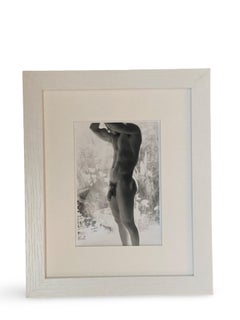
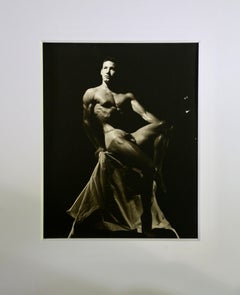
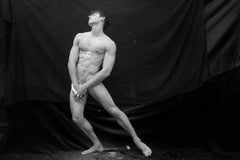
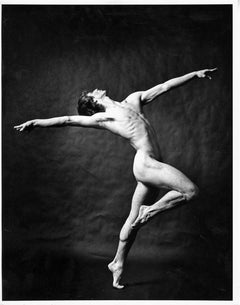
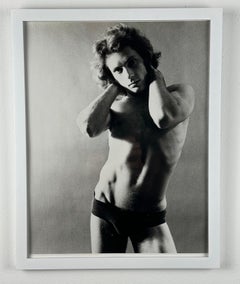
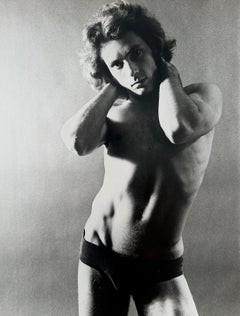
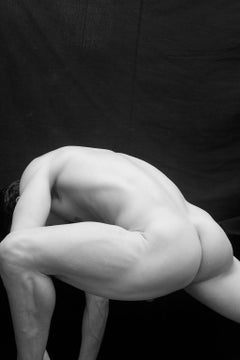
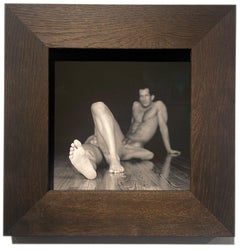
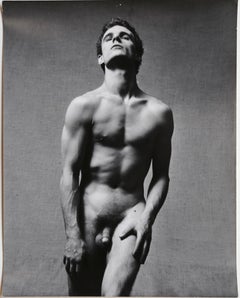
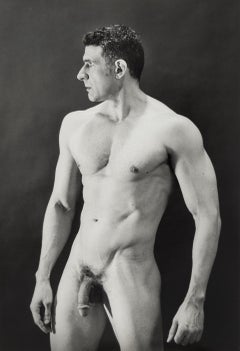
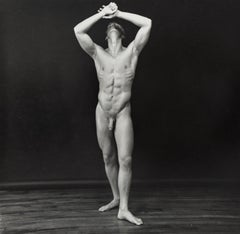
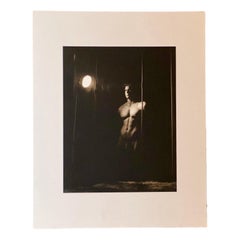
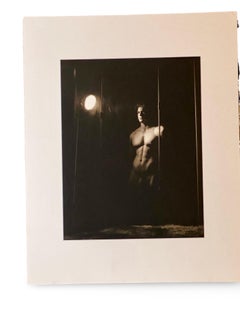
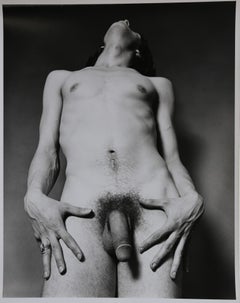
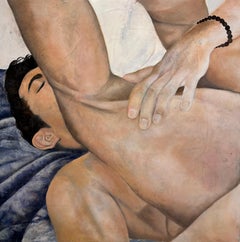
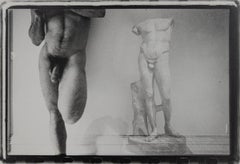
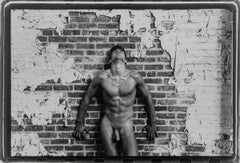
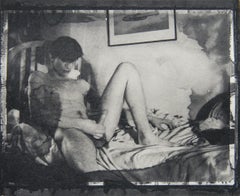
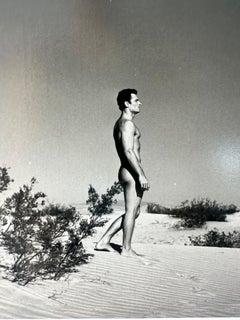
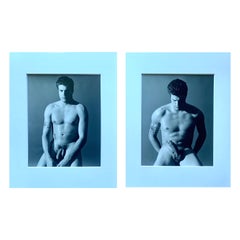
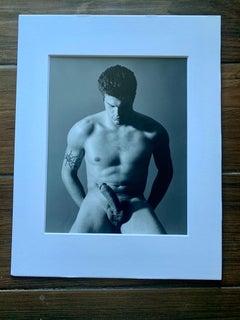
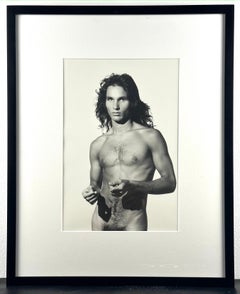
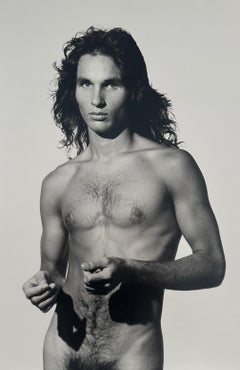
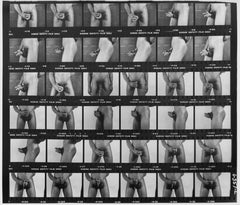
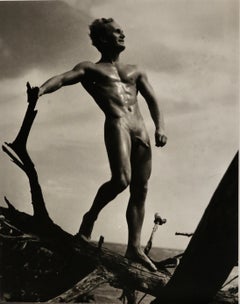
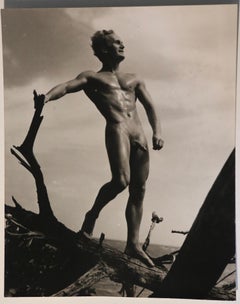
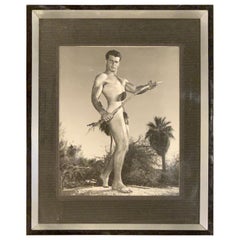
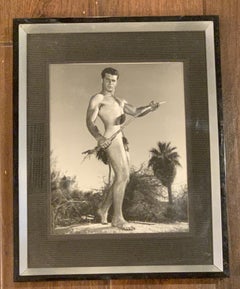
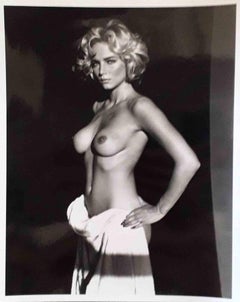
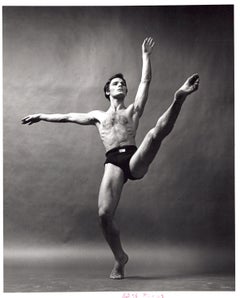
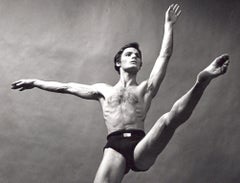
You are likely to find exactly the piece of homoerotic photography you’re looking for on 1stDibs, as there is a broad range for sale. Making the right choice when shopping for an item from our selection of homoerotic photography may mean carefully reviewing examples of this item dating from different eras — you can find an early iteration of this piece from the 20th Century and a newer version made as recently as the 20th Century. On 1stDibs, the right choice in our collection of homoerotic photography is waiting for you and the choices span a range of colors that includes
black and
gray. Artworks like these of any era or style can make for thoughtful decor in any space, but a selection from our variety of those made in
archival paper,
archival pigment print and
film can add an especially memorable touch.
The price for an artwork of this kind can differ depending upon size, time period and other attributes — a piece of homoerotic photography in our inventory may begin at $2,868 and can go as high as $4,015, while the average can fetch as much as $3,441.
Two 19th-century printing techniques, platinum palladium and gum bichromate, which are best known for their integration of precious materials, complex processes and durability, were nearly lost over time — until recently. In his final years, Scottish photographer Ian Sanderson breathed life back into these forgotten techniques with his black and white photography, nude photography and other works, and he was one of only a handful of artists worldwide to have done so at the time.
Sanderson studied Fine Art at Sunderland University in England but could not afford to pursue postgraduate studies back then. Instead, Sanderson explored photography on his own while working a host of jobs including factory work, a silkscreen printer, and a photographer for the conservation department for the Newcastle Upon Tyne museums. He was able to move to Brighton to complete one year of postgraduate studies in Art Education and become both a lecturer at Northbrook College and a teacher in a closed unit for young criminals.
Seemingly on his way to a stable career, the 1990s had other plans for Sanderson. The UK financial crisis saw Sanderson lose his job and apartment, sending him back to square one. By 1993, he was able to buy a computer and teach himself how to become proficient at a relatively new, revolutionary application — Photoshop. From there, Sanderson secured freelance work with commercial clients including General Motors, Subaru, Alfa Romeo and Coca-Cola.
In 2009, Sanderson made an important connection when he photographed legendary Tiffany & Co. jewelry designer and philanthropist Elsa Peretti for the Financial Times in London. The pair worked closely together on and off for years. Peretti and her foundation sponsored a large retrospective exhibition in Barcelona focusing on Sanderson’s photography. It was at this show that Sanderson had the opportunity to produce prints by way of the archival techniques he’d revived.
On 1stDibs, find a collection of authentic Ian Sanderson photography.
Life becomes art in figurative photography. Shared moments are captured and history is recorded in images of people and their lives.
Figurative photography is often used to describe a kind of photography in which people are the subject. Early black and white photography of people can be a glimpse into a past century — witness the celebrated work of photographers such as Ansel Adams or lesser-known artists like Berenice Abbott, for example. The cultural and social standards of the time are captured in these figurative photographs.
Mid-century photos might show the life and fashions of the day, sometimes with the shared thread of humanity, joy and love. Indeed, figurative photographs can be a source of inspiration and wonder, speaking of common life experiences and beauty. Vintage photos of celebrities and iconic actors can be valuable keepsakes as snapshots of a bygone era.
Just as if you were bringing paintings, prints or drawings into your space as part of the decor, there are many ways to arrange your figurative photography. Large photos can be statement pieces in a room. Smaller photographs can be placed on bookcases or on compact wall spaces to add an artistic element to a living room or a bedroom.
Find a collection of figurative photography on 1stDibs today.