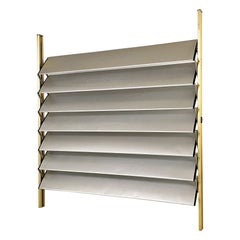
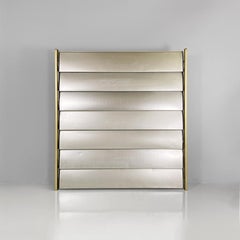
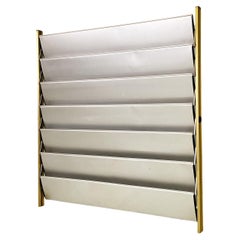
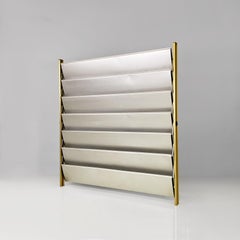
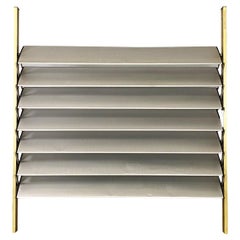
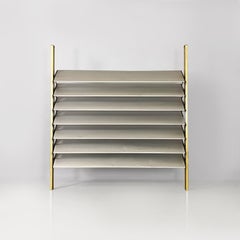
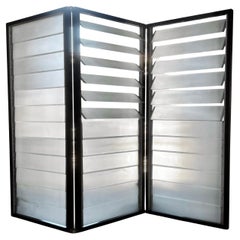
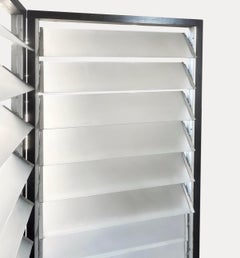
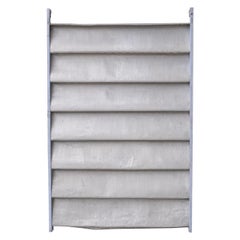
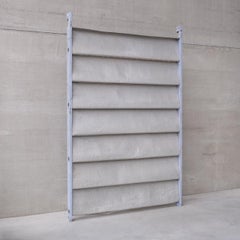
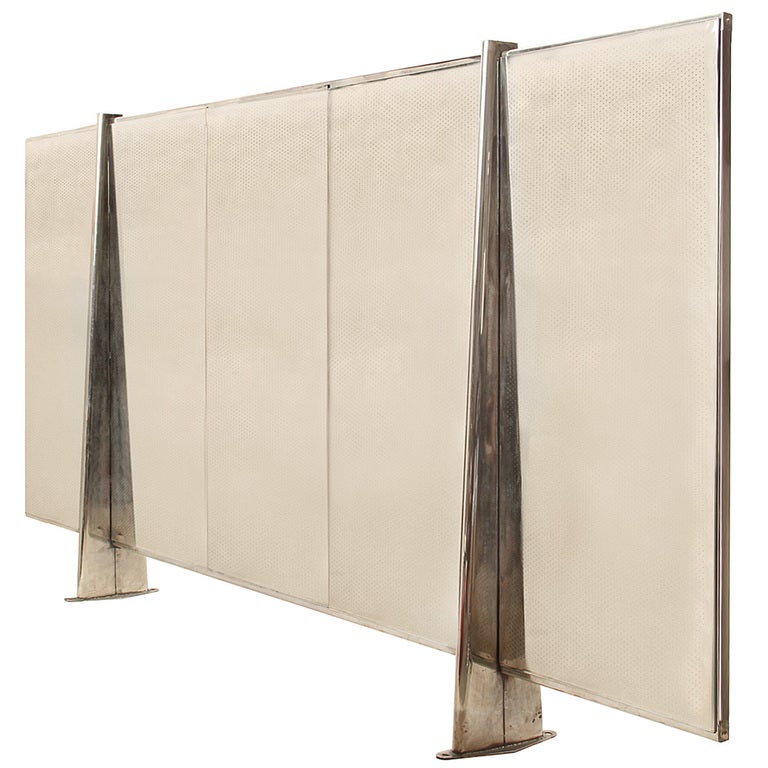
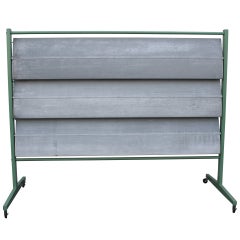
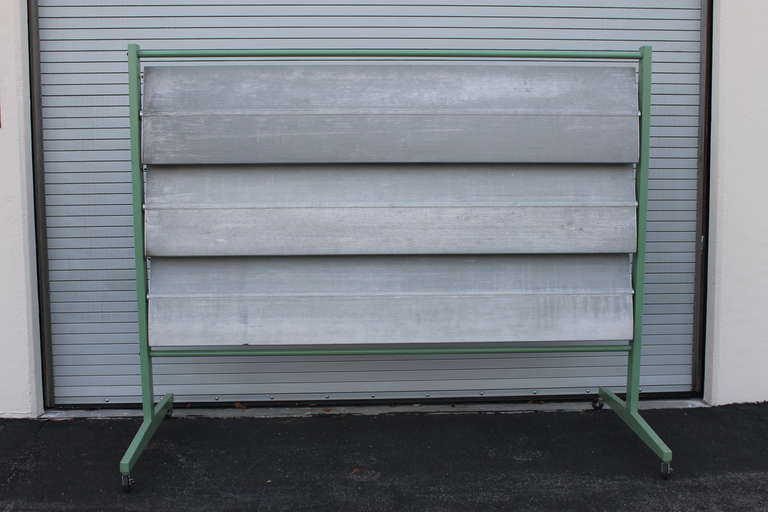
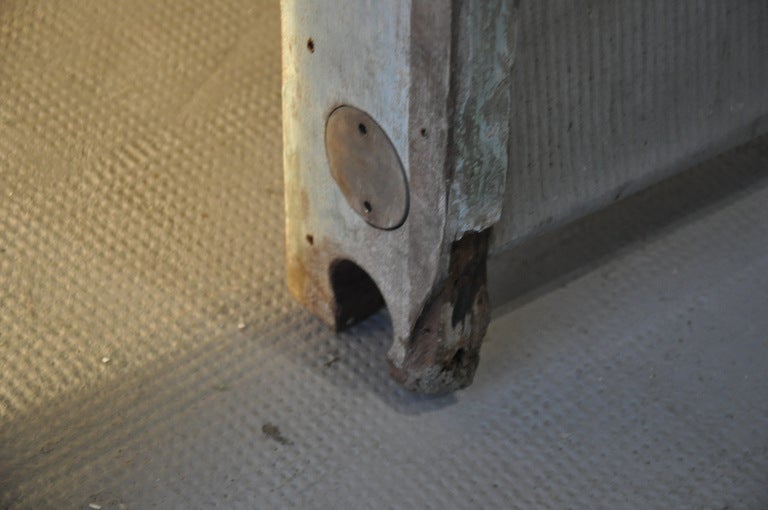
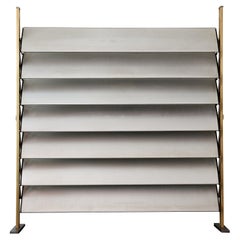
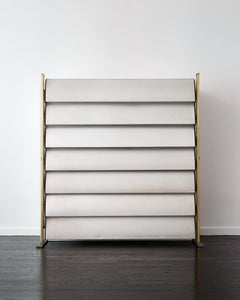
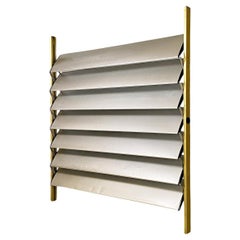
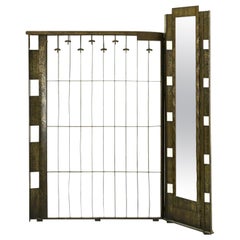
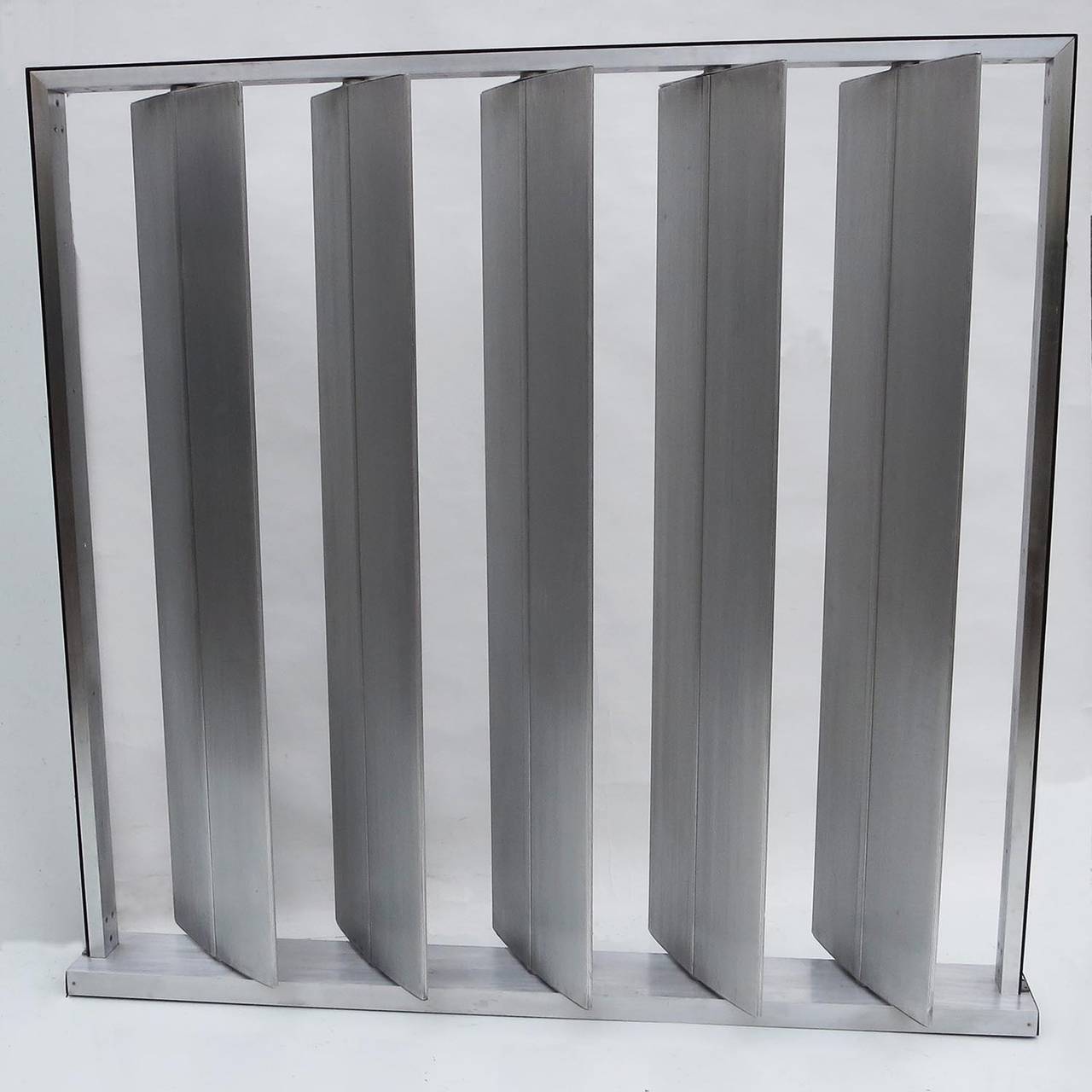
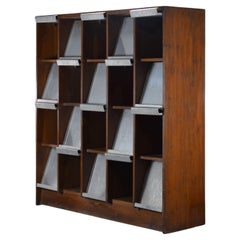
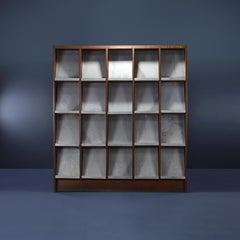
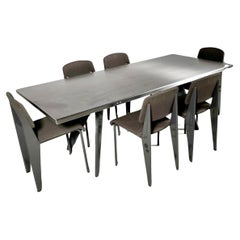
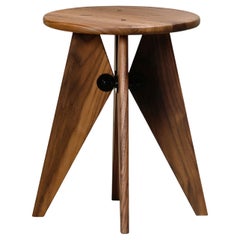
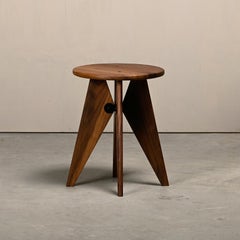
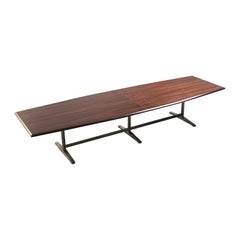
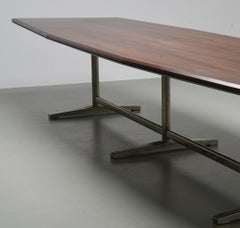
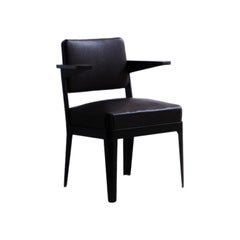
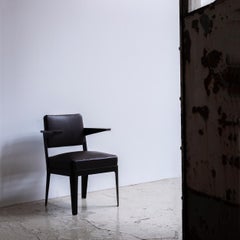
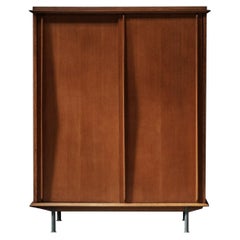
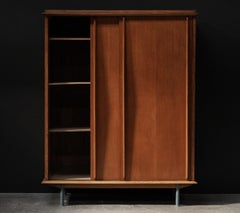
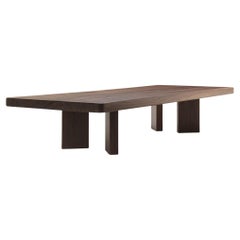
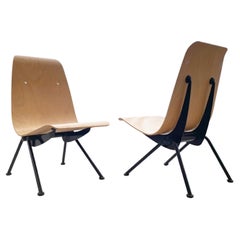
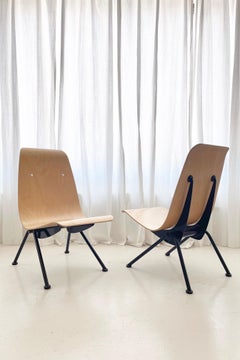
At 1stDibs, there are many versions of the ideal jean prouve screen for your home. Frequently made of
wood,
cane and
natural fiber, every jean prouve screen was constructed with great care. If you’re shopping for a jean prouve screen, we have 13 options in-stock, while there are 72 modern editions to choose from as well. Whether you’re looking for an older or newer jean prouve screen, there are earlier versions available from the 20th Century and newer variations made as recently as the 21st Century. A jean prouve screen is a generally popular piece of furniture, but those created in
mid-century modern,
Art Deco and
industrial styles are sought with frequency. You’ll likely find more than one jean prouve screen that is appealing in its simplicity, but
Cassina,
Pierre Jeanneret and
Jean Prouvé produced versions that are worth a look.
Whether they are implemented as decorative accents or makeshift partitions to ensure privacy, antique and vintage folding screens and room dividers easily introduce sophistication and depth to any space in your home.
The earliest examples of folding screens are said to have originated in China and go back at least as far as the Han dynasty. Screens of the era were heavy structures made of wood and had hinges of cloth or leather. They were adorned with elaborate landscape paintings that were typically created on silk or paper canvases and applied directly to the screen’s panels afterward. Just as they had been in the 20th century and today, the folding screens then were recognized for both their practical and purely decorative properties.
Japanese room-divider screens were also decorated with paintings but constructed to be lightweight and mobile. They took on considerable event-based importance when the structures gained popularity in the East Asian country, as the folding screens were used in performing arts such as concerts, tea ceremonies and more. Later, artists elsewhere warmed to folding screens and sought to create their own.
In European countries such as France, where they were known as paravent, folding screens began to materialize in apartments in Paris, gaining favor with the likes of pioneering couturier Gabrielle “Coco” Chanel, who is said to have accrued more than 30 and used them as a precursor to what we now know as wallpaper.
On 1stDibs, find a wide range of antique and vintage folding screens and room dividers, which, given their history, may do a better job of bringing people and cultures together in your home than sectioning off a space. Search by material to find options in metal, fabric or wood, or browse by style for mid-century modern designs and examples from the Art Deco era.