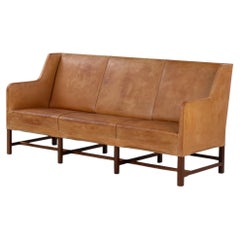
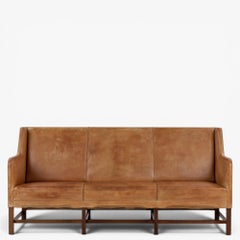
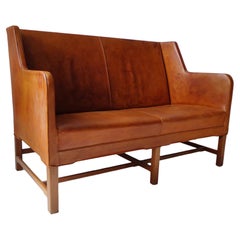
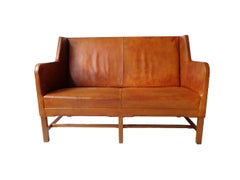
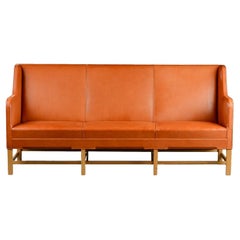
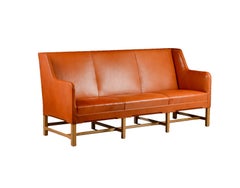
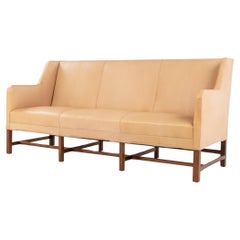
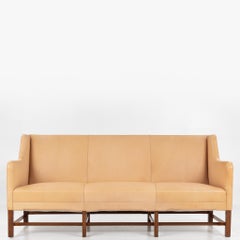
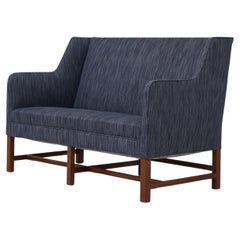
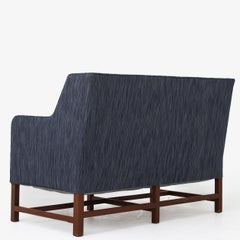
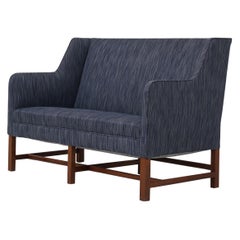
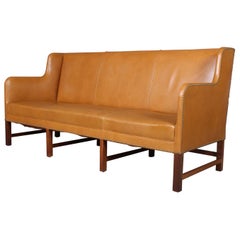
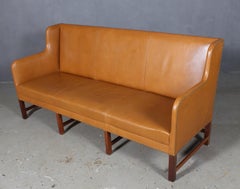
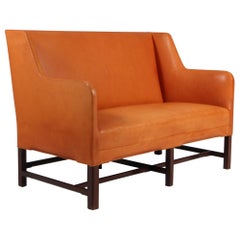
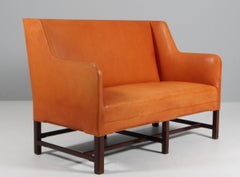
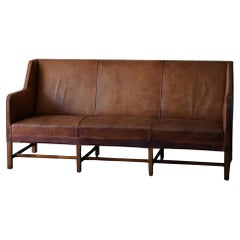
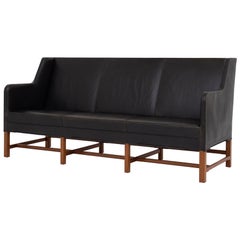
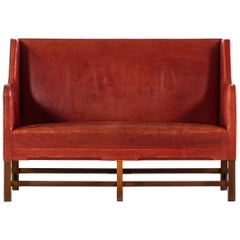
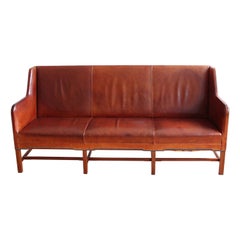
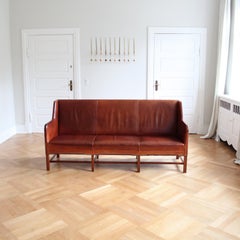
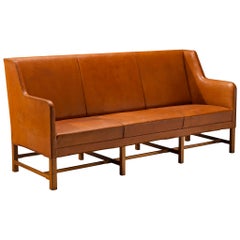
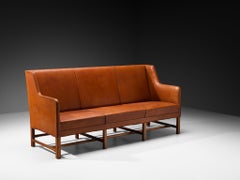
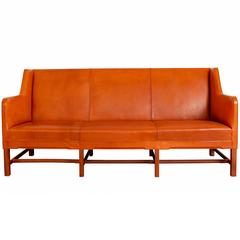
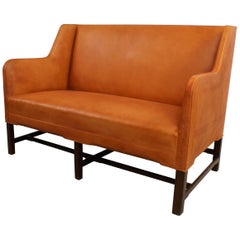
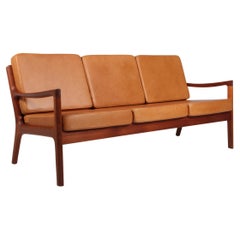
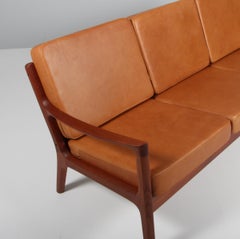
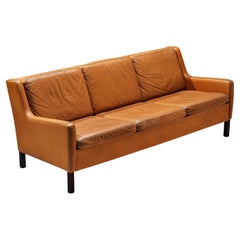
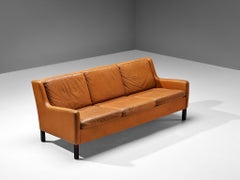
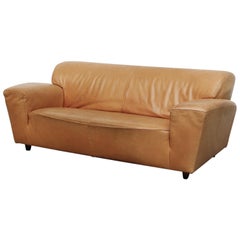
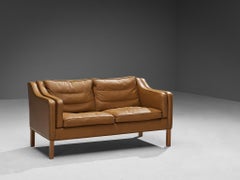
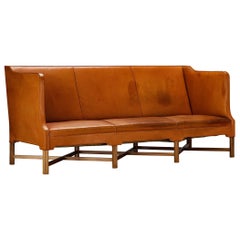
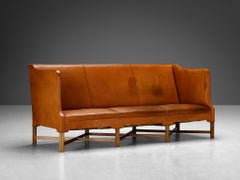
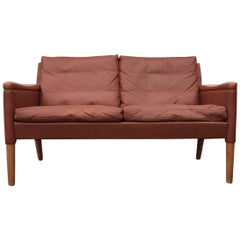
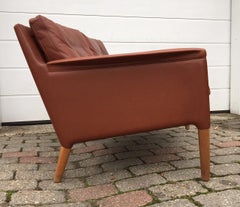
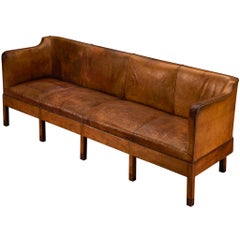
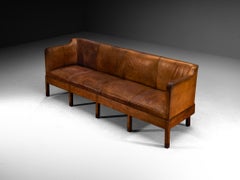
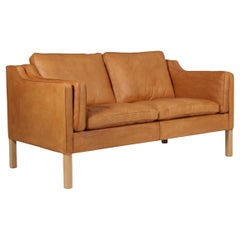
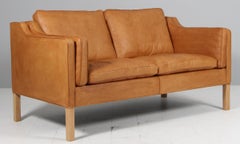
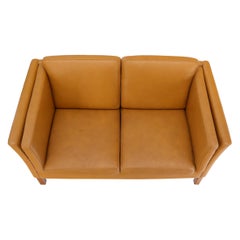
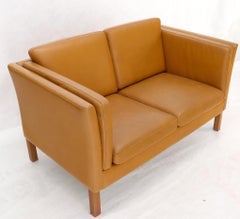
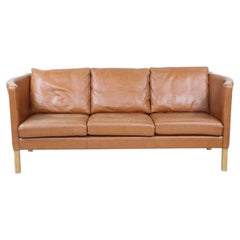
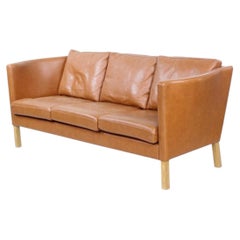
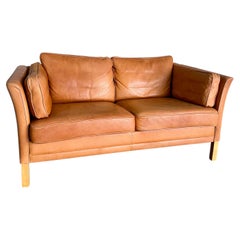
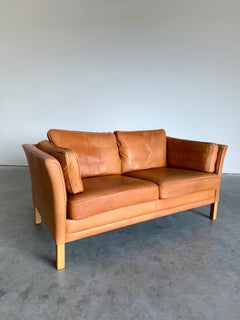
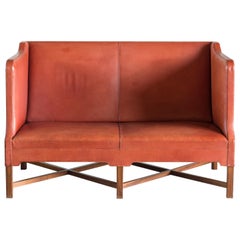
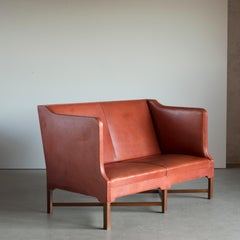
Architect, teacher and furniture designer Kaare Klint is among the most important figures in Scandinavian modernism. Widely recognized as the father of modern Danish furniture, Klint sought to pay homage to historical furniture styles and prized functionality as essential to designing for modern living. He established the design school at Copenhagen’s Royal Danish Academy of Fine Arts, and his students became mid-century legends of cabinetry and furniture-making.
Klint prioritized functionalism and drew on an array of influences in his own work. Furniture experts will observe the influence of 18th-century English seating in his Red chair, while Klint’s iconic Safari chair had roots in campaign furniture. The other exemplary chairs, sofas and tables for which he is known bear the mark of Thomas Chippendale and Biedermeier furniture as well as Greek and Roman forms.
Klint's father was Peder Vilhelm Jensen-Klint, a formidable architect of his day. The younger Klint initially followed in his father’s footsteps, studying under him as well as distinguished architect Carl Petersen. Alongside Danish architect Ivar Bentsen, he headed the renovation of the Designmuseum Denmark in Copenhagen from 1920–26 (Klint also furnished the institution as part of the project). Around the same time, Klint helped found the furniture design school at the Royal Danish Academy. The impact of his role as an instructor there cannot be overstated — he mentored such esteemed cabinetmakers and furniture designers as Børge Mogensen, Hans Wegner and Ole Wanscher.
A prominent advocate of ergonomics, Klint valued comfort and functionality over style. Painstaking research went into each piece of sophisticated yet wholly unadorned furniture he designed, as he endeavored to build structures that took into consideration human proportions and scale. And like the Shakers, Klint believed that quality craftsmanship and good materials were integral to the design of durable furniture that was free of embellishment.
The humble grace of Klint’s style characterizes legendary seating designs that continue to charm today’s legions of mid-century modern enthusiasts. His Safari chair, Faaborg chair, Ravenna armchair and Propeller stool — as well as most of the seating created by Danish modernists generally — have warmed interiors and influenced furniture designers all over the world.
Find vintage Kaare Klint furniture and other Scandinavian modern furniture on 1stDibs.
Vintage couches and antique sofas have anchored living rooms for generations. The pieces most sought after today carry the deep-buttoned tufting of a Chesterfield or the low, sculptural ease of mid-century modern and Hollywood Regency design.
Styles to Know
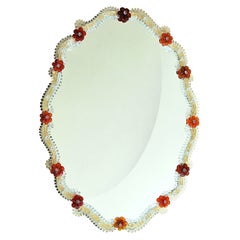
Rolled arms and tufted backs point to Mid-Century Modern or Hollywood Regency pieces, while tight backs and turned legs skew more traditional. Velvet is enjoying a renewed moment across most of these silhouettes; see our velvet chesterfield sofa trend report for examples. A mid-century modern coffee table within reach and a vintage mirror nearby round out the seating area.
How to Choose the Right Vintage Sofa
A sofa's frame and upholstery history can be difficult to judge from photographs alone. Ask a seller for more information when a listing doesn't show the fabric or joinery clearly, and confirm whether the upholstery is original or has been redone. Each piece comes from a vetted 1stDibs seller, with era, designer and condition detailed, and the 1stDibs Promise stands behind every purchase.