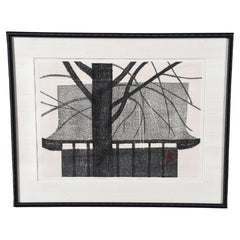
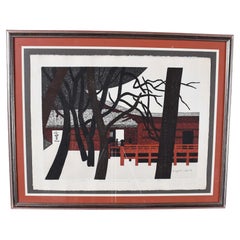
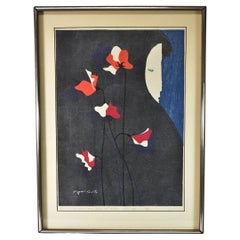
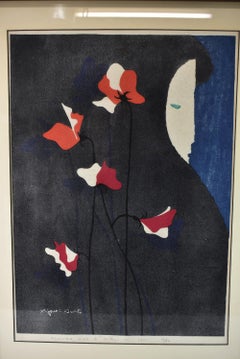
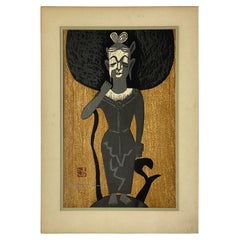
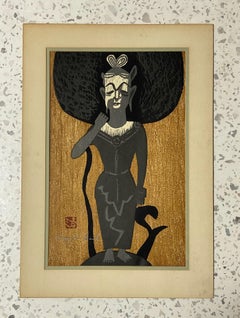
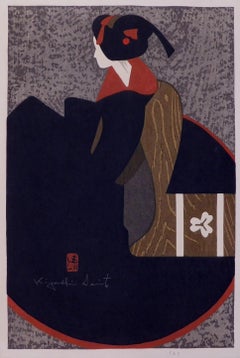
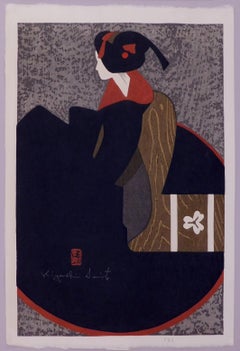
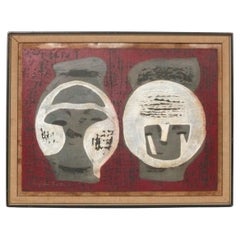
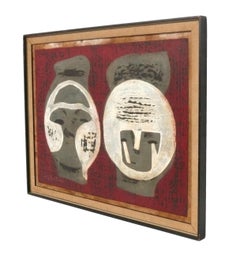
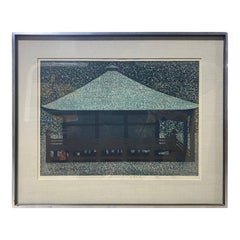
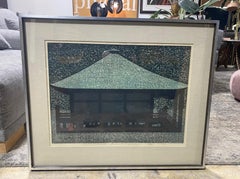
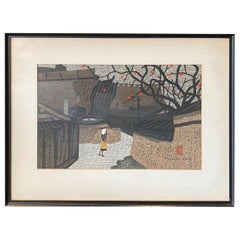
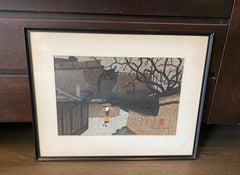
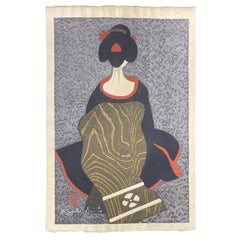
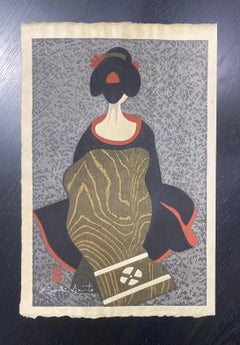
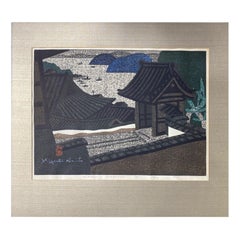
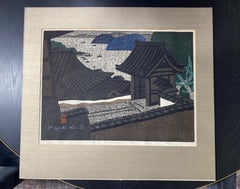
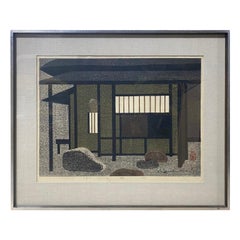
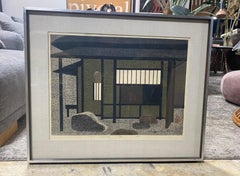
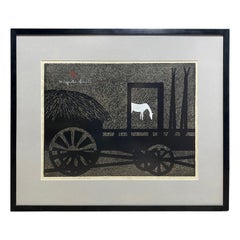
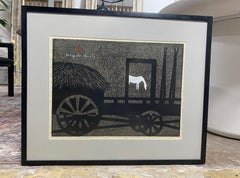
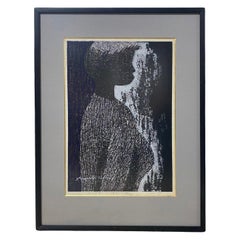
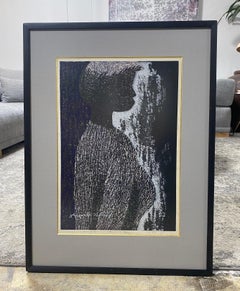
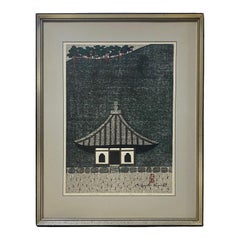
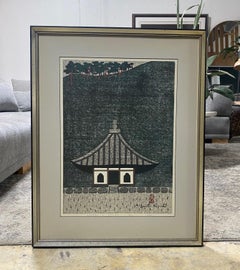
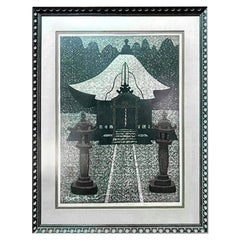
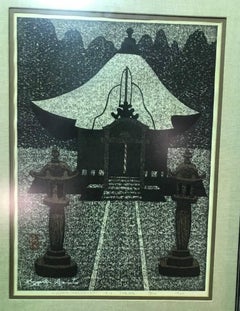
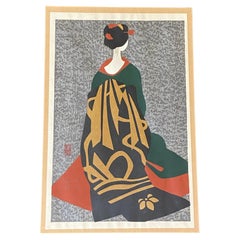
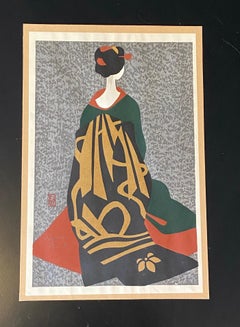
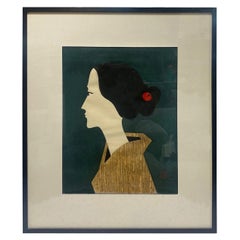
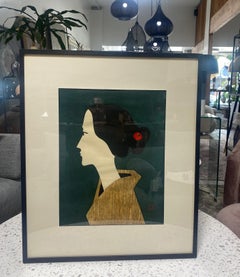
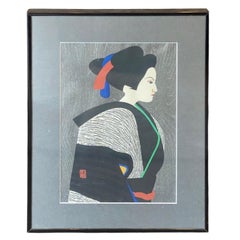
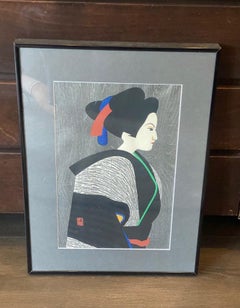
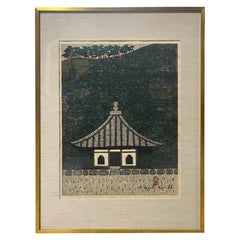
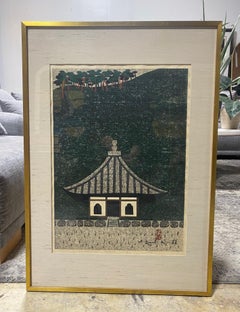
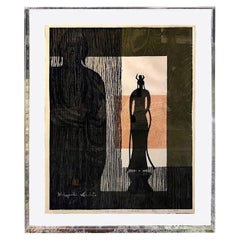
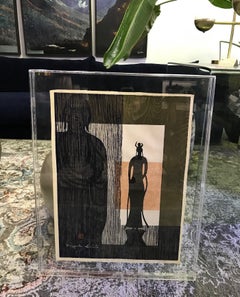
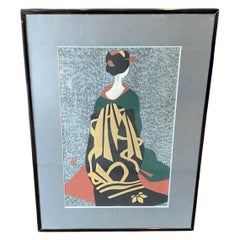
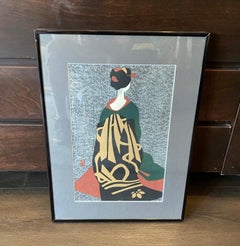
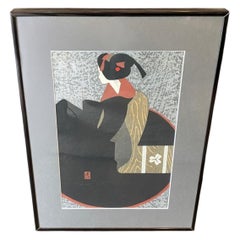
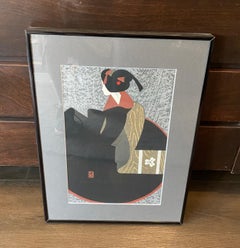
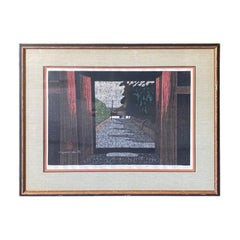
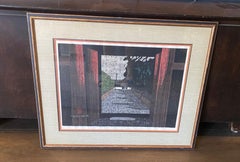
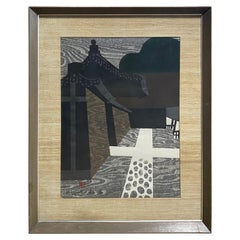
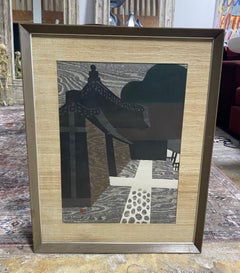
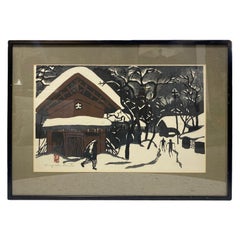
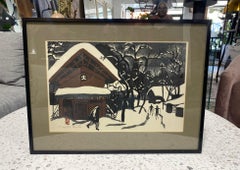
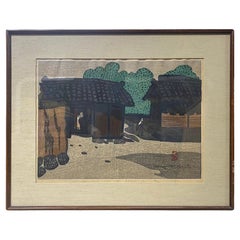
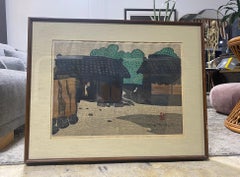
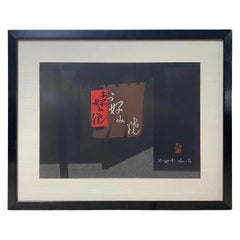
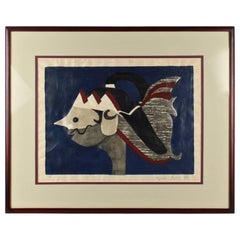
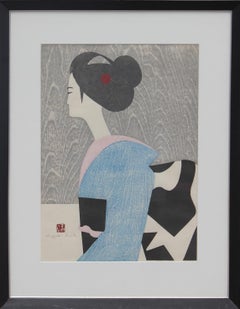
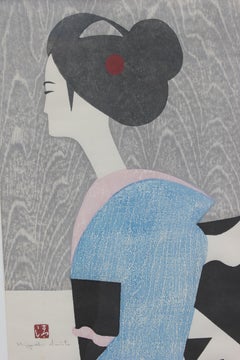
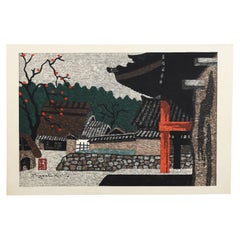
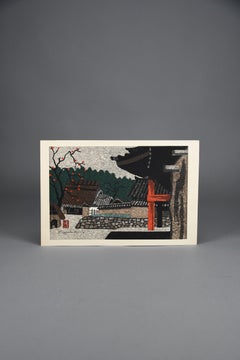
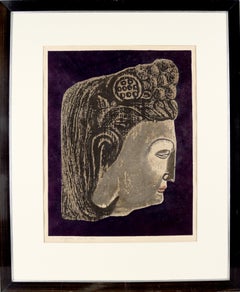
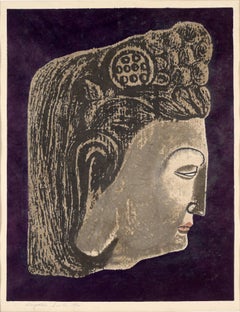
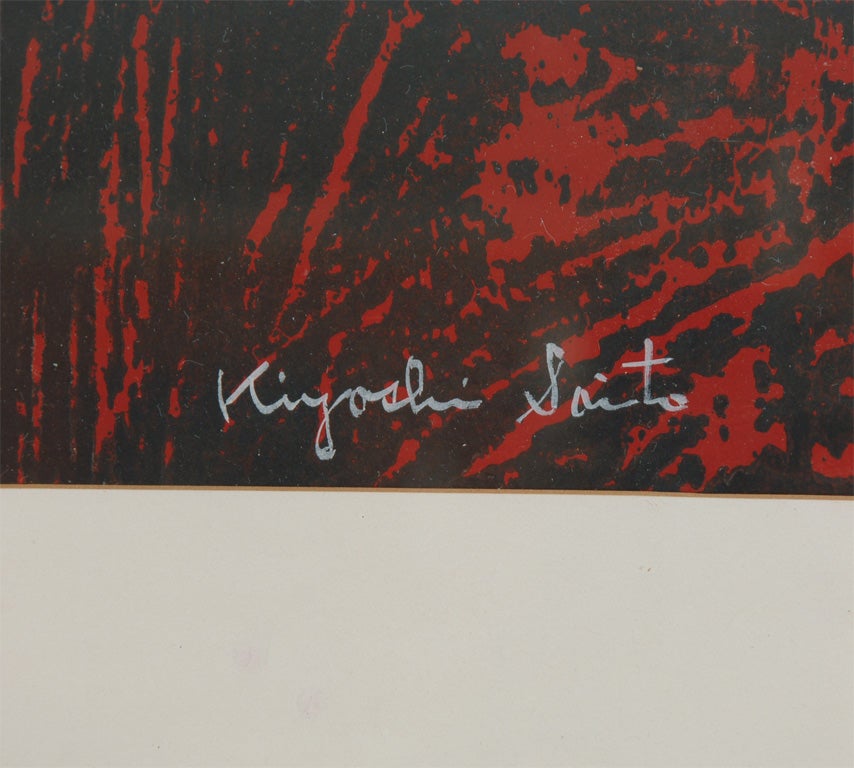
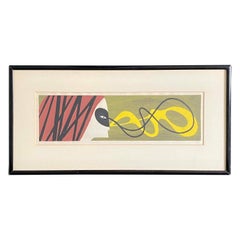
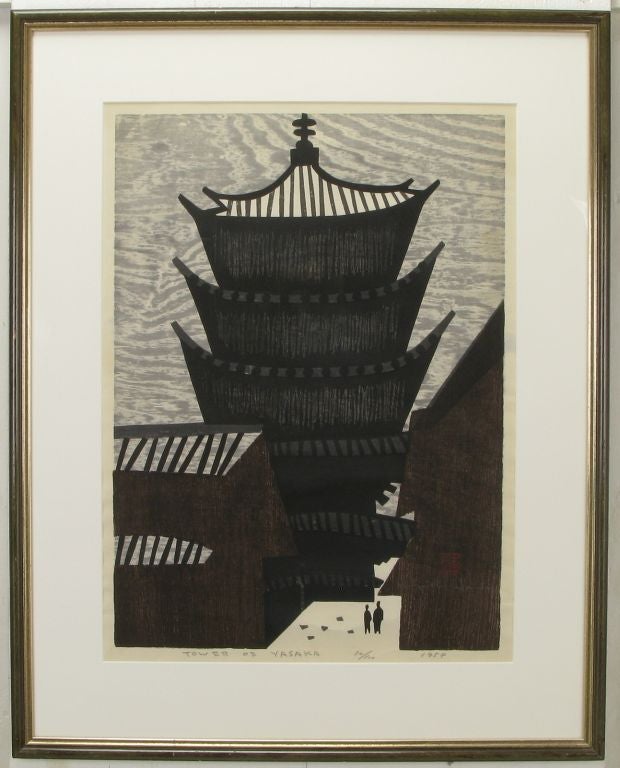
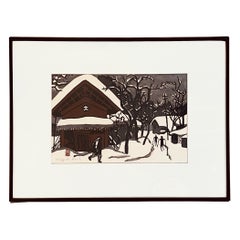
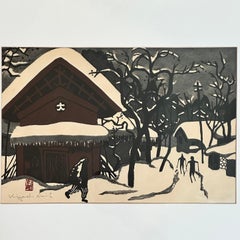
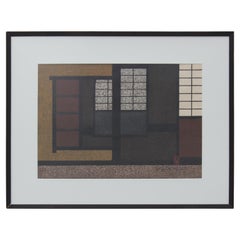
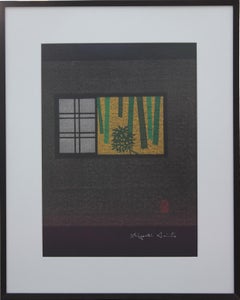
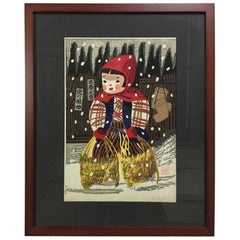
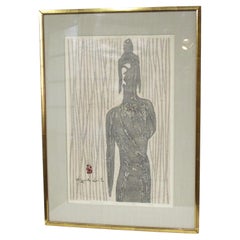
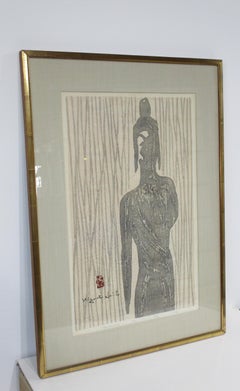
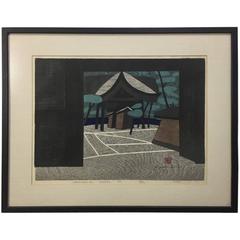
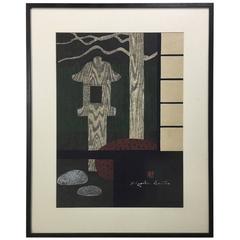
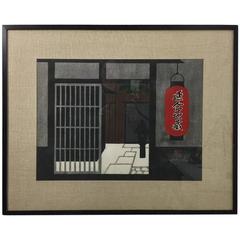
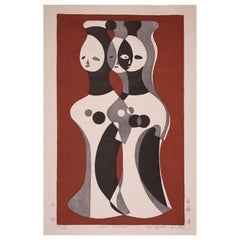
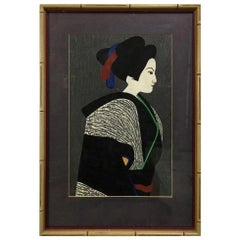
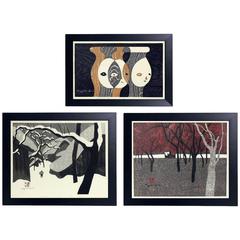
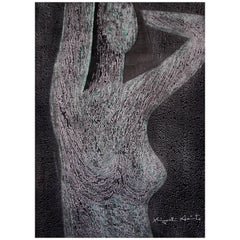
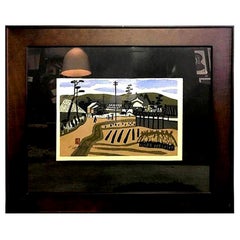
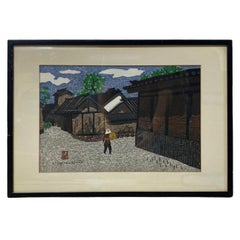
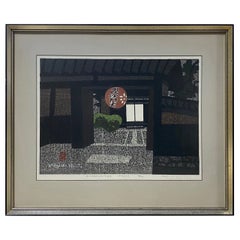
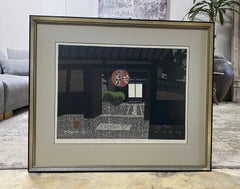
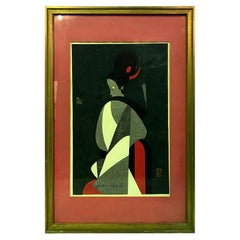
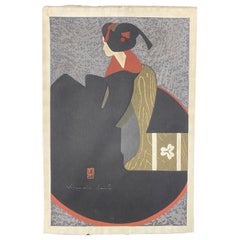
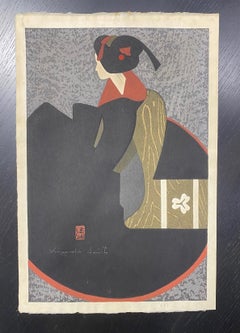
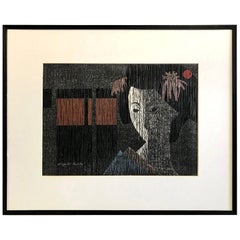
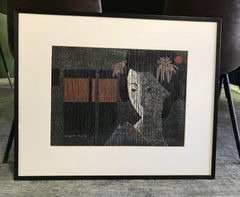
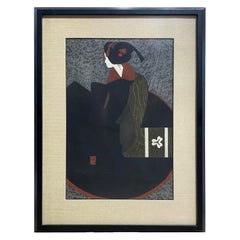
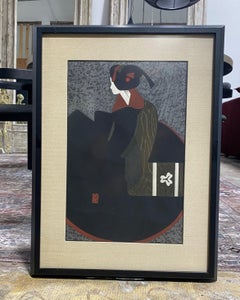
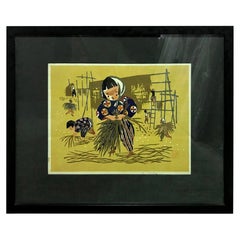
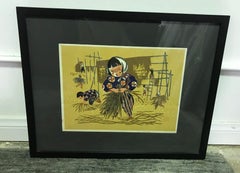
With a vast inventory of beautiful furniture at 1stDibs, we’ve got just the kiyoshi saito woodblock print you’re looking for. A kiyoshi saito woodblock print — often made from
paper,
wood and
plastic — can elevate any home. You’ve searched high and low for the perfect kiyoshi saito woodblock print — we have versions that date back to the 20th Century alongside those produced as recently as the 20th Century are available. A kiyoshi saito woodblock print is a generally popular piece of furniture, but those created in
Modern and
Mid-Century Modern styles are sought with frequency. Many designers have produced at least one well-made kiyoshi saito woodblock print over the years, but those crafted by
Kiyoshi Saitō are often thought to be among the most beautiful.
Prices for a kiyoshi saito woodblock print can differ depending upon size, time period and other attributes — at 1stDibs, they begin at $449 and can go as high as $3,600, while the average can fetch as much as $1,498.
Kiyoshi Saito was born in Fukushima Prefecture in 1907. At the age of five, he moved to Otaru in Hokkaido, where he would come to serve as an apprentice to a sign painter. Saito became infatuated with art after studying drawing with Gyokusen Narita and moved to Tokyo in 1932 to study Western-style painting at the Hongo Painting Institute. He began experimenting with woodblock prints and exhibiting his works with Nihon Hanga Kyōkai in 1936. Saito mainly worked in oil painting until his invitation from Tadashige Ono to join the Zokei Hanga Kyokai in 1938, at which time Saito made the woodblock print his primary medium. He worked with the Asahi Newspaper Company in 1943, where he met Kōshirō Onchi. This chance encounter led to an invitation to Ichimoku Kai and membership to Nihon Hanga Kyōkai in 1944.
Saito’s printmaking career was put on hold due to the war. During the occupation, he sold his first print in an exhibit with fellow artists Un’ichi Hiratsuka and Hide Kawanishi. In 1948, Saito exhibited at the Salon Printemps, an event sponsored by Americans for Japanese Artists. At the Sao Paulo Biennale of 1951, Saito won first place for his print Steady Gaze. In competition with Japanese oil painting and sculpture, this was a turning point for Japanese printmakers: For the first time in Japanese history, prints overtook painting. This achievement roused the Japanese art establishment. In 1956, Saito was sponsored by the state department and the Asia Foundation to travel and exhibit around the United States and Europe. As a sōsaku-hangaartist, Saito’s prints are self-drawn, self-carved and self-printed. His early works are distinguished by an attention to realism and three-dimensionality. As his style evolved, his prints became flattened and two-dimensional, featuring strong and refined designs with color and texture. Kiyoshi Saito passed away in 1997.