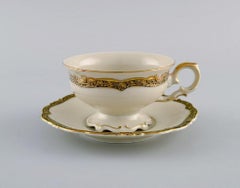
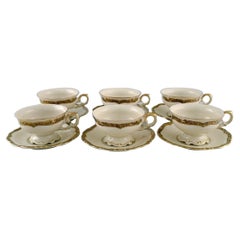
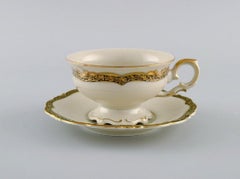
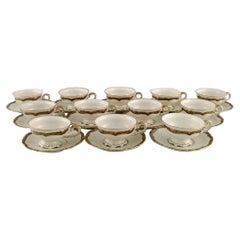
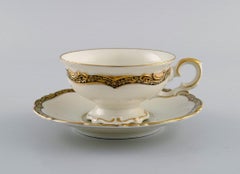
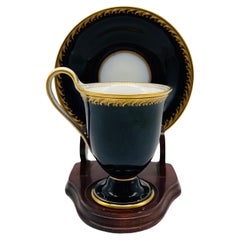
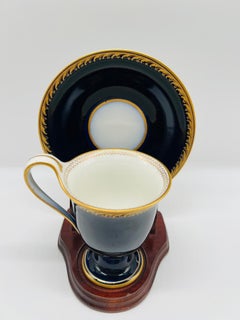
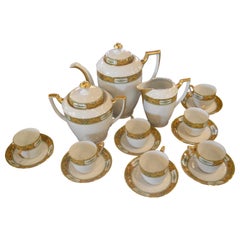
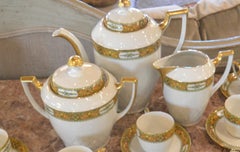
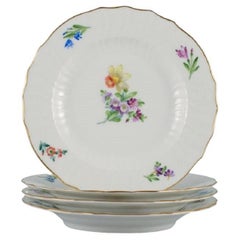
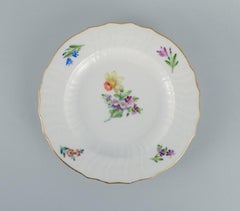
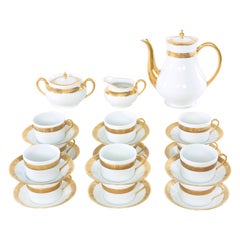
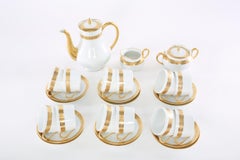
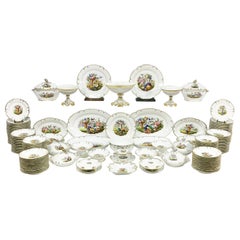
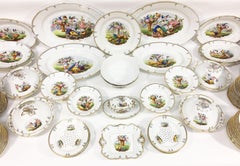
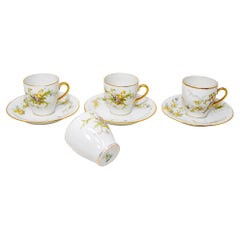
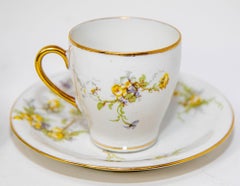
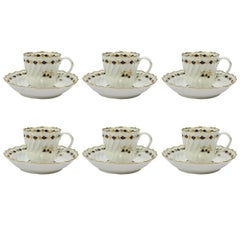
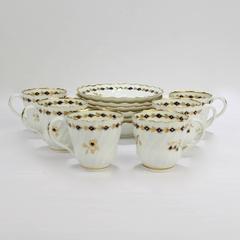
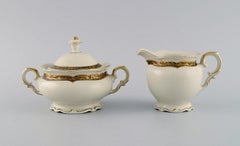
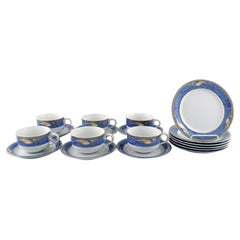
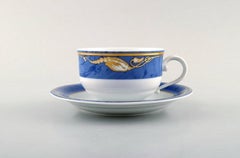
Kpm Tea Cup
Antique 19th Century German Neoclassical Tea Sets
Porcelain
Vintage 1920s German Porcelain
Porcelain
Vintage 1920s German Porcelain
Porcelain
Vintage 1920s German Porcelain
Porcelain
Vintage 1930s German Porcelain
Porcelain
Recent Sales
Antique Early 19th Century German Biedermeier Porcelain
Porcelain
People Also Browsed
Vintage 1930s French Belle Époque Centerpieces
Crystal, Bronze
2010s Dutch Modern Decorative Bowls
Travertine
Early 20th Century English Sterling Silver
Silver, Sterling Silver
Early 20th Century American Art Deco Inkwells
Bronze
Vintage 1910s English Neoclassical Dinner Plates
Porcelain
Antique Early 19th Century Italian Grand Tour Books
Plaster
2010s Belgian Modern Sofas
Linen
Antique Early 19th Century German Folk Art Paintings
Metal
Antique Late 19th Century Persian Heriz Serapi Persian Rugs
Wool
Antique Late 18th Century English George III Sideboards
Mahogany
Vintage 1920s English Dinner Plates
Porcelain
21st Century and Contemporary Vietnamese Modern Beds and Bed Frames
Upholstery, Wood
20th Century French Desks and Writing Tables
Brass
Antique Mid-18th Century English Western European Rugs
Wool
Early 20th Century American Sterling Silver
Sterling Silver
Late 20th Century Arts and Crafts Floor Lamps
Bronze
Finding the Right Porcelain for You
Today you’re likely to bring out your antique and vintage porcelain in order to dress up your dining table for a special meal.
Porcelain, a durable and nonporous kind of pottery made from clay and stone, was first made in China and spread across the world owing to the trade routes to the Far East established by Dutch and Portuguese merchants. Given its origin, English speakers called porcelain “fine china,” an expression you still might hear today. "Fine" indeed — for over a thousand years, it has been a highly sought-after material.
Meissen Porcelain, one of the first factories to create real porcelain outside Asia, popularized figurine centerpieces during the 18th century in Germany, while works by Capodimonte, a porcelain factory in Italy, are synonymous with flowers and notoriously hard to come by. Modern porcelain houses such as Maison Fragile of Limoges, France — long a hub of private porcelain manufacturing — keep the city’s long tradition alive while collaborating with venturesome contemporary artists such as illustrator Jean-Michel Tixier.
Porcelain is not totally clumsy-guest-proof, but it is surprisingly durable and easy to clean. Its low permeability and hardness have rendered porcelain wares a staple in kitchens and dining rooms as well as a common material for bathroom sinks and dental veneers. While it is tempting to store your porcelain behind closed glass cabinet doors and reserve it only for display, your porcelain dinner plates and serving platters can safely weather the “dangers” of the dining room and be used during meals.
Add different textures and colors to your table with dinner plates and pitchers of ceramic and silver or a porcelain lidded tureen, a serving dish with side handles that is often used for soups. Although porcelain and ceramic are both made in a kiln, porcelain is made with more refined clay and is stronger than ceramic because it is denser.
On 1stDibs, browse an expansive collection of antique and vintage porcelain made in a variety of styles, including Regency, Scandinavian modern and other examples produced during the mid-century era, plus Rococo, which found its inspiration in nature and saw potters crafting animal figurines and integrating organic motifs such as floral patterns in their work.
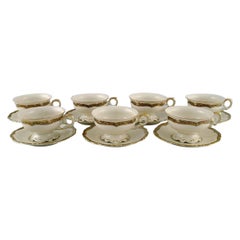
- 1stDibs ExpertSeptember 28, 2021Japanese tea cups are usually called Yunomi, which are cylindrical in shape. They do not have any handles. These tea cups are made of ceramic materials and are the most common tea cups used in Japan. Grab your unique Yunomi tea cups on 1stDibs today.
- 1stDibs ExpertApril 5, 2022A plate under a teacup is a saucer. Often, saucers come with teacups and show off matching designs. The use of saucers dates back to the Middle Ages. During the 18th century, people often poured tea onto the saucer to cool it and then sipped from the dish. On 1stDibs, find a large collection of saucers.
- 1stDibs ExpertApril 5, 2022Handleless tea cups are called “sipper cups”, and are probably the oldest form of tea cups. There’s also a proper way to use them - two fingers on the bottom and your thumb on top of the cup. On 1stDibs, find vintage and contemporary tea cups from some of the top sellers around the world.
Read More
37 Cheerful Home Bars, Where Everybody (Literally) Knows Your Name
Simple or sophisticated, equipped with console, cart or custom cabinetry, these stylish bar areas deserve a toast.
How a Craving for Color Revolutionized Glass
After synthetic dyes changed fashion, home goods and printed matter, it was only a matter of time till glass caught up.
1882 Ltd. Looks to the Future of Ceramics in the U.K. with an Eclectic Exhibition and Auction
Faye Toogood and John Pawson are among the list of plate designers.
20 Inviting Dining Rooms Perfectly Arranged for Entertaining
Top interior designers show — and tell — us how to create delectable spaces for hosting dinner parties.
Paul Revere Crafted This Silver Coffee Pot 250 Years Ago
Perhaps best known as a Revolutionary War hero, Revere was also an accomplished silversmith, and this pot is now available on 1stDibs.
From Arne Jacobsen to Zaha Hadid, Top Designers Tackle Tableware
Clever objects like these make feasting even more festive.
How the Chunky, Funky Ceramics of 5 Mid-Century American Artists Balanced Out Slick Modernism
Get to know the innovators behind the pottery countercultural revolution.
Ready for a Cinderella Moment? This Glass Handbag Is a Perfect Fit
Glass slippers might be the stuff of fairytales, but glass handbags? Artist Joshua Raiffe has made them a reality, and they're far less delicate than you might imagine, but just as dreamy.