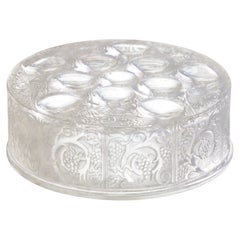
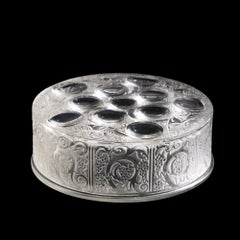
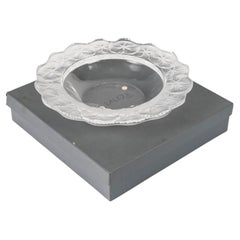
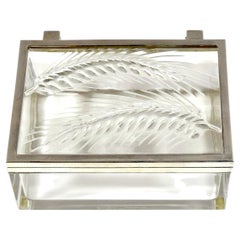
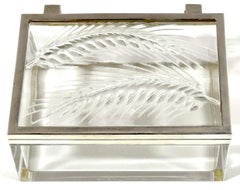
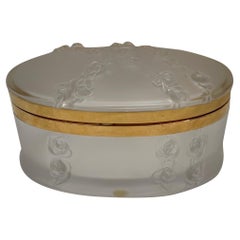
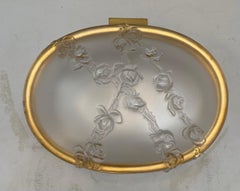
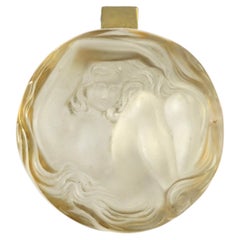
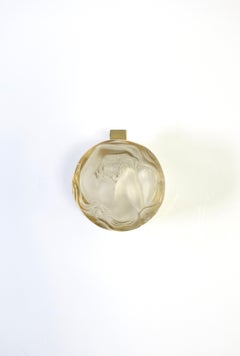
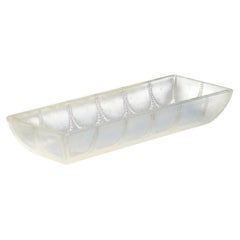
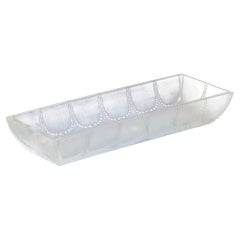
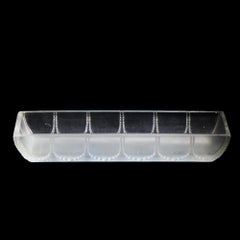
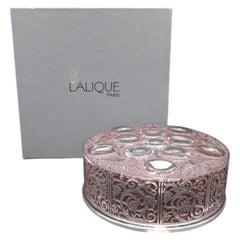
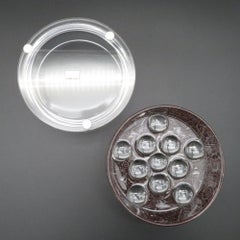
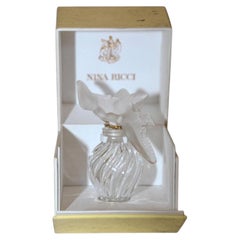
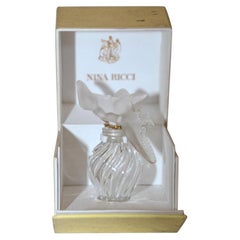
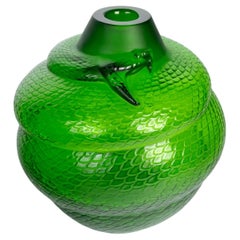
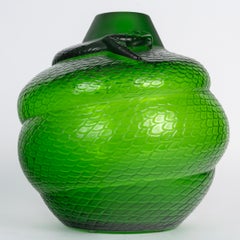
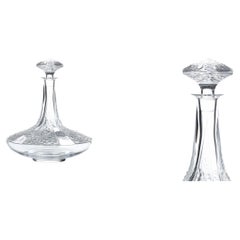
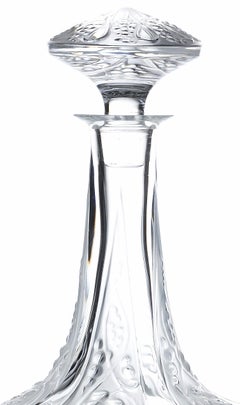
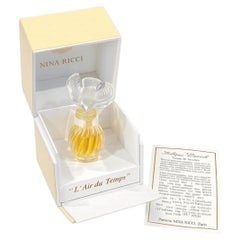
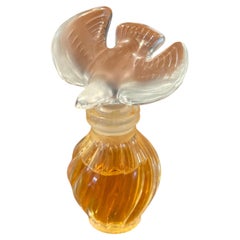
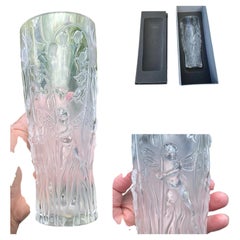
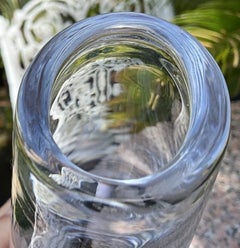
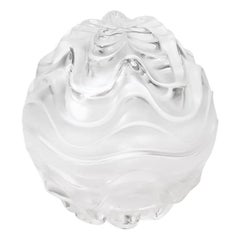
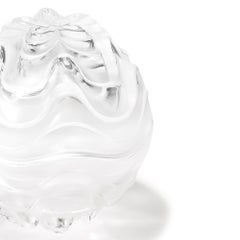
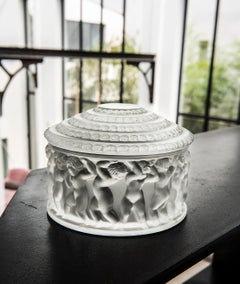
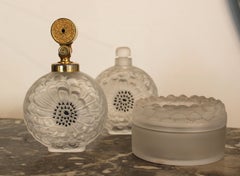
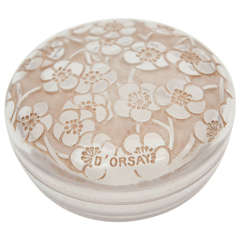
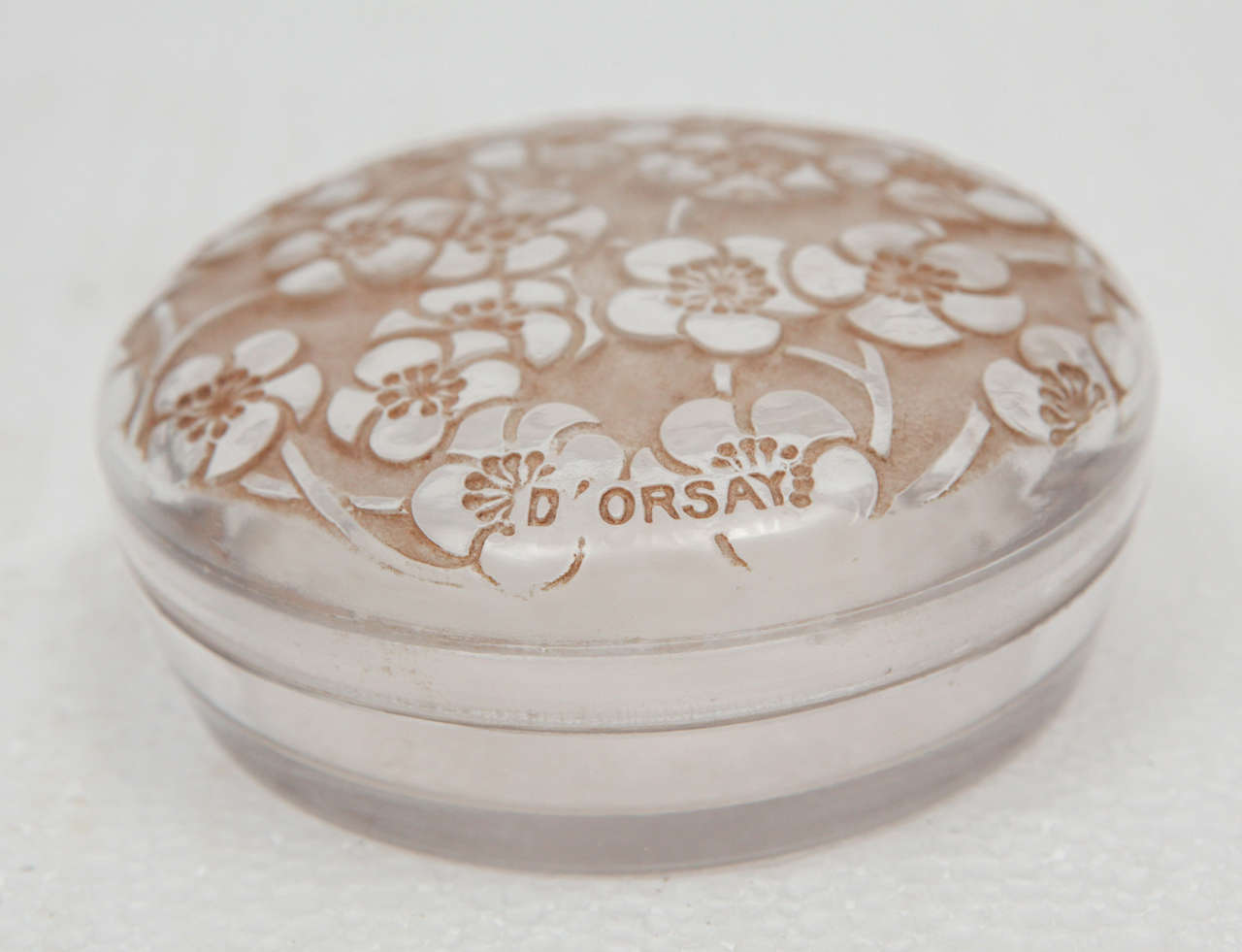
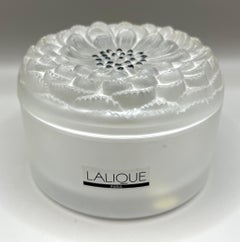
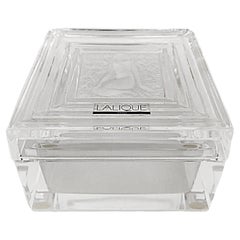
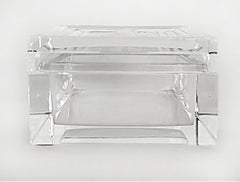
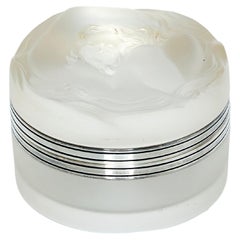
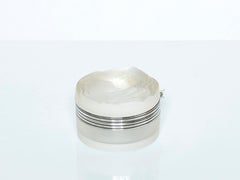
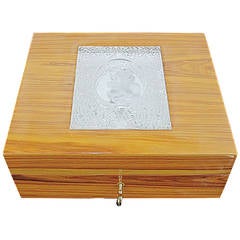
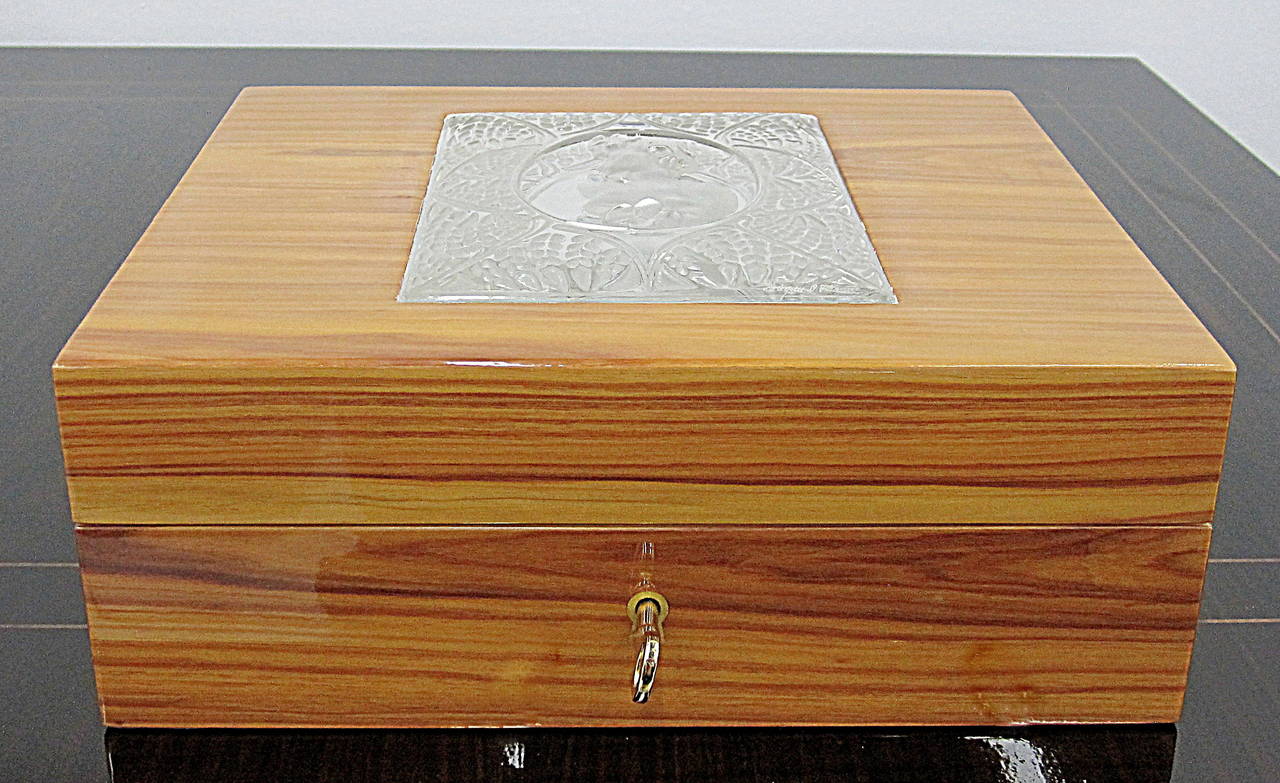
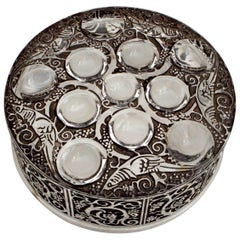
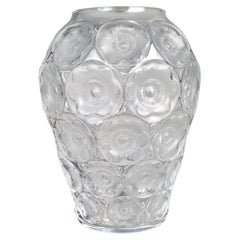
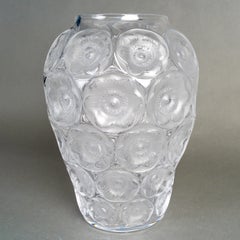
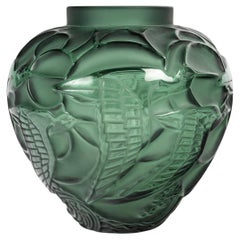
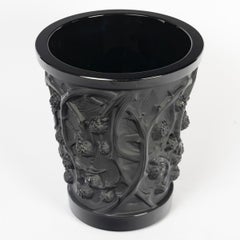
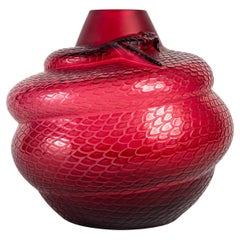
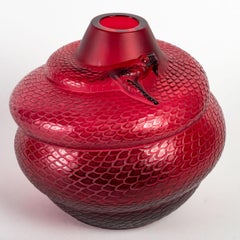
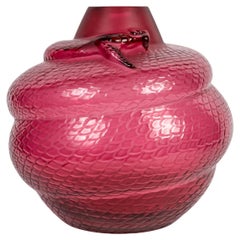
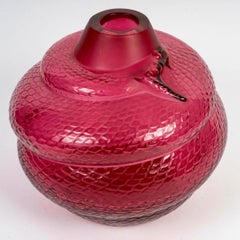
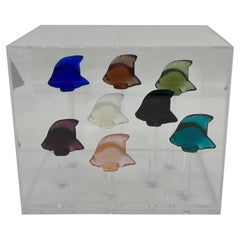
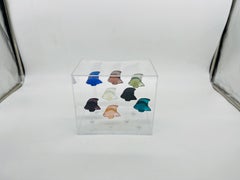
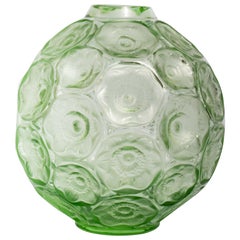
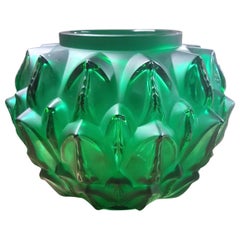
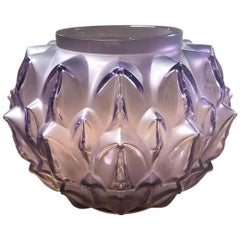
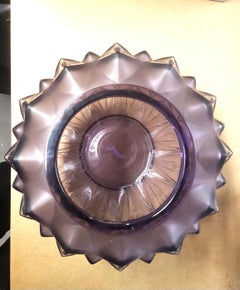
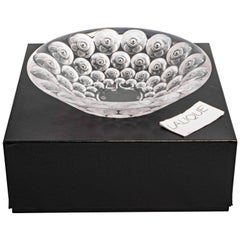
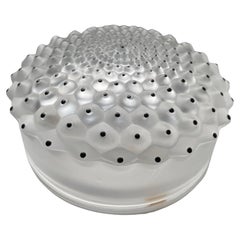
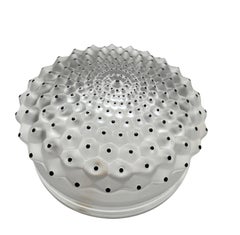
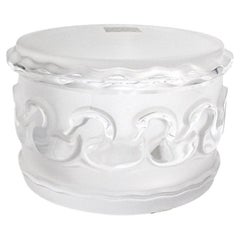
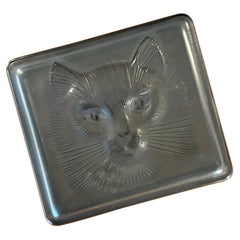
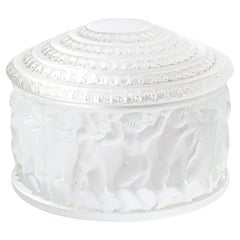
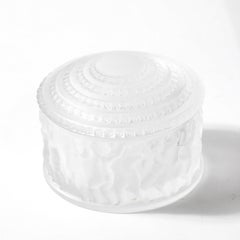
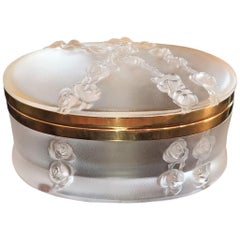
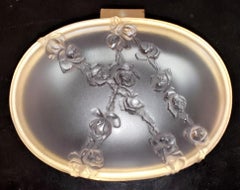
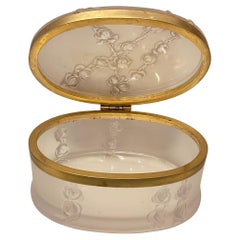
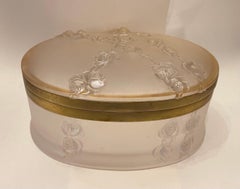
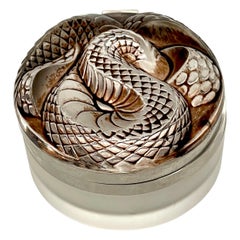
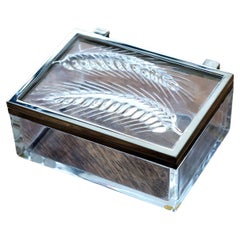
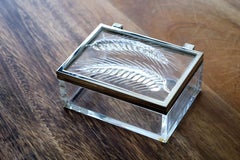
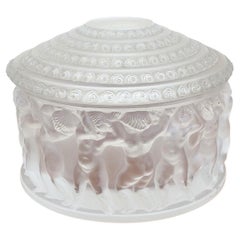
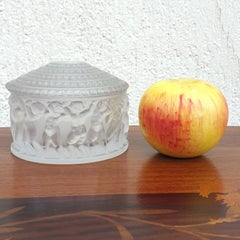
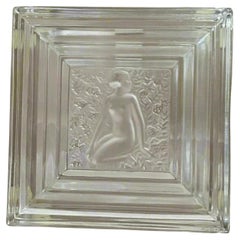
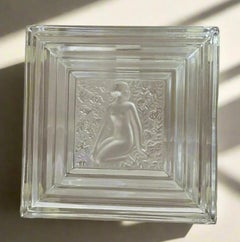
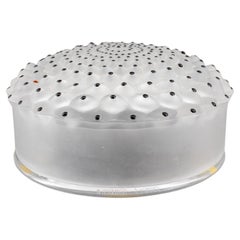
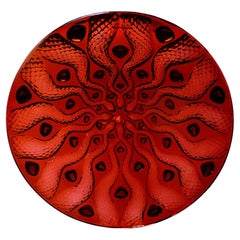
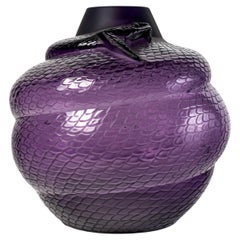
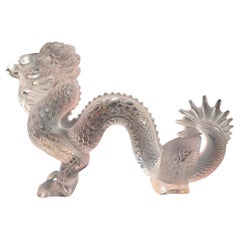
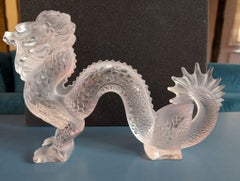
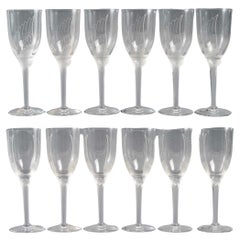
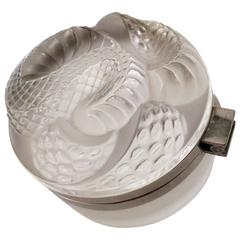
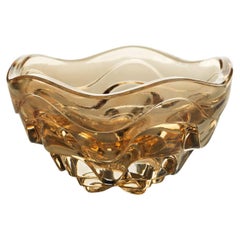
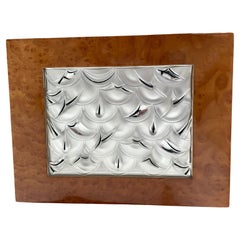
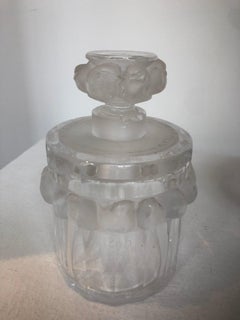
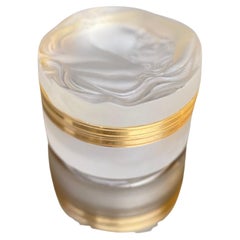
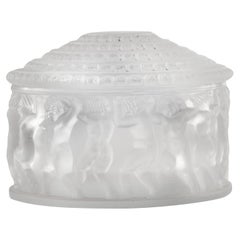
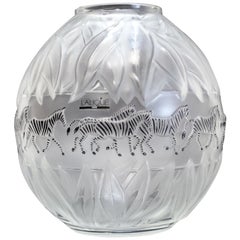
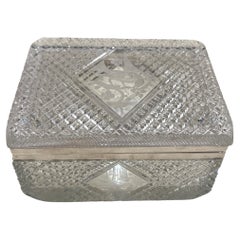
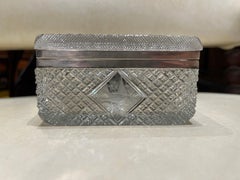
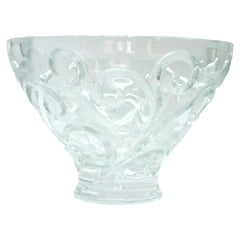
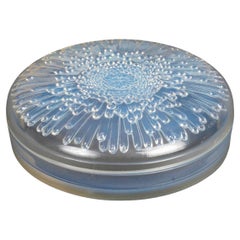
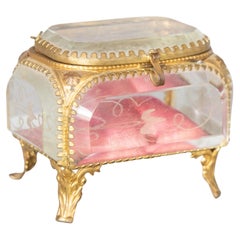
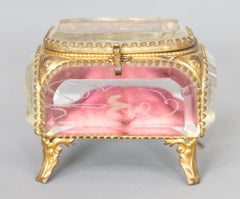
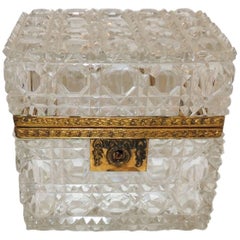
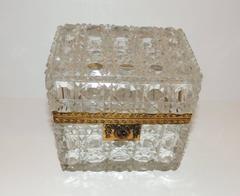
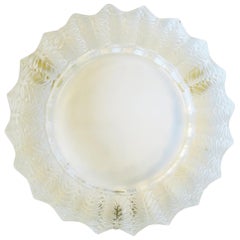
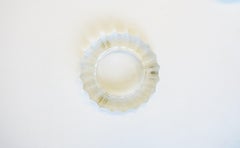
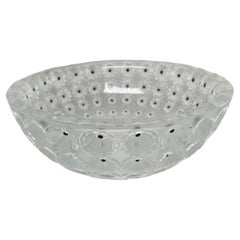
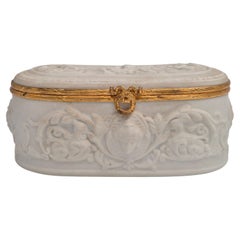
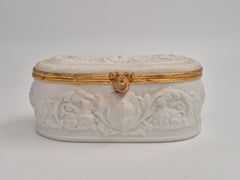
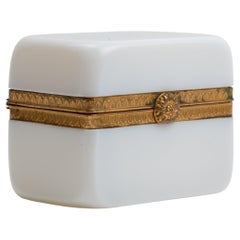
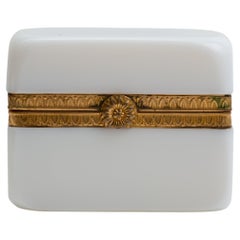
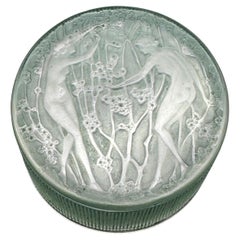
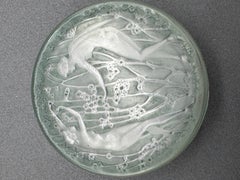
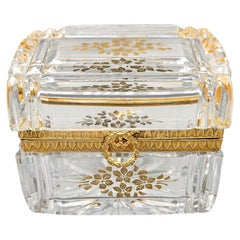
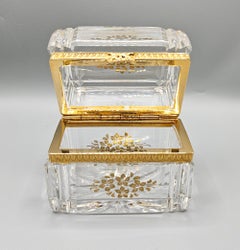
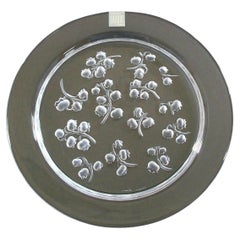
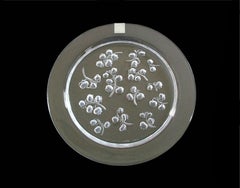
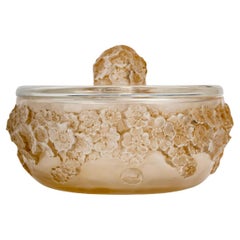
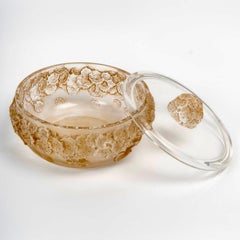
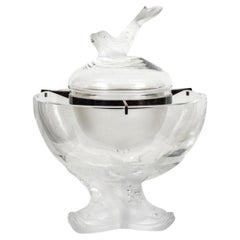
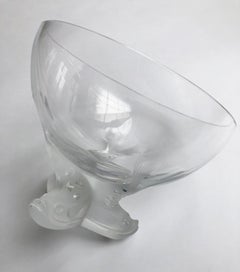
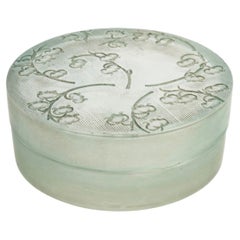
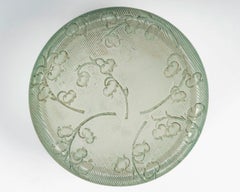
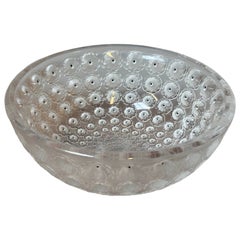
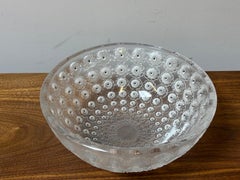
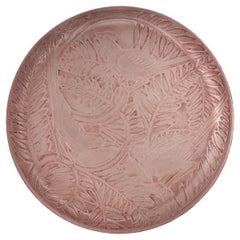
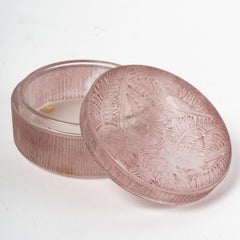
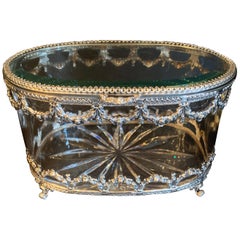
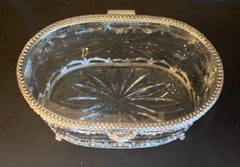
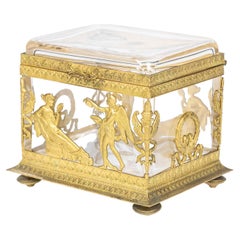
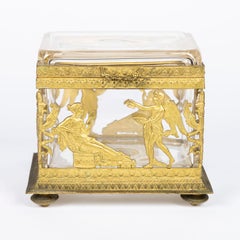
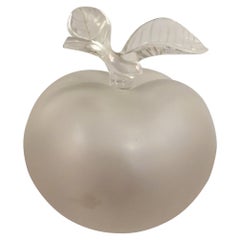
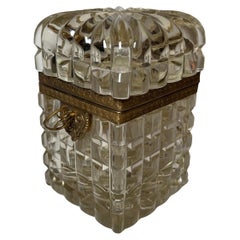
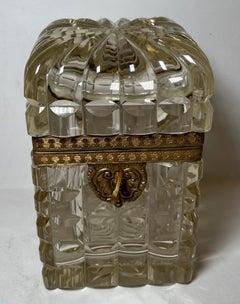
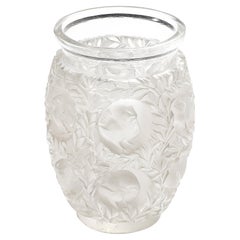
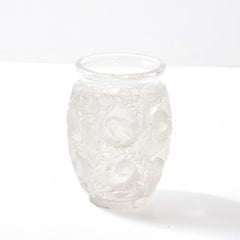
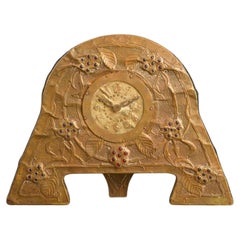
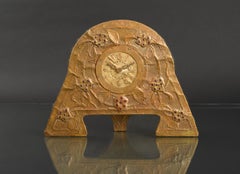
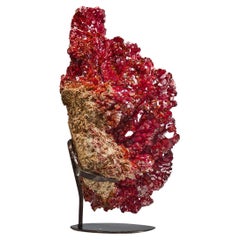
At 1stDibs, there are many versions of the ideal lalique crystal box for your home. Frequently made of
crystal,
stone and
blown glass, every lalique crystal box was constructed with great care. There are 7 variations of the antique or vintage lalique crystal box you’re looking for, while we also have 3 modern editions of this piece to choose from as well. You’ve searched high and low for the perfect lalique crystal box — we have versions that date back to the 20th Century alongside those produced as recently as the 21st Century are available. A lalique crystal box made by
Art Deco designers — as well as those associated with
Modern — is very popular.
Lalique,
Nina Ricci and
René Lalique each produced at least one beautiful lalique crystal box that is worth considering.
Lalique is a beacon of French opulence in glassmaking and decorative arts, an enduring brand with a history spanning over 130 years and at least three movements in art and design: Art Nouveau, Art Deco and modernism. The firm’s founder, René Lalique, is a celebrated figure in Art Nouveau jewelry, which drew on feminine forms and natural-world themes. Under his masterful leadership, Lalique came to be known for its gorgeous vases, sculptures and glass and crystal serveware.
Rene Laliqué was born in 1860 in Aÿ-en-Champagne, France. As a young man, he apprenticed under Parisian Art Nouveau jeweler Louis Aucoc and studied at L'École nationale supérieure des Arts Décoratifs. Lalique's skill and esteem broadened, and he created jewelry for renowned houses like Cartier and Boucheron. He took over a workshop in Paris in 1885 and opened his own business soon afterward. Not one to follow trends, Lalique gained popularity for his innovative accessories, which merged glass, enamel and ivory — materials that were uncommon in jewelry-making — with semi-precious stones and metals. Lalique’s work gained greater prominence at the 1900 Paris Exhibition, which served as a showcase for his extraordinary designs.
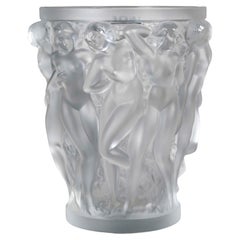
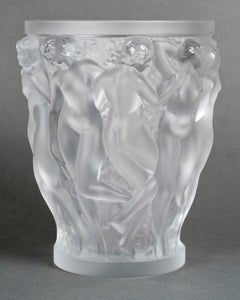
In 1907, Lalique began a revolutionary partnership with French perfumer François Coty. He designed a line of molded glass perfume bottles with frosted surfaces and patterned reliefs. Lalique opened his eponymous glassworks in Combs-La-Ville, Paris, in 1909. His attractive bottles and other pieces were shown at the International Exhibition of Modern Decorative and Industrial Arts in 1925 — the event that brought Art Deco to worldwide attention — catapulting Lalique to new levels of fame. Shortly afterward, in 1927, he created one of his most iconic pieces: the Bacchantes vase. A marvel of glassmaking that convincingly depicted movement, the vase displays his technical skills and artistry.
Lalique began receiving high-profile commissions — in 1929, he decorated the luxurious Côte d’Azur Pullman Express carriages, and in 1935, he designed lighting for the Grand Salon and dining room on the ocean liner SS Normandie.
Lalique died in 1945, and the reins at the company were passed to his son, Marc Lalique. The firm continued to produce its signature glass pieces as well as crystal vases, decor and serveware. Marc's daughter, Marie-Claude Lalique, became CEO in 1977. She renewed the traditional jewelry and fragrance side of the business. In 2008, Lalique was acquired by Art & Fragrance, now known as Lalique Group. It remains a well-regarded lifestyle brand underpinned by a rich history in glassmaking.
On 1stDibs, find vintage Lalique decorative objects, lighting, tables and more.
Every time you move into a house or an apartment — or endeavor to refresh the home you’ve lived in for years — life for that space begins anew. The right home accent, be it the simple placement of a decorative bowl on a shelf or a ceramic vase for fresh flowers, can transform an area from drab to spectacular. But with so many materials and items to choose from, it’s easy to get lost in the process. The key to styling with antique and vintage decorative objects is to work toward making a happy home that best reflects your personal style.
Ceramics are a versatile addition to any home. If you’ve amassed an assortment of functional pottery over the years, think of your mugs and salad bowls as decorative objects, ideal for displaying in a glass cabinet. Vintage ceramic serveware can pop along white open shelving in your dining area, while large stoneware pitchers paired with woven baskets or quilts in an open cupboard can introduce a rustic farmhouse-style element to your den.
Translucent decorative boxes or bowls made of an acrylic plastic called Lucite — a game changer in furniture that’s easy to clean and lasts long — are modern accents that are neutral enough to dress up a coffee table or desktop without cluttering it. If you’re showcasing pieces from the past, a vintage jewelry box for displaying your treasures can spark conversation: Where is the jewelry box from? Is there a story behind it?
Abstract sculptures or an antique vessel for your home library can draw attention to your book collection and add narrative charm to the most appropriate of corners. There’s more than one way to style your bookcases, and decorative objects add a provocative dynamic. “I love magnifying glasses,” says Alex Assouline, global vice president of luxury publisher Assouline, of adding one’s cherished objects to a home library. “They are both useful and decorative. Objects really elevate libraries and can also make them more personal.”
To help with personalizing your space and truly making it your own, find an extraordinary collection of decorative objects on 1stDibs.