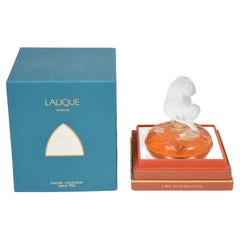
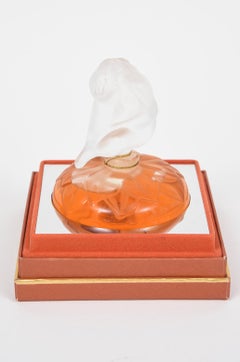
Lalique 1996 Le Nu Flacon Perfume Numbered Limited Edition Large 3 Oz.
By Lalique
Located in Miami Beach, FL
Le Nu Flacon Pure Pafum (Perfume) Collection Limited and numbered edition Created by Lalique in
Category
1990s Bottles
Materials
Glass
Lalique 1996 Le Nu Flacon Perfume Numbered Limited Edition Large 3 Oz.
By Lalique
Located in Miami Beach, FL
Le Nu Flacon Pure Pafum (Perfume) Collection Limited and numbered edition Created by Lalique in
Glass
Sold
H 8 in W 4.75 in D 2 in
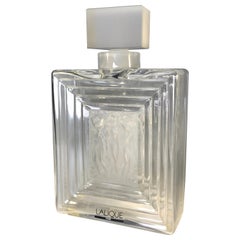
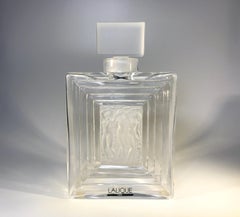
Rene Lalique, Duncan No.2, Three Nudes French Crystal Art Deco Perfume Flacon
By Lalique
Located in Rothley, Leicestershire
Inspired by the American dancer Isadora Duncan, Rene Lalique designed a series of Duncan perfume
Crystal
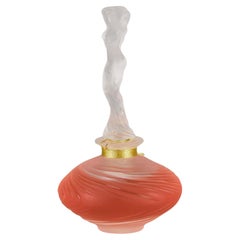
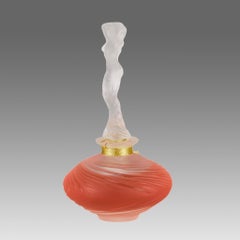
Contemporary Glass Perfume bottle entitled "Naiade" by Lalique Glass
By Marie-Claude Lalique
Located in London, GB
A stunning French Limited edition Crystal glass Flacon with a shaped stopper in the form of a sensual beauty wearing a loosley draped dress with her arms above her head, exhibiting f...
Glass
$50,301
H 4.53 in Dm 0.04 in
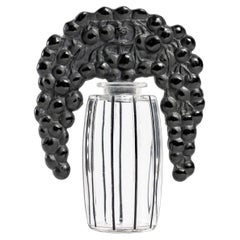
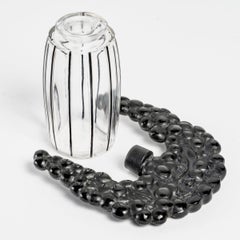
1920 Rene Lalique, Perfume Bottle Cassis Clear Enameled Glass & Black Glass
By René Lalique
Located in Boulogne Billancourt, FR
Perfume Bottle "Bouchon Cassis" made in clear glass with original black heated enamel and black glass by Rene Lalique in 1920. Molded signature on bottom. Perfect condition. ...
Blown Glass
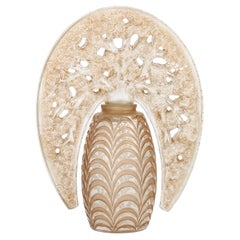
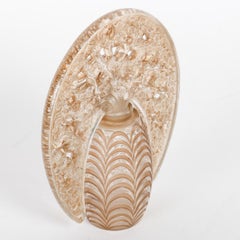
1919 Rene Lalique Perfume Bottle Fleurs de Pommiers Apple Blossom Glass
By René Lalique
Located in Boulogne Billancourt, FR
Perfume Bottle “Fleurs de Pommiers” (Apple Blossom) made in glass with sepia by René Lalique in 1919. Engraved signature on the edge of stopper. Perfect condition. Superb patina. Ex...
Blown Glass
Lalique is a beacon of French opulence in glassmaking and decorative arts, an enduring brand with a history spanning over 130 years and at least three movements in art and design: Art Nouveau, Art Deco and modernism. The firm’s founder, René Lalique, is a celebrated figure in Art Nouveau jewelry, which drew on feminine forms and natural-world themes. Under his masterful leadership, Lalique came to be known for its gorgeous vases, sculptures and glass and crystal serveware.
Rene Laliqué was born in 1860 in Aÿ-en-Champagne, France. As a young man, he apprenticed under Parisian Art Nouveau jeweler Louis Aucoc and studied at L'École nationale supérieure des Arts Décoratifs. Lalique's skill and esteem broadened, and he created jewelry for renowned houses like Cartier and Boucheron. He took over a workshop in Paris in 1885 and opened his own business soon afterward. Not one to follow trends, Lalique gained popularity for his innovative accessories, which merged glass, enamel and ivory — materials that were uncommon in jewelry-making — with semi-precious stones and metals. Lalique’s work gained greater prominence at the 1900 Paris Exhibition, which served as a showcase for his extraordinary designs.
In 1907, Lalique began a revolutionary partnership with French perfumer François Coty. He designed a line of molded glass perfume bottles with frosted surfaces and patterned reliefs. Lalique opened his eponymous glassworks in Combs-La-Ville, Paris, in 1909. His attractive bottles and other pieces were shown at the International Exhibition of Modern Decorative and Industrial Arts in 1925 — the event that brought Art Deco to worldwide attention — catapulting Lalique to new levels of fame. Shortly afterward, in 1927, he created one of his most iconic pieces: the Bacchantes vase. A marvel of glassmaking that convincingly depicted movement, the vase displays his technical skills and artistry.
Lalique began receiving high-profile commissions — in 1929, he decorated the luxurious Côte d’Azur Pullman Express carriages, and in 1935, he designed lighting for the Grand Salon and dining room on the ocean liner SS Normandie.
Lalique died in 1945, and the reins at the company were passed to his son, Marc Lalique. The firm continued to produce its signature glass pieces as well as crystal vases, decor and serveware. Marc's daughter, Marie-Claude Lalique, became CEO in 1977. She renewed the traditional jewelry and fragrance side of the business. In 2008, Lalique was acquired by Art & Fragrance, now known as Lalique Group. It remains a well-regarded lifestyle brand underpinned by a rich history in glassmaking.
On 1stDibs, find vintage Lalique decorative objects, lighting, tables and more.
Over time, many different styles of vintage, new and antique bottles have found second lives as coveted decorative objects in pristine display cases all over the world. Originally, these bottles may have been decanters and flasks for spirits and liqueurs, medicine and perfume bottles or functional vases for fresh floral arrangements.
We know that glass can be a radical art form. So your vintage art glass or Art Deco pieces will stand on their own to be admired by all alongside your other treasured collectibles in your living room or dining room. But maybe you’re thinking about decorating elsewhere in your home with the other types of glass bottles that you’ve picked up over the years.
There are many corners of your space that can be brightened by an arrangement of bottles of various sizes, shapes and colors. Spruce up your kitchen, bedroom, craft room or art studio by lining the window sill with an array of glass bottles. In this case, you’ll want to use glass bottles instead of ceramic or metal, as transparent material in the sunlight — particularly colored bottles — will introduce energy and pops of color to adjacent walls and surfaces.
Grouping short, tall, thin and wide bottles — some with flowers, some without — on a tabletop, buffet or desk in your home office can bring a much-needed dynamic as a centerpiece or merely dress up a workspace.
On 1stDibs, find a collection of vintage, new and antique glass bottles that includes mid-century modern bottles, Murano glass and more.