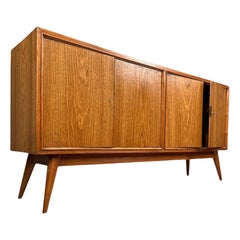
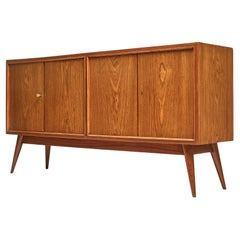
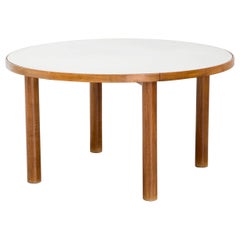
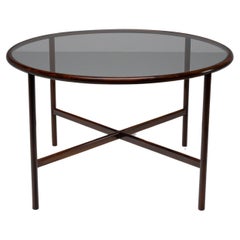
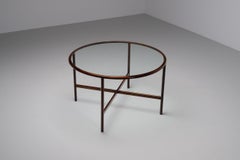
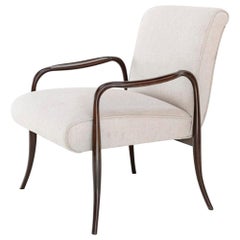
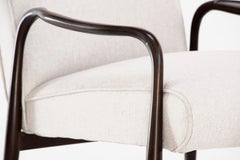
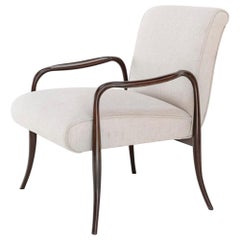
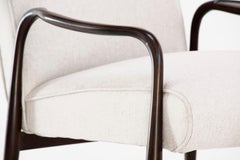
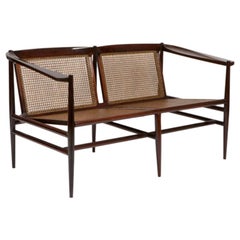
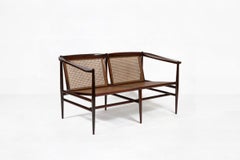
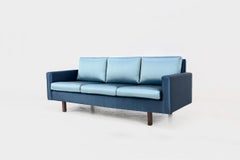
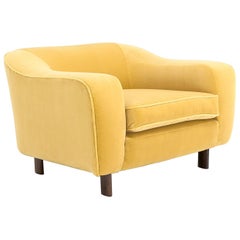
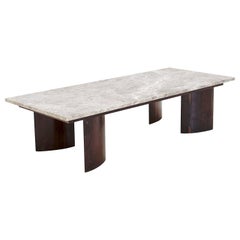
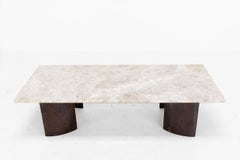
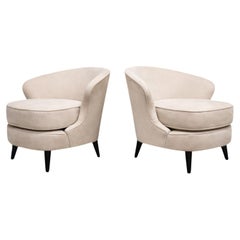
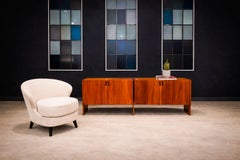
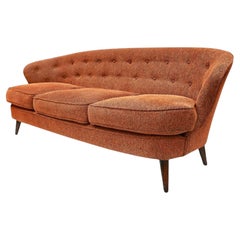
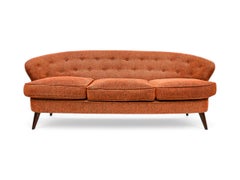
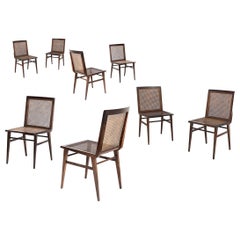
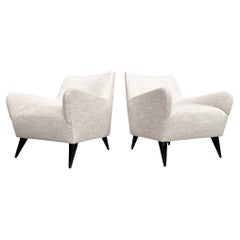
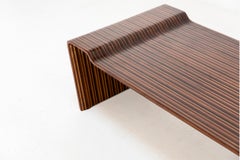
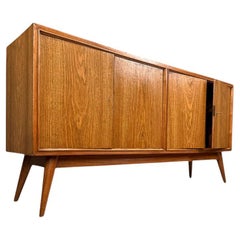
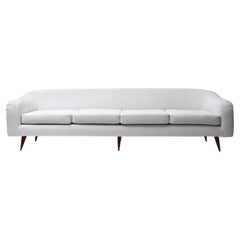
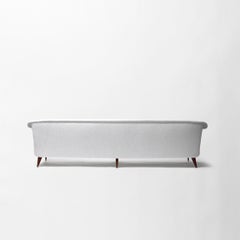
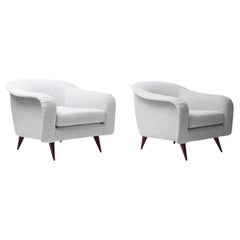
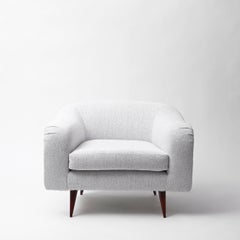
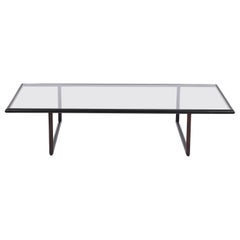
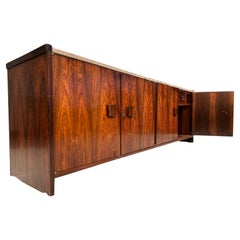
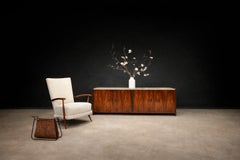
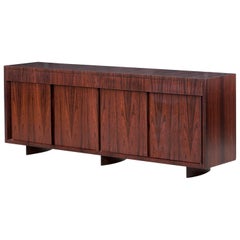
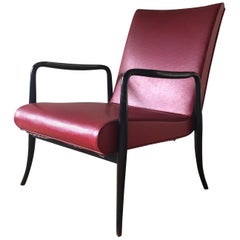
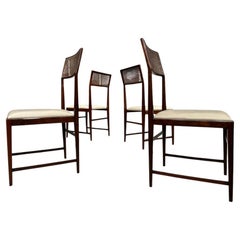
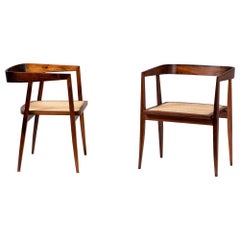
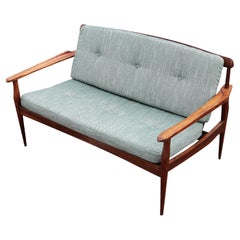
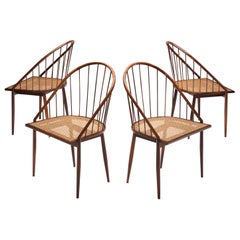
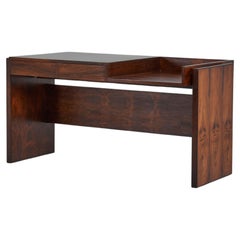
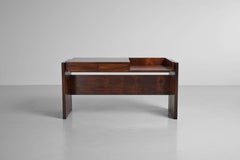
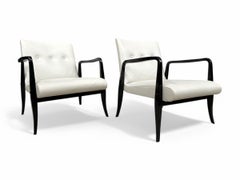
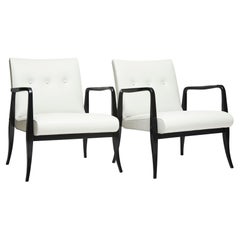
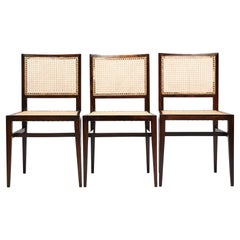
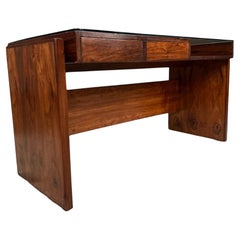
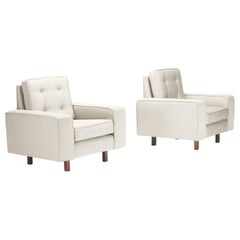
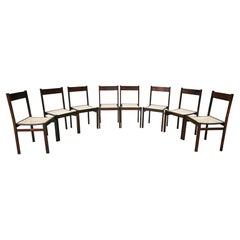
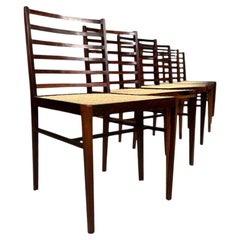
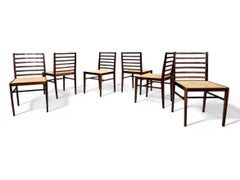
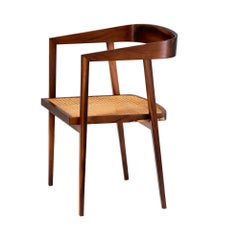
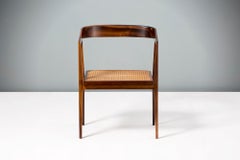
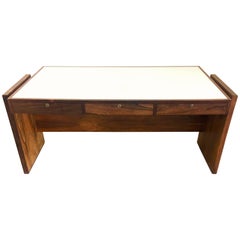
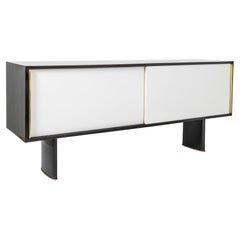
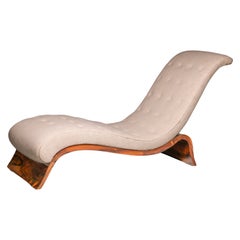
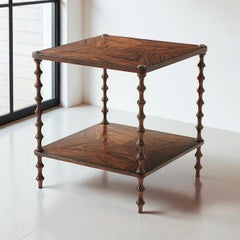
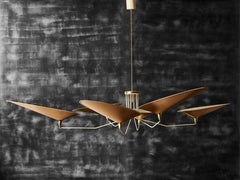
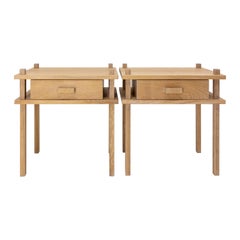
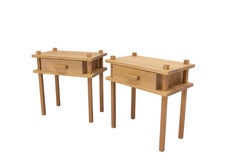
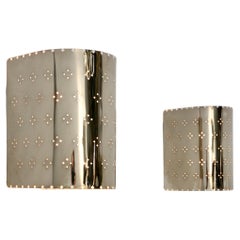
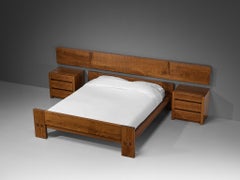
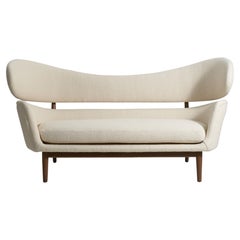
With a vast inventory of beautiful furniture at 1stDibs, we’ve got just the laubisch hirth you’re looking for. A laubisch hirth — often made from
wood,
hardwood and
jacaranda — can elevate any home. Find 40 options for an antique or vintage laubisch hirth now, or shop our selection of 1 modern versions for a more contemporary example of this long-cherished piece. You’ve searched high and low for the perfect laubisch hirth — we have versions that date back to the 18th Century alongside those produced as recently as the 21st Century are available. A laubisch hirth, designed in the
mid-century modern or
modern style, is generally a popular piece of furniture.
The Portugese-born furniture designer Joaquim Tenreiro was a pioneer of modernism in Brazil, where his work paved the way for the successes of such mid-20th-century design greats as Sergio Rodrigues, Jorge Zalszupin, and Lina Bo Bardi, an Italian-Brazilian architect whose futuristic São Paulo buildings are only part of her legacy.
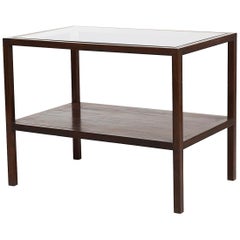
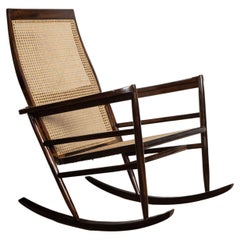
Tenreiro’s vintage tables, chairs and storage cabinets are known for their simplicity of line and an elegance that is enhanced by the use of richly grained South American hardwoods such as jacaranda and imbuia.
Tenreiro’s father and grandfather were both master woodworkers, under whom he trained in the craft. He had artistic leanings and in the late 1920s enrolled as a university student at the School of Arts and Crafts in Rio de Janeiro, where he joined a group of upstart modernists protesting the staid, retrograde curriculum at the college. At the time, Brazil was culturally mired in a 19th-century mindset that was reflected in an upper-class preference for academic painting and reproduction furnishings in antique European styles. But the progressive spirit that Tenreiro and his colleagues fostered slowly gained force.
With the terms “lightness” and “functionality” as his bywords, Tenreiro opened a furniture-design business in 1943, where one of his first clients was the legendary architect Oscar Niemeyer. The arrival of Brazil’s first democratically elected government, in 1945, lent modernism official sanction, which culminated in the construction of the new capital, Brasília. Tenreiro eventually stepped away from design in the late 1960s to devote his time to sculpture and painting.
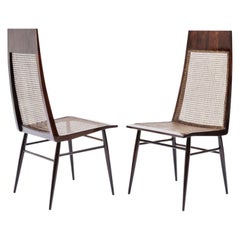
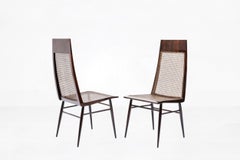
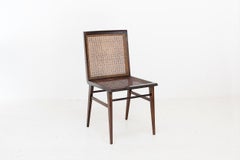
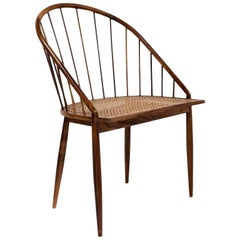
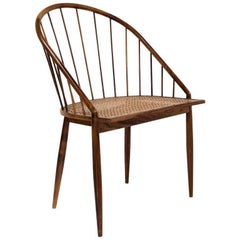
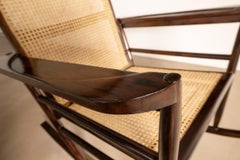
To appreciate how revolutionary Tenreiro’s work seemed, one must imagine the heavy, ornately carved, deeply varnished furniture that was the standard for top-end Brazilian interior design in the 1930s. Tenreiro’s chairs and sofas employed slender, softly angular frames that were only lightly stained to highlight the grains of the local woods. He preferred chairs and chaises with caned seats and backrests that “breathe” in the tropical climate, and as a carpenter and joiner he wanted to show off the beauty of Brazilian wood.
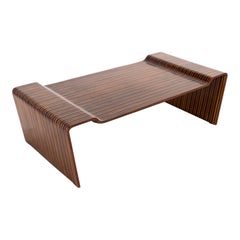
Two versions of a three-legged side chair introduced in 1947 serve as a veritable manifesto for a new age in Brazilian design: Using the stack-lamination technique, Tenreiro bonded together a gently contoured seat made of alternating layers of different-colored native woods to produce a magnificent stripe effect. These chairs, like all Tenreiro works, demonstrate the enduring power of simple design and superb construction — with a teaspoon of flair.
Find vintage Joaquim Tenreiro furniture on 1stDibs.
More often than not, vintage mid-century Brazilian furniture designs, with their gleaming wood, soft leathers and inviting shapes, share a sensuous, unique quality that distinguishes them from the more rectilinear output of American and Scandinavian makers of the same era.
Commencing in the 1940s and '50s, a group of architects and designers transformed the local cultural landscape in Brazil, merging the modernist vernacular popular in Europe and the United States with the South American country's traditional techniques and indigenous materials.
Key mid-century influencers on Brazilian furniture design include natives Oscar Niemeyer, Sergio Rodrigues and José Zanine Caldas as well as such European immigrants as Joaquim Tenreiro, Jean Gillon and Jorge Zalszupin. These creators frequently collaborated; for instance, Niemeyer, an internationally acclaimed architect, commissioned many of them to furnish his residential and institutional buildings.
The popularity of Brazilian modern furniture has made household names of these designers and other greats. Their particular brand of modernism is characterized by an émigré point of view (some were Lithuanian, German, Polish, Ukrainian, Portuguese, and Italian), a preference for highly figured indigenous Brazilian woods, a reverence for nature as an inspiration and an atelier or small-production mentality.
Hallmarks of Brazilian mid-century design include smooth, sculptural forms and the use of native woods like rosewood, jacaranda and pequi. The work of designers today exhibits many of the same qualities, though with a marked interest in exploring new materials (witness the Campana Brothers' stuffed-animal chairs) and an emphasis on looking inward rather than to other countries for inspiration.
Find a collection of vintage Brazilian furniture on 1stDibs that includes chairs, sofas, tables and more.