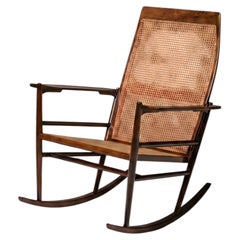
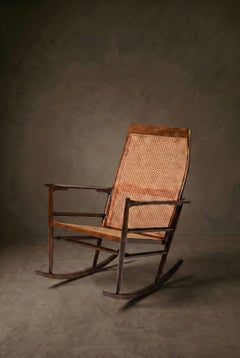
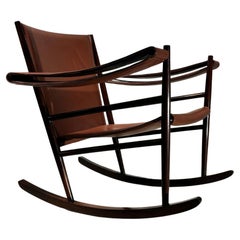
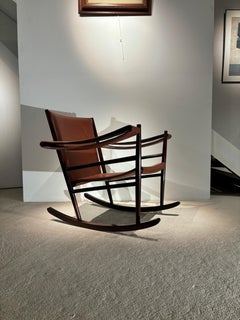
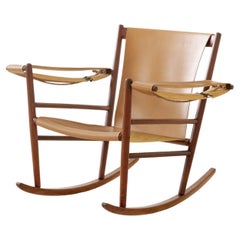
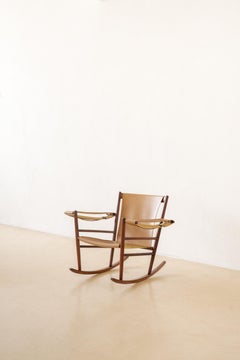
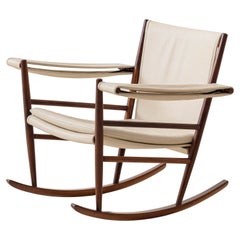
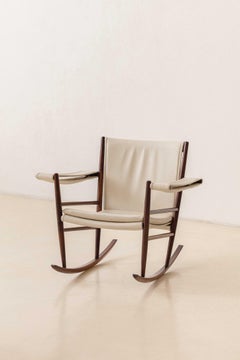
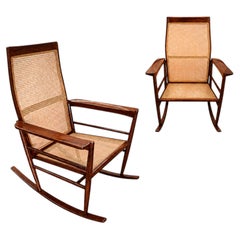
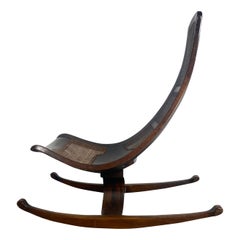
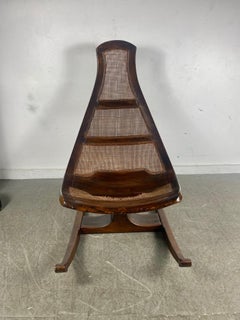
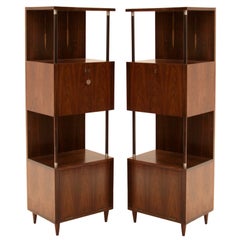
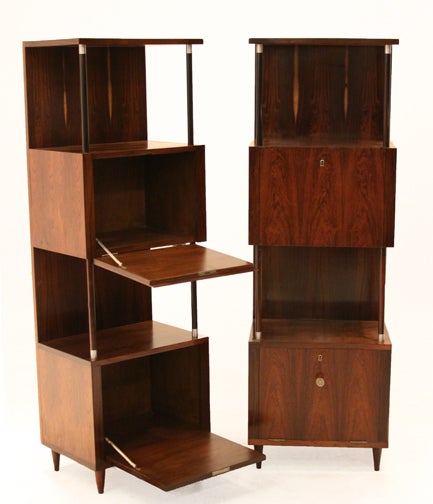
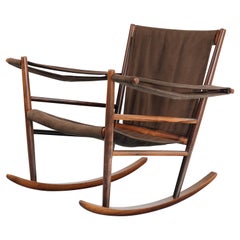
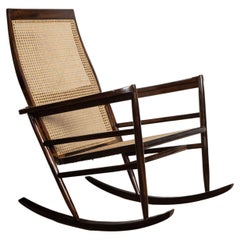
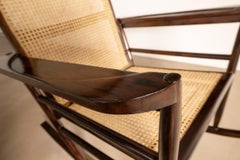
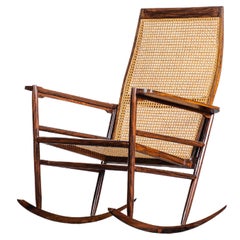
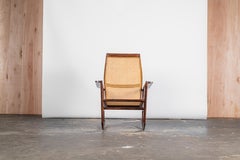
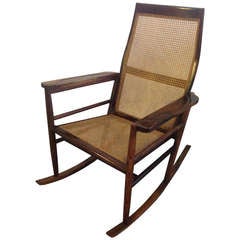
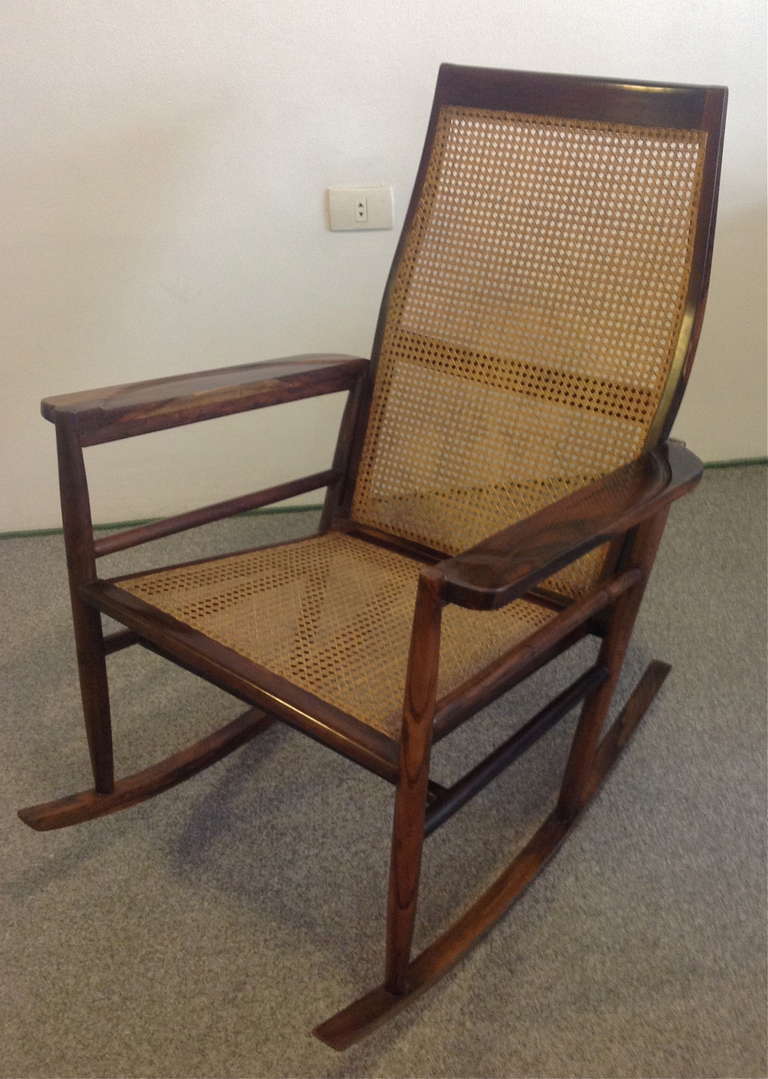
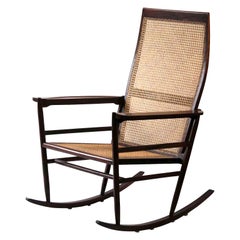
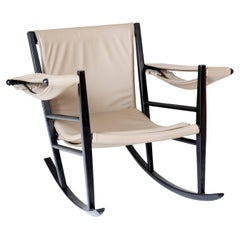
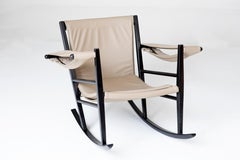
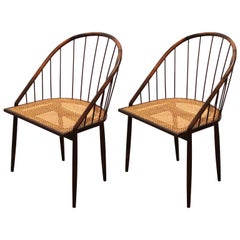
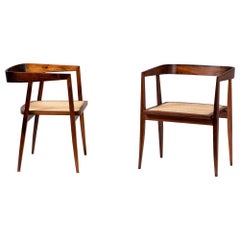
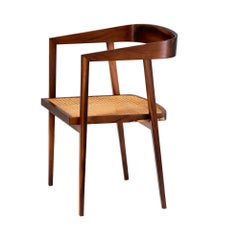
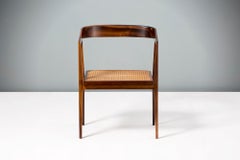
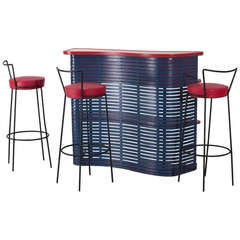
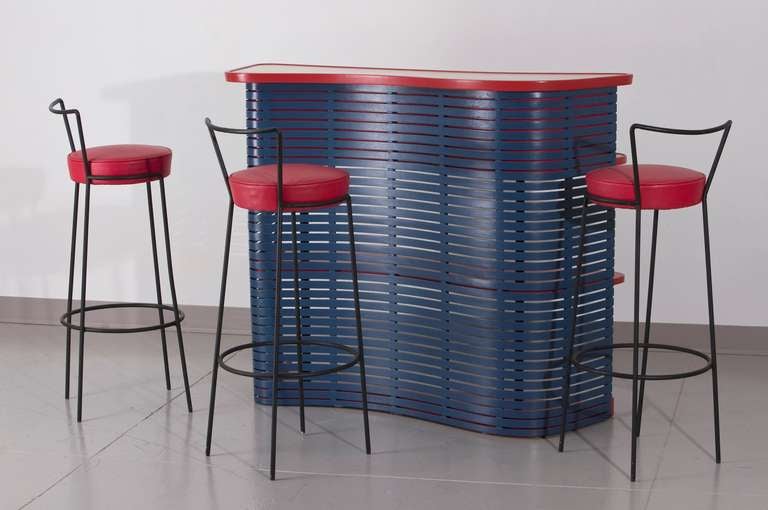
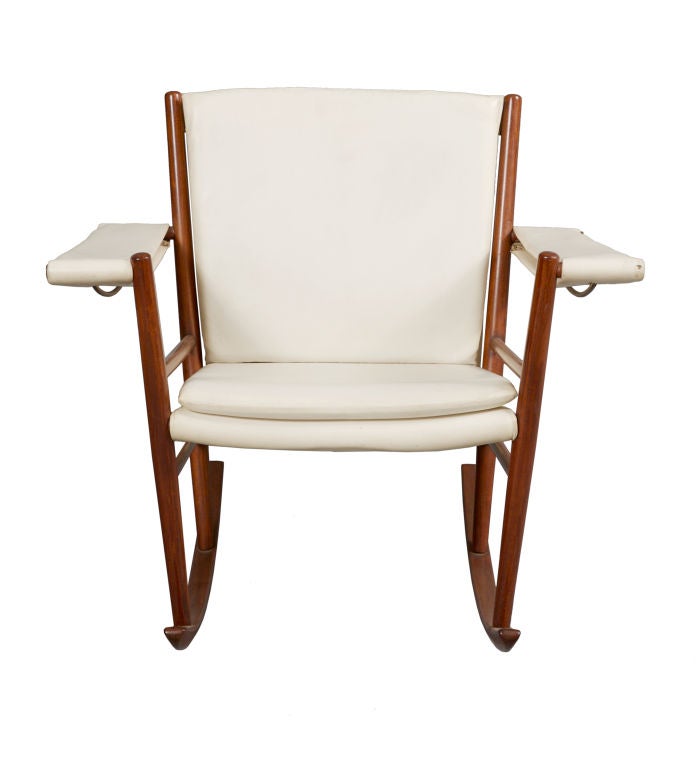
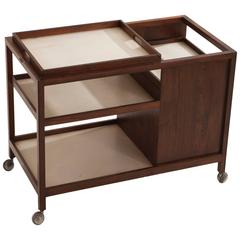
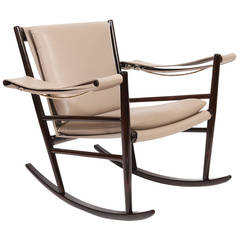
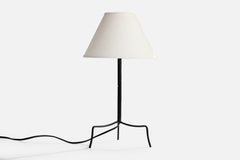
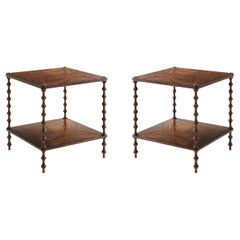
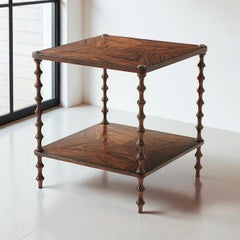
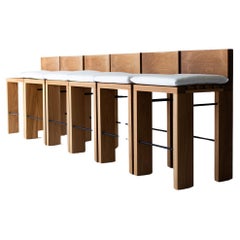
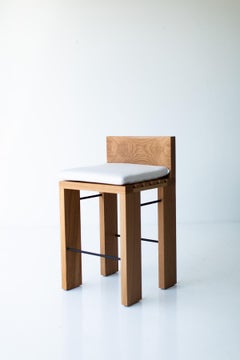
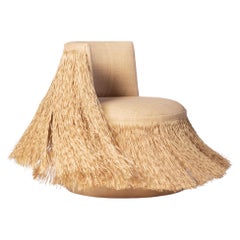
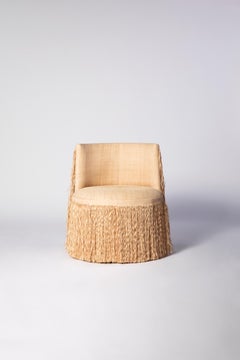
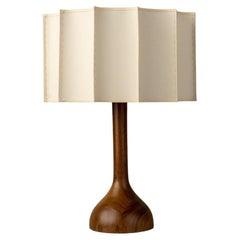
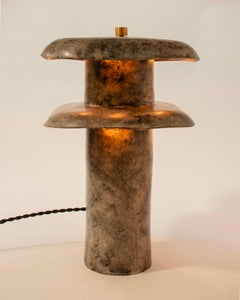
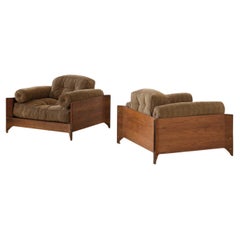
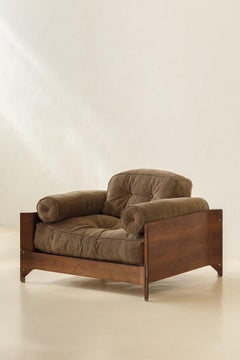
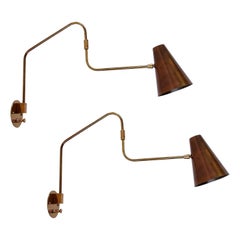
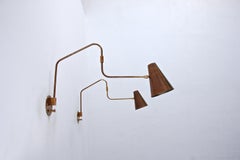
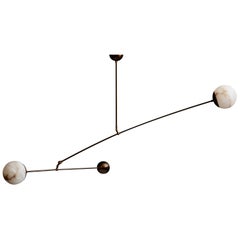
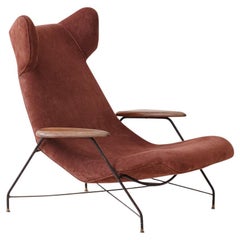
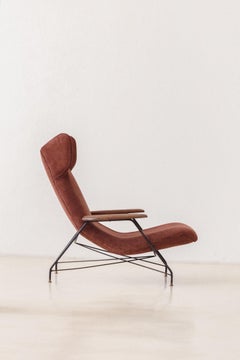
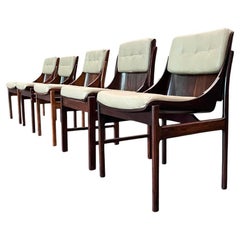
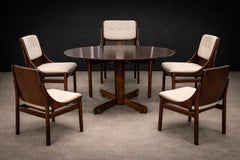
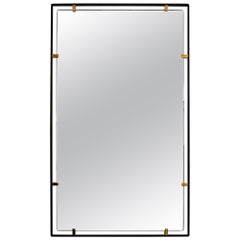
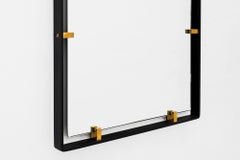
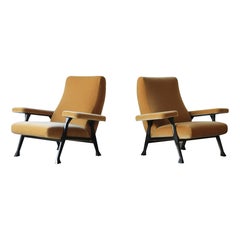
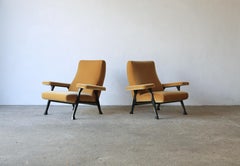
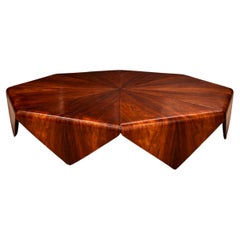
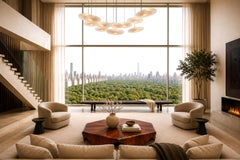
With a vast inventory of beautiful furniture at 1stDibs, we’ve got just the tenreiro bar you’re looking for. A tenreiro bar — often made from
cane,
natural fiber and
wood — can elevate any home. Your living room may not be complete without a tenreiro bar — find older editions for sale from the 20th Century and newer versions made as recently as the 20th Century. When you’re browsing for the right tenreiro bar, those designed in
Mid-Century Modern and
Modern styles are of considerable interest. You’ll likely find more than one tenreiro bar that is appealing in its simplicity, but
Joaquim Tenreiro produced versions that are worth a look.
The Portugese-born furniture designer Joaquim Tenreiro was a pioneer of modernism in Brazil, where his work paved the way for the successes of such mid-20th-century design greats as Sergio Rodrigues, Jorge Zalszupin, and Lina Bo Bardi, an Italian-Brazilian architect whose futuristic São Paulo buildings are only part of her legacy.
Tenreiro’s vintage tables, chairs and storage cabinets are known for their simplicity of line and an elegance that is enhanced by the use of richly grained South American hardwoods such as jacaranda and imbuia.
Tenreiro’s father and grandfather were both master woodworkers, under whom he trained in the craft. He had artistic leanings and in the late 1920s enrolled as a university student at the School of Arts and Crafts in Rio de Janeiro, where he joined a group of upstart modernists protesting the staid, retrograde curriculum at the college. At the time, Brazil was culturally mired in a 19th-century mindset that was reflected in an upper-class preference for academic painting and reproduction furnishings in antique European styles. But the progressive spirit that Tenreiro and his colleagues fostered slowly gained force.
With the terms “lightness” and “functionality” as his bywords, Tenreiro opened a furniture-design business in 1943, where one of his first clients was the legendary architect Oscar Niemeyer. The arrival of Brazil’s first democratically elected government, in 1945, lent modernism official sanction, which culminated in the construction of the new capital, Brasília. Tenreiro eventually stepped away from design in the late 1960s to devote his time to sculpture and painting.
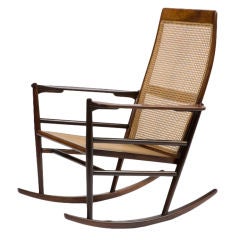
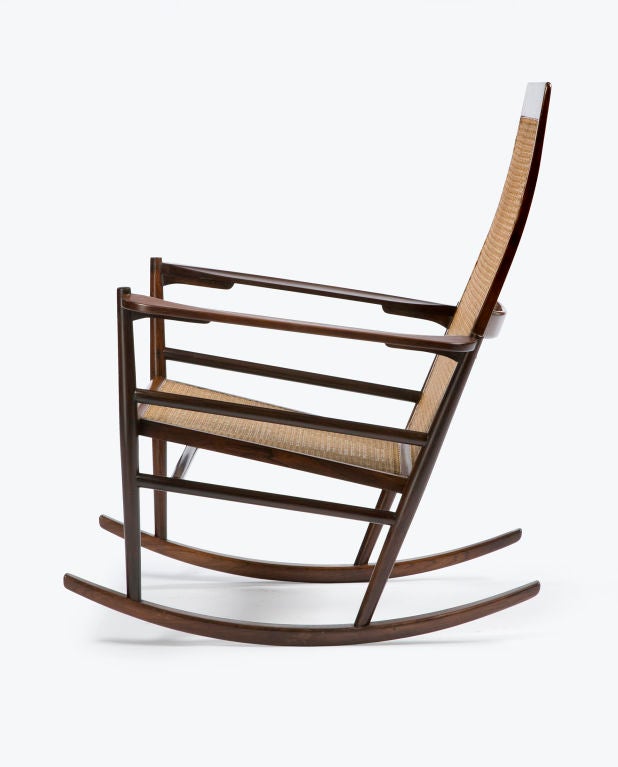
To appreciate how revolutionary Tenreiro’s work seemed, one must imagine the heavy, ornately carved, deeply varnished furniture that was the standard for top-end Brazilian interior design in the 1930s. Tenreiro’s chairs and sofas employed slender, softly angular frames that were only lightly stained to highlight the grains of the local woods. He preferred chairs and chaises with caned seats and backrests that “breathe” in the tropical climate, and as a carpenter and joiner he wanted to show off the beauty of Brazilian wood.
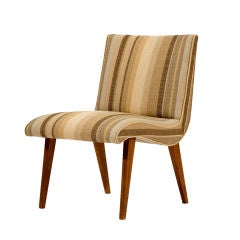
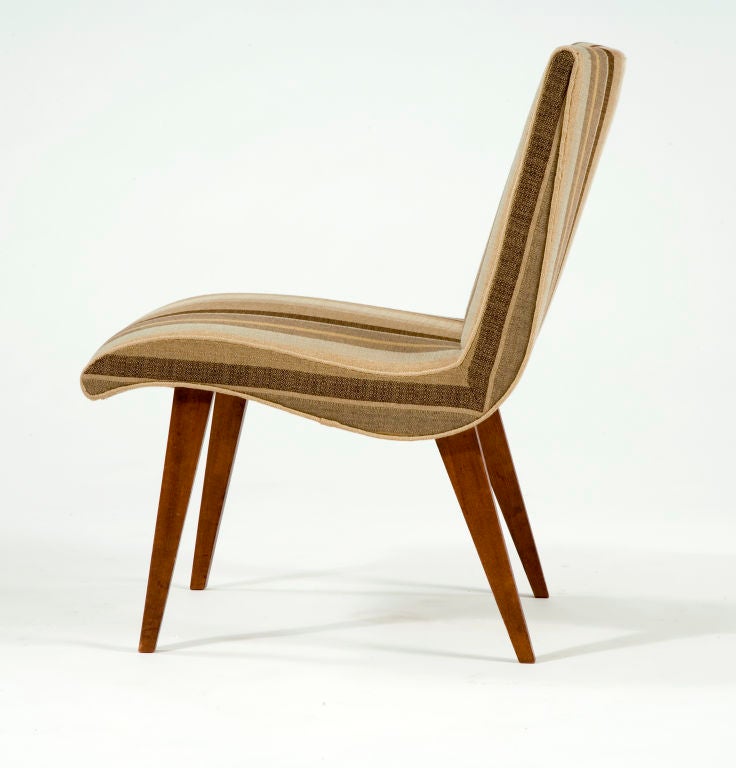
Two versions of a three-legged side chair introduced in 1947 serve as a veritable manifesto for a new age in Brazilian design: Using the stack-lamination technique, Tenreiro bonded together a gently contoured seat made of alternating layers of different-colored native woods to produce a magnificent stripe effect. These chairs, like all Tenreiro works, demonstrate the enduring power of simple design and superb construction — with a teaspoon of flair.
Find vintage Joaquim Tenreiro furniture on 1stDibs.
With entire areas of our homes reserved for “sitting rooms,” the value of quality antique and vintage seating cannot be overstated.
Fortunately, the design of side chairs, armchairs and other lounge furniture — since what were, quite literally, the early perches of our ancestors — has evolved considerably.
Among the earliest standard seating furniture were stools. Egyptian stools, for example, designed for one person with no seat back, were x-shaped and typically folded to be tucked away. These rudimentary chairs informed the design of Greek and Roman stools, all of which were a long way from Sori Yanagi's Butterfly stool or Alvar Aalto's Stool 60. In the 18th century and earlier, seats with backs and armrests were largely reserved for high nobility.
The seating of today is more inclusive but the style and placement of chairs can still make a statement. Antique desk chairs and armchairs designed in the style of Louis XV, which eventually included painted furniture and were often made of rare woods, feature prominently curved legs as well as Chinese themes and varied ornaments. Much like the thrones of fairy tales and the regency, elegant lounges crafted in the Louis XV style convey wealth and prestige. In the kitchen, the dining chair placed at the head of the table is typically reserved for the head of the household or a revered guest.
Of course, with luxurious vintage or antique furnishings, every chair can seem like the best seat in the house. Whether your preference is stretching out on a plush sofa, such as the Serpentine, designed by Vladimir Kagan, or cozying up in a vintage wingback chair, there is likely to be a comfy classic or contemporary gem for you on 1stDibs.
With respect to the latest obsessions in design, cane seating has been cropping up everywhere, from sleek armchairs to lounge chairs, while bouclé fabric, a staple of modern furniture design, can be seen in mid-century modern, Scandinavian modern and Hollywood Regency furniture styles.
Admirers of the sophisticated craftsmanship and dark woods frequently associated with mid-century modern seating can find timeless furnishings in our expansive collection of lounge chairs, dining chairs and other items — whether they’re vintage editions or alluring official reproductions of iconic designs from the likes of Hans Wegner or from Charles and Ray Eames. Shop our inventory of Egg chairs, designed in 1958 by Arne Jacobsen, the Florence Knoll lounge chair and more.
No matter your style, the collection of unique chairs, sofas and other seating on 1stDibs is surely worthy of a standing ovation.