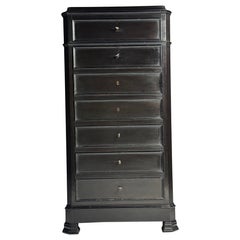
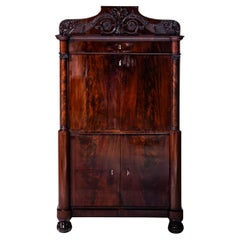
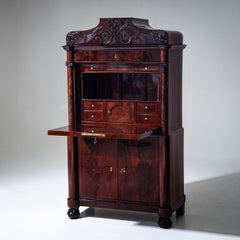
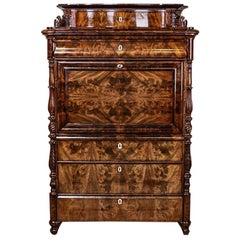
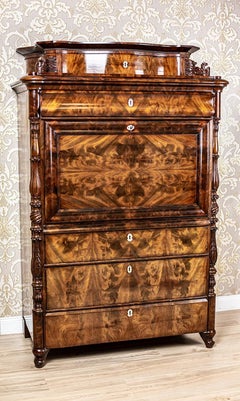
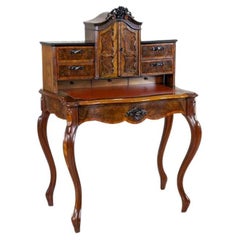
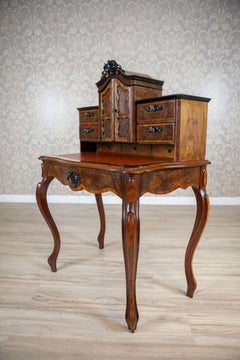
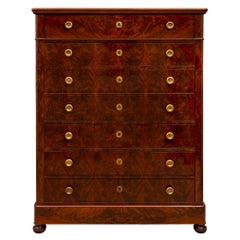
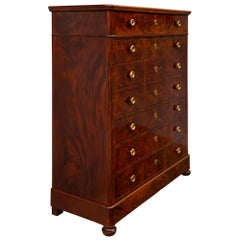
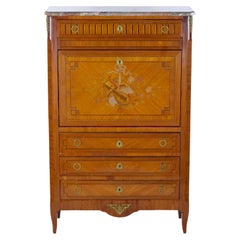
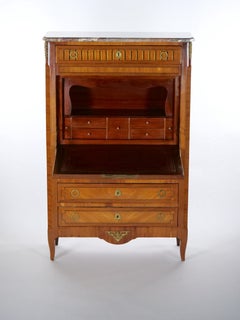
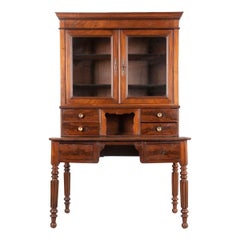
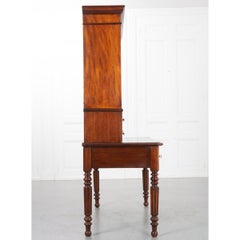
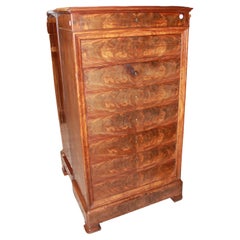
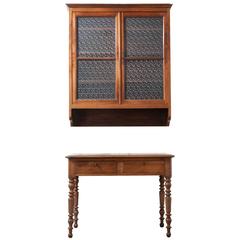
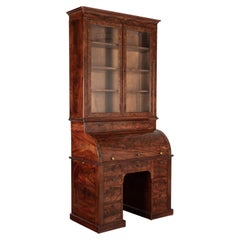
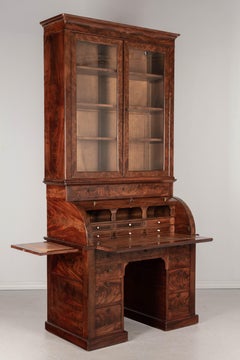
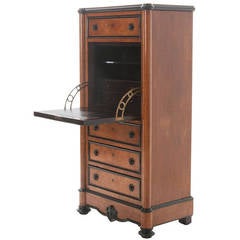
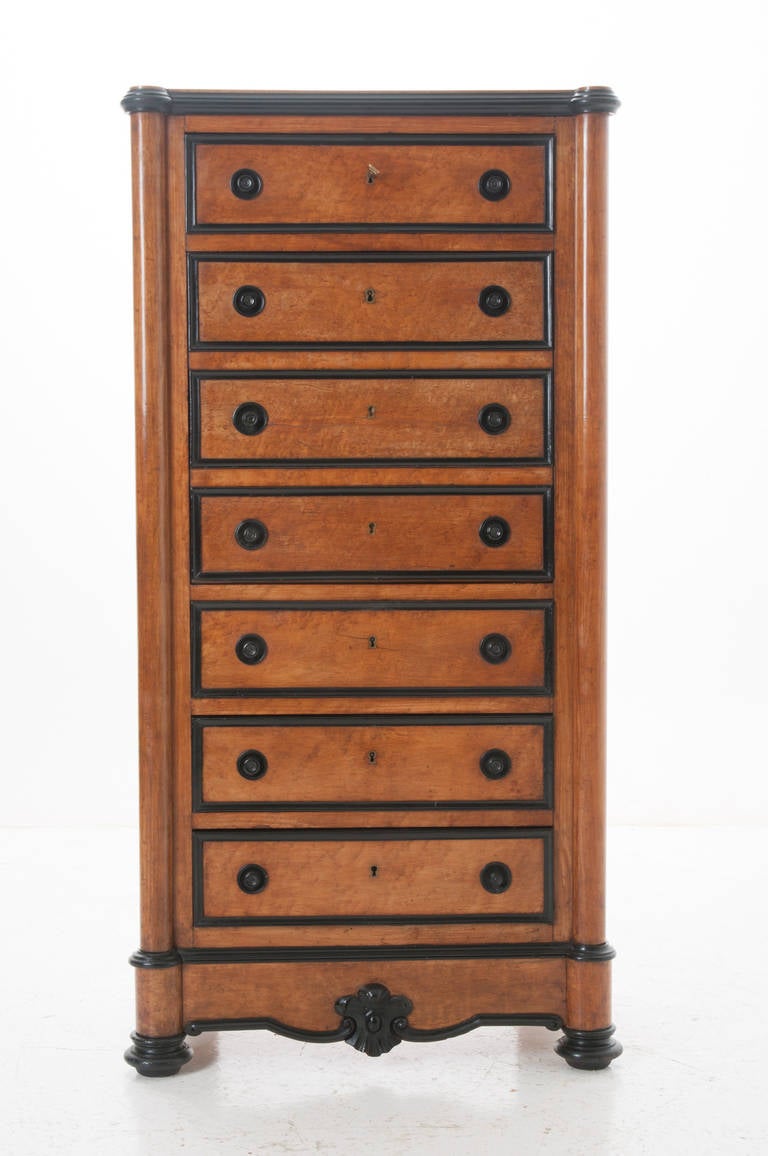
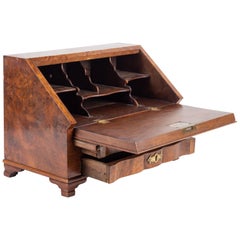
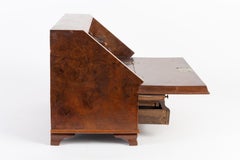
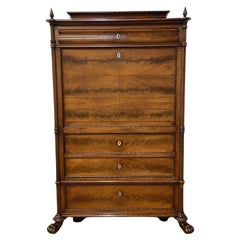
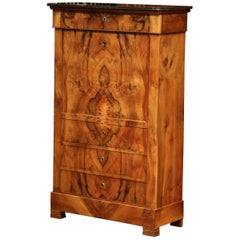
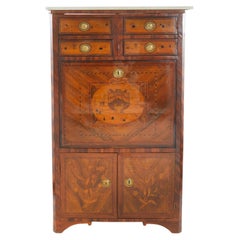
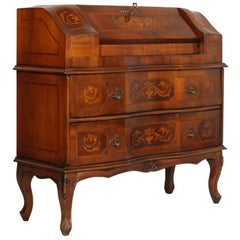
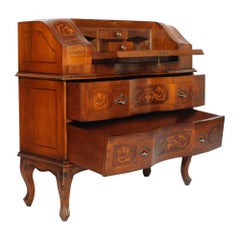
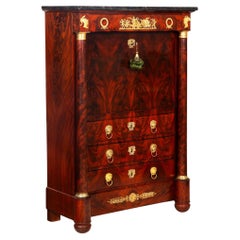
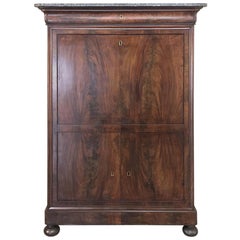
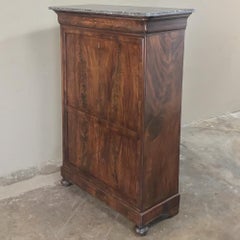
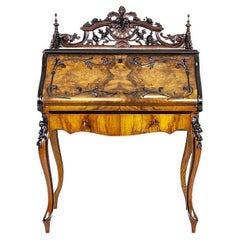
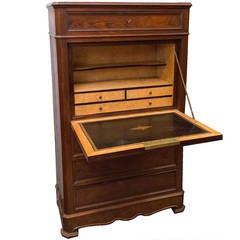
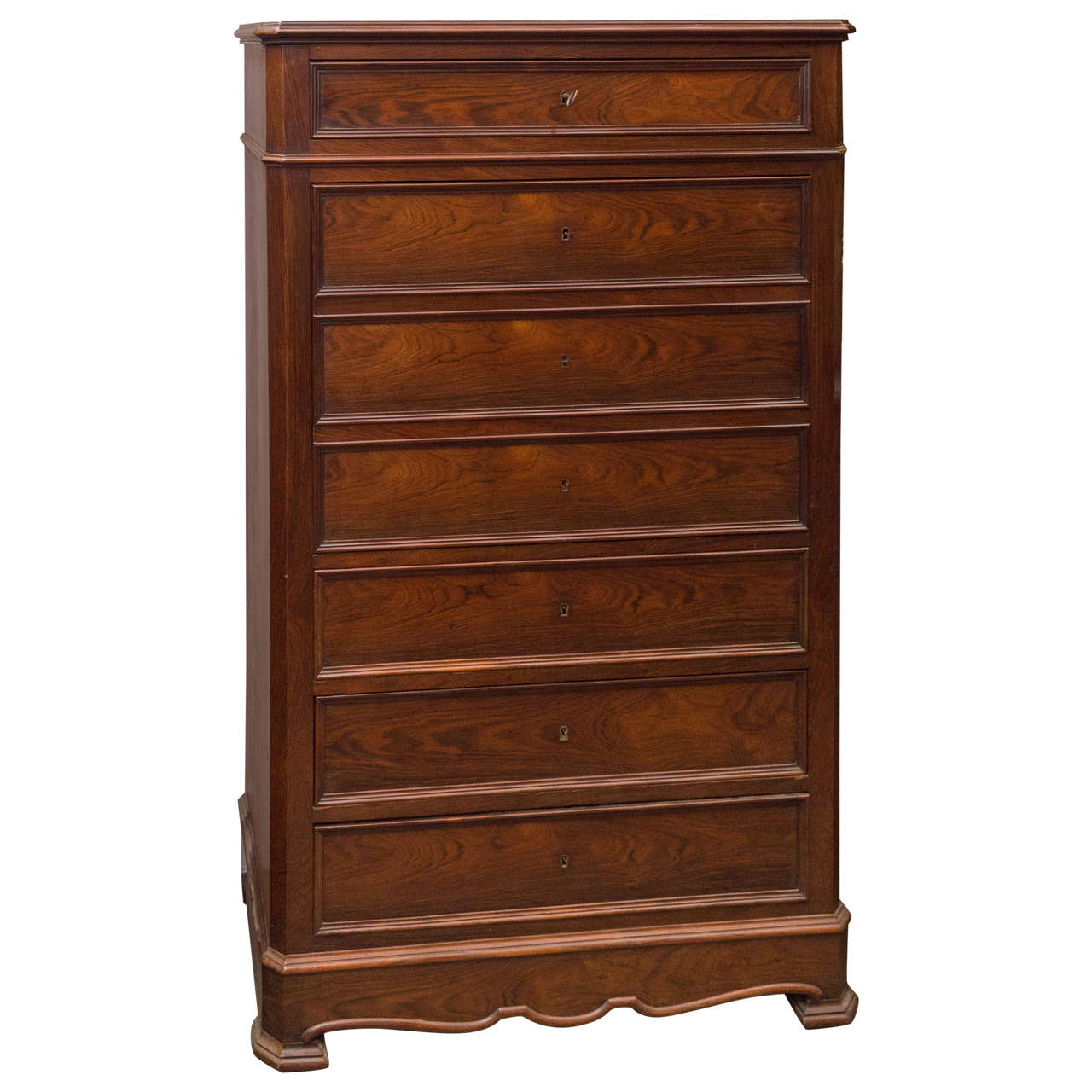
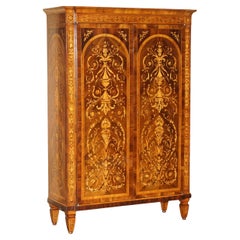
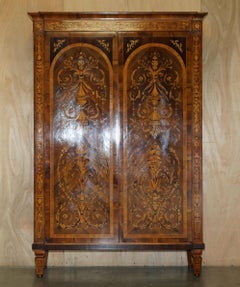
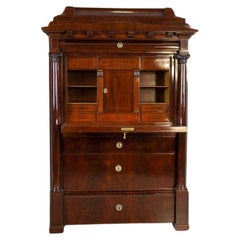
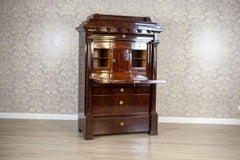
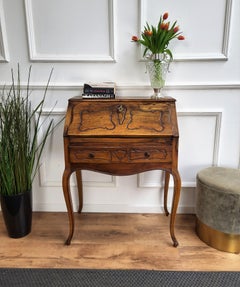
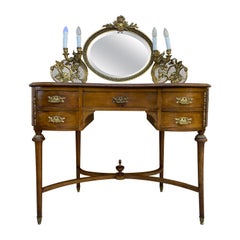
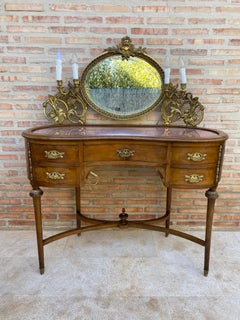
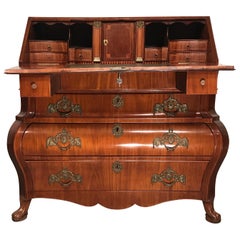
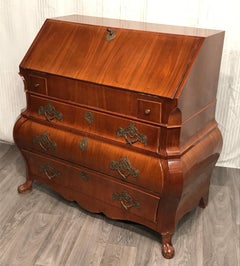
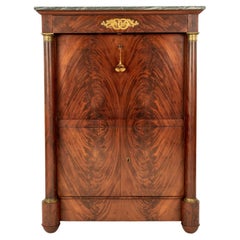
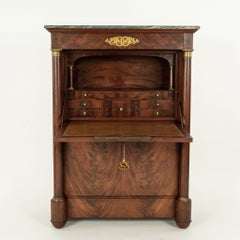
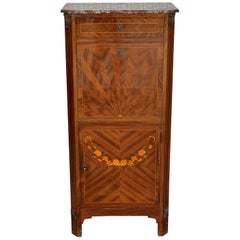
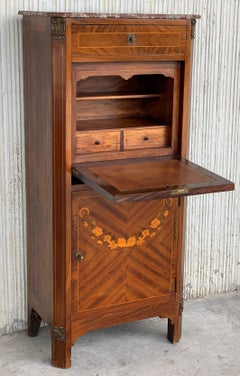
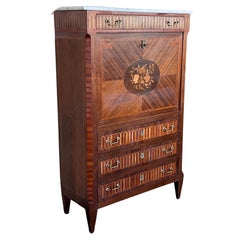
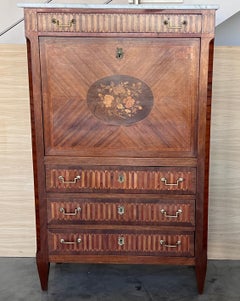
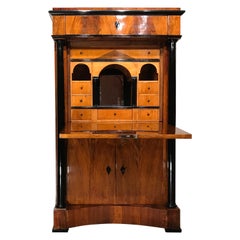
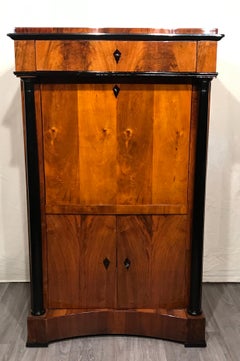
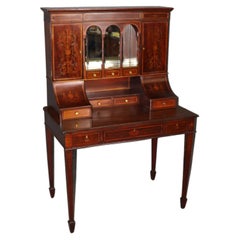
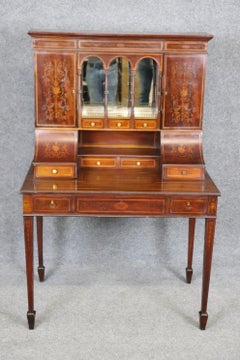
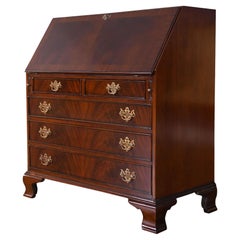
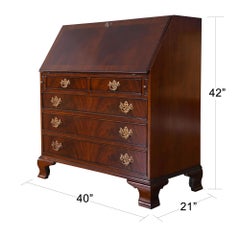
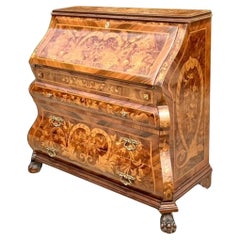
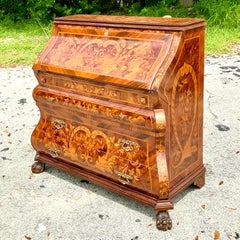
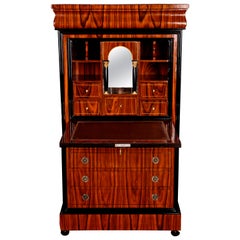
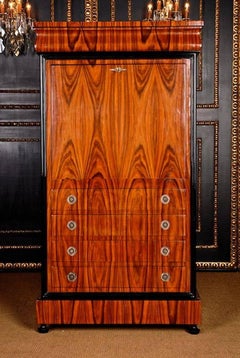
At 1stDibs, there are many versions of the ideal louis philippe secretary desk for your home. A louis philippe secretary desk — often made from
wood,
metal and
mahogany — can elevate any home. You’ve searched high and low for the perfect louis philippe secretary desk — we have versions that date back to the 19th Century alongside those produced as recently as the 20th Century are available. A louis philippe secretary desk is a generally popular piece of furniture, but those created in
Louis XVI styles are sought with frequency. A well-made louis philippe secretary desk has long been a part of the offerings for many furniture designers and manufacturers, but those produced by
Henry Dasson and
Zwiener Jansen Successeur are consistently popular.
Prices for a louis philippe secretary desk can differ depending upon size, time period and other attributes — at 1stDibs, they begin at $1,533 and can go as high as $125,000, while the average can fetch as much as $6,600.
Known as the “Citizen King,” Louis Philippe reigned from 1830 to the Revolution of 1848 with the support of the upper bourgeoisie. Whereas the monarchs of 18th-century France, including Louis XIV, Louis XV and Louis XVI, dictated aesthetics through the decadence of the aristocratic court, Louis Philippe had a more down-to-earth presence. He could be seen walking the streets like an ordinary person, carrying his own umbrella and shaking hands with subjects. Antique Louis Philippe–style furniture reflects a sense of simplicity and the sovereign’s passion for the country’s history, such as his establishment of a Museum of the History of France at Versailles, which had been mostly disused since the French Revolution.
Middle Ages, Gothic and Renaissance design informed a nationalist style that celebrated this heritage, with the hodgepodge of influences becoming prevalent in the homes of the bourgeoisie. Cabinetmakers Guillaume and Jean-Michel Grohé created reproductions of historic pieces for the king as well as royal houses abroad. Louis Philippe commissioned sculptor François Rude to create patriotic monuments that paid tribute to military heroes, while designs for furniture published by Claude-Aimé Chenavard, an ornamentalist who conceived widely loved objects for the Sèvres manufactory, further helped spread a revival of Renaissance style.
The rounded profiles of authentic Louis Philippe tables and chairs were preferred in the apartments rather than palaces being furnished by the affluent middle and upper classes. Ornamentation was minimal on the finely crafted pieces, such as large rectangular mirrors adorned with gold and silver leaf finishes and subdued carvings. The popular Louis Philippe commodes were solidly made with clean lines that showed off the grain of the wood and were often topped with marble surfaces.
Find a collection of antique Louis Philippe seating, dining tables, bedroom furniture and other items on 1stDibs.
Of all the vintage storage cabinets and antique case pieces that have become popular in modern interiors over the years, dressers, credenzas and cabinets have long been home staples, perfect for routine storage or protection of personal items.
In the mid-19th century, cabinetmakers would mimic styles originating in the Louis XIV, Louis XV and Louis XVI eras for their dressers, bookshelves and other structures, and, later, simpler, streamlined wood designs allowed these “case pieces” or “case goods” — any furnishing that is unupholstered and has some semblance of a storage component — to blend into the background of any interior.
Mid-century modern furniture enthusiasts will cite the tall modular wall units crafted in teak and other sought-after woods of the era by the likes of George Nelson, Poul Cadovius and Finn Juhl. For these highly customizable furnishings, designers of the day delivered an alternative to big, heavy bookcases by considering the use of space — and, in particular, walls — in new and innovative ways. Mid-century modern credenzas, which, long and low, evolved from tables that were built as early as the 14th century in Italy, typically have no legs or very short legs and have grown in popularity as an alluring storage option over time.
Although the name immediately invokes images of clothing, dressers were initially created in Europe for a much different purpose. This furnishing was initially a flat-surfaced, low-profile side table equipped with a few drawers — a common fixture used to dress and prepare meats in English kitchens throughout the Tudor period. The drawers served as perfect utensil storage. It wasn’t until the design made its way to North America that it became enlarged and equipped with enough space to hold clothing and cosmetics. The very history of case pieces is a testament to their versatility and well-earned place in any room.
In the spirit of positioning your case goods center stage, decluttering can now be design-minded.
A contemporary case piece with open shelving and painted wood details can prove functional as a storage unit as easily as it can a room divider. Alternatively, apothecary cabinets are charming case goods similar in size to early dressers or commodes but with uniquely sized shelving and (often numerous) drawers.
Whether you’re seeking a playful sideboard that features colored glass and metal details, an antique Italian hand-carved storage cabinet or a glass-door vitrine to store and show off your collectibles, there are options for you on 1stDibs.