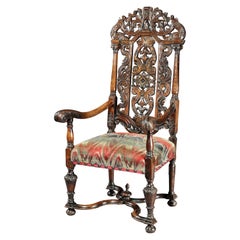
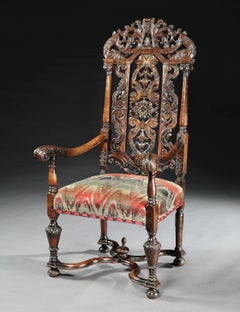
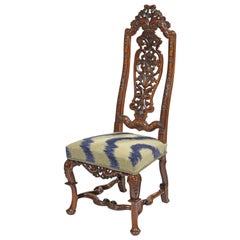
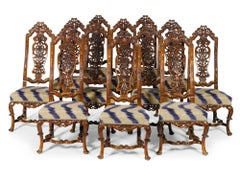
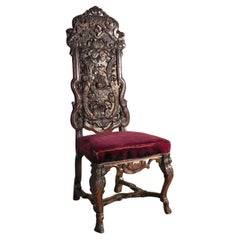
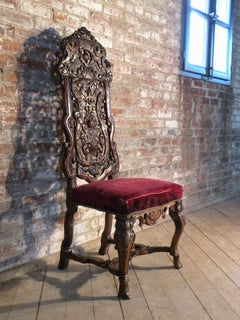
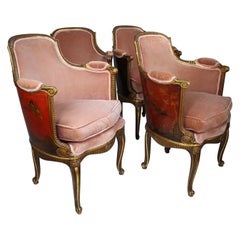
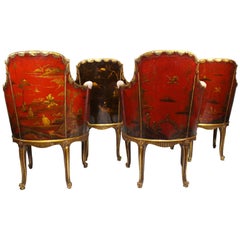
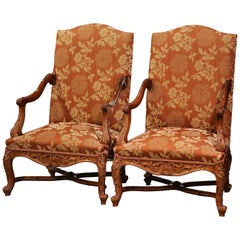
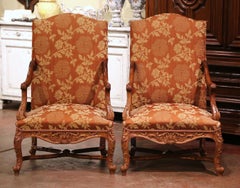
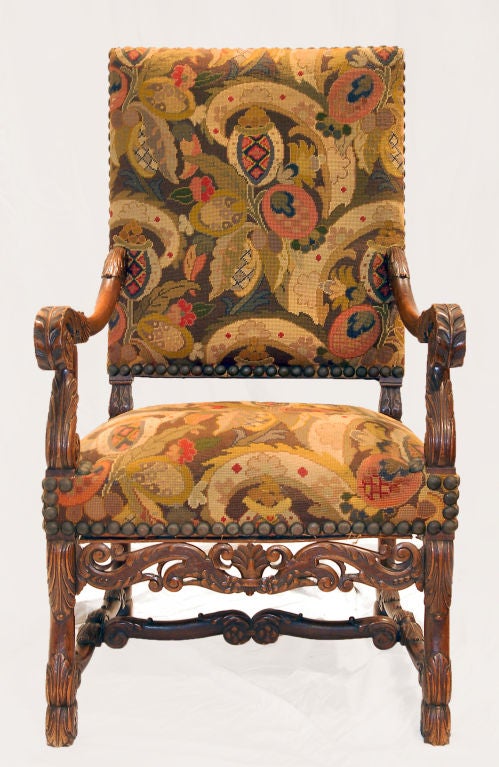
Daniel Marot Chair
Antique 1690s Dutch Baroque Armchairs
Walnut
Recent Sales
Antique 18th Century and Earlier British Chairs
Walnut
Antique Early 17th Century English Baroque Chairs
Walnut
Antique Early 1700s British Baroque Chairs
Walnut
Antique Late 17th Century Dutch Baroque Side Chairs
Walnut
People Also Browsed
21st Century and Contemporary Italian Rococo Pillows and Throws
Metallic Thread
Early 20th Century French Art Deco Animal Sculptures
Marble, Metal
Antique 19th Century Italian Art Deco Dining Room Tables
Wood
Antique Late 19th Century French Belle Époque Mantel Clocks
Bronze, Ormolu
Antique 18th Century and Earlier Italian Neoclassical Decorative Art
Fruitwood
21st Century and Contemporary American Club Chairs
Antique 19th Century French Console Tables
Marble
Antique Late 19th Century French Louis XVI Vases
Porphyry, Ormolu
Antique 19th Century French Louis XV Urns
Marble, Bronze
Antique 1890s French Louis XVI Cabinets
Breccia Marble, Ormolu
Antique 19th Century English Victorian Vases
Silver
Antique 19th Century English Louis XVI Desks and Writing Tables
Bronze
Antique 19th Century French Empire Planters, Cachepots and Jardinières
Tin
Antique 1810s French Empire Chandeliers and Pendants
Ormolu
Antique Early 19th Century English Regency Console Tables
Marble
Antique 1790s French Directoire Armchairs
A Close Look at Baroque Furniture
The decadence of the Baroque style, in which ornate furnishings were layered against paneled walls, painted ceilings, stately chandeliers and, above all, gilding, expressed the power of the church and monarchy through design that celebrated excess. And its influence was omnipresent — antique Baroque furniture was created in the first design style that truly had a global impact.
Theatrical and lavish, Baroque was prevalent across Europe from the 17th to mid-18th century and spread around the world through colonialism, including in Asia, Africa and the Americas. While Baroque originated in Italy and achieved some of its most fantastic forms in the late-period Roman Baroque, it was adapted to meet the tastes and materials in each region. French Baroque furniture informed Louis XIV style and added drama to Versailles. In Spain, the Baroque movement influenced the elaborate Churrigueresque style in which architecture was dripping with ornamental details. In South German Baroque, furniture was made with bold geometric patterns.
Compared to Renaissance furniture, which was more subdued in its proportions, Baroque furniture was extravagant in all aspects, from its shape to its materials.
Allegorical and mythical figures were often sculpted in the wood, along with motifs like scrolling floral forms and acanthus leaves that gave the impression of tangles of dense foliage. Novel techniques and materials such as marquetry, gesso and lacquer — which were used with exotic woods and were employed by cabinetmakers such as André-Charles Boulle, Gerrit Jensen and James Moore — reflected the growth of international trade. Baroque furniture characteristics include a range of decorative elements — a single furnishing could feature everything from carved gilded wood to gilt bronze, lending chairs, mirrors, console tables and other pieces a sense of motion.
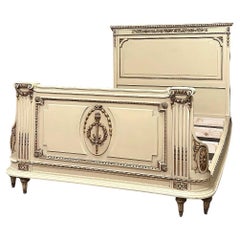
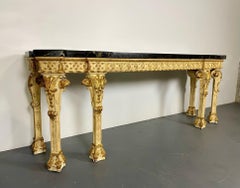
Find a collection of authentic antique Baroque tables, lighting, decorative objects and other furniture on 1stDibs.
Finding the Right Chairs for You
Chairs are an indispensable component of your home and office. Can you imagine your life without the vintage, new or antique chairs you love?
With the exception of rocking chairs, the majority of the seating in our homes today — Windsor chairs, chaise longues, wingback chairs — originated in either England or France. Art Nouveau chairs, the style of which also originated in those regions, embraced the inherent magnificence of the natural world with decorative flourishes and refined designs that blended both curved and geometric contour lines. While craftsmanship and styles have evolved in the past century, chairs have had a singular significance in our lives, no matter what your favorite chair looks like.
“The chair is the piece of furniture that is closest to human beings,” said Hans Wegner. The revered Danish cabinetmaker and furniture designer was prolific, having designed nearly 500 chairs over the course of his lifetime. His beloved designs include the Wishbone chair, the wingback Papa Bear chair and many more.
Other designers of Scandinavian modernist chairs introduced new dynamics to this staple with sculptural flowing lines, curvaceous shapes and efficient functionality. The Paimio armchair, Swan chair and Panton chair are vintage works of Finnish and Danish seating that left an indelible mark on the history of good furniture design.
“What works good is better than what looks good, because what works good lasts,” said Ray Eames.
Visionary polymaths Ray and Charles Eames experimented with bent plywood and fiberglass with the goal of producing affordable furniture for a mass market. Like other celebrated mid-century modern furniture designers of elegant low-profile furnishings — among them Ludwig Mies van der Rohe and Finn Juhl — the Eameses considered ergonomic support, durability and cost, all of which should be top of mind when shopping for the perfect chair. The mid-century years yielded many popular chairs.
The Eameses introduced numerous icons for manufacturer Herman Miller, such as the Eames lounge chair and ottoman, molded plywood dining chairs the DCM and DCW (which can be artfully mismatched around your dining table) and a wealth of other treasured pieces for the home and office.
A good chair anchors us to a place and can become an object of timeless appeal. Take a seat and browse the rich variety of vintage, new and antique chairs on 1stDibs today.