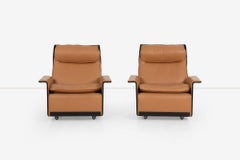
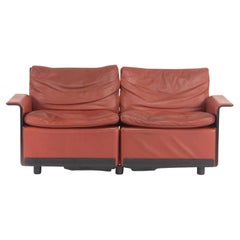
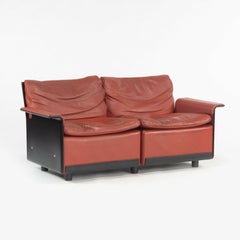
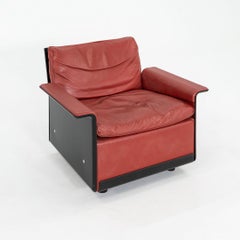
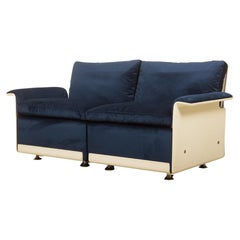
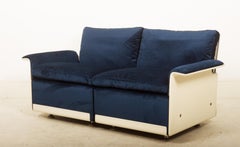
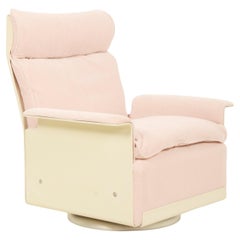
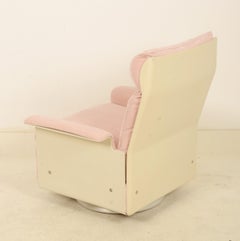
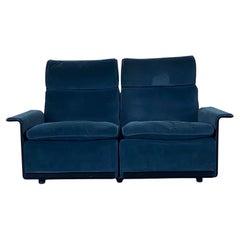
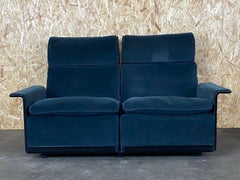
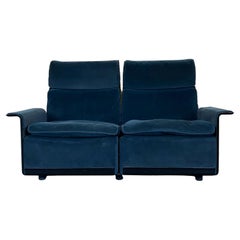
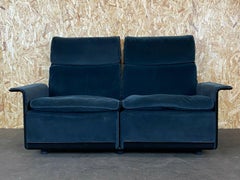
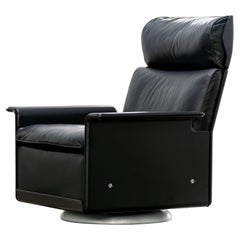
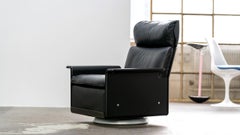
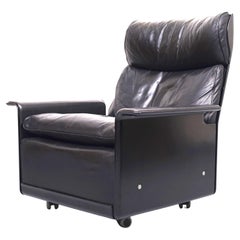
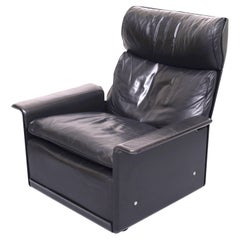
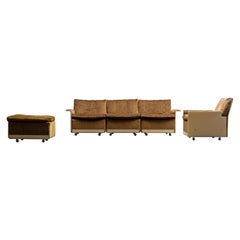
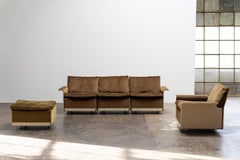
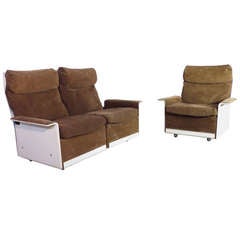
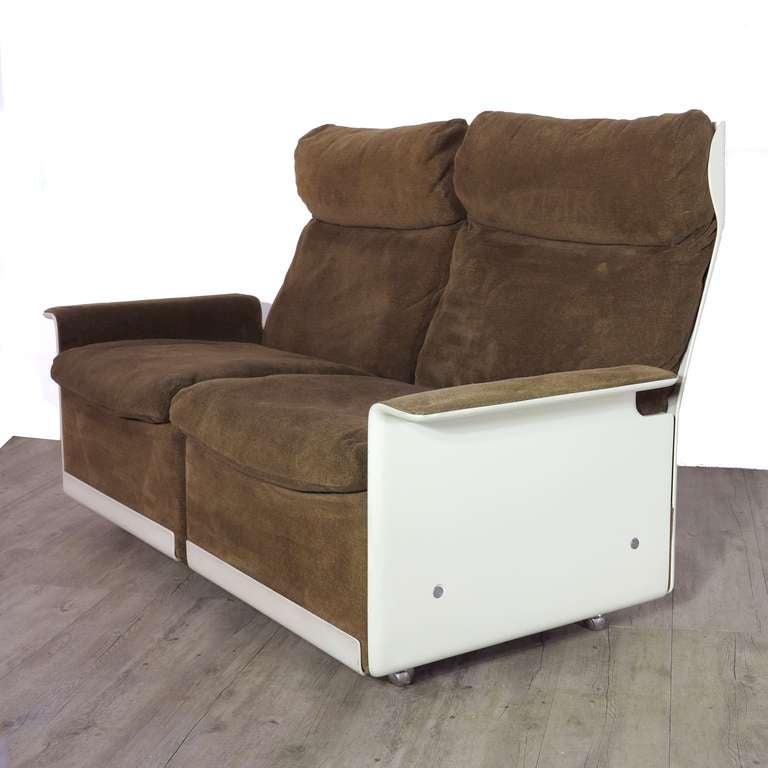
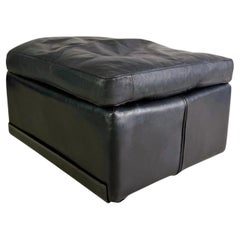
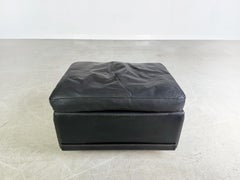
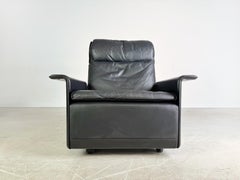
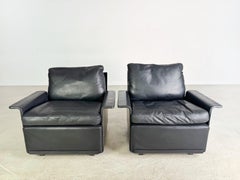
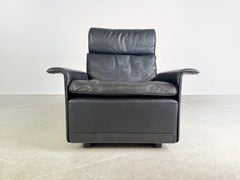
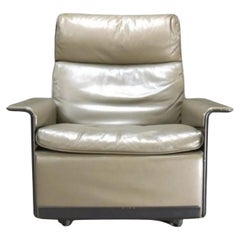
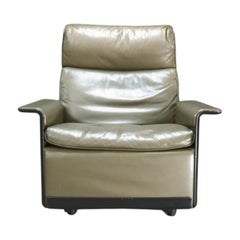
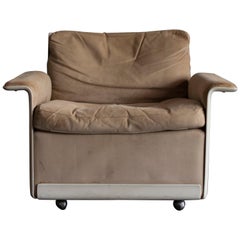
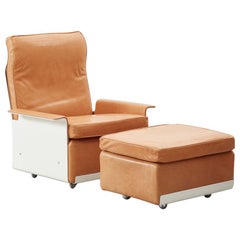
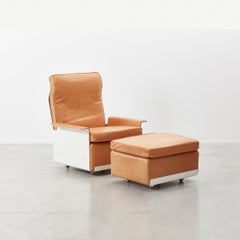
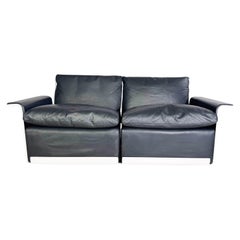
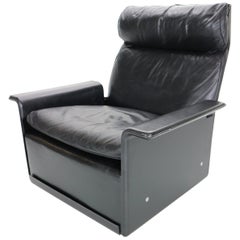
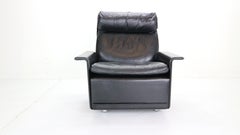
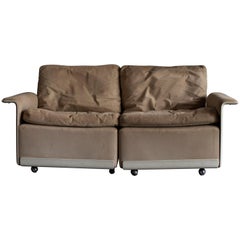
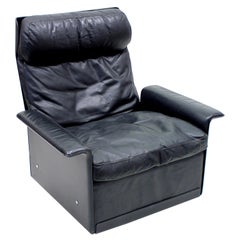
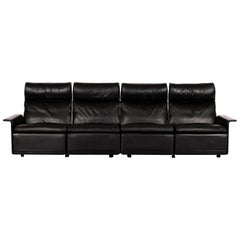
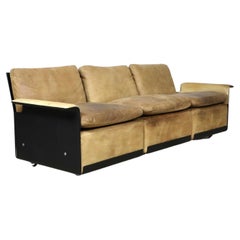
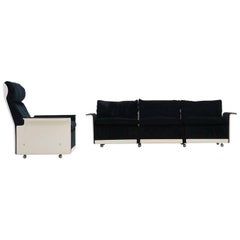
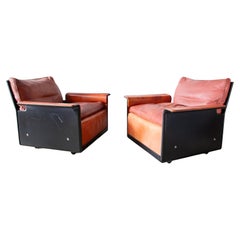
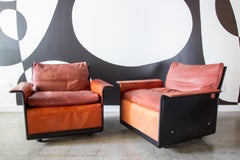
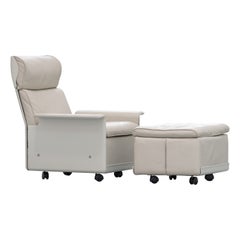
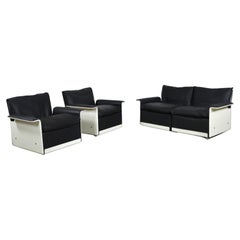
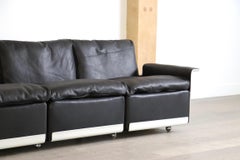
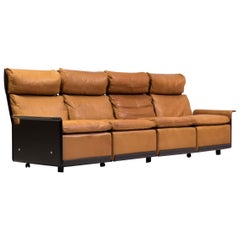
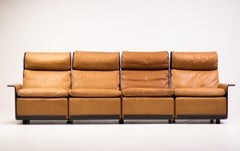
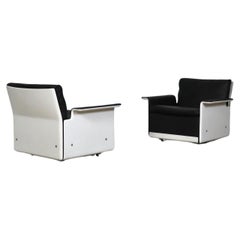
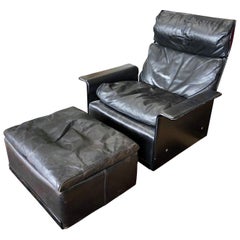
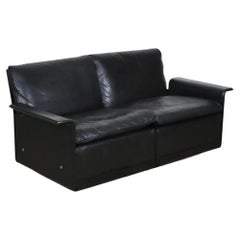
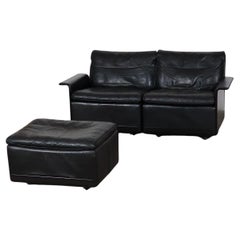
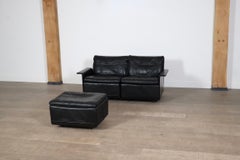
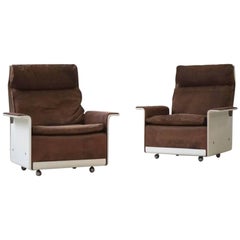
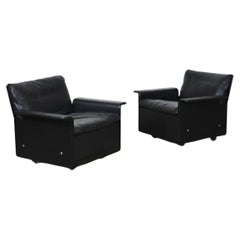
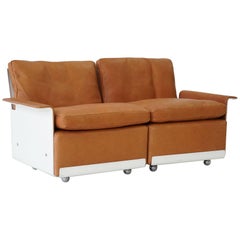
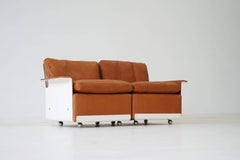
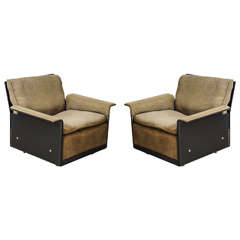
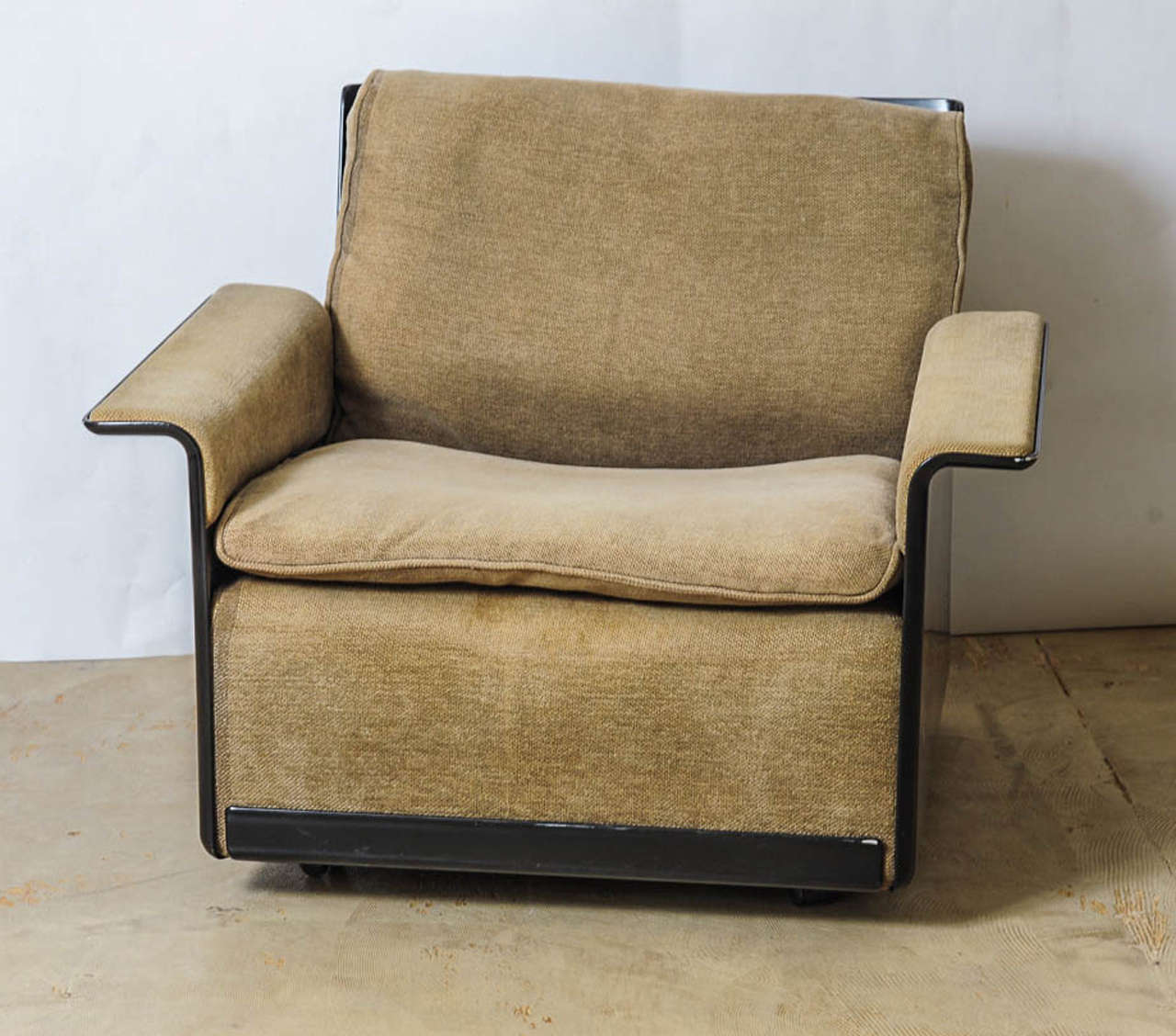
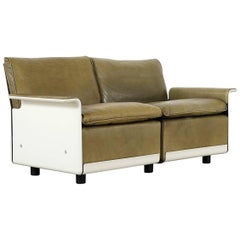
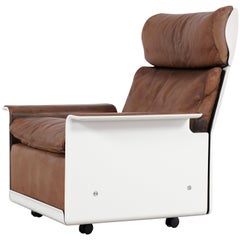
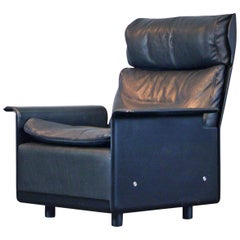
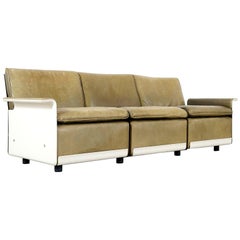
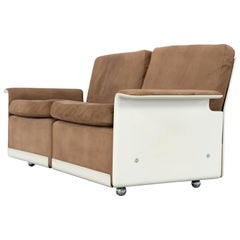
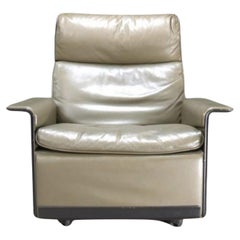
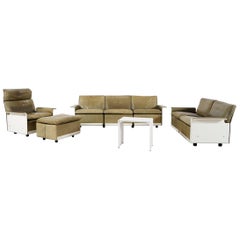
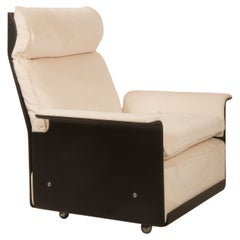
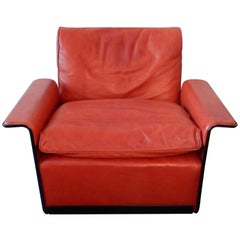
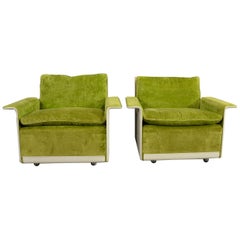
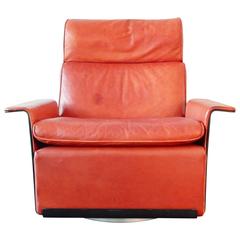
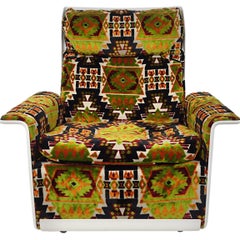
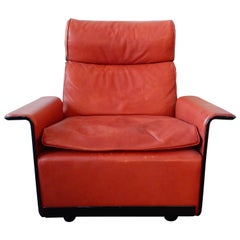
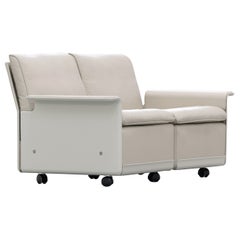
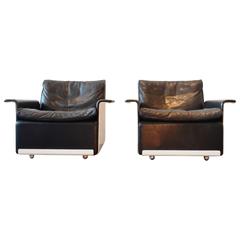
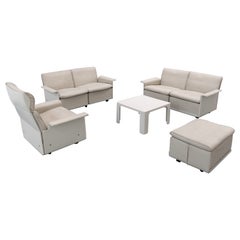
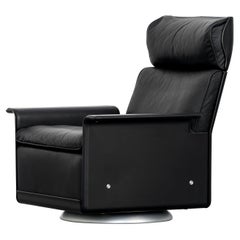
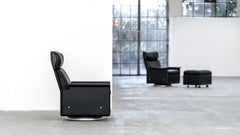
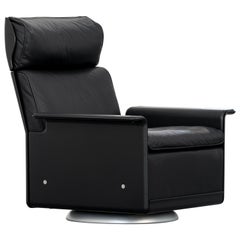
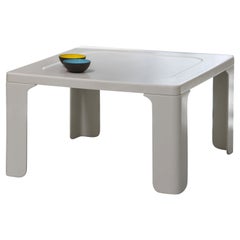
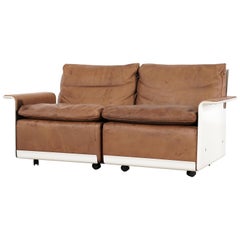
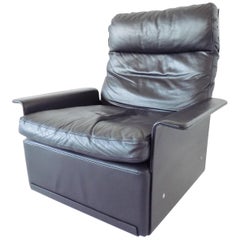
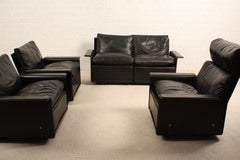
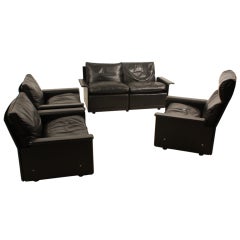
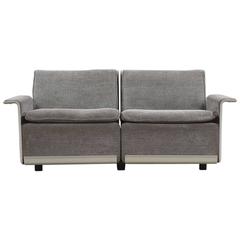
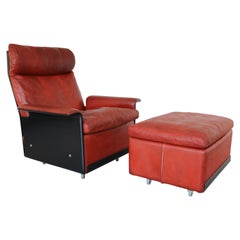
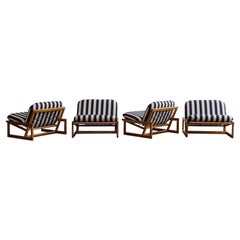
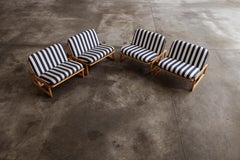
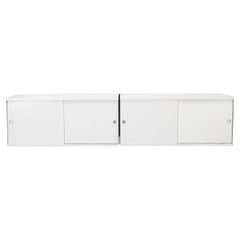
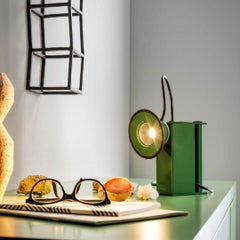
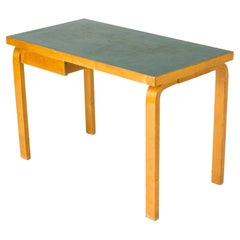
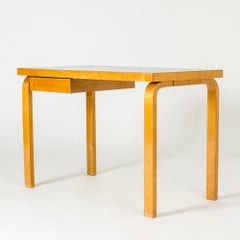
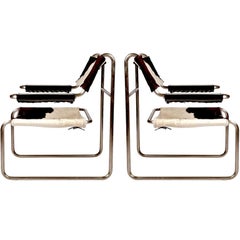
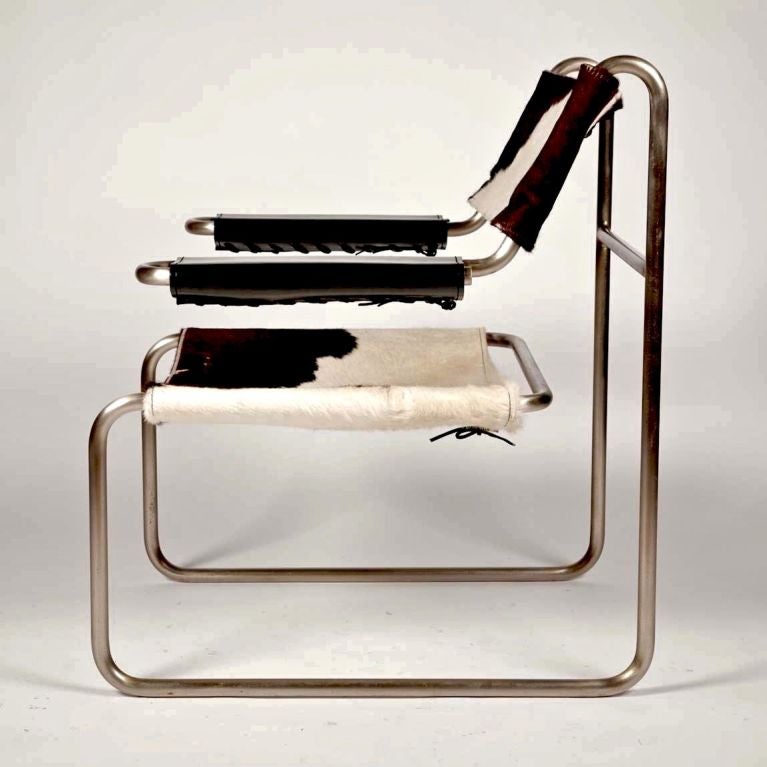
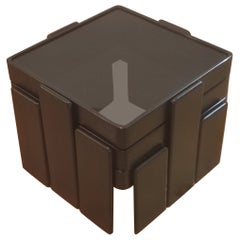
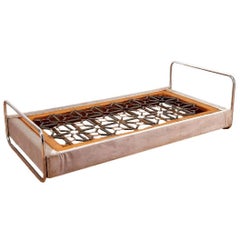
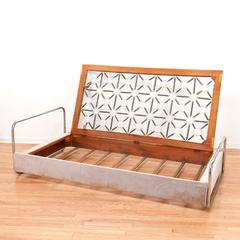
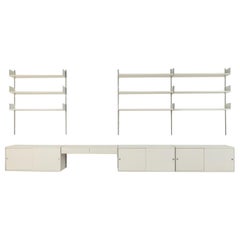
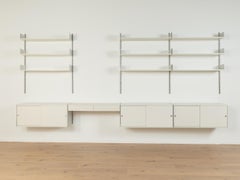
Choose from an assortment of styles, material and more with respect to the vitsoe 620 you’re looking for at 1stDibs. A vitsoe 620 — often made from
plastic,
animal skin and
leather — can elevate any home. Your living room may not be complete without a vitsoe 620 — find older editions for sale from the 20th Century and newer versions made as recently as the 20th Century. Each vitsoe 620 bearing
mid-century modern or
modern hallmarks is very popular.
German industrial designer Dieter Rams is revered for the pared-down, intuitive electronics and consumer goods he created for Braun — where he worked from 1955 to 1997, most of that time as chief design officer — and his timeless furniture for Vitsœ, a company with which he continues to collaborate today.
Less well known are Rams’s longstanding focus on sustainability and uneasy relationship with contemporary technology, even as Silicon Valley designers like Apple’s Jonathan Ive follow in his rational footsteps.
During Germany’s postwar rebuilding period, Rams and his team of designers at Braun, inspired by the Bauhaus and the Ulm School of Design, focused on extreme simplicity and usability while conceiving products with a modern, forward-looking appearance.
Among Rams’s most iconic designs is the SK 4 phonograph and radio, created in 1956, which had a compact white metal case topped by a revolutionary-at-the-time transparent Plexiglas lid that revealed simple gray controls inside (it was nicknamed Snow White’s Coffin). But it is the T3 portable radio, from 1958, that gets design aficionados most excited today: A white rectangular box with a perforated square for the speaker and a circular-dial control, it bears an unmistakable resemblance to Apple’s original iPod. (Many people also note that the iPhone’s calculator app looks remarkably similar to the Braun ET 66 calculator, with its circular color-coded buttons.)
In the late 1970s, Rams laid out his widely studied 10 principles for good design: It is innovative, makes a product useful, is aesthetic, makes a product understandable, is unobtrusive, is honest, is long lasting, is thorough down to the last detail, is environmentally friendly and is as little design as possible.
One of Rams’s principles that hasn’t translated to our contemporary era is his emphasis on longevity. “The time of thoughtless design and thoughtless consumption is over,” he said in 1976, stressing the need to conserve natural resources — even as he was busy designing plastic products.
Rams has also expressed reservations about how electronics have evolved in recent decades from tools for improving life to time-sucking obsessions. “Every time he crosses a street and sees people glued to their phones, he just can’t conceive of how we got to this point,” says filmmaker Gary Hustwit, whose feature-length documentary on Rams debuted in 2018. “I think he’s a little bit saddened by all this work they did in the fifties and sixties, which had a very idealistic point of view, being a stepping stone to where we are now, and the current lust for technology.”
If digital devices sometimes seem to be making life more complicated, Rams’s precept remains the same as always: “Back to purity, back to simplicity.”
Find vintage Dieter Rams furniture on 1stDibs.
With entire areas of our homes reserved for “sitting rooms,” the value of quality antique and vintage seating cannot be overstated.
Fortunately, the design of side chairs, armchairs and other lounge furniture — since what were, quite literally, the early perches of our ancestors — has evolved considerably.
Among the earliest standard seating furniture were stools. Egyptian stools, for example, designed for one person with no seat back, were x-shaped and typically folded to be tucked away. These rudimentary chairs informed the design of Greek and Roman stools, all of which were a long way from Sori Yanagi's Butterfly stool or Alvar Aalto's Stool 60. In the 18th century and earlier, seats with backs and armrests were largely reserved for high nobility.
The seating of today is more inclusive but the style and placement of chairs can still make a statement. Antique desk chairs and armchairs designed in the style of Louis XV, which eventually included painted furniture and were often made of rare woods, feature prominently curved legs as well as Chinese themes and varied ornaments. Much like the thrones of fairy tales and the regency, elegant lounges crafted in the Louis XV style convey wealth and prestige. In the kitchen, the dining chair placed at the head of the table is typically reserved for the head of the household or a revered guest.
Of course, with luxurious vintage or antique furnishings, every chair can seem like the best seat in the house. Whether your preference is stretching out on a plush sofa, such as the Serpentine, designed by Vladimir Kagan, or cozying up in a vintage wingback chair, there is likely to be a comfy classic or contemporary gem for you on 1stDibs.
With respect to the latest obsessions in design, cane seating has been cropping up everywhere, from sleek armchairs to lounge chairs, while bouclé fabric, a staple of modern furniture design, can be seen in mid-century modern, Scandinavian modern and Hollywood Regency furniture styles.
Admirers of the sophisticated craftsmanship and dark woods frequently associated with mid-century modern seating can find timeless furnishings in our expansive collection of lounge chairs, dining chairs and other items — whether they’re vintage editions or alluring official reproductions of iconic designs from the likes of Hans Wegner or from Charles and Ray Eames. Shop our inventory of Egg chairs, designed in 1958 by Arne Jacobsen, the Florence Knoll lounge chair and more.
No matter your style, the collection of unique chairs, sofas and other seating on 1stDibs is surely worthy of a standing ovation.