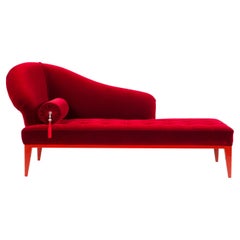
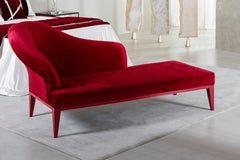
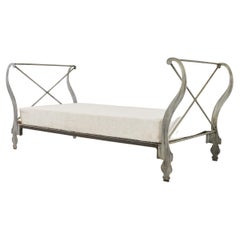
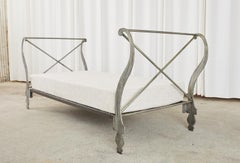
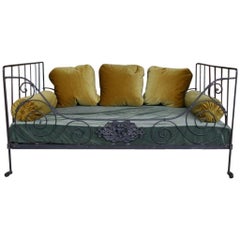
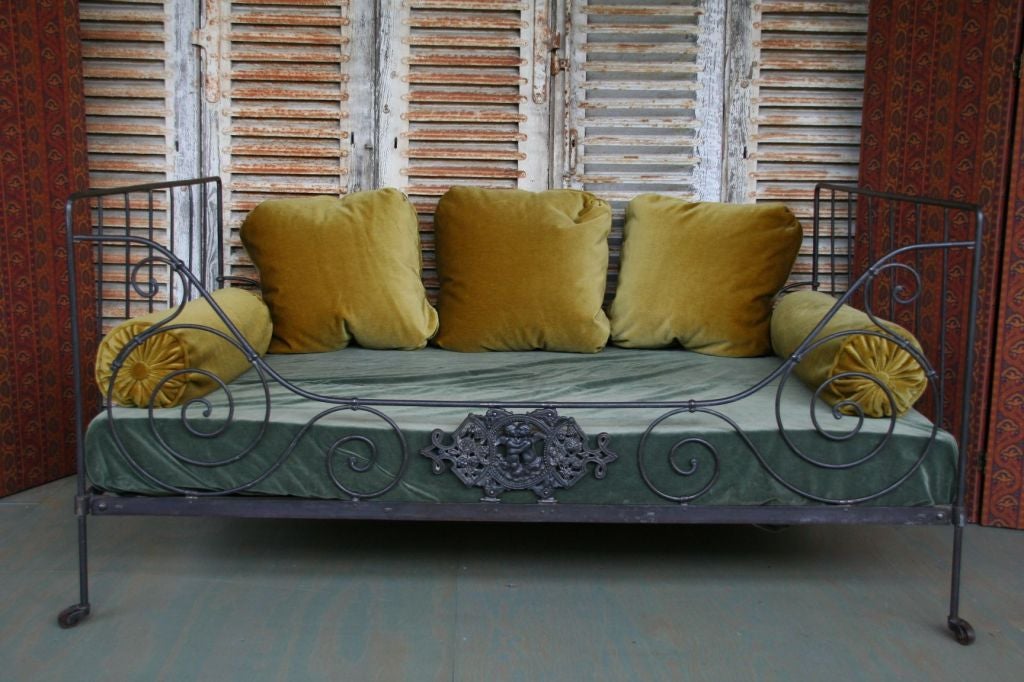
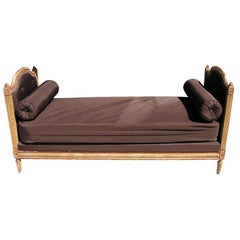
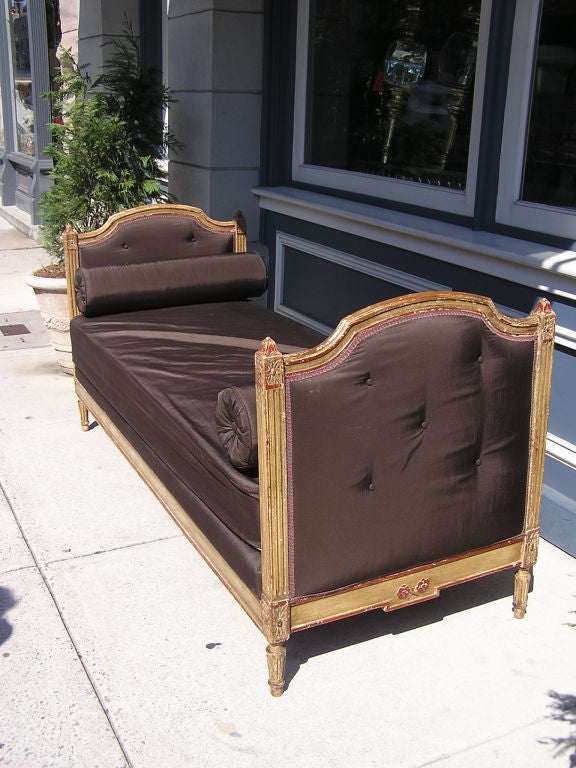
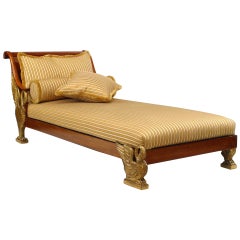
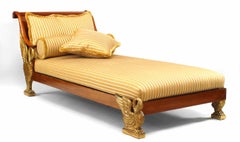
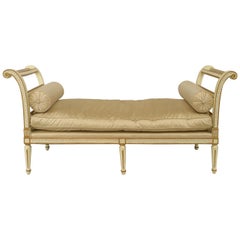
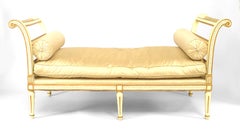
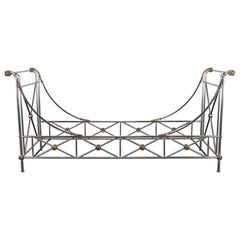
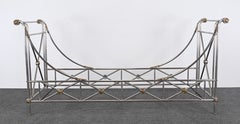
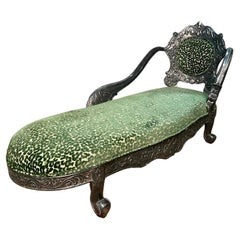
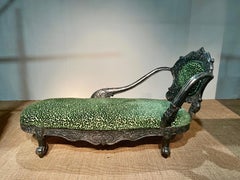
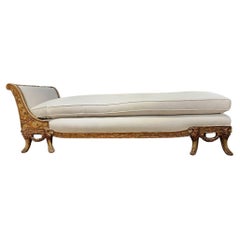
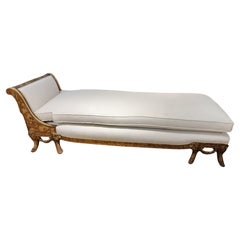
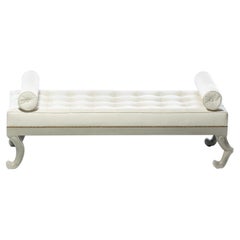
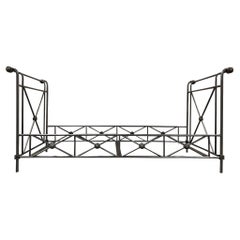
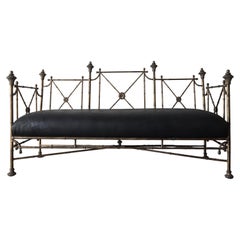
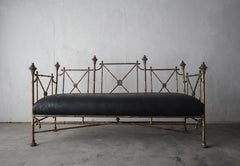
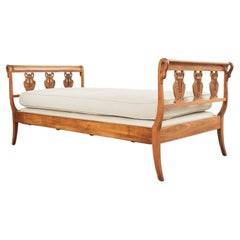
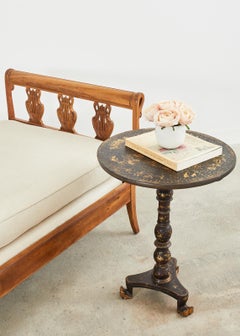
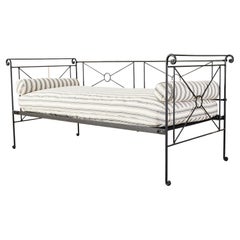
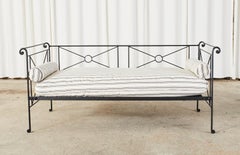
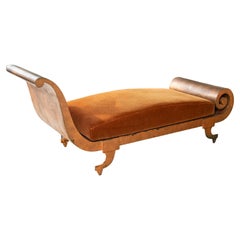
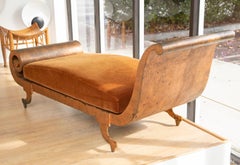
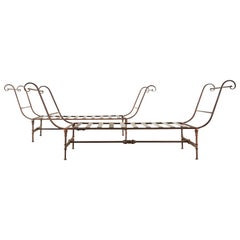
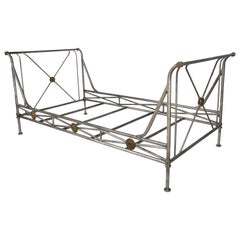
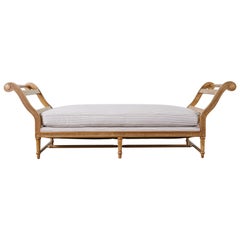
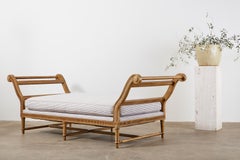
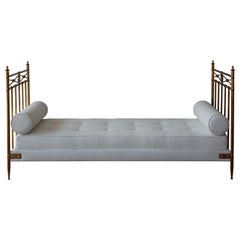
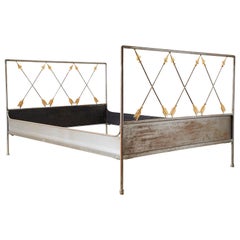
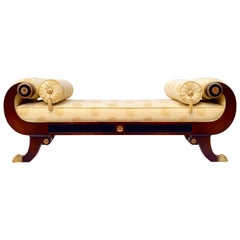
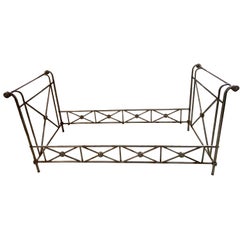
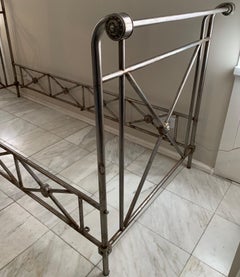
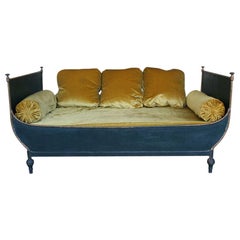
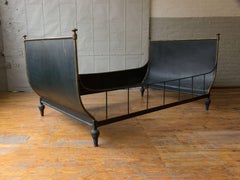
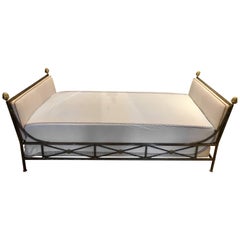
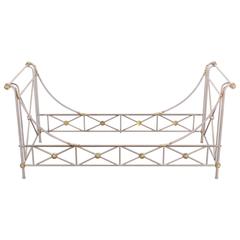
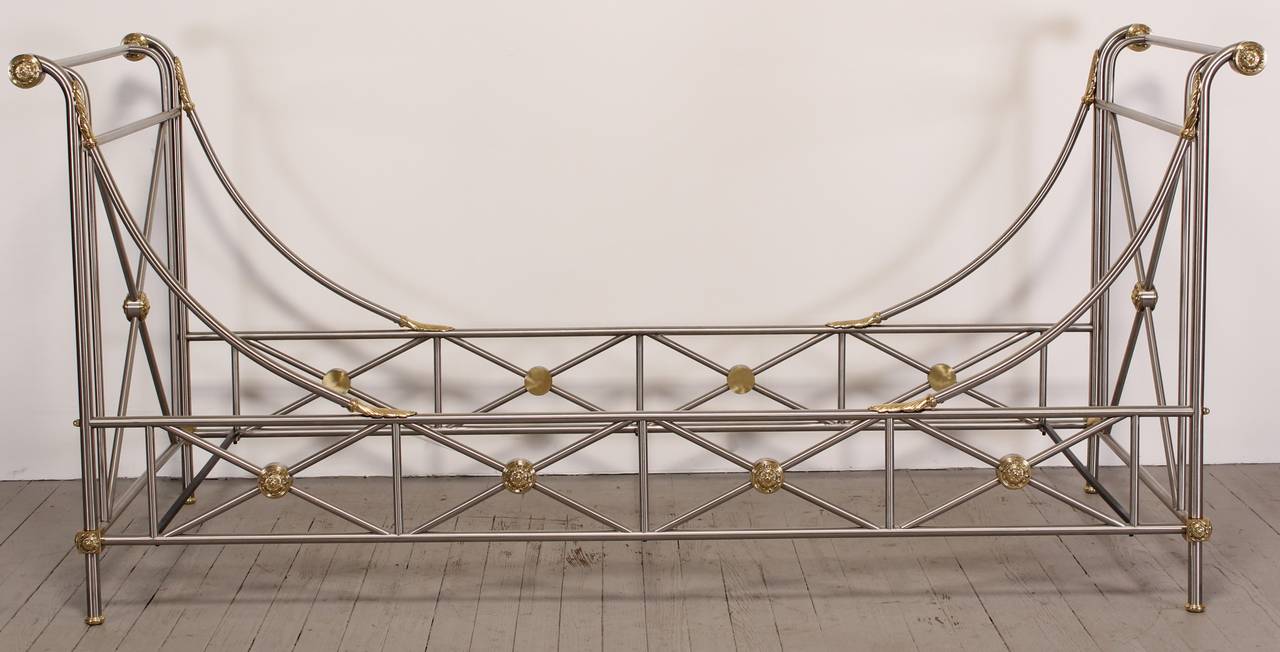
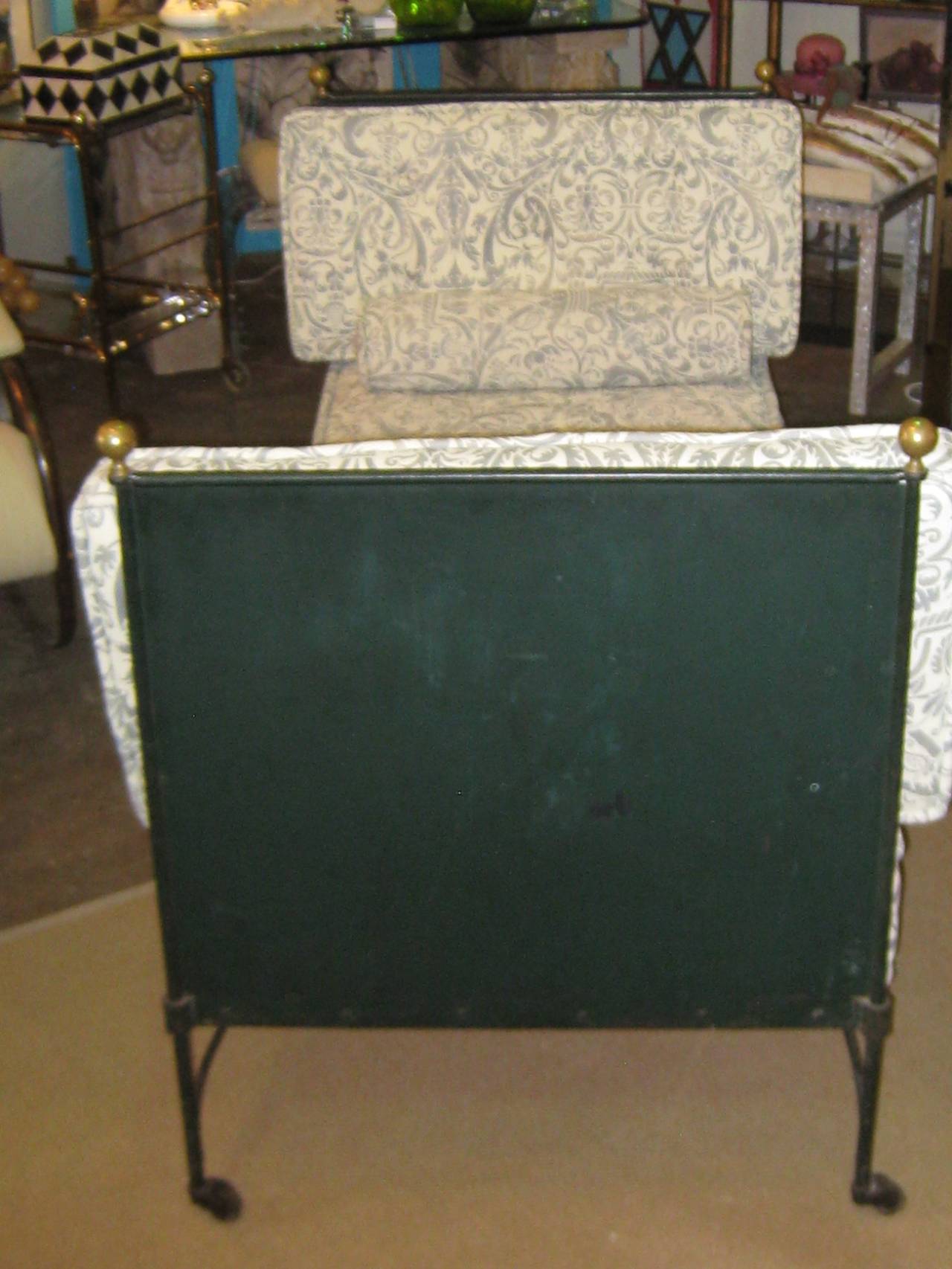
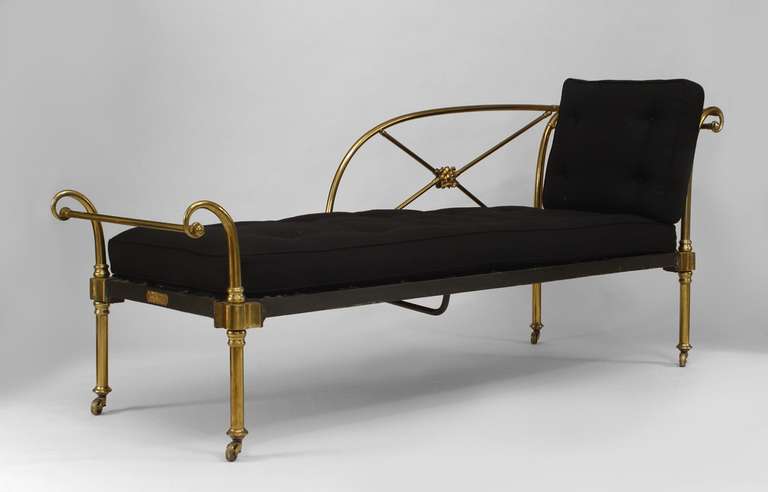
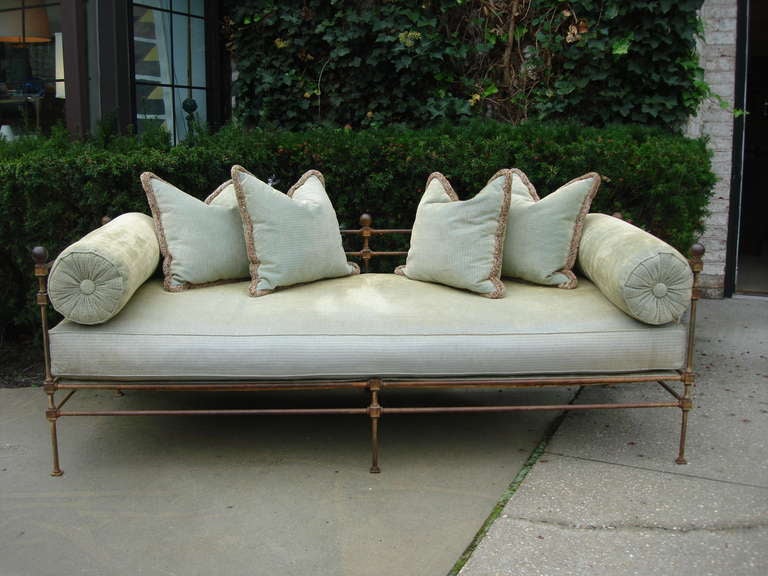
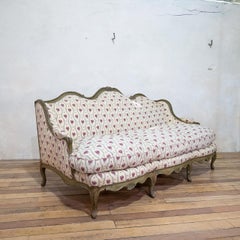
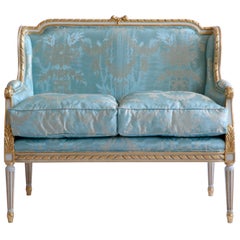
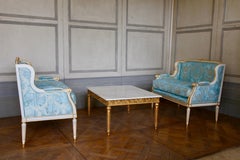
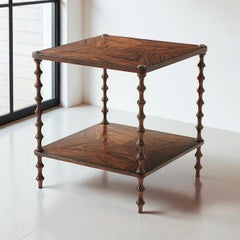
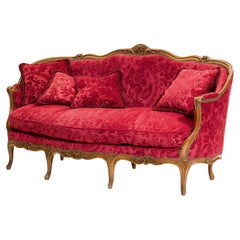
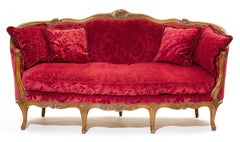
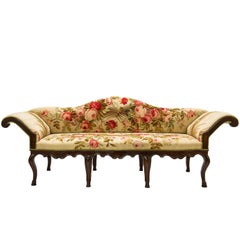
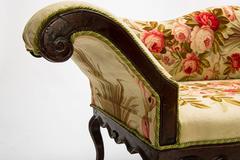
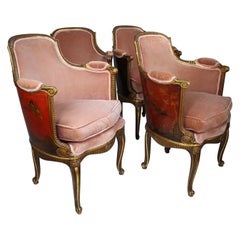
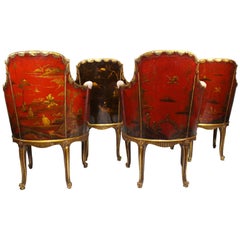
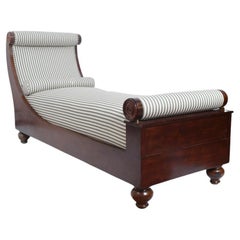
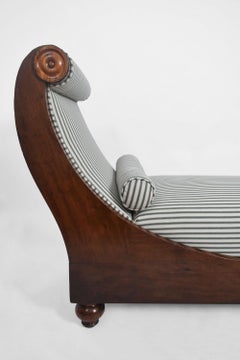
An assortment of neoclassical metal daybeds is available at 1stDibs. There are all kinds of neoclassical metal daybeds available, from those produced as long ago as the 18th Century to those made as recently as the 20th Century. Not every interior allows for large neoclassical metal daybeds, so small neoclassical metal daybeds measuring 17.72 inches across are available at 1stDibs.
Maison Jansen and
R. W. Winfield & Co. each produced beautiful neoclassical metal daybeds that are worth considering.
Neoclassical design emerged in Europe in the 1750s, as the Age of Enlightenment reached full flower. Neoclassical furniture took its cues from the styles of ancient Rome and Athens: symmetrical, ordered, dignified forms with such details as tapered and fluted chair and table legs, backrest finials and scrolled arms.
Over a period of some 20 years, first in France and later in Britain, neoclassical design — also known as Louis XVI, or Louis Seize — would supersede the lithe and curvaceous Rococo or Louis XV style.
The first half of the 18th century had seen a rebirth of interest in classical antiquity. The "Grand Tour" of Europe, codified as a part of the proper education of a patrician gentleman, included an extended visit to Rome. Some ventured further, to sketch the ruins of ancient Greece. These drawings and others — particularly those derived from the surprising and rich archaeological discoveries in the 1730s and ’40s at the sites of the Roman cities of Pompeii and Herculaneum — caused great excitement among intellectuals and aesthetes alike.
Neoclassical furniture is meant to reflect both grace and power. The overall appearance of neoclassical chairs, tables and cabinetry is strong and rectilinear. These pieces are, in effect, classical architecture in miniature: chair and table legs are shaped like columns; cabinets are constructed with elements that mirror friezes and pediments.
Yet neoclassicism is enlivened by gilt and silver leaf, marquetry, and carved and applied ornamental motifs based on Greek and Roman sculpture: acanthus leaves, garlands, laurel wreaths, sheaves of arrow, medallions and chair splats are carved in the shapes of lyres and urns. Ormolu — or elaborate bronze gilding — was essential to French design in the 18th and 19th centuries as a cornerstone of the neoclassical and Empire styles.
As you can see from the furniture on these pages, there is a bit of whimsy in such stately pieces — a touch of lightness that will always keep neoclassicism fresh.
Find antique neoclassical furniture today on 1stDibs.
An antique or vintage daybed is a practical solution for furnishing any modest-sized bedroom or guest room and can even be a versatile option for the reading nook in your living room.
Daybeds, which traditionally comprise a simple three-sided frame and twin-size mattress or boxy foam cushion, have a long history that dates back at least to the early Greeks and Romans. The spare construction and multipurpose nature of these multifunctional marvels — they’re not loveseats, sofas or chaise longues, but each share some commonalities — have over time rendered them an easy and often essential piece of seating.
All manner of daybeds have materialized over the years. There are ornate, unconventional versions created in the Louis XV, Art Deco and Empire styles, while popular mid-century modern iterations include the Barcelona daybed, designed by Ludwig Mies van der Rohe and Lilly Reich, as well as the Nelson daybed, which architect George Nelson created for Herman Miller in the 1940s. But you don’t have to limit yourself to one of the classics.
Variations on the daybed have been developed all over the world, and contemporary examples come in all shapes, upholstery options and sizes. (They’re no longer limited to twin size.) No matter what style you choose, this luxury furnishing ensures that you don’t have to wait until nighttime to start dreaming.
On 1stDibs, find a cozy collection of antique, new and vintage daybeds today.