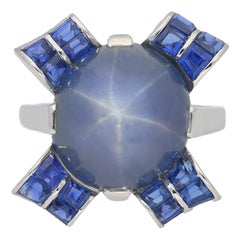
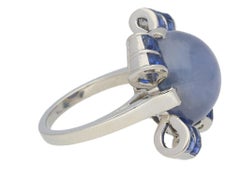
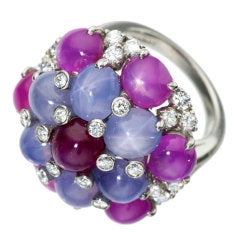
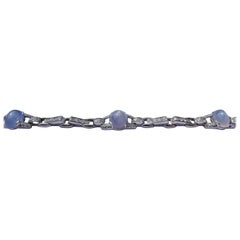
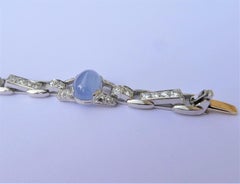
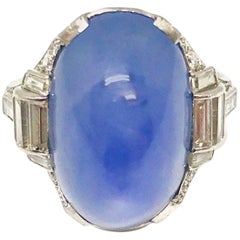
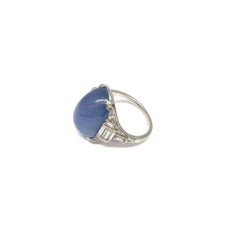
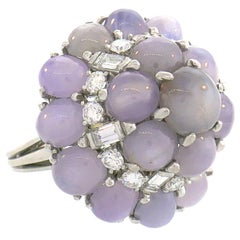
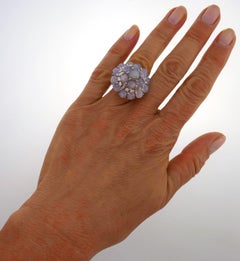
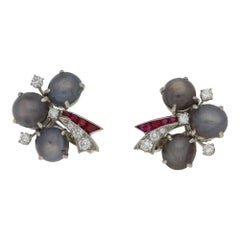
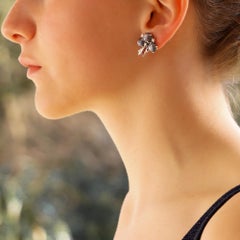
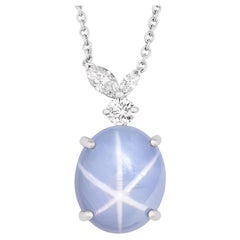
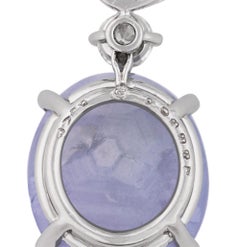
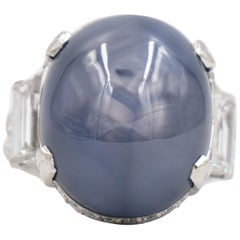
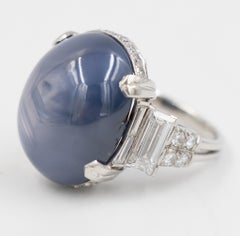
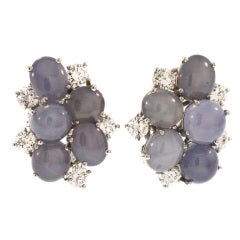
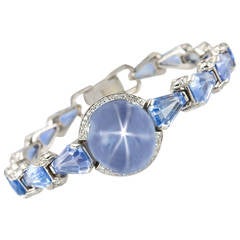
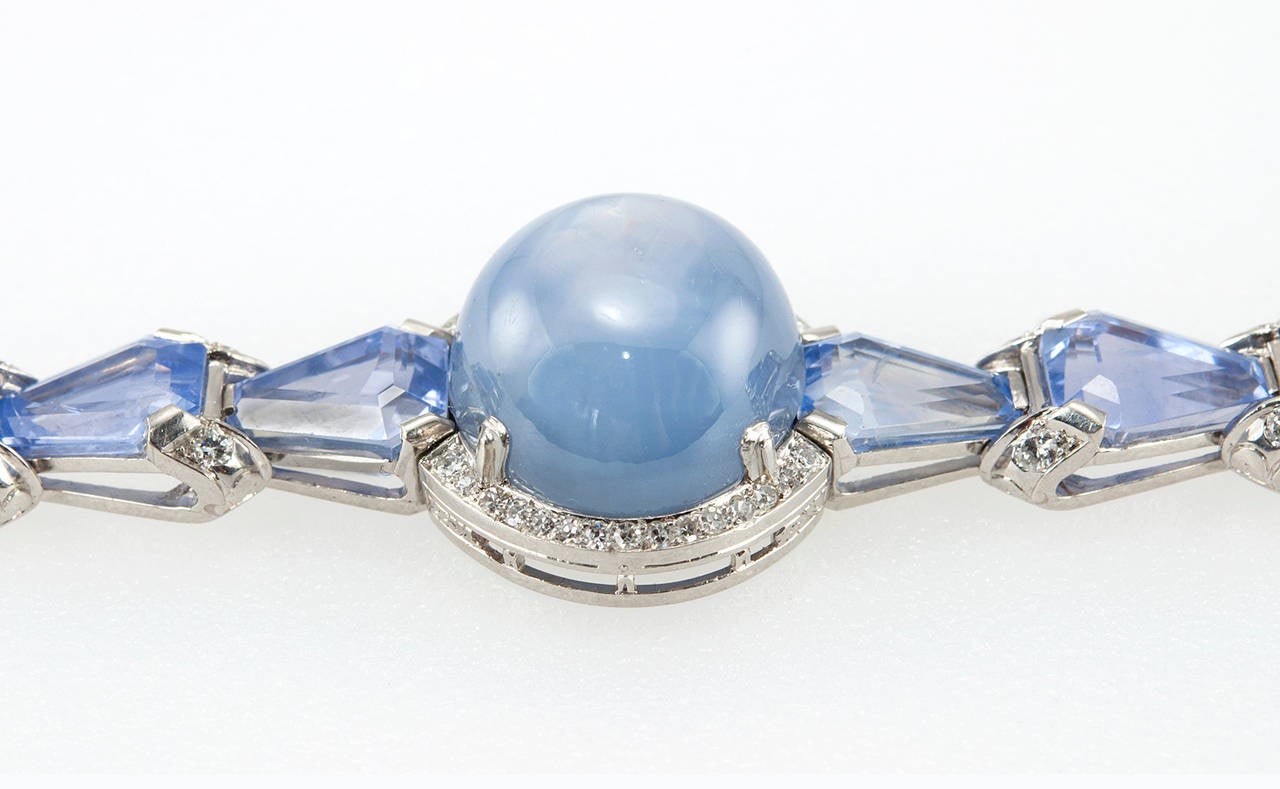
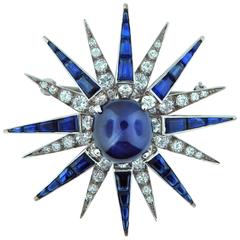
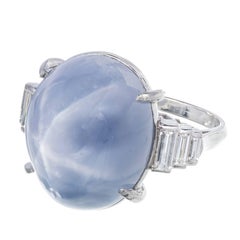
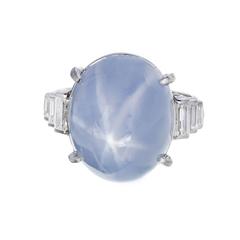
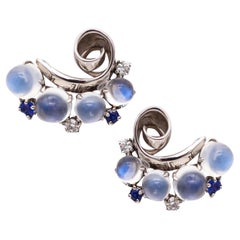
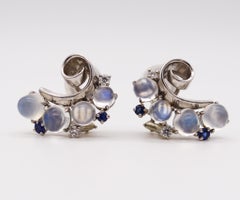
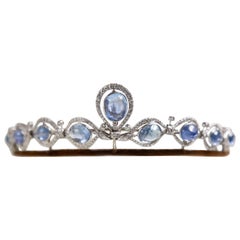
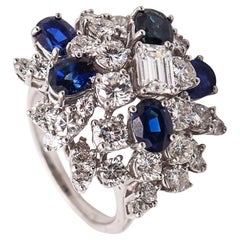
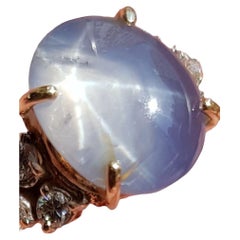
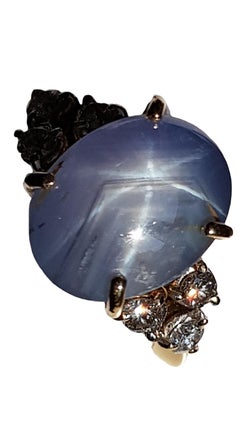
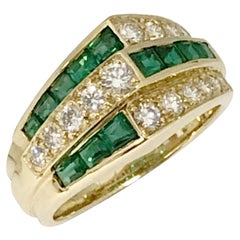
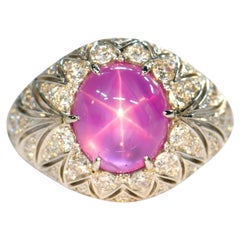
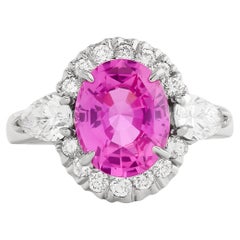
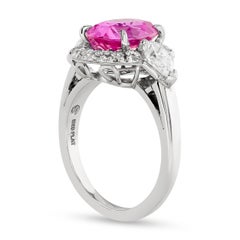
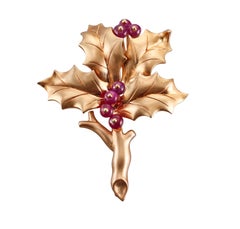
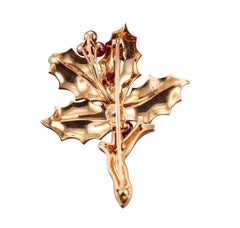
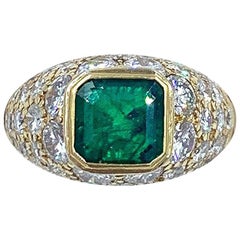
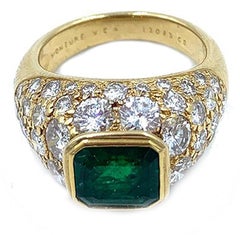
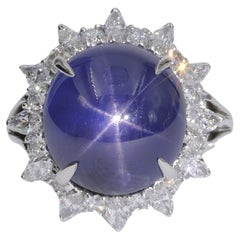
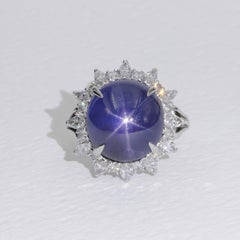
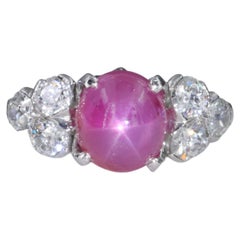
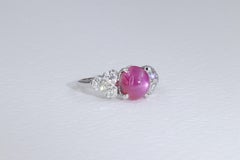
You are likely to find exactly the oscar heyman star sapphire you’re looking for on 1stDibs, as there is a broad range for sale. Each design created in this style — which was crafted with great care and often made from
Platinum,
18k Gold and
Gold — can elevate any look. Find an antique version now, or shop for 24 vintage or 2 modern creation for a more contemporary example of these cherished accessories. Finding the perfect oscar heyman star sapphire may mean sifting through those created during different time periods — you can find an early version that dates to the 20th Century and a newer variation that were made as recently as the 21st Century. A oscar heyman star sapphire from
Oscar Heyman and
Cartier — each of whom created a beautiful version of this treasured accessory — is worth considering. See these pages for a
cabochon iteration of this accessory, while there are also
oval cut cut and
round cut cut versions available here, too. When shopping for a oscar heyman star sapphire, you’ll find that there are less available pieces for unisex or
men today than there are for
women.
Prices for a oscar heyman star sapphire can differ depending upon size, time period and other attributes — at 1stDibs, these accessories begin at $9,900 and can go as high as $95,000, while this accessory, on average, fetches $21,750.
Known as “the jewelers’ jeweler,” Oscar Heyman (1888–1970) designed pieces for Cartier, Tiffany & Co., Van Cleef & Arpels, Harry Winston and Black, Starr & Frost. The family-run Oscar Heyman & Brothers jewelry company was founded by Heyman with his brothers Nathan and Harry in 1912. Jewelers from Latvia, they had trained at their great-uncle’s workshop, which had clients including Russian imperial jeweler Fabergé, before immigrating to the United States in the early 1900s.
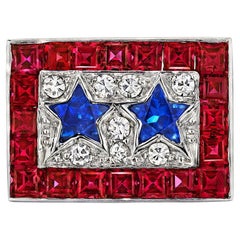
After arriving in New York, Oscar worked with Pierre Cartier and Nathan was a tool maker at Western Electric before they came together to open their jewelry business. Highly skilled craftsmen, the Heyman brothers quickly developed a roster of high-profile clients — primarily big-name jewelers — drawn to their work with dazzling stones and meticulous design. In 1917, Black, Starr & Frost commissioned the brothers to design an American flag brooch, which would become a recurring motif in the Oscar Heyman & Brothers portfolio. They also designed the Pansy brooch in the 1930s, another long-popular accessory that was produced exclusively for Tiffany & Co. toward the end of the 20th century. After Heyman designed for four of the five jewelers on view at the 1939 World’s Fair House of Jewels (Cartier, Udall & Ballou, Marcus & Co. and Black, Starr & Frost), the company was given the moniker “the jewelers’ jeweler.”
Heyman & Brothers later designed gem-encrusted medallions that traveled to the moon on Apollo 16, the necklace setting for the 69-carat diamond Richard Burton gave Elizabeth Taylor in 1969 and even a pair of ruby-encrusted Stuart Weitzman stilettos in 2003. Over the years, the company has entranced such clients as Evelyn Lauder, Marjorie Merriweather Post, Billy Porter and Tina Fey with its pieces.
In 2012, the century-old jeweler underwent a rebranding to simplify its name to Oscar Heyman and today is still run by the Heyman family, which manages the whole process from alloying their own metal to cutting and polishing their gemstones to assembling the final product in-house. In 2017, the Museum of Fine Arts, Boston published a monograph authored by Yvonne J. Markowitz and Elizabeth Hamilton that details for a broader audience the history of Oscar Heyman, an unsung company that’s long been behind some of the biggest names in jewelry.
Shop authentic Oscar Heyman rings, brooches and bracelets on 1stDibs.
On 1stDibs, shop the bright blue gems that star in sapphire rings, sapphire necklaces and other vintage and antique sapphire jewelry.
Sapphires — the stone of choice for Napoleon, Princess Diana and Elizabeth Taylor — have been a favorite of aristocrats and the well-to-do since the time of the Ancient Greeks.
Picture a sapphire. If the stone you conjure is a deep cornflower blue, you’re seeing only part of the picture. Although blue Kashmirs are considered the most valuable, sapphires come in every color except red. No matter the hue, this very special gem is rich in history and beloved by royals (FYI, Princess Diana and Kate Middleton share an 11-carat sapphire engagement ring), so September babies are in very noble company.
America’s version of royalty — old money and celebrities — have also shown a predilection for the blue stones. In 1940, John D. Rockefeller Jr. had Cartier mount a 62-carat sapphire he had bought from an Indian maharajah in a brooch for his first wife, Abby Aldrich Rockefeller; in 2001, the piece sold for a then-record of $3,031,000 at Christie’s New York.
The grand dame of jewelry, Elizabeth Taylor had a passion for the gems that her lovers were happy to indulge. Second husband Michael Wilding gave her an engagement ring set with a cabochon sapphire, while Richard Burton famously presented her with a BVLGARI sautoir set with diamonds and sapphires, including at its center a cabochon Burmese weighing 52.72 carats. One of the star lots in the sale of Taylor’s jewels at the Christie’s New York in 2011, it sold for $5,906,500.
You don’t have to have blue blood or a bulging bank account, however, to get an eyeful of this much-coveted gem. A number of outstanding examples reside in public collections.
The Smithsonian Museum of Natural History owns the 423-carat Logan sapphire, a gift from the Guggenheim family, and the Hall sapphire and diamond necklace, designed by Harry Winston and featuring 36 fine, well-matched cushion-cut Sri Lankan sapphires weighing a combined 195 carats. Also in the collection is the Bismarck sapphire necklace, designed by Cartier and sporting a central sapphire weighing 98.6 carats, which Mona Von Bismarck donated to the museum.
Sapphires are composed of corundum. Their color derives from trace elements, such as iron, titanium, chromium, copper or magnesium. When the trace element produces a ruby hue, the stone is called, what else, a ruby. (which is, as mentioned above, why sapphires cannot be red by definition).
The allure of large gemstones endures throughout the periods characterized as vintage, and sapphire features frequently in vintage engagement rings. (On 1stDibs, a range of buying guides can be found for those in the market for antique engagement rings, vintage engagement rings or Art Deco engagement rings.)
Find an exquisite collection of vintage and antique sapphire jewelry on 1stDibs.