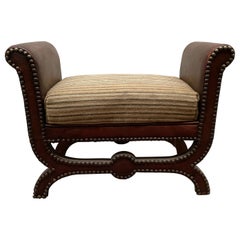
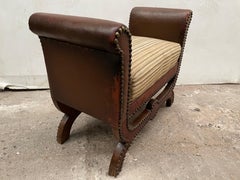
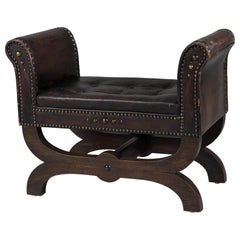
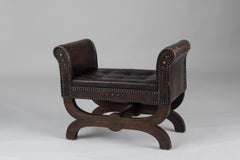
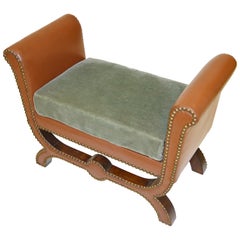
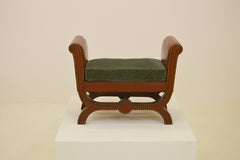
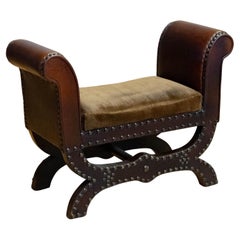
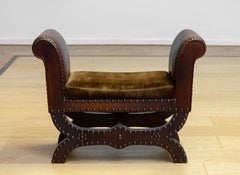
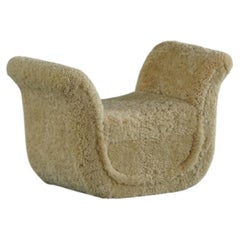
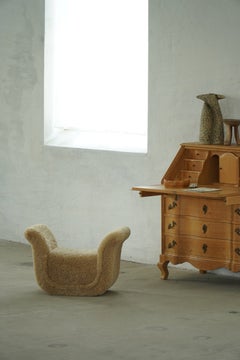
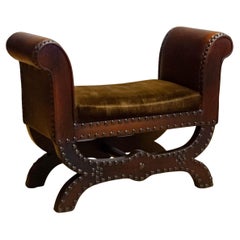
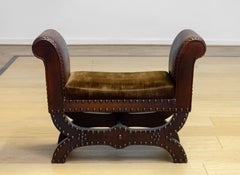
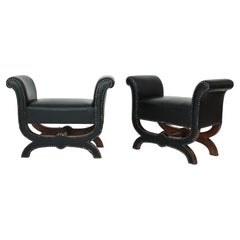
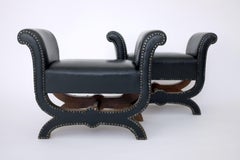
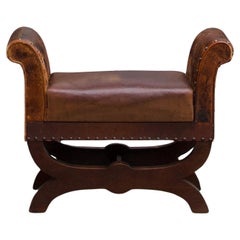
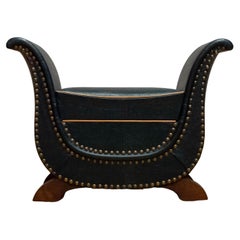
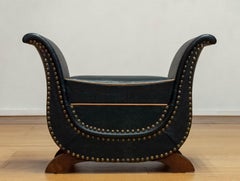
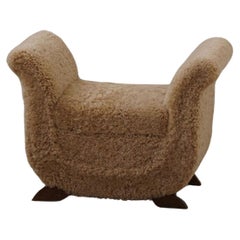
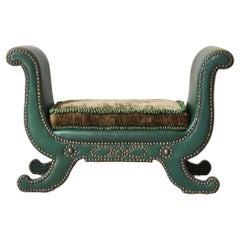
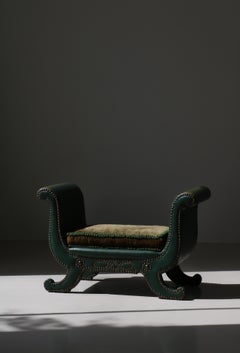
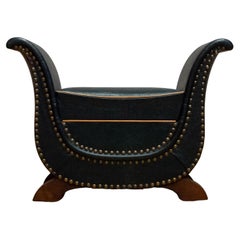
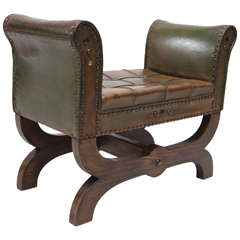
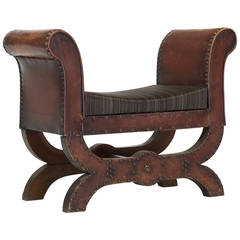
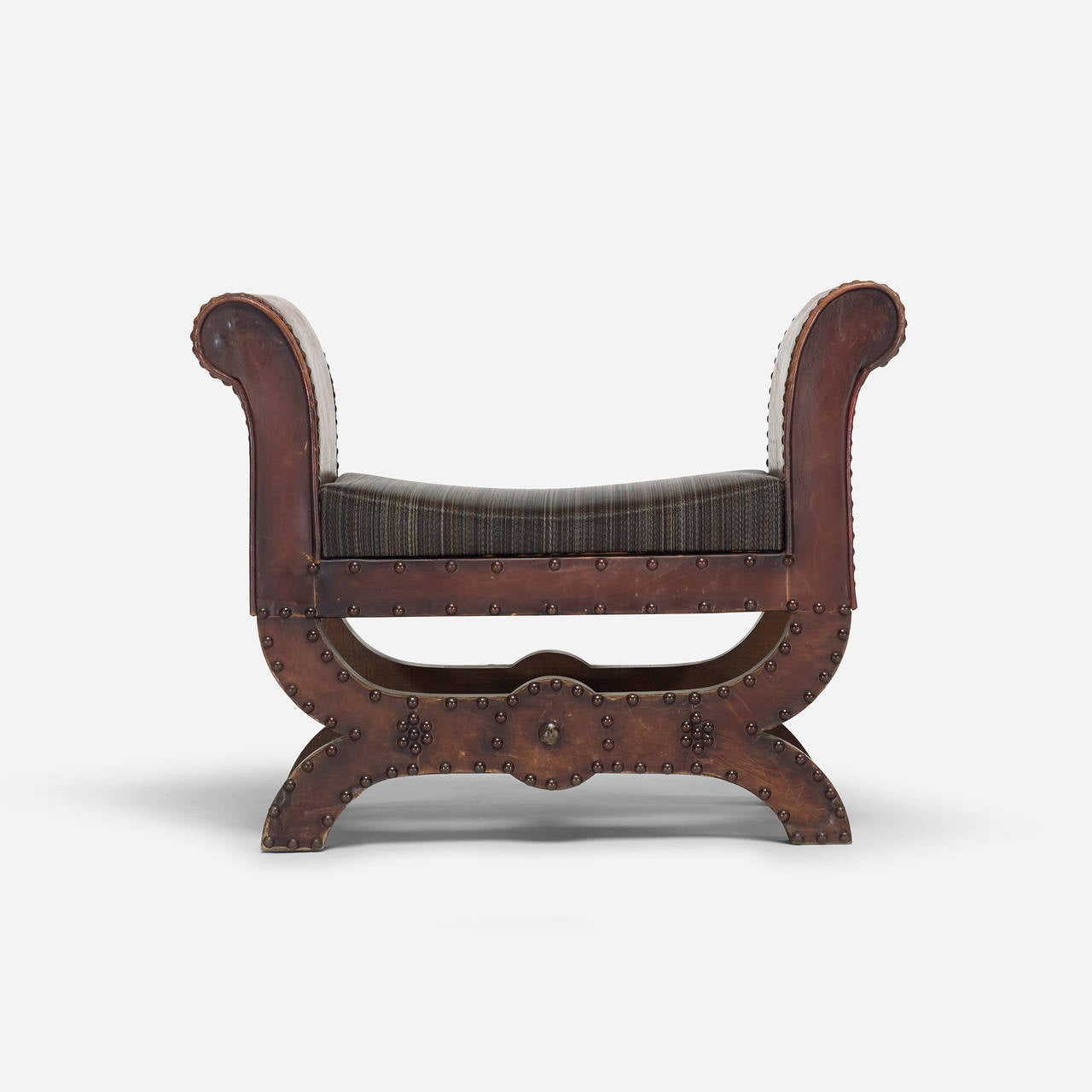
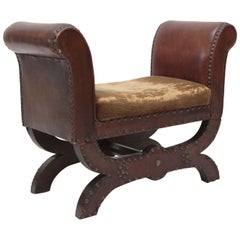
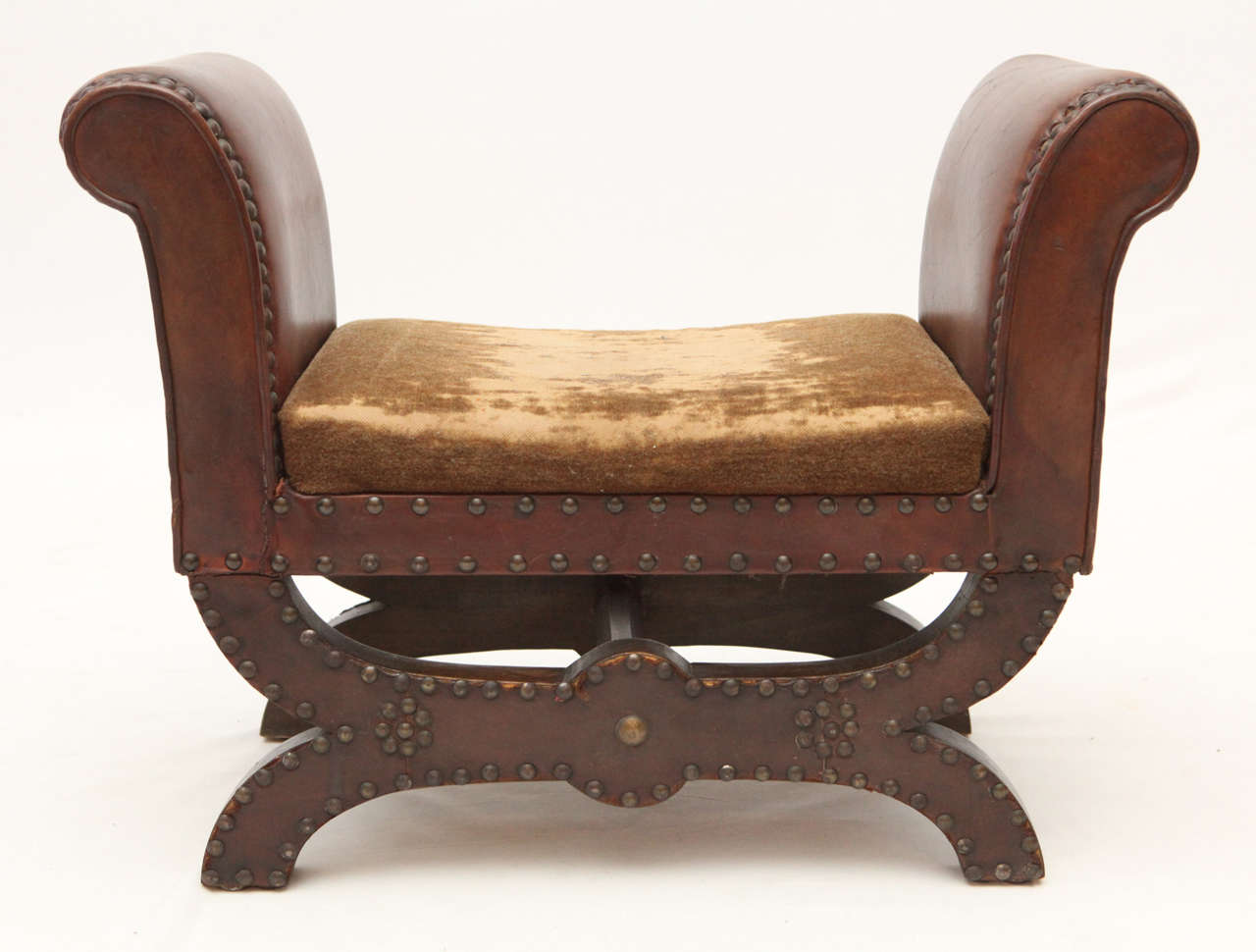
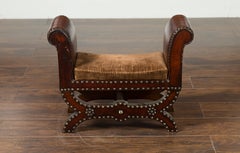
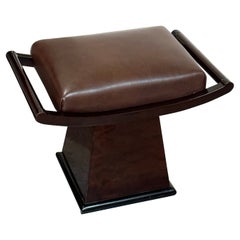
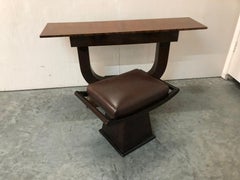
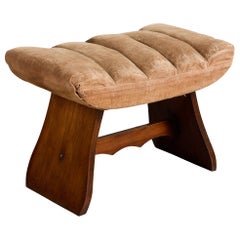
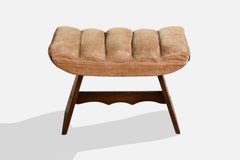
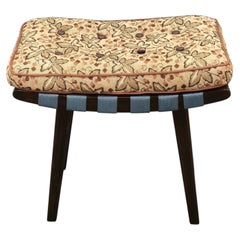
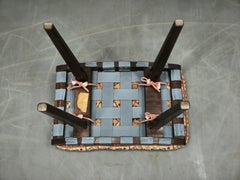
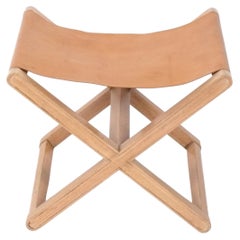
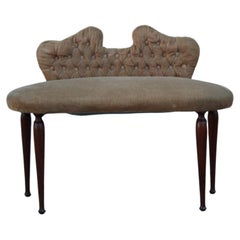
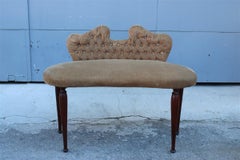
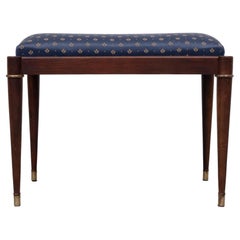
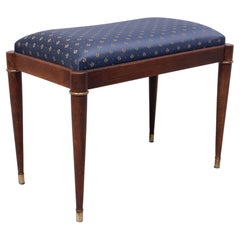
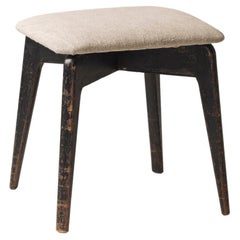
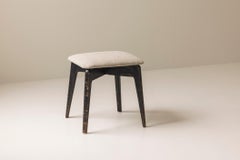
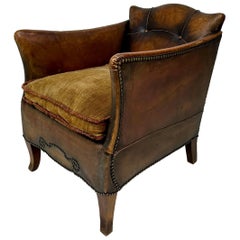
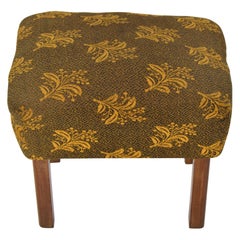
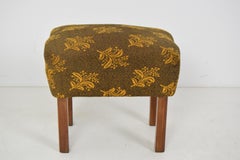
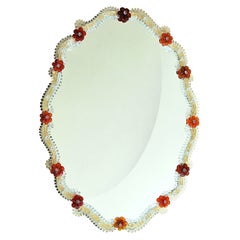
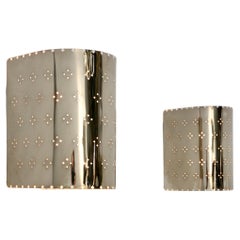
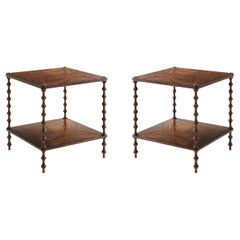
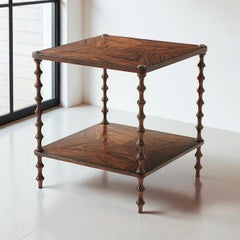
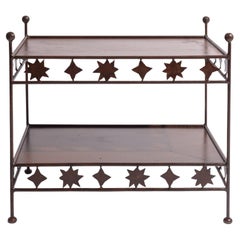
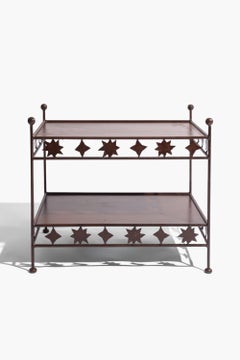
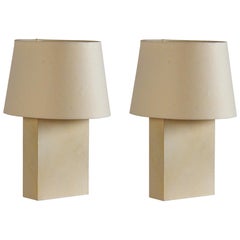
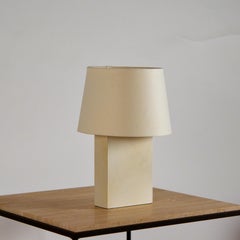
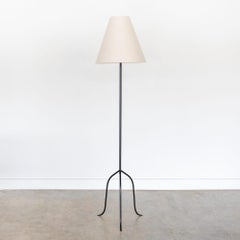
Throughout his career as an interior and furniture designer, publisher and founder of the Swedish furniture company Boet, Otto Schultz was a key figure in promoting mid-century modern Scandinavian design.
Born in Germany in 1882, Schultz moved to Sweden in 1907, where he became interested in designing furniture and interiors. In 1920, Schultz founded his furniture company Boet in Gothenburg, where he created functional and traditional designs featuring quintessential elements of Scandinavian furnishings. Around the same time, Schultz started the design and living magazine Boet, which published articles and profiles highlighting Sweden’s most influential architects and designers. He served as Boet’s publisher and editor until 1938.
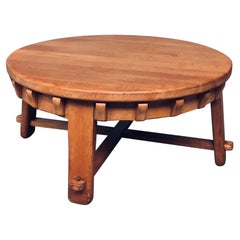
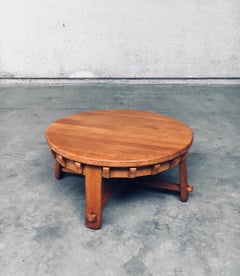
During the 1930s, Schultz created a range of opulent Scandinavian modern and neoclassical furniture, including cabinets, secretaires and side tables, using fine woods like elm, birch, mahogany and walnut. Many of his pieces showcased his patented use of decorative nails called Bopoint.
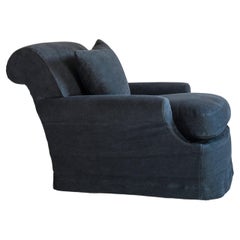
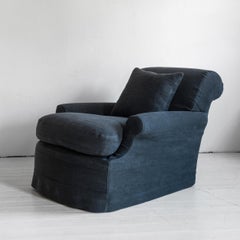
He was best known for the Schultz lounge chair, which he designed in 1936. Its voluptuous design featured a generous seat and a large, curved backrest and it was upholstered with a luxurious blend of alpaca and wool. The Schultz chair was highly popular in Sweden in the 1940s. While Boet originally produced it, Swedish furniture manufacturer Jio Möbler took over its production in 1941.
Schultz operated Boet until his retirement in 1950. He died in 1970. Today, Schultz’s pieces are favorites among interior designers and collectors seeking a mix of modern Scandinavian simplicity and lavish decorative style.
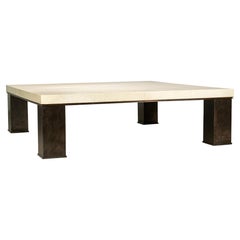
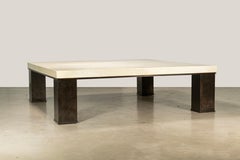
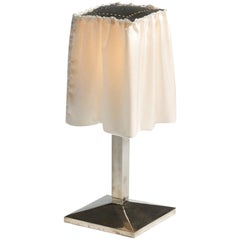
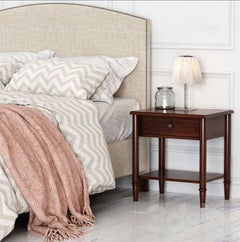
On 1stDibs, discover vintage Otto Schultz seating, storage cabinets and case pieces, tables and more.
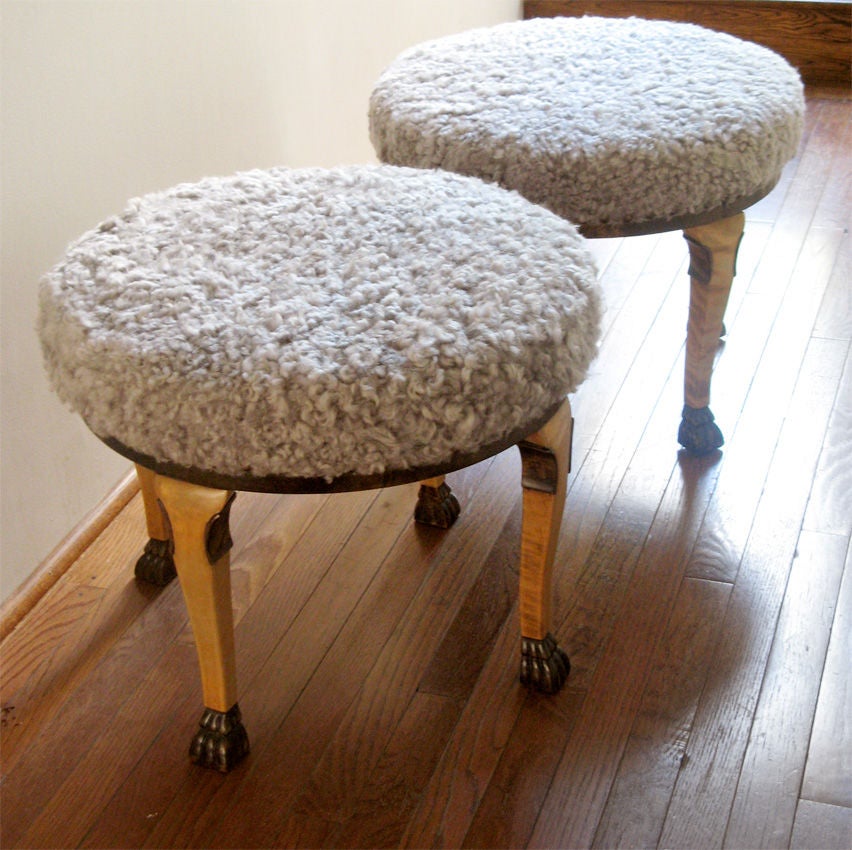
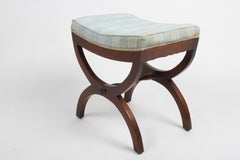
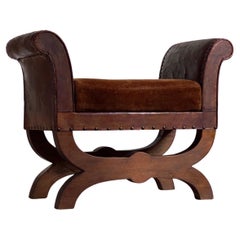
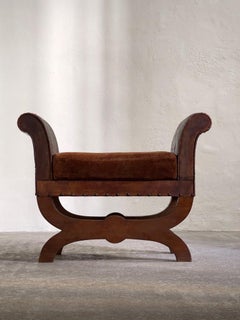
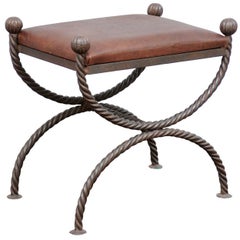
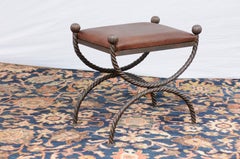
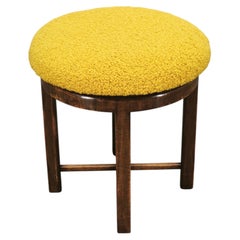
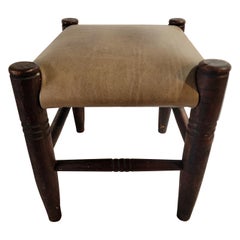
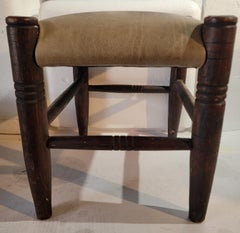
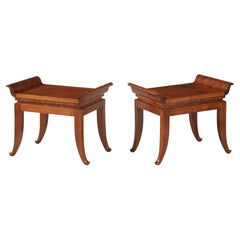
Stools are versatile and a necessary addition to any living room, kitchen area or elsewhere in your home. A sofa or reliable lounge chair might nab all the credit, comfort-wise, but don’t discount the roles that good antique, new and vintage stools can play.
“Stools are jewels and statements in a space, and they can also be investment pieces,” says New York City designer Amy Lau, who adds that these seats provide an excellent choice for setting an interior’s general tone.
Stools, which are among the oldest forms of wooden furnishings, may also serve as decorative pieces, even if we’re talking about a stool that is far less sculptural than the gracefully curving molded plywood shells that make up Sōri Yanagi’s provocative Butterfly stool.
Fawn Galli, a New York interior designer, uses her stools in the same way you would use a throw pillow. “I normally buy several styles and move them around the home where needed,” she says.
Stools are smaller pieces of seating as compared to armchairs or dining chairs and can add depth as well as functionality to a space that you’ve set aside for entertaining. For a splash of color, consider the Stool 60, a pioneering work of bentwood by Finnish architect and furniture maker Alvar Aalto. It’s manufactured by Artek and comes in a variety of colored seats and finishes.
Barstools that date back to the 1970s are now more ubiquitous in kitchens. Vintage barstools have seen renewed interest, be they a meld of chrome and leather or transparent plastic, such as the Lucite and stainless-steel counter stool variety from Indiana-born furniture designer Charles Hollis Jones, who is renowned for his acrylic works. A cluster of barstools — perhaps a set of four brushed-aluminum counter stools by Emeco or Tubby Tube stools by Faye Toogood — can encourage merriment in the kitchen. If you’ve got the room for family and friends to congregate and enjoy cocktails where the cooking is done, consider matching your stools with a tall table.
Whether you need counter stools, drafting stools or another kind, explore an extensive range of antique, new and vintage stools on 1stDibs.