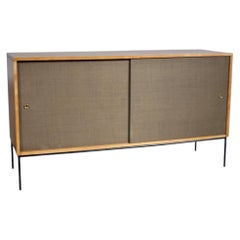
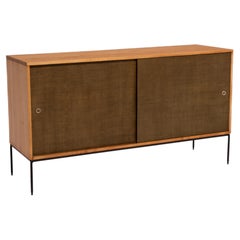
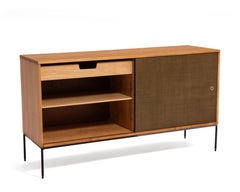
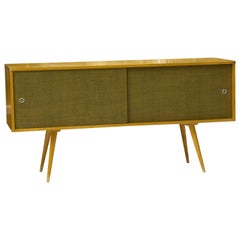
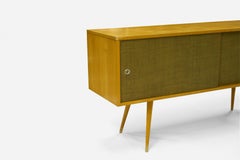
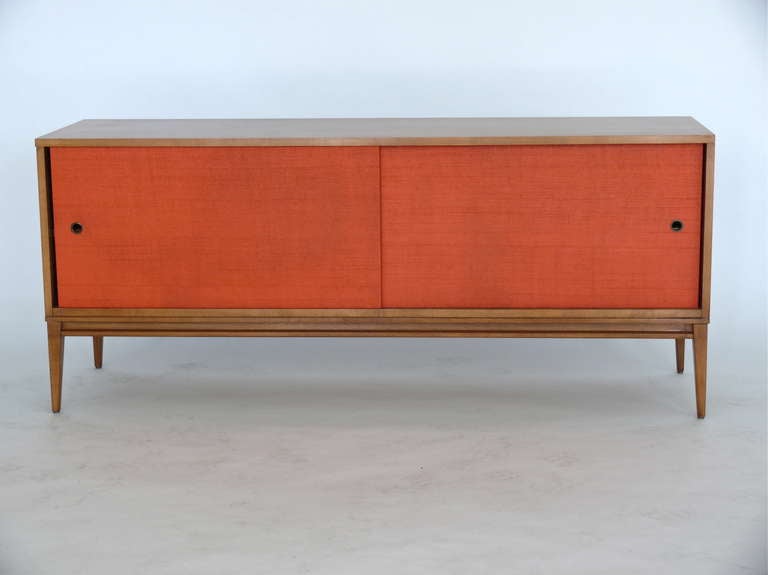
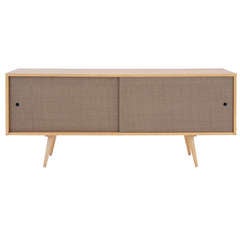
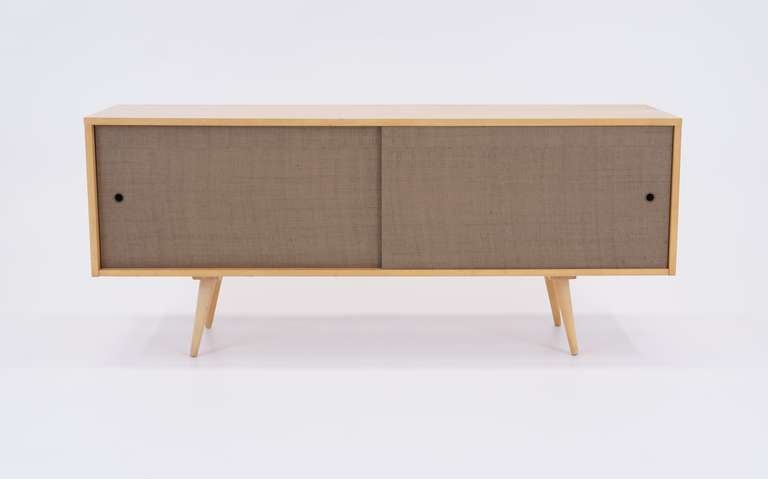
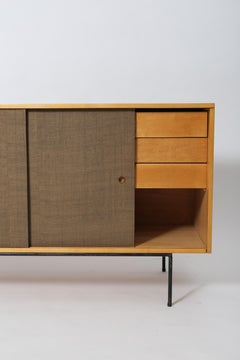
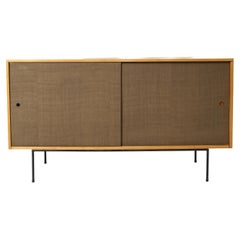
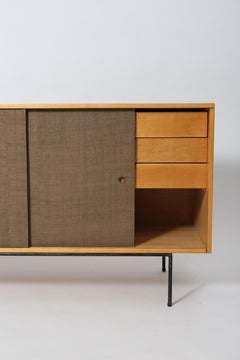
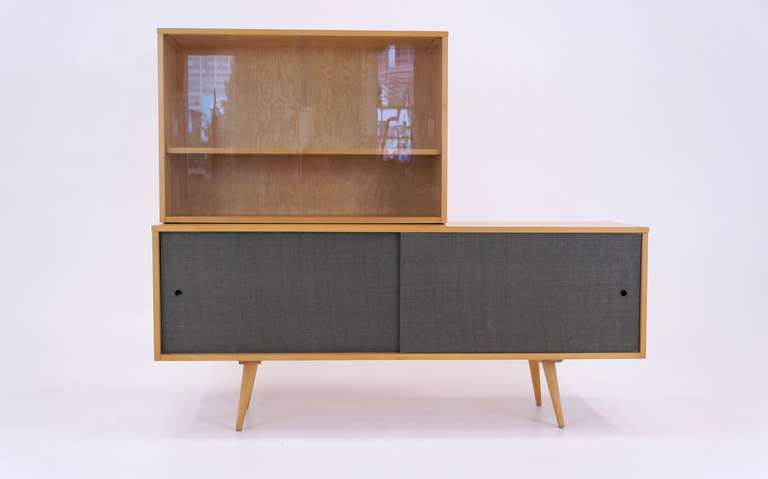
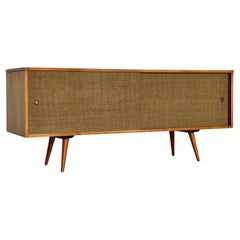
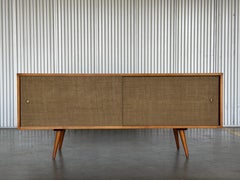
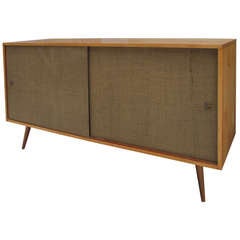
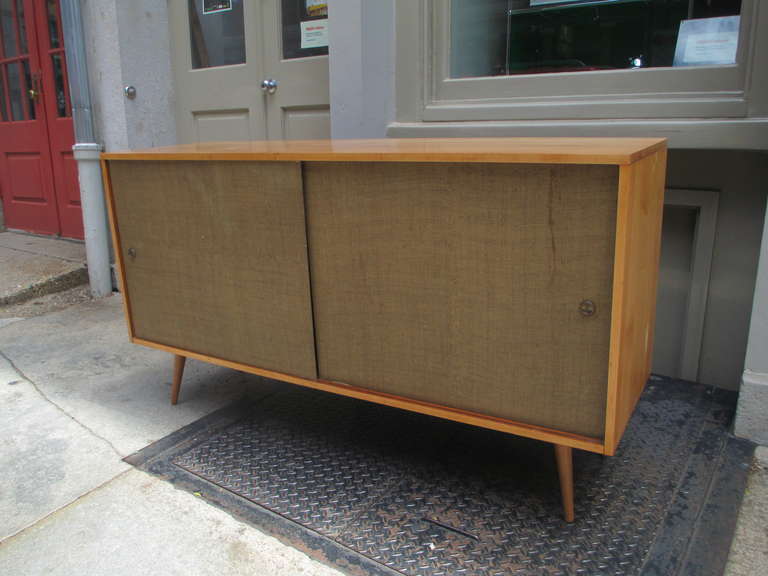
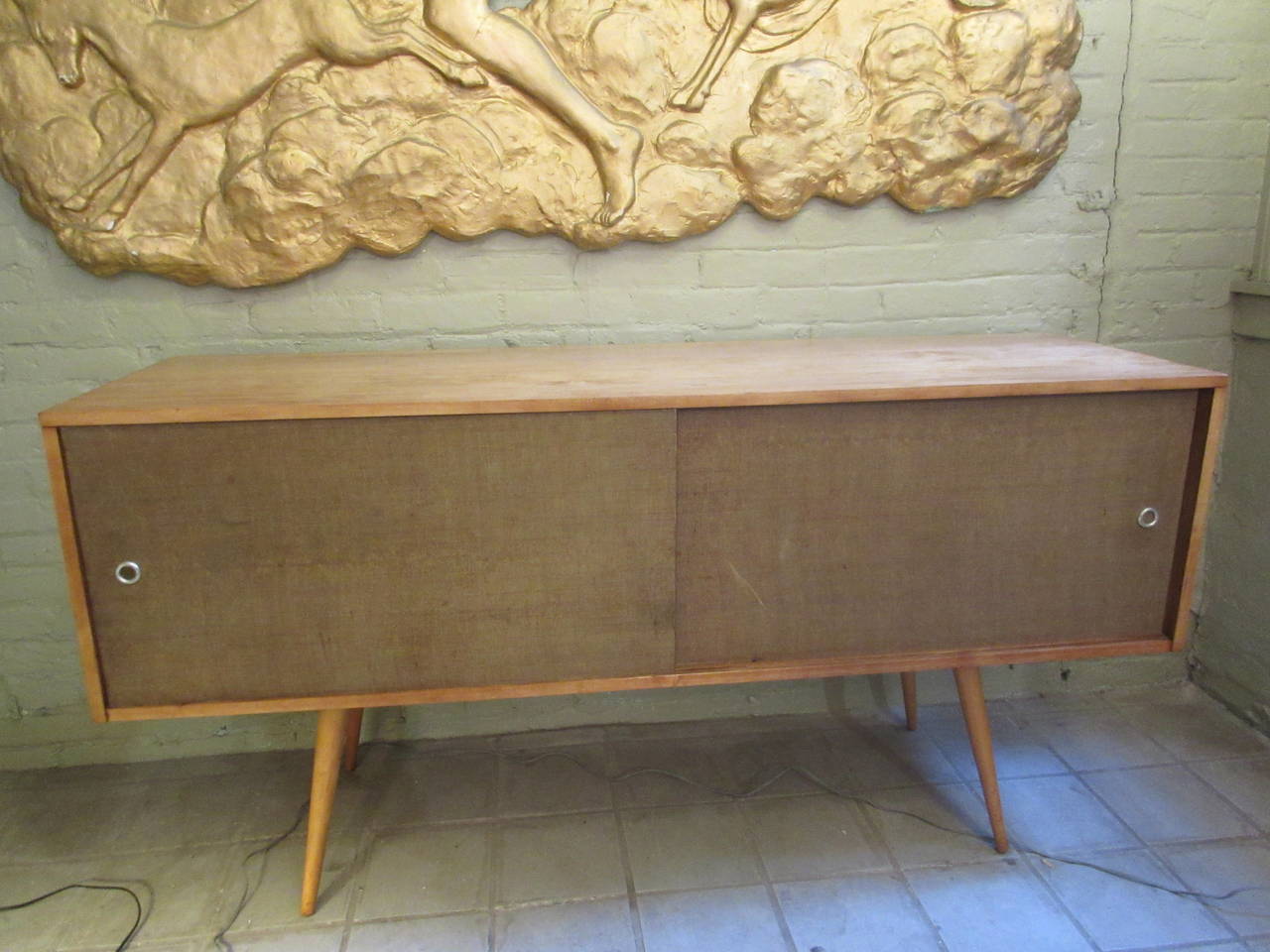
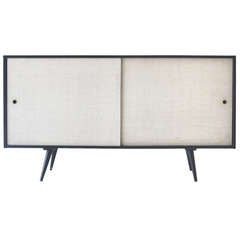
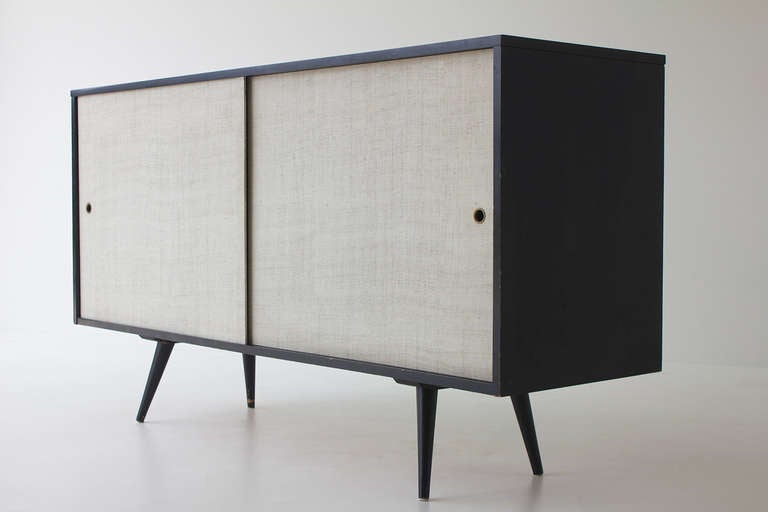
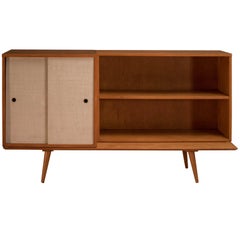
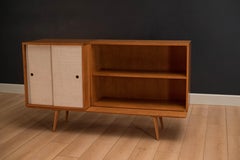
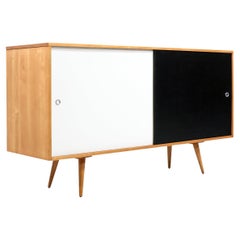
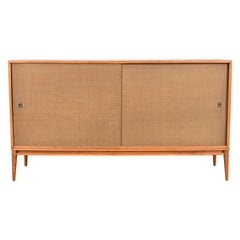
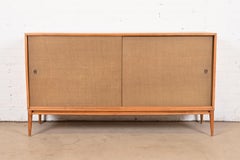
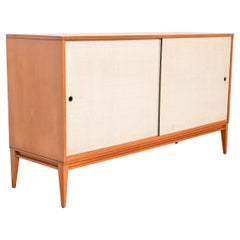
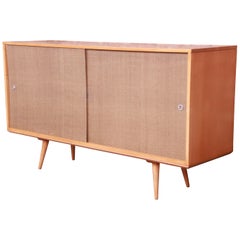
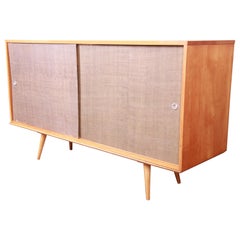
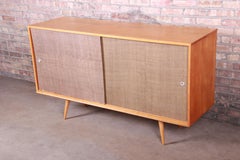
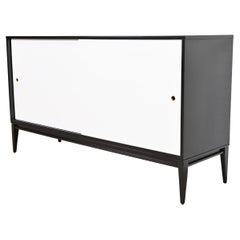
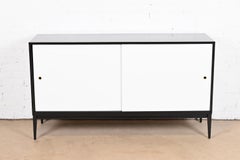
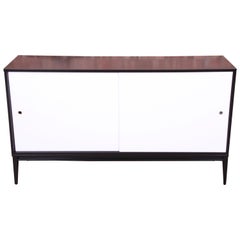
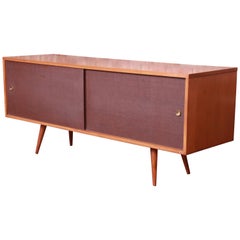
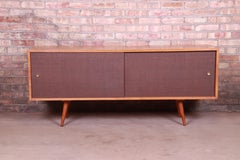
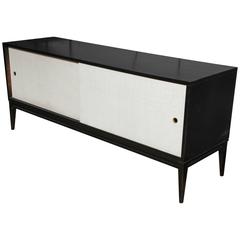
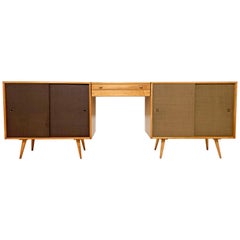
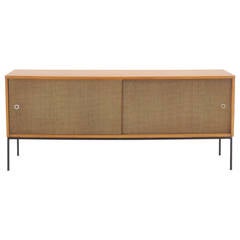
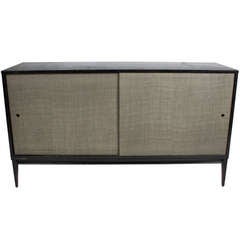
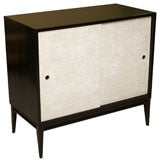
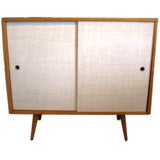
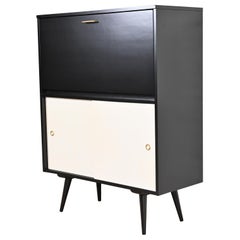
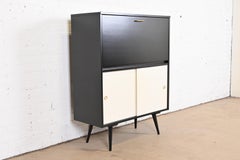
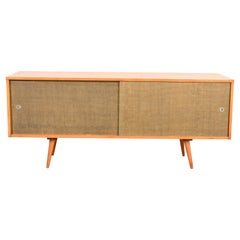
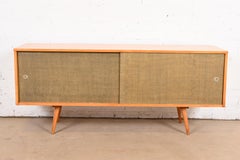
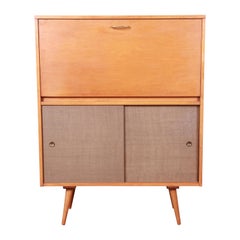
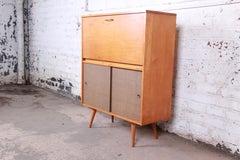
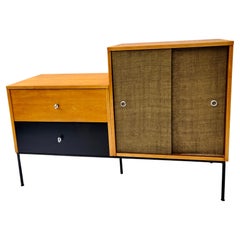
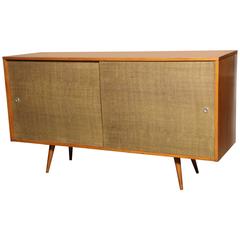
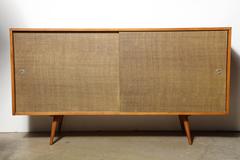
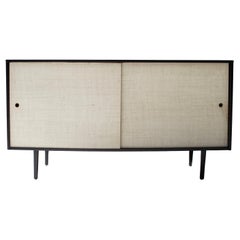
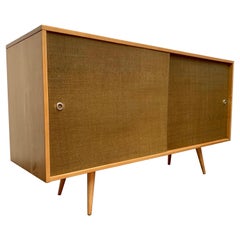
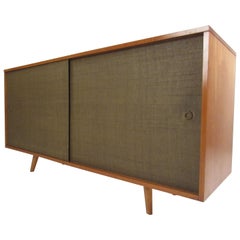
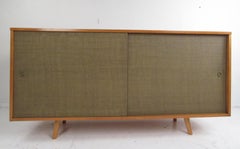
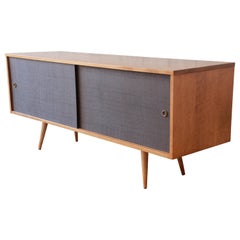
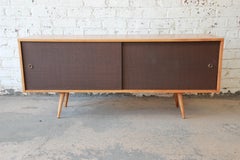
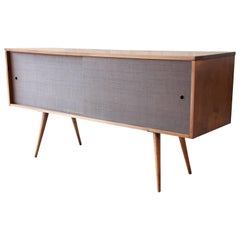
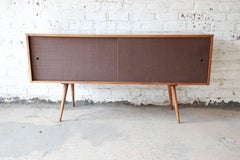
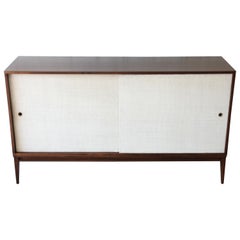
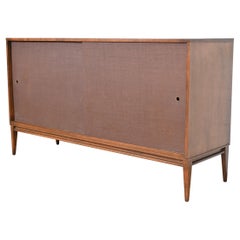
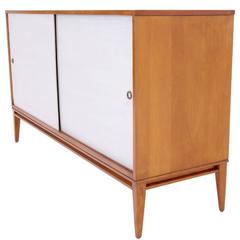
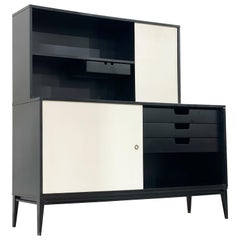
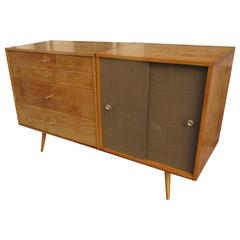
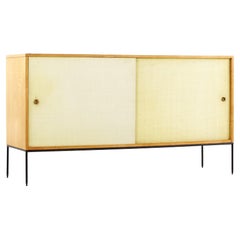
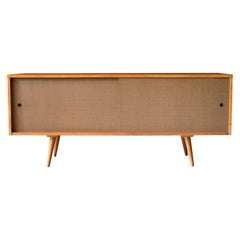
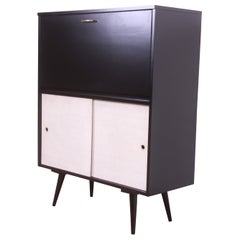
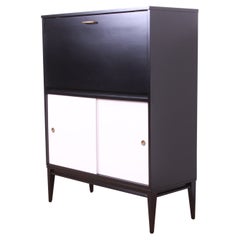
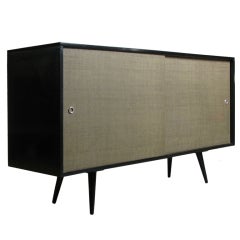
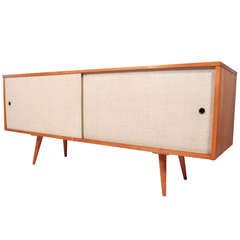
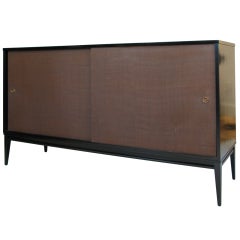
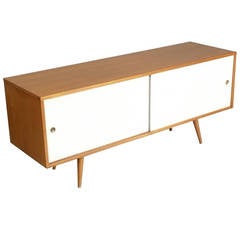
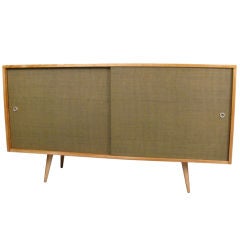
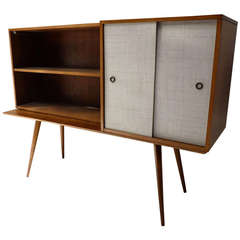
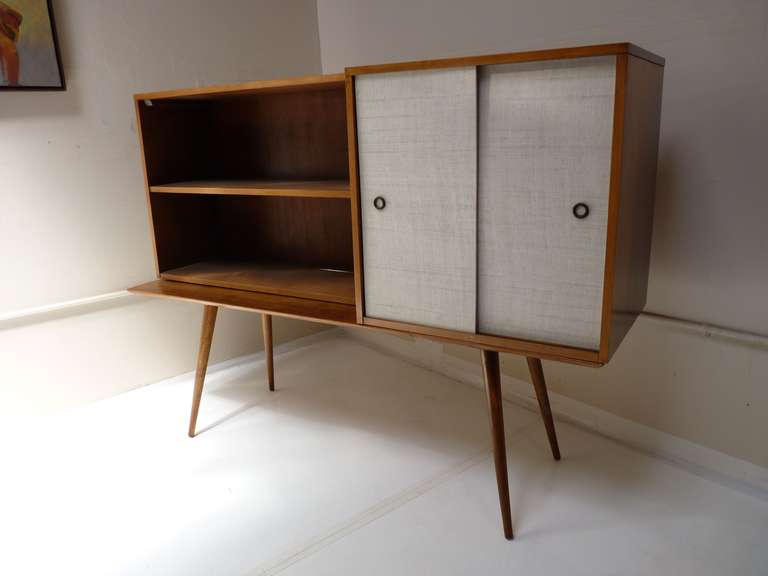
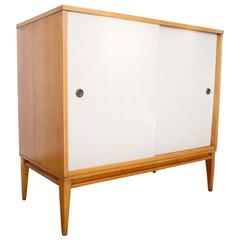
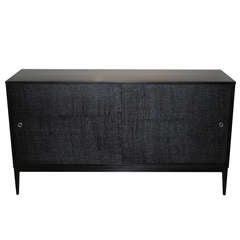
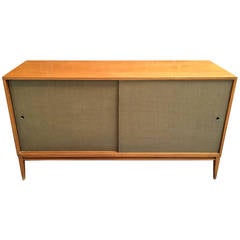
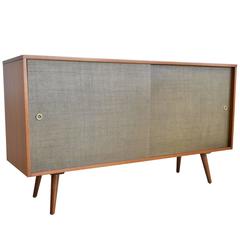
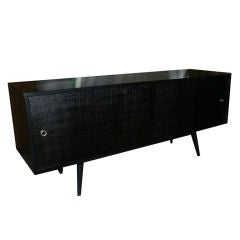
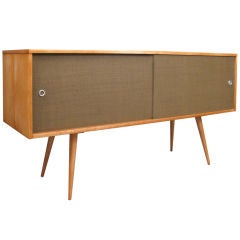
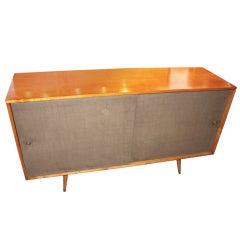
Find many varieties of an authentic paul mccobb grasscloth credenza available at 1stDibs. Each paul mccobb grasscloth credenza for sale was constructed with extraordinary care, often using
fabric,
grasscloth and
wood. There are many kinds of the paul mccobb grasscloth credenza you’re looking for, from those produced as long ago as the 20th Century to those made as recently as the 20th Century. When you’re browsing for the right paul mccobb grasscloth credenza, those designed in
Mid-Century Modern styles are of considerable interest. You’ll likely find more than one paul mccobb grasscloth credenza that is appealing in its simplicity, but
Paul McCobb,
Winchendon Furniture (Planner Group) and
Planner Group produced versions that are worth a look.
Prices for a paul mccobb grasscloth credenza can differ depending upon size, time period and other attributes — at 1stDibs, they begin at $2,000 and can go as high as $6,500, while the average can fetch as much as $3,450.
The single aesthetic attribute of vintage Paul McCobb furniture is that the designer completely forsook ornament — his pieces have no flourishes. And yet, because they are honest — McCobb’s chairs, desks and dining tables are made of solid wood, usually maple or birch, often paired with frames and legs of wrought iron; the cabinets are traditionally scaled; the seating pieces have historic antecedents such as the Windsor chair — his mid-century modern work has warmth and presence.
You could call the Massachusetts-born McCobb a man of parts. As a furniture designer, his work combined the attributes of many of his now better-known peers.
Like the work of Bauhaus designers such as Ludwig Mies van der Rohe and Marcel Breuer, McCobb's furniture had purity of form and line. Like the designs of Florence Knoll and George Nelson and his associates, McCobb’s work was efficient and purposeful. And even like George Nakashima, he was adept at interpreting traditional forms, in particular those of chairs, for the 20th century.
More than any other designer besides Russel Wright, with his ubiquitous ceramic tableware, McCobb was arguably responsible for the introduction of modern design into middle-class American households — if for no other reason than that he designed the 1952 set for the original Today show.
McCobb, a repeat recipient of the Good Design Award from the Museum of Modern Art, also designed cohesive lines of furnishings, such as his best-known Planner Group, that gave homes an instant “look.” He designed for several companies, most notably Directional, which was home to McCobb’s Origami chair.
In 1949, in partnership with New York furniture salesman B.G. Mesberg, McCobb set up the Directional Furniture Company, a brand known to vintage mid-century modern furniture collectors everywhere. Directional opened its doors after McCobb created the high-end Directional Modern line of sofas distributed by the New York-based Modernage Company. Directional also produced designs by other legends such as Paul Evans and Vladimir Kagan.
As you can see from the offerings on 1stDibs, McCobb designs are the pin-striped suit, or the little black dress, of a decor: an essential.
Find vintage Paul McCobb credenzas, bookcases, nightstands and other furniture on 1stDibs.
Mid-century modern credenzas descend from the Renaissance-era sideboard, once used to serve and store food and dishware. The clean-lined, low-profile version prized today emerged from Italian and Scandinavian design in the mid-20th century, defined by tapered legs and warm walnut or teak veneers.
Styles to Know
Mid-century modern credenzas are one of the most searched storage silhouettes on 1stDibs. Sliding-door and open-shelf configurations serve different needs: books and displayed objects suit open shelving, while electronics and linens are better behind doors. A matching mid-century modern dresser extends the look to the bedroom, or an apothecary cabinet offers more drawer storage in a smaller footprint.
How to Choose the Right Vintage Credenza
Hardware and veneer condition vary considerably from piece to piece, so listing photographs deserve a close look; our guide to case pieces covers what else to look for in construction. Every credenza comes from a vetted 1stDibs seller, with era, designer and condition on record, and the 1stDibs Promise stands behind every purchase.