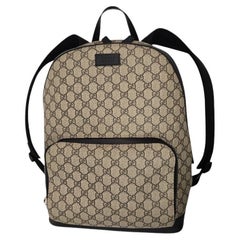
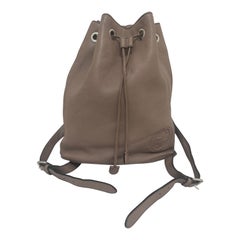
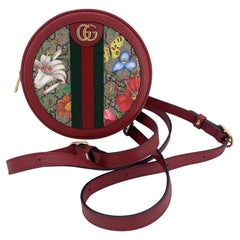
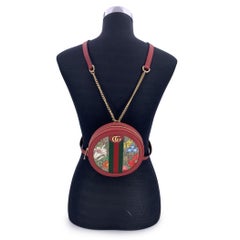
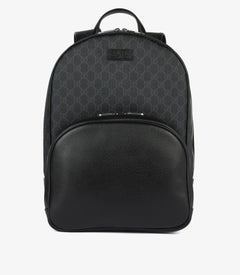
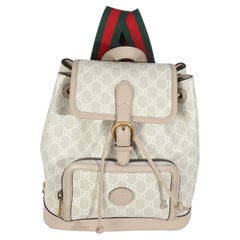
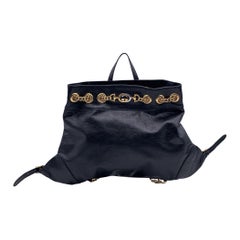
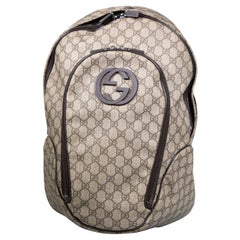
The history of
Gucci begins in 1921, when Guccio Gucci
opened a leather goods shop in Florence, Italy. In 1938, he brought three of his sons (Aldo, Vasco and Rodolfo) into the business and expanded it to Rome and later Milan.
In the mid-1930s, a League of Nations embargo against Italy pushed Gucci to experiment with alternatives to imported leather. Its
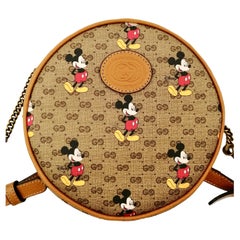
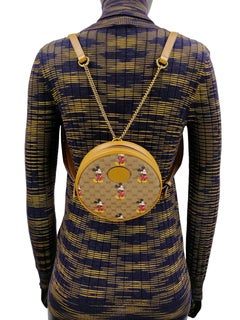
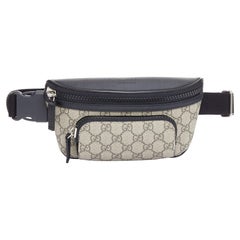
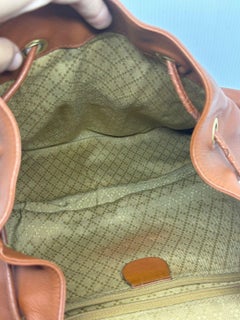
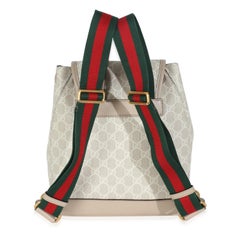
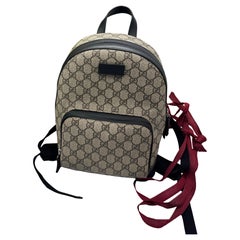
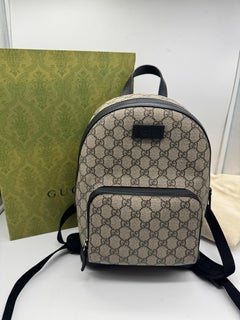
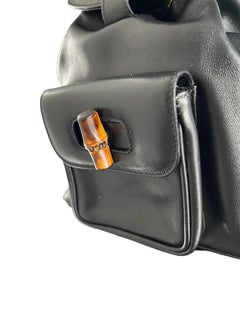
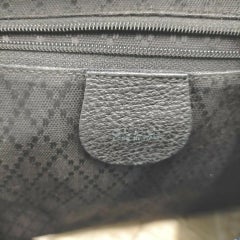
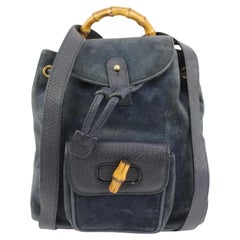
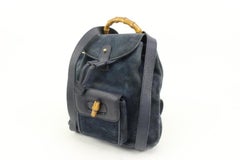
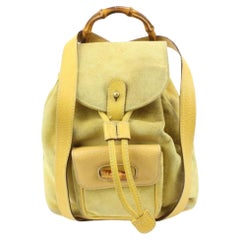
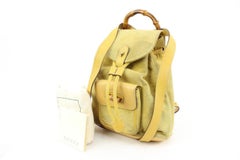
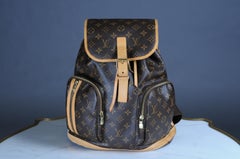
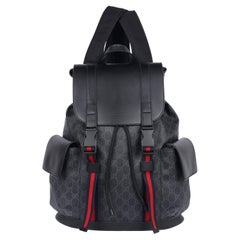
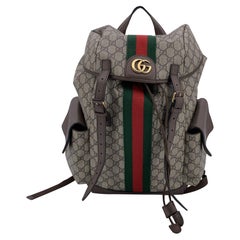
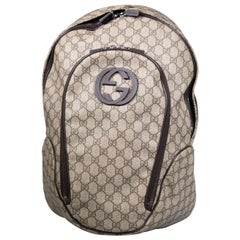
woven hemp fabric from Naples, adorned with the brand's signature diamond print, was a hit, especially among A-list celebrities. The use of bamboo for handles and locks
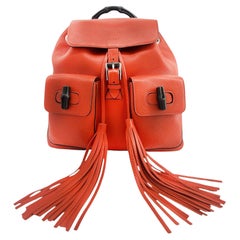
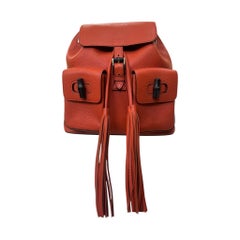
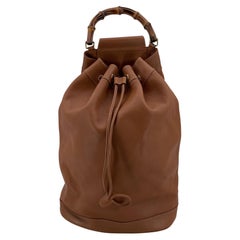
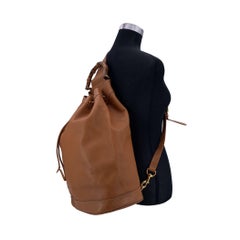
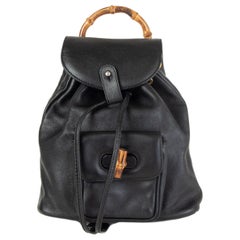
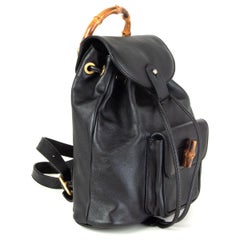
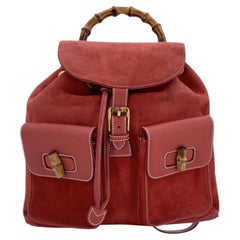
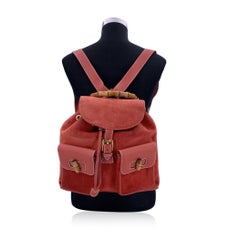
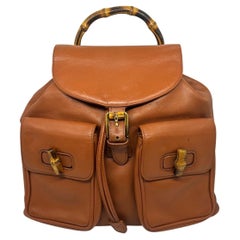
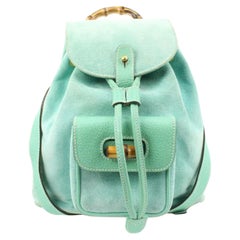
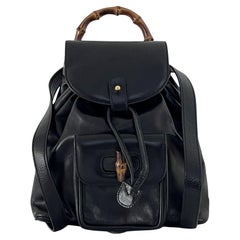
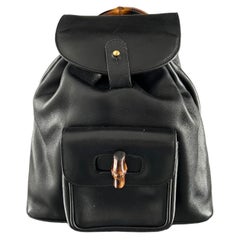
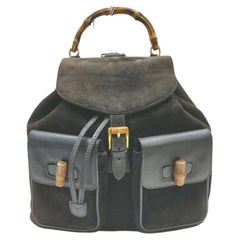
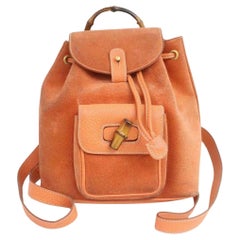
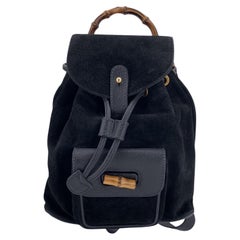
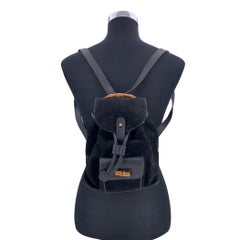
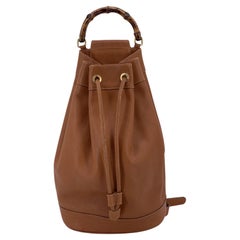
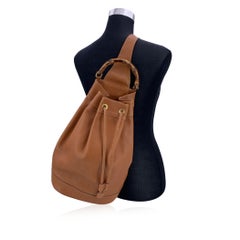
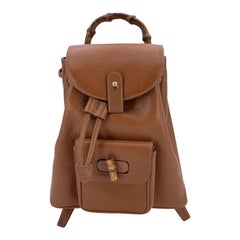
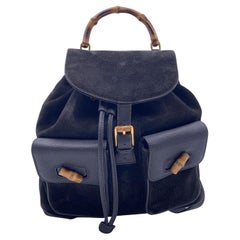
originated after World War II, when leather and metal were in short supply. In 1947, the founder used the incredibly durable material for the first time in his
Gucci Bamboo bag. In 1953, just 15 days after opening his first store on New York's 5th Avenue, Guccio passed away at 72.
The early 1970s saw store openings in Tokyo and Hong Kong, but by the late 1980s, Gucci was floundering. Rodolfo Gucci took charge in 1982, but family drama and lawsuits ensued. In 1993, Rodolfo's son, Maurizio, transferred his shares in the company to Investcorp, ending the family's involvement in Gucci. Dawn Mello, then-president of
Bergdorf Goodman, joined as creative director in 1989. But it was
Tom Ford, who
took over as creative director in 1994, who ultimately revived the brand.
The new millennium brought new ownership and a more toned-down vision from
Frida Giannini, who became sole creative director in 2006.
Alessandro Michele was
named creative director in 2015, and the storied brand took a giant leap forward. Michele exited Gucci in 2022 and was eventually replaced by Sabato De Sarno.
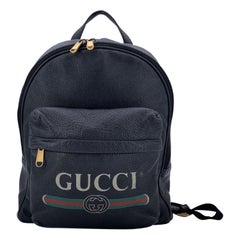
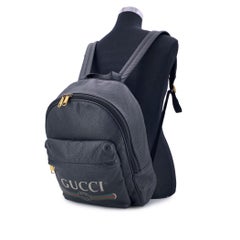
On 1stDibs, shop vintage
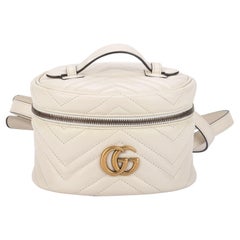
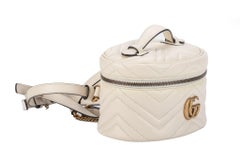
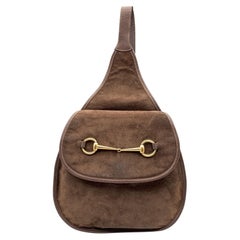
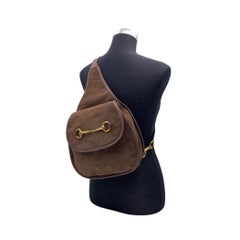
Gucci bags,
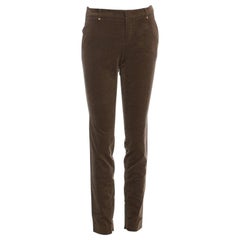
clothing and
accessories.